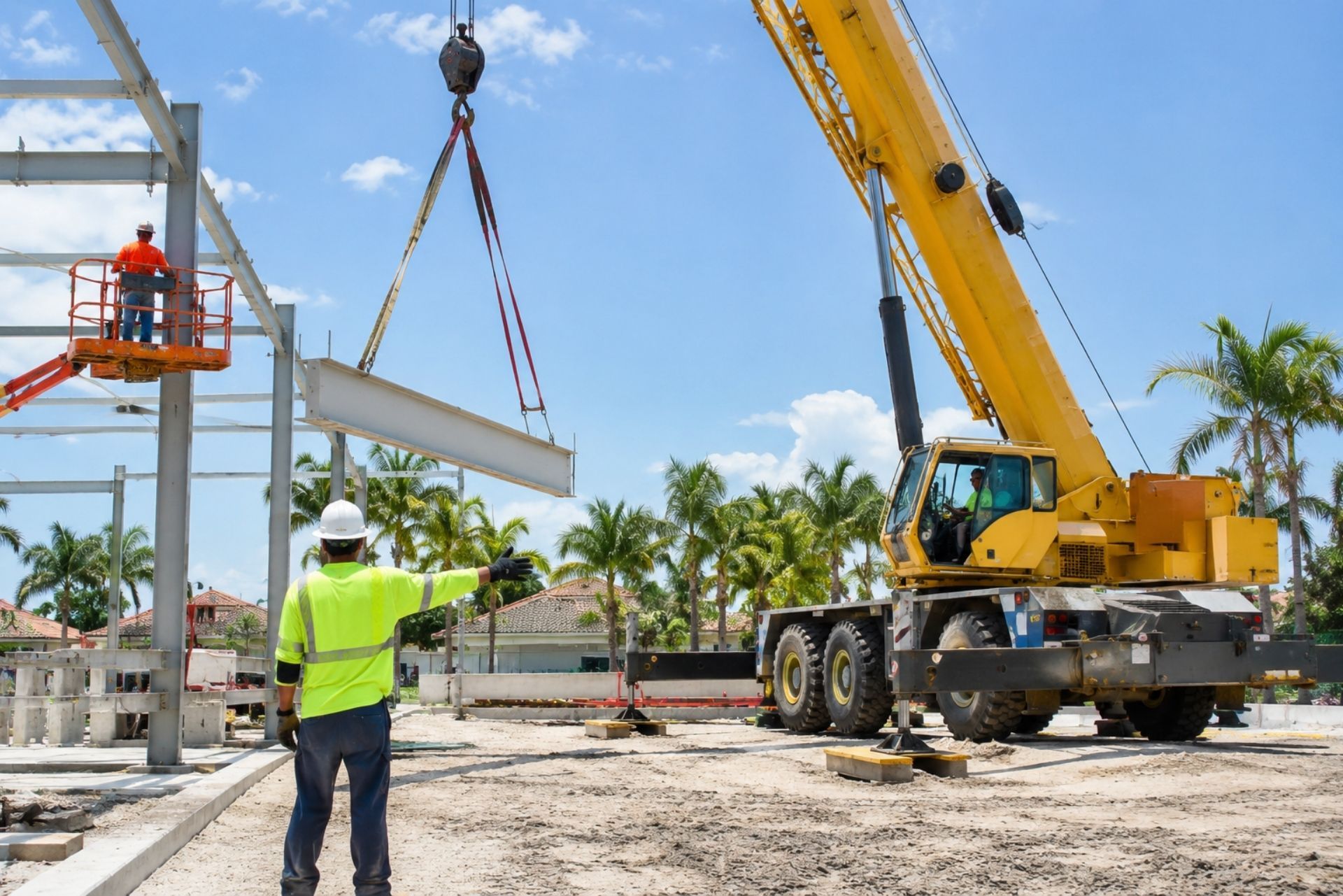
If you run a crane and rigging company in Florida, one misclassified signal-person or one uncertified subcontractor can wreck a year of careful bidding. Workers' comp is often the largest insurance cost on a heavy-lift contractor's books. Every dollar of it depends on three things you can influence: how your employees are classified, how your payroll is reported, and how your loss history shapes your experience modification factor.
This guide covers
workers' compensation for Florida crane and rigging companies, including the class codes that apply to operators and signal-persons, the payroll audits that follow every policy term, the experience mods that adjust your premium, and the costs you should expect heading into 2027. The goal is practical: help you avoid the audit surprises, misclassification penalties, and preventable claims that inflate premiums for crane contractors from
Jacksonville to Miami-Dade.
Understanding Workers' Comp for Florida's Crane and Rigging Industry
Florida treats crane and rigging work as construction, and that matters more than most owners realize. Construction-class employers face stricter coverage rules, tighter exemption limits, and more aggressive enforcement from the Division of Workers' Compensation. If you set steel on a Tampa high-rise or swap HVAC units on a Sarasota rooftop, you're a construction employer in the eyes of the state.
The claims profile in this trade is severe rather than frequent. A rigger who gets a hand caught between a load and a beam, an operator who suffers a back injury climbing into a cab, or a ground worker struck by a swinging load can generate six-figure medical and indemnity costs. Carriers price that severity into your rate, and they watch your loss runs closely.
Here's what that means for you: workers' comp isn't a commodity policy you renew on autopilot. Your premium is built from components you control, and each one deserves attention:
- Classification: Which NCCI code each employee's payroll falls under.
- Payroll: The remuneration base the rate is multiplied against.
- Experience mod: A multiplier reflecting your claims history against peers.
- Audit results: The final reconciliation that can produce a refund or a large bill.
One thing to keep in mind is that workers' comp doesn't cover property or third-party damage. If a load drops onto a client's equipment, that's a General Liability or rigger's liability issue, not a workers' comp claim. Keep those coverages separate in your planning.
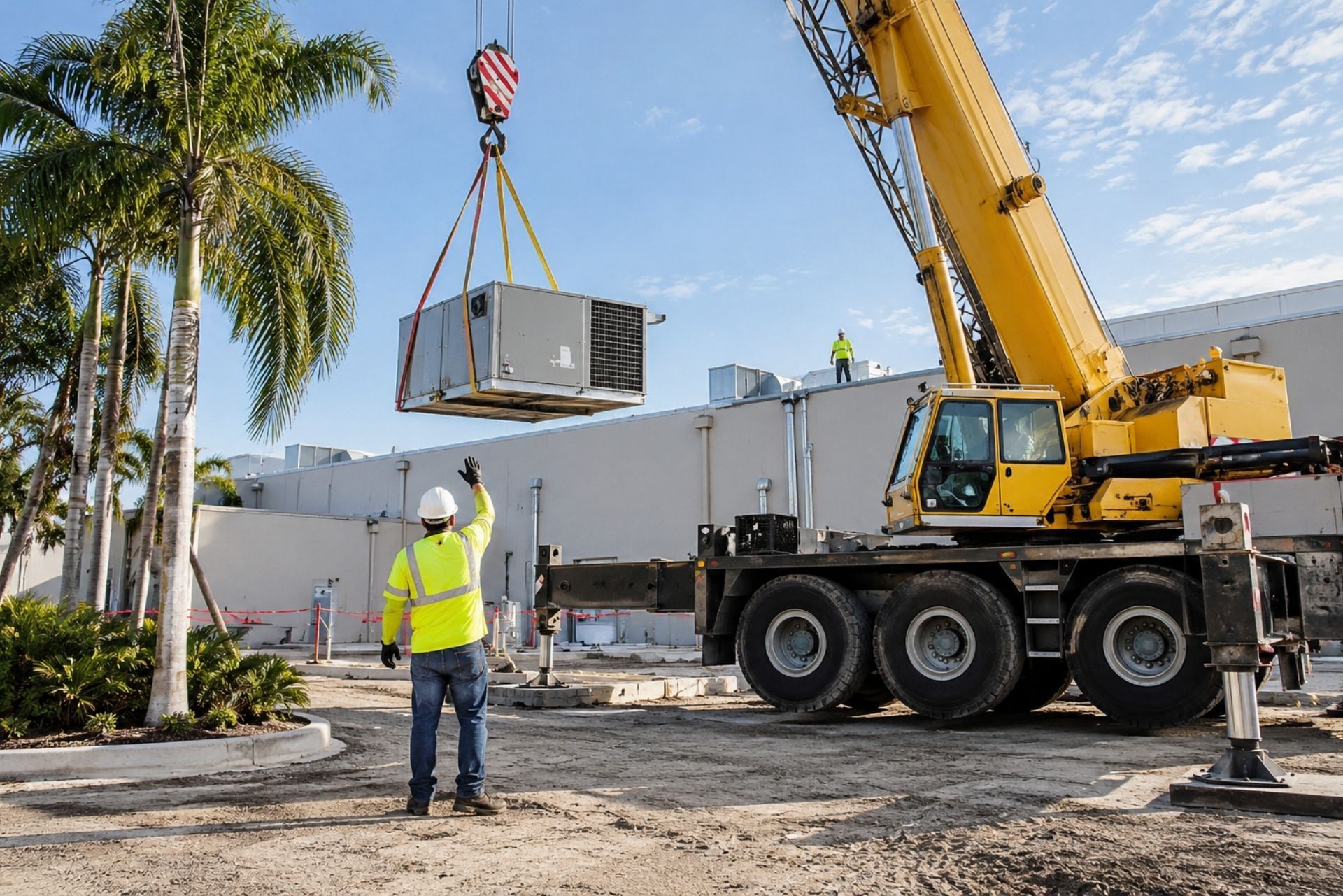
Class codes are the foundation of your premium. Florida uses the NCCI classification system, and each code carries its own rate per $100 of payroll. Assign an employee to the wrong code, and you either overpay all year or face a painful additional premium at audit.
The Role of Code 9534: Mobile Crane Operations
Code 9534 covers mobile crane and hoisting service contractors, the businesses that provide cranes and operators to lift materials for others. For the 2026 calendar year, the base rate for Code 9534 in the Florida Workers' Compensation Joint Underwriting Association (FWCJUA) tier is $6.414 per $100 of payroll. The FWCJUA is the residual market, the insurer of last resort for employers who can't find voluntary coverage, so voluntary-market pricing for your specific account may differ.
This code typically applies when your core service is crane rental with an operator. A company that dispatches a 90-ton hydraulic crane and an operator to a general contractor's jobsite in Orlando is the classic 9534 risk. The code is meant to reflect the full operation, so many carriers apply it to the operator and the oiler who travel with the machine.
The catch is that 9534 isn't automatic just because you own cranes. If your cranes mainly support your own erection or installation work, a different governing class may apply. Ask your agent to review the NCCI Scopes Manual description against what you actually do on jobsites.
Classifying Riggers, Signal-Persons, and Support Staff
Rigging operations frequently fall under Class Code 3724, Machinery or Equipment Erection or Repair. As of 2026, that code runs approximately $2.62 per $100 of payroll. That's a significant gap compared to 9534, which is why classification disputes between the two codes are common at audit.
Signal-persons and riggers usually follow the governing classification of the operation they support. A signal-person directing lifts for a crane rental job typically lands in the same code as the crane work. A rigger setting a generator in a Fort Lauderdale data center as part of an equipment installation may fit 3724. Office staff who never visit jobsites may qualify for clerical classification, but only with clean records showing they stay off-site.
Good example: Your dispatcher works exclusively from the office, and timecards and job descriptions confirm it. Bad example: Your dispatcher "occasionally" drives to sites to check rigging, and nobody documents it. The auditor reclassifies that payroll to the higher-rated code.
Your base premium starts with a simple formula: payroll divided by 100, multiplied by the class rate, then multiplied by your experience mod. Schedule credits, premium discounts, and expense constants adjust the final figure, but the core math is straightforward.
| Classification | Typical Use | 2026 Rate per $100 Payroll | Note |
|---|---|---|---|
| Code 9534 | Mobile crane and hoisting service | $6.414 | FWCJUA tier rate |
| Code 3724 | Machinery or equipment erection, rigging | About $2.62 | Primary rigging class |
| Difference | Per $100 of payroll | About $3.79 | Why classification disputes matter |
Consider a what-if scenario. A Jacksonville crane company reports $800,000 in operator payroll under Code 9534. At $6.414 per $100, the manual premium is about $51,312 before the experience mod. If $300,000 of that payroll legitimately belonged to riggers on equipment installation jobs under Code 3724, that portion would cost about $7,860 instead of roughly $19,242. The correct split saves around $11,382.
That said, you can't simply move payroll to a cheaper code because it helps the budget. Classification follows the work, and auditors check job descriptions, invoices, and contracts.
The broader rate environment is moving in your favor. The NCCI has
recommended an overall average rate decrease of 7.4% for Florida's voluntary market, effective January 1, 2027, which would mark the 10th consecutive year of proposed reductions. The Florida Office of Insurance Regulation
scheduled a public hearing for October 27, 2026 to review that filing. An overall average decrease won't apply equally to every code, so ask your agent how the approved changes affect 9534 and 3724 specifically once rates are finalized.
How Experience Modification Factors Affect Your Bottom Line
Your experience modification factor, or e-mod, compares your actual losses to the losses expected for a company of your size and class mix. A 1.00 mod is average. A 0.85 mod means you pay 15% less than manual premium, and a 1.25 mod means you pay 25% more.
This matters because the mod hits you twice. It changes your premium directly, and it affects whether you win work. Many general contractors and industrial owners prequalify subcontractors by e-mod, and some refuse bids from crane companies above 1.00. A high mod can quietly shut you out of the refinery, port, and power plant work that pays the best.
Consider a hypothetical crane contractor in Tampa with a $60,000 manual premium:
- At a 0.85 mod: Premium is $51,000.
- At a 1.00 mod: Premium is $60,000.
- At a 1.30 mod: Premium is $78,000.
The spread between the best and worst outcome is $27,000 a year, and mods typically reflect three years of loss data. One bad year can follow you for a long time.
One insider detail many owners miss: claim frequency often hurts your mod more than a single large claim. The NCCI formula gives heavier weight to the primary portion of each loss, so five small claims for strained backs and cut hands can damage your mod more than one larger claim. That's why reporting and managing minor injuries properly pays off.
Strategies to Lower Your E-Mod Through Safety Culture
Lowering your mod starts long before a claim is filed. Safety culture shows up in your loss runs within a year or two.
- Return-to-work programs: Offering light duty, such as yard inspections or rigging gear checks, can turn a lost-time claim into a medical-only claim, which typically carries less weight in the mod calculation.
- Prompt reporting: Report injuries to your carrier within 24 hours. Late reporting drives up claim costs and invites attorney involvement.
- Review loss runs annually: Check for closed claims still carrying reserves, duplicate entries, or claims belonging to another employer. Errors happen, and corrections can lower your mod.
- Pre-lift meetings: Documented daily briefings help prevent pinch-point and struck-by injuries, which drive many rigging claims.
Request your experience rating worksheet from your agent each year. If you can't explain every claim on it, you can't manage your mod.
Surviving the Annual Payroll Audit
Your workers' comp premium is an estimate until the audit closes. At the end of each policy term, the carrier reviews your actual payroll and classifications, then issues a refund or a bill for the difference.
Florida adds an extra layer for construction employers. Under Florida Statute 440.381, physical onsite audits are required for construction class employers whose estimated annual premium is $10,000 or more. Most crane and rigging companies cross that threshold easily, so expect an auditor at your office rather than a mailed questionnaire.
Prepare these records before the auditor arrives:
- Payroll journals and quarterly 941 and RT-6 reports.
- Timecards or job logs showing hours by job type, if you split payroll between codes.
- Job descriptions for each employee.
- 1099 forms and subcontractor certificates of insurance.
- Your general ledger, including any casual labor or cash payments.
A common client mistake is underestimating payroll at renewal to lower the deposit premium. A Fort Myers rigging firm that estimates $400,000 and reports $650,000 at audit will owe premium on the extra $250,000, often in one lump sum. Update your carrier mid-term if you hire for a big job.
Managing Overtime Pay and Subcontractor Certificates
Overtime is one of the easiest savings to miss. Under NCCI rules, the premium portion of overtime pay, the extra half in time-and-a-half, is generally excluded from payroll for workers' comp purposes. You'll only get that credit if your payroll records separate overtime hours and the premium portion clearly. If your system lumps all wages together, the auditor will likely count the full amount.
Subcontractors create the bigger exposure. If you hire an uninsured rigging crew or an independent operator without valid coverage, the auditor can add their pay to your payroll under your highest applicable code. Florida's construction exemption rules are strict, so never assume a subcontractor is exempt because they say so.
Collect a certificate of insurance before any subcontractor sets foot on your site, confirm the policy dates cover the work, and verify any exemption with the Division of Workers' Compensation. Keep those records organized by job.
Risk Management and Loss Control for Heavy Lifting
The best way to control workers' comp costs is to prevent the injuries that cause claims. Crane and rigging work has well-known hazards, and carriers reward companies that can prove they manage them.
The most expensive claims in this trade tend to cluster around a handful of situations:
- Struck-by incidents: A ground worker hit by a swinging load or a shifting counterweight.
- Caught-between injuries: Hands and fingers crushed while guiding loads or adjusting slings.
- Falls from equipment: Operators and oilers falling while climbing onto cranes or working on lattice booms.
- Overexertion: Back and shoulder injuries from handling heavy rigging hardware.
- Heat illness: A serious Florida exposure, especially for crews working summer lifts in Miami-Dade or Palm Beach County.
Practical controls make a measurable difference. Use tag lines to keep workers away from suspended loads, enforce three points of contact when mounting equipment, and schedule water, rest, and shade breaks during hot months. Inspect slings, shackles, and hooks before each shift and remove damaged gear immediately.
Documentation is what turns safety efforts into premium credits. Carriers offering schedule credits want to see written lift plans, operator certification records, signal-person qualification records, and training logs. A safety program that exists only in conversation earns nothing at renewal.
Hurricane season deserves its own plan. Securing cranes ahead of a storm and recovering equipment afterward exposes crews to wind, debris, and fatigue. Treat storm prep and post-storm work as high-risk tasks with their own procedures, not routine yard work.
Common Questions About Crane Insurance in Florida
Does a signal-person need a different workers' comp code than the crane operator? Usually not. Signal-persons generally follow the classification of the operation they support, so a signal-person on a crane rental job typically shares the operator's code.
Can I exempt myself from workers' comp as a Florida crane company owner? Some corporate officers in construction can apply for an exemption, but Florida limits construction exemptions tightly. Confirm eligibility with the Division of Workers' Compensation before relying on one.
Why did my premium go up after the audit? The most common reasons are higher actual payroll than estimated, uninsured subcontractors added to your payroll, or employees reclassified to a higher-rated code.
Will the proposed 2027 rate decrease lower my premium automatically? Not necessarily. The proposed 7.4% figure is an overall average for the voluntary market, and individual codes may move differently, while your mod and payroll still drive the final cost.
Does workers' comp cover damage if a crane drops a load on a client's property? No. Workers' comp covers injuries to your employees. Property damage to others falls under General Liability or rigger's liability coverage.
How long does a bad claim affect my experience mod?
Experience mods typically use three years of loss data, so a claim can influence your mod for about three years.
Workers' comp for a Florida crane or rigging operation rewards owners who pay attention to details. The rate environment is improving, with the NCCI proposing its 10th straight year of reductions. Still, your individual costs depend on correct classification between codes like 9534 and 3724, accurate payroll reporting, and a mod that reflects real safety performance.
Before your next renewal, take these steps:
- Review classifications: Compare every employee's actual duties against the NCCI code descriptions.
- Separate overtime: Configure payroll to track the premium portion of overtime.
- Audit your subcontractors: Collect and verify certificates before work begins.
- Request your mod worksheet: Check every claim for accuracy and open reserves.
- Document safety: Keep lift plans, training records, and inspection logs ready for underwriters.
- Monitor the 2027 filing: Follow the outcome of the OIR public rate hearing and ask how approved changes affect your codes.
Talk with an agent who understands heavy-lift operations, not just general construction. The right classification review alone can pay for the conversation many times over.
ABOUT THE AUTHOR: PAUL RAMENTOL
I am the Owner and President of Mesa Insurance Agency. I help individuals and business owners across Florida secure personal and business insurance coverage that supports their needs. My focus is on clear guidance, direct communication, and long-term support without call-center delays or confusion.
Contact Us

Personal Coverage Options
Insurance Built for Everyday Protection
Mesa Insurance Agency provides personal insurance coverage designed to support daily life. Our team reviews risks and coverage needs to help clients secure dependable protection at fair rates.
Dental & Vision Insurance
Coverage that helps manage routine dental and vision care costs.

Business Coverage Options
Insurance Built for Business Protection
Mesa Insurance Agency provides business insurance coverage that helps protect operations, employees, and property. We work with multiple carriers to offer coverage options that support daily business activities and long-term stability.
Commercial Auto Insurance
Coverage for business-owned vehicles, drivers, and accident-related liability exposure.
General Liability Insurance
Protection against third-party injury, property damage, and common business liability risks.
Professional Liability Insurance
Coverage for claims related to professional services, advice, or service errors.
Workers’ Compensation Insurance
Coverage that helps support employees with work-related injuries and medical costs.
Commercial Property Insurance
Protection for buildings, equipment, inventory, and physical business assets.
Errors & Omissions Insurance
Coverage for financial losses caused by mistakes, omissions, or service-related claims.
Industries We Serve
Serving Businesses Across Multiple Sectors
Mesa Insurance Agency works with business owners across Florida to provide insurance coverage that supports daily operations. We understand common risks faced by different industries and help clients secure reliable protection.
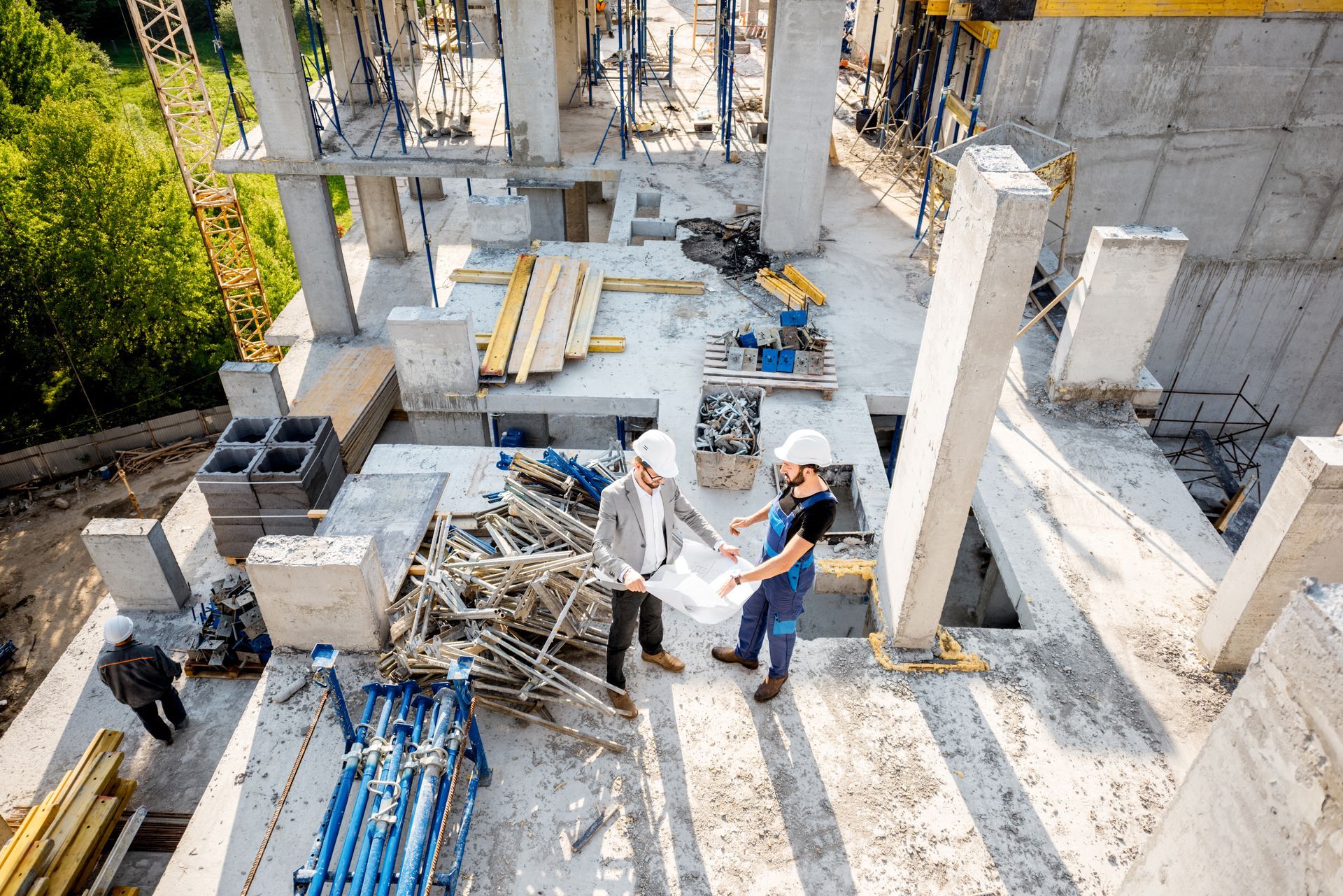
Construction and Trades Insurance
Coverage for job sites, vehicles, tools, and workplace risks.

Hospitality Businesses Insurance
Insurance for restaurants, bars, and service-based operations.

Retail and
Commercial Properties
Protection for storefronts, inventory, and customer-related liability.
Our Approach
Insurance Made Easy to Understand
Mesa Insurance Agency provides business insurance coverage that helps protect operations, employees, and property. We work with multiple carriers to offer coverage options that support daily business activities and long-term stability.
Insurance FAQs
Helpful Answers for Florida Clients
Support you can rely on.

What makes Mesa Insurance Agency different?
We are an independent agency with access to multiple carriers. This allows us to offer flexible coverage options.
Clients work directly with licensed agents. Service continues beyond the policy start date.
Do you offer coverage for individuals and families?
Yes. We provide personal insurance for individuals and families across Florida.
Coverage includes auto, home, health, life, and flood insurance. Our team explains each option clearly.
Do you work with small and mid-sized businesses?
Yes. We work with businesses of many sizes and industries.
Our team helps identify risks and secure appropriate coverage. Ongoing service is included.
Can I make changes to my policy later?
Yes. Policies can be updated as needs change.
We assist with coverage adjustments, additions, and removals. Clients can contact us directly for help.
Is flood insurance required in Florida?
Flood insurance is not always required, but it is strongly recommended in many areas.
Standard home insurance does not cover flood damage. Our team can review your flood risk and options.
How do I contact your office?
You can contact us by phone, email, or through our website.
Our team responds promptly during business hours. Support is always available when needed.
From the Blog
Insurance Topics That Matter
Clear answers for common questions.






Client Reviews
Trusted by Clients Across Florida
Mesa Insurance Agency is proud to serve individuals and businesses throughout Florida. Clients choose us for clear communication, responsive service, and reliable insurance support. Their feedback reflects our focus on long-term relationships and consistent service.
Contact Us