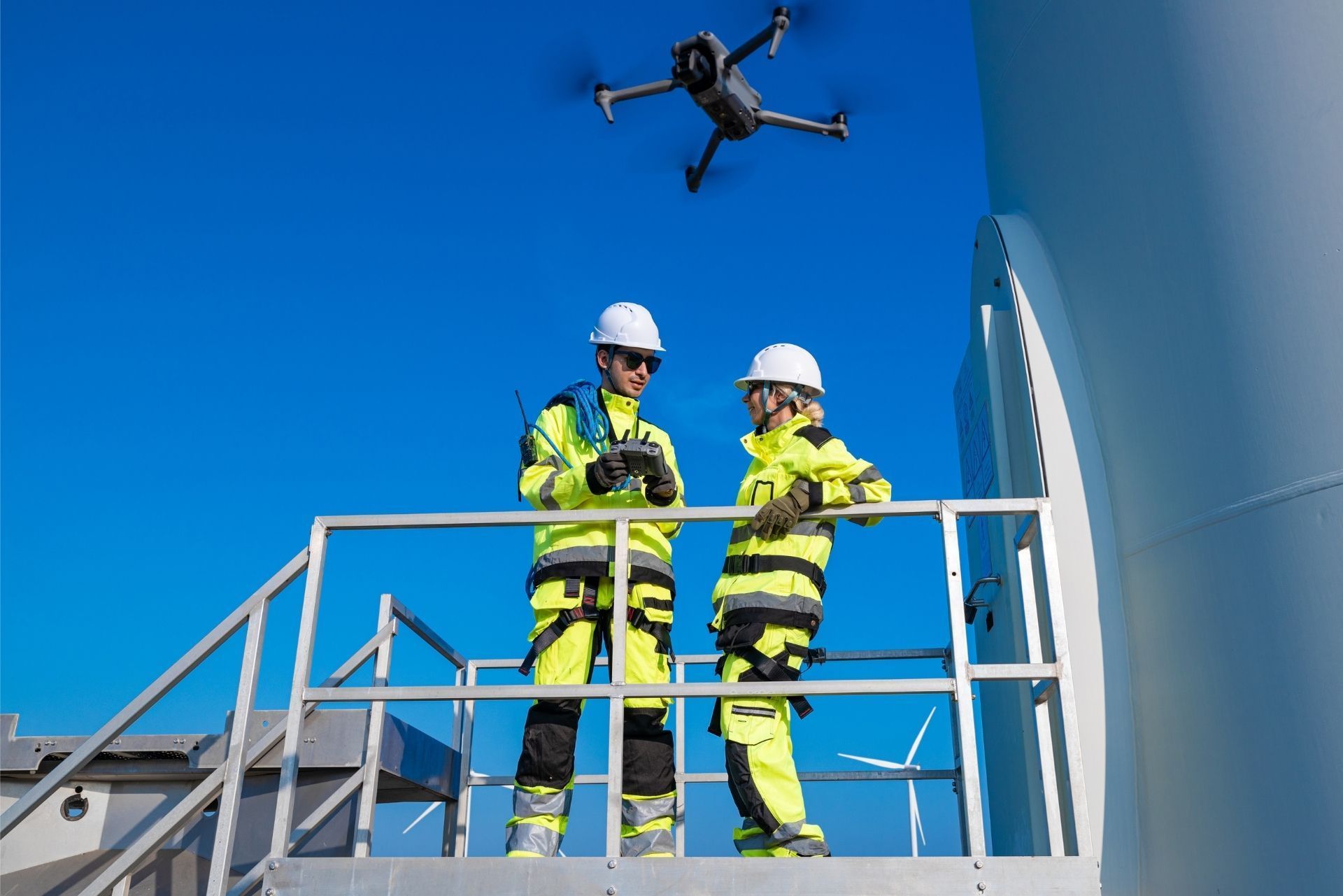
A local drone inspection service in Florida recently completed an inspection of a coastal home, highlighting the precision and safety offered by drone technology. When an insurance adjuster reviews drone-generated images of roofs and facades, the decision-making process speeds up tremendously. The evolving relationship between insurance providers and drone inspection companies now plays a critical role in risk assessment for property and infrastructure. Global Drone-as-a-Service projections suggest the market may revolutionize many operational aspects within the industry.
Insurance coverage for drone inspection services in Florida is a nuanced field that blends cutting-edge technology with time-tested risk management principles. Coverage for drone operators not only shields the company from potential liabilities but also ensures that the inspection services seamlessly integrate advanced aerial technology into reliable insurance frameworks. This article delves into the current trends, challenges, and practical considerations for both insurance providers and drone inspection businesses in Florida.
Understanding the Unique Risks in Drone Inspections
Assessing Physical and Cyber Risks
Drone inspections in Florida combine the challenges of aerial work with the landscape’s unique weather patterns and infrastructural characteristics. Operating in coastal areas, for example, exposes drones to high winds and saltwater corrosion, increasing maintenance risks. Insurance policies for these services must consider both physical damage to the drone and any potential damage to the inspected property.
Alongside physical risks, the reliance on digital technology means that cybersecurity becomes a secondary concern. Unauthorized access or data breaches involving drone-captured imagery can lead to significant liabilities. As noted by experts, the potential for cyber vulnerabilities makes comprehensive drone insurance coverage critical for ensuring both operational integrity and data security.
A study published on arXiv flashed a spotlight on hurdles in using small uncrewed aerial systems for damage assessment during hurricanes. The study emphasized issues such as spatial resolution limitations and wireless connectivity challenges that can complicate claims and assessments when severe weather is a factor.
Liability Concerns and Operational Hazards
Liability is a primary concern in the drone inspection industry. Drone operators can inadvertently expose themselves to lawsuits if their equipment malfunctions or causes property damage during an inspection. From the moment a drone takes flight until it safely returns, both the operator and the insurance company have a vested interest in managing risk. Insurance policies now often include clauses to cover both accidental damage and liability claims resulting from operational failures.
Florida’s dynamic weather and sprawling urban architecture further complicate these risks. When drones operate near power lines or dense infrastructure, the potential for interference increases. This operational hazard drives the need for specific endorsements or specialized policies tailored to the unique environment. Adequate coverage ensures that should a drone malfunction lead to a power outage or damage, the financial burden is not solely on the inspection company.

The Evolving Drone Inspection Market in Florida
Technological Advancements and Market Growth
Technological advancements have been the cornerstone of the growing drone inspection market. Companies in Florida are using drone technology to inspect roofs, building facades, and utility lines with greater precision and speed. According to recent projections, the global Drone-as-a-Service market could reach a staggering $27 billion by 2033, reflecting the robust interest and investment in these services.
The industry is not only scaling rapidly but also continuously adapting to meet the evolving needs of insurance and infrastructure maintenance providers. Florida companies combine state-of-the-art sensors and high-resolution cameras to generate accurate assessments for insurance adjusters. As technology improves, the reliability of drone inspections also improves, ultimately reducing the frequency of false claims and underwriting errors.
In addition to property assessments, drones are increasingly used for inspecting utility lines. A report from Technology Review Mississippi highlighted that the drone power line inspection market is expected to grow dramatically, indicating a market expansion that could help reduce the risk of power outages and other service disruptions.
Integration of Drone Technology Into Insurance Practices
Insurance companies are increasingly recognizing the benefits of drone inspections. Mark Friedlander from the Insurance Information Institute pointed out that "it is a much more precise, accurate way to assess the condition of homes" during inspections. This accuracy translates into more reliable claim evaluations, which benefits both adjusters and policyholders. By utilizing drones, insurance firms can minimize the time required to process claims and enhance safety by reducing the need for adjusters to physically access potentially hazardous areas.
Florida insurance providers began integrating drones into standard inspections in June 2024, specifically targeting roof conditions. This shift allows companies to quickly identify risk factors such as water damage or structural deterioration, enabling them to offer tailored solutions. The change also increases the overall safety of the inspections, as noted by insurance experts who commented that drone inspections “are much safer than sending someone out to your house with a ladder” (Gulf Coast News Now).
Integrating drone data into insurance risk models also requires insurers to be more flexible. This data improves underwriting processes and helps in updating policy terms to reflect real-time conditions of the property, which is particularly important in a state known for its frequent weather fluctuations and aging infrastructure.
Insurance Coverage Aspects Specific to Drone Inspection Services
Understanding Policy Coverage Requirements
The move to integrate drones in inspection work means that insurance companies must differentiate between traditional liability policies and specialized drone insurance. Coverage for drone inspection companies may include equipment damage, third-party liability, and even cyber liability given the data-driven nature of operations. A policy tailored for drone services often includes operational coverage for pilot errors, equipment malfunctions, and even weather-related incidents.
Although standard property insurance might already provide some level of protection, it does not always encompass the unique risks associated with unmanned aerial systems. As an example, damage caused during flight or issues related to data breaches may not fall under traditional policies. To bridge this gap, service providers need comprehensive coverage that is structured to meet the specific demands of drone operations.
Industry experts recommend that companies assess their coverage periodically. Insurance coverage should evolve concurrently with enhancements in drone technology. A proactive approach toward regularly reviewing and updating policies can prevent coverage gaps that might leave a business vulnerable in the event of an incident.
Key Policy Components and Endorsements
Insurance for drone inspection companies generally covers multiple facets. First, there is equipment coverage. This component protects drones and related hardware from accidental damage or theft. Next is liability coverage, which covers bodily injury or property damage caused to third parties during an inspection. Lastly, many policies incorporate cyber liability, safeguarding against risks associated with data breaches of sensitive imaging data.
Some insurers have even started to offer endorsements tailored to drone operations. These endorsements often include clauses that specifically address the challenges of flying near utility lines or densely constructed urban areas. Tailored endorsements help to distinguish between the risks associated with general liability and those uniquely generated by drone inspections. For example, targeted endorsements for Florida companies might cover damage resulting from sudden weather changes, ensuring that both natural and man-made risks are well-managed.
Mark Friedlander from the Insurance Information Institute mentioned that using drone inspections is a way to reduce risk by providing a safer alternative to traditional roof assessments. This insight is essential for both insurance companies and drone operators when considering coverage terms. By including endorsements that address operational hazards, insurers can support a more secure environment for drone inspections.
Case Studies and Recent Developments in Florida
Recent Adoption by Insurance Companies in Florida
In June 2024, several insurance companies in Florida began the practice of using drones for home inspections, focusing primarily on roof conditions. This development was driven by the dual need to improve safety protocols and enhance the precision of initial risk assessments. Drones have provided a safer means of evaluating property conditions without exposing individuals to unnecessary hazards, an approach that resonates well during adverse weather conditions.
A notable case involved a widespread roof inspection campaign after a significant storm. Drones equipped with thermal imaging and high-resolution cameras were able to quickly identify compromised areas, enabling insurers to process claims rapidly. This quick turnaround not only boosted customer satisfaction but also reaffirmed the practical advantages of drone inspections, prompting further integration and insurance modifications.
Insurance companies adopting this technology have encountered fewer claims disputes, as high-quality images allow for better documentation. The safety benefits have been emphasized by experts who highlight that drone-based inspections drastically reduce on-site accidents when compared with traditional methods. Such examples continue to bolster the case for comprehensive insurance policies that cover specialized drone operations.
Disaster Recovery and Utility Inspections
Beyond property damage claims, disaster recovery in Florida often hinges on rapid and accurate assessments of critical infrastructure. In September 2025, Airborne Response expanded its efforts in disaster recovery by securing new utility inspection contracts. The company’s involvement highlights how drone technology plays an increasingly important role in surveying power lines and assessing damage to essential services. DRONELIFE reported on these efforts, which align with the broader trend of integrating advanced drone technology into disaster management frameworks.
This development is especially vital in a state like Florida where severe weather events occur frequently. Insurance companies must account for these scenarios in their policies to ensure that both the insured and the insurer have adequate protection in the aftermath of disasters. When utility inspections are involved, the risks of service interruptions and collateral damage increase, which underscores the benefits of targeted endorsements for drone operations in disaster recovery.
Drone-assisted utility inspections also help identify potential hazards before they escalate, which in turn supports preemptive maintenance strategies. As more companies participate in these services, the insurance products evolve to offer enhanced coverage for these specialized tasks, ultimately reducing overall claim frequency and severity.
Practical Considerations When Choosing Drone Inspection Insurance
Evaluating Coverage Options and Policy Limits
When a drone inspection company in Florida seeks insurance, it is critical to review the breadth of coverage offered. Companies should carefully evaluate various policy components, including general liability, equipment damage, and cyber liability. Insurers may offer multiple packages that have built-in endorsements for aerial operations. Comparing these options helps determine which policy most effectively mitigates potential business risks.
The policy limits should be commensurate with the scale of operations. A small company might not need the same level of coverage as a large enterprise with a vast fleet of drones performing inspections. It’s advisable to consult with industry experts who understand the unique operational hazards associated with drone inspections. In doing so, businesses can make an informed decision that balances cost with adequate risk protection.
Operators should also be aware of any exclusions in their policy. Exclusions may pertain to specific weather conditions, pilot errors, or data breach incidents. Addressing these exclusions in advance, either by negotiating endorsements or purchasing supplementary coverage, is crucial to achieving comprehensive protection.
Delivery of Insurance Claims in a Drone-Driven Era
Insurance claims processes have been streamlined thanks to the integration of drone technology. When damage occurs, the inspection images received by an insurer provide a detailed baseline for assessing claims. This quick and precise documentation helps reduce disputes and simplifies the claims process. For example, when a property experiences unexpected damage, insurers can rely on time-stamped images to verify pre-existing conditions, thereby expediting payouts.
It is important for drone inspection companies to work closely with their insurers to provide all necessary documentation in a timely manner. Improved accuracy in the inspection process, thanks to advanced drones, allows claims teams to work more confidently, particularly when the alternative would have involved dangerous manual inspections. Such advancements in claims processing further reinforce the overall stability and reliability of the insurance market for high-tech operations.
Insurance providers are also adapting their systems to handle the influx of digital data. When claims processing is supported by high-resolution images, the efficiency and accuracy of reviews improve considerably. This data-driven approach aligns perfectly with the operational ethos of drone inspection companies and helps build long-term trust between all parties.
Charting the Landscape: Coverage Options at a Glance
Comparison Table of Key Insurance Components
The table below summarizes the core coverage options available for drone inspection companies. The table provides an at-a-glance guide to help decision-makers compare essential policy components when selecting coverage.
| Coverage Type | Description | Key Considerations |
|---|---|---|
| Equipment Coverage | Protects drones and sensor equipment from physical damage, theft, and malfunctions. | Policy limits, deductible amounts, and maintenance warranties. |
| General Liability | Covers third-party bodily injury and property damage caused during operations. | Includes exclusions for specific scenarios and pilot errors. |
| Cyber Liability | Provides protection against data breaches or unauthorized access of digital images and inspection data. | Consider data storage security and transmission methods. |
| Operational Endorsements | Special clauses that address risks associated with flight in urban or hazardous conditions. | May include weather-related damage and compliance with local regulations. |
This table helps illustrate the range of insurance products available, enabling businesses to discern the best fit based on their operational scale and risk profile. The clear distinction between general liability and specialized endorsements can guide companies toward more informed insurance choices.
Regulatory and Industry Insights
Meeting Regulatory Requirements
Drone inspection services in Florida must operate under a regulatory framework designed to maximize safety while optimizing operational efficiency. Regulatory authorities require that operators adhere to strict guidelines regarding flight patterns, data collection, and privacy concerns. Compliance not only minimizes legal risks but can also lead to lower premium rates due to reduced liability exposures.
Florida-based drone companies often collaborate with local insurance providers to ensure that policies align with state-specific requirements. This working relationship helps both parties maintain accurate records, especially when audits are required. For instance, cloud-based data storage requirements and certification of drone pilots are addressed in comprehensive policies, making sure that insurers and operators are aligned on risk mitigation strategies.
Recent collaborations between insurers and technology firms have streamlined compliance procedures, ensuring that drone operators meet all regulatory standards. With robust policies in place, Florida companies can confidently expand their services while safeguarding both their business and clients' interests.
Industry Perspectives and Market Trends
Market trends point to a future where drone inspection services will be even more integral to the risk management strategies of insurance companies. As operational data becomes more sophisticated, predictive analytics play a role in anticipating potential claims. This trend reinforces the need for insurance models that can accommodate fast-evolving technologies and market conditions.
Recent statements from industry experts underscore the benefits of integrated drone data into insurance underwriting. These benefits include improved risk assessment accuracy, faster claims processing, and ultimately lower operational costs. With forecasts indicating robust growth, the drone inspection sector is on track to radically reshape traditional insurance models. Companies and insurers alike are leveraging technology to gain a competitive edge in a market that is expected to keep expanding.
As this transformation occurs, insurers will need to continuously adapt their products and processes. By embracing a forward-thinking approach, both drone inspection companies and their insurance partners can better prepare for unforeseen challenges and capitalize on new opportunities.
Practical Advice and Best Practices for Insured Drone Operators
Implementing Safe Operational Protocols
For insured drone operators, maintaining a strong safety record is not only a regulatory requirement but also a critical component in securing favorable insurance premiums. Establishing rigorous operational protocols can help mitigate risks. These protocols might include frequent equipment inspections and thorough pre-flight safety checks, ensuring that drones are maintained in optimal condition.
Training for pilots and support staff is equally vital. Regular training sessions on flight safety, along with updates on regulations, help build a culture of safety and reduce accident likelihood. Companies should document all training and safety procedures to support any future insurance claim negotiations, as detailed safety records are often viewed favorably by insurers.
Operators are encouraged to invest in advanced sensor technologies that can identify potential hazards early. Integrating these systems into routine checks not only enhances safety but also improves the overall efficiency of inspections. This proactive approach to risk management is critical in a field where precision and reliability are paramount.
Staying Informed on Industry Changes
Staying up-to-date with industry developments is crucial for drone inspection companies in Florida. Regulatory changes, technological enhancements, and fluctuating market demands all influence how risk is managed. Networking with industry groups, attending regional conferences, and subscribing to trade publications are excellent ways to remain informed and prepared.
Insurance customers benefit from learning about the latest trends in drone technology and risk management. Updated educational resources help operators understand potential gaps in their coverage and identify areas where supplemental endorsements might be necessary. Such informed decision-making ultimately fosters a safer operational environment and strengthens the insurance relationship.
A diversified knowledge base also contributes to robust risk mitigation. As service providers adjust to the evolving market, regular review of best practices can make the difference between a resilient business model and one that is exposed to unnecessary hazards. Businesses that invest in knowledge and training are better positioned to adapt to rapid changes in both technology and insurance requirements.
Frequently Asked Questions
This section addresses common questions that arise from Florida-based drone inspection companies and their insurance inquiries.
Q: What does drone inspection insurance typically cover?
A: Policies designed for drone inspection services usually include equipment damage, third-party liability, and cyber liability coverage. They also often feature endorsements addressing specific operational risks.
Q: How do drone inspections improve the claims process?
A: Drone inspections provide high-resolution images and detailed data that help insurers verify damage quickly, reduce on-site risks, and expedite the claims process.
Q: Are there specialized endorsements for weather-related risks?
A: Yes. Given Florida's unique weather patterns, many insurance policies now include targeted endorsements that cover weather-related damage and operational hazards.
Q: How important is regular training for drone pilots?
A: Maintaining current and thorough training is essential in ensuring safety and reducing liability risks, which in turn helps secure better premium rates.
Q: Can drone insurance policies be adjusted as my business grows?
A: Absolutely. As operations expand and technology evolves, it is vital to periodically review and update your policy to ensure continued comprehensive coverage.
Q: What role does regulatory compliance play in drone insurance?
A: Compliance with local and state regulations is crucial; it often results in more favorable insurance terms and helps minimize legal liabilities associated with drone operations.
Final Considerations for Florida Drone Inspection Services
Building a Robust Risk Management Framework
For Florida drone inspection companies, creating a robust risk management framework is key to navigating the complex interplay between operational hazards and insurance requirements. A thorough review of your company’s operational procedures coupled with a strategic insurance plan can provide the necessary protection against unexpected incidents. The cost benefits of a comprehensive insurance package extend beyond mere financial protection-they also add a layer of credibility to your business operations, instilling confidence in both clients and partners.
Insurance firms that partner with drone technology providers are poised to offer even better risk-mitigation tools as technology continues to evolve. Keeping abreast of market trends, such as the forecasted market growth and technological enhancements, can help operators position themselves ahead of potential risks. As the sector develops, partnerships between insurers and drone operators will likely become more integrated, ensuring that coverage evolves in parallel with technology.
Companies that invest in ongoing training, proactive safety measures, and cutting-edge technology stand to benefit from lower claim frequencies and more favorable underwriting practices. The benefits of adopting a holistic risk management approach are clear: fewer disruptions, quicker claim settlements, and the peace of mind that comes from having comprehensive protection in place.
Integrating Industry Insights Into Long-Term Strategy
As the use of drones in inspection services becomes more widespread, industry insights play a crucial role in driving operational strategy. Critical data and expert opinions-such as those from the Insurance Information Institute-help companies fine-tune their risk management strategies and align their practices with evolving market realities. Leveraging real-time feedback from inspections can lead to policy changes that better reflect the practical aspects of drone operations in challenging environments.
The integration of cutting-edge data analytics with drone technology is transforming how both risk is assessed and claims are administered. Insurers are continuously refining their evaluation procedures, using drone data to update risk models dynamically. This fluid integration ensures that both the insured and the insurer remain agile in the face of changing risk landscapes, contributing to a more resilient and responsive insurance market in Florida.
Developing a forward-thinking strategy that includes periodic policy reviews, investment in training, and regular engagement with industry innovations will help companies secure long-term benefits. A methodical approach to integrating industry insights ensures that Florida-based drone inspection services remain competitive and well-protected in a rapidly evolving technological landscape.
Recent industry developments confirm that proactive adaptation is essential.
Wrapping Things Up
Key Takeaways for Service Providers and Insurers
Drone inspection services in Florida are more than just an innovative tool-they represent a significant evolution in property and infrastructure risk management. The integration of drone-generated data into insurance processes has resulted in faster claims processing, reduced safety hazards, and better overall risk assessment. As the market grows, with industry projections reaching milestones such as $27 billion by 2033, both drone operators and insurers are encouraged to update their strategies to reflect the new technological realities.
By adopting robust risk management, regularly reassessing insurance coverage, and incorporating technology-centric policies, companies can mitigate potential liabilities while enhancing operational efficiency. Ultimately, embracing a proactive approach to insurance coverage for drone inspection services fosters a safer and more dynamic industry environment-one that benefits all stakeholders.
As the Florida market continues to mature, staying informed about both technological advancements and changes in regulatory requirements ensures that companies remain compliant and well-protected. Insurance coverage tailored to the unique demands of drone operations not only secures a physical asset but also solidifies trust in a business model where accuracy and speed are paramount. Strong market trends further underscore the importance of this evolving landscape.
Looking Toward the Future
The future of drone inspection services in Florida looks promising. With advancements in technology facilitating more precise monitoring and damage assessments, both insurance providers and service operators stand to gain. The continued adoption of specialized insurance coverage will help minimize gaps in liability and ensure that both operational risks and cyber vulnerabilities are addressed comprehensively.
The industry is set to see a deeper integration of technology and data analytics, making coverage more dynamic and responsive to emerging challenges. This forward-thinking approach ensures that as weather patterns, regulatory demands, and technological capabilities evolve, insurance products will adapt to cover new risks effectively.
Florida companies that embrace these changes and align their insurance strategies accordingly are poised to capitalize on increased efficiency, reduced claim disputes, and enhanced safety records. Ultimately, such alignment fosters a more resilient and innovative market environment, ensuring that both risk and reward are managed judiciously.
Ensuring that the insurance framework remains as advanced and adaptive as the technology it supports not only benefits individual companies, but also contributes to the stability and growth of the industry as a whole. As the inspection process becomes even more integral to disaster response, infrastructure maintenance, and risk assessment, every participant in this ecosystem must work collaboratively to drive long-term success.
ABOUT THE AUTHOR: PAUL RAMENTOL
I am the Owner and President of Mesa Insurance Agency. I help individuals and business owners across Florida secure personal and business insurance coverage that supports their needs. My focus is on clear guidance, direct communication, and long-term support without call-center delays or confusion.
Contact Us

Personal Coverage Options
Insurance Built for Everyday Protection
Mesa Insurance Agency provides personal insurance coverage designed to support daily life. Our team reviews risks and coverage needs to help clients secure dependable protection at fair rates.
Dental & Vision Insurance
Coverage that helps manage routine dental and vision care costs.

Business Coverage Options
Insurance Built for Business Protection
Mesa Insurance Agency provides business insurance coverage that helps protect operations, employees, and property. We work with multiple carriers to offer coverage options that support daily business activities and long-term stability.
Commercial Auto Insurance
Coverage for business-owned vehicles, drivers, and accident-related liability exposure.
General Liability Insurance
Protection against third-party injury, property damage, and common business liability risks.
Professional Liability Insurance
Coverage for claims related to professional services, advice, or service errors.
Workers’ Compensation Insurance
Coverage that helps support employees with work-related injuries and medical costs.
Commercial Property Insurance
Protection for buildings, equipment, inventory, and physical business assets.
Errors & Omissions Insurance
Coverage for financial losses caused by mistakes, omissions, or service-related claims.
Industries We Serve
Serving Businesses Across Multiple Sectors
Mesa Insurance Agency works with business owners across Florida to provide insurance coverage that supports daily operations. We understand common risks faced by different industries and help clients secure reliable protection.

Construction and Trades Insurance
Coverage for job sites, vehicles, tools, and workplace risks.

Hospitality Businesses Insurance
Insurance for restaurants, bars, and service-based operations.

Retail and
Commercial Properties
Protection for storefronts, inventory, and customer-related liability.
Our Approach
Insurance Made Easy to Understand
Mesa Insurance Agency provides business insurance coverage that helps protect operations, employees, and property. We work with multiple carriers to offer coverage options that support daily business activities and long-term stability.
Insurance FAQs
Helpful Answers for Florida Clients
Support you can rely on.

What makes Mesa Insurance Agency different?
We are an independent agency with access to multiple carriers. This allows us to offer flexible coverage options.
Clients work directly with licensed agents. Service continues beyond the policy start date.
Do you offer coverage for individuals and families?
Yes. We provide personal insurance for individuals and families across Florida.
Coverage includes auto, home, health, life, and flood insurance. Our team explains each option clearly.
Do you work with small and mid-sized businesses?
Yes. We work with businesses of many sizes and industries.
Our team helps identify risks and secure appropriate coverage. Ongoing service is included.
Can I make changes to my policy later?
Yes. Policies can be updated as needs change.
We assist with coverage adjustments, additions, and removals. Clients can contact us directly for help.
Is flood insurance required in Florida?
Flood insurance is not always required, but it is strongly recommended in many areas.
Standard home insurance does not cover flood damage. Our team can review your flood risk and options.
How do I contact your office?
You can contact us by phone, email, or through our website.
Our team responds promptly during business hours. Support is always available when needed.
From the Blog
Insurance Topics That Matter
Clear answers for common questions.







Client Reviews
Trusted by Clients Across Florida
Mesa Insurance Agency is proud to serve individuals and businesses throughout Florida. Clients choose us for clear communication, responsive service, and reliable insurance support. Their feedback reflects our focus on long-term relationships and consistent service.
Contact Us