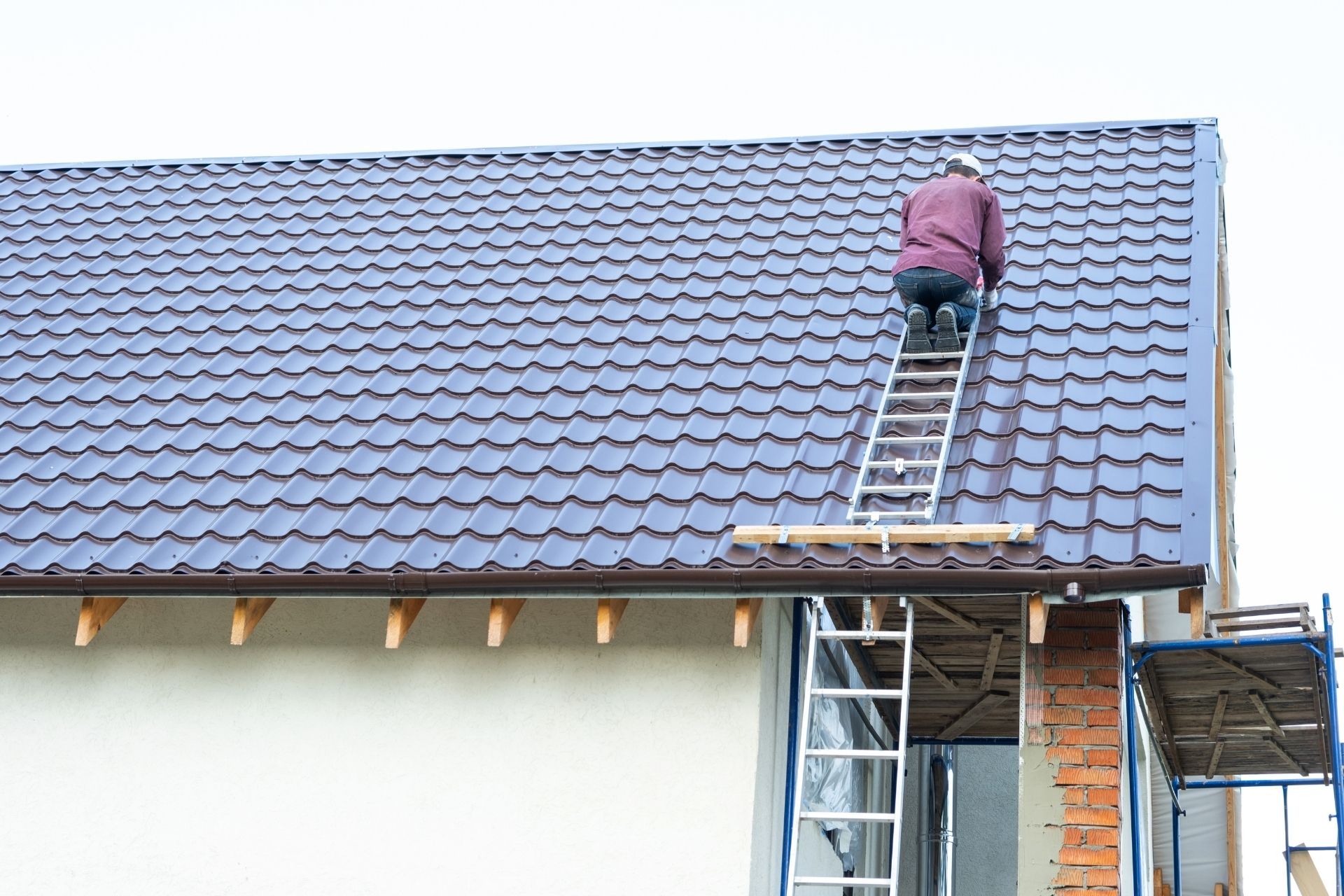
A sudden gust of wind sends shingles flying and a severe storm leaves behind a trail of damage. For roofing contractors operating in Florida, these scenarios are all too familiar. The intricate world of Florida roofer insurance blends unique environmental challenges with a bustling, high-stakes market, demanding tailored strategies that address real risks. This article unpacks essential insurance considerations while grounding the discussion in industry trends and regulatory updates. For instance, as reported by
IBISWorld, Florida’s roofing market is on track to grow to a market size of $4.6 billion by 2025.
Understanding Florida's Roofing Market Landscape
The roofing industry in Florida is not only large, it is also intricate. With over 8,301 establishments and a workforce of roughly 30,246 employees, the market has become highly competitive. The sheer scale of Florida’s roofing segment calls for specialized insurance policies that reflect the risks associated with working in a weather-prone region. Local weather patterns and fluctuating market demands create a distinct environment for risk management that contractors and insurance providers must navigate together.
Contractors face challenges that extend beyond simple weather-related claims. High homeowners insurance costs, reaching nearly four times the national average at around $6,000 per year, add another layer of financial risk to property management and repair projects. These statistics, combined with the risks posed by extreme weather events, underline the importance of sound insurance strategies.
Advanced planning and robust coverage options are necessary for mitigating potential losses. Knowledgeable insurance professionals and risk management experts, such as those noted by
industry experts, advise that understanding regional trends is critical when choosing the right insurance partner and coverage approach.
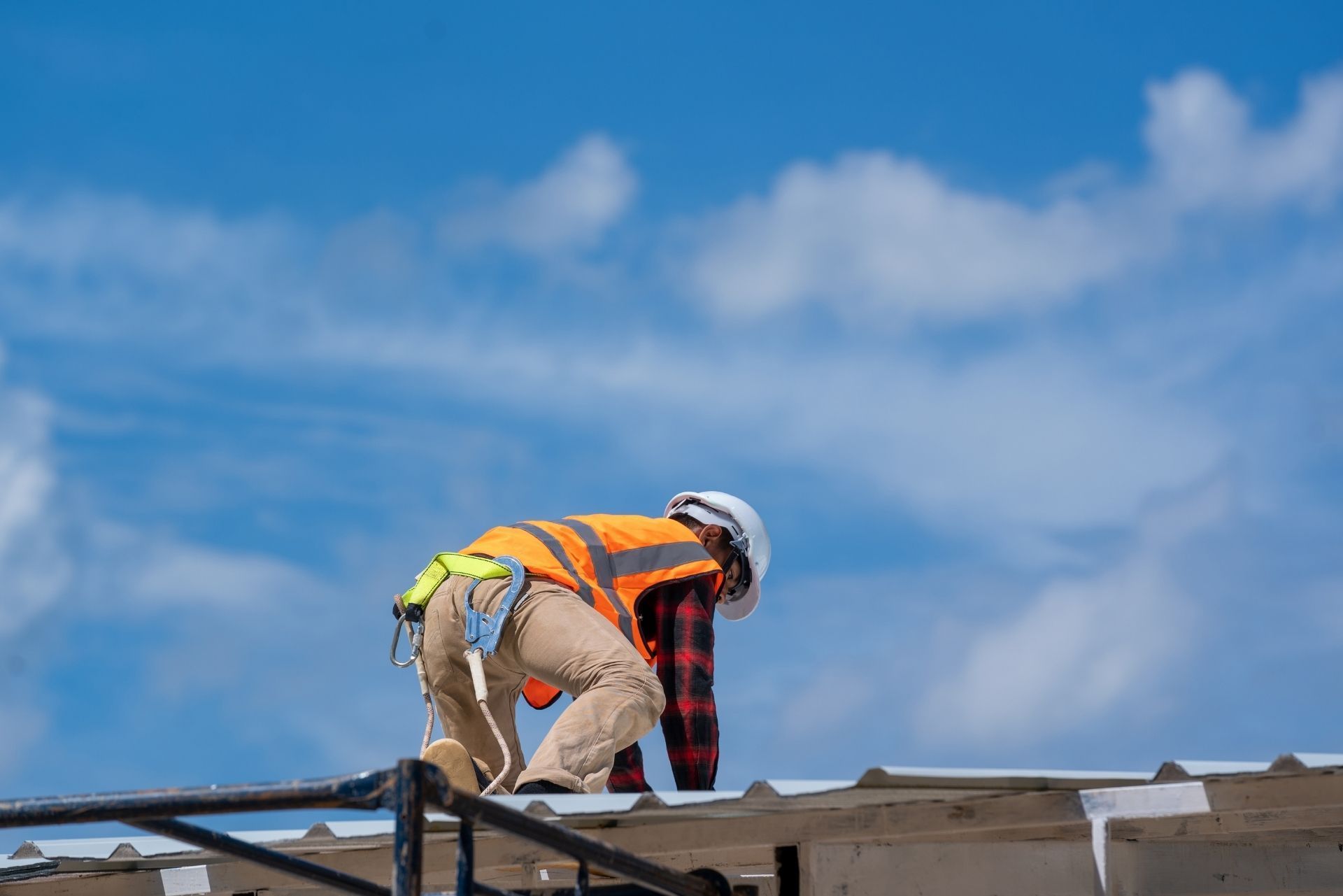
Roofing contractors in Florida have seen an upsurge in roof damage claims during recent years, a trend that has created significant ripples in the insurance world. Stephen Poux, an executive in risk management, warned that the frequency of claims related to roof damage has skyrocketed. This surge is driven by severe weather events, including hurricanes and high wind speeds that batter and wear down roofing materials.
Insurance companies have responded by tightening policies and refining their claims procedures. With increased scrutiny on the type of work performed and on the quality of roof installations, contractors find themselves juggling multiple expectations from both clients and insurance providers. It is crucial for roofing contractors to maintain high standards and clear documentation of all work processes to facilitate smoother insurance claim approvals.
Price pressure and tightening underwriting practices have reshaped the insurance landscape, making it imperative that roofing contractors partner with insurers familiar with the nuances of Florida’s market. This relationship ensures that claims are handled efficiently and that risk mitigation strategies are aligned with current industry standards.
Regulatory Changes and Workers' Compensation in Florida
Regulatory shifts in insurance can have significant implications for roofing contractors who work in hazardous environments. A significant recent development is the 15.1% average decrease in workers' compensation rates that went into effect January 1, 2024. This policy change, approved by the Florida Office of Insurance Regulation, provides meaningful relief for contractors from potentially crippling insurance premium hikes (Insurance Journal).
The decrease in workers' compensation rates is a welcome change, particularly for smaller contractors who operate on tight margins. However, reduced premiums do not equate to diminished scrutiny; risk factors such as workplace safety protocols and claims history remain under close review by insurers. Contractors are advised to focus on comprehensive safety training and rigorous documentation as part of their risk management strategies.
Understanding how these changes impact their bottom line can help contractors budget more effectively and invest in quality safety measures. Insurers and roofing specialists alike agree that explicitly tying workers' compensation policies to incident prevention best practices ultimately benefits both parties by reducing overall risk exposure.
Durability of Roofing Materials and Its Impact on Insurance
Durability concerns are at the heart of many debates around roofing contractor insurance in Florida. Asphalt shingle roofs, often marketed as "30-year" shingles, tend to have a much shorter functional lifespan in the face of Florida's storm conditions. Research indicates that these shingles often last only about 10 years on average, with a dramatic increase in visible damage as wind speeds reach 60 mph (Florida Trend).
These findings have a profound effect on insurance claims and premium calculations. Insurance policies must account for the likelihood of roof deterioration, especially in a region prone to severe weather. The limited life expectancy of commonly used roofing materials means that contractors and homeowners alike should plan for more frequent roof inspections and possible re-roofing projects.
Consulting with material experts and reputable product suppliers can provide insights into premium costs and resulting policy adjustments. As part of a sound risk management strategy, roofing contractors should explore investments in higher-quality, longer-lasting materials that might offer better performance under harsh Florida conditions.
Insurance Fraud, Risk Management, and Preventive Measures
Insurance fraud has become an increasingly significant issue within the roofing industry. A recent case in Pasco County involved an individual who was arrested for conducting an unlicensed roof replacement scheme, defrauding homeowners of over $41,000 in insurance claims (Florida CFO’s Office). Such cases underscore the necessity of stringent verification processes and robust risk management protocols.
Contractors can protect themselves by ensuring that all work, from material procurement to installation, adheres to verified standards and documented procedures. Regular audits and internal reviews are vital to ensure compliance with both insurance regulations and state laws. Employees who are trained in recognizing potential fraud scenarios add an extra line of defense for the business.
Beyond protecting individual contractors, solid risk management frameworks contribute to lowering overall claims frequency. Insurers benefit when contractors demonstrate proactive measures through ongoing training and quality assurance checks. This collaborative approach fosters an environment where both insurers and contractors are invested in upholding high standards of professional practice.
Comparing Insurance Policies for Roofing Contractors: What to Look For
Choosing the right insurance policy requires careful consideration of several factors specific to the roofing industry in Florida. Contractors should evaluate coverage options, including property damage, general liability, workers' compensation, and business interruption. Policy details differ significantly among providers, requiring close scrutiny of what is included under each category.
An effective policy should clearly outline what constitutes a claimable event, detail deductibles, and explain the claims process. Contractors need to ask whether policies include coverage for risks uniquely prevalent in Florida-such as hail damage, wind-driven debris, and water infiltration from tropical storms. The specific challenges of roofing work demand that policies also cover issues related to roof material durability and aging infrastructure.
Below is a table that highlights some of the core differences between basic coverage and extended coverage for roofing contractors in Florida:
| Policy Feature | General Liability | Commercial Property | Equipment Breakdown |
|---|---|---|---|
| Coverage Scope | Property damage, bodily injury, legal fees | Building, equipment, on-site damage | Repair or replacement of damaged machinery |
| Typical Exclusions | Contractual liability, intentional acts | Wear and tear, gradual deterioration | General mechanical failure, maintenance negligence |
| Deductibles | Varies by provider | Usually higher than general liability | Often customizable |
This table can serve as a starting point when comparing insurance options and negotiating policy terms with underwriters. Taking the time to understand these distinctions can be critical to selecting a solution that best matches the contractor’s risk profile.
Adjusting to Florida’s Unique Environmental and Market Challenges
Florida’s dynamic climate not only shapes the work environment but also the risk profile of roofing contractors. High winds, explosive rainstorms, and the threat of hurricanes influence both the construction process and how insurers calculate risks. While contractors often lean on traditional roofing materials, questions about material longevity and the actual performance of so-called "30-year" shingles in Florida conditions continue to prompt debate.
Practical insights from insurers and researchers reveal that typical asphalt shingle roofs may only perform optimally for about 10 years under rigorous conditions (Florida Trend). Decisions regarding material selection, installation techniques, and ongoing maintenance are now more critical than ever. This unique blend of high operational risk and environmental volatility calls for policies that are not merely reactive but are also forward-thinking in risk assessment and management.
Contractors can mitigate some of these hazards by investing in preventive measures. Routine inspections, consistent roof maintenance, and the adoption of advanced roofing materials can combine with tailored insurance policies to provide a more secure operational environment. In the long run, this proactive stance could translate to fewer claims and a stronger reputation in a competitive market.
Market Trends and Their Impact on Insurance Premiums
Recent market trends have influenced insurance premiums and coverage criteria for Florida roofing contractors. As reported by industry sources, market expansion and increased claim frequency are putting pressure on insurers to refine their underwriting practices. With a booming market size predicted at $4.6 billion by 2025 (IBISWorld), the stakes are higher than ever.
In addition to the surge in claims, external factors like homeowners insurance costs add to the overall financial burden for contractors. With Florida residents paying on average nearly four times the national cost for homeowners insurance (HBKS Wealth), contractors often find themselves caught between adhering to rigorous building codes and navigating steep insurance premiums.
Refinement in policy pricing is influenced by a blend of empirical data, site-specific risk evaluation, and market conditions. Insurers continue to simplify their risk models, which may eventually result in more competitive pricing for contractors who can demonstrate superior risk management practices and safety records on-site.
Best Practices for Enhancing Insurance Readiness
Preparation is central to lowering insurance premiums and ensuring that roofing contractors remain in compliance with industry standards. Adhering to best practices in safety and risk management provides a dual benefit: it minimizes loss events and enhances an insurer’s confidence in underwriting policies. Making a commitment to quality, whether through high-grade materials or improved installation techniques, can make a significant difference in long-term operational costs.
Regular training sessions, detailed documentation of work processes, and adherence to local building regulations are foundational to a contractor’s risk management strategy. Investing in technology for better project tracking and maintenance scheduling also aids in early fault detection, thereby reducing incident frequency which can positively impact premium rates.
This proactive approach, when followed diligently, builds a track record of reliability and quality that insurers appreciate. By demonstrating a consistent history of low claims and robust safety measures, contractors can secure more favorable terms on their insurance policies.
Policy Customization and the Role of Insurance Brokers
While selecting the right insurance policy is essential, equally important is the ability to tailor policies to the dynamic needs of a roofing business. Customization of insurance products allows contractors to address unique project risks, geographical challenges, and seasonal fluctuations. Insurance brokers with expertise in Florida’s roofing market can offer valuable insights and negotiate terms that reflect the distinct risks of the region.
These brokers work closely with both contractors and underwriters to ensure that policies include specific endorsements that cover high-risk scenarios such as catastrophic weather events and material failures. A well-negotiated policy can mitigate future disputes during claims processing, as terms will be clearly outlined and agreed upon from the start.
Engaging a knowledgeable insurance broker is advisable for those who lack the internal resources to manage detailed policy negotiations. The expertise they bring to the table can be crucial when interpreting policy language, fine-tuning coverage limits, and determining the most cost-effective approaches for risk transfer.
Frequently Asked Questions
What does Florida roofer insurance typically cover?
The coverage generally includes general liability, property damage, workers' compensation, and business interruption. Policies may be customized to cover weather-related damage and material failures specific to roofing projects.
How does the shortened lifespan of asphalt shingles affect insurance?
Shortened lifespans mean more frequent claims for repairs or replacement, so insurers often adjust premiums and may require higher quality materials or frequent inspections to minimize risk.
Are reduced workers' compensation rates beneficial for small contractors?
Yes, the rate decrease provides critical cost relief for small contractors, though they still need to maintain strict safety and documentation practices to qualify for favorable terms.
How can roofing contractors minimize the risk of insurance fraud?
By maintaining thorough documentation, following safety protocols, and ensuring that all work meets local and regulatory standards, contractors can reduce fraud risk and ensure smoother claims processing.
What role do insurance brokers play in policy customization?
Brokers help tailor policies to address specific risks in Florida, ensuring that coverage is comprehensive and aligns with the contractor’s operational and geographical needs.
Wrapping Things Up
Florida roofing contractors operate in a highly dynamic market that demands a precise blend of robust insurance coverage and proactive risk management. Assessing factors such as the durability of roofing materials, the frequency of weather-induced claims, regulatory changes in workers' compensation, and even instances of insurance fraud provides contractors with a roadmap for navigating challenges.
Industry experts have noted the significance of adapting insurance policies to account for Florida's unique risk profile and environmental conditions. Contractors aiming for sustainable growth will benefit from partnering with knowledgeable insurance brokers while implementing independent risk reduction strategies. The path to ensuring operational resilience lies in fostering a culture of safety, ongoing education, and regular maintenance, aspects that are crucial for maintaining low claim frequencies.
This comprehensive approach not only enhances the standing of a contractor in the competitive market but can also lead to more favorable terms from insurers. As the industry continues to evolve, the alignment of risk management and insurance strategies remains central to weathering both storms and market fluctuations. For further insights on market trends and detailed numbers, trusted resources like
IBISWorld and industry publications remain invaluable.
ABOUT THE AUTHOR: PAUL RAMENTOL
I am the Owner and President of Mesa Insurance Agency. I help individuals and business owners across Florida secure personal and business insurance coverage that supports their needs. My focus is on clear guidance, direct communication, and long-term support without call-center delays or confusion.
Contact Us

Personal Coverage Options
Insurance Built for Everyday Protection
Mesa Insurance Agency provides personal insurance coverage designed to support daily life. Our team reviews risks and coverage needs to help clients secure dependable protection at fair rates.
Dental & Vision Insurance
Coverage that helps manage routine dental and vision care costs.

Business Coverage Options
Insurance Built for Business Protection
Mesa Insurance Agency provides business insurance coverage that helps protect operations, employees, and property. We work with multiple carriers to offer coverage options that support daily business activities and long-term stability.
Commercial Auto Insurance
Coverage for business-owned vehicles, drivers, and accident-related liability exposure.
General Liability Insurance
Protection against third-party injury, property damage, and common business liability risks.
Professional Liability Insurance
Coverage for claims related to professional services, advice, or service errors.
Workers’ Compensation Insurance
Coverage that helps support employees with work-related injuries and medical costs.
Commercial Property Insurance
Protection for buildings, equipment, inventory, and physical business assets.
Errors & Omissions Insurance
Coverage for financial losses caused by mistakes, omissions, or service-related claims.
Industries We Serve
Serving Businesses Across Multiple Sectors
Mesa Insurance Agency works with business owners across Florida to provide insurance coverage that supports daily operations. We understand common risks faced by different industries and help clients secure reliable protection.
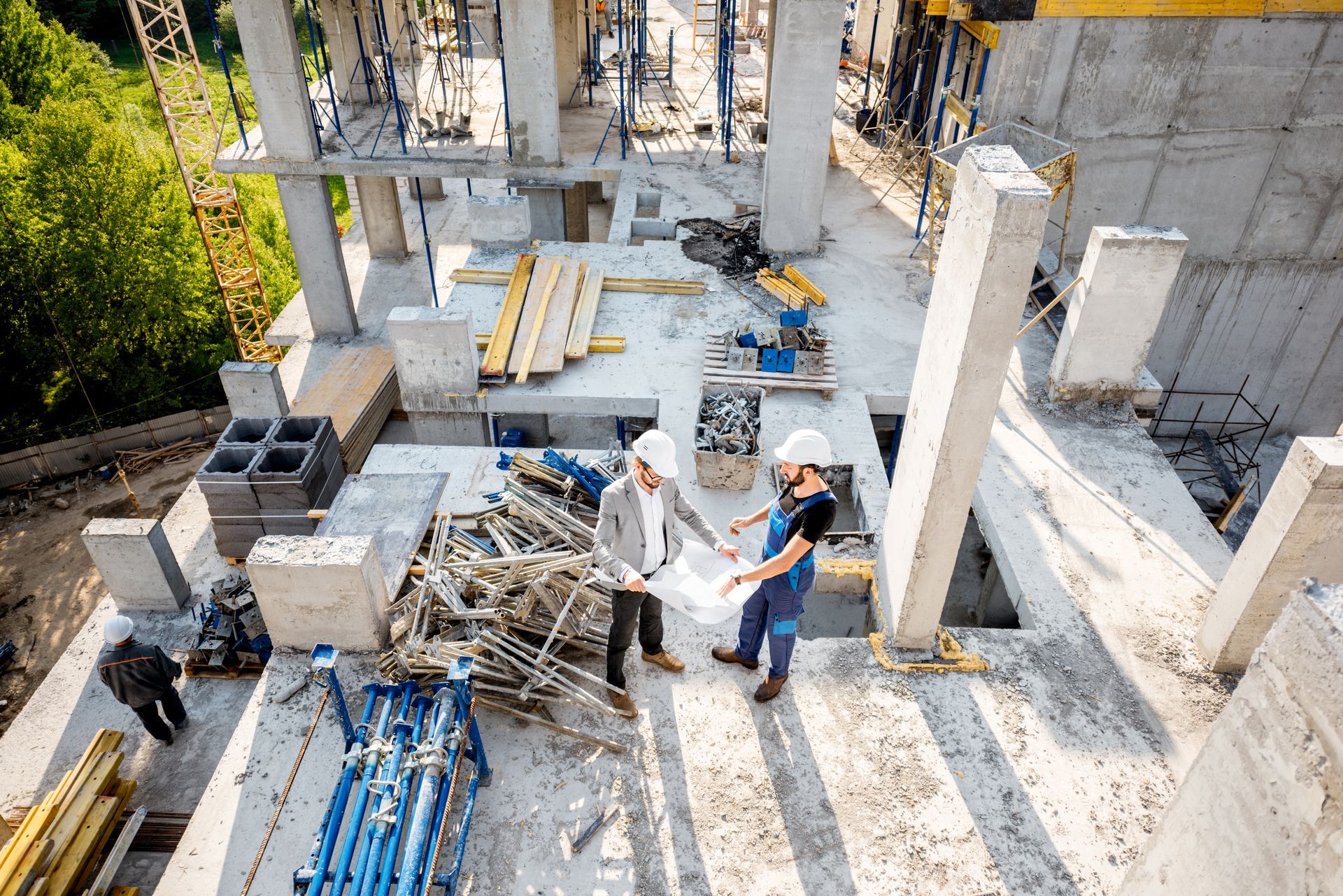
Construction and Trades Insurance
Coverage for job sites, vehicles, tools, and workplace risks.

Hospitality Businesses Insurance
Insurance for restaurants, bars, and service-based operations.

Retail and
Commercial Properties
Protection for storefronts, inventory, and customer-related liability.
Our Approach
Insurance Made Easy to Understand
Mesa Insurance Agency provides business insurance coverage that helps protect operations, employees, and property. We work with multiple carriers to offer coverage options that support daily business activities and long-term stability.
Insurance FAQs
Helpful Answers for Florida Clients
Support you can rely on.

What makes Mesa Insurance Agency different?
We are an independent agency with access to multiple carriers. This allows us to offer flexible coverage options.
Clients work directly with licensed agents. Service continues beyond the policy start date.
Do you offer coverage for individuals and families?
Yes. We provide personal insurance for individuals and families across Florida.
Coverage includes auto, home, health, life, and flood insurance. Our team explains each option clearly.
Do you work with small and mid-sized businesses?
Yes. We work with businesses of many sizes and industries.
Our team helps identify risks and secure appropriate coverage. Ongoing service is included.
Can I make changes to my policy later?
Yes. Policies can be updated as needs change.
We assist with coverage adjustments, additions, and removals. Clients can contact us directly for help.
Is flood insurance required in Florida?
Flood insurance is not always required, but it is strongly recommended in many areas.
Standard home insurance does not cover flood damage. Our team can review your flood risk and options.
How do I contact your office?
You can contact us by phone, email, or through our website.
Our team responds promptly during business hours. Support is always available when needed.
From the Blog
Insurance Topics That Matter
Clear answers for common questions.






Client Reviews
Trusted by Clients Across Florida
Mesa Insurance Agency is proud to serve individuals and businesses throughout Florida. Clients choose us for clear communication, responsive service, and reliable insurance support. Their feedback reflects our focus on long-term relationships and consistent service.
Contact Us