A local warehouse owner facing unexpected property damage knows that one overlooked risk can lead to significant financial losses. When a storm hits, the inland marine insurance coverage can be the decisive factor between recovery and prolonged disruption. In Florida, where weather extremes and evolving market conditions create a complex risk landscape, understanding inland marine insurance is critical. This guide dives into the nuts and bolts of coverage options, market trends, and strategies for mitigating risks.
The Florida insurance market is undergoing a dynamic shift. With notable increases in insurance premiums and strategic moves by carriers to bolster reinsurance purchases, the topic warrants a deep dive that draws from current statistics and expert insights. Readers can explore
Florida’s inland marine premiums for additional context on recent market trends.
Understanding Inland Marine Insurance
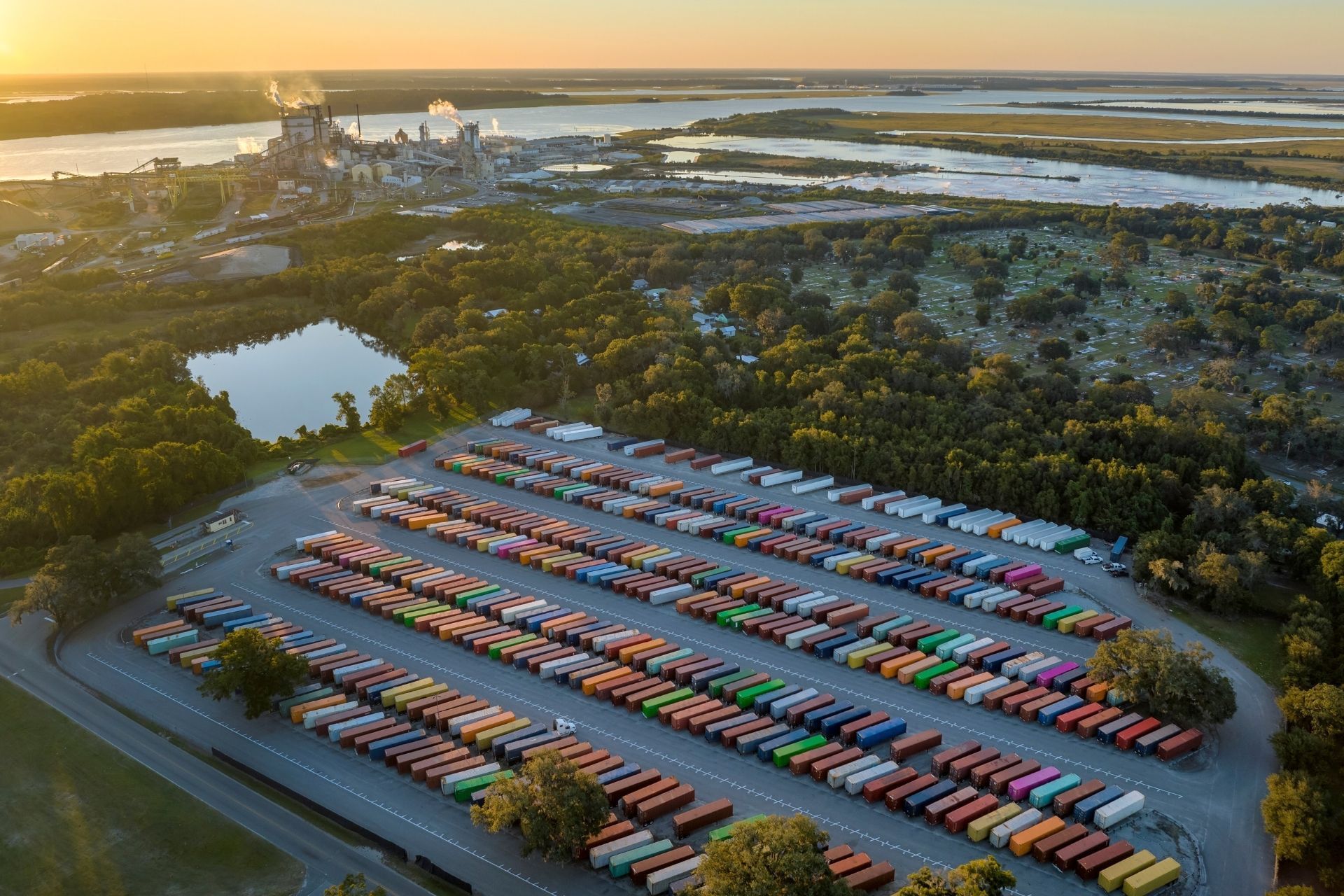
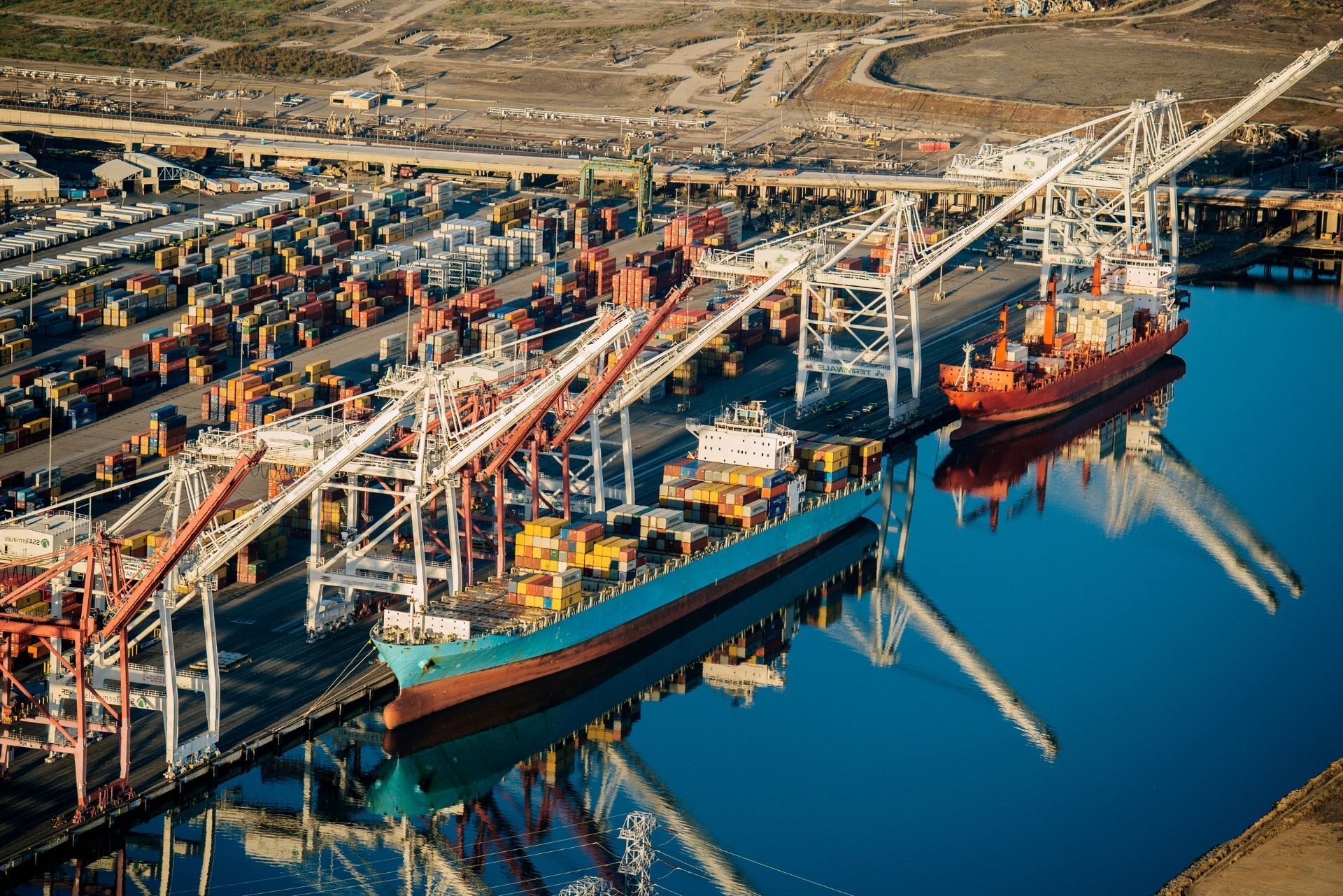
Inland marine insurance covers property in motion, specialized equipment, and goods that are transported over land. Unlike typical property insurance, this coverage is designed to bridge the gap for risks that occur off-site. It protects not only the value of products but also covers losses during transit and while goods are stored at various facilities.
This type of policy is particularly important in Florida, where events like hurricanes can disrupt transportation routes and expose assets to intermittent risks. The coverage can extend to warehouse legal liability and other specialized exposures. Experts, such as Nicole McMurtry from USI Insurance Services, emphasize the necessity of a nuanced approach, noting that warehouse legal liability coverage is a critical component according to industry insights.
The policy is often tailored to meet the specific needs of businesses engaged in frequent shipments or those relying on high-value equipment. With Florida’s distinctive weather patterns and market conditions, having the right inland marine policy in place can offer peace of mind and a robust safety net during tumultuous episodes.
Market Trends Shaping Florida’s Inland Marine Insurance
Florida’s inland marine insurance market has seen dramatic changes in recent years. For instance, in 2022, the direct premiums written for inland marine insurance in the state soared to $221.5 million, marking an 83% increase from 2015. This statistic underscores the swelling importance of robust coverage in a market that is both volatile and dynamic as reported by Milly Books.
Regional events, such as hurricanes, continue to drive fluctuations in insurance rates. According to Ken Mueller of Axa XL, inland marine rates generally track with property insurance but can be significantly influenced by severe weather events. These insights highlight that market trends are not merely driven by standard risk profiles but are significantly affected by environmental factors.
Additionally, carriers have taken strategic steps in response to market pressures. In 2024, Florida-based insurance carriers increased their reinsurance purchases by an average of 11%, a tactic designed to mitigate anticipated rate hikes caused by impending risks. This move suggests that the industry is not only reactive but also proactive in managing uncertainties
as noted by Intelligent Insurer.
Components of an Inland Marine Policy
The inland marine policy is a complex tapestry of coverage areas. At its core, these policies are designed to protect goods in transit, specialized equipment, and portable property. However, the coverage can extend to protect against various liabilities that arise from handling and transportation. It’s essential to parse the policy details carefully to ensure all facets of risk are considered.
Key components include transportation coverage, warehouse legal liability, and equipment protection. Each of these components addresses potential vulnerabilities that can lead to significant financial setbacks. With Florida’s propensity for severe weather issues, ensuring comprehensive coverage is not just a best practice; it’s an essential strategy for business continuity.
Businesses should work closely with their brokers to assess their risk exposure. Risk assessments are often tied to the frequency of shipments, the value of the goods, and the particular hazards present in the transportation zone. This level of diligence is what sets apart a well-rounded inland marine policy from a basic one.
Comparing Inland Marine Insurance with Other Insurance Products
Though inland marine insurance is distinct in its scope, it is often compared to property insurance. The two share similarities in that they both provide coverage against physical loss. However, inland marine policies cover scenarios that property insurance might not extend to, such as damages during transit and unique exposures related to moving assets.
A comparative perspective can be highly useful for businesses trying to determine the right coverage mix. A quick overview comparison can help illustrate the differences clearly:
| Coverage Type | Protection Scope | Typical Exclusions |
|---|---|---|
| Property Insurance | Buildings, stationary assets | Goods in transit, mobile equipment |
| Inland Marine Insurance | Goods transportation, specialized equipment, movable assets | Structural damages of fixed properties |
| Warehouse Legal Liability | Liability for loss or damage of goods stored in a warehouse | Damage caused by natural disasters if not covered explicitly |
This side-by-side comparison reveals why inland marine insurance is a suitable complement to traditional property insurance in the Floridian market. The table illuminates key differences, clarifying the unique role each policy type plays in an integrated risk management strategy.
Business operators should consider factors such as the location of operations, nature of goods, and exposure to transit hazards when selecting coverage. Comprehensive policies tailored to specific risk profiles can protect both movable and stationary assets efficiently.
Impact of Natural Disasters on Insurance Markets
Florida’s climate is marked by its susceptibility to hurricanes and other severe weather events, factors which play a crucial role in shaping insurance markets. The state’s experience with hurricanes drives not only the frequency of claims but also influences rates and the overall structure of policies offered by insurers.
One striking example is the protective effect of natural features like mangroves. Studies show that in Collier County, mangroves reduce storm surge losses by an impressive amount annually. During hurricanes such as Irma and Ian, the benefits of these natural barriers were estimated at hundreds of millions to billions in loss reductions according to research on mangrove benefits.
These findings underscore the financial impact of environmental features and how they contribute to a broader risk mitigation strategy. Insurers and policyholders alike benefit from understanding both man-made and natural risk reduction measures.
Market Dynamics: The Decline in Home Insurance Policies
An unexpected twist in Florida’s insurance narrative comes from the dramatic decline in active home insurance policies over the past decade. Between 2014 and 2024, the number of active home insurance policies fell sharply from 3.2 million to just 710,000. This drop has forced both insurers and homeowners to reassess their risk exposures and coverage needs as detailed by Insurance Business America.
While this decline may point to tightening underwriting standards and changing risk perceptions, it also reveals an opportunity for inland marine insurance policies to fill gaps. The overall insurance market continues to evolve in response to shifting needs, and inland marine policies can be a cost-effective solution for protecting portable high-value assets.
This shift in the home insurance landscape calls for a renewed emphasis on specialized coverages. For businesses with diverse property holdings, inland marine insurance is emerging as a critical component of risk management planning, especially in regions prone to natural disasters.
Benefits of Inland Marine Insurance for Florida Businesses
For many businesses operating in Florida, inland marine insurance offers a layer of protection that is unmatched by other forms of policies. This coverage is particularly beneficial for companies dealing with frequent shipments, specialized equipment, or goods that often change locations. It not only covers physical loss but also legal liabilities that may arise during the transportation and storage of these assets.
Smaller enterprises, such as contractors, florists, or mobile repair services, also find that inland marine insurance fills a vital need as they operate outside the confines of a fixed location. This specialized protection ensures that business assets remain covered, whether they are in transit or temporarily stored at a client's location.
In the greater context of Florida’s unpredictable weather patterns and evolving risk exposures, inland marine policies offer flexible coverage solutions that can be tailored to individual business needs. The adaptation of such specialized insurance strategies is proving to be a winning formula in a challenging market.
Insurers in Florida offer a range of inland marine policy options designed to meet the unique needs of businesses. These policies can include coverage for loss or damage to valuable equipment, legal liability in warehouses, and goods in transit. They are often customized to reflect the specific vulnerabilities associated with different types of operations.
Customization is particularly important when dealing with assets that are constantly on the move. A tailored inland marine policy takes into account various factors such as the value of the cargo, shipment frequency, and risk areas along the transport route. This tailored approach ensures that every possible risk factor is adequately addressed.
Business owners should have an open dialogue with their insurance providers. Detailed discussions can help identify coverage gaps, ensuring that the policy covers both usual and unexpected risks. The ability to customize is what sets inland marine insurance apart from broader property or liability policies.
How Rate Trends and Underwriting Practices Affect Policyholders
Rate trends and underwriting practices heavily influence the cost and breadth of inland marine insurance coverage. Although the inherent risks in floridian operations are significant, insurers frequently adjust their rate models to mirror property insurance metrics and account for regional weather patterns. This correlation means that sustained adverse weather can lead to upward rate adjustments, even if overall market conditions moderately stabilize.
For instance, while rates for homeowners in Florida experienced a notable drop in the 30-day average rate request-from 7.6% to 0.5% in 2024-this does not necessarily mitigate the risks covered under inland marine policies. Insurance providers adjust their underwriting practices based on aggregated risk exposures, leading to more prudent pricing models. These nuanced shifts underscore how policyholders must remain vigilant about policy terms, even as the broader market shows signs of recovery as highlighted by the Florida Office of Insurance Regulation.
Policyholders benefit from regular reviews of their coverage. As underwriting practices evolve, a periodic discussion with brokers ensures that businesses are not caught off guard by rate fluctuations. This approach minimizes unexpected changes and leads to a more stable risk management strategy over the long term.
Case Studies and Real-World Applications
Examining real-world examples can shed light on the practical benefits of inland marine insurance. Consider a small distribution company in Central Florida that frequently transports high-value electronic equipment between warehouses and retail outlets. When an unexpected storm damaged several trucks, the inland marine policy sustained the business by covering the replacement cost without a lengthy delay.
In another scenario, a construction firm operating in the coastal regions used inland marine insurance to protect expensive power tools and heavy machinery that were stored off-site. Such examples reveal that the flexibility of inland marine coverage is not merely theoretical, but a critical safety net for many businesses facing specialized risks.
These stories further validate the need for detailed risk assessments in every coverage package. Businesses that take the time to identify all potential vulnerabilities and incorporate appropriate inland marine policies often find themselves more resilient in the face of adversity.
Emerging Industry Shifts and Future Outlook
Looking ahead, the inland marine insurance market is set to evolve further, influenced by technological advancements, improved risk analytics, and ongoing shifts in policyholder needs. With the introduction of innovative tools and more granular risk assessments, insurers are better equipped to tailor policies for specific business sectors. This refinement helps mitigate unforeseen claims and ensures more stable coverage rates.
Recent market developments, such as the entry of new insurers in Florida’s property market-which saw 13 new companies stepping in along with a reported underwriting profit of $207 million in 2024-signal an overall recovery in the insurance industry as detailed by Active Property Care. A similar trend is expected to influence inland marine policies, encouraging more flexible protection options at competitive rates.
Innovations in reinsurance practices, like the recently noted 11% increase in reinsurance purchases by Florida-based carriers, also hint at a long-term strategy of risk sharing and market stabilization. This proactive approach aims to ensure that both insurers and policyholders can weather future challenges with minimal disruption.
Strategies for Managing Inland Marine Risks
Success in managing inland marine risks relies on proactive planning and employing strategies tailored to cover vulnerabilities both in transit and at static locations. One recommended approach is to start by conducting a thorough risk analysis of current transportation practices. This analysis should consider everything from the frequency of shipments to the physical routes taken by vehicles.
Implementing risk mitigation measures-such as securing storage facilities, investing in advanced tracking technologies, and training staff in handling procedures-can lower the likelihood of claims. These measures not only reduce the frequency of claims but may also influence premium rates, making a direct contribution to lowering costs.
Even businesses with stable transit environments can benefit from periodic reviews of policy terms. Changing market conditions, like those driven by natural disasters and shifts in underwriting practices, necessitate a forward-looking risk management strategy. Business owners are encouraged to regularly consult with their brokers for up-to-date recommendations and best practices tailored to their operations.
How to Choose the Right Inland Marine Insurance Policy
Selecting the right inland marine insurance policy begins with evaluating the specific needs of the business. Every operation is different; a retailer relying on frequent transit faces different challenges compared to a manufacturer with fixed equipment. Understanding the scope of risk is the first step toward a policy that is both comprehensive and cost-effective.
Key factors to consider include the value of the goods or equipment being transported, the geographical area covered by the policy, and any additional exposures such as legal liabilities for goods stored off-site. A tailored policy that addresses these parameters is crucial in meeting the unique demands of Florida’s business climate.
Comparing policies offered by various carriers and understanding premium components is also essential. Policy reviews should focus on exclusions, deductibles, and any endorsements that might enhance coverage. An informed decision can lead to significant savings while ensuring maximum protection.
Integrating Inland Marine Insurance into a Comprehensive Risk Management Plan
An effective risk management plan is multi-layered, and inland marine insurance should be considered an integral part of this framework. The policy should synergize with other risk mitigation strategies, such as cybersecurity measures, property insurance for fixed assets, and overall business interruption plans. In Florida, where the frequency of natural disasters often makes headlines, this integrated approach is particularly beneficial.
It is not uncommon for enterprises to adopt a mix of policies to cover overlapping risk areas. The redundancy ensures that if one policy does not cover an eventuality, another will bridge the gap, preventing any financial shock. Diversified risk management strategies underscore the importance of proactive planning rather than reactive measures.
For managers and business owners, a well-integrated policy portfolio helps ensure operational continuity. Ensuring that inland marine insurance is part of the broader risk management landscape is a strategic move that can save significant costs while enhancing operational resilience.
Frequently Asked Questions
What is inland marine insurance, and who needs it?
Inland marine insurance provides coverage for goods in transit, specialized equipment, and portable property. It is essential for businesses that frequently transport high-value items or operate in multiple locations.
How do natural disasters affect inland marine policies?
Natural disasters, such as hurricanes, can increase the frequency of claims and impact premium rates. Insurers often adjust their underwriting practices based on regional weather trends, as seen in Florida’s market dynamics.
Is inland marine insurance necessary if I already have property insurance?
While property insurance covers fixed assets, inland marine policies extend protection to movable items and goods in transit, providing critical defense for assets that property insurance might not fully cover.
How can my business customize inland marine coverage?
Customization involves assessing specific risk exposures including the value of goods, frequency of transit, and legal liabilities. Discussions with insurance brokers can help tailor policies to meet individual business needs.
What strategies can businesses adopt to manage inland marine risks?
Key strategies include performing regular risk assessments, investing in safety protocols, and leveraging technology for tracking and monitoring shipments. These proactive measures help reduce potential claims.
How do reinsurance practices affect inland marine insurance?
Increased reinsurance purchases, like the 11% jump by Florida carriers in 2024, help stabilize premium rates and mitigate risks for insurers, ultimately benefiting policyholders by promoting more consistent coverage terms.
Wrapping Things Up
The inland marine insurance landscape in Florida is a maze of opportunities and challenges. With significant market shifts, evolving risk exposures, and a dynamic interplay with regional weather patterns, businesses should not underestimate the importance of specialized coverage.
From protecting goods in transit to safeguarding valuable equipment, inland marine insurance not only fills critical gaps that traditional property policies might leave open but also offers an adaptable, comprehensive defense mechanism. Strategic steps such as detailed risk assessments, regular policy reviews, and customization are paramount in today’s fluctuating market.
Business leaders, risk managers, and insurance professionals are encouraged to integrate inland marine insurance into their overall risk management framework. The Florida market may be facing uncertainty, but a well-crafted insurance portfolio can provide the stability needed for smooth operations. For further insights into market trends and statistical backing, consider exploring
industry insights from Business Insurance.
Looking Ahead: Future Strategies in Inland Marine Insurance
As the insurance industry continues to evolve, so will the strategies for managing inland marine exposures. Future trends indicate a move toward specialized policies backed by advanced data analytics and an increasing role of technology in risk assessment. Florida’s insurers are constantly adjusting their offerings, ensuring that policy coverage remains in line with emerging risks and market conditions.
Businesses may soon see more tailored solutions designed to address niche risks. For instance, companies operating in high-risk sectors might benefit from policies that integrate real-time tracking, immediate claims processing, and dynamic premium adjustments. Such innovations are expected to make inland marine insurance more responsive and adaptive.
Stakeholders across the insurance spectrum should keep an eye on legislation, emerging market pressures, and technological advancements that could redefine risk management. The trend in increasing reinsurance activity is a prime indicator that the market is preparing for future challenges by reinforcing its financial resilience.
Implementing Robust Risk Management Practices
The key to managing inland marine risks effectively lies in building a robust risk management framework. This includes not only purchasing the appropriate insurance policies but also setting up internal procedures that facilitate regular risk assessments. Training staff to recognize and report potential hazards, investing in safety equipment, and routinely updating safety protocols are all part of a proactive strategy.
For businesses in Florida, the stakes are particularly high due to the heightened risk of natural disasters and regional weather events. Companies that combine efficient internal controls with comprehensive coverage are better positioned to face these challenges head-on. Tailored solutions and continuous monitoring of market trends will further strengthen these strategies.
The success of such an approach is underscored by recent industry trends. For example, the increase in reinsurance purchases by carriers not only reflects a cautious outlook by insurers but also contributes to a more stable premium environment for policyholders. These measures can serve as a blueprint for businesses aiming to enhance their overall resilience.
The Role of Industry Experts in Shaping Policy Choices
Expert insights play a significant role in guiding businesses toward well-informed policy decisions. Industry professionals offer valuable perspectives, such as emphasizing the importance of warehouse legal liability coverage in inland marine policies. Their practical advice can help businesses navigate a myriad of options available in a complex and rapidly evolving market.
Advisors strengthen risk management strategies by suggesting adjustments to coverage in light of changing market conditions. Their recommendations often draw from real-world experiences and quantitative analyses that highlight potential exposure areas. For example, data indicating a sharp decline in active home insurance policies serves as a reminder of the underlying shifts affecting the broader insurance market as reported by Insurance Business America.
In this landscape, tapping into expert knowledge-be it through industry publications, seminars, or consultations with seasoned brokers-can mean the difference between a reactive and a proactive risk management strategy. This knowledge transfer is integral to ensuring that policy decisions are both forward-thinking and effective.
The intersection of technology and insurance is steadily transforming risk management strategies. In inland marine insurance, innovations such as real-time tracking, drone surveillance, and advanced data analytics are beginning to reshape how policies are structured and administered. The integration of these technologies simplifies claim processing and improves the accuracy of risk assessments.
Businesses leveraging these tools can mitigate losses even before an incident escalates. Real-time monitoring allows for immediate intervention, while analytics offer predictive insights regarding potential risks along transportation routes. Such initiatives not only reduce overall exposure but also assist underwriters in making more informed decisions.
In a market as volatile as Florida’s, investments in technology that enhance risk mitigation can yield significant benefits. Insurers that integrate cutting-edge innovations into their offerings are better able to adjust premiums dynamically and offer more competitive rates while providing comprehensive protection for policyholders.
Wrapping Up the Guide on Florida Inland Marine Insurance
This guide covers the multifaceted nature of inland marine insurance in a state marked by natural challenges and evolving market dynamics. It highlights the importance of specialized coverage that goes beyond traditional policies to include tailored options for goods in transit, specialized equipment, and legal liabilities.
Understanding the market trends, such as the sharp increase in premiums from 2015 to 2022 and the recent uptick in reinsurance purchases, can help business owners make informed decisions. At a time when traditional home insurance policies are witnessing significant declines, inland marine insurance stands out as an important pillar for risk management.
With expert advice driving many of the changes in policy offerings and underwriting practices, Florida businesses are encouraged to explore customized policies that effectively address their unique exposures. As the market continues to shift-with technological and innovative trends complementing traditional risk management methods-business managers must remain proactive and informed.
For deeper insights and further industry trends, many insurance experts suggest closely monitoring reputable analysis sites and engaging with knowledgeable brokers. The evolving landscape requires flexibility, and a robust risk management strategy anchored by inland marine insurance helps ensure continued resilience in challenging times. Additional perspectives can be obtained by exploring insights from
industry experts, ensuring policies remain both current and effective.
Final Thoughts on Navigating Florida’s Inland Marine Insurance Market
The journey through Florida’s inland marine insurance market is complex yet navigable with informed strategies and comprehensive coverage options. Businesses that invest in understanding their specific risks and customizing policies accordingly can build a robust defense against unforeseen losses. The combination of evolving market trends, expert insights, and technological advancements is shaping the future of inland marine insurance.
Achieving a balanced and proactive risk management approach will allow companies to maintain continuity even in the face of natural disasters and market volatility. As this sector continues to develop, staying updated on industry shifts and leveraging tailored coverage will remain key steps for thriving in a competitive marketplace.
The vibrant nature of Florida’s insurance environment encourages businesses to keep a close eye on emerging trends and adjust their strategies accordingly. With the right coverage in place, inland marine insurance promises not only a protective shield but also a strategic advantage in managing risks efficiently. For more detailed information, relevant statistical insights are available via sources like
Milly Books, which documents the evolving premium trends in the state.
ABOUT THE AUTHOR: PAUL RAMENTOL
I am the Owner and President of Mesa Insurance Agency. I help individuals and business owners across Florida secure personal and business insurance coverage that supports their needs. My focus is on clear guidance, direct communication, and long-term support without call-center delays or confusion.
Contact Us

Personal Coverage Options
Insurance Built for Everyday Protection
Mesa Insurance Agency provides personal insurance coverage designed to support daily life. Our team reviews risks and coverage needs to help clients secure dependable protection at fair rates.
Dental & Vision Insurance
Coverage that helps manage routine dental and vision care costs.

Business Coverage Options
Insurance Built for Business Protection
Mesa Insurance Agency provides business insurance coverage that helps protect operations, employees, and property. We work with multiple carriers to offer coverage options that support daily business activities and long-term stability.
Commercial Auto Insurance
Coverage for business-owned vehicles, drivers, and accident-related liability exposure.
General Liability Insurance
Protection against third-party injury, property damage, and common business liability risks.
Professional Liability Insurance
Coverage for claims related to professional services, advice, or service errors.
Workers’ Compensation Insurance
Coverage that helps support employees with work-related injuries and medical costs.
Commercial Property Insurance
Protection for buildings, equipment, inventory, and physical business assets.
Errors & Omissions Insurance
Coverage for financial losses caused by mistakes, omissions, or service-related claims.
Industries We Serve
Serving Businesses Across Multiple Sectors
Mesa Insurance Agency works with business owners across Florida to provide insurance coverage that supports daily operations. We understand common risks faced by different industries and help clients secure reliable protection.

Construction and Trades Insurance
Coverage for job sites, vehicles, tools, and workplace risks.

Hospitality Businesses Insurance
Insurance for restaurants, bars, and service-based operations.

Retail and
Commercial Properties
Protection for storefronts, inventory, and customer-related liability.
Our Approach
Insurance Made Easy to Understand
Mesa Insurance Agency provides business insurance coverage that helps protect operations, employees, and property. We work with multiple carriers to offer coverage options that support daily business activities and long-term stability.
Insurance FAQs
Helpful Answers for Florida Clients
Support you can rely on.

What makes Mesa Insurance Agency different?
We are an independent agency with access to multiple carriers. This allows us to offer flexible coverage options.
Clients work directly with licensed agents. Service continues beyond the policy start date.
Do you offer coverage for individuals and families?
Yes. We provide personal insurance for individuals and families across Florida.
Coverage includes auto, home, health, life, and flood insurance. Our team explains each option clearly.
Do you work with small and mid-sized businesses?
Yes. We work with businesses of many sizes and industries.
Our team helps identify risks and secure appropriate coverage. Ongoing service is included.
Can I make changes to my policy later?
Yes. Policies can be updated as needs change.
We assist with coverage adjustments, additions, and removals. Clients can contact us directly for help.
Is flood insurance required in Florida?
Flood insurance is not always required, but it is strongly recommended in many areas.
Standard home insurance does not cover flood damage. Our team can review your flood risk and options.
How do I contact your office?
You can contact us by phone, email, or through our website.
Our team responds promptly during business hours. Support is always available when needed.
From the Blog
Insurance Topics That Matter
Clear answers for common questions.







Client Reviews
Trusted by Clients Across Florida
Mesa Insurance Agency is proud to serve individuals and businesses throughout Florida. Clients choose us for clear communication, responsive service, and reliable insurance support. Their feedback reflects our focus on long-term relationships and consistent service.
Contact Us