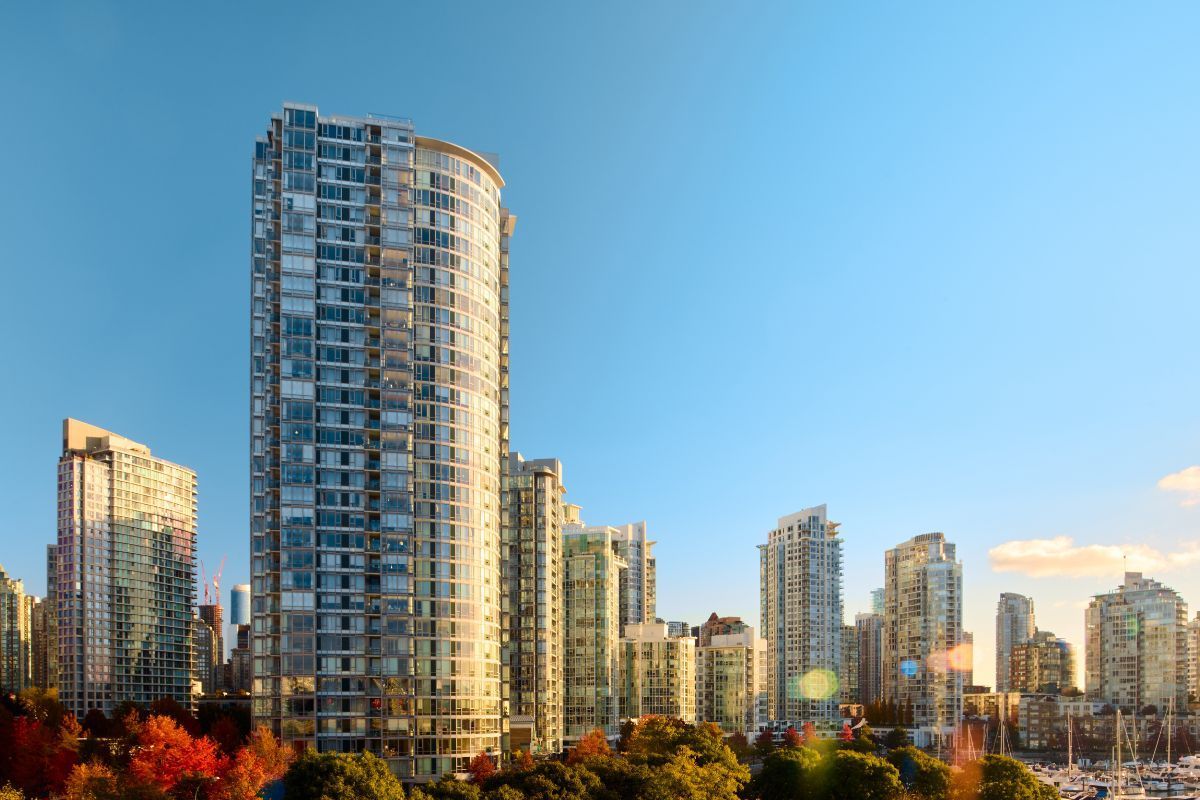
A recently completed condo association policy in Florida cost nearly double over a short period, highlighting the seismic shifts in coverage requirements that architecture firms must now navigate. Insurance for architecture firms is evolving in response to rapidly changing climate risks, fluctuating premiums, and more demanding regulatory environments. Architects in Florida, a state known for its unique weather phenomena and robust development trends, need to approach insurance with a clear, well-informed strategy.
Building insurance nuances now play a critical role in project planning and business sustainability.
Understanding the Shifting Landscape
Insurance premiums for construction-related projects are becoming increasingly unpredictable. Multifamily projects in particular have seen building insurance rates rise for 27 consecutive quarters since 2017. This consistent upward trend affects design decisions and forces architecture firms to incorporate insurance considerations at the earliest stages of their projects. Many firms now assess risks upfront to ensure their designs can meet evolving insurance standards.
Climate-related disruptions have also changed underwriting criteria. Experts such as Jason F. McLennan of Perkins&Will point out that more stringent conditions are required for insurability in light of growing climate risks. These developments mean architects must adapt both their project planning and the documentation of their building designs to minimize risk exposure. For more on the growing demands placed on building design, visit
this detailed article.

Insurance Challenges Unique to Florida
Climate-Driven Risks and Market Instability
Florida has long been on the frontlines of climate change, experiencing more frequent severe weather events and rising sea levels. These challenges contribute to higher insurance costs and more rigorous requirements, especially impacting architecture firms planning new projects or renovating historic structures. The state’s property insurance market illustrates these challenges vividly; legislative reforms have had some positive impacts, such as a reported 17% decrease in new claims against certain insurers during the first 10 months of 2023 (industry report).
Yet despite these improvements, other areas of insurance remain fraught with risk. For example, in the construction insurance space, Florida experienced underwriting losses for five consecutive years, with one year topping $1 billion in losses (industry study).
The market instability, coupled with a litigious environment where Florida accounts for 7% of all insurance claims while representing 76% of lawsuits, places additional pressure on premium rates and policy conditions. This litigious climate means that architecture firms need to work closely with their insurers to ensure that their risk mitigation measures are clearly documented.
Condo and Multifamily Insurance Trends
Florida’s multifamily and condominium sectors have seen dramatic shifts recently. Between 2022 and 2024, the average cost of a condo association policy in Florida surged by 27.7%, jumping from $72,570 to $147,381 (recent development). While this directly impacts condo associations, architecture firms designing these projects must now incorporate higher insurance costs into their budgeting and planning cycles.
Moreover, less than half of condo owners in Miami-Dade County have completed their Structural Integrity Reserve Studies. Similar trends are seen in Broward and Palm Beach Counties. These figures hamper developers’ and architects’ ability to provide accurate risk assessments and insurance quotes for multi-unit residential buildings (study on reserve study compliance).
Given these trends, architecture firms must stay abreast of insurance policy changes and evolving standards. Both the design process and the associated documentation need to ensure compliance with current regulations, a task that is particularly challenging yet essential in regions prone to natural disasters.
Design Implications on Insurance Requirements
Integrating Risk Management in Architectural Design
Design and insurance requirements are closely intertwined now more than ever. Architects must foresee potential hazards-from high winds and flood risks to structural failures-and incorporate features that enhance durability and resilience. Preventative design elements can reduce risks and, in turn, lower insurance premiums. This proactive approach is essential for firms looking to balance aesthetic appeal with functional safety.
Insurers often demand detailed documentation that explains how design choices mitigate potential risks. For example, wind-resistant materials, flood-proofing measures, and energy-efficient systems are all factors that can be optimized in design to meet insurance requirements. Such adjustments ensure comprehensive coverage while also improving a building’s safety profile.
This dual focus on design and insurability means that architectural firms need to integrate risk management strategies early in the design process. Effective collaboration with engineering professionals, risk assessors, and insurance experts can create designs that not only fulfill regulatory demands but also deliver cost-effective protection. More insights into design requirements and insurance challenges can be found here.
Documentation and Compliance Considerations
Documenting compliance with insurance criteria is increasingly pivotal. When preparing project proposals and securing permits, architecture firms must provide evidence of risk mitigation measures. This documentation often includes architectural drawings, engineering reports, and climate resilience assessments. The details in these documents are crucial for convincing insurers that a project meets or exceeds required safety standards.
Florida’s challenging environment, from hurricane-prone coasts to regions with volatile litigation patterns, means that thorough documentation can mean the difference between affordable insurance and prohibitive costs. One extreme case from Florida, interwoven with both climate risks and litigious claims, even pushed premiums higher as insurers hedged against potential liabilities (industry analysis).
Ensuring compliance with local regulations and proactive risk documentation will become a routine part of the design process for architecture firms. Maintaining a dialogue with insurers throughout project development not only builds trust but also helps fine-tune design parameters to better safeguard against future liabilities.

Market Trends and Future Outlook for Architecture Firm Insurance
Exploring the Rising Premium Environment
One of the most notable challenges facing architecture firms today is the persistent rise in insurance premiums. As highlighted by recent statistics, multifamily project insurance rates have consistently increased over many quarters. This sustained upward pressure is forcing firms to reconsider project budgets and allocate additional funds for risk management. Architecture firms must now balance design innovation with financial prudence, ensuring that budget allocations for risk management are not overlooked.
One pivotal factor behind the cost increase is the intensification of climate-related risks. With architects in Florida having grown accustomed to planning for hurricanes and high winds, there is now an added imperative to incorporate enhanced safety features that satisfy updated insurance criteria. This not only puts additional financial pressure on firms but also fosters a competitive environment where cost-effective design solutions are in high demand.
The discussion around rising premiums is not simply academic; it reflects a market forced to adapt to external realities. Writers have noted that premiums for insurance on construction projects have been on a steady incline. This upward trend underscores the importance of continual reassessment of insurance strategies, ensuring that firms stay ahead of market shifts while protecting their bottom lines.
Legislative Reforms and Industry Responses
Legislative reforms in Florida have already started to influence market dynamics. Recent reforms have spurred a noticeable reduction in new cases against Citizens Property Insurance Corporation, with insurers observing a 17% decline in new claims in one recent period (industry report). Although this improvement is promising, the long-standing challenges in the property insurance market continue to shape underwriting practices and premium calculations.
The ongoing shift in legislative frameworks demands that architecture firms maintain a close eye on regulatory changes. Adaptations to both local and state insurance regulations can directly influence how projects are designed and what risk management measures are required. Actively participating in discussions on policy reform or seeking expert legal and insurance advice is essential for firms looking to stay competitive in a rapidly shifting market.
Industry sentiment remains cautious. Comments from professionals in the market reveal that many would prefer to invest elsewhere rather than face the volatility of Florida’s P&C market
(industry perspective). This caution reflects broader market concerns and underscores the importance of having robust, adaptive insurance programs to safeguard high-value projects.
Strategic Approaches to Optimizing Insurance Coverage
Risk Assessment and Tailored Insurance Programs
Given the current insurance landscape, architecture firms must embrace a strategy centered on comprehensive risk assessment. Engaging with risk management professionals can help identify potential vulnerabilities early in the design process. Tailored insurance programs, built around the specific needs of each project, often result in more favorable premium rates and better overall coverage.
Customized insurance solutions typically address the unique factors that impact architectural projects in Florida. By factoring in elements such as location-specific climate risks, building materials, and design innovations, firms can negotiate insurance terms that more accurately reflect their projects' safety profiles. A tailored approach also means that if a project’s design incorporates advanced weather-resistant features, for example, an insurance provider might offer more competitive premium rates.
This method not only optimizes coverage but also signals to insurers that the firm is serious about risk mitigation. Working closely with underwriters and risk managers to adjust design variables can lead to a more streamlined claims process if an adverse event occurs.
Cost Management and Innovative Design Techniques
In a market where premium increases are becoming the norm, controlling costs is paramount. Architecture firms are increasingly turning to innovative design techniques and cost-management strategies. Implementing green building practices, investing in energy-efficient systems, and using resilient construction materials are all tactics that help reduce long-term risk.
Innovative design is not merely about aesthetics; it plays a practical role in safeguarding investments. For instance, utilizing materials that lower the risk of water damage in flood-prone areas or integrating structural safeguards can result in lower insurance premiums. Balancing upfront design investments with potential long-term savings on insurance creates a compelling financial rationale for adopting new approaches.
Adopting technology, such as building information modeling (BIM), further aids in risk planning. BIM provides detailed, three-dimensional representations of a project, which can be used to highlight and mitigate risk factors. Such innovations demonstrate a proactive commitment to risk management that insurance companies appreciate, often leading to more favorable coverage terms.
Adapting to Ongoing Market and Regulatory Changes
Keeping Pace with Regulatory Developments
Florida’s insurance landscape is subject to rapid changes driven by evolving regulatory reforms. Staying abreast of legislative updates is crucial for architecture firms aiming to secure comprehensive coverage. Regular consultations with insurance brokers and legal experts who specialize in construction insurance can ensure that firms remain compliant with the latest requirements.
Recent market shifts, such as the reduction in lawsuits against Citizens Property Insurance Corporation due to reforms (legislative update), show that proactive adjustments in policy can yield beneficial outcomes. However, even modest improvements in one area of the market do not negate the overall heightened risk environment.
Architecture firms benefit from maintaining a forward-looking perspective. This involves anticipating additional regulatory challenges, integrating risk management into early project stage planning, and adjusting design documents to meet new insurance criteria. A proactive approach creates an environment where risks are regularly reassessed, ensuring continuous compliance with changing regulations.
Building a Collaborative Ecosystem
Collaboration among architects, contractors, insurers, and regulatory experts is increasingly vital in managing Florida’s dynamic insurance landscape. A collaborative approach ensures that all stakeholders have a clear understanding of risk parameters from the inception of a project. Regular meetings and interdisciplinary workshops foster an environment where innovative risk management practices can be shared and implemented.
In this ecosystem, architecture firms are not isolated entities. Instead, they are key players whose designs influence and are influenced by the broader construction and insurance markets. Collaborative forums allow for the exchange of risk management strategies that can lead to more effective insurance solutions. These interactions also help firms anticipate and prepare for market shifts before they critically impact project planning.
Through such collective efforts, architects can increase their negotiating power with insurers by demonstrating a commitment to rigorous, coordinated risk management. This network of shared expertise ultimately helps reduce overall market volatility and supports the creation of more resilient development projects.
Practical Steps for Architecture Firms Seeking Optimal Coverage
Developing a Comprehensive Insurance Checklist
Ensuring comprehensive coverage begins with a detailed checklist covering every potential risk. Architecture firms should identify key elements, such as structural resilience, material durability, and geographic risk factors. This checklist helps firms organize required documentation, plan design adjustments, and prepare for insurance negotiations.
An effective insurance checklist includes:
- Detailed project drawings that identify potential hazards
- Engineering assessments specifically targeting climate risks
- Cost estimates that incorporate risk management investments
- Documentation of ongoing compliance with local and state regulations
Keeping such a checklist up to date is crucial as newer regulatory and environmental challenges emerge. By proactively updating this document, firms can be sure that they reflect the most current risk factors in their insurance applications, thus strengthening their bargaining positions with insurers.
Leveraging Technology and Data Analytics
The integration of technology and data analytics into architectural workflow enables more accurate risk assessment and enhanced design precision. Advanced modeling tools and data-driven decision-making processes can significantly reduce uncertainties during project planning.
For example, using predictive analytics to forecast potential weather extremes or simulate structural resilience under various conditions empowers architects to design buildings that are both innovative and compliant with insurance standards. These tools not only enhance accuracy in risk estimation but also help in documenting the rationale behind specific design decisions. Such technology-backed documentation can be invaluable when negotiating policy terms with an insurer.
Data analytics many times lead to quicker adjustments in design strategy, ensuring that the project maintains a balance between aesthetic ambition and risk mitigation. This blend of creativity and practical risk management is a necessary evolution in Florida's competitive architectural market.
Frequently Asked Questions
This section addresses common queries that arise when considering insurance coverage for Florida architecture firms.
Q: How have insurance premium trends affected architecture firms?
A: The continuous rise in premiums, especially in multifamily projects, has led architecture firms to integrate risk management into early design stages to achieve better coverage and reduce long-term costs. Detailed documentation helps in negotiating favorable insurance terms.
Q: What specific steps can firms take to improve insurability?
A: Firms should focus on enhancing design resilience, utilizing innovative, weather-resistant materials, and thoroughly documenting all risk mitigation measures. Collaborating with insurers early in the design process can also streamline coverage approvals.
Q: How do legislative changes in Florida impact architectural insurance?
A: Ongoing regulatory reforms can lead to improved market conditions, as seen in the reduction of claims against certain state insurers. Nevertheless, firms must remain vigilant in adapting their risk management strategies to meet new standards.
Q: Are there technology tools that assist with insurance and risk management?
A: Yes, advanced modeling and data analytics tools such as building information modeling (BIM) systems help forecast risks and document design decisions. These tools provide valuable data used during insurance negotiations.
Q: What role does documentation play in obtaining insurance?
A: Thorough documentation of design decisions, engineering assessments, and risk management practices is integral for obtaining comprehensive coverage. Detailed records help insurers verify compliance and assess risk accurately.
Q: How can firms tailor insurance coverage for their unique projects?
A: By conducting comprehensive risk assessments and customizing documentation to reflect specific challenges and mitigations, firms can negotiate insurance terms that align with their individual project needs.
Wrapping Things Up
For architecture firms operating in Florida, understanding the intricate connections between design, risk management, and insurance requirements is a vital part of staying competitive. The landscape is being reshaped by a combination of rising premiums, stringent underwriting criteria, and evolving legislative reforms. By integrating proactive risk management practices and leveraging detailed documentation, firms can better navigate this complex environment.
Florida’s distinctive climate, regulatory challenges, and market pressures mean that each design decision can have a direct impact on insurability and overall project viability. Architecture firms that invest in innovative design techniques, collaborative risk assessment, and robust compliance documentation stand in a much stronger position to secure optimal coverage and favorable premium rates.
The evolving nature of Florida’s insurance market ensures that firms remain agile, constantly reassessing their strategies in light of new regulations and market shifts. As the industry continues to adapt, staying informed and proactive will serve as the key to delivering both safe, resilient projects and competitive financial performance. Learn more about the complex interplay between architecture and insurance
here.
Comparative Overview: Key Considerations for Insurance Coverage
The following table outlines major considerations architecture firms must assess when seeking insurance coverage:
| Aspect | Considerations | Impact on Premiums |
|---|---|---|
| Design Resilience | Utilizing wind-resistant and flood-proof materials, robust engineering assessments | Lower risk, potential premium discounts |
| Documentation | Detailed structural drawings, compliance records, risk mitigation strategies | Stronger case for insurability and competitive rates |
| Regulatory Compliance | Staying updated with Florida state reforms, participating in industry forums | Prevents gaps in coverage and unexpected premium hikes |
| Technological Integration | Using BIM and data analytics to refine risk assessments | Enhanced precision in risk evaluation, supporting improved coverage terms |
This comparison illustrates that understanding every element, from design innovations to regulatory frameworks, is central to obtaining sound insurance coverage. Each factor not only influences the overall risk profile but shortly translates into tangible impacts on premium rates and coverage quality.
Looking Ahead: Evolving Best Practices for Florida Architecture Firms
Anticipating future developments in the insurance landscape can provide architecture firms with a competitive advantage. Best practices emerging in the industry suggest that firms that continuously invest in advanced building technologies, enhanced documentation procedures, and proactive communication with their insurance providers are best positioned to weather market fluctuations.
Instituting regular reviews of insurance policies, along with ongoing risk assessments that factor in both design modifications and external regulatory changes, ensures that architectural projects remain aligned with current standards. Engaging in professional network groups or industry seminars can also enhance knowledge sharing, exposing firms to new methodologies that further mitigate risk.
This adaptive approach not only reinforces the firm’s credibility in the market but also signals to potential clients and insurers alike that the firm maintains an unwavering commitment to safety, sustainability, and technological advancement. Such a strategy is particularly critical in a state like Florida, where environmental and regulatory challenges are ever-present. The importance of staying connected to broader market trends is highlighted in studies and reports available from
industry insights.
Final Thoughts for Architecture Firms in Florida
Insurance requirements for architecture firms in Florida now extend far beyond traditional liability concerns. With increasing climate risks, rising premiums, and comprehensive regulatory reforms, every project requires a tailored, data-driven approach to risk management.
Architecture firms must embrace the evolving market reality by integrating robust documentation, leveraging cutting-edge technology, and maintaining active collaboration with insurers and risk management professionals. This dynamic approach not only secures favorable premium rates but also ensures that projects are designed to withstand the unpredictable challenges that come with operating in Florida.
For firms ready to lead the charge in resilient, innovative design, the focus must be on continuous adaptation and strategic planning. As the insurance landscape evolves, maintaining open lines of communication with all parties involved-from underwriters to regulatory bodies-will prove critical. The future belongs to those who blend creativity with pragmatic risk management, ensuring sustainable growth and financial protection across each phase of their projects. To explore further insights on market trends and insurance requirements, visit reliable industry sources.
ABOUT THE AUTHOR: PAUL RAMENTOL
I am the Owner and President of Mesa Insurance Agency. I help individuals and business owners across Florida secure personal and business insurance coverage that supports their needs. My focus is on clear guidance, direct communication, and long-term support without call-center delays or confusion.
Contact Us

Personal Coverage Options
Insurance Built for Everyday Protection
Mesa Insurance Agency provides personal insurance coverage designed to support daily life. Our team reviews risks and coverage needs to help clients secure dependable protection at fair rates.
Dental & Vision Insurance
Coverage that helps manage routine dental and vision care costs.

Business Coverage Options
Insurance Built for Business Protection
Mesa Insurance Agency provides business insurance coverage that helps protect operations, employees, and property. We work with multiple carriers to offer coverage options that support daily business activities and long-term stability.
Commercial Auto Insurance
Coverage for business-owned vehicles, drivers, and accident-related liability exposure.
General Liability Insurance
Protection against third-party injury, property damage, and common business liability risks.
Professional Liability Insurance
Coverage for claims related to professional services, advice, or service errors.
Workers’ Compensation Insurance
Coverage that helps support employees with work-related injuries and medical costs.
Commercial Property Insurance
Protection for buildings, equipment, inventory, and physical business assets.
Errors & Omissions Insurance
Coverage for financial losses caused by mistakes, omissions, or service-related claims.
Industries We Serve
Serving Businesses Across Multiple Sectors
Mesa Insurance Agency works with business owners across Florida to provide insurance coverage that supports daily operations. We understand common risks faced by different industries and help clients secure reliable protection.

Construction and Trades Insurance
Coverage for job sites, vehicles, tools, and workplace risks.

Hospitality Businesses Insurance
Insurance for restaurants, bars, and service-based operations.

Retail and
Commercial Properties
Protection for storefronts, inventory, and customer-related liability.
Our Approach
Insurance Made Easy to Understand
Mesa Insurance Agency provides business insurance coverage that helps protect operations, employees, and property. We work with multiple carriers to offer coverage options that support daily business activities and long-term stability.
Insurance FAQs
Helpful Answers for Florida Clients
Support you can rely on.

What makes Mesa Insurance Agency different?
We are an independent agency with access to multiple carriers. This allows us to offer flexible coverage options.
Clients work directly with licensed agents. Service continues beyond the policy start date.
Do you offer coverage for individuals and families?
Yes. We provide personal insurance for individuals and families across Florida.
Coverage includes auto, home, health, life, and flood insurance. Our team explains each option clearly.
Do you work with small and mid-sized businesses?
Yes. We work with businesses of many sizes and industries.
Our team helps identify risks and secure appropriate coverage. Ongoing service is included.
Can I make changes to my policy later?
Yes. Policies can be updated as needs change.
We assist with coverage adjustments, additions, and removals. Clients can contact us directly for help.
Is flood insurance required in Florida?
Flood insurance is not always required, but it is strongly recommended in many areas.
Standard home insurance does not cover flood damage. Our team can review your flood risk and options.
How do I contact your office?
You can contact us by phone, email, or through our website.
Our team responds promptly during business hours. Support is always available when needed.
From the Blog
Insurance Topics That Matter
Clear answers for common questions.






Client Reviews
Trusted by Clients Across Florida
Mesa Insurance Agency is proud to serve individuals and businesses throughout Florida. Clients choose us for clear communication, responsive service, and reliable insurance support. Their feedback reflects our focus on long-term relationships and consistent service.
Contact Us