A local bar owner in downtown Miami faced a costly lawsuit following an unfortunate incident one busy Saturday night. This case is just one example of why Florida’s liquor establishments pay close attention to their liability insurance. With the state’s unique weather risks, a litigious environment, and evolving judicial rulings, understanding the nuances of liquor liability insurance in Florida is essential for anyone in the alcohol-related business.
Florida’s legal climate has posed challenges as well as opportunities for insurance providers and policyholders alike. Detailed studies have shown that litigation in the state can skew the risk landscape dramatically. For instance, one study revealed that Florida accounted for 76% of home-insurance lawsuits in 2021 despite representing only 7% of claims nationwide [UF Warrington College of Business]. Such statistics underscore the importance of comprehending what liquor liability insurance entails in Florida, and this guide dives deep into those realities.
The following sections provide a detailed overview of what liquor liability insurance is, how it works in the Sunshine State, and what recent legal and market developments mean for business owners and insurers.
Understanding Liquor Liability Insurance in Florida
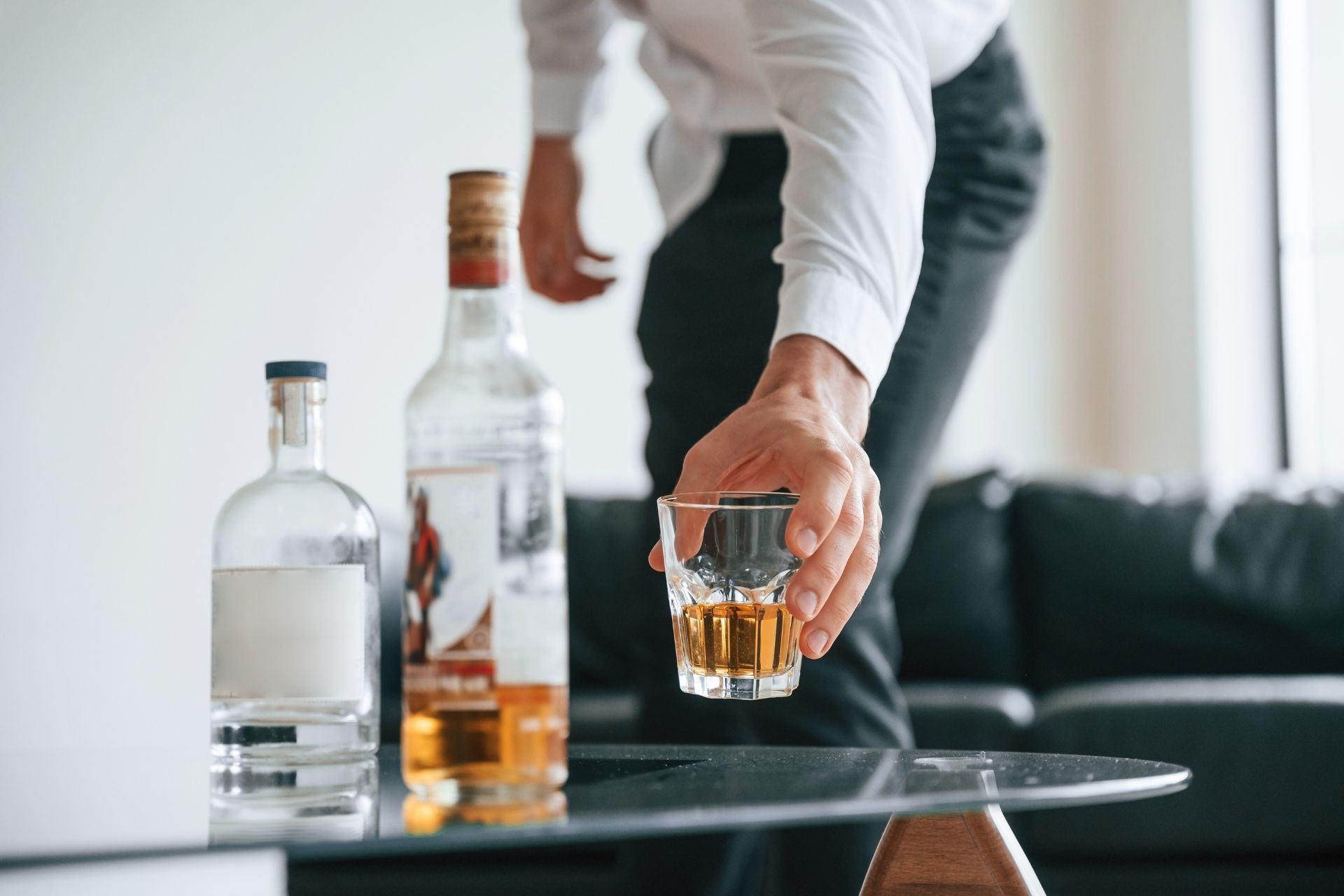
Liquor liability insurance is a specialized type of insurance that protects establishments licensed to serve alcohol from claims involving injuries, property damage, or other liabilities tied to alcohol service. In Florida, bars, restaurants, nightclubs, and other venues face high risks primarily due to a combination of frequent natural disasters and an active legal system.
Insurance professionals highlight that Florida is naturally more expensive to insure because of the hurricane risk that underlies many parts of the state. However, experts like Don Matz, former president of Tower Hill Insurance, point out that the state’s litigious environment has driven up costs and risks significantly in the past five years [UF Warrington College of Business].
This insurance product covers incidents where customers may suffer injuries or damages as a result of overconsumption or alcohol-related misadventures. The policy typically covers legal fees, settlement costs, and any awarded damages if a lawsuit is successful. For many establishment owners, liquor liability insurance is a crucial layer of protection that helps stabilize their business operations in an unpredictable legal climate.
Risk Factors in Florida’s Liquor Liability Landscape
High Litigation and Legal Environment
The legal framework in Florida is notably challenging due to the high frequency of lawsuits. Data indicates that a disproportionate number of insurance lawsuits occur within the state, vastly outnumbering its representation in national claims [UF Warrington College of Business]. The combination of aggressive legal tactics and ready access to litigation resources leaves many business owners vulnerable.
Such an environment not only increases the likelihood of facing legal actions but also escalates the potential costs associated with claims. Establishments must therefore evaluate their exposure carefully and work with insurers who understand the specificities that Florida courts bring to liquor liability cases.
Recent court decisions have also contributed to perceived shifts in risk management strategies. The Florida Supreme Court’s ruling in March 2024 allowed bars to present a “comparative fault” defense in alcohol-related injury cases [Rumberger | Kirk]. This judicial shift could potentially reduce a bar’s liability by enabling a more nuanced apportionment of fault when multiple parties contribute to an incident.
Exposure to Natural Disasters
Another risk factor inherent to Florida is the frequency of severe weather events, including hurricanes. These events do not only threaten physical assets but also exacerbate the complexity and severity of liability claims. The additional risk from natural disasters forces insurers to factor in a broader range of potential perils when underwriting policies.
Business owners in high-risk areas often face higher premiums as insurers adjust for the increased probability of claims during and after hurricane seasons. The regulatory environment and market data show that such environmental hazards, when combined with legal challenges, contribute to a higher overall cost structure for liquor liability policies.
Understanding these factors is essential for all alcohol-serving establishments. Comprehensive insurance strategies must therefore address both physical risks stemming from natural disasters as well as the more nebulous but equally potent threat of legal disputes.
Market Challenges and the Impact on Premiums
The financial health of Florida’s insurance market has seen significant strains in past years. Research from the Florida Department of Insurance highlighted that, since 2017, insurers in the state lost an average of $1.77 for every $1.00 earned in premiums, with a combined ratio reaching 290% in 2022 [Claims Pages]. These figures indicate that insurers have historically faced tremendous pressures when balancing risk exposure with premium income.
This unsustainable trend forced insurance carriers to increase premiums, tighten underwriting standards, and, at times, withdraw coverage from high-risk segments. Liquor liability insurance, being one sector of this broader market stress, is deeply affected. Establishments have seen rates climb steadily as insurers continue to offset the higher litigation and claims costs inherent to the Florida market.
However, there is some optimism emerging as legislative reforms start to work in favor of a more balanced market. These changes are beginning to stabilize insurers' loss ratios and profitability. Recent industry reports, including the 2024 AM Best Special Report, suggest that Florida’s insurance market is on a slow recovery path, which may eventually benefit policyholders and reduce premium burdens.
How Premiums are Determined
Premiums for liquor liability insurance are generally calculated based on several factors. Key determinants include the establishment’s size, location, incident history, security practices, and overall risk profile. In Florida, additional scrutiny is applied due to the high incidence of lawsuits and exposure to natural disasters.
Insurance carriers use detailed risk assessments to evaluate each case individually. Factors such as the presence of security personnel, the frequency of alcohol service, and staff training can influence the final premium. According to industry data, the average premium for liquor liability insurance is around $45 per month, with over half of policyholders paying less than $50 monthly [TechInsurance].
While pricing might seem straightforward based on these averages, the underlying factors vary significantly. For example, a popular downtown nightclub might face higher premiums than a quiet restaurant in a less densely populated area. Such differences underscore the importance of a tailored risk assessment for each business.

Legislative Reforms and Their Influence on Liability
Legislative reforms have had a marked impact on the risk landscape in Florida. Recent court rulings have introduced defense mechanisms that can help mitigate liability, as seen in the decision that now permits comparative fault defenses in alcohol-related cases [Rumberger | Kirk]. Such reforms assist establishments in presenting a fairer account of fault distribution during incidents.
The shift in judicial perspective means that if a patron’s own actions contributed to an injury, the lawsuit’s burden might be lessened proportionally. This can translate into lower claim payouts and ultimately reduce an insurer’s loss ratio. The potential for reduced litigation payouts is a welcome change for an industry that has been reeling under steep claim ratios and soaring litigation costs.
Insurance industry leadership is closely monitoring these reforms. According to Sean Kevelighan, CEO of the Insurance Information Institute, maintaining these reforms is critical to preventing past abuses by legal practitioners, such as assignment of benefits claim fraud schemes [Insurance Information Institute]. The continued legal support for fair liability allocation helps stabilize the premium environment and provides a more predictable foundation for both insurers and policyholders.
Recent Judicial Developments
One of the most talked-about developments was the Florida Supreme Court ruling in March 2024. This decision allows bars to use a “comparative fault” defense when addressing alcohol-related injury cases. Such a ruling shifts some of the responsibility onto the injured party if they share blame, which can help lower potential liabilities for establishments.
The ruling has been met with cautious optimism by businesses and insurers alike because it introduces a balanced approach to fault assignment. While it does not eliminate the risk of litigation, it creates a fairer playing field that might lead to fewer extreme payouts in cases where multiple contributing factors are evident.
This evolving legal landscape emphasizes the need for business owners to review their liquor liability policies regularly to ensure their coverage aligns with the current laws and trends.
Evaluating Your Liquor Liability Insurance Needs
Assessing the right coverage is crucial for any establishment that serves alcohol. A thorough risk assessment should consider factors unique to the location, clientele, and service style of the business. Risk managers and insurance brokers often recommend a comprehensive review that accounts for the following aspects: operating environment, clientele behavior, premises security, and historical claims data.
Business owners must conduct periodic reviews of their policies. Changing regulations and weather patterns can influence risk factors, prompting the need for updated coverage or adjusted limits. Ensuring that the policy remains robust in the face of evolving threats is key to long-term financial stability.
Many establishments find that partnering with experienced insurance professionals who specialize in Florida’s insurance landscape can lead to a more accurate risk assessment, providing valuable insights on emerging liabilities and cost-effective coverage. This proactive approach is integral to staying ahead of potential pitfalls in a challenging market.
Key Considerations for Policyholders
When shopping for liquor liability insurance, owners should consider the following pointers. First, ensure that the policy covers legal fees and settlement costs adequately, since legal disputes can be financially draining. Next, review any exclusions that might leave gaps in coverage, especially those specific to alcohol-related incidents.
It is equally important to verify that the policy is compatible with state legal reforms such as the comparative fault defense, which can play a role in future claim adjustments. Engage with insurance representatives who understand local risks and legislative nuances, ensuring that the final policy offers robust protection against all identified hazards.
With these considerations in mind, business owners can strike a balance between adequate protection and practical costs, keeping operating expenses manageable while securing essential risk coverage.
The analysis of premium trends within Florida reveals a market that is gradually stabilizing after years of significant financial stress for insurers. The recent industry shift, backed by legislative reforms, points to a slow but promising return toward more balanced ratios for claims payouts and premium earnings.
While the average premium is reported to be around $45 per month for liquor liability insurance [TechInsurance], individual rates vary based on risk factors such as location, incident history, and operational specifics. This means a bustling nightclub in south Florida may face a higher premium than a smaller restaurant in an inland town. Insurers continue to recognize that a tailor-made approach yields the most accurate premium calculations.
Market trends also reveal signs of recovery, as insurers adapt to both the legal environment and the practical experiences of recent years. Continuous monitoring and regulatory oversight play a substantial role in ensuring that insurers can return to profitability while offering competitive coverage options to policyholders.
How Claims Data Informs the Market
Claims data has historically driven many of the decisions made in the Florida insurance market. For example, a study by the Florida Department of Insurance showed that for every dollar earned in premiums, insurers lost approximately $1.77 since 2017, with combined ratios reaching levels as high as 290% in 2022 [Claims Pages]. This information not only shapes premium pricing but also the structure of coverage offered to establishments.
The insights derived from claims analysis force underwriters to adapt their strategies, ensuring that premiums reflect recent litigation trends and environmental risks. Although claims data presents challenges, it also encourages an industry-wide effort to improve underwriting processes and risk mitigation measures.
This transparent use of claims data helps reassure policyholders that premiums and coverage options are not arbitrarily determined but are linked to real-world events and trends.
Comparing Liquor Liability Coverage Options
When selecting a liquor liability insurance policy, it is beneficial to compare what different coverage options offer. Several factors such as limits, deductibles, and additional endorsements come into play. It is not just about finding the cheapest rate but choosing a policy that truly addresses the specific exposures faced by the business.
A comparative review can reveal subtle differences between broad-spectrum policies and more narrowly tailored options. Some policies might offer additional protection against natural disasters, while others focus extensively on legal defense and indemnification in the context of alcohol-related incidents.
Below is a simple comparison chart that outlines several key differences to help guide decision-making:
| Coverage Feature | Standard Liquor Liability Policy | Enhanced Coverage Option |
|---|---|---|
| Legal Defense Costs | Included up to policy limit | Extended legal support and expert witnesses available |
| Claims History Consideration | Based on standard underwriting | Tailored risk assessment with historical trend analysisity services |
| Natural Disaster Risk | Limited adjustments | Separate endorsements for hurricane and flood risks |
| Business Interruption | May not fully integrate recent legal rulings | Designed to align with current Florida Supreme Court rulings |
This chart serves as a guide for business owners evaluating their insurance needs, emphasizing that even subtle policy differences can lead to significant benefits during a claim.
Market Stabilization and Future Prospects
Recent legislative reforms have begun to balance the previously volatile market for liquor liability insurance in Florida. Industry experts report that these measures have improved insurers' profitability and loss ratios, ushering in a period of stabilization [AM Best Special Report].
For liquor-serving establishments, this stabilization means a more predictable environment for renewing or adjusting policies. With a reformed legal structure supported by the comparative fault defense and tighter underwriting processes, the potential for sudden and exorbitant premium hikes may be reduced.
This shift is bittersweet for insurers who have weathered years of losses, but it also offers room for growth and innovation. As companies adopt more advanced risk management practices and adapt to Florida’s challenging climate, the entire industry stands to benefit.
The Role of Technology and Data
Modern data analytics and technology integration are increasingly becoming important for insurance providers. Insurers are using advanced modeling techniques to predict claim patterns, adjust premiums, and improve overall underwriting accuracy. This data-driven approach is crucial in regions like Florida, where variable risks-from hurricanes to litigation-demand nuanced analysis.
For establishments, partnering with insurers who invest in technology can lead to better-tailored policies and proactive risk-management solutions. These tools help track incidents in real time, offer early warnings about potential weather disruptions, and even provide comprehensive staff training recommendations.
As the market evolves, technology is expected to drive more efficient handling of claims and streamline communication between insurers and their clients, ultimately benefiting both parties.
Implementing Effective Risk Management Strategies
While liability insurance is an essential safeguard for any business serving alcohol, proactive risk management can significantly reduce the frequency and severity of claims. Establishments that implement robust safety measures and staff training programs tend to fare better when unforeseen incidents occur.
Preventive measures can include enhanced security staffing, careful monitoring of alcohol service, proper incident documentation, and regular reviews of safety practices. Many insurers offer discounts or tailored policies to operators who demonstrate an ongoing commitment to risk reduction.
Adopting these strategies not only reduces potential legal liability but also creates a safer environment for patrons, which is beneficial for long-term business viability.
Practical Safety Tips for Establishments
It is important for managers and owners to focus on practical safety protocols. Investing in regular training sessions for staff can greatly reduce the risk of over-service and underage drinking. Additionally, routine checks for hazards and implementing effective crowd management strategies during busy periods can lower the likelihood of accidents.
Encouraging a culture of accountability, where all employees understand their role in maintaining a safe and compliant environment, is key. These initiatives not only help mitigate risk but also show insurance providers that proactive measures are being taken. In doing so, they may also benefit from lower premiums over time.
Organizations operating in a high-risk legal environment benefit from periodic reviews led by industry professionals. Such collaborative approaches ensure that all potential risks are adequately addressed before they escalate into costly incidents.
Frequently Asked Questions
This FAQ section is designed to address some of the most pressing concerns held by business owners and managers regarding liquor liability insurance in Florida. Here are some common questions and their brief answers.
Q: What does liquor liability insurance cover?
A: Liquor liability insurance is designed to cover legal fees, settlements, and judgments related to alcohol-related injuries or damages. It provides financial protection should a lawsuit arise from the service of alcohol.
Q: How are premiums determined for liquor liability policies?
A: Premiums are based on several factors including location, history of claims, type of establishment, security measures, and the risk profile of the venue. In Florida, additional risks such as weather-related events and a litigious legal climate also influence rates.
Q: What are some effective risk management practices for establishments?
A: Effective practices include staff training on responsible alcohol service, proper security protocols, regular safety audits, and prompt documentation of any incidents. These measures can help reduce legal exposure and improve overall safety.
Q: How do recent legal reforms affect my liquor liability insurance?
A: Recent reforms, such as the allowance for comparative fault defenses in alcohol-related cases, can reduce potential liabilities by distributing fault across parties. This decision helps in lowering claim payouts, which may eventually be reflected in more stable premium rates.
Q: Can technology assist in managing risks for liquor-serving establishments?
A: Yes, technology plays a growing role in risk management. Modern analytics, real-time monitoring, and staff training software are among the tools that help identify hazards early and facilitate prompt corrective actions.
Q: Is it worth paying a premium above the average monthly cost for enhanced coverage?
A: Enhanced coverage often includes additional benefits such as extended legal defense, improved risk assessments, and specialized endorsements for natural disasters. Considering the risks, paying a slightly higher premium may provide significantly better protection tailored to your specific business needs.
Wrapping Things Up
The intricate network of risks in Florida-from relentless natural disasters to a challenging legal climate-demands a proactive and informed approach when selecting liquor liability insurance. Business owners must assess risks specific to their operations while keeping abreast of legislative reforms and market trends. By engaging with knowledgeable insurance professionals and adopting robust risk management practices, establishments can safeguard against unforeseen financial losses and maintain operational stability.
Recent developments, such as the state’s Supreme Court rulings and market recovery signals, are promising indicators that the insurance environment is shifting. With a renewed focus on fair liability allocation and innovative underwriting techniques, Florida’s liquor liability insurance market is gradually adapting to the modern risk landscape.
Properly understanding and utilizing insurance coverage can be the difference between a manageable incident and a financially crippling event. A well-informed, strategic approach to acquiring liquor liability insurance ensures that businesses can focus on serving their customers while mitigating unexpected risks effectively. The ultimate takeaway for establishments is clear: robust insurance coverage paired with proactive risk management is the best defense in a state as dynamic and challenging as Florida.
Final Thoughts on Navigating Liquor Liability Insurance in Florida
Liquidity in insurance terms is more than just the availability of funds, but the capacity to manage risk responsibly. In Florida, where litigation rates and environmental factors continually reshape the risk profile of operating a liquor-serving establishment, keeping pace with these changes is critical.
An effective insurance strategy should blend a comprehensive liability policy, ongoing risk management initiatives, and a willingness to adapt to the legal landscape. Retailers, restaurant owners, nightclub managers, and other stakeholders need to recognize that each decision-from staff training programs to policy selection-can influence their ability to navigate Florida’s challenging insurance domain successfully.
Continued dialogue between business owners and insurance providers, as well as staying informed about regulatory and judicial updates, can go a long way toward building more resilient enterprises. With evidence suggesting gradual market stabilization [AM Best Special Report], the outlook for both insurers and policyholders is evolving in a constructive manner.
Summing Up the Essentials
To summarize, the key components of managing liquor liability insurance in Florida include understanding the particular risks-such as high litigation rates and hurricane exposure-identifying the most relevant policy features, and actively working to keep up with changing legal and market conditions. Enhanced coverage options available today are not simply more expensive add-ons; they represent strategic investments that offer better defense, broader coverage, and ultimately, a more secure financial standing.
Business owners should remember that while the average monthly premium might seem manageable, the overall risk exposure necessitates a thoughtful review of all available options. As market conditions improve and legal reforms take stronger root, insurers and policyholders alike stand to benefit from a more predictable and balanced insurance ecosystem.
This article serves as a comprehensive guide for those looking to navigate the complexities of liquor liability insurance in Florida. Through careful analysis of risk factors, premium determinants, legal reforms, and proactive management strategies, the path toward informed decision-making becomes clearer. Establishments large and small are encouraged to periodically reassess their coverage to ensure it reflects both current risks and future uncertainties.
ABOUT THE AUTHOR: PAUL RAMENTOL
I am the Owner and President of Mesa Insurance Agency. I help individuals and business owners across Florida secure personal and business insurance coverage that supports their needs. My focus is on clear guidance, direct communication, and long-term support without call-center delays or confusion.
Contact Us

Personal Coverage Options
Insurance Built for Everyday Protection
Mesa Insurance Agency provides personal insurance coverage designed to support daily life. Our team reviews risks and coverage needs to help clients secure dependable protection at fair rates.
Dental & Vision Insurance
Coverage that helps manage routine dental and vision care costs.

Business Coverage Options
Insurance Built for Business Protection
Mesa Insurance Agency provides business insurance coverage that helps protect operations, employees, and property. We work with multiple carriers to offer coverage options that support daily business activities and long-term stability.
Commercial Auto Insurance
Coverage for business-owned vehicles, drivers, and accident-related liability exposure.
General Liability Insurance
Protection against third-party injury, property damage, and common business liability risks.
Professional Liability Insurance
Coverage for claims related to professional services, advice, or service errors.
Workers’ Compensation Insurance
Coverage that helps support employees with work-related injuries and medical costs.
Commercial Property Insurance
Protection for buildings, equipment, inventory, and physical business assets.
Errors & Omissions Insurance
Coverage for financial losses caused by mistakes, omissions, or service-related claims.
Industries We Serve
Serving Businesses Across Multiple Sectors
Mesa Insurance Agency works with business owners across Florida to provide insurance coverage that supports daily operations. We understand common risks faced by different industries and help clients secure reliable protection.

Construction and Trades Insurance
Coverage for job sites, vehicles, tools, and workplace risks.

Hospitality Businesses Insurance
Insurance for restaurants, bars, and service-based operations.

Retail and
Commercial Properties
Protection for storefronts, inventory, and customer-related liability.
Our Approach
Insurance Made Easy to Understand
Mesa Insurance Agency provides business insurance coverage that helps protect operations, employees, and property. We work with multiple carriers to offer coverage options that support daily business activities and long-term stability.
Insurance FAQs
Helpful Answers for Florida Clients
Support you can rely on.

What makes Mesa Insurance Agency different?
We are an independent agency with access to multiple carriers. This allows us to offer flexible coverage options.
Clients work directly with licensed agents. Service continues beyond the policy start date.
Do you offer coverage for individuals and families?
Yes. We provide personal insurance for individuals and families across Florida.
Coverage includes auto, home, health, life, and flood insurance. Our team explains each option clearly.
Do you work with small and mid-sized businesses?
Yes. We work with businesses of many sizes and industries.
Our team helps identify risks and secure appropriate coverage. Ongoing service is included.
Can I make changes to my policy later?
Yes. Policies can be updated as needs change.
We assist with coverage adjustments, additions, and removals. Clients can contact us directly for help.
Is flood insurance required in Florida?
Flood insurance is not always required, but it is strongly recommended in many areas.
Standard home insurance does not cover flood damage. Our team can review your flood risk and options.
How do I contact your office?
You can contact us by phone, email, or through our website.
Our team responds promptly during business hours. Support is always available when needed.
From the Blog
Insurance Topics That Matter
Clear answers for common questions.






Client Reviews
Trusted by Clients Across Florida
Mesa Insurance Agency is proud to serve individuals and businesses throughout Florida. Clients choose us for clear communication, responsive service, and reliable insurance support. Their feedback reflects our focus on long-term relationships and consistent service.
Contact Us