A dairy processing facility in Florida faces a unique mix of challenges when it comes to insurance-from weather-related hazards to legal and operational risks. With distinct regional considerations and heightened litigation activity, obtaining the right coverage is critical.
This article delves into the nuances of insurance for dairy operations, providing real-world context, industry insights, and detailed coverage comparisons to help facility managers and business owners make informed decisions. For instance, insights from
Florida property insurers illustrate how recent market shifts could influence underwriting outcomes in specialized sectors.
Understanding Risks in Dairy Processing Facilities
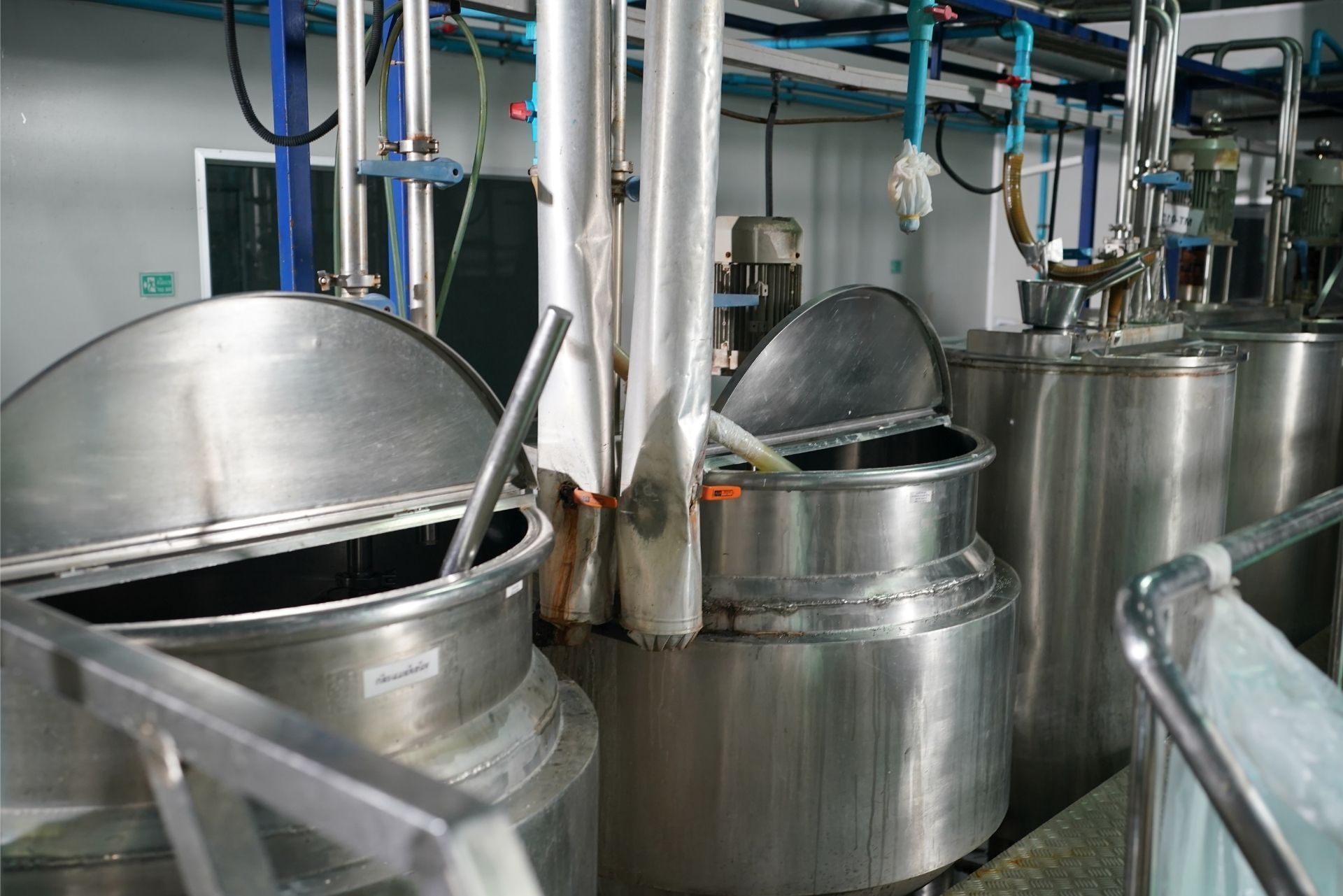
Dairy processing facilities operate in a high-stakes environment where production efficiency meets strict quality control. Insurers assess a range of risks-including equipment malfunction, contamination issues, and structural damage. Since dairy operations involve perishables and require consistent refrigeration and processing, even minor disruptions can lead to significant losses.
In Florida, operational challenges are compounded by environmental factors. Given the state's susceptibility to hurricanes, potential risks extend beyond daily operational hazards. Insurance providers manage this by tailoring policies that accommodate both the predictable demands of a dairy operation and less frequent, but highly disruptive, weather-related incidents.
Certain external pressures also add to the complexity of insurance requirements. The litigious atmosphere in Florida, as noted by a seasoned industry expert, has historically driven up the cost of claims, urging insurers to incorporate robust defense provisions in their policies
according to industry insights.

Key Components of Dairy Processing Facility Insurance Policies
Property Coverage and Structural Protection
Protecting the physical infrastructure of a dairy facility is among the top priorities for insurance policies. Owners require comprehensive coverage that addresses damages caused by natural events like hurricanes or floods and accidental incidents such as machinery failures or accidents on the premises.
Property coverage ensures that repair and rebuild costs are met promptly after an incident. This is critical for dairy processors, where downtime can disrupt the supply chain and lead to spoilage. Specific endorsements may include protection against business interruption, designed to mitigate losses when production halts unexpectedly.
While typical property coverage addresses physical damage, dairy-specific policies also consider contamination risks that are unique to food processing. Insurance providers may extend coverage to include product recall expenses or even environmental cleanup measures if contamination spreads beyond the facility.
Equipment Breakdown and Machinery Coverage
The heart of any dairy processing facility is its equipment. With numerous specialized machines operating around the clock, any breakdown can lead to severe operational delays. Coverage for equipment and machinery breakdown protects dairy operations from the high costs associated with unexpected repairs or replacements.
This type of insurance is particularly relevant given the possibility of system-wide failures where the interconnected nature of dairy processing means that one malfunctioning component can affect the entire production line. Detailed coverage often includes repairs to refrigeration units, pasteurizers, homogenizers, and other essential equipment.
Given the critical role of such machinery, policies might also provide for expedited service repair contracts with approved vendors, ensuring minimal downtime. Insurance companies recognize that prompt restoration of operations is essential to avoid significant income loss.
Addressing Legal and Financial Challenges in Florida
Navigating the Litigation Landscape
Florida's insurance environment has been shaped by a highly litigious society. Dairy processing facilities, like other businesses, can become embroiled in legal disputes-whether related to labor practices, environmental compliance, or even product liability. As reported, in 2021 a disproportionately high number of home-insurance lawsuits were seen in Florida compared to the number of claims filed (UF Warrington College of Business).
Insurance policies must account for defense costs associated with litigation. In fact, a notable reduction in Florida's defense and cost-containment expense ratio-from 8.4 in 2022 to 3.1 in 2023 according to Triple-I Blog-is a sign that insurers are developing more effective strategies to minimize these expenses.
The significant litigation exposure in Florida makes it essential for dairy processors to work with insurers who offer robust legal expense coverage. Such policies provide protection against the financial drain caused by lawsuits, including those arising from accidental contamination or worker safety incidents.
Cost Containment and Defense Insurance
For dairy operations, defense expenses and litigation risks can escalate quickly. In 2021, Florida insurers spent approximately $3.1 billion on legal defense expenses as per the findings of UF Warrington College of Business. This staggering figure underscores the importance of having cost-containment mechanisms built into insurance policies.
Insurance policies now frequently include provisions for legal defense reimbursement. By negotiating reduced litigation-related expenses, insurers can pass on savings to their policyholders, ensuring that legal defenses are managed more efficiently.
Cost-containment strategies are especially important in Florida, where a combination of environmental hazards and a litigious legal climate has historically driven claims to high levels. For dairy facilities with slim margins, strategies to reduce overhead costs, such as enhanced legal coverage, can have a decisive impact on overall operational viability.
Considerations for Dairy Operators in Florida
Market Trends and Policy Options
The Florida insurance market has seen notable evolution over the past few years. In 2024, property insurers in Florida reported an underwriting profit of $207 million according to Active Property Care. This turnaround reflects a slowly evolving landscape, where the reduction in certain risk factors like litigation-related expenses is beginning to take effect.
For dairy processing facilities, this means that while premiums may still be high due to the inherent risks of operating in Florida, policyholders could increasingly see more coverage options and competitive pricing. A 2025 survey highlighted that 53% of Florida homeowners believed there were more insurance carriers to choose from, implying ongoing market stabilization. Although this survey focused on homeowners, a similar trend is emerging in the commercial sector.
Operators are advised to explore policies that offer bundled coverages. Combining property, equipment, and legal defense insurance can provide comprehensive protection instead of paying for separate stand-alone policies.
Specialized Coverage for Dairy Operations
Dairy processing operations have unique characteristics that require tailored insurance solutions. The risks associated with contamination and product recalls, for example, are not common in other types of commercial facilities. Policies that include product liability, contamination coverage, and business interruption are critical. These add-ons help mitigate losses when unexpected events disrupt normal operations.
Customizable coverage options allow operators to specify particular risks relevant to their operations. For instance, facilities located in areas with heightened flood risk might require separate flood endorsements. Meanwhile, others may need more robust coverage against power outages or equipment malfunctions due to their dependency on stable operations.
Consulting with industry specialists who understand dairy processing is invaluable. Such professionals can help design policies that address both standard operational risks and more unique aspects of dairy production.
Implementing Risk Management Practices
Enhancing Safety and Reducing Premiums
Risk management is not solely the insurer’s responsibility. Dairy facility operators can directly influence their premiums by implementing effective safety and operational practices. Regular equipment maintenance, adherence to food safety protocols, and comprehensive staff training are essential components.
Enhanced safety systems can significantly reduce the number of claims made on a policy, which, in turn, could lead to lower premiums over time. Facilities with documented safety improvements often receive favorable reviews during policy underwriting, leading to cost-effective coverage options.
Replacing outdated equipment with modern, energy-efficient machinery can also lower risk. Upgrades that improve operational safety, such as automated monitoring systems, ensure that potential hazards are flagged and addressed before they escalate.
Emergency Preparedness and Business Continuity
Unforeseen events-be it extreme weather or critical equipment failure-demand that dairy operations not only have insurance but also a solid business continuity plan. This involves having backup systems, emergency response protocols, and clear recovery strategies in place.
Documented continuity plans can be a decisive factor when insurers evaluate risk profiles. Facilities that demonstrate preparedness are more likely to face fewer losses in the long run, which contributes to a stronger underwriting performance for insurers.
Being prepared means coordinating closely with local emergency services and ensuring that all staff understands their roles during a crisis. Such measures enhance overall resilience and ensure that claims resulting from crises remain manageable from both an operational and financial standpoint.
Coverage Comparison: Dairy Processing Facility Insurance Options
An effective way to navigate the myriad of coverage options is to compare the benefits of bundled policies against those with stand-alone coverages. While every facility’s needs vary, a side-by-side analysis can help operators identify the right fit for their operations.
The table below provides an overview of common coverage elements, allowing for a visual comparison of what each policy may offer:
| Coverage Type | Bundled Policy | Stand-Alone Policy |
|---|---|---|
| Property Damage | Includes repair, rebuild, and replacement costs | May require additional endorsements |
| Equipment Breakdown | Covers repairs, replacement, and expedited service options | Often offered separately; may have higher deductibles |
| Legal Defense | Integrated defense expense coverage leading to lower overall claims costs | Requires standalone legal expense policy |
| Business Interruption | Typically included as a standard endorsement | May be purchased as an add-on |
| Product Liability | Customizable per facility’s risk profile | Usually needs separate underwriting and may cost more |
This comparison highlights the importance of a tailored approach. Dairy processing facilities can benefit from bundled policies if their risk profiles indicate a high probability of encountering multiple, overlapping risks.
An informed decision involves working with brokers who understand both dairy operations and the Florida insurance environment. They can help ensure that the policies provide adequate protection without leaving gaps that may expose operations to unnecessary risk.
Industry Dynamics and Future Trends
Impact of Litigation on Insurance Pricing
Florida’s unique legal environment continues to influence insurance pricing dynamics. A crucial factor has been the high incidence of litigation, which historically drove up costs for insurers in the state. In 2021, Florida represented a significant share of U.S. home-insurance lawsuits despite a relatively low claim submission rate (UF Warrington College of Business).
While recent trends suggest that litigation-related expenses and defense cost ratios are beginning to decline-observed in the drop from 8.4 to 3.1 between 2022 and 2023 Triple-I Blog-the legacy of aggressive litigation pricing still influences premium structures. Dairy facilities must consider these dynamics when budgeting for insurance, as even slight premium increases can significantly affect operational costs.
Understanding these trends is critical. Operators who directly engage with their insurers and legal advisors can better anticipate policy adjustments and long-term financial commitments related to coverage.
Market Stabilization and Future Insurance Options
Market stabilization is beginning to manifest across several sectors in Florida. A recent survey in 2025 found that 53% of Florida homeowners have more insurance carriers to choose from as reported by Hi Marley. Although this survey covers personal lines, the increased competition is trickling into commercial sectors, including specialized coverage for dairy processing facilities.
In practical terms, this means that dairy processors may have improved leverage when negotiating policy terms. With more carriers entering the market, options for customization, competitive premiums, and additional endorsements are becoming more accessible. The fluctuating underwriting profits reported in Florida-such as the $207 million turnaround in underwriting profit in 2024 by Active Property Care-reflect broader industry trends that offer hope for more favorable rates and conditions in the near future.
As new players enter the market, dairy operations are encouraged to periodically review their policies. Conducting an annual risk assessment and coverage audit can uncover opportunities to streamline expenditures while still maintaining comprehensive protection.
Practical Steps for Securing the Right Coverage
Assessing Facility-Specific Risks
For dairy processing facilities, a thorough risk assessment is the first step to understanding what coverage is essential. Operators should consider factors unique to their operations, such as the age of the facility, the sophistication of integrated processing technologies, local weather patterns, and the track record of maintenance protocols.
Engaging a risk management consultant or an insurance broker who specializes in food processing environments can provide valuable insights. These consultations can identify potential vulnerabilities that may not be apparent to those unfamiliar with regulatory and operational standards in the dairy industry.
By combining industry-specific knowledge with local data on environmental risks, operators can develop a comprehensive safety strategy that informs insurance decisions. This proactive approach often leads to more favorable policy terms and reduced claim frequency.
Building Relationships with Insurance Providers
Establishing long-term relationships with experienced insurance providers or brokers can simplify the process of securing coverage. Providers who understand Florida's unique regulatory and litigation landscape are in a better position to negotiate policy features that address both routine and extraordinary risks.
An ongoing dialogue with insurers helps ensure that policies evolve in line with a facility's growth and the changing market environment. Dairy processors who maintain regular communication with their insurance partners are more likely to be ahead of policy restructurings or market adjustments.
Such relationships also facilitate faster resolution of claims should an incident occur; the familiarity between the insurer and operator can result in smoother processing and quicker reimbursements.
Technology and Innovation in Risk Management
Embracing Digital Tools for Safety and Efficiency
Modern dairy processing operations have the opportunity to leverage digital innovations to enhance operational safety and efficiency. Tools such as sensor networks, real-time monitoring systems, and predictive analytics are increasingly being integrated into production lines to prevent hazards before they manifest.
These technologies not only reduce the likelihood of accidents but can also be used as evidence during the underwriting process. Demonstrating the use of advanced safety systems can lead insurers to offer more competitive premium rates or more comprehensive coverage.
Digital transformations make a significant difference, particularly in environments prone to unpredictable events. For dairy processing facilities in Florida, where weather and litigation remain key concerns, innovation provides both a safety net and a potential cost advantage.
Case Studies and Real-World Examples
There are numerous examples of dairy processors that successfully mitigated risk through a combination of technological upgrades and strategic insurance coverage. One common approach involves replacing aging infrastructure with smart, automated systems that reduce human error. Such measures have resulted in fewer disruptions and lower overall claim rates.
Case studies reveal that proactive facility management-bolstered by cutting-edge technology-can reinforce a facility's security framework. The resulting data often translates into better underwriting terms as insurers recognize a lowered risk profile. Dairy processors that adopt these strategies can serve as industry leaders, setting benchmarks for risk management excellence.
This trend is especially relevant in Florida, where the convergence of environmental risks and shifting legal landscapes underscores the need for integrated risk management strategies.
The Role of Regulatory Compliance and Safety Standards
Meeting Florida’s Regulatory Requirements
Regulatory requirements in Florida are stringent, especially with respect to food safety and operational compliance. Dairy processing facilities must align with both federal and state regulations to avoid penalties and ensure the continued availability of coverage.
Compliance not only minimizes the risk of legal disputes but can also lead to premium discounts. Insurance carriers tend to favor operations that meet or exceed safety and environmental standards, as these reduce the probability of claims. Regular audits, comprehensive staff training, and a commitment to safety protocols are essential components of this process.
Being proactive in regulatory adherence signals reliability to insurers, which can result in more flexible policy terms. Such initiatives often include environmental risk management plans and documented contingency procedures to safeguard against unexpected events.
Quality Control and Food Safety Protocols
The integrity of the dairy supply chain is closely linked to adherence to food safety standards. Extensive protocols must be in place to ensure that products remain uncontaminated throughout processing, storage, and distribution. Insurance policies that extend to product liability and contamination coverage become essential, reflecting the high stakes involved in maintaining food safety.
Quality control measures not only protect consumers but also reduce the likelihood of costly recalls and legal actions. Documented records of safety inspections and preventive maintenance further enhance the credibility of a facility during underwriting reviews.
This approach ensures that both internal and external stakeholders-ranging from regulatory bodies to insurance providers-are reassured that the facility is well-managed and adherent to best practices.
Frequently Asked Questions
This FAQ section addresses common concerns related to dairy processing facility insurance in Florida, offering straightforward answers to help clarify intricate topics.
Q: Why do dairy processing facilities need specialized insurance?
A: Dairy processing facilities have unique risks such as contamination and equipment breakdown that standard commercial insurance may not cover adequately. Customized policies ensure protection against these specific hazards.
Q: How does Florida’s litigation environment affect insurance premiums?
A: Florida’s litigious climate has historically driven up litigation-related costs for insurers. However, reduced defense expense ratios indicate that targeted cost-containment strategies are beginning to moderate premium increases according to Triple-I Blog.
Q: What steps can a dairy processing facility take to reduce insurance costs?
A: Implementing robust safety protocols, using advanced monitoring technologies, and maintaining thorough regulatory compliance are all measures that can lead to lower claim frequency, thereby reducing premiums.
Q: Are bundled insurance policies preferable for dairy facilities?
A: Bundled policies can be advantageous as they offer comprehensive coverage for property damage, equipment breakdown, and legal defense. This integrated approach can simplify risk management and often results in cost savings.
Q: How often should a dairy facility review its insurance coverage?
A: Facilities should conduct annual reviews of their insurance policies, ideally in consultation with their broker or risk manager, to ensure that coverage remains aligned with evolving operational needs and market conditions.
Wrapping It Up: Making the Right Choice for Your Dairy Operation
Securing the right insurance for a dairy processing facility in Florida involves a multifaceted approach. With an understanding of both operational challenges and the nuances of Florida’s legal and environmental landscape, dairy processors can tailor coverage to meet the complex demands of their business.
Combining property, equipment, and legal defense coverages in a comprehensive policy, while also investing in proactive risk management practices, positions a facility to weather unexpected challenges effectively. The evolving market conditions, as evidenced by underwriting gains and reduced litigation expense ratios, paint a hopeful future where tailored policies meet the needs of specialized operations.
Maintaining open lines of communication with experienced insurance providers is key. With the right expertise, dairy processing facilities can secure policies that balance comprehensive protection with cost efficiency-all while navigating the intricacies of Florida’s dynamic insurance environment
as highlighted by recent trends.
Final Thoughts on Insuring Florida Dairy Processing Facilities
In an environment where operational resilience is critical, dairy processing facility insurance acts as a vital safety net to protect against unpredictable events. By understanding the interplay between regional risks, technological advancements, legal challenges, and market trends, operators can make informed decisions that ultimately support both short-term recovery and long-term business sustainability.
Dairy facilities that proactively manage risks through a combination of tailored insurance policies and robust internal controls stand to benefit from lower disruptions and improved financial stability. The journey toward comprehensive coverage involves periodic reassessment, open dialogue with insurance experts, and a willingness to invest in risk reduction measures.
The Florida market’s gradual move towards offering more competitive and diverse options signals promising opportunities for dairy processors. With a strategic approach and a focus on continuous improvement, even the most intricate operational challenges can be mitigated, ensuring a thriving dairy operation in the long run
as suggested by recent surveys.
ABOUT THE AUTHOR: PAUL RAMENTOL
I am the Owner and President of Mesa Insurance Agency. I help individuals and business owners across Florida secure personal and business insurance coverage that supports their needs. My focus is on clear guidance, direct communication, and long-term support without call-center delays or confusion.
Contact Us

Personal Coverage Options
Insurance Built for Everyday Protection
Mesa Insurance Agency provides personal insurance coverage designed to support daily life. Our team reviews risks and coverage needs to help clients secure dependable protection at fair rates.
Dental & Vision Insurance
Coverage that helps manage routine dental and vision care costs.

Business Coverage Options
Insurance Built for Business Protection
Mesa Insurance Agency provides business insurance coverage that helps protect operations, employees, and property. We work with multiple carriers to offer coverage options that support daily business activities and long-term stability.
Commercial Auto Insurance
Coverage for business-owned vehicles, drivers, and accident-related liability exposure.
General Liability Insurance
Protection against third-party injury, property damage, and common business liability risks.
Professional Liability Insurance
Coverage for claims related to professional services, advice, or service errors.
Workers’ Compensation Insurance
Coverage that helps support employees with work-related injuries and medical costs.
Commercial Property Insurance
Protection for buildings, equipment, inventory, and physical business assets.
Errors & Omissions Insurance
Coverage for financial losses caused by mistakes, omissions, or service-related claims.
Industries We Serve
Serving Businesses Across Multiple Sectors
Mesa Insurance Agency works with business owners across Florida to provide insurance coverage that supports daily operations. We understand common risks faced by different industries and help clients secure reliable protection.

Construction and Trades Insurance
Coverage for job sites, vehicles, tools, and workplace risks.

Hospitality Businesses Insurance
Insurance for restaurants, bars, and service-based operations.

Retail and
Commercial Properties
Protection for storefronts, inventory, and customer-related liability.
Our Approach
Insurance Made Easy to Understand
Mesa Insurance Agency provides business insurance coverage that helps protect operations, employees, and property. We work with multiple carriers to offer coverage options that support daily business activities and long-term stability.
Insurance FAQs
Helpful Answers for Florida Clients
Support you can rely on.

What makes Mesa Insurance Agency different?
We are an independent agency with access to multiple carriers. This allows us to offer flexible coverage options.
Clients work directly with licensed agents. Service continues beyond the policy start date.
Do you offer coverage for individuals and families?
Yes. We provide personal insurance for individuals and families across Florida.
Coverage includes auto, home, health, life, and flood insurance. Our team explains each option clearly.
Do you work with small and mid-sized businesses?
Yes. We work with businesses of many sizes and industries.
Our team helps identify risks and secure appropriate coverage. Ongoing service is included.
Can I make changes to my policy later?
Yes. Policies can be updated as needs change.
We assist with coverage adjustments, additions, and removals. Clients can contact us directly for help.
Is flood insurance required in Florida?
Flood insurance is not always required, but it is strongly recommended in many areas.
Standard home insurance does not cover flood damage. Our team can review your flood risk and options.
How do I contact your office?
You can contact us by phone, email, or through our website.
Our team responds promptly during business hours. Support is always available when needed.
From the Blog
Insurance Topics That Matter
Clear answers for common questions.







Client Reviews
Trusted by Clients Across Florida
Mesa Insurance Agency is proud to serve individuals and businesses throughout Florida. Clients choose us for clear communication, responsive service, and reliable insurance support. Their feedback reflects our focus on long-term relationships and consistent service.
Contact Us