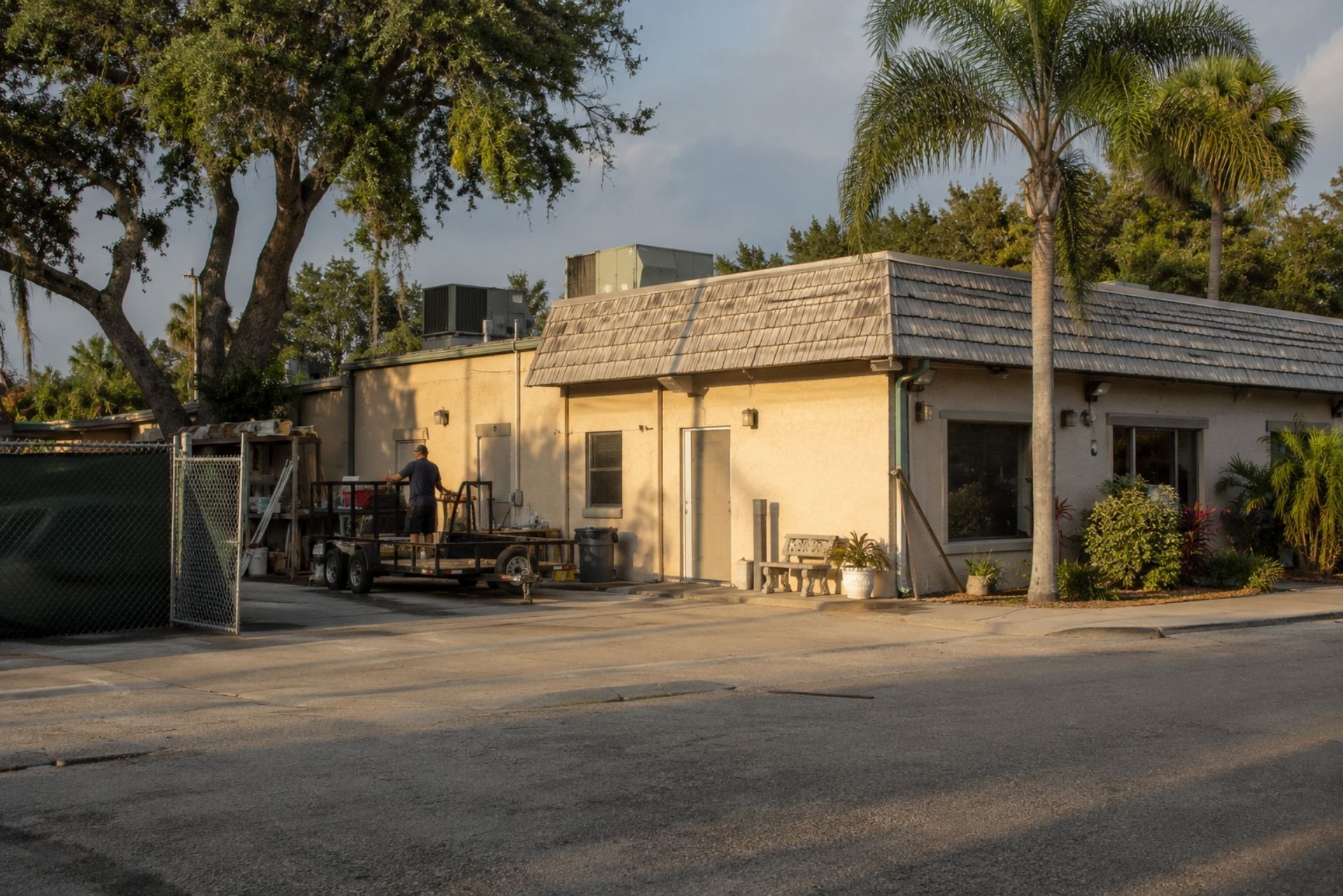
A single hurricane season can reshape the financial future of a Brandon business. A retail shop on Causeway Boulevard, a warehouse near Falkenburg Road, or a medical office off Bloomingdale Avenue: each faces a distinct combination of wind, flood, and liability exposures that generic coverage can't address. Commercial property insurance for Brandon, Florida businesses must account for buildings, equipment, inventory, wind and flood hazards, and the revenue you stand to lose while repairs drag on. This guide walks you through every layer of protection your property needs, from the walls themselves to the income they help generate.
The Florida commercial property insurance market is shifting in 2026. Citizens Property Insurance policy counts dropped 73% from a peak of 1.42 million in 2023, as private carriers re-entered the state and legislative reforms took hold. That means more options for
Brandon business owners, but also more complexity. Understanding exactly what each policy covers, and where the gaps hide, is the difference between a smooth recovery and a financial crisis after a storm.
Understanding Commercial Property Insurance in Brandon
Commercial property insurance protects the physical assets your business depends on. For a Brandon restaurant, that might mean the building, kitchen equipment, and food inventory. For a construction company, it could be an office, vehicles stored on-site, and specialized tools. The policy pays to repair or replace covered property after a fire, theft, vandalism, or certain weather events, but the details vary widely depending on the form you purchase and the endorsements you add.
Brandon sits within the Tampa metropolitan area, where commercial real estate activity has remained strong through 2026. That growth brings higher property values, which in turn demands more precise coverage limits. Underinsuring a building that's appreciated 15% since your last policy review is one of the most common mistakes we see.
Core Components: Buildings, Equipment, and Inventory
Every commercial property policy breaks down into three primary categories of covered property:
- Building coverage pays to repair or rebuild the structure itself, including permanently installed fixtures like HVAC systems, plumbing, and electrical wiring. If you own the building, this is your foundation.
- Business personal property (BPP) covers equipment, furniture, computers, tools, and anything you use to operate. A dental office might carry $200,000 in BPP for imaging machines and chairs alone.
- Inventory coverage protects raw materials, work-in-progress, and finished goods. A Brandon auto parts distributor with $500,000 in warehouse stock needs limits that reflect seasonal fluctuations, not just an annual average.
One critical distinction: if you lease your space, your landlord's policy covers the building shell, but everything inside, your equipment, inventory, tenant improvements, and betterments, is your responsibility. Many tenants discover this gap only after a loss.
Why Brandon Businesses Face Unique Risks
Brandon's geography creates a risk profile that differs from inland Florida cities. Situated east of Tampa Bay, the area sits within Hillsborough County's wind-borne debris region for much of its footprint. Tropical systems pushing across the Gulf of Mexico can deliver sustained winds above 100 mph, and the flat terrain offers little natural protection.
Flooding presents a separate challenge. Brandon has multiple flood zones, and properties near the Alafia River or Hillsborough River tributaries carry elevated exposure. Even businesses outside FEMA-designated flood zones have experienced losses from heavy rainfall and poor drainage. Your standard commercial property policy excludes flood damage entirely, a point we'll address in detail below.
Florida's insurance market treats wind and flood as distinct perils, each requiring its own coverage strategy. A Brandon business owner who assumes a single policy handles everything is likely to face a six-figure surprise after a hurricane.
Windstorm Insurance and Hurricane Deductibles
Most commercial property policies in Florida include wind coverage, but the deductible structure is where things get complicated. Hurricane deductibles are typically expressed as a percentage of the insured value, not a flat dollar amount. If your building is insured for $1 million with a 5% hurricane deductible, you're responsible for the first $50,000 of hurricane-related damage out of pocket.
Some policies offer 2% or 3% hurricane deductibles, but the premium difference can be substantial. A Brandon retail center owner paying $18,000 annually for a 5% deductible might see that jump to $26,000 or more for a 2% deductible. The right choice depends on your cash reserves and risk tolerance. Businesses with strong liquidity often accept higher deductibles to reduce annual premium costs.
Wind mitigation features, such as hurricane shutters, impact-resistant glass, and secondary water barriers on the roof, can reduce premiums meaningfully. If you've upgraded your building but haven't submitted a wind mitigation inspection report to your carrier, you're likely overpaying.
Flood Insurance: Why Standard Policies Aren't Enough
Standard commercial property policies exclude flood damage. Period. You need a separate flood policy, either through the National Flood Insurance Program (NFIP) or a private flood carrier. NFIP commercial policies cap building coverage at $500,000 and contents at $500,000, which is insufficient for many Brandon businesses.
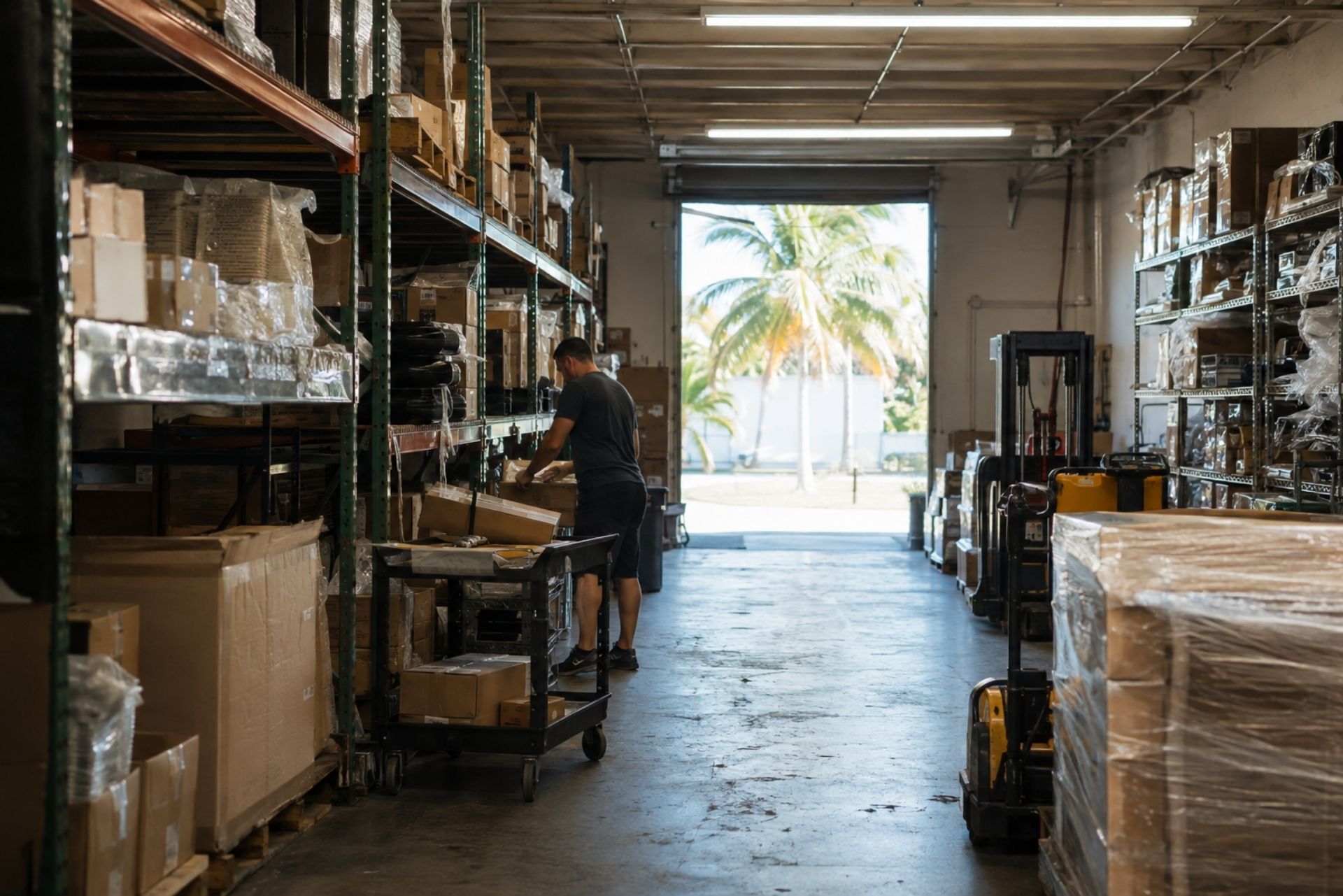
Private flood insurance has expanded significantly in Florida, offering higher limits and sometimes broader coverage than NFIP. A Brandon warehouse owner with $2 million in building value and $1.5 million in inventory can't rely on NFIP limits alone.
If your business has an SBA loan,
flood insurance requirements in 2026 have become stricter, and lenders are enforcing compliance more aggressively. Even if your property sits in a moderate-risk zone (Zone X), a lender may still require coverage. Citizens Property Insurance also
maintains specific flood insurance requirements for policyholders in certain zones, adding another layer of obligation.
Protecting Your Revenue with Business Income Coverage
Physical damage to your building is only half the problem. The revenue you lose while repairs are underway can threaten your business's survival. Business income coverage, sometimes called business interruption insurance, replaces the net income and continuing operating expenses your business would have earned during a covered shutdown.
How Business Interruption Works During Repairs
Here's a scenario: a fire damages the kitchen of your Brandon restaurant, forcing a four-month closure. Your business income coverage would pay for lost net profits during those four months, plus fixed expenses like rent, loan payments, and employee salaries that continue even while you're closed.
The coverage period is defined by the "period of restoration," which begins after the loss and ends when repairs are complete or when the business should reasonably resume operations. A common mistake is underestimating this period. Supply chain delays, permit backlogs, and contractor availability in post-storm Florida can stretch a projected two-month repair into six months or longer.
Most insurers calculate business income limits based on 12 months of projected revenue. If your Brandon landscaping company generates $800,000 annually and a hurricane destroys your equipment storage facility, you'd want business income limits that reflect at least 50% of annual revenue to account for a realistic restoration timeline.
Extra Expense Coverage for Temporary Relocation
Extra expense coverage pays for costs above your normal operating expenses that you incur to keep the business running during repairs. If your Brandon accounting firm needs to rent temporary office space, set up new phone lines, and lease replacement computers after a fire, extra expense coverage handles those costs.
This coverage is particularly valuable for businesses that can't afford to close, such as medical practices, law firms, or service companies with contractual obligations. The cost of temporary relocation is often far less than the revenue you'd lose by shutting down entirely, making this endorsement one of the most cost-effective additions to any commercial property policy.
Comparison: Basic vs. Special Form Coverage
The type of coverage form you select determines which causes of loss your policy covers. This is one of the most consequential decisions in your entire insurance program, and it's often overlooked.
Comparison Chart: Perils and Exclusions
| Feature | Basic Form (DP-1 / CP 10 10) | Special Form (CP 10 30) |
|---|---|---|
| Coverage approach | Named perils only | All risks unless excluded |
| Fire and lightning | Covered | Covered |
| Windstorm and hail | Covered | Covered |
| Theft | Not covered | Covered |
| Water damage (non-flood) | Not covered | Covered |
| Accidental discharge from pipes | Not covered | Covered |
| Vandalism | Covered | Covered |
| Collapse | Limited | Broader coverage |
| Burden of proof | You prove the loss was caused by a named peril | Insurer must prove an exclusion applies |
| Typical premium difference | Lower (15-25% less) | Higher, but significantly broader protection |
The special form is the standard recommendation for most Brandon businesses. The burden-of-proof advantage alone justifies the premium difference. With a basic form, if a pipe bursts overnight and floods your inventory, you may have no coverage. With a special form, that same loss is covered unless the insurer can point to a specific exclusion.
Common Questions About Brandon Business Insurance
FAQ: What Local Business Owners Need to Know
Does my commercial property policy cover hurricane damage? Wind damage is typically covered under your property policy, but flood damage is not. You need a separate flood policy. Your hurricane deductible will also be higher than your standard deductible, usually 2-5% of the insured value.
How much business income coverage do I need? A good starting point is 12 months of projected gross earnings. If your business could realistically be closed for six months after a major storm, your limits should reflect at least that duration of lost revenue plus continuing expenses.
Can I get flood insurance if I'm not in a high-risk flood zone? Yes. Private flood carriers and the NFIP both offer policies for properties in moderate and low-risk zones. Premiums are typically much lower outside high-risk areas, often $500 to $1,500 annually for commercial properties.
What's the difference between replacement cost and actual cash value? Replacement cost pays to replace damaged property with new materials of similar kind and quality. Actual cash value deducts depreciation, meaning you receive less for older equipment and building components. Always choose replacement cost if your budget allows.
Are tenant improvements covered under my landlord's policy? No. If you've invested in build-outs, custom fixtures, or upgrades to a leased space, you need to insure those improvements under your own business personal property coverage.
Do I need a separate policy for equipment breakdown?
Standard property policies exclude mechanical and electrical breakdown. An equipment breakdown endorsement covers failures in HVAC systems, refrigeration units, boilers, and electrical panels, all of which are common claims in Brandon's heat and humidity.
Making the Right Choice for Your Brandon Property
Protecting a Brandon business requires more than a single policy purchased and forgotten. The combination of wind exposure, flood risk, and revenue vulnerability demands a layered approach: building and contents coverage on a special form, a standalone flood policy with adequate limits, business income protection that reflects realistic restoration timelines, and extra expense coverage for continuity.
Review your property values annually. Brandon's commercial real estate market has seen steady appreciation, and a policy written two years ago may leave you underinsured by 10-20% today. Request a wind mitigation inspection if you've made building improvements. Compare private flood quotes against NFIP pricing, because the private market often delivers better terms for well-maintained properties.
Your next steps:
- Obtain a current building appraisal or replacement cost estimate
- Verify your hurricane deductible percentage and calculate your out-of-pocket exposure
- Confirm flood coverage is in place, regardless of your FEMA zone designation
- Review business income limits against your most recent financial statements
- Ask your agent about equipment breakdown and ordinance or law endorsements
The right commercial property insurance program for your Brandon business isn't the cheapest option. It's the one that keeps you operating after the worst day your business will ever face.
ABOUT THE AUTHOR: PAUL RAMENTOL
I am the Owner and President of Mesa Insurance Agency. I help individuals and business owners across Florida secure personal and business insurance coverage that supports their needs. My focus is on clear guidance, direct communication, and long-term support without call-center delays or confusion.
Contact Us

Personal Coverage Options
Insurance Built for Everyday Protection
Mesa Insurance Agency provides personal insurance coverage designed to support daily life. Our team reviews risks and coverage needs to help clients secure dependable protection at fair rates.
Dental & Vision Insurance
Coverage that helps manage routine dental and vision care costs.

Business Coverage Options
Insurance Built for Business Protection
Mesa Insurance Agency provides business insurance coverage that helps protect operations, employees, and property. We work with multiple carriers to offer coverage options that support daily business activities and long-term stability.
Commercial Auto Insurance
Coverage for business-owned vehicles, drivers, and accident-related liability exposure.
General Liability Insurance
Protection against third-party injury, property damage, and common business liability risks.
Professional Liability Insurance
Coverage for claims related to professional services, advice, or service errors.
Workers’ Compensation Insurance
Coverage that helps support employees with work-related injuries and medical costs.
Commercial Property Insurance
Protection for buildings, equipment, inventory, and physical business assets.
Errors & Omissions Insurance
Coverage for financial losses caused by mistakes, omissions, or service-related claims.
Industries We Serve
Serving Businesses Across Multiple Sectors
Mesa Insurance Agency works with business owners across Florida to provide insurance coverage that supports daily operations. We understand common risks faced by different industries and help clients secure reliable protection.

Construction and Trades Insurance
Coverage for job sites, vehicles, tools, and workplace risks.

Hospitality Businesses Insurance
Insurance for restaurants, bars, and service-based operations.

Retail and
Commercial Properties
Protection for storefronts, inventory, and customer-related liability.
Our Approach
Insurance Made Easy to Understand
Mesa Insurance Agency provides business insurance coverage that helps protect operations, employees, and property. We work with multiple carriers to offer coverage options that support daily business activities and long-term stability.
Insurance FAQs
Helpful Answers for Florida Clients
Support you can rely on.

What makes Mesa Insurance Agency different?
We are an independent agency with access to multiple carriers. This allows us to offer flexible coverage options.
Clients work directly with licensed agents. Service continues beyond the policy start date.
Do you offer coverage for individuals and families?
Yes. We provide personal insurance for individuals and families across Florida.
Coverage includes auto, home, health, life, and flood insurance. Our team explains each option clearly.
Do you work with small and mid-sized businesses?
Yes. We work with businesses of many sizes and industries.
Our team helps identify risks and secure appropriate coverage. Ongoing service is included.
Can I make changes to my policy later?
Yes. Policies can be updated as needs change.
We assist with coverage adjustments, additions, and removals. Clients can contact us directly for help.
Is flood insurance required in Florida?
Flood insurance is not always required, but it is strongly recommended in many areas.
Standard home insurance does not cover flood damage. Our team can review your flood risk and options.
How do I contact your office?
You can contact us by phone, email, or through our website.
Our team responds promptly during business hours. Support is always available when needed.
From the Blog
Insurance Topics That Matter
Clear answers for common questions.






Client Reviews
Trusted by Clients Across Florida
Mesa Insurance Agency is proud to serve individuals and businesses throughout Florida. Clients choose us for clear communication, responsive service, and reliable insurance support. Their feedback reflects our focus on long-term relationships and consistent service.
Contact Us