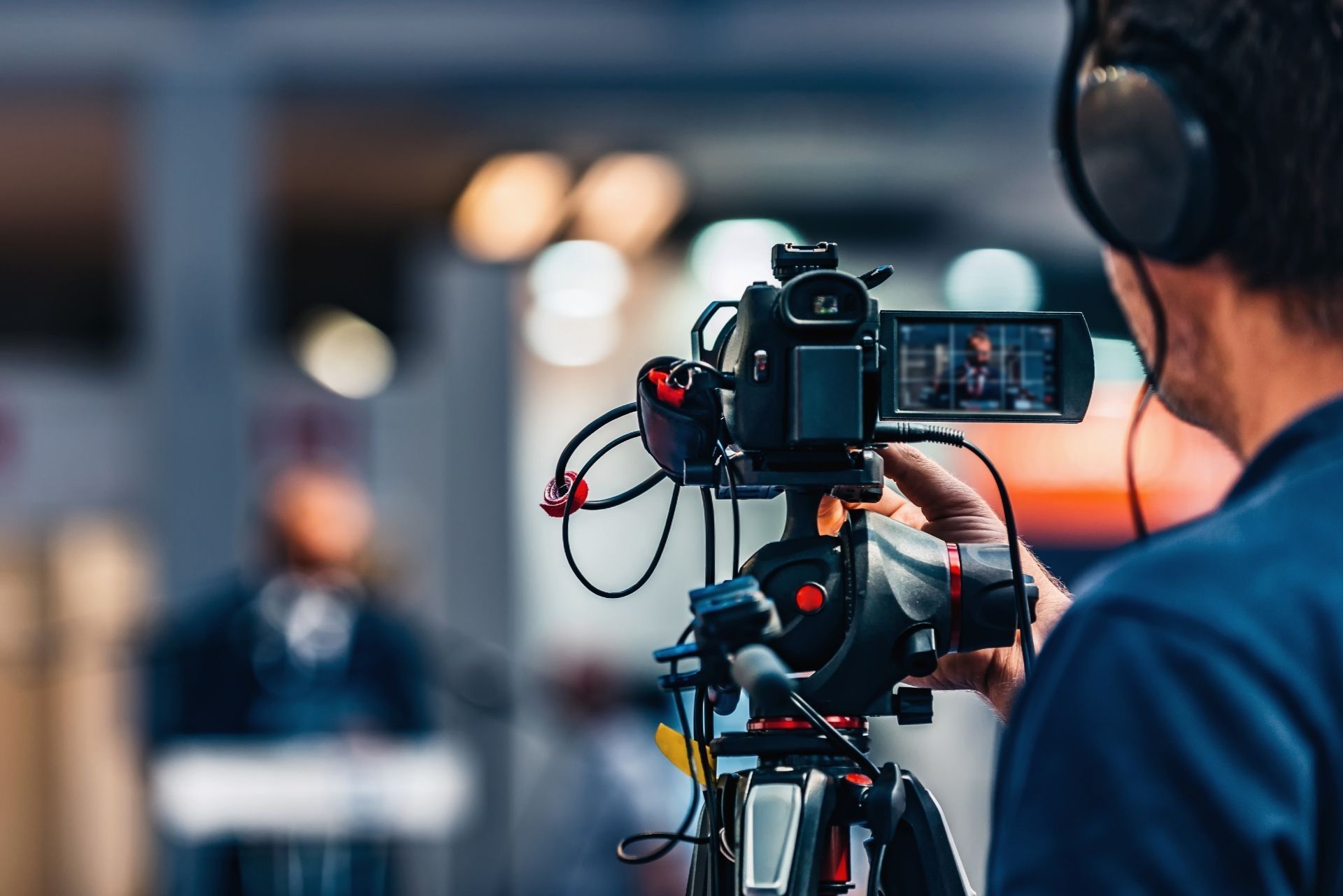
A production set in Florida can easily turn into a high-stakes project when unpredictable weather, equipment damage, or liability issues come into play. For video professionals, having the right insurance coverage means peace of mind in the middle of a creative process. Insurance tailored to the demands of videography offers not only protection against physical damage but also safeguards the unique liabilities inherent in working on location in a state prone to hurricanes and other natural hazards. Experienced professionals know that forgetting to verify proper coverage can result in costly claims battles and delays.
Florida has a distinct insurance market shaped by local risks and legislative changes. For instance, nearly 13% of Florida homeowners whose claims were denied sued their insurance company in 2024, a figure slightly higher than prior years (The Washington Post). This dynamic highlights the challenging environment that impacts a wide array of policies, including specialized ones for videographers.
Understanding the Unique Challenges for Florida Videographers
Florida videographers navigate unique challenges that go beyond the typical responsibilities of capturing high-quality footage. Shooting in unpredictable weather conditions, handling expensive camera equipment, and working in varied locations all contribute to a risk-prone environment. When something goes wrong, the consequences can be financially crippling without proper protection.
Insurance coverage for video professionals is designed to address these challenges. It can include equipment protection, liability coverage, and even policies that cover post-production errors. Given the state’s weather extremes, including hurricanes that account for 80% of homeowners insurance claims in Florida (Hi Marley Survey), videographers similarly face risks that can jeopardize set integrity and gear safety during severe weather events.
These risks are compounded by a market influenced by several evolving factors-legal reforms meant to reduce defense cost expenses have made the insurance environment more competitive. According to an industry expert, the lowering of tort reform-related expenses has bolstered Florida insurers’ ability to keep rates profitable throughout the state. This change suggests that with the right policy, videographers may benefit from improved risk management options without sacrificing quality.
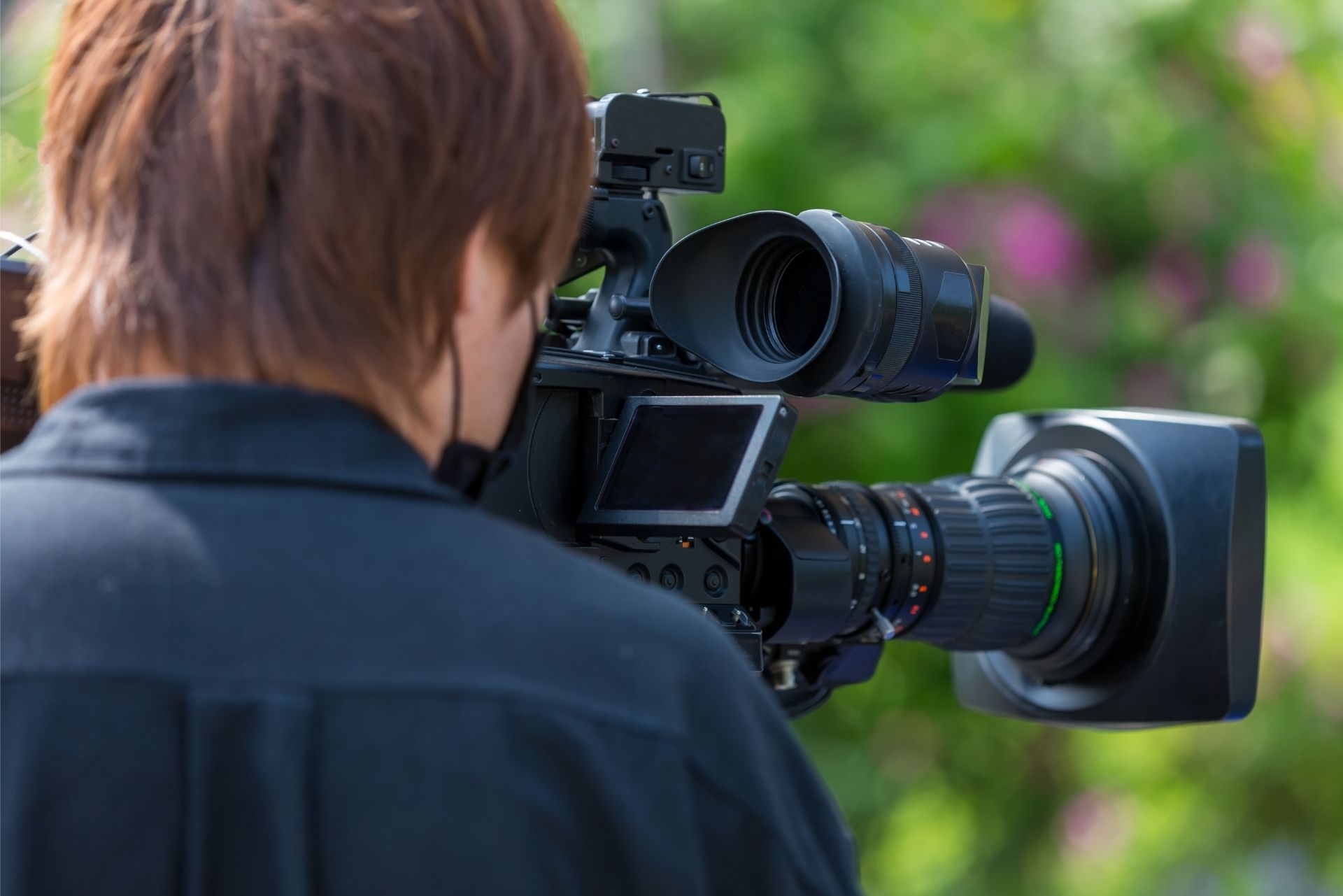
Videographers must carefully evaluate the types of coverage available to ensure they safeguard everything from production gear to liabilities during shoots. Coverage options generally include equipment insurance, general liability policies, errors and omissions (E&O), and even business interruption insurance. Each type of coverage plays a critical role in ensuring that disruptions do not lead to exorbitant out-of-pocket expenses.
Equipment insurance protects high-value cameras, lenses, and accessories from accidental damage, loss, or theft. Since production companies often invest heavily in specialized gear, losing key equipment can mean lost income and canceled projects. A comprehensive general liability policy is equally important as it covers claims related to property damage or bodily injuries that might occur during a shoot. One survey indicated a trend favoring more streamlined and efficient claims processes in Florida, with 47% of homeowners agreeing that claims have become faster and more effective (Hi Marley Survey).
Errors and omissions coverage offers protection in cases of professional mistakes, such as editing errors or miscommunications regarding creative content, ensuring professionals are safeguarded against potential lawsuits. Additionally, business interruption insurance can help cover lost revenue if unforeseen circumstances force the temporary halt of production activities, a scenario not uncommon in a state where natural disasters frequently disrupt plans.
Risk Management Strategies for Video Professionals
Effective risk management extends beyond simply purchasing a policy. Video professionals benefit from a proactive approach that includes comprehensive risk assessments, appropriate training, and meticulous planning. By identifying potential hazards early-from unexpected weather conditions to technical malfunctions-videographers can take steps to mitigate risks before they escalate to insurance claims.
Developing robust contingency plans is essential when working outdoors in regions with a high likelihood of severe weather events. For example, incorporating real-time weather tracking tools and having backup equipment on standby can prevent interruptions during critical shoots. Such planning not only limits downtime but also reduces the likelihood of extensive and complicated claims procedures.
Additionally, staying informed on current legislative reforms helps determine how risk factors are evolving. A recent report noted that 40% of home insurers in Florida requested rate decreases from state regulators in 2024 (Insurance Information Institute), which suggests an ongoing effort to balance premium costs with achievable risk management standards. Such reforms have implications even for commercial policies, ensuring that coverage for video professionals remains accessible and cost-effective.
The Claims Process: Navigating Challenges and Opportunities
Handling an insurance claim in the wake of unforeseen accidents or weather-related events can be daunting. For Florida videographers, who often work under tight deadlines, delays in the claims process can severely hinder project timelines. An efficient claim process is critical not only for recovering financial losses but also for maintaining reputation and client trust.
Recent trends indicate that nearly half of the Florida homeowners surveyed perceived the claims process as more efficient than before, suggesting improvements in turnaround times and customer support. This is crucial information as many policies now incorporate digital portals and streamlined communication channels to expedite claim reviews.
The process generally begins with a detailed report of the incident. Accurate documentation, including photographs of damaged gear or location-specific issues, can significantly boost the efficacy of a claim. Additionally, choosing a policy provider that offers digital claim submission options can reduce delays. Marking the shift toward efficiency, recent regulatory changes have influenced industry practices, enabling providers to handle claims more swiftly even in challenging markets.
Navigating Complex Claims in High-Risk Scenarios
In high-risk areas such as Florida, claims arising from weather-related events are common. Videographers who experience equipment damage during a hurricane, for example, may face a more complex claim process if underlying structural damage also affects the site. The overlapping nature of these claims can lead to contested liability issues that require thorough investigation.
Insurance providers are increasingly focused on balancing risk management with claimant support. While some traditional insurers have exited high-risk areas in Florida, research indicates that they are being replaced by companies with less diversified portfolios (WPTV). This trend underscores the necessity for videographers to choose insurers recognized for their expertise and stability, even under the intense pressure of a natural disaster.
Videographers can benefit from liaising regularly with their insurance agents to ensure that they understand all aspects of the claims process. This proactive communication can often preclude complications when unexpected incidents occur, ensuring that the recovery process is as smooth as possible.
Understanding Policy Costs and Market Trends
The financial aspects of videographer insurance vary depending on the policy specifics and the provider. Factors like coverage limits, deductibles, and risk exposures tied to Florida’s weather patterns influence premium rates. For many professionals, budget considerations are paramount. With increasing competition among insurers due to legislative reforms, some companies have been able to adjust rates without sacrificing coverage quality.
For example, recent industry reports revealed that Florida's personal property insurance sector reported its first underwriting profit in eight years, with a gain of $206.7 million in 2023, reversing a previous loss (Active Property Care). Such improvements may reflect greater market stability brought about by regulatory reforms, which can ultimately impact videographer insurance premiums positively.
Providers that maintain profitability are often better positioned to offer more responsive claims handling and customer service. Videographers should review policy documents carefully, paying close attention to exclusions, premium adjustments, and specific endorsements that protect against local risks such as hurricanes and flooding.
Comparing Coverage: A Quick Reference Chart
The following table offers a side-by-side comparison of common coverage options available to Florida videographers. It highlights key benefits and potential limitations, helping professionals quickly identify what suits their needs best.
| Coverage Type | Benefits | Potential Limitations |
|---|---|---|
| Equipment Insurance | Covers accidental damage, theft, and loss for high-value gear | May not cover pre-existing conditions or wear and tear |
| General Liability | Covers bodily injury and property damage claims during shoots | Excludes professional errors or omissions related to creative content |
| Errors and Omissions (E&O) | Protects against professional mistakes and contractual disputes | Typically excludes intentional misconduct |
| Business Interruption | Covers lost income due to halted productions | May require timely claim filing and sufficient documentation |
This chart provides a grounded overview but should not replace detailed consultations with insurance experts who can provide tailored advice for individual scenarios.
Insurance is a dynamic field influenced by regulatory changes and evolving market trends. For Florida videographers, staying current on these changes is crucial. Regular policy reviews and adjustments help ensure that coverage remains aligned with the specific risks encountered on location shoots. With shifting legislative landscapes, the market continues to respond in real time.
One expert noted that a reduction in defense cost containment expenses has allowed insurers to write more profitable policies across Florida, even in high-risk areas (Mark Friedlander, Insurance Information Institute). Such changes serve as a reminder that both policyholders and insurers must remain flexible and informed. This flexibility allows videographers to capitalize on market conditions that may lead to improved service and potentially lower premiums.
Risk management strategies extend past individual policy purchases. They involve comprehensive reviews from industry experts and regularly scheduled consultations with insurance brokers who understand the intricacies of filming in Florida. Professional associations and networking groups often share insights on how legislative reforms affect market conditions, and attending local seminars and webinars can prove invaluable in staying updated.
Evaluating Your Coverage Needs Over Time
As a videographer’s career evolves, so too will the nature of the risks encountered. Emerging technologies, shifting client requirements, and expansion into new filming landscapes all call for periodic re-evaluation of one's coverage. Processes designed initially for local or small-scale projects may require adjustments when production scales up or when the creative work enters higher-risk environments.
It is advisable to assess the coverage periodically, especially after major projects or changes in business operations. This proactive approach not only identifies coverage gaps but also positions professionals to negotiate more favorable terms with their providers, ensuring that the evolving nature of creative work remains fully backed by solid insurance support.
Proactive reviews of policy details, including deductibles and coverage ceilings, can signal changing market conditions or emerging risks, helping videographers to prepare for unexpected challenges without facing overwhelming financial burdens.
Strategies for Handling Disputes in the Insurance Market
Insurance claims and disputes are an inevitable part of any high-risk business sector. For Florida videographers, understanding how to navigate a dispute can mitigate the stress and financial strain associated with a denied or delayed claim. With a backdrop of legislative shifts and evolving insurance practices in Florida, disputes have become more prominent, prompting many policyholders to seek legal recourse during contentious claim processes.
Recent reports indicate an upward trend where nearly 13% of Florida homeowners whose claims were denied proceeded with lawsuits against their insurers (The Washington Post). Although this statistic specifically refers to homeowners, it reflects a broader sentiment within Florida’s insurance market that can also impact the realm of videography. A key lesson for those in the media production sector is to maintain detailed, organized records of all incidents and communications.
In instances of disputes, having professional legal representation familiar with insurance law can significantly shift the balance. Experienced attorneys and claims adjusters often work together to provide the necessary documentation and evidence required to validate claims. For videographers, this means ensuring that every shooting day is well-documented and that all contractual obligations are clearly recorded. Maintaining this level of preparedness can reduce the number of disputes and expedite resolution if a claim is contested.
Improving Dispute Resolution Through Proactive Communication
A common thread in successfully handling disputes is effective communication. Establishing a relationship with the insurer before problems arise sets a collaborative tone. When a claim is filed, prompt response and transparency can help mitigate escalation. Many providers now actively support digital platforms that allow for real-time updates on claim status, which enhances trust and can significantly cut down on misunderstandings.
Florida's evolving insurance market-with some companies facing challenges due to riskier liabilities and less diversified portfolios (WPTV)-places a premium on choosing an insurer known for its robust customer service and dispute resolution strategies. Being proactive about communication may even result in more favourable outcomes when conflicts arise.
Designing a workflow that includes detailed logs of all interactions and regular updates on policy changes can serve as an invaluable asset. Not only does this allow for quicker disputes resolution, but it also reinforces a culture of accountability between policyholders and insurers.
The state of Florida has witnessed a dynamic shift in its insurance market in recent years. Legislative reforms designed to reduce legal abuse and rate increases have altered the landscape significantly. Although traditional insurers have pulled out of high-risk pockets, these gaps have increasingly been filled by companies with lower quality or riskier portfolios. A study observed that so-called "low-quality" insurers are taking over regions where the risk remains high (WPTV). This trend is a reminder that while cost-saving measures and legislative reforms can drive profits for insurers-as seen with a notable improvement in underwriting profits from a previous loss to a gain in 2023-videographers must align with companies that prioritize reliability and quick dispute resolution.
This market evolution calls for deeper scrutiny of policy documents. Clients who are aware of these latest trends can better negotiate coverage and secure terms that accommodate a demanding creative schedule. Professional associations, industry conferences, and webinars often provide updates on these market shifts, offering useful insights on managing risks while operating in such a volatile environment.
For video professionals who depend on their equipment and reputation, the choice of insurer becomes even more critical. Market forecasts and regulatory changes highlight the importance of staying up-to-date on risk exposures and adapting promptly to maintain a competitive edge without compromising on security.
The Impact of Legislative Changes on Insurance Offerings
Legislative reforms in Florida have reduced defense cost containment expenses for insurers, enabling them to offer more comprehensive products at competitive prices (Mark Friedlander, Insurance Information Institute). These reforms have allowed insurers to continue writing profitable business even in high-risk regions, a scenario that bodes well for professionals seeking stable coverage amidst natural disasters. Understanding these legislative moves helps video professionals gauge the long-term sustainability of different policies while balancing the costs associated with premium increases or other market shifts.
The impact of reforms is not uniform across all coverage types. For instance, while equipment and general liability coverage might see direct benefits, niche policies like errors and omissions require careful evaluation during policy renewals. Each videographer should analyze how reforms affect their specific needs and whether policies are aligned with the latest market developments.
In a market where nearly 80% of homeowners' insurance claims are linked to hurricanes (Hi Marley Survey), it is essential to integrate the evolving risk profile into the overall business strategy. As the market refines its offerings, professionals across the state can take advantage of improved products that better match their operational realities.
Wrapping Things Up for Video Professionals in Florida
For Florida videographers, securing specialized insurance coverage is not just an operational choice-it is a fundamental part of running a successful business. The risks faced during filming range from unforeseen equipment failure to potential liability for accidents on set. That means the right policy is essential for combating financial setbacks and ensuring that every production meets its deadlines safely and effectively.
Critical factors in selecting a policy include understanding the specific risks of working in the Sunshine State, knowing the breadth of each coverage option, and being proactive about risk mitigation. Keeping abreast of legislative reforms and aligning with reputable insurers can spell the difference between swift claims resolution and prolonged disputes.
Florida’s insurance market remains fluid, influenced by new data, legislative changes, and shifts in provider strategies. Video professionals who approach their insurance needs with a well-informed and proactive mindset are better equipped to navigate this evolving landscape. Staying engaged with industry news and consulting with trusted agents or legal professionals helps maintain a competitive edge, ensuring that creative projects continue without unexpected financial interruptions. As the last field of this coverage, even the smallest misstep in policy choice may lead to larger challenges post-incident, so careful research and regular policy updates cannot be overlooked. Keep these key points in mind while exploring your options.
Frequently Asked Questions
This section addresses common concerns among Florida videographers regarding insurance coverage and market trends.
Q: What types of insurance coverage should a videographer in Florida consider?
A: At a minimum, equipment insurance, general liability, and errors and omissions policies should be considered. Additional coverage like business interruption can further protect against income loss during unexpected shutdowns.
Q: How does the Florida insurance market impact videographer coverage?
A: Florida's market changes and legislative reforms have led to more streamlined claims processes and, in some cases, adjusted premium structures. Staying informed of these trends can help secure optimal terms.
Q: Are there any specific policy endorsements for weather-related incidents?
A: Yes. Many providers offer endorsements that specifically address the unique risks associated with hurricanes and severe storms common in Florida.
Q: How can a videographer streamline the claims process after an incident?
A: Keeping thorough documentation, using digital claim submission tools, and maintaining open lines of communication with your insurer can significantly expedite claims processing.
Q: Should videographers revisit their insurance policies regularly?
A: Absolutely. As business operations evolve and market conditions shift, periodic reviews ensure that coverage remains adequate and responsive to emerging risks.
Q: Is professional legal advice recommended when disputes arise?
A: Yes. Working with professionals who specialize in insurance disputes can help navigate complex claims, especially in high-risk environments like Florida.
Before You Go
The production business is inherently unpredictable, and Florida’s unique challenges amplify that risk. For videographers, insurance is more than a routine expense-it's a critical safeguard for creativity and financial stability. By understanding policy options, staying up-to-date with legislative reforms, and proactively managing risk, video professionals can protect their business and continue producing award-winning content with confidence.
Every production set and location shoot brings different challenges. Ensure your coverage reflects the most current conditions in Florida's dynamic market. With improved claims processes and a shift toward digital efficiency, now is the time to be proactive in mitigating risks. The lessons from recent trends, such as improved underwriting profits in 2023 and legislative reforms enabling competitive premium offerings, serve as important reminders that a well-managed insurance policy is a backbone for success.
The structured approach to risk management discussed here, from detailed record-keeping to periodic policy reviews, empowers videographers to maintain focus on creativity without undue worry about potential mishaps. With comprehensive, well-selected coverage, the focus can remain on crafting compelling visual stories, knowing that every unexpected twist is backed by robust protection. Stay informed, be proactive, and let your creative vision flourish safely.
ABOUT THE AUTHOR: PAUL RAMENTOL
I am the Owner and President of Mesa Insurance Agency. I help individuals and business owners across Florida secure personal and business insurance coverage that supports their needs. My focus is on clear guidance, direct communication, and long-term support without call-center delays or confusion.
Contact Us

Personal Coverage Options
Insurance Built for Everyday Protection
Mesa Insurance Agency provides personal insurance coverage designed to support daily life. Our team reviews risks and coverage needs to help clients secure dependable protection at fair rates.
Dental & Vision Insurance
Coverage that helps manage routine dental and vision care costs.

Business Coverage Options
Insurance Built for Business Protection
Mesa Insurance Agency provides business insurance coverage that helps protect operations, employees, and property. We work with multiple carriers to offer coverage options that support daily business activities and long-term stability.
Commercial Auto Insurance
Coverage for business-owned vehicles, drivers, and accident-related liability exposure.
General Liability Insurance
Protection against third-party injury, property damage, and common business liability risks.
Professional Liability Insurance
Coverage for claims related to professional services, advice, or service errors.
Workers’ Compensation Insurance
Coverage that helps support employees with work-related injuries and medical costs.
Commercial Property Insurance
Protection for buildings, equipment, inventory, and physical business assets.
Errors & Omissions Insurance
Coverage for financial losses caused by mistakes, omissions, or service-related claims.
Industries We Serve
Serving Businesses Across Multiple Sectors
Mesa Insurance Agency works with business owners across Florida to provide insurance coverage that supports daily operations. We understand common risks faced by different industries and help clients secure reliable protection.
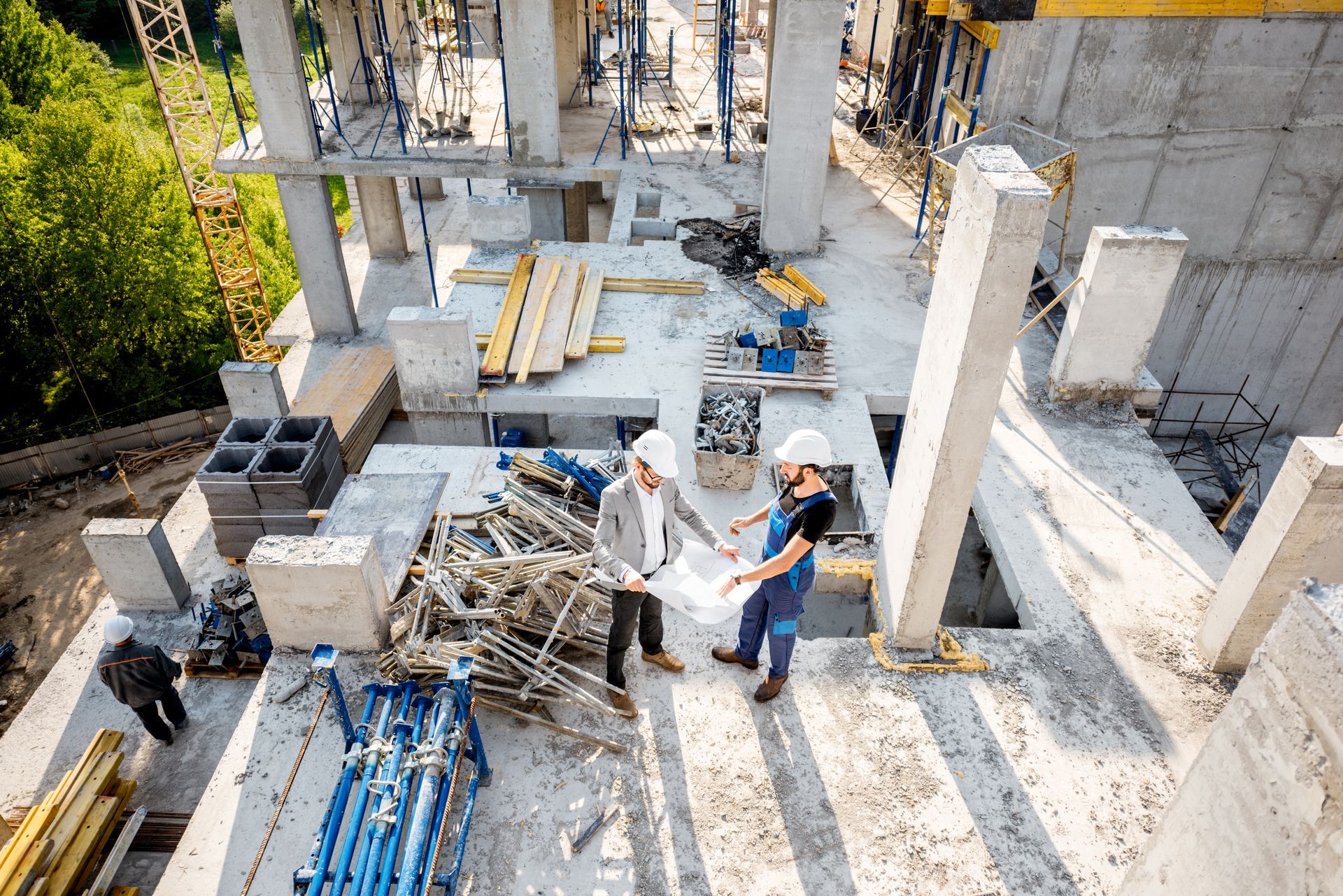
Construction and Trades Insurance
Coverage for job sites, vehicles, tools, and workplace risks.

Hospitality Businesses Insurance
Insurance for restaurants, bars, and service-based operations.
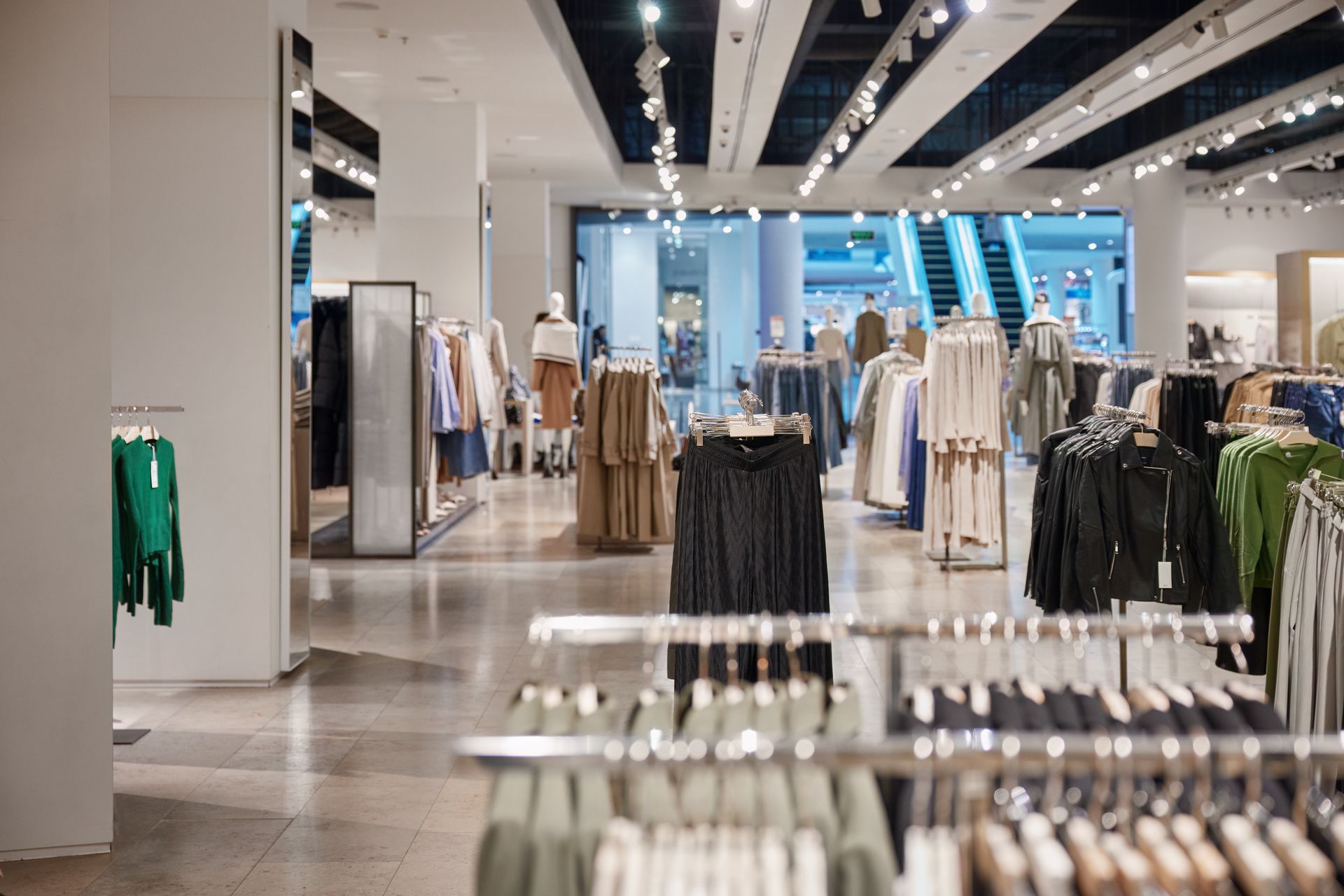
Retail and
Commercial Properties
Protection for storefronts, inventory, and customer-related liability.
Our Approach
Insurance Made Easy to Understand
Mesa Insurance Agency provides business insurance coverage that helps protect operations, employees, and property. We work with multiple carriers to offer coverage options that support daily business activities and long-term stability.
Insurance FAQs
Helpful Answers for Florida Clients
Support you can rely on.

What makes Mesa Insurance Agency different?
We are an independent agency with access to multiple carriers. This allows us to offer flexible coverage options.
Clients work directly with licensed agents. Service continues beyond the policy start date.
Do you offer coverage for individuals and families?
Yes. We provide personal insurance for individuals and families across Florida.
Coverage includes auto, home, health, life, and flood insurance. Our team explains each option clearly.
Do you work with small and mid-sized businesses?
Yes. We work with businesses of many sizes and industries.
Our team helps identify risks and secure appropriate coverage. Ongoing service is included.
Can I make changes to my policy later?
Yes. Policies can be updated as needs change.
We assist with coverage adjustments, additions, and removals. Clients can contact us directly for help.
Is flood insurance required in Florida?
Flood insurance is not always required, but it is strongly recommended in many areas.
Standard home insurance does not cover flood damage. Our team can review your flood risk and options.
How do I contact your office?
You can contact us by phone, email, or through our website.
Our team responds promptly during business hours. Support is always available when needed.
From the Blog
Insurance Topics That Matter
Clear answers for common questions.





Client Reviews
Trusted by Clients Across Florida
Mesa Insurance Agency is proud to serve individuals and businesses throughout Florida. Clients choose us for clear communication, responsive service, and reliable insurance support. Their feedback reflects our focus on long-term relationships and consistent service.
Contact Us