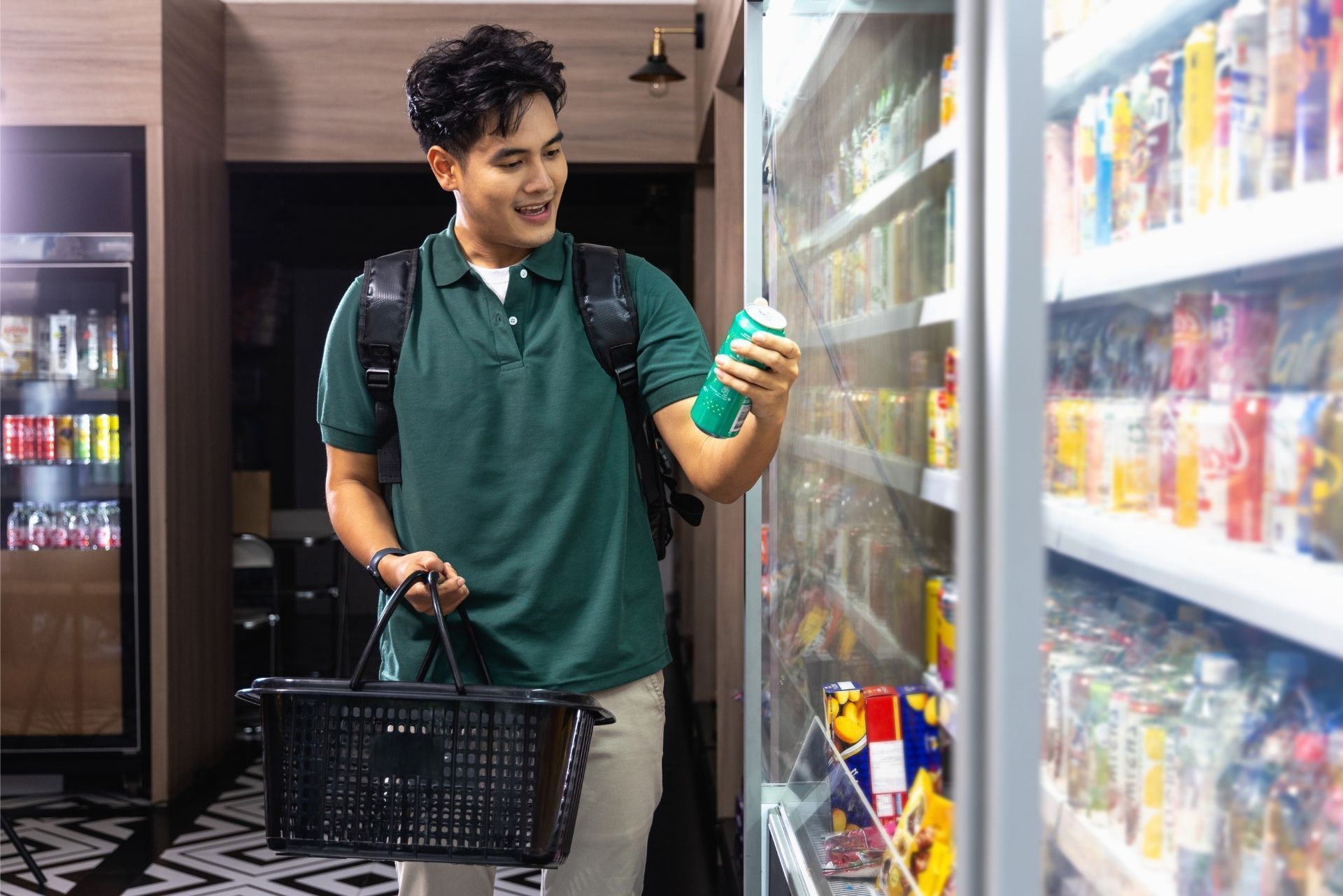
A busy Florida corner store often experiences more than just a rush hour of customers. In a state where hurricanes and fluctuating market dynamics shape the risk landscape, ensuring proper protection can prove to be a lifeline. Recent shifts in the insurance market, such as lower litigation rates and evolving rate trends, have started to play a role in defining coverage options for convenience stores that cater to locals and tourists alike. For instance, recent industry insights indicate that Florida’s property insurance market is entering a new era marked by stability and more favorable rate adjustments.
Developments in legislative reforms and a change in litigation activity have helped ease the burdens felt by many property and business owners. Florida convenience store insurance now navigates an environment where even in regions susceptible to natural disasters, protected business owners may find a more balanced risk assessment. Insurance professionals and store owners are recognizing these opportunities to secure competitive coverage options, ensuring ongoing operational resilience.
As more insurers enter the market and the regulatory environment evolves, securing a policy that reflects the unique risks of small commercial establishments is essential. This article explores the complexities, insurance coverages, and recent trends relevant to Florida convenience store owners
Understanding the Unique Risks and Coverage Needs
Florida’s diverse weather conditions and urban pressures make operating a convenience store a unique challenge. Store owners encounter risks ranging from property damage due to hurricanes and flooding to potential liabilities from slip-and-fall accidents on busy pavements. Each of these risks requires a tailored approach in the insurance policy crafted specifically to address the nuances of small retail operations.
Insurance carriers have begun rethinking their pricing models as evidenced by recent filings of rate decreases by property writers. This new approach deviates from the trends seen over the last decade, when insurance increases were the norm according to industry data. Such a shift benefits convenience store owners looking to secure profitable, balanced coverage while managing the growing risks of urban and environmental pressures.
While individual stores might share several common risk factors, local market conditions and specific store attributes demand a tailored insurance solution. Seeking out a policy that encompasses property, liability, and business interruption protection becomes critical to safeguarding the assets and revenue streams of these establishments.
A Changing Market Landscape in Florida
Shifts in Florida’s insurance market have significant implications for small business owners, especially those running convenience stores. Legislation that curbed legal system abuse has led to a notable decrease in claims-related litigation over the past couple of years as reported by a major industry institute. This downturn in litigation has contributed to a more stable market environment, which in turn allows insurers to offer more competitive premium rates.
In addition to decreasing litigation, there has been a significant transformation in how insurers approach rate filings in response to the evolving risk environment. Michael Carlson, President of the Personal Insurance Federation of Florida, noted a marked shift as rate decreases became more common after years characterized by rate hikes highlighting the trend. This move can offer lower premiums and more attractive coverage packages to convenience store owners.
On top of these market shifts, recent developments have also brought additional players into the arena. Seventeen new insurers have entered the Florida market since 2022, injecting fresh competition and innovative policy options. The approval of companies like Stand Insurance Exchange and Praxis Reciprocal Exchange in mid-September 2025 means even more options for niche policies that suit convenience stores.
Legislative Reforms and Their Impact on Insurance Premiums
Legislative reforms targeting abusive legal practices have resonated across the Florida insurance market, benefiting both insurers and policyholders. The stabilization of property insurance in Florida is partly attributed to these reforms, which have curtailed the frequency and severity of litigation as noted by the Insurance Information Institute. Consequently, lower defense costs allow insurers to redistribute savings to their customers in the form of rate decreases.
For convenience store operators, these legislative breakthroughs are promising. Lower rates translate directly into cost savings that can support operational budgets. The more favorable claim environment reduces the overall cost of business interruption and property damage claims, which are pivotal in maintaining the fiscal health of small retail businesses.
Legislative reforms have also encouraged insurers to diversify their product offerings and extend customized policies that meet the specific needs of different market segments, including small convenience stores. As a result, policy terms now reflect a more balanced allocation of risk between insurers and policyholders.

Convenience store insurance in Florida goes beyond the typical property coverage and touches on multifaceted risks associated with operating a small retail business. A comprehensive policy typically includes property damage, general liability, and business interruption protections. The aim is to mitigate both the physical and financial impacts arising from unforeseen events.
Property coverage addresses damage from natural disasters, vandalism, fire, theft, and other perils. In a state known for its hurricanes, having robust property protection is critical. With recent market changes, some insurers are offering tailored policies that adjust premium evaluations based on detailed risk assessments rather than broadly applying regional risk factors as observed in recent filings.
General liability protects store owners against claims arising from customer injuries or property damage occurring on the premises. This coverage is especially crucial for convenience stores that serve a high volume of foot traffic throughout the day. Additionally, a business interruption component provides the necessary financial cushion in the event of operational setbacks resulting from unexpected closures or damages, ensuring that revenues can be sustained during recovery periods.
The Role of Business Interruption Coverage
Business interruption coverage often serves as a lifeline for retail operations that experience downtime because of unforeseen events. Florida convenience stores in high-risk areas may face disruptions not only due to natural disasters but also from accidents or vandalism. This type of coverage focuses on compensating for lost revenue and addressing ongoing operational costs during periods when business activities are hampered.
The importance of business interruption coverage is underscored by the fact that even a short interruption period can lead to significant financial losses for small operations. The policy terms normally outline specific conditions that must be met to trigger such benefits, ensuring that both the insurer and the policyholder have a clear understanding of the circumstances under which claims will be processed.
For a convenience store owner in Florida, incorporating business interruption coverage into an overall protection plan means minimizing the ripple effects of unexpected disruptions. This coverage is designed to protect against the costs of lost income, operational restructuring, and other financial impacts that can jeopardize long-term business viability.
Balancing Premium Costs and Coverage Value
One of the biggest challenges faced by convenience store owners is balancing the cost of premiums against the value of the coverage provided. With the evolving risk landscape in Florida, insurers are gradually shifting towards more competitive rates. A standout statistic in recent industry reports noted that auto insurers managed to cut rates by an average of 5.6% in 2025 adding context to rate trends. Such trends offer an encouraging backdrop for other lines of coverage, including property and casualty policies.
For convenience store insurance, premium affordability does not come at the expense of comprehensive coverage. Rather than opting for the bare minimum, prudent store owners look for robust packages that are tailored to the unique challenges of their operations. This might include optional endorsements for higher coverage limits or specific perils relevant to their region.
Maintaining balanced premiums requires a proactive approach to risk management. Retailers can often work with brokers and insurance providers to explore discounts linked to safety measures and business continuity plans. Initiatives such as investing in enhanced security systems or structural reinforcements can offer dual benefits: reducing the likelihood of a claim, while also earning premium concessions due to lower risk exposure.
Understanding Liability Risks for Convenience Stores
Liability risks in a convenience store extend beyond the immediate incidents that occur on the premises. They can include product liability issues, workplace injuries, and even cyber risks related to credit card processing systems. Each of these liabilities requires careful consideration and specific endorsements to ensure complete coverage.
General liability insurance is designed to cover incidents such as slip-and-fall injuries, which are common in high-traffic convenience stores. Even a minor incident can lead to considerable legal expenses and damage to a business’s reputation. Adequate liability coverage protects the store from such potential risks, ensuring that legal fees and settlement costs do not destabilize the business financially.
Additional protective measures might include professional liability or cyber liability endorsements. With increasing reliance on technology for transactions and record-keeping, convenience store owners face potential exposure to cyber threats. A well-crafted policy packages these risks with a clear focus on minimizing vulnerabilities, reinforcing the safety net extended by traditional liability coverages.
Evaluating the Impact of Market Stability on Rate Trends
Recent market indicators suggest that the overall insurance landscape in Florida is becoming more stable, a welcome relief for distribution channels traditionally overwhelmed by unpredictable risks. For instance, personal insurance litigation in the state dropped nearly 25% during the first half of 2025 compared to the previous year according to recent statistics. This reduction in litigation directly influences claim costs and defense expenses, providing room for insurers to offer reduced premiums and enhanced policy terms for convenience store operators.
In addition, defense cost containment has seen a significant improvement. Industry experts have underscored that the reduction in related expenses has enabled insurers to write profitable business even amidst frequent landfalling hurricanes. A spokesperson for the Insurance Information Institute pointed out that these changes ensure more regions of Florida are economically viable for property insurance coverage highlighting the market trends.
This environment encourages insurers to provide policies that are not only competitive in price but also comprehensive in scope. For convenience store owners, this means an increase in available options tailored to the unique challenges of running a small retail operation in a complex risk zone.
Ensuring Comprehensive Coverage in a Competitive Environment
The current influx of new insurers into Florida’s property market has spurred a wave of innovative product offerings. With seventeen new market entrants since 2022, convenience store operators now have access to a wider array of policies designed to best fit their specific operational challenges. The new players have brought creativity to policy formulation, incorporating detailed risk assessments that reflect the on-the-ground experiences of small business owners.
This diversification ensures that even if traditional insurers still play a significant role, niche providers are also addressing gaps in the market. Tailored coverages such as equipment breakdown, spoilage protection for perishable goods, and specialized endorsements for security systems are becoming increasingly common. These additional coverages can be critical for convenience stores, particularly in a market where every dollar counts.
As the market evolves, the lesson for convenience store owners remains consistent: seek detailed, comprehensive policies that meet both anticipated and unforeseen risks. The emergence of multiple insurers has set the stage for comparative shopping, encouraging policyholders to review multiple options to find the coverage and premium balance that best suits their budget and risk appetite.
Risk Management Strategies Beyond Insurance Coverage
While purchasing insurance is an essential risk management tool, convenience store operators benefit from adopting broader risk mitigation strategies. Maintaining fire safety systems, installing security cameras, and taking proactive steps to prevent slip-and-fall accidents are measures that complement insurance protection. These strategies help reduce the frequency and severity of claims, which in turn can contribute to lower premiums over time.
Retailers might also explore employee training programs focused on safety and emergency response. These initiatives not only reduce the immediate risk of accidents but may also qualify for premium discounts from insurers who view such efforts as effectively reducing the overall risk profile of the business. This integrated risk management approach ensures the operational resilience of the store regardless of external challenges.
In a market where legislative reforms have simplified the claims process, having comprehensive internal risk management can further strengthen a store’s bargaining power when negotiating coverage terms. It also reinforces customer confidence, knowing that a business is dedicated to protecting both its patrons and its livelihood against a range of potential hazards.
Real World Scenarios: Navigating Claims and Recovery
Every convenience store owner understands that unforeseen events can disrupt daily operations. Imagine a scenario where a severe weather event leads to significant property damage, eventually forcing temporary closure during the peak sales season. In such cases, policies that include robust business interruption provisions become invaluable, helping cover ongoing expenses such as payroll, rent, and utilities while the store recovers.
Similarly, a slip-and-fall incident inside the store could result in a costly liability claim that even a well-managed operation might struggle to absorb out-of-pocket. Adequate general liability coverage is designed to address these incidents quickly, ensuring that legal and settlement costs do not derail the business. Such instances underscore the importance of not only having insurance but also maintaining the proper types of coverage tailored to individual operational risks.
In both scenarios, rapid response and clear communication between the insured, the insurer, and the service providers can accelerate the claims process. Shopping for policies that emphasize efficiency in claims handling is essential, as delays may compound fiscal losses and prolong the recovery period. The increasing stability of the Florida insurance market provides some reassurance that claim turnaround times are improving, thus reducing the burden on small business owners during critical periods.
Advanced Policy Customizations: Add-Ons That Make a Difference
Convenience store insurance isn’t merely about obtaining a broad-brush policy. Many insurers now offer advanced customizations that allow policyholders to tailor coverage to their specific needs. For example, equipment breakdown coverage can help manage the cost of repairing refrigeration units or point-of-sale systems that are critical to daily operations. Similarly, loss of income protections or overtime expense coverage can be instrumental during extended disruptions.
Optional endorsements become particularly attractive for convenience stores where certain risks may not be fully addressed by standard policies. For instance, coverage for spoilage assures store owners that damage or loss of perishable items is not an unexpected financial burden should a power outage occur. These modernized policy add-ons help bridge the gap between standard coverage and the actual risk profile of a busy retail establishment.
This level of customizability is also echoed by insurers who have streamlined underwriting practices. With detailed risk assessments replacing broader assumptions, store owners can expect a more accurate pricing model that truly reflects on-site realities rather than generalized assumptions about the region.
A practical way for convenience store owners to assess their insurance options is by comparing policy features side by side. A table comparing various coverage options offers clear insight into the choices available. The following table presents a simplified comparative overview between basic versus extended coverage packages for convenience store insurance:
| Feature | Basic Coverage | Extended Coverage |
|---|---|---|
| Property Damage | Standard perils such as fire, theft, and vandalism | Includes natural disasters and equipment breakdown |
| Liability Protection | Covers general liability claims | Offers higher limits and additional endorsements (cyber, product) |
| Business Interruption | Basic income replacement | Extended coverage including additional expenses and overtime |
| Cyber Security | Limited | Customizable endorsements for spoilage, equipment breakdown, and more |
This comparison highlights the importance of aligning coverage features with specific business needs. Store owners should consider the potential risks faced daily and explore options that include both standard and supplemental coverages, ensuring that no potential threat goes unaddressed.
Customizable policies empower business owners to identify gaps in their risk management strategy and choose endorsements that best support their recovery and continuity plans.
Realizing Savings Through Integrated Risk Management
In a competitive market influenced by legislative reforms and reduced litigation, Florida convenience store owners stand to benefit from proactive risk management strategies. Insurers are more willing to reward well-prepared businesses with lower premiums, a trend born from a reduced number of claims and improved claim handling efficiencies. As an example, the recent industry analysis highlighted that personal insurance litigation experienced a notable decrease of almost 25% during early 2025 backed by industry data.
These savings not only help reduce operational costs but provide a buffer that may be reinvested into safety improvements and business growth initiatives. Insurance is ultimately a strategic tool that, when integrated with broader risk management practices, becomes a lever for sustainable business performance rather than a mere expense.
Investing in comprehensive training programs, improved security, and proactive maintenance plans often results in fewer claims and a more favorable risk profile in the eyes of insurers. This, in turn, leads to further premium reductions and more tailored policy options, which can be particularly advantageous for smaller operations that rely heavily on every dollar saved.
Community Impact and the Larger Picture
Florida’s convenience stores do more than serve daily necessities – they are community hubs that contribute significantly to local economies. With thoughtful coverage that protects these retail outlets, communities benefit from stable commerce even during times of crisis. As convenience store owners secure customized policies that reflect their local risk environment, they also support a continuum of community service and economic resilience.
The stability witnessed in Florida’s insurance market, influenced by reforms and market entrants, means that local business ecosystems begin to stabilize. This improves consumer confidence and fosters an environment where both small and large businesses can thrive together. Insurers now have more confidence to underwrite policies in all parts of the state despite the ongoing threat of natural disasters, ensuring that even the littlest neighborhood stores have a fighting chance against economic disruption as industry experts explain.
Policymakers, insurers, and local business owners all recognize that thriving convenience store operations are instrumental in sustaining neighborhood vitality, particularly in areas hit hard by environmental challenges.
Future Trends and What to Expect
Curtailing litigation and introducing rate decreases reflect broader market adjustments made in response to external pressures, including natural disasters and economic instability. In the near future, convenience store insurance in Florida may incorporate even more granular risk assessments driven by advanced data analytics and on-the-ground feedback from policyholders. These assessments could lead to even more refined policy options that consider specific neighborhood risks, individual store characteristics, and historical data on claims and disruptions.
Policyholders may also see innovations in claim processing technology and customer service improvements that further minimize downtime in the wake of a loss. New market entrants continue to push the envelope, not only challenging existing players to improve their offerings but also bringing fresh ideas on risk mitigation and policy customization.
Ultimately, these trends signal a move away from one-size-fits-all insurance solutions toward more modular and highly tailored products. For convenience store operators, this means better alignment of insurance costs with actual risk exposures, improved claims handling efficiency, and more transparent pricing models that emphasize risk prevention and community resilience.
Key Considerations for Choosing the Right Policy
When selecting a policy tailored to Florida convenience stores, several key considerations can help ensure that the chosen plan truly meets business needs. Store owners should assess the following critical points before finalizing coverage:
- Risk Exposure: Understand the unique risks posed by your specific location, especially those related to hurricanes, flooding, and high foot traffic.
- Policy Flexibility: Ensure that the policy offers customizable endorsements that cater to equipment breakdowns, business interruptions, and liability concerns.
- Premium Affordability: Look for competitive rate options backed by evidence of a stable market environment, such as the layoffs in litigation resulting in reduced costs.
- Claims Processing: Research insurer reputation regarding timely and efficient claims processing to avoid prolonged downtimes following an incident.
- Risk Mitigation Incentives: Consider policies that reward proactive measures through premium discounts or additional coverage perks.
Working closely with an insurance broker who understands local risks can make a considerable difference when it comes to comparing policies and negotiating coverage terms that are truly aligned with a business's operational profile.
This proactive decision-making process is particularly important in Florida, where the environment and legislative landscape continue to evolve. As the market grows more dynamic, a well-informed, strategically chosen policy can provide the necessary support to ensure that even small businesses remain resilient in the face of uncertainty.
Frequently Asked Questions
Below is a roundup of commonly asked questions that can further clarify the specifics of convenience store insurance in Florida.
What types of coverage should a Florida convenience store policy include?
Usually, a comprehensive policy includes property, general liability, and business interruption coverage. Optional endorsements for equipment breakdown, cyber liability, or spoilage insurance may also be available based on specific store needs.
How do recent market trends affect premium rates for convenience store insurance?
Market trends such as reduced litigation and a more competitive rate environment have allowed insurers to offer lower premiums in select areas without compromising on coverage quality.
Are there additional discounts available for stores with strong risk management practices?
Yes. Implementing proactive measures like enhanced security systems and effective staff training can reduce claim frequency and may qualify stores for premium discounts.
How do legislative reforms impact coverage for property damage and liability?
Legislative reforms intended to reduce legal abuses have contributed to lower defense costs, which in turn helps maintain balanced premium rates even in high-risk areas like Florida.
What role does business interruption coverage play for convenience stores?
This coverage is crucial as it compensates for lost income and ongoing expenses during periods when the store is forced to temporarily cease operations due to covered events.
Can store owners customize their policies to fit their unique risks?
Absolutely. Insurers now offer modular policies with several optional endorsements, allowing owners to tailor coverage based on specific operational risks and local conditions.
Bringing It All Together
The insurance landscape in Florida is gradually evolving, driven by legislative changes, technological advancements, and an influx of innovative insurers into the market. For Florida convenience store owners, a key takeaway is the importance of aligning insurance coverage closely with real-world risks. As litigation rates drop and premium trends shift favorably, a well-structured policy can serve as both a shield and a catalyst for business resilience.
By understanding unique exposures, comparing comprehensive coverage options, and leveraging proactive risk management strategies, store owners can secure policies that not only protect physical assets but also sustain essential revenue streams during challenging times. This comprehensive approach is crucial, given the intertwined nature of weather-related risks, liability challenges, and operational interruptions.
As Florida continues to see a transformation in its insurance market-fueled by both reforms and increased market competition-the opportunity for convenience store owners is clear. By staying informed and working closely with knowledgeable brokers, they can navigate this evolving environment, ensuring their businesses are well-protected and positioned for long-term success. The long-term impact extends far beyond minimizing financial loss, contributing to community stability and economic resilience in an often-turbulent market.
What's Next for Florida Convenience Store Insurance?
The future of convenience store insurance in Florida holds promise as both market dynamics and technological advancements reshape policy offerings. Emerging trends suggest that insurers will increasingly leverage data analytics to tailor policies even more closely to individual business profiles, fostering innovation in coverage options. As new market entrants continue to disrupt traditional models, convenience store owners will benefit from enhanced competition and improved service offerings.
This ongoing evolution emphasizes a proactive approach to risk management. Store owners who remain agile-updating risk assessments, adopting new safety measures, and regularly reviewing coverage options-can obtain the dual benefits of cost savings and comprehensive protection.
With Florida's market demonstrating increased stability through lower litigation rates and favorable rate decreases, small retail operations positioned at the heart of communities now have the advantage of accessing more affordable and customized insurance products. This not only ensures better protection against an ever-changing risk environment but also reinforces the operational confidence needed to serve vibrant local economies.
As the landscape shifts, continuous dialogue between insurers and policyholders will be key. Embracing a culture of shared responsibility and ongoing risk evaluation, convenience store owners are better prepared for unexpected challenges, positioning themselves as resilient pillars in their communities.
Final Thoughts on Securing the Best Policy
Choosing the right insurance policy for a Florida convenience store requires both diligence and a clear understanding of the unique risk environment. The evolving market dynamics, bolstered by legislative reforms and a surge of new insurance providers, provide a more favorable setting for securing comprehensive coverage. Store owners must look beyond standard policies and consider add-ons that further enhance protection, especially those addressing local risks like severe weather and high foot traffic.
A balanced policy not only safeguards the business but also contributes to community resilience and ongoing commercial success. By taking advantage of the current trend toward lower rates and improved underwriting practices, convenience store owners can deploy resources more efficiently and ensure that both their physical assets and revenue streams remain protected during turbulent times.
Ultimately, the most successful insurance strategies for convenience stores in Florida involve a combination of comprehensive coverage, proactive risk management, and regular review of policy terms. This approach builds a robust safety net for small retail businesses that form the fabric of local communities.
For IT service providers in Florida, understanding the distinctions between different coverage options can significantly enhance decision-making. The table below provides an overview of common policy features relevant to IT service operations:
ABOUT THE AUTHOR: PAUL RAMENTOL
I am the Owner and President of Mesa Insurance Agency. I help individuals and business owners across Florida secure personal and business insurance coverage that supports their needs. My focus is on clear guidance, direct communication, and long-term support without call-center delays or confusion.
Contact Us

Personal Coverage Options
Insurance Built for Everyday Protection
Mesa Insurance Agency provides personal insurance coverage designed to support daily life. Our team reviews risks and coverage needs to help clients secure dependable protection at fair rates.
Dental & Vision Insurance
Coverage that helps manage routine dental and vision care costs.

Business Coverage Options
Insurance Built for Business Protection
Mesa Insurance Agency provides business insurance coverage that helps protect operations, employees, and property. We work with multiple carriers to offer coverage options that support daily business activities and long-term stability.
Commercial Auto Insurance
Coverage for business-owned vehicles, drivers, and accident-related liability exposure.
General Liability Insurance
Protection against third-party injury, property damage, and common business liability risks.
Professional Liability Insurance
Coverage for claims related to professional services, advice, or service errors.
Workers’ Compensation Insurance
Coverage that helps support employees with work-related injuries and medical costs.
Commercial Property Insurance
Protection for buildings, equipment, inventory, and physical business assets.
Errors & Omissions Insurance
Coverage for financial losses caused by mistakes, omissions, or service-related claims.
Industries We Serve
Serving Businesses Across Multiple Sectors
Mesa Insurance Agency works with business owners across Florida to provide insurance coverage that supports daily operations. We understand common risks faced by different industries and help clients secure reliable protection.

Construction and Trades Insurance
Coverage for job sites, vehicles, tools, and workplace risks.

Hospitality Businesses Insurance
Insurance for restaurants, bars, and service-based operations.
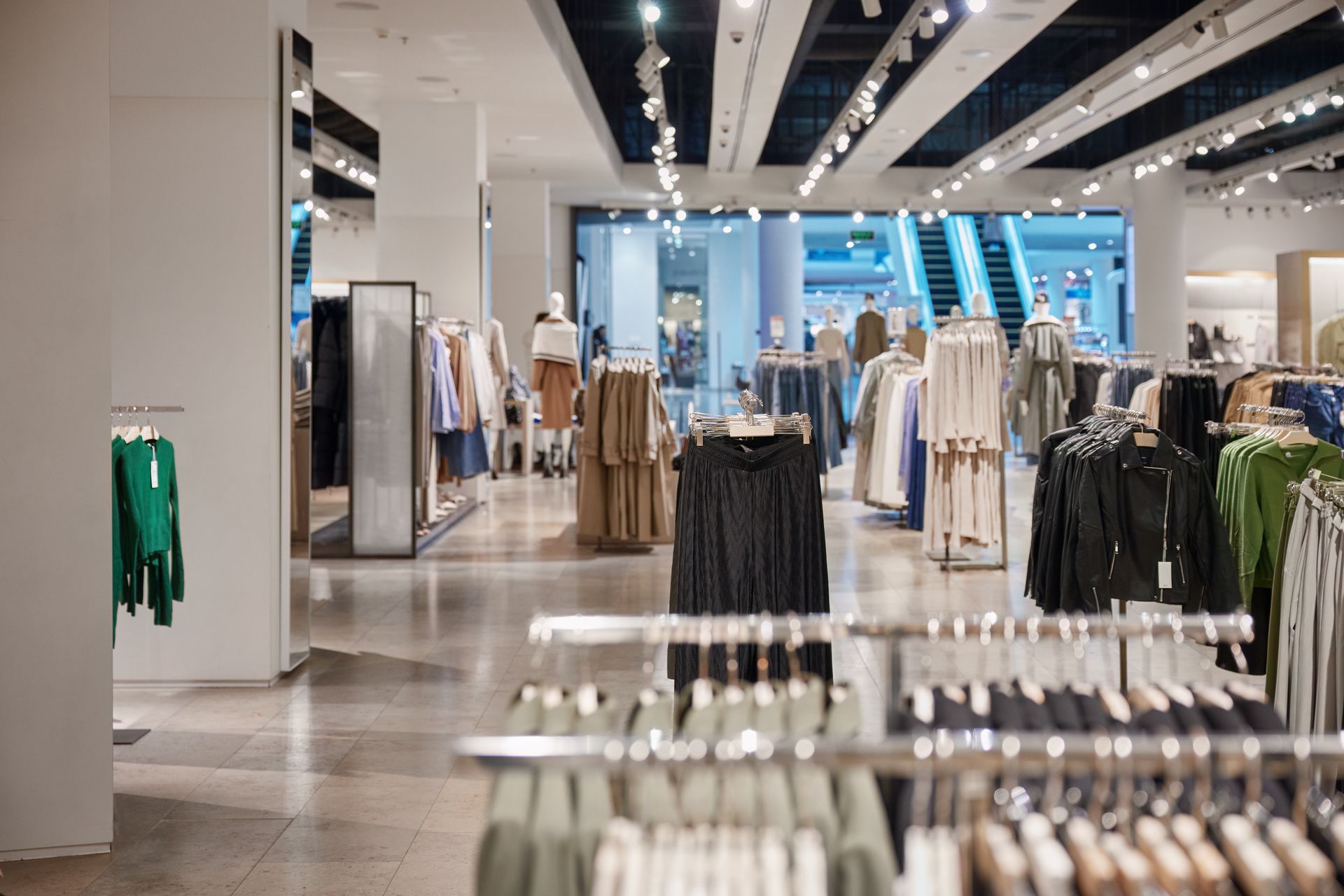
Retail and
Commercial Properties
Protection for storefronts, inventory, and customer-related liability.
Our Approach
Insurance Made Easy to Understand
Mesa Insurance Agency provides business insurance coverage that helps protect operations, employees, and property. We work with multiple carriers to offer coverage options that support daily business activities and long-term stability.
Insurance FAQs
Helpful Answers for Florida Clients
Support you can rely on.

What makes Mesa Insurance Agency different?
We are an independent agency with access to multiple carriers. This allows us to offer flexible coverage options.
Clients work directly with licensed agents. Service continues beyond the policy start date.
Do you offer coverage for individuals and families?
Yes. We provide personal insurance for individuals and families across Florida.
Coverage includes auto, home, health, life, and flood insurance. Our team explains each option clearly.
Do you work with small and mid-sized businesses?
Yes. We work with businesses of many sizes and industries.
Our team helps identify risks and secure appropriate coverage. Ongoing service is included.
Can I make changes to my policy later?
Yes. Policies can be updated as needs change.
We assist with coverage adjustments, additions, and removals. Clients can contact us directly for help.
Is flood insurance required in Florida?
Flood insurance is not always required, but it is strongly recommended in many areas.
Standard home insurance does not cover flood damage. Our team can review your flood risk and options.
How do I contact your office?
You can contact us by phone, email, or through our website.
Our team responds promptly during business hours. Support is always available when needed.
From the Blog
Insurance Topics That Matter
Clear answers for common questions.







Client Reviews
Trusted by Clients Across Florida
Mesa Insurance Agency is proud to serve individuals and businesses throughout Florida. Clients choose us for clear communication, responsive service, and reliable insurance support. Their feedback reflects our focus on long-term relationships and consistent service.
Contact Us