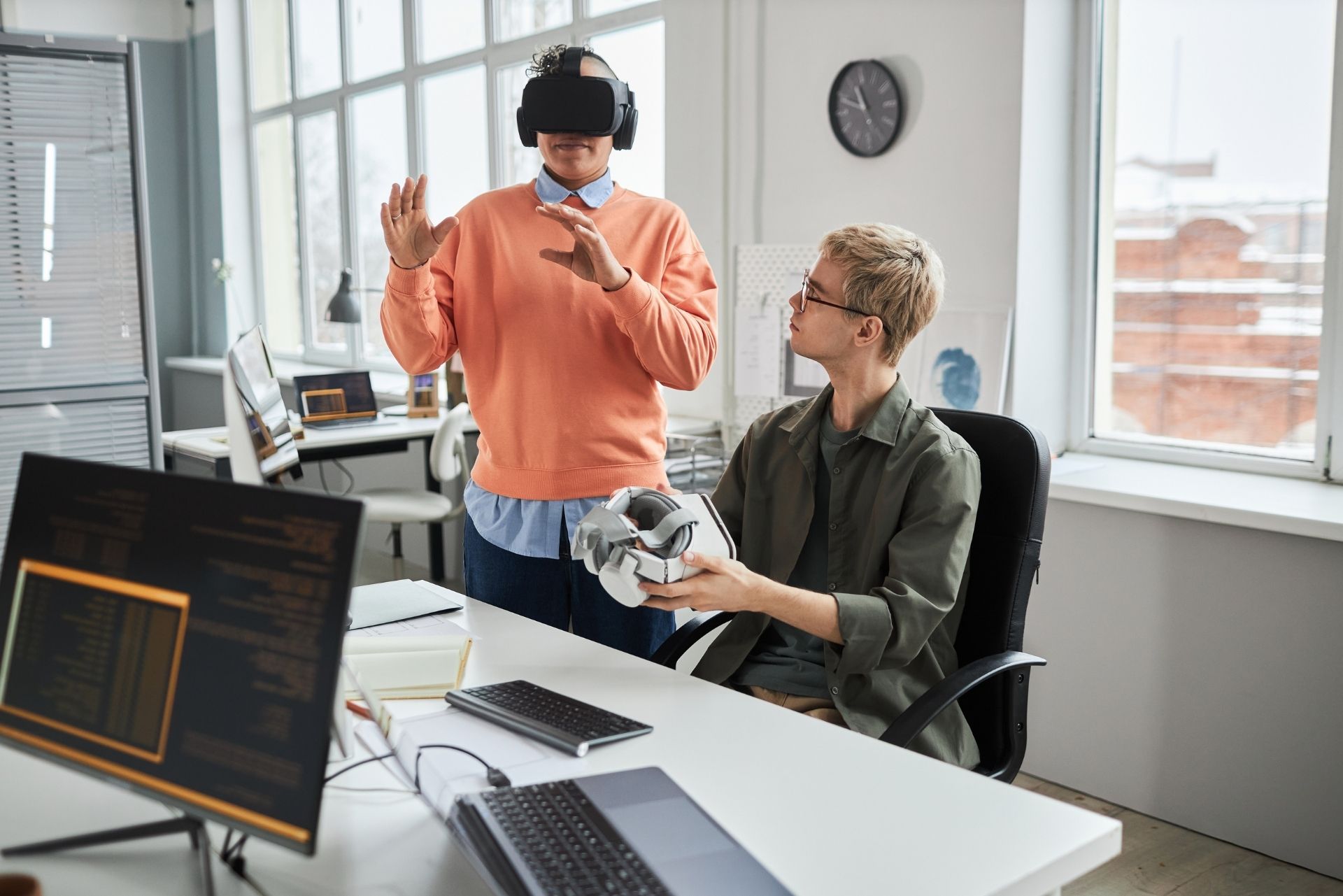
A bustling studio packed with top-tier developers and creative minds is pushing the boundaries of immersive technology in Florida. For an industry replete with innovation, understanding the risks is crucial. As immersive technology transforms entertainment, training, healthcare, and real estate, the need for tailored insurance options becomes imperative. Florida’s booming augmented and virtual reality market, which has seen dramatic growth, necessitates specialized solutions to protect these pioneering studios.
Recent industry research highlights the market’s trajectory, underscoring the immense opportunities paired with inherent risks that require careful coverage planning.
Immersive Technology in Florida: Market Trends and Opportunities
Florida’s augmented and virtual reality market has experienced a remarkable transformation over the last few years. The growth signals not only robust consumer interest but also a shift towards varied applications in different sectors. Statistics show that the state's AR and VR market was valued at $428.15 million in 2020 and is projected to reach $21.37 billion by 2030, growing at a CAGR of 48.7% from 2021 to 2030 [Allied Market Research].
Such staggering figures imply that the technology not only offers immense profit potential but also brings with it a suite of challenges. For instance, studios face concerns ranging from costly equipment to liability issues stemming from immersive environments. Each project, whether it involves enhancing medical training or designing interactive gaming experiences, must be backed by comprehensive risk management tools.
The intense pace of technological advancement makes it vital for studios to embrace strategies that both promote innovation and secure operational stability. With global momentum in AR/VR adoption steadily rising, Florida’s local market serves as a microcosm of broader trends that include healthcare, gaming, construction, and real estate.
Understanding the Unique Risks for AR and VR Studios
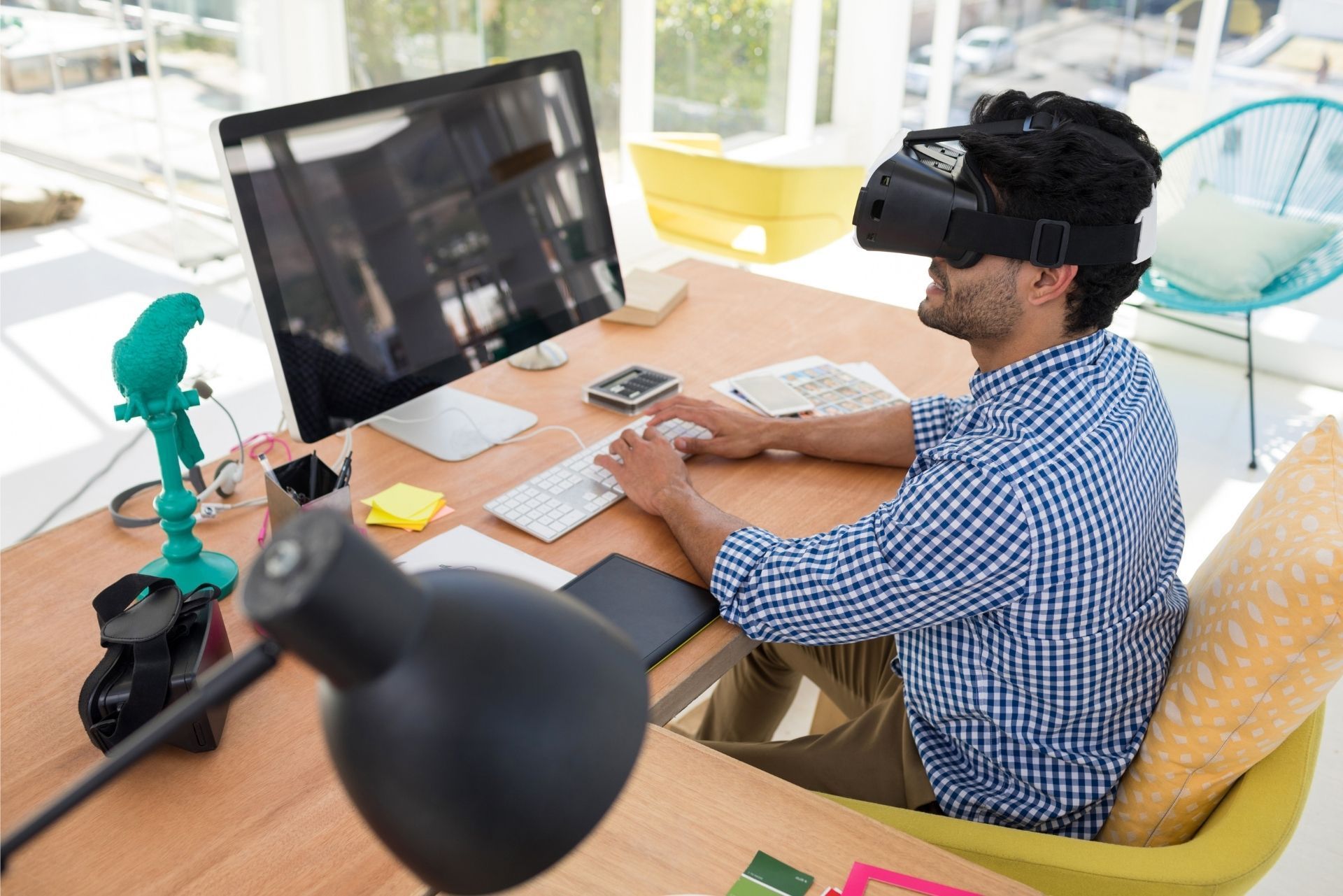
Immersive technology studios engage in activities that differ markedly from traditional media production. The blend of hardware installation, software development, and the integration of complex simulation systems introduces various risk layers. Insurance products tailored for these studios focus on several key areas, including property damage, product liability, data security, and errors or omissions.
For example, a studio developing a virtual simulation for healthcare training must protect itself not only from potential software glitches but also from the liability related to third-party use and misuse. Addressing both physical and digital challenges requires policies that adapt as practices evolve. This dual emphasis on hardware and software security ensures that emerging risks are met with prepared strategies.
The risk management landscape is undergoing a transformation where the consequences of a system failure or software error extend beyond standard equipment claims. In immersive technology, the incorporation of dynamic digital environments means that damages can sometimes result in prolonged downtime or loss of client confidence. Therefore, it is essential to evaluate every facet of a project-from pre-production tests to real-time user interactions-to ensure that adequate coverage is secured.
Insurance Coverage Essentials for Immersive Technology Studios
A comprehensive insurance policy for AR and VR studios needs to encompass a range of potential hazards. One of the primary areas to cover is property insurance that protects expensive technical equipment and studio facilities. As these setups become more advanced, a breakdown in one component could compromise an entire production cycle. Detailed policies help mitigate financial and operational disruptions that come with unexpected malfunctions or accidents.
Liability insurance is equally vital. Immersive studios often work with cutting-edge technology that, if misused or poorly implemented, could lead to significant legal claims. Studio operators must consider errors and omissions coverage. This aspect can be especially significant in sectors like healthcare, where professionals rely on virtual training tools to refine their skills. According to MarketNewsUpdates, the AR and VR healthcare market in the U.S., estimated at $1.03 billion in 2024, is expected to expand further, underscoring the importance of mitigating risks in high-stakes environments.
Cybersecurity insurance should also be at the forefront of risk management. Immersive platforms often handle sensitive user data, and the perils of cyber breaches extend to both personal and financial information. Studios that employ AR and VR in sectors ranging from real estate to gaming should ensure their policies address potential digital intrusions that could disrupt operations or compromise proprietary systems.
Specialized Risks in Healthcare and Medical Simulation
Immersive technology offers concrete benefits in the healthcare sector, including realistic simulation training and cost-effective learning approaches. The integration of AR and VR in healthcare has not only accelerated medical education but also transformed patient care, opening avenues for preoperative planning and remote diagnosis. However, the very trials that provide these benefits also introduce significant risks.
Medical simulation programs using AR and VR demand precision. Inaccurate outputs or software malfunctions can potentially translate to improper training scenarios, creating liabilities for both the creators of the software and the institutions that rely on them. The healthcare segment is anticipated to grow significantly, bolstered by initiatives in research and development, and backed by the reliability and cost-effectiveness of virtual training solutions [Allied Market Research].
This rapid growth accentuates the need for meticulous risk assessment tools tailored for healthcare applications. When medical professionals and students trust immersive simulations to hone their skills, even minor inaccuracies can have outsized consequences. As such, comprehensive coverage in liability and professional indemnity is essential. Studios servicing the healthcare sector must be prepared for scenarios that include both software failure and subsequent malpractice claims.
The Role of AR and VR in Architecture, Engineering, and Construction (AEC)
The Architecture, Engineering, and Construction (AEC) sector has experienced a surge in the adoption of immersive technology. A recent survey involving industry experts and researchers demonstrated an increase in AR/VR utilization over the past year, with continued strong growth projected in the coming 5 to 10 years [arXiv study]. For AEC studios, immersive technology provides an interactive means to plan projects, visualize spatial arrangements, and collaboratively refine designs in a virtual realm.
However, the transition from design to execution exposes the studios to risks such as design inaccuracies and project delays. Errors discovered after the implementation of AR prototypes can lead to costly redesigns and project setbacks. Insurance policies tailored for AEC-oriented AR/VR studios must therefore incorporate an extra layer of protection, focusing on errors and omissions as well as professional liability.
The improvement in property sales and reduced marketing time, as evidenced by studies showing a 20% increase in sales and a 30% reduction in time on market, demonstrates the practical business advantages of immersive technology. These improvements not only accelerate project cycles but also transform how studios approach project management, highlighting the necessity for robust insurance coverage that acknowledges these shifting dynamics [MoldStud insights].
Gaming Industry: A Hotbed of Innovation and Risk
The gaming industry stands out as one of the leading fields driving AR and VR development. Projected to grow from $1.21 billion in 2025 to over $10 billion by 2030, with a steady 35% annual increase [Bloomberg], the gaming world offers both extraordinary creative opportunities and significant exposure to technical risks.
For gaming studios specializing in immersive technology, the challenge lies in balancing expansive creative processes with traditional risk management. High-end hardware, custom software solutions, and cutting-edge graphics libraries all require detailed insurance strategies. A miscalculation in one area can lead to substantial setbacks from both an operational and financial perspective.
Additionally, studios must safeguard against potential intellectual property disputes that may arise as immersive experiences blur the boundaries between original content and derivative works. Intellectual property insurance alongside product liability and property coverage constitutes an indispensable trio of protections needed to secure a gaming studio’s innovation journey.
Real Estate Innovations Driven by AR and VR
Imaginative applications of AR and VR in real estate have redefined how properties are showcased and sold. Immersive technology allows potential buyers to experience properties virtually, significantly improving visualization and reducing on-site visits. This technological advancement has demonstrated tangible benefits such as quicker sales cycles and reduced time on market.
Recent expert insights suggest that integrating immersive technology in property marketing can lead to a 20% increase in sales and a 30% reduction in time on market [MoldStud insights]. For real estate development studios in Florida, these benefits are a game changer. However, this innovative approach introduces its own set of risks, from potential technical failures during virtual tours to inaccuracies in property representations that might lead to legal disputes.
Insurance solutions specifically designed for AR/VR-enhanced real estate help mitigate these risks by covering technology failures, data inaccuracies, and liability issues. As the market for immersive property marketing continues to expand, studios need to invest in policies that adapt to rapidly evolving digital presentation methods.
Key Components of a Tailored Insurance Policy
Comprehensive insurance policies for immersive technology studios must be multifaceted, as they need to address both traditional and emerging risks. Essential components include:
- Property Coverage – Protecting expensive studio infrastructure and cutting-edge equipment
- Liability Coverage – Addressing errors, omissions, and potential cyber liabilities
- Product Liability – Critical for interactive and healthcare simulation products
- Cybersecurity Insurance – Safeguarding sensitive digital data and proprietary software
- Errors and Omissions – Offering protection against professional mistakes in high-stakes environments
Each of these components plays a crucial role in ensuring that creative studios are shielded from both immediate financial setbacks and long-term operational disruptions. The mix of tangible and intangible risks makes it imperative that studio owners consider every possible scenario when designing their insurance policies.
Additionally, each policy needs to be reviewed periodically to adjust for emerging trends and new forms of risk. The rapid pace of innovation in AR and VR means that what was once a niche hazard may become mainstream. Tailored insurance solutions that evolve over time allow studios to maintain their creative momentum while safeguarding against a dynamically shifting risk profile.
Risk Management Strategies Beyond Insurance
While insurance is vital, risk management for immersive technology studios goes beyond policy coverage. Comprehensive strategies include robust cybersecurity measures, regular system audits, and continuous training for employees. These systems not only help prevent breaches and failures but also contribute significantly to reducing insurance claims and premiums over time.
Studios can benefit from partnerships with tech experts who specialize in AR and VR systems. Regular maintenance, software updates, and technical training sessions ensure that hardware and software remain updated and secure. Understanding the interplay between these creative systems and potential commercial risks is crucial for maintaining smooth operations.
With a market growing at an exponential rate, experts consistently underline the necessity of risk-mitigation practices that integrate technology and insurance. Whether it’s through preemptive cybersecurity protocols or meticulous quality checks on virtual simulations, these proactive steps help demonstrate a commitment to operational excellence and risk reduction.
Adapting Insurance Policies to Florida’s Dynamic Market
Florida's dynamic landscape, with its blend of creative talent and vigorous market growth, establishes a context where traditional insurance policies may need significant adjustment. With innovations spanning healthcare, gaming, architecture, and real estate, studios in Florida find themselves operating in environments where risk factors vary widely.
Insurance carriers are noting these changes and are beginning to design policies that cater specifically to immersive technologies. This adaptation involves customized clauses, periodic risk assessments, and flexible premium adjustments based on the studio’s evolving needs. The significant projected growth of the market, from a modest $428.15 million in 2020 to a projected $21.37 billion by 2030, shows that studios must ensure their coverage evolves in step with market dynamics [Allied Market Research].
It is critical for studio owners to engage in regular dialogues with experienced insurance brokers who understand the intricacies of the tech-driven creative environment. An adaptive insurance policy, informed by a deep understanding of each studio’s operations and tailored needs, forms the backbone of sustainable risk management.
The future of AR and VR in Florida is bright and promising. As studios continue to innovate, integrating cutting-edge solutions with robust backup plans is non-negotiable. Real-time monitoring systems, advanced analytics, and even AI-assisted risk management tools are being employed to predict and mitigate potential issues before they escalate into major claims.
Some studios have already begun to adopt integrated systems where insurance risk management becomes a core part of the project's lifecycle. These practices help identify vulnerabilities in the development pipeline and ensure that both hardware and software elements receive meticulous attention. Incorporating technology into insurance practices not only fine-tunes risk management but also optimizes operational resilience.
Innovative measures such as dynamic risk assessments and predictive modeling add a vital safety net that aligns with the pace of technological progress. This approach is becoming increasingly important in a market that is marked by rapid growth and equally swift shifts in risk profiles. Partners who specialize in these technologies are proving to be invaluable, offering insights that lead to more targeted and efficient insurance solutions.
Regulatory Environment and Compliance Considerations
Operating in Florida means that immersive technology studios must navigate a regulatory environment that continues to evolve. Compliance is critical not just from a legal standpoint but also for maintaining client trust and operational integrity. Studios are guided by a mixture of industry standards, federal guidelines, and best practices specific to technology-based creative sectors.
Regular audits and adherence to industry codes play a significant part in minimizing risks. These practices, when paired with customized insurance policies, provide a strong framework that can safeguard studios against compliance failures. It is essential that studios remain proactive about regulatory changes and update their policies to reflect new safety standards and legal requirements.
For studios operating at the nexus of technology and creative expression, staying informed on compliance matters is particularly vital. Working closely with legal experts and insurance advisors helps ensure that operational practices meet all regulatory criteria. This integrated approach mitigates the risk of regulatory penalties and reinforces the studio’s reputational and financial standing.
Preparing for the Future: Investment and Innovation
Investment in technology is not merely about acquiring the latest hardware or software, but equally about preparing for unforeseen challenges. As Florida’s AR and VR sector experiences phenomenal growth, responsible studios invest in both innovation and comprehensive risk management strategies. This balanced approach fosters long-term sustainability in an environment that is marked by volatility and rapid change.
For example, investment in advanced training for staff, regular software upgrades, and a proactive approach to potential cyber risks collectively help reduce insurance claims and downtime. Studios that balance creative risk with prudent risk management stand to benefit both operationally and financially. Timely investment often pays dividends by safeguarding against losses that could otherwise offset growth benefits.
Ultimately, the intersection of high-tech investment and tailored insurance policies defines the future of the immersive technology sector in Florida. Studios that not only innovate but also prepare for disruptions are best positioned to thrive in an agile market.
Frequently Asked Questions
What makes AR and VR studios unique in terms of insurance needs?
AR and VR studios often require coverage that addresses both tangible assets like hardware and intangible risks such as software malfunctions, intellectual property disputes, and cyber threats.
How does the healthcare application of AR and VR affect insurance requirements?
Since healthcare applications involve high stakes in training and patient care, insurance policies typically include enhanced liability and errors-and-omissions coverage to safeguard against potential malpractice or product liability issues [MarketNewsUpdates].
Why is property coverage so critical for immersive technology studios?
These studios rely on expensive technical equipment and complex software systems. Property coverage ensures that if any part of this infrastructure is damaged, finances and operations are protected.
What steps can studios take to reduce their insurance premiums?
Regular system maintenance, robust cybersecurity protocols, and comprehensive staff training all contribute to a safer work environment which can result in lower premiums over time.
How do regulatory changes in Florida affect AR and VR studios?
Florida's evolving regulatory environment requires studios to maintain strict compliance with industry standards, thereby influencing insurance policies and ensuring that risk management practices remain current.
Can insurance policies be adapted as a studio grows?
Yes, many insurance providers offer flexible terms that allow policies to be revised as a studio expands its operations or encounters new technology trends.
What to Remember When Choosing Insurance for Your AR/VR Studio
When selecting an insurance policy, it is essential to consider both future growth and current operational risks. A well-rounded policy will not only cover immediate concerns like damage to equipment and software issues but also anticipate evolving risks in a rapidly developing marketplace.
Collaborating with knowledgeable insurance advisors who specialize in technology ensures that the chosen policy aligns closely with the studio's specific needs. For example, a studio that features immersive experience shows in real estate may need a different focus than one developing medical training simulations.
Integrating technology with insurance practices and continuously updating both equipment and protocols are key strategies for mitigating unforeseen challenges. By focusing on proactive risk management, studios can maintain creative momentum while safeguarding their financial and operational stability. A flexible insurance plan is an investment in a secure future where creativity meets technological efficiency [Allied Market Research].
Final Thoughts on Securing Your Immersive Technology Studio
As Florida continues to lead the charge in AR and VR innovation, immersive technology studios must balance creative exploration with robust risk management. The rapid growth of this market, driven by sectors such as healthcare, gaming, and real estate, demands insurance policies that are as dynamic and forward-thinking as the technology itself.
Studios that embrace personalized insurance solutions benefit from a safety net that not only protects their current endeavors but also supports future expansion. Keeping policies updated and engaging in regular reviews can help anticipate and mitigate emerging risks, ensuring that innovative projects remain protected against unforeseen financial setbacks.
In a state where technology and creativity merge, the importance of tailored insurance for immersive technology studios cannot be overstated. With comprehensive policies that address physical property, liability, cybersecurity, and professional indemnity, studio owners can confidently focus on pushing the boundaries of immersive experiences. Engaging with experts, refining risk management strategies, and adapting to market changes are essential steps as Florida propels its AR and VR market into a new era of innovation [Bloomberg insights].
A Future of Innovation and Security
The immersive technology scene in Florida is on an upward trajectory. This rapid evolution comes with challenges that require both innovative approaches and robust risk management solutions. Investors, developers, and creative professionals alike must not only pioneer new digital experiences but do so while mitigating the inherent risks associated with cutting-edge technology.
Robust insurance tailored to the immersive technology sector offers a pathway for growth without compromising safety. Studios equipped with comprehensive policies can navigate market fluctuations and evolving regulatory landscapes confidently. This approach encourages innovation and safeguards development efforts against unforeseen disruptions.
Ultimately, the balance between artistic innovation and pragmatic risk management creates an environment where technological advancements flourish. For immersive technology studios in Florida, investing in tailored insurance is not just smart business-it is a necessary foundation for sustainable innovation. As this market continues to expand, staying proactive and prepared remains the key to turning creative vision into a lasting legacy. [MarketNewsUpdates insights]
ABOUT THE AUTHOR: PAUL RAMENTOL
I am the Owner and President of Mesa Insurance Agency. I help individuals and business owners across Florida secure personal and business insurance coverage that supports their needs. My focus is on clear guidance, direct communication, and long-term support without call-center delays or confusion.
Contact Us

Personal Coverage Options
Insurance Built for Everyday Protection
Mesa Insurance Agency provides personal insurance coverage designed to support daily life. Our team reviews risks and coverage needs to help clients secure dependable protection at fair rates.
Dental & Vision Insurance
Coverage that helps manage routine dental and vision care costs.

Business Coverage Options
Insurance Built for Business Protection
Mesa Insurance Agency provides business insurance coverage that helps protect operations, employees, and property. We work with multiple carriers to offer coverage options that support daily business activities and long-term stability.
Commercial Auto Insurance
Coverage for business-owned vehicles, drivers, and accident-related liability exposure.
General Liability Insurance
Protection against third-party injury, property damage, and common business liability risks.
Professional Liability Insurance
Coverage for claims related to professional services, advice, or service errors.
Workers’ Compensation Insurance
Coverage that helps support employees with work-related injuries and medical costs.
Commercial Property Insurance
Protection for buildings, equipment, inventory, and physical business assets.
Errors & Omissions Insurance
Coverage for financial losses caused by mistakes, omissions, or service-related claims.
Industries We Serve
Serving Businesses Across Multiple Sectors
Mesa Insurance Agency works with business owners across Florida to provide insurance coverage that supports daily operations. We understand common risks faced by different industries and help clients secure reliable protection.

Construction and Trades Insurance
Coverage for job sites, vehicles, tools, and workplace risks.

Hospitality Businesses Insurance
Insurance for restaurants, bars, and service-based operations.

Retail and
Commercial Properties
Protection for storefronts, inventory, and customer-related liability.
Our Approach
Insurance Made Easy to Understand
Mesa Insurance Agency provides business insurance coverage that helps protect operations, employees, and property. We work with multiple carriers to offer coverage options that support daily business activities and long-term stability.
Insurance FAQs
Helpful Answers for Florida Clients
Support you can rely on.

What makes Mesa Insurance Agency different?
We are an independent agency with access to multiple carriers. This allows us to offer flexible coverage options.
Clients work directly with licensed agents. Service continues beyond the policy start date.
Do you offer coverage for individuals and families?
Yes. We provide personal insurance for individuals and families across Florida.
Coverage includes auto, home, health, life, and flood insurance. Our team explains each option clearly.
Do you work with small and mid-sized businesses?
Yes. We work with businesses of many sizes and industries.
Our team helps identify risks and secure appropriate coverage. Ongoing service is included.
Can I make changes to my policy later?
Yes. Policies can be updated as needs change.
We assist with coverage adjustments, additions, and removals. Clients can contact us directly for help.
Is flood insurance required in Florida?
Flood insurance is not always required, but it is strongly recommended in many areas.
Standard home insurance does not cover flood damage. Our team can review your flood risk and options.
How do I contact your office?
You can contact us by phone, email, or through our website.
Our team responds promptly during business hours. Support is always available when needed.
From the Blog
Insurance Topics That Matter
Clear answers for common questions.







Client Reviews
Trusted by Clients Across Florida
Mesa Insurance Agency is proud to serve individuals and businesses throughout Florida. Clients choose us for clear communication, responsive service, and reliable insurance support. Their feedback reflects our focus on long-term relationships and consistent service.
Contact Us