A single fire season can reshape the insurance market for an entire region. Corona, California, sits in the path of Santa Ana winds, borders fire-prone hillsides, and straddles active flood zones near the Temescal Wash. If you own commercial property here, your coverage needs are different from those of a business owner in Sacramento or San Diego. This 2026 coverage checklist for Corona businesses is designed to help you identify gaps, compare policy forms, and meet California's evolving insurance requirements before a loss event forces the issue. Whether you run a warehouse off the 91 Freeway, a retail space in the Crossings, or an office near Dos Lagos, the risks are local, and your property insurance should reflect that. Getting this right isn't just about checking a box. It's about protecting the revenue your building generates every single day.
Understanding Commercial Property Risks in Corona, California
Corona's geography creates a unique combination of hazards that many standard commercial property policies don't fully address. The city sits in a basin surrounded by hills and mountain passes, which funnel dry desert air westward during Santa Ana wind events. These conditions amplify wildfire risk for properties near the urban-wildland interface, particularly in the Eagle Glen and Skyline Heights areas.
Flood risk is another factor. Properties near the Temescal Wash and the Santa Ana River corridor face periodic flash flooding during heavy rain seasons. Even businesses located outside FEMA-designated flood zones have experienced water intrusion from stormwater runoff, which standard policies typically exclude.
Local Environmental Factors: Fire and Wind Hazards
The California Department of Insurance has been tightening rules for insurers operating in high-risk fire zones. Insurers are now legally required to write a minimum of 85% of their market share in distressed wildfire areas, including Corona's Eagle Glen and Dos Lagos neighborhoods. This regulation, part of the state's Sustainable Insurance Strategy, means more carriers must offer coverage in these areas, but premiums reflect the elevated risk.
Santa Ana winds regularly exceed 60 mph in the Inland Empire, and wind-driven embers can travel miles ahead of a fire front. If your building has wood framing or a Class C roof, your insurer may require mitigation upgrades, such as ember-resistant vents or defensible space clearance, before issuing or renewing a policy.
Zoning and Property Value Trends in Riverside County
Riverside County has seen steady commercial property appreciation through 2025 and into 2026, particularly along the 15 Freeway corridor. Industrial and flex-space properties in Corona's North Main Street corridor have seen assessed values rise by 8 to 12 percent over the past two years, driven by logistics demand.
This matters for insurance because your coverage limits need to keep pace with replacement costs, not just market value. A building insured for $1.2 million in 2023 may now cost $1.45 million to rebuild. Failing to update your policy limits creates a coinsurance penalty risk: if your coverage falls below 80% of the actual replacement cost, your insurer can reduce your claim payout proportionally.
The 2026 Coverage Checklist for Local Business Owners
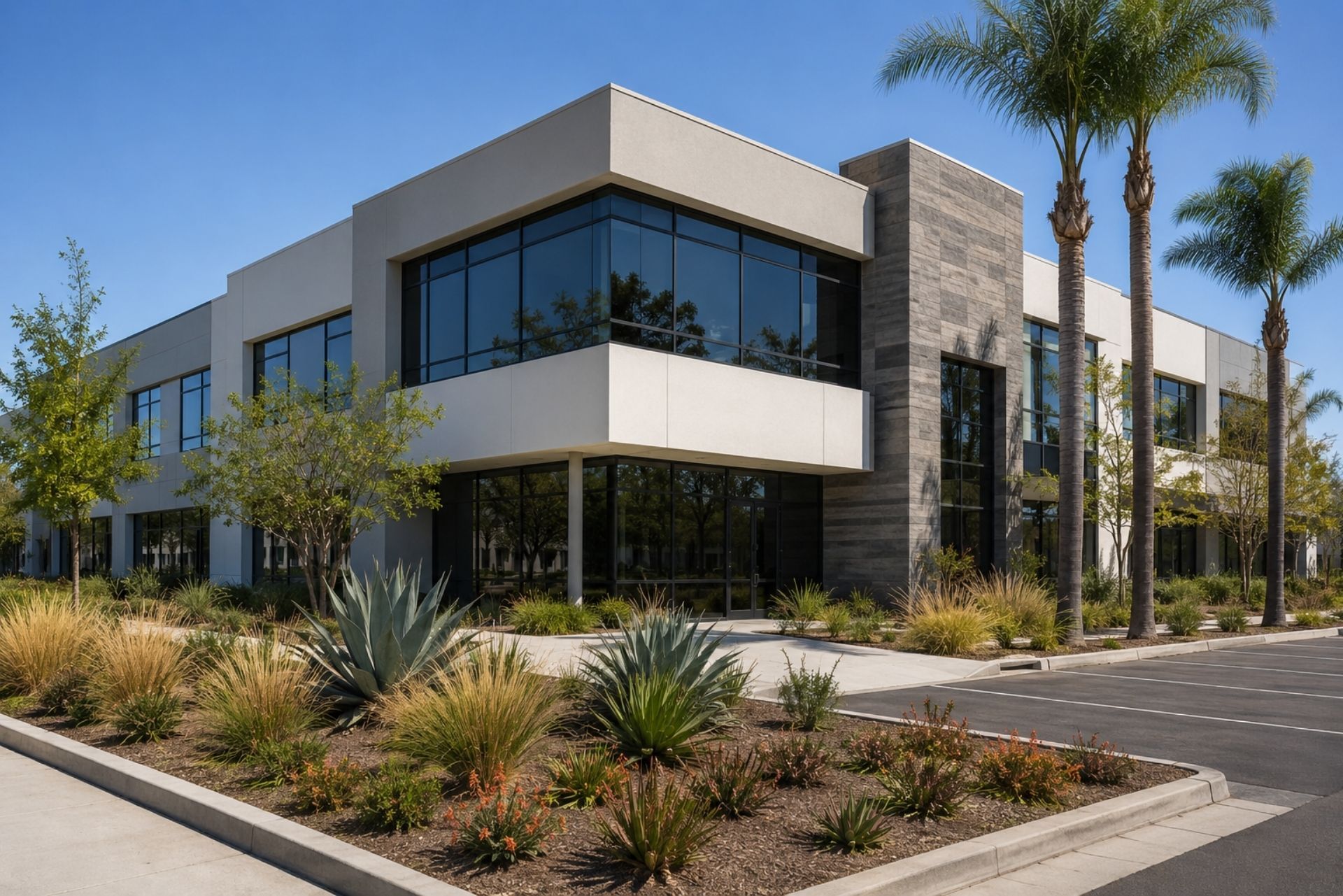
A solid commercial property insurance checklist for Corona businesses in 2026 should address three core areas: physical structures, income protection, and equipment. Each of these categories carries specific considerations tied to local conditions and California regulations.
Building and Personal Property Protection
Your building coverage should reflect the full replacement cost of the structure, including any tenant improvements you've made. If you lease your space, you're still responsible for insuring your own build-out: interior walls, flooring, HVAC modifications, and fixtures.
Personal property coverage protects your business contents: inventory, furniture, computers, signage, and specialized equipment. A common mistake is underestimating inventory values. A Corona retail shop carrying $150,000 in seasonal inventory needs a policy limit that reflects peak stock levels, not average levels. Review your limits quarterly, especially if you carry variable inventory.
- Confirm your building limit matches a current replacement cost appraisal
- List all tenant improvements and betterments separately
- Set personal property limits based on peak inventory, not average
- Include coverage for property in transit or temporarily stored off-site
Business Interruption and Extra Expense Coverage
Business interruption coverage replaces lost income if a covered peril forces you to close. This is where many Corona business owners discover gaps after a fire or flood. Your policy should cover net income, continuing expenses like loan payments, and payroll for key employees during the restoration period.
Extra expense coverage pays for costs above your normal operating expenses. If a fire damages your building and you need to rent temporary space, extra expense coverage handles the difference. A restaurant owner on Sixth Street, for example, might face $8,000 per month in temporary kitchen rental fees on top of the original lease. Without extra expense coverage, that cost comes out of pocket.
Set your business interruption limit to cover at least 12 months of projected income. Restoration in Riverside County often takes longer than expected due to permitting delays and contractor availability.
Equipment Breakdown and Tech Infrastructure
Standard property policies exclude mechanical and electrical breakdown. If your HVAC compressor fails, your boiler cracks, or a power surge destroys your server rack, you'll need a separate equipment breakdown endorsement.
This is especially relevant for Corona businesses operating in older industrial buildings along Railroad Street or Sherborn. Electrical systems in buildings constructed before 1990 are more prone to failure. An equipment breakdown endorsement typically costs between $200 and $500 annually and covers repair or replacement of mechanical, electrical, and pressure systems. For businesses relying on refrigeration, data centers, or manufacturing equipment, this endorsement isn't optional: it's essential.
Comparing Policy Types: Basic vs. Special Form Coverage
The form of your policy determines which perils are covered. Basic form covers only named perils, such as fire, lightning, and explosion. Broad form adds a few more, like falling objects and weight of ice. Special form flips the script entirely: it covers all perils unless they're specifically excluded.
For most Corona commercial properties, special form coverage is the better choice. It protects against unexpected events that a named-peril policy would deny, such as vandalism, accidental water discharge from a sprinkler system, or a vehicle crashing into your storefront.
Comparison Chart: Basic vs. Broad vs. Special Forms
| Feature | Basic Form | Broad Form | Special Form |
|---|---|---|---|
| Fire and lightning | Covered | Covered | Covered |
| Windstorm and hail | Covered | Covered | Covered |
| Vandalism | Not covered | Covered | Covered |
| Falling objects | Not covered | Covered | Covered |
| Accidental water discharge | Not covered | Covered | Covered |
| Weight of snow/ice | Not covered | Covered | Covered |
| All risks unless excluded | No | No | Yes |
| Typical annual premium (per $100K) | $400-$600 | $600-$900 | $900-$1,400 |
| Best for | Low-value, low-risk | Moderate risk | Most businesses |
The premium difference between broad and special form is often less than $30 per month for a $500,000 building. That gap is small compared to the cost of a denied claim.
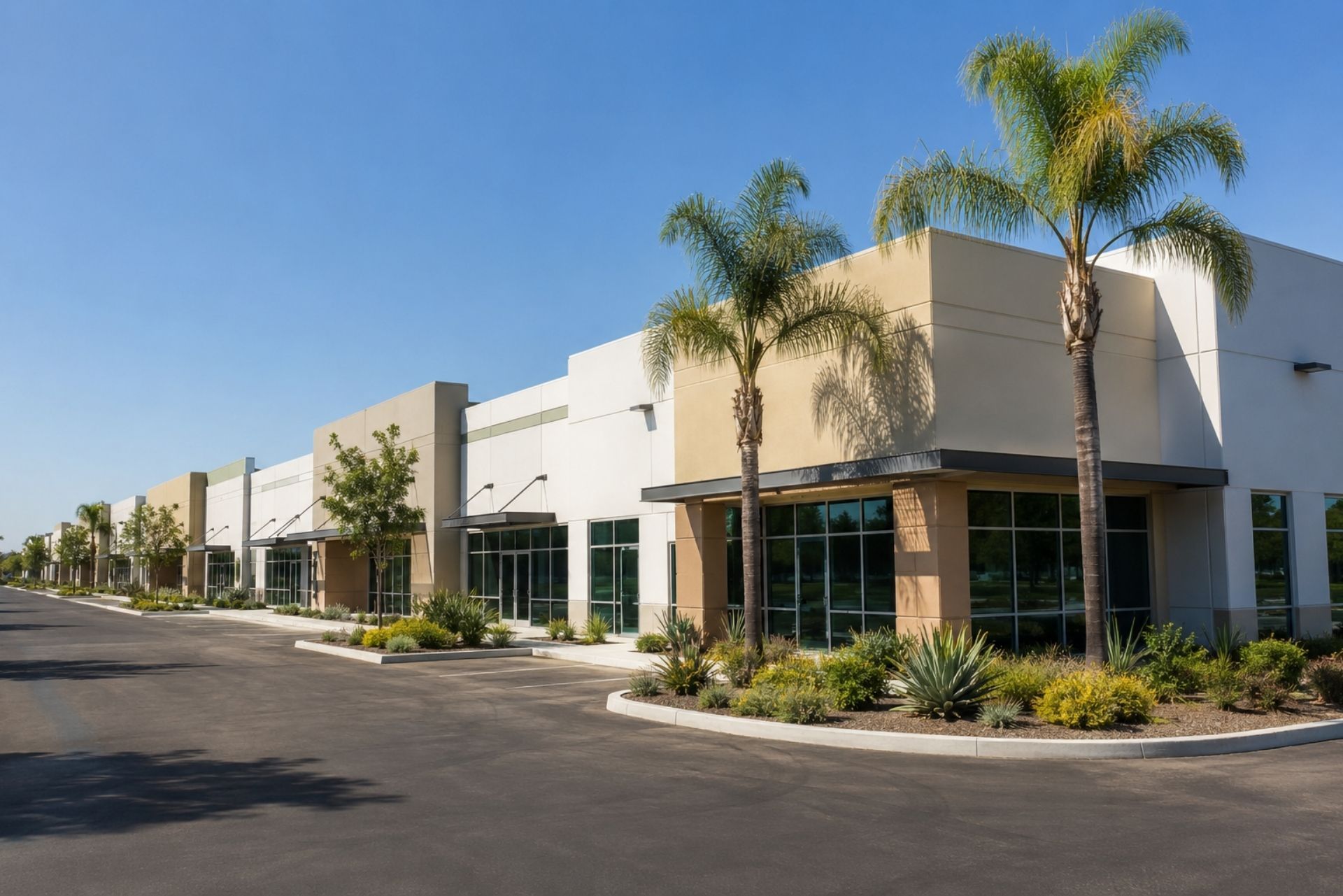
California's insurance regulations have shifted significantly since the 2020 wildfire seasons, and 2026 brings additional compliance requirements that affect Corona property owners directly.
Earthquake and Flood Exclusions Explained
Standard commercial property policies in California exclude both earthquake and flood damage. You'll need separate policies for each. The California Earthquake Authority offers commercial earthquake coverage, though many businesses in Riverside County purchase standalone policies from surplus lines carriers for broader terms.
Flood insurance is available through the National Flood Insurance Program, but NFIP commercial limits cap at $500,000 for building coverage and $500,000 for contents. If your property's replacement cost exceeds those limits, you'll need a private excess flood policy. Properties in FEMA Zone X, which includes much of central Corona, aren't required to carry flood insurance, but the risk isn't zero. Over 25% of NFIP claims come from properties outside high-risk zones.
Ordinance or Law Coverage for Older Buildings
If your building was constructed before current building codes took effect, a total loss could trigger a costly surprise. When you rebuild, Riverside County will require compliance with current codes, including seismic retrofitting, ADA accessibility, and updated fire suppression systems. Your standard policy pays to rebuild what you had, not what the code now demands.
Ordinance or law coverage fills this gap. It typically includes three components: coverage for the undamaged portion of a building that must be demolished, the cost of demolition itself, and the increased cost of construction to meet current codes. For a 1970s-era building in Corona, the difference between rebuilding to original specs and meeting 2026 code requirements can exceed $200,000. This endorsement usually adds 5 to 10 percent to your building coverage premium.
Common Questions About Corona Business Insurance
How much does property insurance cost in Corona?
Premiums vary based on building construction, occupancy type, and proximity to fire zones. A 5,000-square-foot retail space in central Corona typically costs between $2,500 and $5,500 per year for special form coverage. Properties in high-fire-severity zones may see premiums 30 to 50 percent higher.
Does my policy cover damage from Santa Ana winds?
Yes, windstorm damage is covered under basic, broad, and special form policies. However, if wind-driven rain enters through an opening that wasn't caused by the wind itself, the water damage may be excluded. Make sure your policy includes a wind-driven rain provision or endorsement.
Do I need separate flood insurance if I'm near the Temescal Wash?
If your property is in a FEMA-designated high-risk flood zone (Zone A or AE), your lender will require flood insurance. Even if you're in Zone X, purchasing a flood policy is a smart decision. Flash flooding from the Temescal Wash has affected properties well outside mapped flood zones during heavy storm events.
What is the difference between replacement cost and actual cash value?
Replacement cost pays to repair or rebuild your property with materials of similar kind and quality, with no deduction for depreciation. Actual cash value deducts depreciation, which means a 15-year-old roof valued at $80,000 new might only pay out $35,000. Always choose replacement cost coverage for your building and contents.
Can I bundle property insurance with liability?
Yes. A Business Owner's Policy, or BOP, bundles commercial property and general liability coverage into a single policy, often at a lower combined premium than purchasing each separately. Most Corona businesses with fewer than 100 employees and under $5 million in annual revenue qualify for a BOP.
Making the Right Choice for Your Property
Getting your commercial property insurance right in Corona means matching your coverage to local risks, not settling for a generic policy pulled off a shelf. Fire exposure, flood proximity, aging building stock, and rising replacement costs all demand specific attention in 2026.
Here are your next steps:
- Request a current replacement cost appraisal for your building
- Review your policy form: upgrade to special form if you're on basic or broad
- Add ordinance or law coverage if your building is more than 20 years old
- Get a separate flood quote, even if you're outside a high-risk zone
- Confirm your business interruption limit covers at least 12 months of income
- Ask about equipment breakdown endorsements for mechanical and electrical systems
Don't wait for a Santa Ana wind event or a flash flood to discover what your policy doesn't cover. Sit down with an independent agent who understands Riverside County's risk profile and walk through this checklist line by line. The cost of proper coverage is always less than the cost of a gap you didn't know existed.
ABOUT THE AUTHOR: PAUL RAMENTOL
I am the Owner and President of Mesa Insurance Agency. I help individuals and business owners across Florida secure personal and business insurance coverage that supports their needs. My focus is on clear guidance, direct communication, and long-term support without call-center delays or confusion.
Contact Us

Personal Coverage Options
Insurance Built for Everyday Protection
Mesa Insurance Agency provides personal insurance coverage designed to support daily life. Our team reviews risks and coverage needs to help clients secure dependable protection at fair rates.
Dental & Vision Insurance
Coverage that helps manage routine dental and vision care costs.

Business Coverage Options
Insurance Built for Business Protection
Mesa Insurance Agency provides business insurance coverage that helps protect operations, employees, and property. We work with multiple carriers to offer coverage options that support daily business activities and long-term stability.
Commercial Auto Insurance
Coverage for business-owned vehicles, drivers, and accident-related liability exposure.
General Liability Insurance
Protection against third-party injury, property damage, and common business liability risks.
Professional Liability Insurance
Coverage for claims related to professional services, advice, or service errors.
Workers’ Compensation Insurance
Coverage that helps support employees with work-related injuries and medical costs.
Commercial Property Insurance
Protection for buildings, equipment, inventory, and physical business assets.
Errors & Omissions Insurance
Coverage for financial losses caused by mistakes, omissions, or service-related claims.
Industries We Serve
Serving Businesses Across Multiple Sectors
Mesa Insurance Agency works with business owners across Florida to provide insurance coverage that supports daily operations. We understand common risks faced by different industries and help clients secure reliable protection.

Construction and Trades Insurance
Coverage for job sites, vehicles, tools, and workplace risks.

Hospitality Businesses Insurance
Insurance for restaurants, bars, and service-based operations.

Retail and
Commercial Properties
Protection for storefronts, inventory, and customer-related liability.
Our Approach
Insurance Made Easy to Understand
Mesa Insurance Agency provides business insurance coverage that helps protect operations, employees, and property. We work with multiple carriers to offer coverage options that support daily business activities and long-term stability.
Insurance FAQs
Helpful Answers for Florida Clients
Support you can rely on.

What makes Mesa Insurance Agency different?
We are an independent agency with access to multiple carriers. This allows us to offer flexible coverage options.
Clients work directly with licensed agents. Service continues beyond the policy start date.
Do you offer coverage for individuals and families?
Yes. We provide personal insurance for individuals and families across Florida.
Coverage includes auto, home, health, life, and flood insurance. Our team explains each option clearly.
Do you work with small and mid-sized businesses?
Yes. We work with businesses of many sizes and industries.
Our team helps identify risks and secure appropriate coverage. Ongoing service is included.
Can I make changes to my policy later?
Yes. Policies can be updated as needs change.
We assist with coverage adjustments, additions, and removals. Clients can contact us directly for help.
Is flood insurance required in Florida?
Flood insurance is not always required, but it is strongly recommended in many areas.
Standard home insurance does not cover flood damage. Our team can review your flood risk and options.
How do I contact your office?
You can contact us by phone, email, or through our website.
Our team responds promptly during business hours. Support is always available when needed.
From the Blog
Insurance Topics That Matter
Clear answers for common questions.






Client Reviews
Trusted by Clients Across Florida
Mesa Insurance Agency is proud to serve individuals and businesses throughout Florida. Clients choose us for clear communication, responsive service, and reliable insurance support. Their feedback reflects our focus on long-term relationships and consistent service.
Contact Us