A roofer in Tampa loses $47,000 in equipment when a sudden storm floods his work trailer. An electrician in Miami faces a lawsuit after a client claims faulty wiring caused property damage. A general contractor near the coast watches helplessly as hurricane winds destroy a partially completed home. These scenarios play out across Florida every year, and the contractors who survive them financially share one thing in common: proper insurance coverage tailored to the Sunshine State's unique risks.
Florida presents distinct challenges for construction and trades professionals. The state's exposure to hurricanes, flooding, and extreme weather creates insurance considerations you won't find in most other markets. According to recent data from Chambers.com, surplus lines premium in Florida reached $17 billion in 2024, an 11% year-over-year increase. This growth reflects the complex risk environment contractors must protect against.
Understanding construction and trades insurance requirements in Florida isn't optional. It's the foundation of a sustainable business. Whether you're a solo plumber or managing a crew of twenty, the right coverage keeps you working when things go wrong.
Essential Insurance Requirements for Florida Contractors
General Liability Coverage for Construction Projects
General liability insurance protects your business when third parties suffer bodily injury or property damage connected to your work. In Florida, most commercial clients and general contractors require subcontractors to carry minimum limits of $1 million per occurrence and $2 million aggregate before stepping onto a job site.
The current market reflects increasing pressure on these policies. The Birm Group reports general liability rates are increasing by 5% to 15% due to social inflation and nuclear verdicts. Florida's litigation environment makes adequate coverage even more critical.
Florida Workers' Compensation Laws and Exemptions
Florida law requires workers' compensation for construction businesses with one or more employees. This threshold is stricter than many other industries, which typically trigger requirements at four employees. Corporate officers can exempt themselves by filing with the state, though this decision carries personal liability implications.
Good news exists on the cost front: Rough Notes indicates Florida approved a 6.9% rate decrease for workers' compensation in 2026. This reduction provides some relief against rising costs elsewhere in your insurance portfolio.
Licensing Bonds and DBPR Compliance
The Florida Department of Business and Professional Regulation requires contractors to maintain surety bonds as part of licensure. Bond amounts vary by license type, ranging from $5,000 for specialty contractors to $50,000 or more for certified general contractors. These bonds protect consumers if you fail to complete contracted work or violate licensing regulations.

Windstorm and Hurricane Coverage for Job Sites
Standard commercial property policies in Florida often exclude wind damage, particularly in coastal counties. You'll need separate windstorm coverage or a policy that specifically includes this peril. During active construction, exposed structures face heightened vulnerability to wind damage.
Review your policy's named storm deductible carefully. Many Florida policies carry percentage-based deductibles for hurricane damage, meaning a 2% deductible on a $500,000 project equals $10,000 out of pocket before coverage kicks in.
Flood and Water Damage Liability
Flood damage requires separate coverage through the National Flood Insurance Program or private flood insurers. Standard liability and property policies exclude flood damage entirely. For contractors working in flood zones, this coverage protects both your equipment and your liability exposure if construction activities contribute to water damage on neighboring properties.
Specialized Policies for Skilled Trades
Inland Marine and Tools Coverage
Your tools and equipment travel with you, which means standard property insurance often won't cover them adequately. Inland marine insurance protects tools, equipment, and materials in transit or stored at job sites. For trades professionals, this coverage often represents your most valuable business assets after your vehicle.
| Coverage Type | What It Protects | Typical Limits |
|---|---|---|
| Tenant Profile | Contractor's Equipment | $10,000 - $500,000+ |
| Installation Floater | Materials being installed | Project value |
| Bailee Coverage | Customer property in your care | $5,000 - $50,000 |
Builders Risk Insurance for New Construction
Builders risk policies cover structures under construction against damage from fire, theft, vandalism, and certain weather events. The policy typically covers the structure, materials on site, and materials in transit. Coverage begins at project start and ends at completion, certificate of occupancy, or when the owner takes possession.
Who purchases builders risk varies by contract. General contractors often carry project-specific policies, while some property owners maintain their own coverage. Clarify this responsibility before breaking ground.
Professional Liability for Design-Build Firms
If your firm provides design services alongside construction, professional liability insurance covers errors and omissions in your design work. Standard general liability excludes professional services, creating a gap that can prove costly when design flaws cause project failures or require expensive corrections.

Commercial Auto and Fleet Management for Florida Roadways
Every contractor needs commercial auto insurance. Personal auto policies exclude vehicles used for business purposes, leaving you exposed if an accident occurs while traveling to a job site. Florida requires minimum liability limits of $10,000 for property damage and personal injury protection.
Heffins.com reports total insurance costs for contractors in Florida are increasing by 5-12% due to rising commercial auto and general liability rates. Fleet management practices directly impact these costs. Implementing driver training programs, GPS monitoring, and vehicle maintenance schedules can help control premiums over time.
Factors Influencing Insurance Costs in Florida
Impact of Geographic Location and Coastal Proximity
Your business address significantly affects insurance costs. Contractors operating in Miami-Dade, Broward, or Palm Beach counties face higher premiums than those in central Florida. Coastal proximity increases wind and flood exposure, translating directly to higher rates.
Construction costs themselves have risen. Cost to Construct reports construction costs in Florida increased by 4.2% year-over-year in 2026 compared to 2024. Higher construction values mean higher coverage limits and correspondingly higher premiums.
Experience Modification Rates (EMR) and Safety Records
Your EMR compares your workers' compensation claims history against similar businesses. A rating below 1.0 indicates better-than-average safety performance and earns premium discounts. Ratings above 1.0 increase your costs and may disqualify you from certain projects.
Maintaining detailed safety records, conducting regular training, and implementing job site safety protocols directly influence this number. Many general contractors require subcontractors to maintain an EMR below 1.0 to bid on projects.
Best Practices for Claims Management and Risk Mitigation
Document everything before problems occur. Photograph job sites daily, maintain written communication records, and keep detailed project files. When claims arise, this documentation often determines outcomes.
Report claims promptly. Delayed reporting can result in coverage denials and complicates the claims process. Your policy likely includes reporting timeframes that, if missed, may void coverage for that incident.
Work with an insurance agent who specializes in construction. General business insurance agents may not understand the specific exposures contractors face or the policy endorsements needed to address them.
Frequently Asked Questions
Do I need insurance if I'm a sole proprietor with no employees? Yes. General liability protects you against third-party claims regardless of your business structure. Many clients require proof of coverage before hiring you.
Can I use my personal auto insurance for my work truck? No. Personal auto policies exclude business use. You need a commercial auto policy for any vehicle used in your contracting business.
What's the difference between builders risk and general liability? Builders risk covers the structure under construction. General liability covers injuries or property damage to third parties caused by your operations.
How often should I review my coverage limits? Annually at minimum, and whenever you take on larger projects, add employees, or purchase significant equipment.
Does my general liability cover subcontractors I hire? Typically no. Require certificates of insurance from all subcontractors and verify their coverage before they begin work.
Making the Right Choice for Your Business
Florida's construction insurance market demands attention and expertise. The combination of weather risks, litigation environment, and regulatory requirements creates a landscape where inadequate coverage can end a business overnight. Building your insurance program thoughtfully protects both your current operations and your long-term growth potential.
Start by assessing your actual exposures rather than purchasing minimum required coverage. Consult with a construction-focused insurance professional who understands Florida's specific requirements. Review your policies annually and adjust coverage as your business evolves. The investment in proper protection pays dividends every time you avoid a claim that could have devastated an underinsured competitor.
ABOUT THE AUTHOR: PAUL RAMENTOL
I am the Owner and President of Mesa Insurance Agency. I help individuals and business owners across Florida secure personal and business insurance coverage that supports their needs. My focus is on clear guidance, direct communication, and long-term support without call-center delays or confusion.
Contact Us

Personal Coverage Options
Insurance Built for Everyday Protection
Mesa Insurance Agency provides personal insurance coverage designed to support daily life. Our team reviews risks and coverage needs to help clients secure dependable protection at fair rates.
Dental & Vision Insurance
Coverage that helps manage routine dental and vision care costs.

Business Coverage Options
Insurance Built for Business Protection
Mesa Insurance Agency provides business insurance coverage that helps protect operations, employees, and property. We work with multiple carriers to offer coverage options that support daily business activities and long-term stability.
Commercial Auto Insurance
Coverage for business-owned vehicles, drivers, and accident-related liability exposure.
General Liability Insurance
Protection against third-party injury, property damage, and common business liability risks.
Professional Liability Insurance
Coverage for claims related to professional services, advice, or service errors.
Workers’ Compensation Insurance
Coverage that helps support employees with work-related injuries and medical costs.
Commercial Property Insurance
Protection for buildings, equipment, inventory, and physical business assets.
Errors & Omissions Insurance
Coverage for financial losses caused by mistakes, omissions, or service-related claims.
Industries We Serve
Serving Businesses Across Multiple Sectors
Mesa Insurance Agency works with business owners across Florida to provide insurance coverage that supports daily operations. We understand common risks faced by different industries and help clients secure reliable protection.
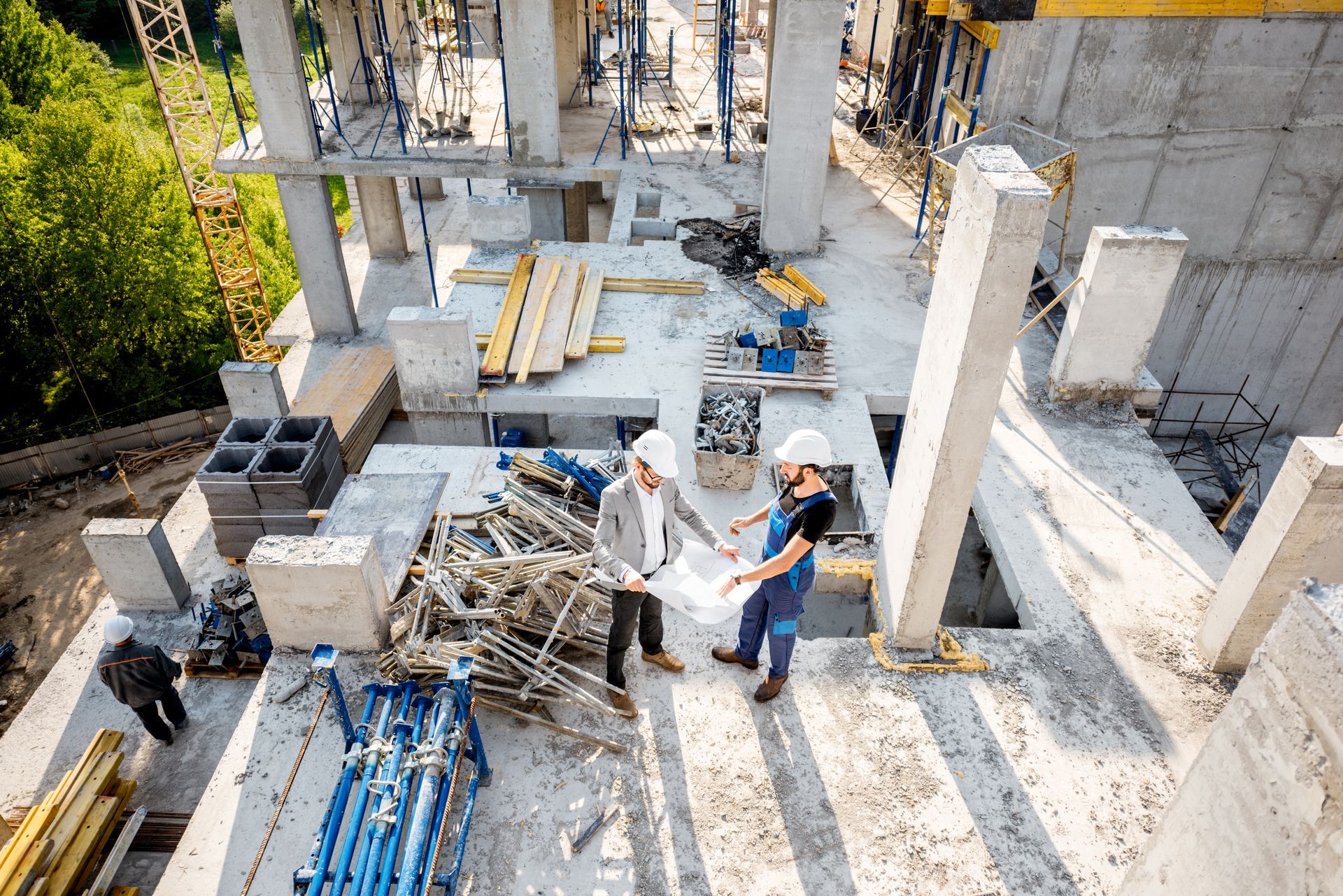
Construction and Trades Insurance
Coverage for job sites, vehicles, tools, and workplace risks.

Hospitality Businesses Insurance
Insurance for restaurants, bars, and service-based operations.

Retail and
Commercial Properties
Protection for storefronts, inventory, and customer-related liability.
Our Approach
Insurance Made Easy to Understand
Mesa Insurance Agency provides business insurance coverage that helps protect operations, employees, and property. We work with multiple carriers to offer coverage options that support daily business activities and long-term stability.
Insurance FAQs
Helpful Answers for Florida Clients
Support you can rely on.

What makes Mesa Insurance Agency different?
We are an independent agency with access to multiple carriers. This allows us to offer flexible coverage options.
Clients work directly with licensed agents. Service continues beyond the policy start date.
Do you offer coverage for individuals and families?
Yes. We provide personal insurance for individuals and families across Florida.
Coverage includes auto, home, health, life, and flood insurance. Our team explains each option clearly.
Do you work with small and mid-sized businesses?
Yes. We work with businesses of many sizes and industries.
Our team helps identify risks and secure appropriate coverage. Ongoing service is included.
Can I make changes to my policy later?
Yes. Policies can be updated as needs change.
We assist with coverage adjustments, additions, and removals. Clients can contact us directly for help.
Is flood insurance required in Florida?
Flood insurance is not always required, but it is strongly recommended in many areas.
Standard home insurance does not cover flood damage. Our team can review your flood risk and options.
How do I contact your office?
You can contact us by phone, email, or through our website.
Our team responds promptly during business hours. Support is always available when needed.
From the Blog
Insurance Topics That Matter
Clear answers for common questions.






Client Reviews
Trusted by Clients Across Florida
Mesa Insurance Agency is proud to serve individuals and businesses throughout Florida. Clients choose us for clear communication, responsive service, and reliable insurance support. Their feedback reflects our focus on long-term relationships and consistent service.
Contact Us