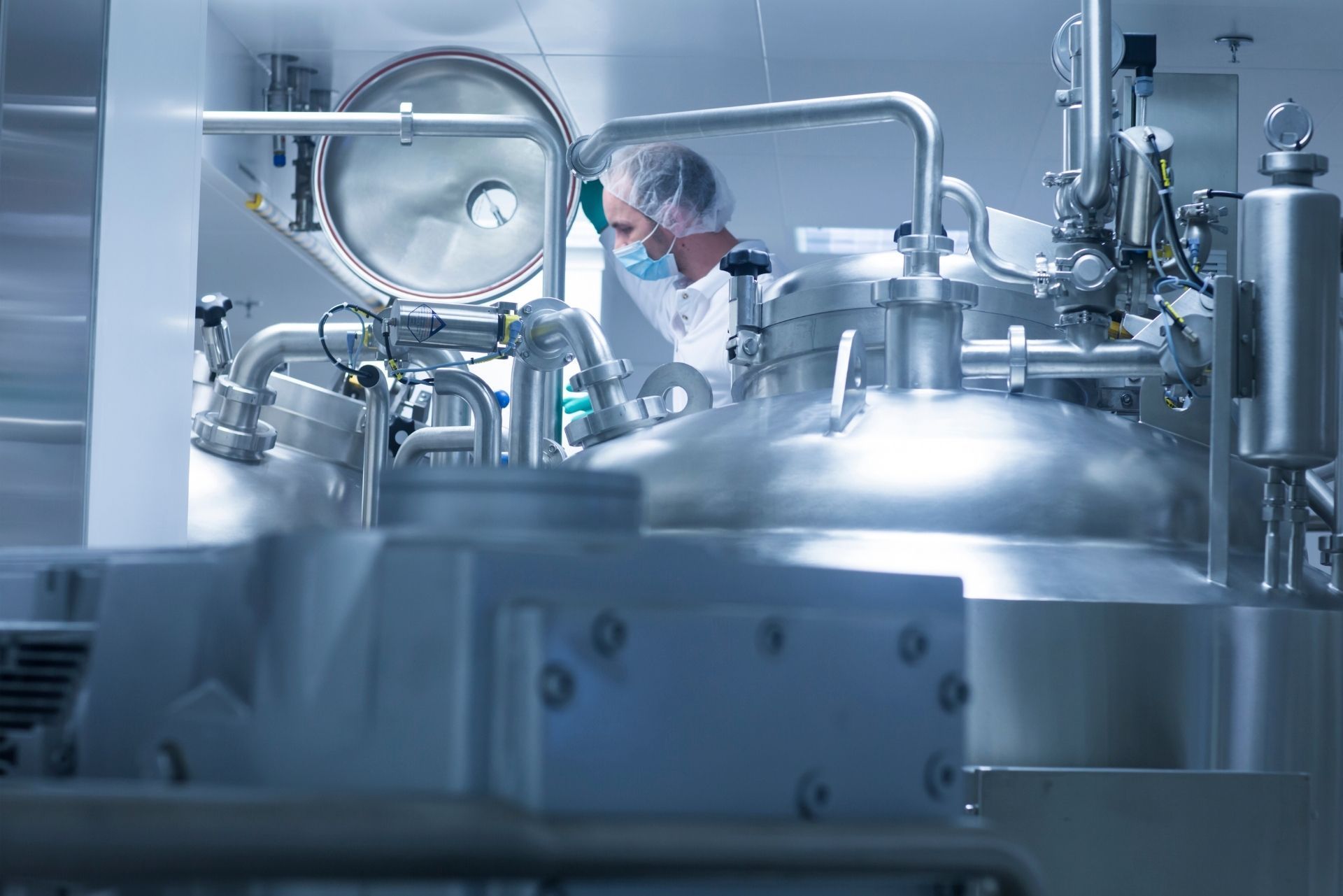
A single incident in a chemical plant can have far-reaching implications. Imagine robust production facilities operating with high volumes of chemicals and critical processes that run around the clock. These complex operations require not only advanced technologies but also comprehensive risk management strategies. Insurance serves as a critical pillar of that strategy, ensuring that chemical manufacturers in Florida can navigate a myriad of unpredictable challenges. In a state where the chemical manufacturing sector not only sustains a significant workforce but also drives robust contributions to the economy, adequate insurance coverage is a must. For instance, recent figures indicate that Florida’s chemical manufacturing industry employs close to 28,974 individuals as of August 2024 (Beautify Data LLC).
As operations expand and industry-specific risks increase, decision-makers are confronted with the necessity for tailored insurance plans. Chemical manufacturers face a unique blend of perils ranging from product liability to environmental contamination, making specialized coverage more than just a regulatory requirement-it is a cornerstone of sustainable business practices.
Understanding the Unique Risks in Chemical Manufacturing
Chemical manufacturing remains one of the most inherently risky industries in the state. Plants handling volatile substances, hazardous materials, and intricate production sequences face exposure to a host of industrial hazards. Safety protocols and automated safeguards help minimize these risks, yet accidents or unforeseen events can still trigger significant financial loss and legal liabilities.
The potential for chemical spills or accidental releases is heightened in a facility that processes and stores large quantities of chemicals. In such scenarios, environmental cleanup costs can be astronomical and legal repercussions severe. Additionally, product liability forms another layer of risk, as manufacturers are held accountable if a defect in their chemical products leads to harm. Balancing these risk factors necessitates a deep understanding of industry exposures, driving the need for policies that cover both property and liability risks comprehensively.
Industry reports underscore that Florida's chemical manufacturing sector is not only a significant employer but also a substantial economic contributor. For example, in September 2024, the industry added $10,900.8 million to Florida’s real GDP (Federal Reserve Economic Data). This staggering economic headway reinforces why companies must safeguard their assets through reliable insurance arrangements.
Key Insurance Coverage Options for Chemical Manufacturers
Property Insurance
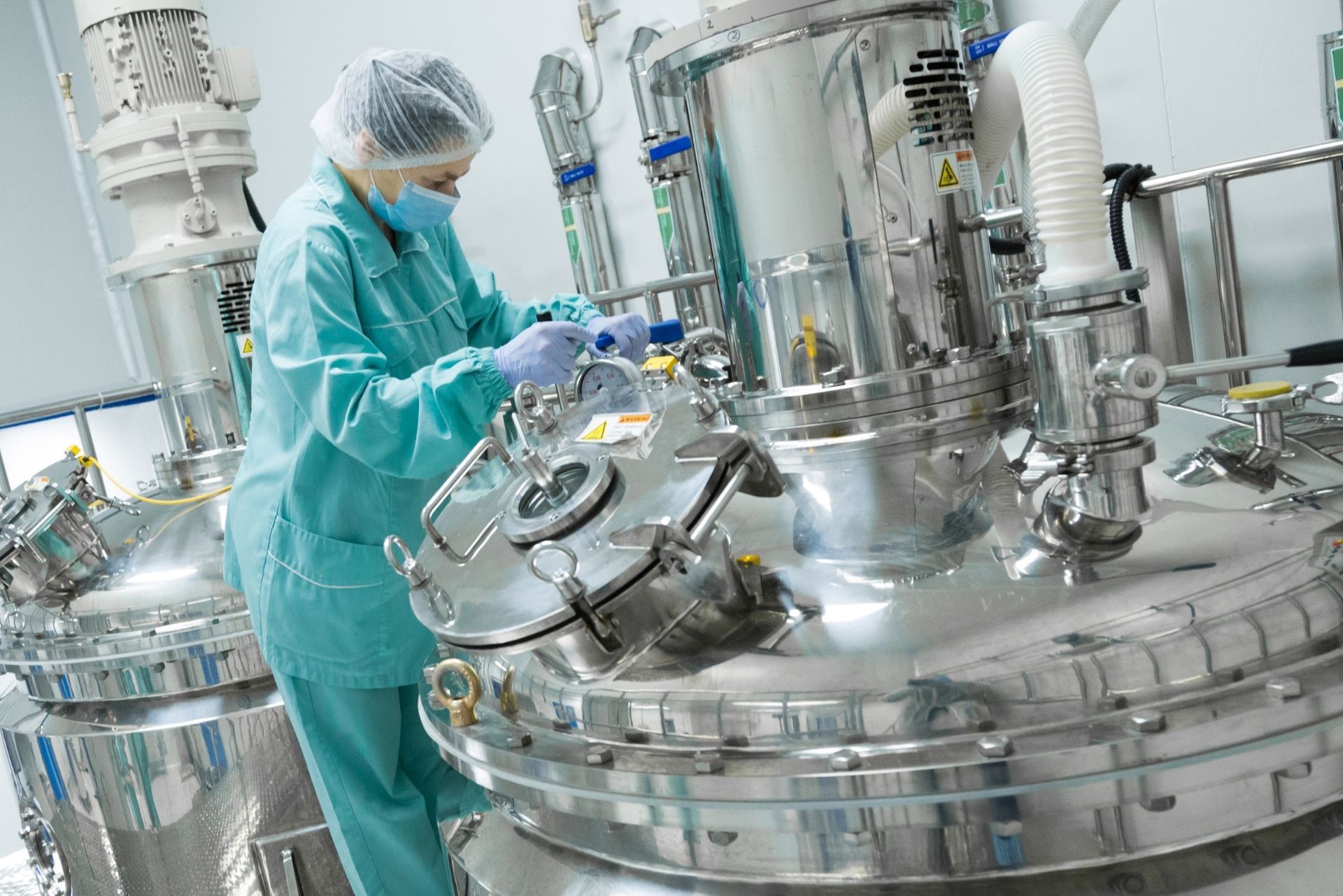
Property insurance stands as a key line of defense for companies protecting their physical assets. Plants and facilities in this sector are equipped with costly machinery, storage facilities, and specialized infrastructure that require adequate protection. Incidents such as fire, explosions, or structural damage can lead to significant financial burdens if left uninsured.
With high-value equipment and potentially irreplaceable production setups, having the right property coverage can help mitigate funds lost in the event of physical damage. In Florida, companies tend to tailor their policies to cover not just physical assets but also environmental remediation, which is particularly critical for chemical plants. The inclusion of environmental liability within property policies helps account for contamination risks arising from chemical spills.
Product Liability Insurance
Product liability insurance is another essential element, particularly for manufacturers whose products are distributed widely. A single product fault can trigger lawsuits, brand damage, and long-term reputational harm. Coverage helps address claims stemming from manufacturing defects or failure to warn about potential hazards.
Given that Florida’s chemical manufacturing industry is a major export market-valued at an impressive $9.3 billion in 2024 (U.S. Bureau of Labor Statistics)-manufacturers are responsible even beyond state boundaries. Product liability insurance supports these companies in navigating international exposure, guaranteeing a safety net in case overseas controversies or accidents occur.
Environmental Liability and Pollution Insurance
Environmental risks take center stage for chemical plants. Operating in an environment that utilizes hazardous substances necessitates policies designed specifically for pollution-related incidents. Environmental liability coverage is designed to accommodate the unique regulatory and cleanup challenges faced by the chemical industry.
This type of insurance does more than offer protection against fines or cleanup expenses-it also provides resources required during emergency responses. Given Florida’s stringent environmental regulations, companies must invest in policies that ensure they can efficiently deal with both inadvertent spills and inadvertent releases of toxic substances.
How Florida’s Economic Trends Influence Insurance Needs
The surge in manufacturing jobs in Florida underscores the expanding role of the chemical manufacturing sector in the state's overall economic makeup. Between 2019 and 2023, Florida added over 36,000 new manufacturing jobs, with chemical manufacturing playing a pivotal part (Axios). This growth has spurred an uptrend in the scale and scope of industrial operations across the state.
With growth comes a corresponding need for higher coverage limits and more comprehensive risk profiles in insurance policies. As manufacturing facilities expand, so do the complexities and varieties of risks they face. Increased production and export volumes come with higher risk exposures, making it imperative for businesses to ensure that their insurance policies can keep up with the evolving landscape.
Additionally, job growth can influence indirect risk factors. For every 100 direct manufacturing jobs in the manufacture of durable goods, another 744.1 indirect jobs are sustained (Florida Department of Economic Opportunity). This multiplier effect amplifies the economic importance of ensuring robust insurance coverage that not only protects the manufacturers but also the broader supply chain ecosystem.
Balancing Insurance Costs with Risk Mitigation
Insurance premiums can be steep, especially when the dynamic nature of chemical manufacturing is taken into account. Determining the right balance between cost and coverage involves understanding the enterprise’s overall risk profile. Factors such as facility size, production capacity, history of incidents, and adherence to safety regulations all influence premium costs.
The integration of risk management strategies into a business’s operations plays a crucial role. Regular safety audits, advanced training programs, and proactive regulatory compliance efforts can lead to lower insurance premiums over time. By investing in comprehensive risk mitigation measures, chemical manufacturers often find that insurance carriers look more favorably on their profiles.
Furthermore, public and private sectors both play a role in shaping the economic climate of the industry. In 2022, Florida’s manufacturing GDP reached $73 billion-a 67.8% increase from 2014 (Florida Department of Economic Opportunity). The economic momentum reflected in these figures fosters risk-taking and expansion, while also signaling to insurers that thorough, balanced coverage policies are more critical than ever.
Special Considerations for Chemical Wholesaling and Private Establishments
Chemical insurance isn’t a one-size-fits-all proposition. Even within the broader category of chemical manufacturing, variations exist between different types of operations. For example, the landscape includes numerous chemical wholesaling establishments and specialized sectors like basic organic chemical manufacturing.
In 2024, Florida was home to 743 chemical wholesaling establishments employing over 6,000 individuals (IBISWorld). These businesses, although distinct from manufacturing plants, share many of the same insurance challenges. They often require coverage that addresses inventory risks, transit risks, and product-specific liabilities, ensuring that their unique operational issues are comprehensively addressed.
Private business establishments in Florida’s other basic organic chemical manufacturing industry, numbering 106 in 2024 (Beautify Data LLC), also demand tailored insurance options. The concentrated risk inherent to smaller operations-where a single accident can have outsized consequences-requires detailed coverage that highlights both risk prevention and rapid response strategies.
Environmental Regulations and Insurance Adaptability
Florida’s stringent environmental laws require chemical manufacturers to not only adhere to best practices in their operations but also to ensure that their insurance policies are flexible enough to accommodate changing regulations. As state and federal mandates evolve, insurance providers must keep pace by adjusting policy terms and coverage limits appropriately.
Recent environmental incidents within the chemical sector have prompted insurers to develop specialized endorsements that address potential regulatory penalties and cleanup costs. This evolution in policy structure ensures that companies are securely protected even as environmental standards tighten. Such adaptability is especially important for a sector that is heavily scrutinized by regulators, considering both the immediate financial implications and long-term reputational risks.
Manufacturers with proactive environmental management strategies may find that they qualify for preferential insurance terms, which reward firms that invest in modernizing their both safety measures and environmental compliance systems.
Effective risk management does more than reduce the probability of adverse events. It also directly influences the terms of insurance coverage and premium costs. By integrating robust safety protocols, ongoing staff training, and regular facility audits, chemical manufacturers can build a strong case for more favorable insurance rates.
This strategy extends beyond compliance; it becomes a competitive advantage. Companies that can demonstrate a track record of safety and reduced incidents garner increased trust among insurers. Risk managers often recommend that businesses routinely update their safety procedures and engage with third-party risk assessment experts to continually identify vulnerabilities before they evolve into costly liabilities.
The correlation between risk management initiatives and insurance outcomes is evident when considering the dramatic differences in insured losses between companies with reactive versus proactive practices. Proper training programs and updated emergency response systems can reduce downtime and financial loss, safeguarding both operations and bottom lines.
Insurance Claims: Navigating the Process and Ensuring Business Continuity
Even the best risk management practices do not entirely eliminate the possibility of an incident. When an insured event occurs, the claims process can be complex and demanding. For chemical manufacturers, efficiently navigating the claims process is essential to maintain business continuity and limit operational downtime.
The claims process typically begins with a detailed assessment of the incident. Documentation of damages, third-party reports, and a rigorous verification of regulatory compliance are all integral elements. Insurers expect detailed and timely submissions to ensure that claims are processed quickly. Effective communication between risk management teams and insurance adjusters plays a pivotal role in accelerating claims resolution.
Insurance coverage that not only covers immediate repairs or environmental cleanup, but also offers business interruption benefits, can prove invaluable during times of crisis. This facet of coverage guarantees that, in spite of significant disruptions, the manufacturer’s revenue stream can be sustained until operations return to normal levels.
Customizing Your Insurance Portfolio to Fit Business Needs
Given the vast array of risks inherent in chemical manufacturing, a one-size-fits-all insurance plan is rarely sufficient. Instead, companies should focus on customizing their coverage portfolios to align with their specific operational profiles. This tailored approach typically involves a combination of property, product liability, environmental, and business interruption coverages.
Engaging with experienced insurance brokers knowledgeable about chemical manufacturing can make a significant difference. These experts provide insight into risk management, help identify potential policy gaps, and ensure that every aspect of a manufacturer’s operations is adequately covered against both predictable and unforeseen events. In Florida, where the economic landscape continues to expand-driven by sectors that contribute billions to the state’s GDP-a customized insurance portfolio is not just a protective measure, but a strategic investment.
The process of customization often starts with an in-depth evaluation of existing operations, safety records, and future business priorities. Only with a full understanding of risk can insurers build a policy structure that accurately reflects the unique demands of a chemical manufacturing business.
Comparing Coverage Options: A Quick Chart
The following table summarizes key coverage options typically available to chemical manufacturers. This comparison is designed to facilitate a quick overview and help decision-makers align their insurance needs with market offerings.
| Coverage Type | Key Benefits | Risk Areas Addressed |
|---|---|---|
| Property Insurance | Protects physical assets and infrastructure | Fire, explosions, structural damage |
| Product Liability Insurance | Covers claims arising from product defects | Defective products, manufacturing errors, recall costs |
| Environmental/Pollution Insurance | Covers contamination, cleanup, regulatory penalties | Chemical spills, environmental contamination |
| Business Interruption Coverage | Maintains revenue during downtime | Operational disruptions, supply chain delays |
The table above is a simplified overview and should support further discussions with insurance professionals about tailored policies that match your specific needs.
Industry Case Studies: Learning from Real-World Examples
Case studies offer a window into the practical applications of insurance policies for chemical manufacturers. One notable example is a midsize chemical plant in Florida that revamped its risk management strategy after facing repeated minor incidents. By adopting stringent safety protocols and integrating real-time monitoring systems, the company was able to reduce hazardous incidents by nearly 40%. This proactive approach not only led to lower insurance premiums over time but also boosted overall operational efficiency.
Another example involves a chemical wholesaling facility that had made significant investments in emergency response training. When a minor spill occurred due to a storage container malfunction, the swift and organized response ensured that cleanup factors were minimized. Insurance claims in this case were processed smoothly, allowing the business to resume normal operations rapidly. Such real-life examples underscore the value of integrating sound risk management practices with comprehensive insurance policies.
These stories provide insight and illustrate that while no plan can fully eliminate risks, the integration of specialized insurance policies with effective safety measures can buffer the financial impact of even the most challenging incidents.
Strategies for Reducing Insurance Premiums
Insurance premiums in the chemical manufacturing sector can be influenced by several variables. One key strategy to reduce overall costs is meticulous record-keeping and continuous improvement in safety protocols. Insurers value data and historical evidence of safe operations, leading to opportunities for premium discounts. By documenting safety audits, conducting regular employee training sessions, and updating risk management measures, businesses can demonstrate lower exposure levels to insurers.
Another strategic approach is to bundle policies. Rather than obtaining separate coverages from multiple providers, negotiating a package deal improves leverage and typically results in cost savings. Manufacturers should consider working with brokers who are well-versed in the chemical industry. They can help identify multi-line discounts as well as specialized policies that address the specific risk characteristics of chemical production and distribution.
Additionally, partnerships with industry associations and participation in governmental safety programs can provide further evidence of risk mitigation. Such affiliations often come with educational resources and cost-sharing opportunities, all of which contribute to more favorable insurance terms over time.
Addressing the Impact of Technological Advances on Insurance Needs
Technology continues to revolutionize chemical manufacturing, resulting in smarter production techniques, automated safety systems, and enhanced monitoring capabilities. While these technological advances have reduced certain risks, renewed challenges have emerged in areas like cybersecurity, data breaches, and the integration of complex control systems.
Insurance policies now increasingly consider these technological upgrades. Cyber liability coverage, for example, is becoming a relevant part of the overall risk management portfolio for chemical plants. It protects not only against data breaches but also against potential disruptions to automated systems that control production processes. Maintaining up-to-date insurance that addresses these facets is crucial for companies leveraging cutting-edge technologies.
Manufacturers adopting advanced monitoring and process control systems may negotiate lower premiums by demonstrating improved operational safety and reduced risk exposure. These technological investments often lead to a measurable decrease in the frequency and severity of claims, an outcome that resonates strongly within the insurance community.
Future Trends and Their Implications for Chemical Manufacturing Insurance
Industry experts anticipate that the coming years will bring even greater changes in both manufacturing operations and risk exposures. The rapid growth in Florida’s chemical exports-reaching a value of approximately $9.3 billion in 2024 (U.S. Bureau of Labor Statistics)-highlights the global significance of chemical manufacturers. As operations expand into international markets, exposure to diverse regulatory environments and variable geopolitical risks also increases.
Climate change, evolving regulatory landscapes, and enhanced public awareness of environmental impact are set to create new priorities for risk management. Insurers and manufacturers alike must adapt by incorporating broader risk assessments that account for extreme events and changing market dynamics. Technological integration, sustainable practices, and predictive analytics are expected to drive next-generation insurance models tailored to the specific needs of the chemical industry.
Looking ahead, ongoing investments in safety and technology will not only support operational excellence but may also redefine the terms of insurance coverage. This transformation ensures that as the industry grows, its risk management practices and insurance arrangements evolve in tandem.
Frequently Asked Questions
Below are answers to some common questions chemical manufacturers in Florida might ask regarding insurance coverage and best practices in risk management.
Q: What types of insurance are essential for chemical manufacturers?
A: Essential coverages include property insurance, product liability, environmental liability, pollution insurance, and business interruption coverage. These policies help safeguard against both direct and indirect risks.
Q: How do I reduce my insurance premiums?
A: Reducing premiums involves maintaining rigorous safety protocols, facilitating regular training, bundling policies, and working closely with brokers to identify discounts based on lower risk profiles.
Q: Why is environmental liability insurance important?
A: Because chemical manufacturers are at high risk for accidental spills or contamination, environmental liability insurance covers cleanup, regulatory fines, and other costs related to environmental damage.
Q: Can new technology impact insurance coverage for chemical plants?
A: Yes, technology can provide real-time risk mitigation and improved process control, which insurance providers may reward with lower premiums and more favorable coverage terms.
Q: What should I consider when customizing an insurance policy for my chemical manufacturing business?
A: It is vital to assess your facility’s specific risks, safety records, production scale, and supply chain exposure to ensure the policy covers all operational risks. Consulting with an experienced broker can help tailor a precise insurance package.
Q: How does Florida’s booming economy influence insurance needs?
A: A growing economic output, evidenced by the significant contributions of manufacturing sectors to the state’s GDP, leads to larger operations with expanded risks. This requires higher coverage limits and comprehensive policies that adapt to new challenges.
Final Thoughts on Florida Chemical Manufacturing Insurance
Florida's chemical manufacturing industry remains an indispensable component of the state’s economic engine. With a workforce that nears 29,000 employees as reported in recent studies (Beautify Data LLC) and robust contributions to GDP, companies cannot afford to underplay risk. This dynamic environment necessitates not only sophisticated operational practices but also insurance policies crafted to address the rigors of the chemical manufacturing landscape.
Effective insurance planning for chemical manufacturers involves understanding the unique exposures, tailoring coverage options, and implementing rigorous risk management practices. Each policy must be as distinctive as the operation it protects, ensuring that both direct and indirect exposures are encompassed, from property damage and environmental liability to the broader economic impact of business interruptions.
As global trends shift and regulatory frameworks evolve, Florida’s chemical manufacturers are well-advised to work closely with risk management and insurance professionals. Such alliances will underpin efforts to secure the operational continuity and competitive strength of facilities in an ever-changing industrial environment. Keeping pace with emerging risks and innovative solutions remains the best strategy for long-term success.
Conclusion: A Comprehensive Approach to Risk Protection
While the hazards inherent to chemical manufacturing are significant, thoughtful and comprehensive insurance coverage can transform potential vulnerabilities into manageable risks. A forward-thinking strategy that combines safety best practices with robust insurance policies protects not just individual businesses, but the broader economic fabric of Florida’s manufacturing landscape.
Companies that invest deeply in customizing their insurance portfolios and integrating advanced risk management systems are poised to benefit from lower premiums, swift claims processing, and, most importantly, sustained growth in an industry that plays a pivotal role in the state’s economy.
For Florida’s chemical manufacturers, planning for the worst while preparing for the future ensures that every challenge-from minor disruptions to major unforeseen events-is met with resilience and strategic foresight. With the right coverage in place, businesses can focus on driving innovation and production without compromising on safety or financial stability. This comprehensive approach to risk mitigation and coverage is what will set leaders apart in the competitive arena of chemical manufacturing in Florida.
ABOUT THE AUTHOR: PAUL RAMENTOL
I am the Owner and President of Mesa Insurance Agency. I help individuals and business owners across Florida secure personal and business insurance coverage that supports their needs. My focus is on clear guidance, direct communication, and long-term support without call-center delays or confusion.
Contact Us

Personal Coverage Options
Insurance Built for Everyday Protection
Mesa Insurance Agency provides personal insurance coverage designed to support daily life. Our team reviews risks and coverage needs to help clients secure dependable protection at fair rates.
Dental & Vision Insurance
Coverage that helps manage routine dental and vision care costs.

Business Coverage Options
Insurance Built for Business Protection
Mesa Insurance Agency provides business insurance coverage that helps protect operations, employees, and property. We work with multiple carriers to offer coverage options that support daily business activities and long-term stability.
Commercial Auto Insurance
Coverage for business-owned vehicles, drivers, and accident-related liability exposure.
General Liability Insurance
Protection against third-party injury, property damage, and common business liability risks.
Professional Liability Insurance
Coverage for claims related to professional services, advice, or service errors.
Workers’ Compensation Insurance
Coverage that helps support employees with work-related injuries and medical costs.
Commercial Property Insurance
Protection for buildings, equipment, inventory, and physical business assets.
Errors & Omissions Insurance
Coverage for financial losses caused by mistakes, omissions, or service-related claims.
Industries We Serve
Serving Businesses Across Multiple Sectors
Mesa Insurance Agency works with business owners across Florida to provide insurance coverage that supports daily operations. We understand common risks faced by different industries and help clients secure reliable protection.

Construction and Trades Insurance
Coverage for job sites, vehicles, tools, and workplace risks.

Hospitality Businesses Insurance
Insurance for restaurants, bars, and service-based operations.

Retail and
Commercial Properties
Protection for storefronts, inventory, and customer-related liability.
Our Approach
Insurance Made Easy to Understand
Mesa Insurance Agency provides business insurance coverage that helps protect operations, employees, and property. We work with multiple carriers to offer coverage options that support daily business activities and long-term stability.
Insurance FAQs
Helpful Answers for Florida Clients
Support you can rely on.

What makes Mesa Insurance Agency different?
We are an independent agency with access to multiple carriers. This allows us to offer flexible coverage options.
Clients work directly with licensed agents. Service continues beyond the policy start date.
Do you offer coverage for individuals and families?
Yes. We provide personal insurance for individuals and families across Florida.
Coverage includes auto, home, health, life, and flood insurance. Our team explains each option clearly.
Do you work with small and mid-sized businesses?
Yes. We work with businesses of many sizes and industries.
Our team helps identify risks and secure appropriate coverage. Ongoing service is included.
Can I make changes to my policy later?
Yes. Policies can be updated as needs change.
We assist with coverage adjustments, additions, and removals. Clients can contact us directly for help.
Is flood insurance required in Florida?
Flood insurance is not always required, but it is strongly recommended in many areas.
Standard home insurance does not cover flood damage. Our team can review your flood risk and options.
How do I contact your office?
You can contact us by phone, email, or through our website.
Our team responds promptly during business hours. Support is always available when needed.
From the Blog
Insurance Topics That Matter
Clear answers for common questions.







Client Reviews
Trusted by Clients Across Florida
Mesa Insurance Agency is proud to serve individuals and businesses throughout Florida. Clients choose us for clear communication, responsive service, and reliable insurance support. Their feedback reflects our focus on long-term relationships and consistent service.
Contact Us