A demolition contractor in Florida might find that one poorly executed project can lead to unexpected claims lasting for years. With towering structures and older buildings in need of safe demolition, risks are plenty and a single misstep can drive insurance premiums through the roof. Deliberate fraud and contractor fraud represent serious issues that affect not just the individual contractor, but the entire property insurance market. Read on to learn how current challenges and legislative reforms shape the landscape for demolition businesses in Florida.
Florida Insurance Consumer Advocate has spoken directly to issues related to contractor fraud, making it clear that the stakes are high.
Demolition Contractor Insurance: The Core of a Stable Business
The demolition industry in Florida presents unique challenges that require specialized insurance coverage. Whether handling site cleanup, hazardous material removal, or structural deconstruction, each aspect demands targeted protections. A well-crafted policy ensures that contractors are safeguarded from claims linked to property damage, bodily injury, or fraud-related misrepresentations.
To properly safeguard a demolition business, it is critical to choose policies that address the specialized needs of the industry. Demolition work often involves unpredictable variables, so having coverage that is both comprehensive and adaptable is essential. Noise, dust, and the potential for accidental damage during demolition can all lead to expensive lawsuits. This coverage not only protects your equipment and workforce but also reassures clients that the project is backed by responsible risk management.
A significant component of a robust policy is the inclusion of liability coverage that specifically takes on risks related to contractor fraud. Contractors who commit deliberate misrepresentations or rush their projects to secure payday can be a burden for the industry as a whole, pushing up insurance premiums for everyone involved. Accurate and transparent policies help ensure that all parties maintain trust in the process.
Insurance Fraud and Its Impact on the Demolition Sector
Insurance fraud is not a new issue, but its financial impact can be staggering. In Florida, fraudulent claims cost more than $40 billion annually, increasing family insurance premiums by $400 to $700 each year (Florida Daily). In an industry where claims can already push the boundaries of profitability, any fraudulent activity further complicates risk management and pricing strategies.
Contractor fraud, in particular, has recently come under heightened scrutiny. As Florida's Insurance Consumer Advocate Tasha Carter has indicated, deliberate deception significantly drives up insurance rates and negatively impacts consumers (NICB). When contractors engage in fraudulent practices, they not only endanger public safety but also jeopardize the viability of the entire demolition and reconstruction ecosystem.
For demolition businesses, the shadow of fraud means that insurers are becoming increasingly wary of who they cover, leading to stricter underwriting practices. Fraudulent activities extend beyond misleading claims, sometimes involving the deliberate manipulation of work proofs in neighborhoods as a stepping-stone for soliciting further fraud (Florida Department of Financial Services). This environment necessitates enhanced due diligence and a transparent operational record for contractors seeking insurance.
Legislative Reforms and Their Influence on Property Insurance
Recent legislative reforms in Florida have brought a level of stability to the property insurance market that was previously marred by high underwriting losses. In 2022, underwriting losses peaked at $1.80 billion, but swift legislative action contributed to reducing this figure to $190.8 million in 2023 (BellKen Insurance). These changes have positively influenced premium rates and the overall confidence of insurers in the market.
For demolition contractors, this means that despite the challenges faced by fraudulent practices, there is an ongoing attempt to level the field through more stringent laws and better consumer protection practices. Legislative reforms now aim to accurately target fraudulent contractors and prevent them from manipulating claims, setting a precedent for more transparent practices across the board.
This regulatory progress also implies that contractors now have the opportunity to distinguish themselves as reputable and reliable, which in turn can lead to lower operational costs. With enhanced scrutiny and clearer guidelines, demonstrating compliance with state regulations becomes easier, allowing contractors to secure more favorable insurance deals and reducing the overall risk profile of their services.

Risks Specific to Demolition Contractors
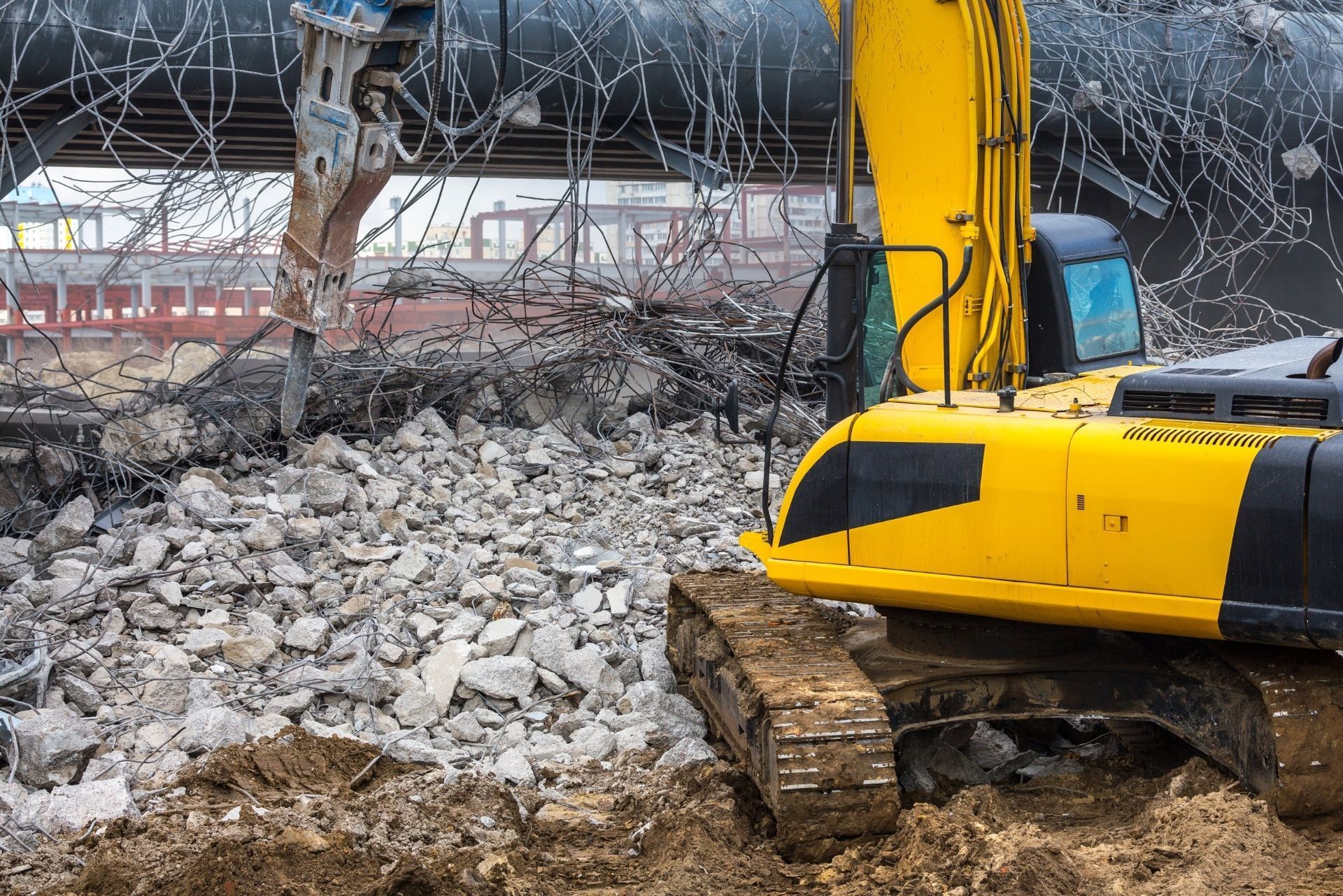
Demolition work inherently includes high-risk activities that call for a dynamic safety net. These risks range from accidental damage to neighboring properties to potential exposure to hazardous materials like asbestos. Contractors must be ready to handle claims that may arise from any number of unforeseen circumstances during the demolition process.
This type of work requires the highest degree of precision and adherence to safety protocols. Insurance policies for demolition contractors not only cover legal liabilities but also offer protections for costs incurred during delays or unexpected damages. A comprehensive policy typically covers a wide range of eventualities such as injuries, property damage, and third-party claims resulting from hazardous debris.
Given the inherently risky nature of demolition, a notable aspect of the coverage is the combination of general liability with specialized contractual clauses that address common pitfalls. These policies are designed to cover both typical hazards and the more obscure risks associated with older structures or contaminated sites. Having targeted insurance ensures that contractors are not left holding the bag when unforeseen incidents arise.
How Contractor Fraud Affects Premiums for All Consumers
Insurance premiums in Florida are already among the most expensive in the country, with the average premium reaching around $11,000 per year (The Title Report). Fraudulent activities by contractors not only add risk to the business environment but also significantly influence premium pricing. When insurers face higher losses due to fraud, they often pass those costs directly to consumers.
Attorney’s fees and expenses associated with fraudulent claims are also a major factor in the inflated costs. A study covering the period between 2017 and 2021 found that nearly three-quarters of the $51 billion payout by Florida insurers went to overhead costs like attorney fees and public adjusters, rather than to claimants (The Title Report). This imbalance in payouts demonstrates how the system penalizes genuine consumers and highlights the need for reform in the claims process.
For demolition contractors, this trend is particularly worrisome. An elevated risk of fraud in the industry may lead to less favorable policy terms and higher premiums for reputable contractors. It's critical, therefore, for businesses to maintain impeccable records and a commitment to ethical practices in order to help counteract the negative effects of fraud on their insurance costs.
Key Components of a Demolition Contractor Insurance Policy
A well-rounded insurance policy for demolition contractors blends multiple coverage aspects to address the varied risks inherent to this line of work. Primary components include general liability, pollution liability, workers' compensation, and equipment insurance. Each of these elements ensures that different risk vectors are adequately covered.
General liability is paramount. It protects against third-party claims for bodily injury or property damage that might occur during demolition projects. Pollutant liability is particularly relevant when older structures are involved because hazardous materials like asbestos or lead paint may be present. Workers' compensation ensures that employees are covered in case of work-related injuries, while equipment insurance protects expensive machinery from damage or theft.
In addition to these primary elements, many policies include clauses that address contractor fraud. Given the industry's recent challenges with fraudulent behavior, insurers are increasingly incorporating special provisions designed to detect and penalize deceptive practices. Such policies can provide recession measures when proof of fraudulent activity emerges, which can help mitigate the financial impact on both insurers and consumers.
Establishing Trust Through Transparency
For demolition companies in Florida, establishing trust with insurers and clients alike is essential. Transparency in practices and operations has become a benchmark for minimizing risks associated with contractor fraud. Clear documentation and comprehensive reporting of work completed not only build a contractor's reputation but also increase their credibility in the eyes of insurers.
Many insurers now require a detailed history of projects, including proof of completed work, which makes any attempt to engage in fraudulent activities easier to detect. Contractors who strictly adhere to these reporting practices can often secure better terms and more competitive premiums. This commitment to transparency thus serves as a dual advantage; it reduces the probability of fraud-related claims and enhances the contractor's market reputation.
Industry experts advise maintaining standardized records of each project, including signed confirmations and photographic evidence. By doing so, contractors can provide verifiable evidence to support their claims and address any potential disputes effectively. Such documentation is crucial, especially in a market where deliberate deception comes with steep penalties.
Mitigating the Risks: Best Practices for Demolition Contractors
To navigate the complexities of insurance and fraud in the demolition sector, contractors should adopt a series of best practices. One key step involves appointing a dedicated compliance officer or team to review operational procedures and ensure adherence to regulations. Regular internal audits and third-party inspections can significantly reduce the risk of claims arising from negligence or fraudulent practices.
Another best practice is to invest in ongoing training for all employees, with an emphasis on safety protocols and ethical standards. Regularly updated training programs help promote a culture of accountability within the company, reducing the temptation or occurrence of shortcuts that might lead to fraud. Encouraging a transparent dialogue amongst team members can also alert management early to potential issues before they escalate into costly claims.
Contractors should also foster close communication with their insurance providers. An open dialogue ensures that both parties remain comfortable with the risk profile of the business. Policies can be renegotiated or adjusted to better account for evolving industry standards and legislative reforms. Transparent communication combined with rigorous internal controls significantly curtails the probability of fraudulent claims, thereby keeping premiums in check.
Economic Effects of Demolition Contractor Fraud on Consumers
The consequences of contractor fraud extend far beyond individual businesses, deeply affecting consumers across Florida. When insurers face increased costs due to fraudulent activities, these expenses are ultimately passed on to the policyholders through higher premiums. Studies indicate that fraud accounts for a notable portion of the overall insurance cost burden, with premiums stretching as high as $11,000 annually in some instances (The Title Report).
This trickle-down effect has significant economic implications for families and homeowners, many of whom feel the weight of inflated insurance costs without fully understanding the underlying reasons. The ripple effects of fraud not only increase the cost of living but also discourage fair and competitive insurance practices. By targeting fraudulent activities, regulatory bodies hope to reduce the cost burden for consumers.
For consumers who hire contractors for demolition or remodeling projects, being aware of the risks is crucial. A recent survey by Home Advisor found that 36% of homeowners cite contractor fraud as one of their biggest concerns (Home Advisor Survey). Transparency, verified credentials, and due diligence on the part of the contractor can help alleviate these concerns significantly.
Coverage Comparisons: Demolition Contractor Insurance vs. Other Contractor Insurance
Choosing the right insurance policy often involves comparing different types of coverage to understand what unique advantages each one offers. Demolition contractor insurance tends to differ from conventional contractor policies in terms of the extent of coverage for hazards that are specific to deconstruction processes.
The table below outlines a side-by-side comparison between typical coverage for demolition contractors and coverage for general contractors:
| Coverage Aspect | Demolition Contractor Insurance | General Contractor Insurance |
|---|---|---|
| General Liability | Includes specific risks of structural collapse and hazardous material exposure | Standard property damage and bodily injury coverage |
| Pollutant Liability | Often a separate rider to include asbestos or lead exposure | Less common or included in broader terms |
| Workers’ Compensation | Customized for physically demanding demolition activities | Standard industrial risk coverage |
| Equipment Insurance | Specialized policies for high-value demolition machinery | Typical equipment coverage with lower limits |
| Fraud Prevention Clauses | Explicit clauses to deter contractor fraud and misrepresentations | Basic coverage without targeted fraud deterrents |
This table highlights that while both policies aim to minimize risk, demolition contractor insurance is tailored to address the nuanced challenges of deconstruction work. Contractors who invest in proper coverage benefit from explicit fraud deterrent measures and additional protection against environmental hazards.
Understanding these differences is essential for any demolition business that wants to protect itself fully. A comprehensive policy that aligns with the fixed risks of demolition can ultimately save contractors and consumers alike from the high costs associated with fraudulent claims.
Strategies to Maintain Lower Premiums Amid Fraud Concerns
With insurance fraud casting long shadows over the market, maintaining lower premiums becomes a strategic imperative for demolition businesses. Demonstrated commitment to ethical practices, transparent reporting, and regular training can all contribute to reducing a company’s risk profile. Detailed documentation of each project, including photographic evidence and audit trails, is a powerful approach to counteract any suspicions of fraud.
Contractors are encouraged to actively communicate with their insurers to update policies based on improving risk management practices. By showcasing a track record free of fraudulent incidents, it is possible to negotiate better policy terms. Close ties with local regulatory bodies and adherence to state guidelines further demonstrate a commitment to operational excellence, eventually leading to lower premiums.
Another effective strategy is participating in industry safety programs and regulatory workshops that highlight fraud prevention. These programs not only help keep teams well-informed about best practices but also signal to insurers that the business is proactive about risk mitigation. Such efforts can lead to positive adjustments in premium costs as the risk of fraudulent claims decreases over time.
Understanding the Broader Impact: Contractor Fraud on the Insurance Market
Contractor fraud adversely impacts more than just the businesses directly involved in fraudulent claims. Instead, its ripple effects influence the entire insurance market, painting a challenging portrait for both insurers and consumers. When fraudulent claims become prevalent, the entire risk pool is affected, driving up costs across the board.
For example, an increase in fraudulent activities means that legal and investigation expenses climb significantly. A study from 2017 to 2021 indicated that nearly three-quarters of awarded payouts went to covering expenses such as attorney fees and public adjusters (The Title Report). This diversion of funds from claimants to overhead costs inevitably forces insurers to adjust their premium calculations, leaving consumers with a higher financial burden.
When insurers are forced to account for the elevated costs of fraud, the likelihood of obtaining lower premiums for diligent contractors diminishes. This reinforces the need for all industry players to maintain high ethical standards and stringent internal controls. Such collective responsibility can drive market changes that eventually benefit both contractors and policyholders alike.
Frequently Asked Questions
What does demolition contractor insurance cover?
It covers general liability, pollutant liability, workers’ compensation, equipment insurance, and sometimes includes specific fraud prevention clauses designed for the demolition industry.
How does contractor fraud impact my insurance premium?
Fraudulent practices force insurers to consider higher risks and legal costs when calculating premiums, often resulting in increased rates for both fraudulent and honest claims (Florida Daily).
Are there specialized policies for demolition contractors?
Yes, specialized policies address the unique risks of demolition work, offering coverage for hazardous materials, structural collapse, and even targeted clauses for fraud prevention.
How can contractors lower their premiums?
Maintaining thorough documentation, investing in regular training, and ensuring clear communication with insurers can demonstrate a lower risk profile.
What role do legislative reforms play in the insurance industry?
Legislative reforms aim to stabilize the insurance market by reducing underwriting losses and targeting fraudulent activities, thus ultimately lowering premium costs (BellKen Insurance).
Why is transparency so critical for demolition contractors?
Transparency builds trust with insurers and consumers, ensuring that there is verifiable evidence of quality work, which can lead to more favorable insurance terms.
Best Practices and Future Outlook for Demolition Contractor Insurance
Looking forward, the landscape for demolition contractor insurance in Florida appears to be evolving as both market and regulatory forces push for greater accountability. Best practices, such as detailed quoting, strong record keeping, and proactive risk management, are likely to become industry standards. These habits not only defend against fraudulent claims but also contribute to a more robust overall insurance environment.
With legislative reforms demonstrating significant positive impacts and aggressive targeting of contractor fraud, the future indicates a potential drop in premium costs for ethical contractors. However, the system relies heavily on adherence to best practices and willingness to invest in safe operational procedures. Embracing technology for accurate reporting, automated compliance checks, and routine audits can ultimately lead to smarter underwriting and more competitive premiums.
Industry leaders emphasize that the road ahead requires a dynamic approach to risk management. As insurers and legislators work closely together, regular reassessment of policies based on current data ensures that the insurance market stays responsive and equitable. Continued dialogue on reform and innovation supports a system where fairness and transparency become the norm.
The Impact of Contractor Fraud on the Broader Community
Beyond the immediate effects on premium pricing and policy terms, contractor fraud has a profound influence on the community at large. Fraudulent activities not only endanger lives and property but also erode trust between service providers and homeowners. When baseline expectations of quality and reliability are undermined, the entire market suffers.
This erosion of trust is felt in neighborhoods where approved contractors engage in deceptive practices. Fraudulent contractors may complete a single project, using it as a reference to solicit further contracts, thereby perpetuating a cycle that forces insurance companies to factor in higher risks (Florida Department of Financial Services). Homeowners who witness these practices later face steep insurance premiums as the costs of fraud are absorbed into their policies.
The broader social implication is that a compromised insurance market challenges the very fabric of modern building management and neighborhood safety. With more stringent policies and reforms becoming the norm, the market is finally pushing for a higher standard of quality control and transparency, ultimately benefiting the entire community.
Final Thoughts for Demolition Contractors
For demolition contractors operating in Florida, staying ahead of the curve means being proactive about risk management and transparent operational practices. Navigating the complex terrain of contractor fraud and escalating premium costs requires diligence as much as it demands adherence to legislative changes and industry best practices.
Maintaining comprehensive records, consistent training, and robust safety protocols not only protects against claims but also positions contractors as trustworthy and reliable. The benefits of these practices extend beyond insurance premiums, contributing to improved community relationships and stronger market credibility.
Cutting through the challenges, demolition contractors who prioritize ethical practices and align with updated state regulations will likely enjoy more competitive insurance rates and a better overall business reputation. As the insurance market continues to evolve, this alignment remains the cornerstone of sustainable, long-term success.
Looking Ahead: The Evolution of Insurance in the Demolition Sector
As the demolition industry adapts to the dual pressures of increasing risks and a tightening regulatory environment, the evolution of insurance coverage has already begun. The emphasis on fraud detection and transparent practices is ushering in a new era of risk management that benefits both contractors and the communities they serve.
Insurers are gradually shifting from blanket policies to more nuanced, tailored solutions that recognize the varied risks of demolition work. With the integration of advanced technology and stricter reporting requirements, it is expected that fraudulent activities will see a decline over time. This shift could very well result in a more level playing field, where legitimate contractors are not penalized for the actions of a few bad actors.
The continuous evolution of legislation, backed by data and industry insights, reaffirms that the future of demolition contractor insurance is both promising and challenging. Adapting to these changes remains critical for every stakeholder involved in ensuring that the Florida market remains sustainable and consumer-friendly.
Practical Steps and Resources for Demolition Contractors
Contractors who want to secure the best possible insurance coverage should regularly engage with industry seminars, workshops, and online resources aimed at promoting best practices and fraud prevention. These resources not only provide valuable insights but also facilitate networking opportunities with insurance professionals and regulatory experts.
Additionally, embracing digital tools for project management and compliance tracking can lead to improved transparency and a more accessible audit trail for every project undertaken. By making use of modern technology, contractors can simplify the documentation process, thus further mitigating potential risks associated with claims disputes.
Staying informed is essential. Regular consultation of updates from trusted sources such as
NICB and other industry watchdogs ensures that contractors remain aware of the latest legislative changes and trends in contractor fraud. This proactive approach strengthens confidence and positions contractors for continued success in a competitive market.
Final Reflections
Florida demolition contractors stand at a critical juncture where risk management, ethical practices, and evolving legislative environments intersect. The interplay of these factors not only determines the insurance premiums but also the overall health and reputation of the industry. In a state where insurance premiums already rank among the highest in the nation, every measure to prevent fraud and promote transparency pays dividends both in financial savings and in customer trust.
The journey towards more stable and predictable insurance costs involves concerted efforts on all fronts – from rigorous internal compliance and record keeping to adopting innovative risk mitigation strategies. With continued collaboration among contractors, insurers, and regulators, the future holds promise for a more streamlined, equitable market for demolition contractor insurance.
This article underscores the importance of understanding and managing risks associated with demolition contracts, with a strong emphasis on fraud prevention and compliance. With the right strategy in place, demolition contractors can not only secure competitive insurance rates but also contribute positively to the broader industry by ensuring that fairness and accountability remain the standard practice.
Frequently Asked Questions: In-Depth
How does demolition contractor insurance differ from standard contractor insurance?
Demolition contractor insurance includes coverage tailored specifically to the hazards and risks inherent in demolition work, such as pollutant liability and targeted fraud prevention measures. Standard contractor insurance may provide only general liability, without the nuanced protections needed for demolition work..
What specific steps can contractors take to avoid fraudulent claims?
Implementing thorough documentation, engaging in routine audits, and ensuring prompt, transparent communication with insurers can help minimize fraudulent claims. Regular training on industry regulations further reduces the risk of accidental non-compliance.
Why have insurance premiums increased for demolition contractors in Florida?
Insurance premiums have risen primarily due to the high incidence of fraudulent claims in the industry, which drives up overhead costs and legal fees. Legislative reforms and better compliance measures are working to counterbalance these increases over time.
How do recent legislative reforms help lower losses for insurers?
Recent legislative reforms have reduced underwriting losses drastically, from billions in 2022 to significantly lower figures in 2023, enabling insurers to stabilize premium rates and reduce the overall cost burden (BellKen Insurance).
What benefits do contractors gain from using specialized insurance policies?
Specialized policies offer tailored risk management for the unique hazards present in demolition work, which in turn helps to secure better terms, lower premiums, and a stronger public reputation.
Are there any industry resources that help keep contractors informed about best practices?
Yes, industry bodies such as NICB and various state regulatory agencies offer regular updates, training, and resources aimed specifically at enhancing contractor compliance and risk management strategies.
Wrapping Things Up
The demolition industry in Florida navigates a complex landscape filled with significant risks and heightened regulatory oversight. With insurance premiums among the highest in the nation, every demolition contractor must remain vigilant about fraud prevention and internal risk management. Transparent operations coupled with consistently updated records are not just bureaucratic necessities but also a sound business strategy that benefits the entire market.
By aligning operational practices with state-grade reforms and informed risk management strategies, demolition contractors can protect themselves from the cascading effects of fraudulent claims. The benefits extend beyond individual businesses, creating a market environment that is fairer, more transparent, and more financially sustainable for consumers. The future of demolition contractor insurance will depend on a continued commitment to ethical practices, proactive risk monitoring, and open communication between insurers and the industry.
For contractors looking to thrive in this challenging environment, the message is clear: invest in comprehensive, tailored insurance coverage; maintain rigorous standards in documentation and transparency; and stay abreast of evolving legislative trends. These steps will ensure that both your business and the broader community remain protected, reinforcing the integrity of the industry as a whole.
For IT service providers in Florida, understanding the distinctions between different coverage options can significantly enhance decision-making. The table below provides an overview of common policy features relevant to IT service operations:
ABOUT THE AUTHOR: PAUL RAMENTOL
I am the Owner and President of Mesa Insurance Agency. I help individuals and business owners across Florida secure personal and business insurance coverage that supports their needs. My focus is on clear guidance, direct communication, and long-term support without call-center delays or confusion.
Contact Us

Personal Coverage Options
Insurance Built for Everyday Protection
Mesa Insurance Agency provides personal insurance coverage designed to support daily life. Our team reviews risks and coverage needs to help clients secure dependable protection at fair rates.
Dental & Vision Insurance
Coverage that helps manage routine dental and vision care costs.

Business Coverage Options
Insurance Built for Business Protection
Mesa Insurance Agency provides business insurance coverage that helps protect operations, employees, and property. We work with multiple carriers to offer coverage options that support daily business activities and long-term stability.
Commercial Auto Insurance
Coverage for business-owned vehicles, drivers, and accident-related liability exposure.
General Liability Insurance
Protection against third-party injury, property damage, and common business liability risks.
Professional Liability Insurance
Coverage for claims related to professional services, advice, or service errors.
Workers’ Compensation Insurance
Coverage that helps support employees with work-related injuries and medical costs.
Commercial Property Insurance
Protection for buildings, equipment, inventory, and physical business assets.
Errors & Omissions Insurance
Coverage for financial losses caused by mistakes, omissions, or service-related claims.
Industries We Serve
Serving Businesses Across Multiple Sectors
Mesa Insurance Agency works with business owners across Florida to provide insurance coverage that supports daily operations. We understand common risks faced by different industries and help clients secure reliable protection.

Construction and Trades Insurance
Coverage for job sites, vehicles, tools, and workplace risks.

Hospitality Businesses Insurance
Insurance for restaurants, bars, and service-based operations.

Retail and
Commercial Properties
Protection for storefronts, inventory, and customer-related liability.
Our Approach
Insurance Made Easy to Understand
Mesa Insurance Agency provides business insurance coverage that helps protect operations, employees, and property. We work with multiple carriers to offer coverage options that support daily business activities and long-term stability.
Insurance FAQs
Helpful Answers for Florida Clients
Support you can rely on.

What makes Mesa Insurance Agency different?
We are an independent agency with access to multiple carriers. This allows us to offer flexible coverage options.
Clients work directly with licensed agents. Service continues beyond the policy start date.
Do you offer coverage for individuals and families?
Yes. We provide personal insurance for individuals and families across Florida.
Coverage includes auto, home, health, life, and flood insurance. Our team explains each option clearly.
Do you work with small and mid-sized businesses?
Yes. We work with businesses of many sizes and industries.
Our team helps identify risks and secure appropriate coverage. Ongoing service is included.
Can I make changes to my policy later?
Yes. Policies can be updated as needs change.
We assist with coverage adjustments, additions, and removals. Clients can contact us directly for help.
Is flood insurance required in Florida?
Flood insurance is not always required, but it is strongly recommended in many areas.
Standard home insurance does not cover flood damage. Our team can review your flood risk and options.
How do I contact your office?
You can contact us by phone, email, or through our website.
Our team responds promptly during business hours. Support is always available when needed.
From the Blog
Insurance Topics That Matter
Clear answers for common questions.







Client Reviews
Trusted by Clients Across Florida
Mesa Insurance Agency is proud to serve individuals and businesses throughout Florida. Clients choose us for clear communication, responsive service, and reliable insurance support. Their feedback reflects our focus on long-term relationships and consistent service.
Contact Us