Roofing and acoustical ceiling contractors in Florida face an increasingly complex insurance landscape, with unique challenges and opportunities that require expert attention. A recent report by the South Florida Sun-Sentinel reveals that nearly 60% of roofing contractors in South Florida do not provide workers' compensation insurance to their employees. This statistic underscores the importance of understanding and securing the right insurance coverage to protect business owners and their workforce.
Contractors specializing in acoustical ceiling installation must navigate regulatory requirements, fluctuating workers' compensation rates, and the increased need for risk mitigation strategies within a dynamic market. Insurance policies tailored to this niche not only safeguard contractors from financial losses but also help enhance credibility when bidding on projects, particularly in a competitive state like Florida.
Understanding the Unique Insurance Needs of Acoustical Ceiling Installers
Acoustical ceiling installers in Florida handle projects that often involve complex building systems and precise installation techniques. Protecting these services requires a combination of general liability, commercial property, and specialized workers' compensation policies. Given the substantial investment in equipment and labor, the absence of effective insurance coverage can lead to severe financial repercussions if accidents or claims arise.
Regular contractors might not face the same level of risk as those installing acoustical ceilings, where the work environment entails challenges such as intricate designs, potential exposure to hazardous materials, and high customer expectations. This field demands that businesses maintain both operational continuity and fiscal responsibility, making the selection of the right insurance portfolio a pivotal decision.
Expert insights suggest freezing workers' compensation rates now may block future decreases, potentially saving employers about 30% over time, as stated by Brett Foster, Executive Director of NCCI (Insurance Journal). Maintaining competitive premium levels while ensuring robust protection is crucial for drywall, ceiling, and acoustical contractors alike.
Key Coverage Types for Acoustical Ceiling and Roofing Contractors
Workers’ Compensation Insurance
Workers’ compensation remains one of the most critical pieces of insurance for contractors. It ensures that employees receive appropriate benefits in case of injury on the job. Despite its importance, a concerning statistic indicates that approximately 60% of roofing contractors in South Florida neglect this requirement (South Florida Sun-Sentinel). Ensuring that acoustical ceiling installers comply with workers’ compensation laws not only protects employees but also shields the business from potential legal ramifications.
These policies cover medical expenses, rehabilitation costs, and lost wages, which are paramount in an industry where physical labor is the backbone of every project. Failing to secure this coverage can expose contractors to hefty fines and lawsuits that jeopardize business survival.
The significant drop in workers’ compensation rates in Florida, with a reported cumulative decline of 74% since 2003 (Insurance Journal), reflects evolving market conditions and risk assessment improvements. However, these positive trends should not lead contractors to become complacent with risk management, as fluctuations can still occur.
General Liability Coverage
General liability insurance covers claims related to bodily injury, property damage, and personal injury claims arising during the execution of acoustical ceiling installations. Contractors often work on varied sites-from commercial settings with high foot traffic to residential areas-and these diverse environments elevate the risk of accidental damage or injury. Without coverage, a single claim could devastate a contractor’s financial health.
This coverage is essential for protecting against unforeseen events. This includes injuries to clients, damage claims from subcontractors, or any mishaps that occur during the installation process. Given the complexity of acoustical ceiling work, comprehensive liability policies can help mitigate potentially crippling expenses while maintaining project integrity.
Insurance tailored for acoustical ceiling installations often bundles liability with property protections, ensuring that equipment and workspaces remain covered during renovations or installations. Contractors benefit from a unified solution that simplifies the claims process and reinforces operational stability.
Property and Equipment Insurance
Contractors frequently invest in specialized tools and equipment that are vital for precision in acoustical ceiling installations. Property insurance safeguards these investments, covering damage or loss caused by theft, fire, or natural disasters-a particularly relevant consideration in Florida’s climate.
Without adequate coverage, the cost of repairing or replacing damaged equipment can lead to significant downtime and financial strain. For contractors whose tools are constantly in use, timely access to replacement equipment is crucial to keeping business operations running smoothly.
This type of policy also extends to workspaces, which may include storage facilities or on-site workshops. Drawing from the broader industrial context, cases where unlicensed contractors defrauded homeowners in Pasco County highlight the financial risks of insurance claims mishandling (Florida Department of Financial Services).
Regulatory and Market Dynamics Impacting Insurance in Florida
Florida’s vibrant construction and renovation market, accompanied by its susceptibility to hurricanes and severe weather, creates a unique regulatory and market dynamic. Contractors in this state must navigate a careful balance between mitigating risks with comprehensive insurance and managing escalating claims costs.
Recent legal developments, such as a Florida appeals court decision in June 2023 that ruled insurance carriers are not required to pay for an unused engineering report (Insurance Journal), affect both underwriting practices and claim settlements. Such decisions keep contractors alert to evolving industry standards and the importance of adequate coverage that withstands legal scrutiny.
This environment is further complicated by the rate fluctuations observed in workers’ compensation. While frozen rates might save costs according to expert opinions by blocking future decreases, fluctuations in claims and risk profiles continuously shift the market landscape. Acoustical ceiling contractors must thus continuously review and adapt their insurance policies to remain compliant and protected.
Managing Claim Risks and Mitigation Strategies
Proactive Safety Measures and Training
Effective risk management starts with investing in thorough employee training and robust safety protocols. Given the physical demands and installation risks associated with acoustical ceilings, ensuring that teams are up to date on safety best practices can decrease the likelihood of on-site accidents and subsequent claims.
Contractors who incorporate regular safety drills and update their training programs with the latest building codes and safety techniques build an internal culture that values risk avoidance. In many cases, insurance companies consider these proactive measures when determining premiums, often offering discounted rates or improved policy terms.
Regular training sessions not only protect workers but also act as a valuable investment by reducing long-term liability. Effective safety training minimizes disruptions on a job site and demonstrates a commitment to excellence - a crucial differentiator in this competitive market.
Embracing Hurricane-Hardening Techniques
In Florida, where extreme weather conditions are a perennial reality, contractors must consider hurricane-hardening techniques to reduce their exposure to damage claims. Emphasizing resilient installation practices and using materials engineered to withstand high winds and heavy rain can positively affect insurance premiums.
Mike Silvers, of the Florida Roofing & Sheetmetal Contractors Association, has been a strong advocate for more roofers to incorporate hurricane-hardening work (Insurance Journal). The same principle applies to acoustical ceiling installations: employing robust techniques and utilizing high-grade materials can minimize structural vulnerabilities and boost consumer confidence.
Contractors who demonstrate a commitment to hurricane resilience often experience fewer claims in the aftermath of a storm. This proactive approach not only helps in saving on insurance costs by reducing the frequency of claims but also enhances overall customer satisfaction and trust in the contractor’s work.
Technology Integration and Claims Management
Utilizing modern technology tools for project management and claims documentation has become increasingly important in the construction and installation industries. Software solutions enable contractors to manage schedules, maintain records, and promptly report incidents.
These systems are particularly valuable during claims processing, ensuring that documented evidence supports the contractor’s case when disputes arise. Accurate records, including photographs and detailed work logs, increase the likelihood of outsized claims being managed efficiently and fairly.
Technology not only speeds up the claims process but also ensures transparency. By implementing advanced solutions that integrate with insurance providers, contractors can receive timely updates on the status of claims, mitigating potential delays and ensuring a more seamless experience in high-pressure situations.
Evaluating Policy Providers and Coverage Options
Selecting the right insurance provider is as crucial as choosing the type of coverage. Acoustical ceiling installers in Florida must evaluate providers that understand the nuances of the regional market and construction industry risks. Effective provider evaluation involves understanding the provider’s claims handling process, customer service quality, and willingness to customize policies to meet specific contractor needs.
Some insurance firms offer tailored plans that bundle multiple coverages such as general liability, workers' compensation, and property insurance into a single package, thereby simplifying administration and potentially reducing costs. Researching provider history, reading customer reviews, and seeking recommendations can help contractors feel confident in their insurance choices.
It is essential to note that policy features may change over time. A study by Acousti Engineering Co. of Florida, an established company with over $250 million in revenue and 22 branches across the Southeastern U.S., reflects the growing importance of insurance in supporting continuous business operations in competitive markets (Walls & Ceilings Online).
Balancing Premium Costs With Adequate Coverage
The constant challenge for contractors, including acoustical ceiling installers, is finding the balance between premium cost and comprehensive coverage. While businesses aim to minimize expenses, skimping on necessary coverage can lead to large out-of-pocket losses when accidents occur. Insurers often grapple with how to set rates that reflect actual risk exposure without unduly burdening contractors.
A noteworthy observation by industry experts suggests that freezing workers' compensation rates today might block future decreases, ultimately offering cost savings of around 30% (Insurance Journal). For acoustical ceiling contractors, smart policy management involves carefully reviewing and comparing various plans to ensure financial feasibility without sacrificing essential protections.
Decision-making should consider both the current insurance market trends and future projections within the Florida construction sector. While comprehensive policies might seem expensive initially, the long-term savings and protection they offer can far outweigh the upfront costs, especially in a state where severe weather and regulatory shifts are persistent concerns.
Enhancing Customer Confidence Through Insurance Coverage
When clients are choosing a service provider, insurance coverage often plays an unspoken yet crucial role in their decision-making. Customers look for contractors who have taken every precaution to safeguard their projects, properties, and personal well-being. Using robust insurance coverage as a marketing tool can create a competitive edge in a crowded marketplace.
Acoustical ceiling installers who highlight their comprehensive insurance portfolio reassure homeowners and commercial property managers that they are dealing with professionals dedicated to risk management and operational excellence. In many cases, the visibility of policies and insurance credentials serves as a form of quality assurance that instills confidence at the outset of a project.
Transparent communication of insurance coverage details not only improves client trust but also positions the contractor as an accountable enterprise focused on reliability and safety. Leveraging this advantage in proposals and marketing materials can be as effective as any technical skill or price point advantage.
Cost-Saving Strategies and Best Practices
One of the top challenges for contractors is managing rising operation costs while maintaining comprehensive coverage. Detailed evaluations of project risks and historical claims data can help in negotiating better policy premiums and discounts. Insurance providers are increasingly using data-driven models to assess risk and adjust rates to reflect the true exposure faced by contractors.
Businesses that document their safety improvements and invest in employee training often qualify for lower rates. This not only reduces overall costs but also encourages contractors to adopt best practices in workplace safety. Reliable safety records and minimized claim histories demonstrate stability and a proactive approach to risk mitigation.
Another strategy involves regular policy reviews and engaging insurance brokers knowledgeable about the Florida market to identify adjustments or bundled coverages. Contractors who compel their insurers with evidence-based risk assessments may find themselves in a position to negotiate better terms. These measures ensure that while premiums are kept under control, adequate protection is never sacrificed.
Financial Implications of Underinsurance and Insurance Fraud
Underinsurance remains a serious concern in Florida’s construction industry. Recent findings report that unlicensed roofing contractors defrauded homeowners in Pasco County out of specific insurance claim amounts in a short duration (Florida Department of Financial Services). Although this figure specifically relates to roofing, the underlying risk of underinsurance or insurance fraud affects acoustical ceiling contractors alike.
Ensuring adequate coverage helps mitigate the impact of fraudulent claims and unexpected financial burdens. Contractors must maintain rigorous internal controls and stay updated on regulatory changes to avoid pitfalls associated with underinsurance. This aspect of risk management emphasizes the importance of accountability and transparency in all business practices.
Additionally, the legal landscape in Florida continues to evolve. A ruling in June 2023 clarified that insurance carriers are not required to cover costs for unused engineering reports (Insurance Journal). For contractors, such legal precedents remind them to be proactive and cautious by choosing policies that encompass every potential aspect of their operations.
Developing a Resilient Insurance Strategy for the Future
The fluctuating nature of workers’ compensation rates and rapid changes in construction-related risks call for a resilient and adaptable insurance strategy. Acoustical ceiling contractors must build relationships with insurers that offer flexibility, understand their business model, and are willing to customize policies. This tailored approach not only shields businesses during turbulent periods but also positions them to capitalize on opportunities when market conditions improve.
Effective strategies include periodic policy assessments, staying informed on market trends, and active communication with insurance brokers. Building a reputation as a responsible and informed business can translate to lower premiums, faster claim settlements, and ultimately, a more sustainable business model in the competitive Florida market.
Long-term planning should include not only risk mitigation but also a forward-looking view that considers the potential impact of natural disasters and technological advancements on the construction landscape. By integrating lessons learned from past claims and regulatory changes, contractors can refine their coverage to meet future challenges head-on.
Frequently Asked Questions
Q: What is the primary benefit of having comprehensive insurance for acoustical ceiling installers?
A: Comprehensive insurance protects contractors from financial liability, covers equipment damage, and provides workers’ compensation benefits, ensuring business continuity even in challenging circumstances.
Q: How do hurricane-hardening techniques affect insurance premiums?
A: Utilizing hurricane-hardening techniques reduces the risk of damage claims, which can lead to lower insurance premiums and fewer disputes after severe weather events.
Q: Why is workers’ compensation insurance critical for contractors?
A: Workers’ compensation provides essential coverage for employee injuries, covering medical fees and wages lost during recovery. Given the statistic that nearly 60% of roofing contractors in South Florida skip this coverage (South Florida Sun-Sentinel), contractors risk facing heavy fines and lawsuits.
Q: How can technology improve claims management for contractors?
A: Modern technology and software assist in detailed record-keeping and prompt documentation of incidents, which streamlines the claims process and ensures quicker resolution of disputes.
Q: What steps should a contractor take when evaluating an insurance provider?
A: Contractors should research provider reputations, review historical claim settlements, compare bundled coverage options, and consult knowledgeable brokers to ensure their policy aligns with industry risks and their specific operational needs.
Before You Go
Acoustical ceiling and roofing contractors in Florida must understand that insurance is not merely a regulatory formality-it's a vital investment in business stability. By selecting comprehensive policies that include workers’ compensation, general liability, and property insurance, contractors not only protect their businesses but also enhance their market reputation.
The landscape is evolving rapidly. Regulatory changes, evolving risk assessments, and technological advancements underscore the need for ongoing review and adaptation of insurance strategies. Embracing innovative solutions such as hurricane-hardening practices and digital claims management further reinforce robust risk management.
Insurance not only serves as a safety net in adverse situations but also positions businesses to rebuild quickly after unforeseen events. Strategic policy selection, proactive safety measures, and a continuous review of coverage details ensure that acoustical ceiling installers thrive in the competitive and unpredictable Florida market. For more detailed insights into the intricacies of rate management in Florida, industry professionals can consult the latest updates from the
Insurance Journal.
ABOUT THE AUTHOR: PAUL RAMENTOL
I am the Owner and President of Mesa Insurance Agency. I help individuals and business owners across Florida secure personal and business insurance coverage that supports their needs. My focus is on clear guidance, direct communication, and long-term support without call-center delays or confusion.
Contact Us

Personal Coverage Options
Insurance Built for Everyday Protection
Mesa Insurance Agency provides personal insurance coverage designed to support daily life. Our team reviews risks and coverage needs to help clients secure dependable protection at fair rates.
Dental & Vision Insurance
Coverage that helps manage routine dental and vision care costs.

Business Coverage Options
Insurance Built for Business Protection
Mesa Insurance Agency provides business insurance coverage that helps protect operations, employees, and property. We work with multiple carriers to offer coverage options that support daily business activities and long-term stability.
Commercial Auto Insurance
Coverage for business-owned vehicles, drivers, and accident-related liability exposure.
General Liability Insurance
Protection against third-party injury, property damage, and common business liability risks.
Professional Liability Insurance
Coverage for claims related to professional services, advice, or service errors.
Workers’ Compensation Insurance
Coverage that helps support employees with work-related injuries and medical costs.
Commercial Property Insurance
Protection for buildings, equipment, inventory, and physical business assets.
Errors & Omissions Insurance
Coverage for financial losses caused by mistakes, omissions, or service-related claims.
Industries We Serve
Serving Businesses Across Multiple Sectors
Mesa Insurance Agency works with business owners across Florida to provide insurance coverage that supports daily operations. We understand common risks faced by different industries and help clients secure reliable protection.
Construction and Trades Insurance
Coverage for job sites, vehicles, tools, and workplace risks.
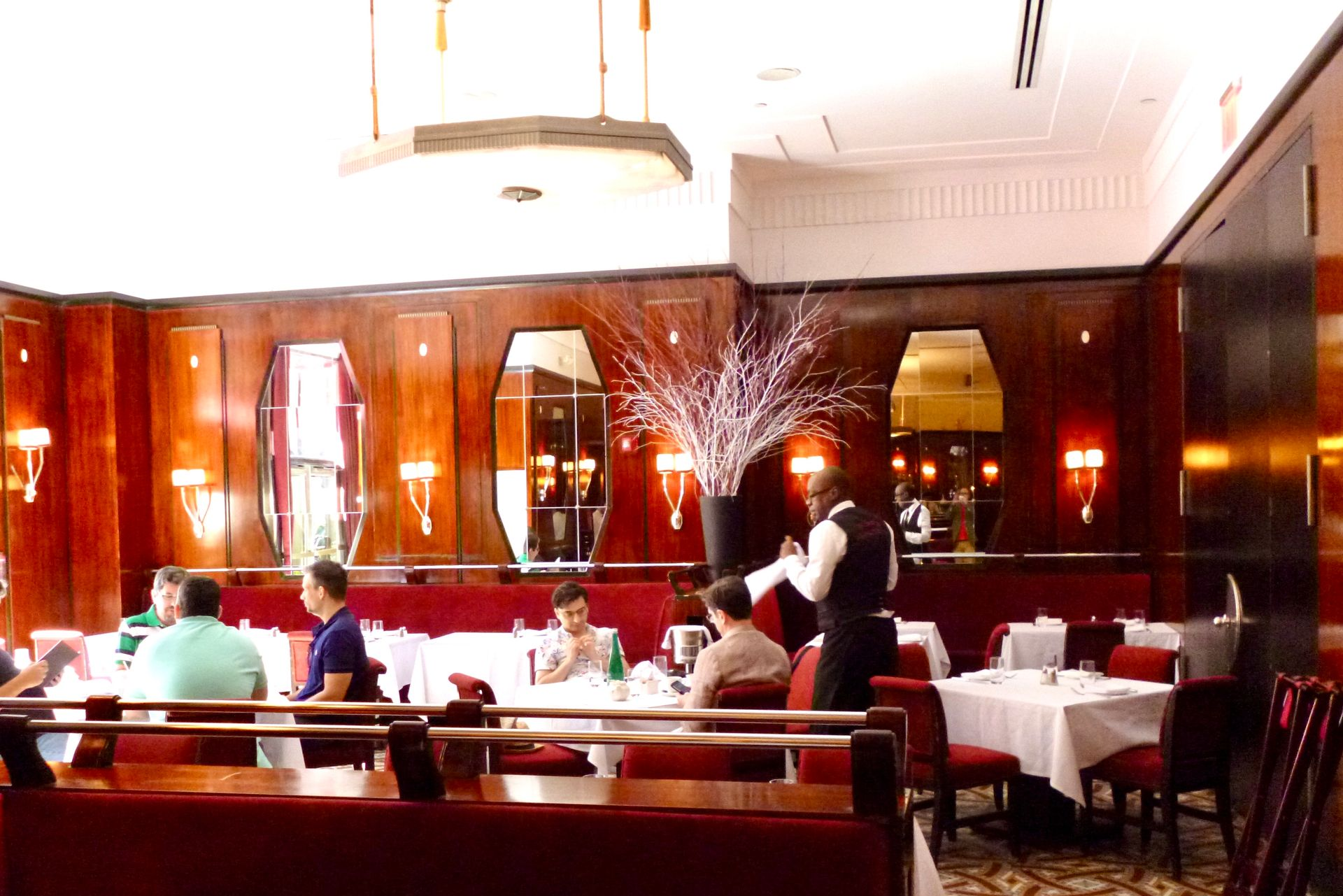
Hospitality Businesses Insurance
Insurance for restaurants, bars, and service-based operations.
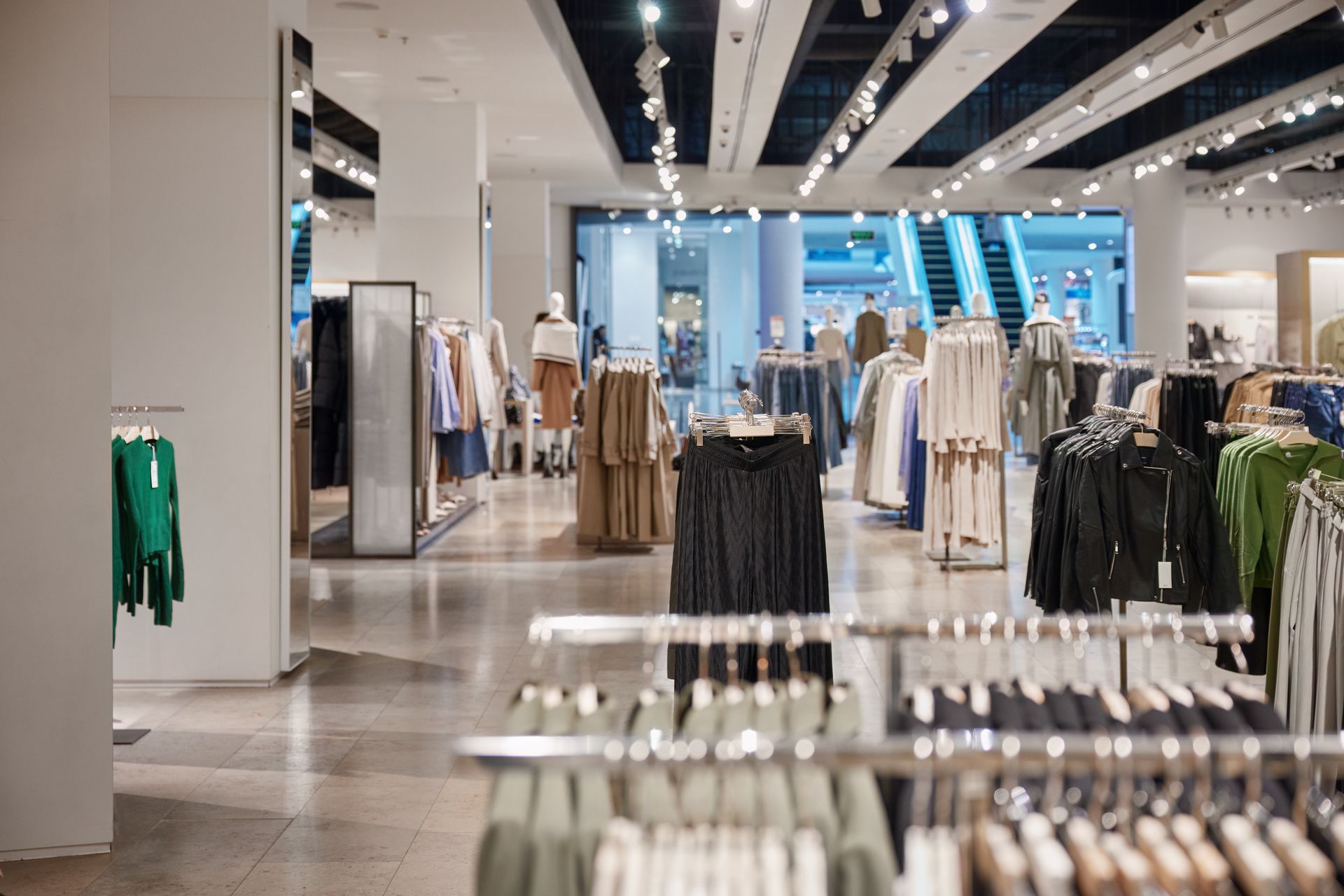
Retail and
Commercial Properties
Protection for storefronts, inventory, and customer-related liability.
Our Approach
Insurance Made Easy to Understand
Mesa Insurance Agency provides business insurance coverage that helps protect operations, employees, and property. We work with multiple carriers to offer coverage options that support daily business activities and long-term stability.
Insurance FAQs
Helpful Answers for Florida Clients
Support you can rely on.

What makes Mesa Insurance Agency different?
We are an independent agency with access to multiple carriers. This allows us to offer flexible coverage options.
Clients work directly with licensed agents. Service continues beyond the policy start date.
Do you offer coverage for individuals and families?
Yes. We provide personal insurance for individuals and families across Florida.
Coverage includes auto, home, health, life, and flood insurance. Our team explains each option clearly.
Do you work with small and mid-sized businesses?
Yes. We work with businesses of many sizes and industries.
Our team helps identify risks and secure appropriate coverage. Ongoing service is included.
Can I make changes to my policy later?
Yes. Policies can be updated as needs change.
We assist with coverage adjustments, additions, and removals. Clients can contact us directly for help.
Is flood insurance required in Florida?
Flood insurance is not always required, but it is strongly recommended in many areas.
Standard home insurance does not cover flood damage. Our team can review your flood risk and options.
How do I contact your office?
You can contact us by phone, email, or through our website.
Our team responds promptly during business hours. Support is always available when needed.
From the Blog
Insurance Topics That Matter
Clear answers for common questions.





Client Reviews
Trusted by Clients Across Florida
Mesa Insurance Agency is proud to serve individuals and businesses throughout Florida. Clients choose us for clear communication, responsive service, and reliable insurance support. Their feedback reflects our focus on long-term relationships and consistent service.
Contact Us