A sudden infestation at a client's property can lead to significant business interruptions and costly damages if an operator isn’t adequately insured. In Florida, where pest control is not only commonplace but a major industry, having the right coverage is essential for company sustainability.
Insurance solutions tailored for pest control operators provide protection for both physical damages and liabilities arising from the day-to-day operations. With over 14% of the nation’s pest management establishments located in Florida, the market is both robust and competitive. For more detailed industry statistics, check out the
Florida Pest Management Industry Economic Contributions Report.
Understanding the Scope of Florida’s Pest Management Industry
Florida’s pest management industry is a crucial part of the state’s economy. Most pest control operators are midsize or small businesses strategically located near densely populated urban centers where demand is highest. These operators tackle a broad spectrum of services, from termite and rodent control to mosquito and bedbug extermination.
Recent studies show that Florida’s pest control industry has expanded significantly over the last decade. The number of establishments in the state increased by 27% compared to 2007, reflecting robust industry growth. Employment figures have also seen a steady upward trajectory. This growth has created a marketplace where competition is fierce, and every business must be prepared for both predictable and unforeseen challenges.
The rising number of pest issues, partly because of Florida's warm and humid climate, combined with a surge in both residential and commercial contracts, demands that operators maintain not only operational excellence but also the right insurance policies to safeguard their business.
Key Components of Pest Control Insurance Coverage
General Liability Insurance
General liability insurance plays a pivotal role in safeguarding pest control businesses from third-party claims. Such claims could arise from property damage, bodily injury, or other operational mishaps. Operators must ensure that their policies cover accidental damages that might occur while servicing a property.
For instance, a mishap where a pesticide accidentally damages a client's garden can result in expensive litigation. Given the financial risks, having a robust general liability insurance policy is not optional-it is a vital part of a comprehensive risk management strategy.
Professional Liability Coverage
Another crucial element is professional liability coverage, sometimes known as errors and omissions insurance. This policy addresses potential claims against a company’s professional services. Should a client allege that improper pest management resulted in further infestation or property damage, this coverage is crucial.
Given the complexities of pest biology and the specific methods employed, mistakes can sometimes occur. Professional liability coverage protects the operator against allegations of negligence or failure to deliver the expected service level.
Property Insurance and Equipment Coverage
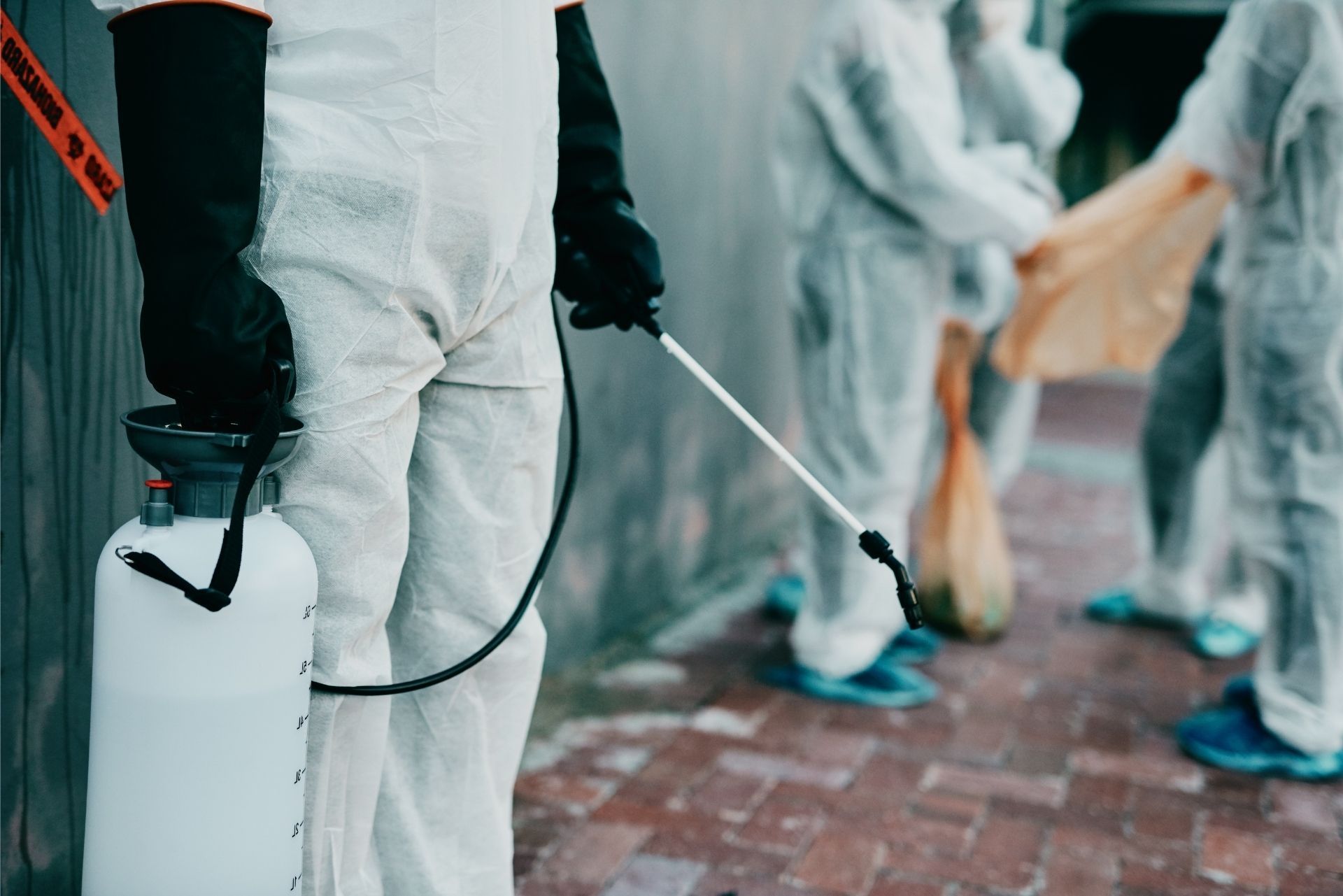
As pest control operators rely on various equipment-from sprayers to advanced monitoring tools-covering these assets is essential. Property insurance ensures that these expensive tools and vehicles used in daily operations are covered in case of theft, damage, or loss.
This type of coverage benefits businesses by allowing them to quickly replace damaged equipment, ensuring that service delivery is not significantly affected by unexpected events.
Legislative and Market Trends Affecting Insurance in Florida
Legislative reforms have mixed impacts on different sectors of insurance. As seen in recent press releases from the Insurance Information Institute, Florida’s property/casualty market is stabilizing as legal system abuses have been curbed. Operators in pest management, while not directly impacted by these reforms, benefit indirectly as the overall insurance environment becomes more predictable. For more details, review the Triple-I press release.
Insurance claims and litigation expenses, which previously drove premium increases, have recently seen a decline. In 2024, the industry noted a significant drop in claims-related litigation while maintaining nearly flat average premiums. This trend benefits not only large-scale insurers but also smaller enterprises, including pest control operators who now face a more stable pricing environment when renewing their policies.
The evolving legislative and market landscape reinforces the importance of selecting an insurer responsive to both industry-specific risks and broader market dynamics.
Risks Specific to Pest Control Operations
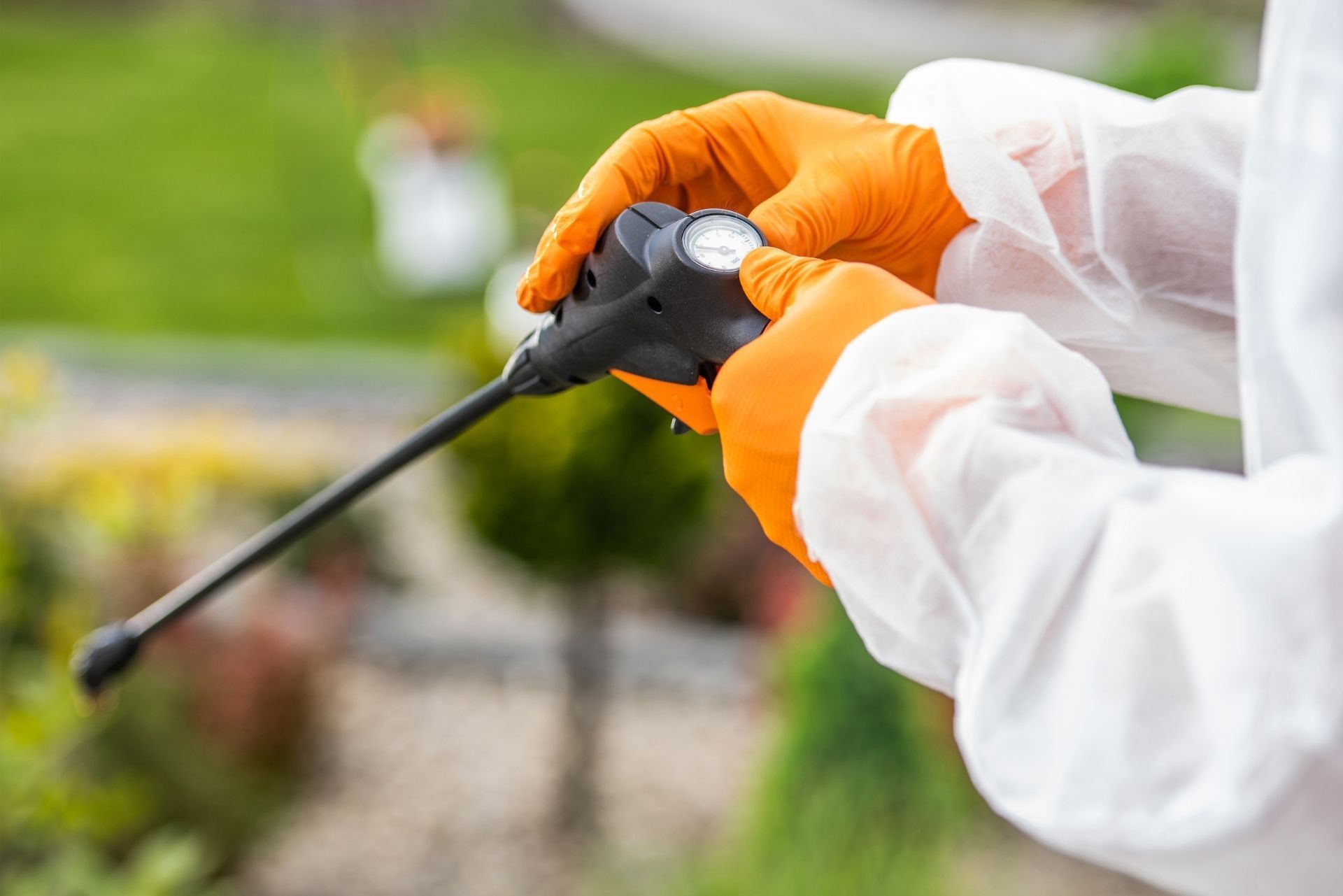
Pest control operations face risks that can have severe financial consequences if not properly insured. The use of chemicals, the possibility of accidents on client locations, and environmental hazards are inherent in the industry. Operators are responsible for safety protocols and correct handling of hazardous substances, making comprehensive insurance coverage critical.
In some instances, a single operational error or chemical spill can result in multi-figure claims. The stakes are high, and the costs of error can extend to both physical damage and reputational harm. This is why tailored insurance policies are developed to address these specific risks.
When evaluating risk management options, pest control operators should closely inspect their policy exclusions and limits. It is also essential to ensure that coverage extends sufficiently across various operational scenarios, protecting against both on-site and off-site claims.
Economic Impact and Growth of Pest Management in Florida
Florida's pest management industry is not just a service provider but a significant economic player in the state. According to recent research, the industry’s total wages increased from $472 million to $811 million between 2007 and 2020 (Florida Pest Management Report). This growth highlights the sector's evolving needs, including a greater demand for comprehensive insurance coverage.
Employment in pest control has expanded by nearly 31% over a span of 13 years, a clear indicator of the sector's vitality. As businesses expand, so do the complexities of operations, making the right insurance policy indispensable for continued success.
Furthermore, the industry's expansion is also evidenced by the 27% increase in the number of pest control establishments compared to the mid-2000s. With more businesses entering the market, there is an increased emphasis on policies that not only protect individual operators but also support industry-wide stability.
Developing a Tailored Insurance Strategy for Pest Control Operators
Developing an insurance strategy starts with a comprehensive risk assessment. Pest control operators should work with insurance brokers who understand the nuances of both the pest management industry and Florida’s unique regulatory environment.
A thorough assessment considers both common risks, such as property damage and personal injury, as well as industry-specific hazards like pesticide exposure. A proactive evaluation can reveal any coverage gaps, ensuring all aspects of business operations are included in the policy.
Additionally, operators should be aware of market consolidations. Although market share concentration in Florida’s pest management industry has increased somewhat due to consolidation trends, the overall concentration remains relatively low (University of Florida report). This means individual operators still maintain negotiating power with insurers and can seek competitive terms.
Understanding Policy Exclusions and Fine Print
No insurance policy is a one-size-fits-all solution. Pest control operators must carefully review policy exclusions to identify any limitations in coverage. While a comprehensive policy should cover most day-to-day operations, some exclusions are built into the terms based on risk factors associated with handling chemicals and equipment.
Reading the fine print is vital because operators must be aware of any potential gaps that could leave them exposed to financial risk. Working with knowledgeable agents can help clarify these details. This collaboration ensures that the policy truly reflects the unique needs and risks of the pest control industry.
One aspect of the fine print often overlooked is the claim process. A lengthy or complicated procedure can delay settlements, affecting cash flow and business operations. Operators should seek insurers with streamlined claims processing and a history of fair settlements.
Market Competition and Its Influence on Insurance Premiums
The competitive landscape in Florida’s pest management industry not only drives service innovation but also impacts insurance premiums. With a significant portion of the nation’s pest management establishments based in Florida, the industry benefits from a competitive market where providers continuously seek cost-effective and comprehensive solutions.
Data indicates that, between 2007 and 2020, premium-related factors such as total wages and employment growth have influenced the cost of insurance, making it a critical investment in protecting against operational losses. As the industry expands, choice in insurance providers increases, allowing operators to shop around for terms that best meet their needs.
Market pressures have also spurred insurers to design policies that accommodate the unique risks of pest control operations, making the industry a valuable case study on risk management. For those interested in understanding policy trends further, recent legislative reforms have stabilized the broader property/casualty market in Florida, as discussed in the
Triple-I report.
Best Practices for Maintaining Comprehensive Coverage
Keeping insurance coverage adequate and updated is not a one-time event; rather, it requires regular review aligned with business growth and operational changes. Regular risk assessments should be scheduled to adjust coverage limits or incorporate new risk factors that may arise.
Companies should track their claims history and make necessary adjustments during policy renewals. A history of claims-even if minor-can sometimes influence premiums or even the insurer’s willingness to cover specific risks. Maintaining a clean claims record through best practices in operations can also lead to premium discounts over time.
Operators who invest time in understanding their policy details often find that proactive management of their insurance portfolio mitigates financial risks significantly. Communicating regularly with insurance advisors helps ensure that evolving service lines and business expansions are covered appropriately.
Insurance is an essential line of defense, but it works best when integrated with robust safety and operational protocols. Pest control operators who invest in comprehensive safety training and state-of-the-art equipment not only reduce the likelihood of accidents but may also qualify for lower insurance premiums.
Implementing clear safety guidelines-from proper chemical handling to regular equipment maintenance-means fewer claims and a stronger safety record. Safety investments can directly correlate with reduced premiums, translating to significant cost savings over time.
In a sector where operational errors can prompt costly claims, having an embedded safety culture paired with insurance coverage can make a profound difference in an operator’s overall risk management picture.
Financial Considerations and Industry Outlook
Between 2007 and 2020, the pest control industry in Florida prospered financially, with wages soaring from $472 million to $811 million. This robust economic environment feeds into the need for a solid insurance policy that protects business growth and operational integrity (Florida Pest Management Report).
The financial upswing reflects not only increased business activity but also the complex challenges that arise as data volumes, client bases, and operational scopes expand. Financial health is closely tied to risk management, and an effective insurance strategy can buffer a company against unexpected financial shocks.
With the addition of a rising number of pest control establishments and expanding employment figures, there has never been a better time to revisit risk management strategies. As the market continues to evolve, operators can expect demand for specialized insurance policies to increase, further driving innovations in coverage design and risk assessment tools.
Comparing Coverage Options: A Closer Look at Key Features
For pest control operators, comparing different insurance policies involves looking at several key features. These include coverage limits, deductible options, and the scope of both general and professional liability. Below is a comparative look at typical elements found in pest control insurance policies.
The table below provides a side-by-side comparison of basic coverage vs. extended coverage options often recommended for pest control businesses:
| Feature | Basic Coverage | Extended Coverage |
|---|---|---|
| General Liability | Standard coverage for property and injury claims | Higher limits with additional endorsements |
| Professional Liability | Limited errors and omissions protection | Comprehensive protection including consultation errors |
| Property & Equipmenty | Covers basic tool and equipment replacement | Includes vehicles and advanced pest management equipment |
| Claims Process | Standard processing time | Streamlined process with dedicated support |
This basic versus extended table highlights how operators can evaluate not only the premiums but also assess the concrete benefits included in each policy package.
Steps to Secure the Right Insurance Policy
Choosing an insurance policy that fits a pest control business requires strategy. The first step is to compile a detailed list of potential risks and exposures. This assessment should spotlight areas such as employee safety, property damage, and the handling of chemicals, which are inherent risks in the pest control industry.
After this risk inventory, operators should reach out to several insurance providers. Comparing several quotes can reveal differences in policy terms and potential coverage gaps. It may also be helpful to discuss unique risks with brokers who specialize in the pest management or broader service industries.
Ensuring that the chosen policy is scalable is also critical. As the business grows, so too should the coverage. This proactive approach to insurance selection can prevent the need for disruptive mid-year policy adjustments.
Frequently Asked Questions
This section addresses common questions that pest control operators have about insurance and risk coverage. The questions are concise and meant to provide clarity on the complex issues involved.
Q: Why is general liability insurance a critical component for pest control businesses?
A: General liability coverage protects operators from claims related to property damage, bodily injury, and other mishaps. It is essential because a single accident can result in significant financial exposure.
Q: What distinguishes professional liability from general liability insurance?
A: Professional liability covers errors or omissions in the execution of professional services, including inadequate pest control measures. This type of coverage is particularly useful when clients allege negligence.
Q: How do legislative reforms in Florida affect insurance premiums?
A: Recent reforms have helped stabilize the property/casualty insurance market by reducing claims-related litigation. This has led to more predictable and, in some cases, lower premiums for insured businesses (Triple-I press release).
Q: Is it beneficial to invest in regular policy reviews for pest control businesses?
A: Yes, regular assessments can ensure that coverage remains aligned with new risks and business growth, ultimately providing better protection and potential premium savings.
Q: What role does safety training play in managing insurance costs?
A: Investment in safety training and new equipment reduces the likelihood of accidents, which can lead to fewer claims. A better safety record can also result in lower premiums over time.
Q: How should pest control operators go about choosing an insurer?
A: Operators should compare policy limits, deductibles, claim processes, and customer reviews, focusing on insurers experienced with service-based companies. Engaging with brokers who understand the industry is also highly recommended.
Wrapping Things Up: A Future of Secure Operations
As Florida’s pest management industry continues its expansion, operators must balance operational efficiency with robust risk management strategies. The increasing employment figures, a rise in wage totals, and a growing number of establishments underscore the importance of well-tailored insurance policies. With more than 14% of the nation’s pest management businesses calling Florida home, the need for specialized insurance is more pronounced than ever (University of Florida study).
By leveraging comprehensive policies that include general liability, professional liability, and property coverage, operators can protect their businesses against both everyday risks and rare, high-impact events. The evolving landscape-with legislative reforms and market stabilization impacts that extend even to unrelated sectors like home insurance-further emphasizes the need for targeted, adaptable coverage.
The future looks promising for pest control businesses in Florida, buoyed by a combination of market growth, improved safety protocols, and insurers increasingly tailoring their offerings to meet industry-specific needs. Securing the right insurance coverage becomes not just a financial decision but a strategic one that can secure long-term business health.
Final Thoughts on Insurance for Pest Control Operators
Ensuring robust insurance coverage is one of the best investments a pest control operator can make. It minimizes the financial impact of accidents, operational errors, or unforeseen events. With a detailed understanding of coverage options and a disciplined approach to risk management, operators can secure policies that grow with their business needs.
The market remains dynamic with industry data pointing to growth in establishments and employment, which in turn elevates insurance needs. This trend calls for proactive engagement with insurance providers who offer tailored solutions for the challenges unique to pest control operations. Detailed risk assessments, combined with regular policy reviews, contribute immensely to building a resilient business model.
As Florida continues to lead with innovation and expansion in pest management, operators who invest in comprehensive insurance will enjoy the peace of mind necessary to focus on service excellence. Understanding and mitigating risk through the right insurance coverage is not just advisable-it is essential for long-term success. For example, with industry figures showing a 27% increase in establishments and continued service demand, now is the time to align your risk management strategies with growth ambitions.
This article has explored the landscape of pest control insurance in Florida, provided insights into specialized coverage needs, and offered practical advice on comparing policies and selecting insurers. The goal has been to equip pest control operators with the knowledge required to navigate a complex and evolving field, helping them safeguard their investments while continuing to serve communities effectively.
ABOUT THE AUTHOR: PAUL RAMENTOL
I am the Owner and President of Mesa Insurance Agency. I help individuals and business owners across Florida secure personal and business insurance coverage that supports their needs. My focus is on clear guidance, direct communication, and long-term support without call-center delays or confusion.
Contact Us

Personal Coverage Options
Insurance Built for Everyday Protection
Mesa Insurance Agency provides personal insurance coverage designed to support daily life. Our team reviews risks and coverage needs to help clients secure dependable protection at fair rates.
Dental & Vision Insurance
Coverage that helps manage routine dental and vision care costs.

Business Coverage Options
Insurance Built for Business Protection
Mesa Insurance Agency provides business insurance coverage that helps protect operations, employees, and property. We work with multiple carriers to offer coverage options that support daily business activities and long-term stability.
Commercial Auto Insurance
Coverage for business-owned vehicles, drivers, and accident-related liability exposure.
General Liability Insurance
Protection against third-party injury, property damage, and common business liability risks.
Professional Liability Insurance
Coverage for claims related to professional services, advice, or service errors.
Workers’ Compensation Insurance
Coverage that helps support employees with work-related injuries and medical costs.
Commercial Property Insurance
Protection for buildings, equipment, inventory, and physical business assets.
Errors & Omissions Insurance
Coverage for financial losses caused by mistakes, omissions, or service-related claims.
Industries We Serve
Serving Businesses Across Multiple Sectors
Mesa Insurance Agency works with business owners across Florida to provide insurance coverage that supports daily operations. We understand common risks faced by different industries and help clients secure reliable protection.

Construction and Trades Insurance
Coverage for job sites, vehicles, tools, and workplace risks.

Hospitality Businesses Insurance
Insurance for restaurants, bars, and service-based operations.

Retail and
Commercial Properties
Protection for storefronts, inventory, and customer-related liability.
Our Approach
Insurance Made Easy to Understand
Mesa Insurance Agency provides business insurance coverage that helps protect operations, employees, and property. We work with multiple carriers to offer coverage options that support daily business activities and long-term stability.
Insurance FAQs
Helpful Answers for Florida Clients
Support you can rely on.

What makes Mesa Insurance Agency different?
We are an independent agency with access to multiple carriers. This allows us to offer flexible coverage options.
Clients work directly with licensed agents. Service continues beyond the policy start date.
Do you offer coverage for individuals and families?
Yes. We provide personal insurance for individuals and families across Florida.
Coverage includes auto, home, health, life, and flood insurance. Our team explains each option clearly.
Do you work with small and mid-sized businesses?
Yes. We work with businesses of many sizes and industries.
Our team helps identify risks and secure appropriate coverage. Ongoing service is included.
Can I make changes to my policy later?
Yes. Policies can be updated as needs change.
We assist with coverage adjustments, additions, and removals. Clients can contact us directly for help.
Is flood insurance required in Florida?
Flood insurance is not always required, but it is strongly recommended in many areas.
Standard home insurance does not cover flood damage. Our team can review your flood risk and options.
How do I contact your office?
You can contact us by phone, email, or through our website.
Our team responds promptly during business hours. Support is always available when needed.
From the Blog
Insurance Topics That Matter
Clear answers for common questions.







Client Reviews
Trusted by Clients Across Florida
Mesa Insurance Agency is proud to serve individuals and businesses throughout Florida. Clients choose us for clear communication, responsive service, and reliable insurance support. Their feedback reflects our focus on long-term relationships and consistent service.
Contact Us