A well-run grocery operation in Florida needs more than just fresh fruit and pantry essentials on its shelves. Behind the scenes, managing risks unique to the retail world is as critical as keeping inventory levels steady. When severe weather, unpredictable market shifts, and evolving state insurance reforms come into play, grocery retailers must have a robust insurance strategy. This article delves into the distinct challenges grocery stores face, examines current insurance trends in Florida, and offers insight into targeted coverage strategies. Recent industry reports show how changes in policy and risk dynamics impact every aspect of Florida’s retail sector.
Understanding Florida’s Evolving Insurance Landscape
The insurance market in Florida is in a state of flux. Not long ago, the market saw dramatic shifts in coverage policies, causing many sectors to adapt quickly. A notable example is the significant drop in active policies, which fell by 78% over the past decade. With Citizens Property Insurance Corporation now commanding a much larger share of the market than it once did, grocery retailers have had to reexamine their risk management strategies closely.
For grocery store operators, this uneven landscape means that several traditional forms of coverage might not adequately address the current financial and physical threats. The uncertainties of hurricane seasons and rising construction costs, compounded by volatile reinsurance markets, have forced insurers and policyholders alike to update coverage details more frequently than ever.
Interestingly, changing state dynamics also mean that legislative reforms can shape how claims are processed and claim costs are managed. Stores must be ready to respond to these changes, as they directly influence premium pricing and overall policy requirements.

Specific Risks Facing Grocery Retailers in Florida
Grocery retailers encounter unique challenges when it comes to insurance compared to other retail sectors. Among the pressing concerns are perishable inventory losses, inventory record inaccuracies, and the physical risk factors associated with operating from fixed-location stores in areas vulnerable to natural disasters. A study on grocery retailing revealed an association between record inaccuracies, restocking frequency, and product perishability, highlighting the complex operational risks that need coverage. This study provides a foundation for understanding how small operational errors can have large financial repercussions.
Retailers are often balancing the delicate interplay between inventory management and maintaining consistent quality. When a shipment delay occurs or when promotions lead to rapid turnover, a misstep in inventory record keeping can amplify financial losses – a situation that insurance can help mitigate. In areas particularly susceptible to storms, even a minor miscalculation in stock management might lead to claims that require more extensive coverage.
The costs of such claims, especially when combined with higher risks of fraud or inaccuracies, have made insurers more cautious. The increased frequency of consumer complaints regarding property-casualty insurers in Florida-rising from 10,219 in 2020 to over 23,400 in 2024-illustrates the growing tension between policyholders and insurers and underscores the need for clearer claim policies.
Industry experts suggest that these shifts in consumer sentiment can reshape the parameters of what constitutes adequate coverage.
The Impact of Reinsurance Costs and Legislative Reforms
Reinsurance plays a crucial role in Florida’s insurance arena, driving up premium prices and, in some cases, reshaping the overall structure of policies offered to high-risk sectors like grocery retailing. According to industry voices, the skyrocketing cost of reinsurance has been one of the primary drivers of recent premium increases. Locke Burt, CEO of Security First Insurance, emphasized that the increase in reinsurance expenses has a direct impact on the figures grocery store owners see when renewing their policies. His insights remind policyholders of the overarching challenges affecting all kinds of coverage in the state.
At the same time, legislative changes are playing an intriguing role in the Florida insurance market. Reforms aimed at lowering litigation costs and curbing excessive claim payouts are having mixed results. While these modifications have the potential to reduce operational costs for insurers, some retail operators have reported that insurers are less accommodating when it comes to the claims process. This shift may lead to a higher volume of consumer complaints and more frequent disputes when grocery stores find themselves in need of settlement after a loss.
For grocery retailers, understanding and anticipating these legislative shifts is critical. A comprehensive approach to insurance should now consider the possibility that changes in legal environments might tip the scale in favor of more stringent claim approvals or altered evaluation processes.
Industry experts have pointed out that adapting to these changes now could save time and expense when filing claims in the future.

Optimizing Risk Management Through Tailored Insurance Policies
The multifaceted risks that grocery retailers face require a comprehensive, tailor-made insurance solution. Managers should assess their specific needs based on location, inventory type, and historical claims data. Comprehensive coverage for physical damage, business interruption, and product-specific issues should be considered indispensable. Lessons learned from past claim trends can provide valuable perspective on how to structure policies for future resilience.
When determining the right level of coverage, managers should recognize the multiplicity of risks-from natural disasters like hurricanes to everyday operational missteps like inventory inaccuracies. Dedicated policy offerings that cover business interruptions can help mitigate unexpected losses, especially when weather events cause supply chain disruptions or when key equipment fails. An inventory-specific endorsement can be integrated to protect perishable goods, ensuring that even the minutest error does not spell financial disaster.
Collaboration with insurers to regularly review and update policy details can be a wise strategy. Industry reports suggest that insurance reforms in Florida are stabilizing the market. These reforms have already begun to lower litigation costs, which, in time, might yield a more predictable premium environment for grocery retailers. Maintaining an open dialogue with insurance providers ensures that policies are aligned with current operating practices and future business projections. This proactive stance serves to reduce ambiguities in claims handling and builds confidence in the coverage chosen.
Insurance Coverage Options for Grocery Retailers
When grocery store operators search for insurance policies, they encounter a spectrum of offerings designed to cover various risks. The primary objective for many retailers is to secure coverage that accounts for both property and operational risks. Some of the key insurance options include:
- Property Insurance – Protects the physical structure of the store, including built-in equipment and fixtures.
- Business Interruption Insurance – Offers protection when unforeseen events hamper daily operations, ensuring the business can cover operational costs during recovery.
- Inventory Insurance – Tailored specifically for the issues around perishability and stock inaccuracies common in grocery retailing.
- Liability Insurance – Provides a safety net in the event of injuries or damages on the premises.
Each option has distinct benefits designed to cover gaps where standard policies may fall short. Retailers should consider a holistic package that combines these protections into one seamless policy, reducing complexity while ensuring no potential risk remains uncovered. In practice, a consolidated policy can also simplify the claims process, especially under Florida’s evolving legislative framework that often complicates multifaceted claims. A recent survey found that more than half of Florida homeowners appreciate the expanded choice in carriers, emphasizing the importance of a customizable coverage approach.
Actual policy requirements will vary depending on a store’s specific location, size, and risk exposure. Consulting with an insurance professional who specializes in Florida retail operations is a vital step in formulating a policy package that truly meets operational needs.
Implementing Smart Loss Prevention and Mitigation Strategies
Beyond establishing a solid insurance policy, grocery retailers can greatly benefit from proactive loss prevention measures. Investing in technology for inventory management is one of many strategies that not only curbs shrinkage but also minimizes the risk of claims due to record discrepancies. A refined system that tracks perishable goods can alert managers to potential issues well before they develop into larger losses.
Smart building technologies have also emerged as crucial components in reducing property damage risks. From advanced weather-resistant window systems to early-detection fire alarms, these implementations add a robust layer of security that often leads to lower insurance premiums. Insurers are beginning to reward proactive, technology-driven approaches, recognizing that certain measures improve a store’s safety profile considerably.
Loss prevention extends to staff training and operational best practices. Regular training sessions on emergency protocols, proper handling of perishables, and accurate record keeping can reduce the need for insurance claims. By coupling these active management practices with a comprehensive policy, grocery retailers can create a risk management ecosystem that both mitigates losses and strengthens their claim positions when needed.
Legislative Considerations and Future Trends in Florida Insurance
Policyholders and insurers alike keep a keen eye on legislative changes that may shift the landscape further. Recent insurance reforms in Florida have signaled changes that could stabilize the market and even lower litigation costs. For grocery retailers, monitoring these developments becomes essential, given that the way claims are processed and adjudicated has direct implications on reimbursement timing and premium adjustments. Regulatory changes are part of an ongoing conversation between lawmakers, insurers, and industry experts such as those cited on Florida Times.
While some of these legislative shifts lead to more cautious claims handling, they also create a framework that supports lower risks for insurers. Retailers may find that as the insurance environment becomes more stable, coverage options continue to improve. Observers note that the positive momentum in reforms signals a long-term trend toward more balanced policy terms, even if the short-term claims process occasionally becomes more stringent. Keeping abreast of these trends provides a dual advantage: enabling grocery retailers to optimize their current policies and anticipate adjustments in the way claims might be managed in the future.
The evolution of Florida’s insurance market offers lessons not only in policy management but also in strategic business planning. Retailers who invest time in understanding how legislative nuances affect their coverage ultimately find themselves in a more secure operational position. By remaining informed and in regular communication with their insurance providers, grocery store operators can maneuver through the changing environment with confidence.
Effective Collaboration with Insurers and Brokers
Building a productive working relationship with an insurer can lead to more custom-tailored policies and streamlined claims processes. An open, transparent dialogue can clarify expectations and ensure that the coverage meets the specific demands of a grocery operation. As some reports point out, a stable market environment and more rigorous legislative measures are encouraging both insurers and policyholders to reassess their coverage terms.
In practice, this means retailers should not only review policy terms at the point of renewal but also schedule regular consultations with industry experts. Such briefings are valuable for understanding real-time changes in reinsurance costs and legislative shifts. Insurers who are receptive to feedback can adjust their terms to better suit the peculiarities of grocery retailing, which is especially important when unexpected events-such as power outages during storms or even discrepancies arising from inventory management errors-occur.
Effective communication also extends to the claims process itself. When policyholders engage directly with their insurer, negotiating clarity on claim avenues, deductibles, and special provisions can alleviate many of the frustrations reported by Florida consumers. A more engaged dialogue may lead to faster resolution times, less administrative hassle, and ultimately, enhanced satisfaction despite the inherent challenges of filing claims.
Data plays a central role in shaping modern insurance policies. For a grocery retailer, historical data on inventory turnover, loss patterns, and seasonal variations provides insights that insurers can use to tailor coverage more precisely. One study reviewing SKUs across multiple stores underscores the need to integrate operational data with insurance policy design. This integration not only optimizes risk management but also offers insights into potential savings on premiums when best practices are adopted.
Retailers who harness detailed operational reports are often better prepared during claim events, as their data can help substantiate losses. These detailed records prove essential when negotiating claim terms with insurers. The feedback loop created by this transparency in data sharing can lead to policy terms that are predictive rather than reactive, a substantial advantage in an increasingly competitive insurance environment.
In practice, integrating data-driven insights means adopting modern point-of-sale and inventory systems that automatically generate detailed reports. The increased clarity allows both the insurer and the policyholder to identify risk areas and adjust risk management practices accordingly. Ultimately, a smart combination of technology and comprehensive insurance can create a resilient and adaptable risk management framework for grocery retailers.
Frequently Asked Questions
What types of insurance are essential for grocery retailers in Florida?
Grocery retailers should consider property, business interruption, inventory, and liability insurance. Each type covers different operational risks, ensuring a well-rounded approach to managing potential losses.
How do recent legislative changes affect grocery store insurance?
Legislative reforms have led to stricter claims handling and may influence premium levels. Keeping informed helps retailers understand policy adjustments and prepare for smoother claims processing.
Can technology improve insurance outcomes for grocery stores?
Yes, advanced inventory management systems and smart loss prevention tools can reduce the frequency of claims and support faster, more accurate claim assessments.
Are custom policies available for unique risks faced by grocery retailers?
Many insurers offer tailored packages that consider perishable inventory risks, high foot traffic, and location-specific exposures, ensuring a comprehensive risk management approach.
How are reinsurance costs impacting premiums?
Rising reinsurance costs significantly influence premium pricing. Industry experts have pointed out that these increased expenses can pass through into higher overall costs for policyholders.
Learn more here.
Wrapping Things Up
Grocery retailers in Florida operate in an environment where risks extend far beyond shelf management. An evolving insurance landscape, marked by soaring reinsurance costs and legislative reforms, challenges traditional approaches. By understanding these risk dynamics and adopting tailored insurance policies, players in the retail sector can cultivate robust protection for their businesses.
Continual reassessment of coverage along with the implementation of advanced technology and best practices in loss prevention can help keep grocery operations secure, even amidst frequent industry updates. Constant dialogue with insurers ensures that changes in the regulatory framework do not leave any gaps in coverage.
This approach, underscored by data integration and proactive risk management strategies, provides grocery retailers with both operational stability and better financial outcomes. A secured policy paired with informed, vigilant management plays a critical role in weathering both expected and unforeseen challenges. As Florida continues to evolve on the insurance front, grocery retailers who adapt quickly and invest in thorough protections stand to benefit in the long run.
Recent developments highlight positive moves toward more balanced policy structures.
ABOUT THE AUTHOR: PAUL RAMENTOL
I am the Owner and President of Mesa Insurance Agency. I help individuals and business owners across Florida secure personal and business insurance coverage that supports their needs. My focus is on clear guidance, direct communication, and long-term support without call-center delays or confusion.
Contact Us

Personal Coverage Options
Insurance Built for Everyday Protection
Mesa Insurance Agency provides personal insurance coverage designed to support daily life. Our team reviews risks and coverage needs to help clients secure dependable protection at fair rates.
Dental & Vision Insurance
Coverage that helps manage routine dental and vision care costs.

Business Coverage Options
Insurance Built for Business Protection
Mesa Insurance Agency provides business insurance coverage that helps protect operations, employees, and property. We work with multiple carriers to offer coverage options that support daily business activities and long-term stability.
Commercial Auto Insurance
Coverage for business-owned vehicles, drivers, and accident-related liability exposure.
General Liability Insurance
Protection against third-party injury, property damage, and common business liability risks.
Professional Liability Insurance
Coverage for claims related to professional services, advice, or service errors.
Workers’ Compensation Insurance
Coverage that helps support employees with work-related injuries and medical costs.
Commercial Property Insurance
Protection for buildings, equipment, inventory, and physical business assets.
Errors & Omissions Insurance
Coverage for financial losses caused by mistakes, omissions, or service-related claims.
Industries We Serve
Serving Businesses Across Multiple Sectors
Mesa Insurance Agency works with business owners across Florida to provide insurance coverage that supports daily operations. We understand common risks faced by different industries and help clients secure reliable protection.

Construction and Trades Insurance
Coverage for job sites, vehicles, tools, and workplace risks.

Hospitality Businesses Insurance
Insurance for restaurants, bars, and service-based operations.
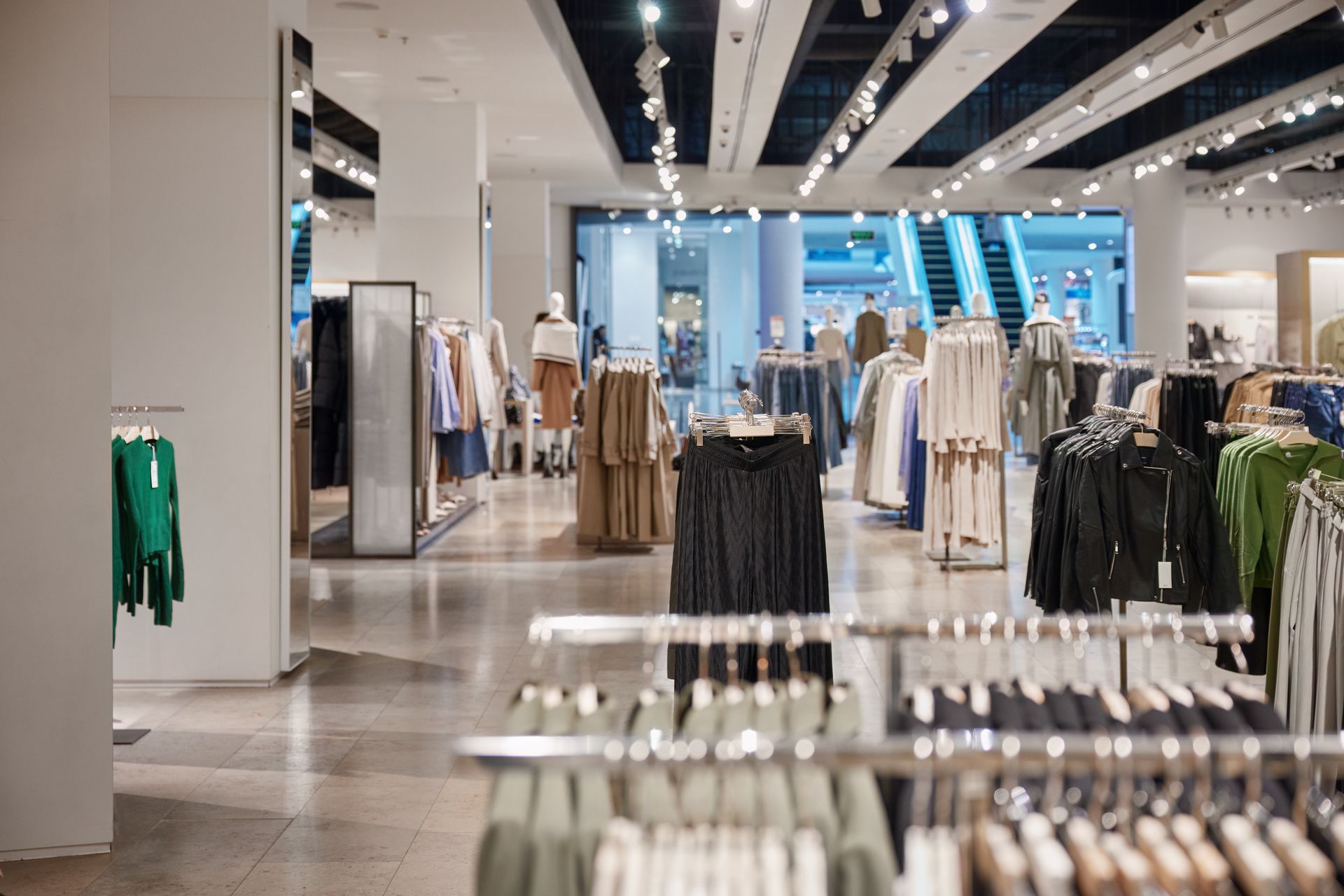
Retail and
Commercial Properties
Protection for storefronts, inventory, and customer-related liability.
Our Approach
Insurance Made Easy to Understand
Mesa Insurance Agency provides business insurance coverage that helps protect operations, employees, and property. We work with multiple carriers to offer coverage options that support daily business activities and long-term stability.
Insurance FAQs
Helpful Answers for Florida Clients
Support you can rely on.

What makes Mesa Insurance Agency different?
We are an independent agency with access to multiple carriers. This allows us to offer flexible coverage options.
Clients work directly with licensed agents. Service continues beyond the policy start date.
Do you offer coverage for individuals and families?
Yes. We provide personal insurance for individuals and families across Florida.
Coverage includes auto, home, health, life, and flood insurance. Our team explains each option clearly.
Do you work with small and mid-sized businesses?
Yes. We work with businesses of many sizes and industries.
Our team helps identify risks and secure appropriate coverage. Ongoing service is included.
Can I make changes to my policy later?
Yes. Policies can be updated as needs change.
We assist with coverage adjustments, additions, and removals. Clients can contact us directly for help.
Is flood insurance required in Florida?
Flood insurance is not always required, but it is strongly recommended in many areas.
Standard home insurance does not cover flood damage. Our team can review your flood risk and options.
How do I contact your office?
You can contact us by phone, email, or through our website.
Our team responds promptly during business hours. Support is always available when needed.
From the Blog
Insurance Topics That Matter
Clear answers for common questions.







Client Reviews
Trusted by Clients Across Florida
Mesa Insurance Agency is proud to serve individuals and businesses throughout Florida. Clients choose us for clear communication, responsive service, and reliable insurance support. Their feedback reflects our focus on long-term relationships and consistent service.
Contact Us