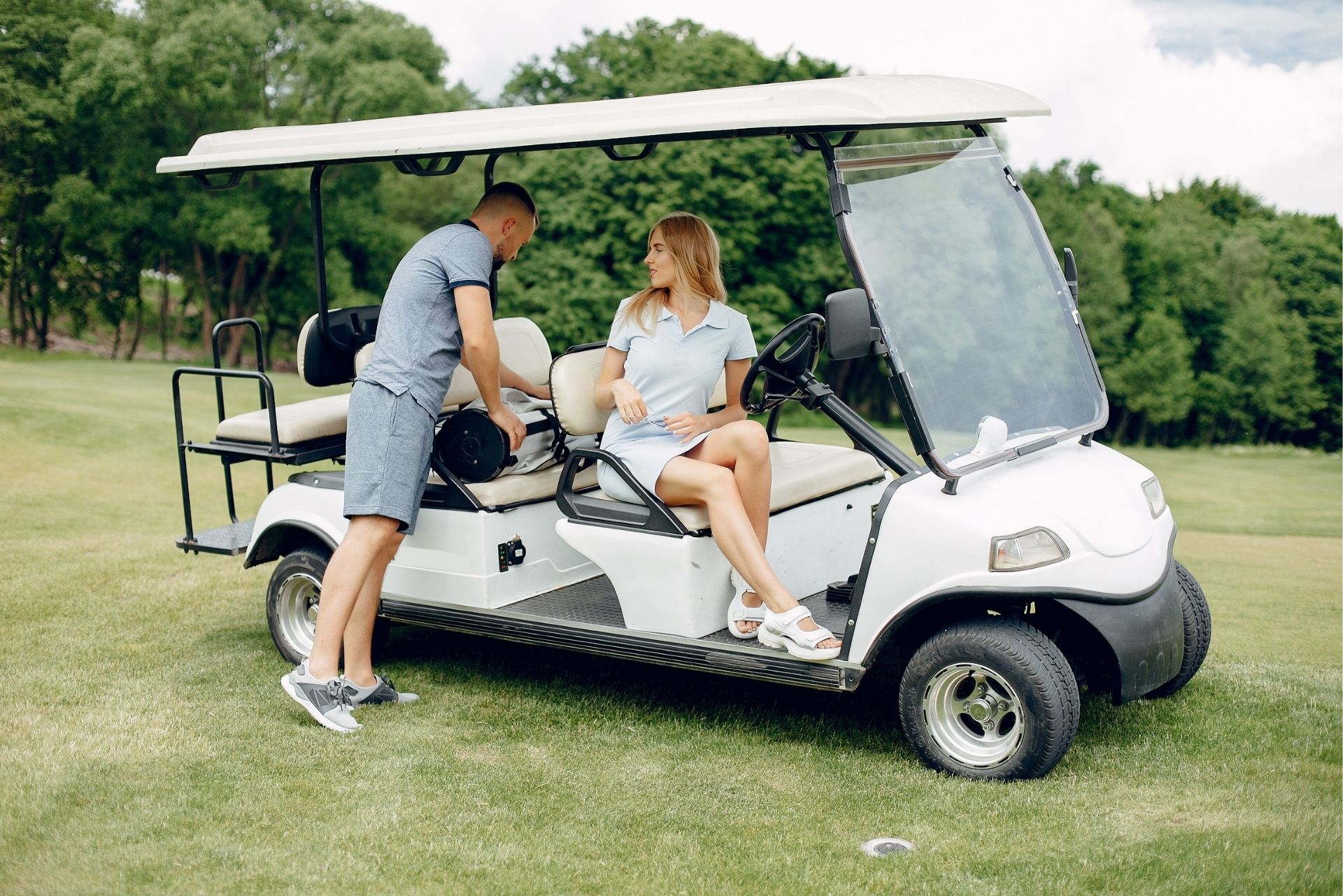
A surge in golf cart-related incidents combined with strict state regulations means that Florida golf cart repair shops must pay close attention to their insurance needs. The rapid growth in repair businesses, paired with a spike in accidents and evolving safety mandates, has made specialized insurance a necessity for these operations. In one Florida county, for example, there were 85 reported golf cart accidents in just the first six months of 2024 (special report on golf cart crashes). These events underscore how essential it is for repair shop owners to protect themselves, their customers, and their employees.
With Florida leading the nation in golf cart-related injuries, it is important to understand what this means for repair shops and how insurance can provide critical protection. When technical expertise meets rising risk factors, a carefully crafted insurance policy helps mitigate both financial and legal challenges. This article explores the various insurance options available, discusses Florida’s specific regulatory environment, and highlights the risks that make comprehensive coverage essential.
Understanding the Risks in Golf Cart Repair Businesses
Running a golf cart repair shop in Florida involves more than merely fixing malfunctioning vehicles. Business owners face a myriad of challenges, from property damage to severe accidents during repair or test drive scenarios. The nature of the business also means that many shops must deal with specialized equipment, potentially hazardous materials, and the consistent need to adhere to evolving state safety laws.
Aside from the inherent dangers of working on vehicles, repair shops can quickly become entangled in liability issues if a customer is injured during a test ride or if a poorly maintained golf cart results in an accident. Recent reports highlight that over 4,000 golf cart-related injuries occur every year in the U.S. with Florida as one of the worst-hit states (golf cart accident statistics). These risks inevitably lead to a demand for robust insurance policies designed specifically for this niche industry.
Even as repair shops strive to provide a safe and efficient service, compliance with new regulations such as mandatory safety features in Low Speed Vehicles (LSVs) further increases operational complexity. For instance, Florida law now requires multiple safety upgrades including seat belts and turn signal lamps on many golf carts (Florida safety regulations). The broad range of potential hazards highlights why a tailored insurance plan is indispensable for business continuity and legal protection.
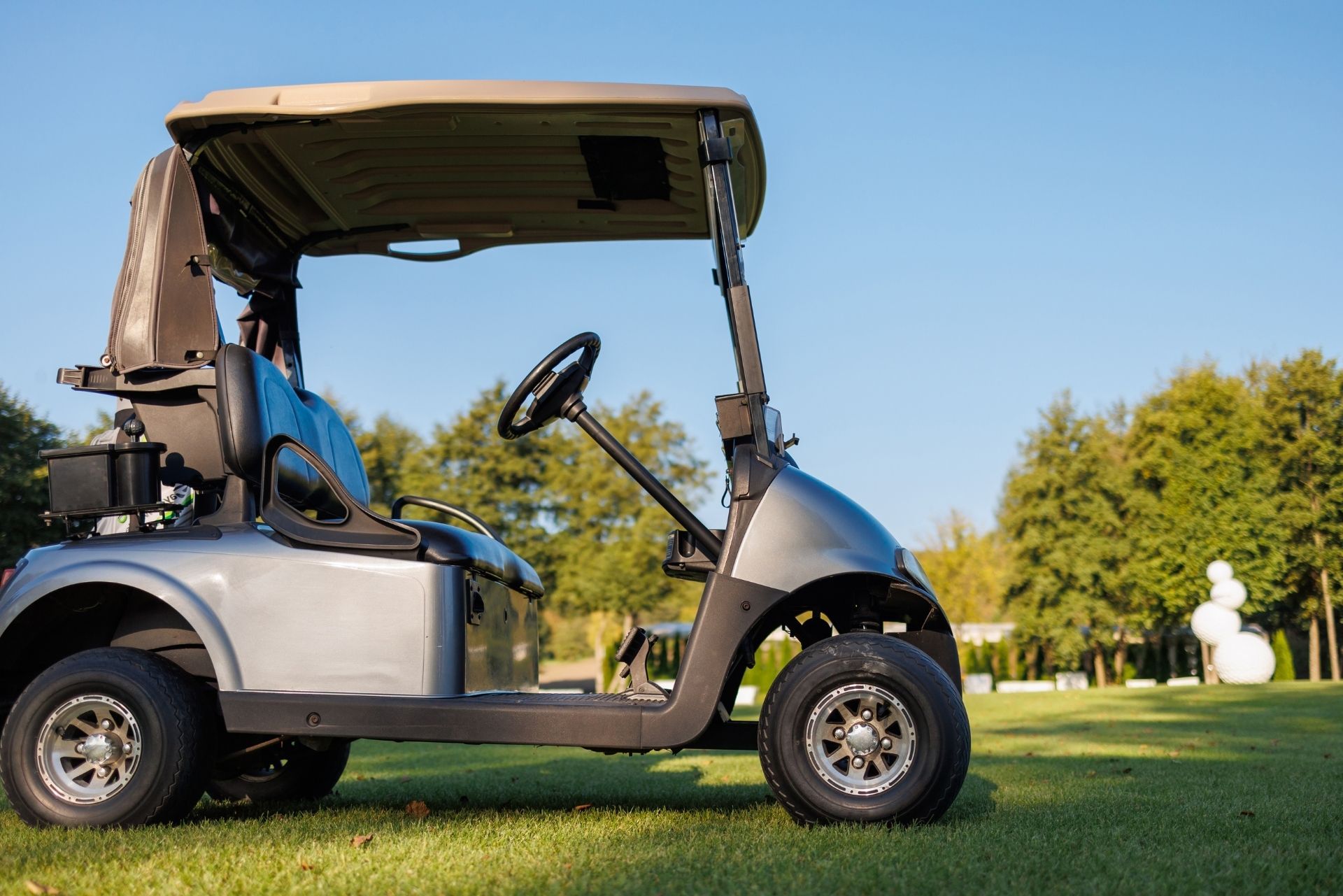
The Importance of Specialized Insurance for Golf Cart Repair Shops
Specialized insurance for golf cart repair shops does more than cover standard property and liability risks. It addresses nuanced concerns specific to the industry, from coverage for test-drive accidents to property damage during repairs. Florida’s unique business environment demands an insurance package that understands the interplay of technical repair work and dynamic customer use.
Golf cart repair shops are distinct from other automotive repair operations because of the recreational nature of golf carts. As a result, many policyholders mistakenly assume regular commercial auto or general liability insurance is sufficient. However, these policies often do not provide adequate coverage for the specific risks inherent in golf cart repair activities. Insurance tailored to this sector is designed to bridge the gap with coverage options that cover repair costs, liability from test drives, and even potential product recalls.
A specialized policy may also extend to cover scenarios involving severe injuries. One study found that nearly 48% of golf cart crashes resulted in hospitalization, severe trauma, or even death (golf cart accident study). This statistic is a clear reminder that even a minor slip-up can lead to life-altering consequences, making it vital for repair shop owners to have insurance that comprehensively addresses these risks.
How Evolving State Regulations Impact the Industry
Florida has been proactive in updating its regulations after recognizing the growing safety concerns related to golf carts. The state now requires Low Speed Vehicles to be outfitted with items like stop lamps, headlamps, turn signal lamps, and necessary safety features such as seat belts and rearview mirrors. Such regulations are the state’s response to rising golf cart-related incidents and are designed to bolster rider safety.
For repair shop owners, these regulatory changes mean more than just compliance challenges. They necessitate careful attention to detail when upgrading or refurbishing vehicles. Ensuring that each golf cart meets the mandated safety criteria can be a complex process that adds layers of cost and liability to the repair process.
This regulatory environment further emphasizes why a tailored insurance policy is no longer optional but essential. Adequate insurance not only covers potential oversight in safety upgrades but also provides a critical buffer in case a modified or repaired vehicle falls short of these standards during an accident. The demand for modern safety features is underscored by concerns from experts like attorney Tim Babiarz, who underscores the importance of seat belts in golf carts, noting the absence of airbags in these vehicles (expert insight on golf cart safety).
Insurance for golf cart repair shops in Florida commonly includes several key coverage options. These cover property damage, liability protection, workers' compensation, and even specialized test drive coverage. A comprehensive policy is designed to protect the business on multiple fronts, ensuring both assets and personnel are safeguarded against various risks.
General liability insurance typically covers bodily injury and property damage arising from everyday operations. However, insurance providers that specialize in golf cart repairs may offer more targeted solutions. For example, coverage can be extended to cover the cost of re-inspecting a golf cart post-repair if a customer experiences an injury during a test drive, or if the repair itself turns out to be inadequate leading to an accident.
Furthermore, equipment breakdown insurance can help mitigate losses arising from damaged machinery used during the repair process. This means that if critical tools and diagnostic devices fail, the policy can cover repair or replacement costs. Additional endorsements may also be available to cover the nuances of electronic malfunctions or software issues tied to modern golf carts.
Property and Liability Coverage
Property coverage is indispensable for any business managing both physical assets and a customer-facing operation. For golf cart repair shops, property insurance needs to encapsulate the risk of fire, theft, or any accidental damage that might occur during repair work. This type of coverage is crucial in ensuring that expensive repair equipment and inventory are protected.
Liability coverage, on the other hand, addresses direct injuries to customers and third-party property damage. Considering that golf cart accidents can result in severe injuries, the implications for the repair shop could be significant if found liable. This level of coverage is designed to support legal expenses and settlement costs, reducing the chance that one incident could escalate into a financial crisis for the business.
Workers' Compensation and Equipment Insurance
Workers’ compensation insurance is a safeguard for employees who might suffer injuries while on the job. Given the hands-on nature of repairing mechanical and electronic systems in golf carts, accidents can occur unexpectedly. Consequently, ensuring that all employees have proper coverage is not only a legal mandate in many instances but also a proactive step in protecting the business from claims that can arise from on-the-job injuries.
Equipment insurance is especially important for businesses relying on specialized tools and machinery. In many cases, these machines represent a significant portion of the startup investment and working capital. If vital equipment breaks down or is stolen, the resulting operational downtime can significantly impact a repair shop’s bottom line. These policies are tailored to cover both sudden mechanical failures and other instances like power surges or water damage.
Choosing the Right Policy for Your Business
Determining the optimal insurance policy for a golf cart repair shop requires an honest appraisal of the business’s risks and operations. Shop owners should begin by assessing all aspects of their business model: from the employee workforce and equipment used, to the typical services rendered and how these align with new state safety standards.
Engaging with an insurance advisor who has expertise in niche commercial insurance is an important step. Many insurance agents advise that a tailored policy that addresses the specific risks of the golf cart repair industry is the best way to minimize exposure to unforeseen liabilities. A reputable advisor can provide insights not only on coverage levels but also on endorsements and exclusions that might impact the business in the long run.
Additionally, many golf cart repair shops may mistakenly believe their homeowner’s insurance covers accidents that occur on their property. Research indicates that there is a common misconception among golf cart owners about the extent of their coverage (golf cart insurance guide). Recognizing this gap early can prevent costly mistakes and help in selecting a policy that truly provides comprehensive security.
Industry Trends and Evolving Risks
Florida trends show that golf cart accidents are on the rise, with a notable increase in reported incidents over recent years. One significant finding is that golf cart-related injuries increased by 20% between 2015 and 2020 in Florida, with more than 1,000 incidents being documented annually (golf cart-related injuries statistic). This uptick is reflective of both increased usage of golf carts and a surge in repair activities as these vehicles age and require maintenance.
For repair shops, these trends underscore the critical need for comprehensive insurance. With customer safety and regulatory compliance being paramount, even a single accident can lead to significant operational disruptions and heightened liability. The rising frequency of incidents also indicates that repair shops must be proactive in reviewing and updating their insurance policies as their businesses evolve and grow.
Technological advancements in golf cart design mean that repair shops now need to continuously adapt to emerging repair challenges. Newer models come equipped with advanced electronics, built-in diagnostics, and environmentally friendly components, all of which require specialized knowledge and equipment. Coverage that was once standard may no longer suffice, necessitating customized policies that evolve in parallel with industry innovations.
Legal and Financial Considerations for Golf Cart Repair Shops
Legal liability forms one of the most daunting challenges for any service-based business. For golf cart repair shops, the inherent risks coupled with the complex regulatory environment in Florida expose them to potential claims that can easily escalate into financial and legal battles. When accident statistics reveal that nearly half of all golf cart crashes result in hospitalization or severe injury (golf cart crash study), the importance of having a robust legal and insurance framework becomes all the more apparent.
The financial implications of accidents can be substantial. Repair shops, already operating on thin margins, can see their resources depleted if costly legal claims arise from an incident. Adequate insurance minimizes this risk by absorbing many of the legal and repair costs. Financial preparedness is further enhanced when business owners understand exactly what is covered under their policies and what exclusions might exist.
Another consideration is the potential liability arising from test drives or customer returns post-repair. If a customer is injured while operating a golf cart that was recently serviced in the shop, the financial fallout may extend well beyond the immediate repair costs. In such scenarios, clearly defined liability coverage is indispensable, ensuring that the business stands protected even when unpredictable issues arise.
Comparing Insurance Coverage Features for Golf Cart Repair Shops
An effective way to parse through different policy options is by comparing key coverage features. Insurance plans geared toward golf cart repair shops vary in the extent of protection they offer, and understanding these differences can empower owners to make informed decisions. Below is a comparison chart summarizing typical coverage components:
| Coverage Component | Standard Policy | Specialized Golf Cart Shop Policy |
|---|---|---|
| Liability Protection | Covers general bodily injury and property damage | Includes liability for test drives, repair errors, and related accidents |
| Property Insurance | Covers theft and incidental damage | Covers specialized equipment, diagnostic tools, and repair paraphernalia |
| Workers' Compensation | Standard employee injury coverage | Customized to address risks unique to repair environments |
| Equipment Breakdown | May offer limited coverage for machinery failure | Comprehensive coverage including breakdown, power surges, and water damage |
| Regulatory Compliance Endorsement | Not typically included | Ensures golf carts meet Florida safety updates and technological standards |
This side-by-side comparison illustrates that specialized policies provide added layers of protection and greater flexibility in addressing the pitfalls unique to Florida golf cart repair businesses. With tailored coverage options, business owners gain peace of mind knowing they are sufficiently shielded from both common and unforeseen risks.
Making Informed Decisions and Future-Proofing Your Business
Staying updated with both industry trends and regulatory shifts is crucial in the competitive environment of Florida’s golf cart repair sector. Insurance should never be perceived as a static solution; as the business evolves, so too should the coverage. Shop owners must periodically review their policies with experienced advisors who can pinpoint gaps and recommend adjustments to stay ahead in the rapidly changing marketplace.
Future-proofing a golf cart repair shop involves an ongoing investment in staff training, equipment upgrades, and adherence to the newest safety guidelines. Legal experts have repeatedly emphasized the importance of robust safety features like seat belts, noting that their absence can greatly exacerbate liability (expert insight on safety requirements). A comprehensive insurance policy serves as an additional safety net, assuring both customers and employees that the business is prepared for any eventuality.
An informed decision today can lead to substantial savings in the long run. While it might be tempting to cut corners or assume that conventional insurance covers all eventualities, specialized policies demonstrate a deeper understanding of the risks. This proactive approach can help avoid potential legal battles, minimize downtime, and preserve the business reputation in the event of an incident.
Strategies to Enhance Risk Management Beyond Insurance
While comprehensive insurance is a cornerstone of any risk management strategy, additional steps can be taken to further safeguard the business. Implementing strict quality control protocols during repairs, engaging in continuous employee training, and ensuring that every golf cart leaving the shop meets updated safety standards can make a significant difference. Each one of these practices minimizes the risk of an incident that could otherwise incur heavy financial and legal consequences.
Conducting regular internal audits of repair procedures and equipment checks not only serves as a preventative measure but also signals to insurance providers that the business is proactive in mitigating risks. These efforts can potentially lead to lower premiums and better terms on future policy renewals.
Integrating technology into daily operations, such as using digital inspection tools and maintaining electronic records of repairs, can further reduce error margins. It also establishes a documented history of ongoing risk management, a factor that insurers find favorable when evaluating policy applications. Such strategic management practices enhance overall operational efficiency and set a standard of excellence in the niche industry of golf cart repair.
Frequently Asked Questions
Q: Why do golf cart repair shops require specialized insurance?
A: Golf cart repair shops face unique risks-including liability during test drives and specialized equipment damage-that standard policies may not fully cover.
Q: Are Florida's new safety regulations affecting repair shops?
A: Yes, recent regulations mandate enhancements like seat belts and proper lighting on golf carts, imperative for compliance and risk mitigation.
Q: Does homeowners insurance cover golf cart accidents?
A: Many golf cart owners mistakenly believe so; specialized insurance provides coverage for incidents related to the business, which is typically not covered by homeowners policies.
Q: What does equipment insurance cover in a golf cart repair shop?
A: It covers damages to specialized repair tools and machinery, ensuring that breakdowns or malfunctions do not disrupt operations.
Q: How can repair shops keep up with evolving safety standards?
A: Regular training, audits, and upgrading equipment are fundamental. Additionally, consulting with insurance advisors who understand the specific challenges of the industry is a wise strategy.
Q: What financial benefits does a comprehensive policy provide?
A: A comprehensive policy not only covers direct damages and liability costs but also minimizes potential downtime and legal expenses that could severely impact business operations.
Wrapping Things Up
Florida golf cart repair shops operate in a landscape that is both challenging and dynamic. The combination of evolving state regulations, rising incident statistics, and the unique operating conditions associated with golf carts requires insurance solutions that are specific and comprehensive. With incidents increasing by significant margins and nearly half of all golf cart crashes resulting in serious injuries (golf cart crash study), owners must promptly review and update their insurance policies.
This high level of coverage does more than protect against the obvious risks. It supports compliance with current state laws, builds trust with customers, and establishes a robust framework for financial and legal protection. Specialization in insurance design means that as the industry grows and safety protocols become more stringent, repair shops are well-prepared to handle any challenge that might arise.
Insurance is not just a financial product, but a vital partner that reassures business owners that their investment is safeguarded from unforeseen liabilities. For any Florida golf cart repair shop, embracing a tailored policy is a step toward a more secure and resilient future.
ABOUT THE AUTHOR: PAUL RAMENTOL
I am the Owner and President of Mesa Insurance Agency. I help individuals and business owners across Florida secure personal and business insurance coverage that supports their needs. My focus is on clear guidance, direct communication, and long-term support without call-center delays or confusion.
Contact Us

Personal Coverage Options
Insurance Built for Everyday Protection
Mesa Insurance Agency provides personal insurance coverage designed to support daily life. Our team reviews risks and coverage needs to help clients secure dependable protection at fair rates.
Dental & Vision Insurance
Coverage that helps manage routine dental and vision care costs.

Business Coverage Options
Insurance Built for Business Protection
Mesa Insurance Agency provides business insurance coverage that helps protect operations, employees, and property. We work with multiple carriers to offer coverage options that support daily business activities and long-term stability.
Commercial Auto Insurance
Coverage for business-owned vehicles, drivers, and accident-related liability exposure.
General Liability Insurance
Protection against third-party injury, property damage, and common business liability risks.
Professional Liability Insurance
Coverage for claims related to professional services, advice, or service errors.
Workers’ Compensation Insurance
Coverage that helps support employees with work-related injuries and medical costs.
Commercial Property Insurance
Protection for buildings, equipment, inventory, and physical business assets.
Errors & Omissions Insurance
Coverage for financial losses caused by mistakes, omissions, or service-related claims.
Industries We Serve
Serving Businesses Across Multiple Sectors
Mesa Insurance Agency works with business owners across Florida to provide insurance coverage that supports daily operations. We understand common risks faced by different industries and help clients secure reliable protection.

Construction and Trades Insurance
Coverage for job sites, vehicles, tools, and workplace risks.

Hospitality Businesses Insurance
Insurance for restaurants, bars, and service-based operations.

Retail and
Commercial Properties
Protection for storefronts, inventory, and customer-related liability.
Our Approach
Insurance Made Easy to Understand
Mesa Insurance Agency provides business insurance coverage that helps protect operations, employees, and property. We work with multiple carriers to offer coverage options that support daily business activities and long-term stability.
Insurance FAQs
Helpful Answers for Florida Clients
Support you can rely on.

What makes Mesa Insurance Agency different?
We are an independent agency with access to multiple carriers. This allows us to offer flexible coverage options.
Clients work directly with licensed agents. Service continues beyond the policy start date.
Do you offer coverage for individuals and families?
Yes. We provide personal insurance for individuals and families across Florida.
Coverage includes auto, home, health, life, and flood insurance. Our team explains each option clearly.
Do you work with small and mid-sized businesses?
Yes. We work with businesses of many sizes and industries.
Our team helps identify risks and secure appropriate coverage. Ongoing service is included.
Can I make changes to my policy later?
Yes. Policies can be updated as needs change.
We assist with coverage adjustments, additions, and removals. Clients can contact us directly for help.
Is flood insurance required in Florida?
Flood insurance is not always required, but it is strongly recommended in many areas.
Standard home insurance does not cover flood damage. Our team can review your flood risk and options.
How do I contact your office?
You can contact us by phone, email, or through our website.
Our team responds promptly during business hours. Support is always available when needed.
From the Blog
Insurance Topics That Matter
Clear answers for common questions.





Client Reviews
Trusted by Clients Across Florida
Mesa Insurance Agency is proud to serve individuals and businesses throughout Florida. Clients choose us for clear communication, responsive service, and reliable insurance support. Their feedback reflects our focus on long-term relationships and consistent service.
Contact Us