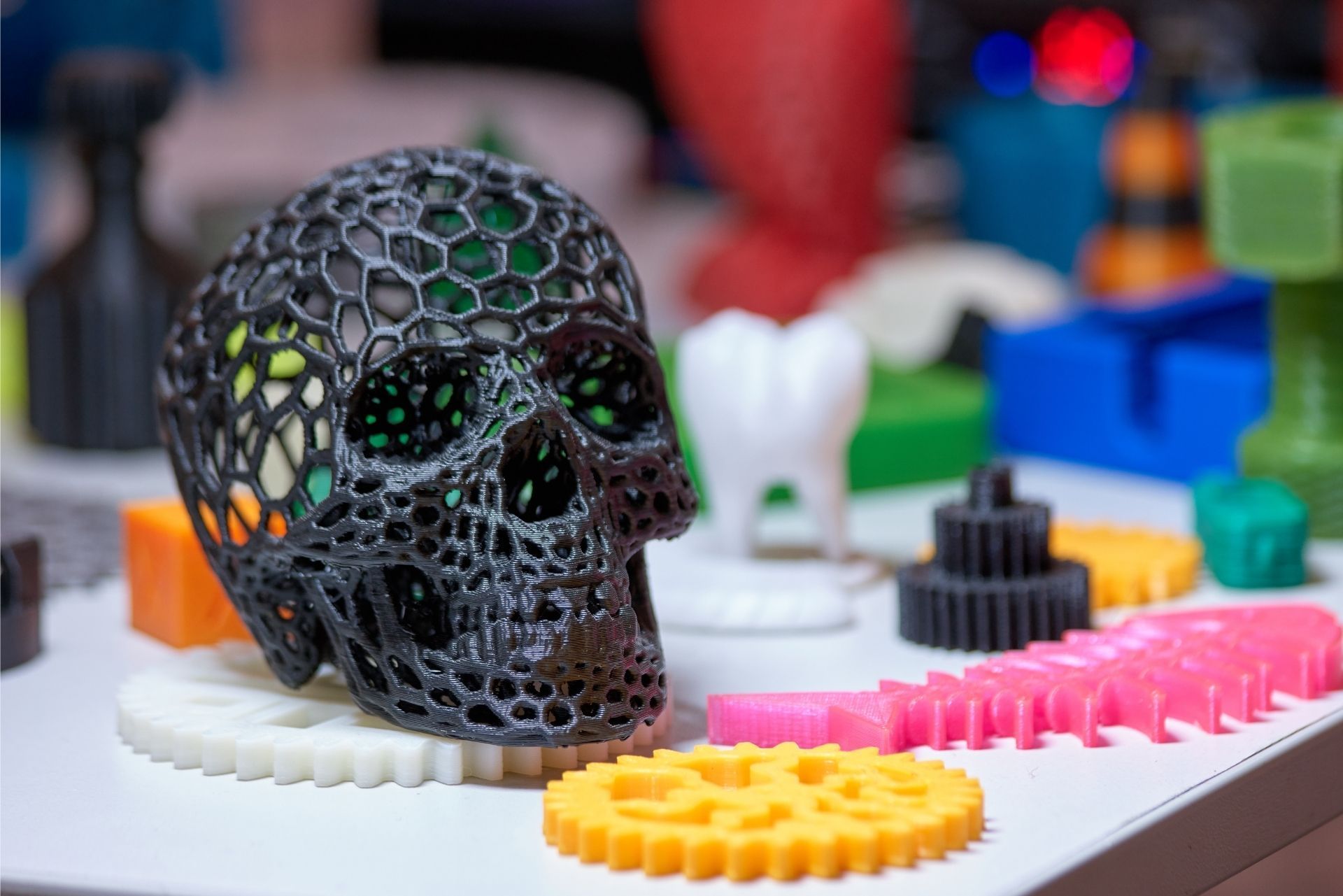
Small missteps in planning can lead to multi-thousand-dollar losses for a business that relies on the latest 3D printing technology. In Florida, where the printing sector has traditionally been strong and is now evolving to include 3D printing innovations, specialized insurance coverage is not just a prudent investment-it’s essential. Recent developments in the industry are transforming traditional business models, making risk management a key focus for operators. One notable example comes from the launch of the world’s largest 3D printing microfactory in St. Petersburg, which offers production capacity that is 16 times higher than its closest competitor. For businesses seeking tailored coverage options, understanding the nuances of 3D printing business insurance is critical. Learn more about the St. Petersburg facility here.
This article explores the unique challenges and opportunities for 3D printing shops in Florida. It examines current market trends, legal considerations, and the specifics of insurance coverage designed for high-tech printing operations.
Understanding the Florida 3D Printing Landscape
The Evolution of Printing in Florida
For years, Florida’s printing industry held a steady position with a robust market size assessed at $3.6 billion and over 3,000 businesses in operation according to IBISWorld. Today, however, a new technological shift is underway. Traditional printing methods are being complemented-and in some cases replaced-by advanced 3D printing techniques. These modern approaches not only cut project costs but also provide faster turnaround times and lower workplace risks.
This transformation is not merely technological. It is also economic. With significant investments pouring into 3D printing capabilities, both established companies and emerging startups are pursuing innovation. For many 3D printing businesses, the challenge lies in balancing technological advancements while mitigating new, sometimes unanticipated, risks.
3D Printing Integration and Market Growth
As developers and designers embrace 3D printing construction methods, questions about insurance coverage have come to the forefront. Experts note that 3D printing not only reduces material, labor, and on-site costs but also helps manage worker liability concerns. According to insights from Ball Janik LLP, these benefits have been a major draw as the technology enters commercial use on a larger scale read the expert commentary here. Insurers are playing catch-up, crafting policies that address the specific risks associated with digital manufacturing and construction.
Company owners need to be especially aware of how traditional commercial liability policies may not fully cover the emerging risks linked to 3D printed components and constructions. This gap has spurred the development of tailored insurance solutions designed specifically for the modern 3D printing industry in Florida.

Insurance Considerations for 3D Printing Shops
Understanding the Unique Risks
3D printing shops differ significantly from conventional print businesses in several ways. The economic and operational structures of these ventures necessitate a deep understanding of the new risks they face. Among them are product defects and technology malfunctions that could lead to costly recalls, post-production modifications, or even property damage. Standard commercial liability and professional liability policies often fall short in covering these specific hazards, meaning that operators must look to additional or specialized coverage options.
Insurance solutions for 3D printing shops are tailored to mitigate risks that are unique to digital manufacturing processes. The precise and innovative nature of 3D printing means that insurance underwriters are evaluating potential vulnerabilities differently. Equipment breakdown, for example, becomes a core concern given the high cost of 3D printers and manufacturing software. Coverage options need to bridge the gap between traditional printing risks and the modern needs of technology-driven businesses.
The Role of Commercial Liability Policies
Commercial liability policies remain an essential component for 3D printing businesses but often require enhancement to address new risks. As technologies become more complex, incidents involving product defects or structural failures can trigger lengthy legal battles and feature extensive financial repercussions. This is why insurance providers are re-calibrating their policies to consider not only traditional liability risks but also the intricacies associated with digital manufacturing.
For instance, when a newly printed component fails, the consequences might be far-reaching, affecting everything from customer confidence to future production capabilities. A well-curated insurance policy can include provisions for product liability, equipment breakdown, and cyber security risks-which all become increasingly important when dealing with integrated digital systems.
Legal and Financial Implications
Complexities in Liability Coverage
Recent legal discussions have highlighted a significant issue: many 3D printing products do not neatly fit into the conventional framework of commercial liability insurance. This misalignment creates a pressing need to understand the fine print of policies. An expert from Ball Janik LLP noted that 3D printing products often create legal questions given their novelty and unique failure modes read the detailed legal analysis here. These concerns necessitate that businesses thoroughly scrutinize the terms of their existing coverage and, if necessary, negotiate tailored terms with their insurers.
Potential claims regarding product safety or structural integrity rarely fall under standard clauses. This is partly because traditional liability policies were not designed with digital construction processes in mind. Consequently, businesses may find themselves exposed to risks that weren’t previously considered. As a result, a forward-thinking risk management strategy now includes insurance brokers who specialize in digital industrial risks and the ability to customize policies for modern applications.
Financial Planning and Mitigation Strategies
The financial impact of a claim related to 3D printing technology can be staggering. It isn’t just about fixing the immediate problem but also covers long-term damage to a company’s reputation and operational continuity. For example, if a 3D printed product were to fail during use, businesses could face litigation, the costs of rectifying the failure, and the need to upgrade their safety protocols. This scenario underlines the importance of proper financial planning and the selection of comprehensive insurance policies designed for high-tech operations.
Many insurance providers now work closely with companies to design coverage that specifically addresses potential issues arising from 3D printing processes. This may include additional endorsements or separate lines of coverage for cyber threats and equipment failure-factors that are not typically addressed in standard policies. Recent industry trends have shown that as the technology advances, insurers are likely to continue refining their products to better align with the operational realities of 3D printing shops.
Emerging Trends and Industry Developments
The Rise of 3D Printed Construction
Construction is one sector where the integration of 3D printing technology is making a significant mark. A key driver for this trend is the reduction in material and labor costs, which has positioned 3D printing as a popular method among developers. For instance, a survey by Florida Realtors found that 66% of consumers would consider living in a 3D printed home, with interest among millennials rising to 75% see the survey details here. This high consumer acceptance is fuelling further innovation and investment into 3D printed construction projects.
These innovations are not restricted to residential projects. Commercial applications are also being explored, with companies like Printed Farms having already completed the first 3D printed building in Florida-a 784-square-foot storage unit fabricated using a COBOD BOD2 printer read more about this milestone. As such, insurance policies for 3D printing are continually evolving in response to these new types of risk exposures.
Impact of Industry Shifts on Insurance Policies
Significant shifts within the printing and construction sectors have led to a corresponding evolution in insurance products. The traditional market, once stable at $3.6 billion, is expected to see a decline over the next several years, reflecting both market pressures and the transition to newer methods of production according to IBISWorld data. As the industry adapts, insurance companies are updating their product offerings to closely mirror the profile of emerging business risks.
This transition adds layers of complexity, making it essential to have expert advice when re-evaluating coverage. Operators must now consider risks that extend beyond the physical printing process by incorporating elements of digital technology vulnerabilities and evolving regulatory frameworks. Such comprehensive policy reviews guard against unforeseen liabilities that can disrupt business operations.
| Coverage Area | Basic Coverage | Extended Coverage |
|---|---|---|
| General Liability | Limits suitable for minor incidents and venue requirements. | Higher limits covering major accidents and third-party claims. |
| Equipment Protection | Covers standard replacement costs for damaged equipment. | Includes comprehensive coverage for theft, loss, or total damage. |
| Cyber Coverage | Often excluded or minimally included. | Enhanced digital risk management including cyber breach response. |
| Customization Options | Limited flexibility in tailoring coverage options. | Modular policies that allow added endorsements and customized limits. |
Risk Management Strategies for 3D Printing Shops
Proactive Risk Mitigation and Policy Customization
Risk management in the 3D printing sector is as much about leveraging technology as it is about protecting it. Businesses can adopt several proactive strategies to minimize vulnerabilities. For instance, regular maintenance of advanced 3D printing equipment coupled with stringent quality control protocols can reduce the likelihood of operational failures. Financially, the cost savings achieved by 3D printing methods are offset by potential risks, making comprehensive insurance coverage a critical safety net.
Working with brokers who comprehend the nuanced risks of digital manufacturing is essential. Customized policies that reflect specific operational risks can cover everything from equipment breakdown and cyber intrusions to product liabilities that fall outside conventional categories. This tailored approach not only protects financial assets but also boosts investor and client confidence.
Integrating Cyber Security with Traditional Coverage
As 3D printing shops rely more heavily on cloud-based designs and digital workflows, cyber security becomes an indispensable element of the overall risk management strategy. Digital files, proprietary designs, and customer data are valuable assets that are susceptible to cyber breaches. Many insurers now offer enhanced cybersecurity endorsements alongside traditional liability coverage.
Integrating cyber risk into a comprehensive policy provides a layered defense. Custom-built policies that engage both physical and digital risk factors better prepare business owners for the fast-evolving threat landscape. By addressing both operational and cyber risks, 3D printing companies in Florida can safeguard their product lines, revenue streams, and intellectual property.
Comparing Insurance Coverage Options
Standard vs. Tailored Business Insurance
When examining insurance options, it is instructive to compare the differences between standard business insurance policies and those specifically designed for 3D printing ventures. Traditional policies may cover general liability and basic property loss, but they often exclude the technology-specific risks that modern 3D printing operations entail. Tailored policies are developed with these unique needs in mind, often encompassing broader protection including product liability, equipment breakdown, and cyber security.
Below is a comparison table outlining key differences between standard commercial policies and specialized 3D printing business insurance coverage:
| Coverage Aspect | Standard Insurance | Tailored 3D Printing Insurance |
|---|---|---|
| General Liability | Covers typical workplace and operational risks | Includes standard coverage with additional clauses for digital product defects |
| Equipment Breakdown | Limited coverage for conventional machinery | Enhanced coverage for high-value 3D printing equipment and software |
| Product Liability | Protection limited to standard products | Expansion to include risks associated with digital manufacturing |
| Cyber Security | Basic data breach coverage | Robust coverage including intellectual property and data recovery |
This side-by-side comparison makes it clearer how a customized policy addresses gaps that standard insurance might overlook. For businesses operating in cutting-edge fields like 3D printing, ensuring comprehensive coverage is an investment in operational security and future resilience.
What to Look for in an Insurance Policy
Identifying the best insurance coverage for a 3D printing shop in Florida involves more than comparing premium costs. Business owners should ensure that policies address all potential sources of risk, from equipment failure to cyber security threats and product liability claims. Important considerations include the insurer’s experience with digital manufacturing risks, adaptability in terms of policy customization, and clear definitions of covered incidents.
Evaluating the historical claims data and industry reputation of the insurance provider is also helpful. Policyholders should look for flexibility in adjusting coverage as technological advances and regulatory standards evolve within the sector. Detailed scrutiny of endorsements, exclusions, and overall claims processes will contribute to selecting a policy that truly meets the unique demands of a modern 3D printing operation.
Strategies for Long-Term Business Protection
Innovative Practices in Risk Management
Meeting the dual challenges of technological innovation and evolving risk requires a strategic approach. Progressive 3D printing shops are integrating proactive risk management strategies, aiming to minimize vulnerabilities from both operational and digital fronts. For example, regular risk audits can identify gaps in current coverage and prompt adjustments before minor issues escalate into costly claims. Additionally, establishing partnerships with specialists in high-tech insurance helps secure policies that evolve with the business needs.
Regular training for employees on safety protocols and data protection best practices further strengthens a company’s defenses. Coupled with the latest advances in printing technology, these risk management practices provide a robust framework that can adapt as both technology and potential hazards evolve.
Financial Impact and Insurance Investment
Investing in the proper insurance coverage is not just about risk aversion-it is also a strategic decision that can preserve cash flow, protect assets, and support long-term business growth. In Florida, where market trends show that the traditional printing industry might face a gradual decline as newer methods gain traction according to industry reports, tapping into 3D printing technology represents both an opportunity and a challenge.
For businesses in the 3D printing space, a comprehensive insurance package offers peace of mind. By covering a range of potential risks-from equipment damage to unanticipated product defects-business owners maintain their competitive edge without the disruptive burden of unforeseen liabilities. Effective risk management combined with sizable insurance support is a cornerstone for sustainable growth in a dynamic market.
Frequently Asked Questions
Q: What makes insurance for 3D printing businesses different from standard commercial policies?
A: Insurance for 3D printing businesses specifically addresses risks such as product defects, technology failures, and cyber threats, which are not fully covered in conventional policies.
Q: Are traditional liability policies enough to cover risks involved in 3D printing?
A: Traditional policies often lack coverage for the unique risks posed by digital manufacturing, so many companies opt for tailored policies that include equipment breakdown, product liability, and cyber security protections.
Q: How do 3D printing construction techniques affect insurance needs?
A: Construction applications of 3D printing bring additional risks, including manufacturing defects and structural failures, making comprehensive policies that also cover construction-related liabilities essential.
Q: Can insurance policies be customized to fit specific 3D printing operations?
A: Yes. Many insurers offer flexible policies that cater to the specific needs of 3D printing shops, allowing business owners to adjust coverage as their operations evolve.
Q: What steps should businesses take to prepare for potential liability claims?
A: Businesses should conduct regular risk audits, invest in employee training on safety and cyber security, and work with insurance professionals who understand the digital manufacturing landscape.
Wrapping Things Up
Securing the Future of 3D Printing Operations
For 3D printing shops in Florida, embracing advanced technology goes hand in hand with understanding and managing new risks. The rapid growth of 3D printing in sectors ranging from manufacturing to construction prompts an urgent need for comprehensive, tailor-made insurance solutions. As innovative companies launch operations like the microfactory in St. Petersburg, the market's dynamics continue to evolve, prompting insurers to revise policies that better capture the essence of digital manufacturing risks.
Business owners should view robust insurance coverage as a strategic investment that not only protects against potential financial losses but also instills confidence among investors and customers alike. By leveraging proactive risk management strategies and seeking specialized advice, 3D printing enterprises can ensure that sudden challenges do not derail a promising future.
The Road Ahead for Florida’s 3D Printing Industry
With a history rooted in traditional printing and a future focused on technological innovation, Florida provides a unique environment for 3D printing businesses to flourish. The intersection of creativity, design, and cutting-edge technology means that insurance policies must continuously adapt. For companies willing to navigate this complex environment, the rewards include reduced risk burdens and optimized operational stability.
Industry experts remain optimistic about the future. The integration of 3D printing into everyday business practices offers significant advantages in cost, speed, and design flexibility. However, these benefits come with new responsibilities in operational risk management. Companies that choose to invest wisely in specialized insurance coverage will be well-equipped to manage the unforeseen challenges of this dynamic market. Interested parties can explore available insurance options and secure the most effective coverage to protect their innovative operations while staying ahead of regulatory challenges and market volatility.
Business leaders and risk managers should remember that the evolving nature of both liability and technology requires constant vigilance. As the 3D printing landscape continues to develop, so will the insurance products designed to mitigate its risks. Staying informed through industry reports and expert legal insights is crucial.
For more insights into innovative insurance solutions and detailed industry trends, professionals can refer to market data provided by leading organizations. This proactive approach towards comprehensive risk management ensures that a business can confidently embrace the advantages of 3D printing while mitigating its liabilities.
Access sector analysis here.
ABOUT THE AUTHOR: PAUL RAMENTOL
I am the Owner and President of Mesa Insurance Agency. I help individuals and business owners across Florida secure personal and business insurance coverage that supports their needs. My focus is on clear guidance, direct communication, and long-term support without call-center delays or confusion.
Contact Us

Personal Coverage Options
Insurance Built for Everyday Protection
Mesa Insurance Agency provides personal insurance coverage designed to support daily life. Our team reviews risks and coverage needs to help clients secure dependable protection at fair rates.
Dental & Vision Insurance
Coverage that helps manage routine dental and vision care costs.

Business Coverage Options
Insurance Built for Business Protection
Mesa Insurance Agency provides business insurance coverage that helps protect operations, employees, and property. We work with multiple carriers to offer coverage options that support daily business activities and long-term stability.
Commercial Auto Insurance
Coverage for business-owned vehicles, drivers, and accident-related liability exposure.
General Liability Insurance
Protection against third-party injury, property damage, and common business liability risks.
Professional Liability Insurance
Coverage for claims related to professional services, advice, or service errors.
Workers’ Compensation Insurance
Coverage that helps support employees with work-related injuries and medical costs.
Commercial Property Insurance
Protection for buildings, equipment, inventory, and physical business assets.
Errors & Omissions Insurance
Coverage for financial losses caused by mistakes, omissions, or service-related claims.
Industries We Serve
Serving Businesses Across Multiple Sectors
Mesa Insurance Agency works with business owners across Florida to provide insurance coverage that supports daily operations. We understand common risks faced by different industries and help clients secure reliable protection.

Construction and Trades Insurance
Coverage for job sites, vehicles, tools, and workplace risks.

Hospitality Businesses Insurance
Insurance for restaurants, bars, and service-based operations.

Retail and
Commercial Properties
Protection for storefronts, inventory, and customer-related liability.
Our Approach
Insurance Made Easy to Understand
Mesa Insurance Agency provides business insurance coverage that helps protect operations, employees, and property. We work with multiple carriers to offer coverage options that support daily business activities and long-term stability.
Insurance FAQs
Helpful Answers for Florida Clients
Support you can rely on.

What makes Mesa Insurance Agency different?
We are an independent agency with access to multiple carriers. This allows us to offer flexible coverage options.
Clients work directly with licensed agents. Service continues beyond the policy start date.
Do you offer coverage for individuals and families?
Yes. We provide personal insurance for individuals and families across Florida.
Coverage includes auto, home, health, life, and flood insurance. Our team explains each option clearly.
Do you work with small and mid-sized businesses?
Yes. We work with businesses of many sizes and industries.
Our team helps identify risks and secure appropriate coverage. Ongoing service is included.
Can I make changes to my policy later?
Yes. Policies can be updated as needs change.
We assist with coverage adjustments, additions, and removals. Clients can contact us directly for help.
Is flood insurance required in Florida?
Flood insurance is not always required, but it is strongly recommended in many areas.
Standard home insurance does not cover flood damage. Our team can review your flood risk and options.
How do I contact your office?
You can contact us by phone, email, or through our website.
Our team responds promptly during business hours. Support is always available when needed.
From the Blog
Insurance Topics That Matter
Clear answers for common questions.







Client Reviews
Trusted by Clients Across Florida
Mesa Insurance Agency is proud to serve individuals and businesses throughout Florida. Clients choose us for clear communication, responsive service, and reliable insurance support. Their feedback reflects our focus on long-term relationships and consistent service.
Contact Us