A major shipping company in downtown St. Petersburg recently faced a costly claim after a minor accident involving one of its delivery vehicles. This incident is a vivid reminder of why robust commercial auto insurance is critical for businesses in the area. With the local economy bustling and fleets of various sizes keeping businesses moving, understanding commercial auto insurance policies can make all the difference between financial strain and smooth operations. This guide examines the intricacies behind commercial vehicle coverage and clarifies why businesses should pay special attention to regulation updates, evolving risk landscapes, and legislative reforms. Recent studies by the Florida Policy Project highlight issues that affect cost and coverage, particularly in Florida.
St. Petersburg, with its unique mix of urban hustle and coastal charm, offers distinct challenges for fleet operators. Local businesses face risks not found in many parts of the country. The region's distinctive weather patterns, traffic density, and economic activity require tailored insurance solutions. This article walks through the landscape of commercial auto insurance in St. Petersburg, drawing on current insights, recent legislative changes, and industry trends that affect coverage and premiums.
Innovations in the insurance market and updated legislation reflect emerging trends that all business owners should understand if they want to remain competitive and well-protected.
Understanding the Commercial Auto Insurance Landscape in St. Petersburg
The dynamics of commercial auto insurance in St. Petersburg differ from personal coverage standards. Businesses operating fleets from small trucks to large cargo carriers need to account for diverse risks, ranging from uninsured drivers to equipment damage. Unlike personal auto policies, commercial auto insurance offers extended benefits designed to accommodate the commercial nature of business vehicles.
Legislative reforms have been a major driver of change in Florida's insurance policies. Recent reports have revealed that insurers are responding to legislative pressure with innovative products and adjusted pricing models. For instance, recent changes in 2025 saw Florida’s top five auto insurers cutting personal auto rates by an average of 6.5% following reforms aimed at scouring fraudulent claims. These trends have had a significant influence on the commercial segment as well, as insurers look to balance costs while providing comprehensive coverage tailored to business needs. Sunshine Sentinel offers insights into this rate adjustment quality.
Fluctuating market conditions and evolving risk patterns make it essential for business owners to stay updated on coverage changes. Insurance premiums can be influenced by various factors such as location-specific risks like heavy traffic and unpredictable weather conditions that disrupt schedules and increase collision risks.
Key Factors Influencing Commercial Auto Insurance Rates
One of the primary drivers of commercial auto insurance premiums in St. Petersburg is the legacy of outdated insurance laws dating back to the early 1970s. Experts have noted that these laws have not kept pace with inflation, leading to higher premiums for drivers. For example, Dr. Lars Powell from the University of Alabama has remarked on how the unchanged system contributes to higher costs for policyholders. St. Pete Catalyst provides detailed accounts of these challenges.
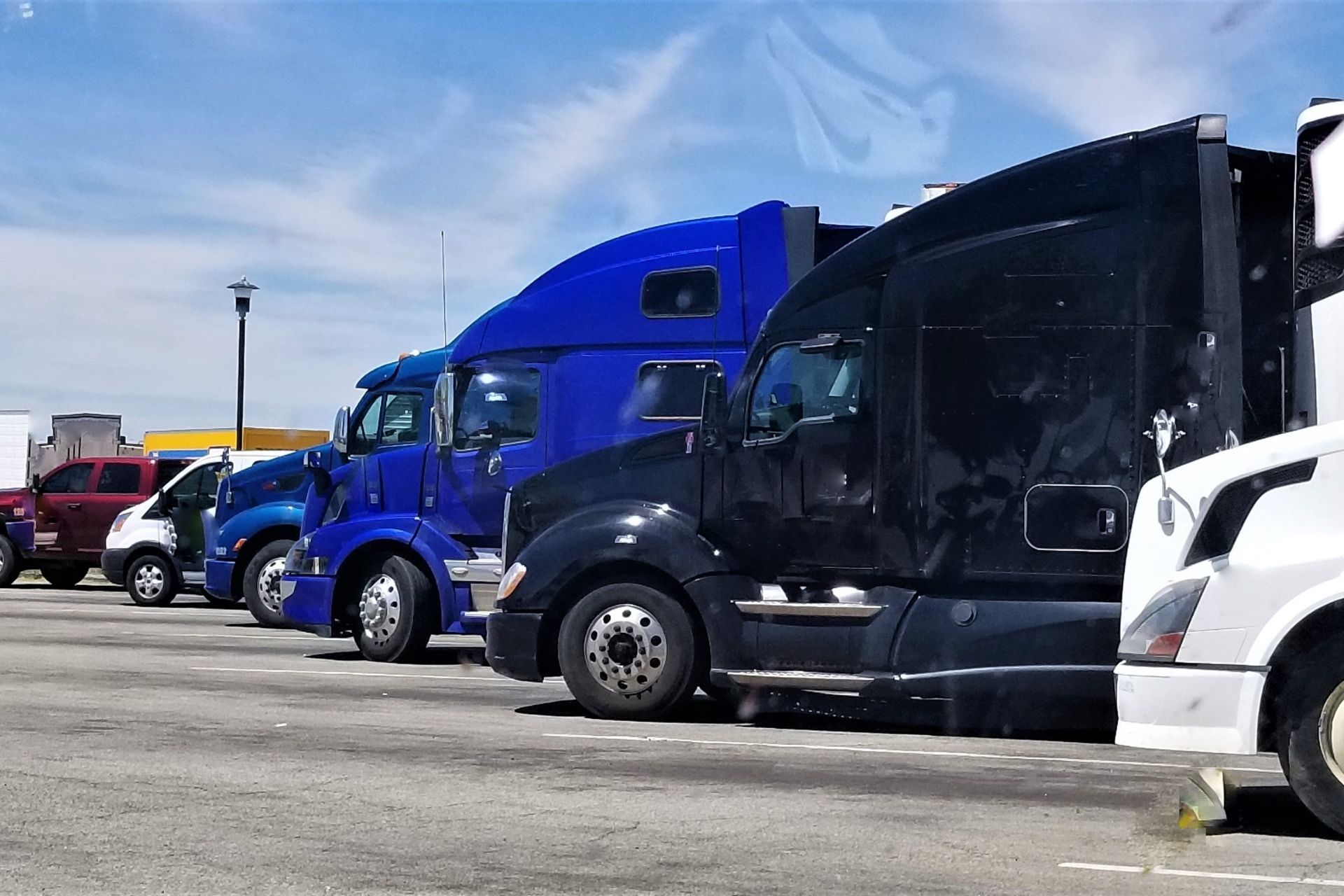
Businesses face unique challenges when determining the right level of coverage. Key factors include fleet size, vehicle types, driving history, and the specific nature of business operations. Rental companies, delivery services, and even landscaping businesses rely on fleets that experience constant wear and tear. These elements can elevate risk profiles, prompting insurers to charge higher premiums. Some businesses may be surprised to learn that more than 80% of Florida motorists bear the full costs of accidents because of uninsured drivers, a statistic that underscores the complexities driving premium rates. This phenomenon significantly increases exposure for those operating commercial vehicles.
Local businesses must also contend with regional risks such as high accident rates in urban areas and vulnerabilities to storm damage, which require insurers to factor in additional safety measures and stricter underwriting practices.
Regional and Operational Risks
St. Petersburg’s bustling commercial zones cannot escape the risks inherent in densely populated areas. Heavy traffic, limited parking, and the unpredictable nature of urban driving all contribute to increased claims frequency. Commercial auto insurance in this city, therefore, must address the specific challenges that come with high-density urban operations. For instance, high volumes of road traffic not only lead to more collisions but can also result in faster deterioration of vehicles, inflating the costs associated with repairs and replacement. As these challenges persist, insurance providers are prompted to invest in technologies that mitigate risk.
Technological innovations, such as telematics devices that monitor driving behavior in real-time, allow insurers to offer discounts for safer drivers and better-maintained fleets. Monitoring systems can record metrics such as speed, braking habits, and overall driver behavior, ensuring that riskier driving patterns are identified and corrected before they escalate into claims.
Integrating modern risk assessment techniques is essential for navigating the commercial landscape. These advancements help insurers set competitive rates without sacrificing coverage quality.
Coverage Options and Customization
Commercial auto insurance policies are highly customizable. Businesses have the flexibility to tailor policies to address unique exposures. Coverage options typically include liability, collision, comprehensive, and uninsured motorist protections. The uninsured motorist clause is particularly vital in Florida, where studies suggest that a significant proportion of drivers are uninsured. A robust uninsured motorist provision helps minimize the financial fallout from accidents involving drivers who have inadequate insurance, ensuring that businesses are not left to bear the full costs of accident recovery.
Business owners who operate specialized vehicles, such as refrigerated trucks or those with customized equipment, should discuss tailored endorsements. This extra coverage can be critical when dealing with the specific risks encountered by their fleets. Advanced coverage provisions can help bridge the gap between typical policy limits and the actual costs incurred on the road.
Customization is key to ensuring that businesses have the financial resilience required to handle both minor collisions and major incidents without a dramatic impact on their bottom line.
Recent Legislative Reforms and Their Impact
Legislative reforms in Florida have been at the forefront of changes in the auto insurance landscape. Lawmakers have targeted areas where legal system abuse and fraudulent claims have escalated costs for everyone. One notable development was the reform enacted in 2025, which prompted significant rate reductions among top insurers. This policy shift, which successfully led to an average reduction of 6.5% in personal auto rates among the leading insurers, signals a growing emphasis on fairness and fiscal responsibility in insurance pricing. For a closer look at these legislative reforms, refer to a recent feature in the Sunshine Sentinel.
Critics argue that Florida's auto insurance requirements, originally established over five decades ago, have failed to evolve with the current economic environment. Former Senator Jeff Brandes has been vocal about the need to modernize these laws to better reflect today's economic realities and inflation-adjusted costs. Updated regulations not only promote fairness in premium pricing but also enhance insurer profitability as indicated by recent reports showing improvements in liability loss ratios. Businesses can interpret these improvements as a sign that insurers are becoming more adept at managing risks in a modern, dynamic market.
Legislative changes have also supported more transparent claims processes. Reduced administrative burdens and better fraud detection protocols ensure that premiums are more reflective of actual risk rather than inflated by legal loopholes. This systematic shift has helped improve insurer loss ratios; for instance, data from 2024 revealed that Florida's personal auto liability loss ratio improved from over 80% in 2022 to approximately 53.3%. These changes have enhanced the overall value proposition offered by commercial auto insurance policies.
Market Adaptation to Reform Trends
As the regulatory environment adapts, commercial insurers are working to align their policies with higher standards of accountability. The focus on reducing fraudulent claims and curbing the abuse of the legal system has spurred the market to invest in better data analytics and tighter operational controls. Insurers are updating their pricing models to more accurately reflect the risk profiles of commercial fleets. As a result, businesses that maintain strong safety records and invest in robust risk management strategies may enjoy further premium discounts and benefits.
Engineers and analysts within the insurance industry are now reconfiguring traditional models to incorporate modern data processing techniques. This shift allows for a more granular look at risk factors and provides businesses with reassurances that their policies offer true value for their premium costs. Practical applications of these reforms may also include improved claims processing times and clearer guidelines on policy coverage limits.
With a constant push towards innovation and transparency, companies that remain proactive in managing fleet safety are more likely to benefit from future reforms and market improvements.

Opportunities for Investors in the Commercial Auto Insurance Market
The commercial auto insurance market in Florida, and particularly around St. Petersburg, is undergoing a seismic transformation. Legislative reforms, technological advancements, and evolving risk landscapes are creating a dynamic environment that offers unique opportunities for investors. Series of recent market analyses point out that the commercial auto insurance sector is not only financially robust, but its growth prospects are strongly linked to overall economic resilience and regulatory improvement. Investors are increasingly recognizing that the adoption of insurtech innovations drives significant value in premium efficiency and risk management strategies. A recent report by AINVEST has underscored these trends.
Illustratively, consider the following table that summarizes the impact of different factors on commercial auto insurance premiums:
| Factor | Influence on Premium | Notes |
|---|---|---|
| Legislative Reformssional Mistakes | Moderate to High | Recent policy updates have led to rate adjustments and improved loss ratios |
| Technology Adoption | High | Advanced risk monitoring (telematics) can yield significant discounts |
| Fleet Composition | Variable | Size, vehicle types, and usage patterns affect risk profiles |
| Regional Risks | Moderate | Urban traffic density and weather conditions contribute to premium variability |
This table highlights that the interplay between regulatory changes and technological advances is central to driving both reduced costs and enhanced coverage. Investors may find long-term value in companies that are proactive in revamping their underwriting practices and integrating digital solutions into traditional insurance models.
Opportunities in this transforming market extend beyond the direct sale of insurance products and include areas such as risk assessment technologies and data analytics services tailored to commercial auto insurance. As the market continues to evolve, stakeholders who understand the regulatory nuances and technological drivers will be best positioned to benefit from sustained growth.
Venture Capital and Strategic Partnerships
The surge in the insurtech industry has led to an influx of venture capital in the commercial auto insurance space. Strategic partnerships between traditional insurers and tech startups are redefining how risk is evaluated, claims are processed, and policies are structured. Such partnerships not only lead to improved customer service but also create transparency in claim processes, an essential feature in a market often marred by suspicion surrounding outdated systems.
Investors seeking long-term opportunities would do well to consider companies that are not only expanding their digital presence but are also incorporating data-driven decision-making into their underwriting processes. These companies are poised to capture market share in an environment where consumers increasingly demand efficiency and fairness in claim handling.
Quantitative improvements, such as the enhanced liability loss ratio figures published recently, serve as a barometer for the market’s progress. For example, the improved loss ratio-from rates over 80% in 2022 to figures near 53.3% in 2024-indicates that insurers are successfully implementing risk control measures, leading to greater profitability and a more attractive market for investment.
Tips for Businesses Navigating Commercial Auto Insurance in St. Petersburg
For businesses handling commercial fleets in St. Petersburg, finding the right insurance policy is not just about meeting requirements-it is about sustaining operations in an unpredictable environment. Several strategies can help businesses ensure they have the best coverage while managing costs effectively. Negotiating premiums, understanding policy details, and exploring risk management options should be priorities for any fleet operator.
Begin by thoroughly reviewing the insured coverage templates. Look for policies that encompass liability, collision, comprehensive, and uninsured motorist protections. Given the unique challenges in Florida, notably the burden of uninsured drivers on accident costs, businesses should insist on robust uninsured motorist clauses. Research shows that a significant proportion of motorists bear the full costs of accidents, making this coverage essential. For further background on this, check out the detailed investigation shared by St. Pete Catalyst.
Businesses are encouraged to adopt practices that focus on mitigation. Regular maintenance, driver safety training, and includes telematics may yield discounts and ensure claims processes are more favorable. Businesses that invest in risk management are often rewarded with premium discounts and better claims experiences, making proactive behavior a key competitive advantage.
Best Practices for Minimizing Risks
Risk management in the commercial auto sector goes beyond purchasing insurance. It includes continuous training, fleet inspections, and the adoption of modern technology. For example, telematics systems can track real-time vehicle performance, providing insights that help correct dangerous driving behaviors before accidents occur.
Implementing consistent maintenance schedules is another reliable method to reduce the frequency and severity of claims. Regular servicing ensures that vehicles remain in optimal condition, which both reduces accident risks and can lead to lower policy premiums. Businesses that remain proactive in addressing these areas enjoy the dual benefits of decreased downtime and a healthier bottom line.
Understanding the workings of the claims process can also reduce unexpected expenses. Effective communication with insurers and using digital platforms to report and monitor claims help keep processes transparent and efficient.
Customizing Policies for Specific Business Needs
Given the variety of commercial operations in St. Petersburg, a one-size-fits-all insurance policy rarely suffices. Fleet operators should work closely with insurance professionals to tailor policies that address unique exposures. For example, companies that deal with high-value cargo might need additional endorsements to cover potential losses, while those with large numbers of vehicles may receive volume discounts.
Custom policy features can also include coverage for specialized equipment, post-accident services, and legal support in disputes. By negotiating personalized coverage, businesses can avoid paying for unnecessary add-ons while ensuring that critical areas receive adequate protection.
Local insurers, aware of regional challenges, can offer specialized endorsements designed to improve claims experiences for incidents common in urban areas like St. Petersburg. This tailored approach enhances coverage effectiveness and results in overall cost savings for the insured.
Frequently Asked Questions
This section collates common queries concerning commercial auto insurance, addressing the concerns of fleet operators and small business owners alike.
Q: What distinguishes commercial auto insurance from personal auto policies?
A: Commercial auto insurance caters specifically to business-related vehicle use, offering broader coverage options including liability, collision, and comprehensive protections that are essential for commercial operations.
Q: How do legislative reforms impact commercial auto premiums?
A: Reforms have prompted insurers to adjust premium structures, leading to reductions in rates for top insurers as well as improved risk management processes. Recent changes have demonstrated an average rate drop of 6.5% for personal policies, setting a trend for similar effects in commercial rates.
Q: Can technology help reduce insurance costs?
A: Yes. Telematics and risk management systems play a crucial role in monitoring driving behavior and reducing claims frequency. Improved oversight often translates to lower premiums and better overall coverage.
Q: What key factors should businesses consider when choosing a policy?
A: Businesses should assess fleet size, specific vehicle usage, local risk factors such as traffic and weather, along with available policy options like uninsured motorist coverage and deductibles. Tailoring these options to the operational environment can help minimize potential financial exposures.
Q: Are customized policies available for specialized vehicles?
A: Absolutely. Many insurers offer endorsements that address special risks associated with customized vehicles or high-value cargo, ensuring that the policy precisely matches the business’s unique needs.
Q: Where can I find more detailed legislative updates on Florida insurance?
A: Trusted sources like the
St. Pete Catalyst regularly provide insights into new reforms and their potential impacts on both personal and commercial insurance.
Wrapping Things Up
St. Petersburg’s commercial auto insurance market is not static. It evolves alongside legislative changes, technological innovations, and shifting business needs. With historical policies from the early 1970s still in effect, it is apparent that updates are necessary to keep pace with current economic realities and risk patterns.
Smart business owners are now looking deeper into options that not only reflect modern risks but also adopt advanced technological solutions. Significant industry improvements, such as the better liability loss ratios reported in recent years, signal a more stable and promising future. The market’s continued transformation presents opportunities not only for cost-saving measures but also for potential investments in insurtech, making it an engaging area for business operators and investors alike.
For those seeking a deeper understanding of market trends, staying informed by reputable sources such as the Florida Policy Project will prove invaluable. As businesses adapt and grow, having comprehensive, tailored commercial auto insurance remains a cornerstone to safeguarding assets and ensuring operational continuity.
This guide has explored the multifaceted aspects of commercial auto insurance in a dynamic market like St. Petersburg. By understanding the nuances of policy customization, leveraging technological advances, and keeping abreast of legislative reforms, businesses can navigate the complexities of today’s insurance landscape. Such proactive measures not only ensure compliance with emerging regulations but also protect companies from unexpected vulnerabilities.
Tips for Future Success in Commercial Auto Coverage
Planning ahead for the future of commercial auto insurance requires both proactive risk management and a willingness to adapt to evolving market demands. Fleet managers should regularly assess their coverage to identify any discontinuities between policy provisions and evolving operating conditions
Consider organizing periodic insurance audits. These audits can identify outdated coverage areas, highlight potential savings, and suggest additional endorsements that might better protect against industry-specific risks. Insurance providers are increasingly offering policy reviews that adapt to the advancing technology in telematics and data-driven analytics, giving businesses further assurance that their coverage remains up-to-date and competitive.
An informed approach not only safeguards fleets against common risks but also contributes to overall smoother operations. With financial and operational stability as key goals, future-proofing insurance coverage will help businesses manage both predictable and unforeseen events effectively.
Staying Informed and Proactive
One of the best strategies in the current insurance environment is staying engaged with industry updates. Attending local seminars, subscribing to specialist journals, and networking with insurance professionals can help fleet managers and business owners remain at the cutting edge of coverage trends. The integration of real-time market data and technological improvements ensures that businesses are well-equipped to negotiate competitive premiums and manage claims efficiently.
Moving forward, businesses that invest in robust risk management measures-such as driver training programs, regular vehicle inspections, and the adoption of modern tracking devices-will likely reap additional benefits from insurers in the form of discounts and tailored policy adaptations.
With these expectations, the commercial auto insurance industry in St. Petersburg is set for continued evolution, driven by a focus on transparency, technological integration, and enhanced customer service. This proactive ideology could well be the difference between enduring rough patches and thriving amidst market changes.
Long-Term Benefits of a Strategic Approach
A strategic approach to managing commercial auto insurance helps ensure that businesses are prepared not only for current challenges but also for future disruptions. By customizing policies that reflect real-world risks and by embracing innovations in data analytics and telematics, companies can reduce their overall exposure to financial losses. This modern hedge against risk allows companies to focus on what they do best- running their operations and growing their market share, rather than navigating unexpected liabilities.
Ultimately, commercial auto insurance in regions like St. Petersburg will continue to mirror the dynamic interplay of legislative adjustments, market demands, and technological breakthroughs. Staying informed and agile is a decisive factor for any business in this competitive marketplace.
Business leaders who commit to continuous improvement in fleet management and risk mitigation will likely observe a more predictable insurance landscape, improved cost efficiencies, and better overall coverage terms.
By balancing an investment in cutting-edge safety measures with an understanding of the local regulatory framework, commercial fleet operators in St. Petersburg are well-positioned for long-term success. With clear advantages offered by updated policies and integrated risk management solutions, the commercial auto insurance arena presents an exciting opportunity for safeguarding assets while promoting business growth.
ABOUT THE AUTHOR: PAUL RAMENTOL
I am the Owner and President of Mesa Insurance Agency. I help individuals and business owners across Florida secure personal and business insurance coverage that supports their needs. My focus is on clear guidance, direct communication, and long-term support without call-center delays or confusion.
Contact Us

Personal Coverage Options
Insurance Built for Everyday Protection
Mesa Insurance Agency provides personal insurance coverage designed to support daily life. Our team reviews risks and coverage needs to help clients secure dependable protection at fair rates.
Dental & Vision Insurance
Coverage that helps manage routine dental and vision care costs.

Business Coverage Options
Insurance Built for Business Protection
Mesa Insurance Agency provides business insurance coverage that helps protect operations, employees, and property. We work with multiple carriers to offer coverage options that support daily business activities and long-term stability.
Commercial Auto Insurance
Coverage for business-owned vehicles, drivers, and accident-related liability exposure.
General Liability Insurance
Protection against third-party injury, property damage, and common business liability risks.
Professional Liability Insurance
Coverage for claims related to professional services, advice, or service errors.
Workers’ Compensation Insurance
Coverage that helps support employees with work-related injuries and medical costs.
Commercial Property Insurance
Protection for buildings, equipment, inventory, and physical business assets.
Errors & Omissions Insurance
Coverage for financial losses caused by mistakes, omissions, or service-related claims.
Industries We Serve
Serving Businesses Across Multiple Sectors
Mesa Insurance Agency works with business owners across Florida to provide insurance coverage that supports daily operations. We understand common risks faced by different industries and help clients secure reliable protection.

Construction and Trades Insurance
Coverage for job sites, vehicles, tools, and workplace risks.

Hospitality Businesses Insurance
Insurance for restaurants, bars, and service-based operations.

Retail and
Commercial Properties
Protection for storefronts, inventory, and customer-related liability.
Our Approach
Insurance Made Easy to Understand
Mesa Insurance Agency provides business insurance coverage that helps protect operations, employees, and property. We work with multiple carriers to offer coverage options that support daily business activities and long-term stability.
Insurance FAQs
Helpful Answers for Florida Clients
Support you can rely on.

What makes Mesa Insurance Agency different?
We are an independent agency with access to multiple carriers. This allows us to offer flexible coverage options.
Clients work directly with licensed agents. Service continues beyond the policy start date.
Do you offer coverage for individuals and families?
Yes. We provide personal insurance for individuals and families across Florida.
Coverage includes auto, home, health, life, and flood insurance. Our team explains each option clearly.
Do you work with small and mid-sized businesses?
Yes. We work with businesses of many sizes and industries.
Our team helps identify risks and secure appropriate coverage. Ongoing service is included.
Can I make changes to my policy later?
Yes. Policies can be updated as needs change.
We assist with coverage adjustments, additions, and removals. Clients can contact us directly for help.
Is flood insurance required in Florida?
Flood insurance is not always required, but it is strongly recommended in many areas.
Standard home insurance does not cover flood damage. Our team can review your flood risk and options.
How do I contact your office?
You can contact us by phone, email, or through our website.
Our team responds promptly during business hours. Support is always available when needed.
From the Blog
Insurance Topics That Matter
Clear answers for common questions.







Client Reviews
Trusted by Clients Across Florida
Mesa Insurance Agency is proud to serve individuals and businesses throughout Florida. Clients choose us for clear communication, responsive service, and reliable insurance support. Their feedback reflects our focus on long-term relationships and consistent service.
Contact Us