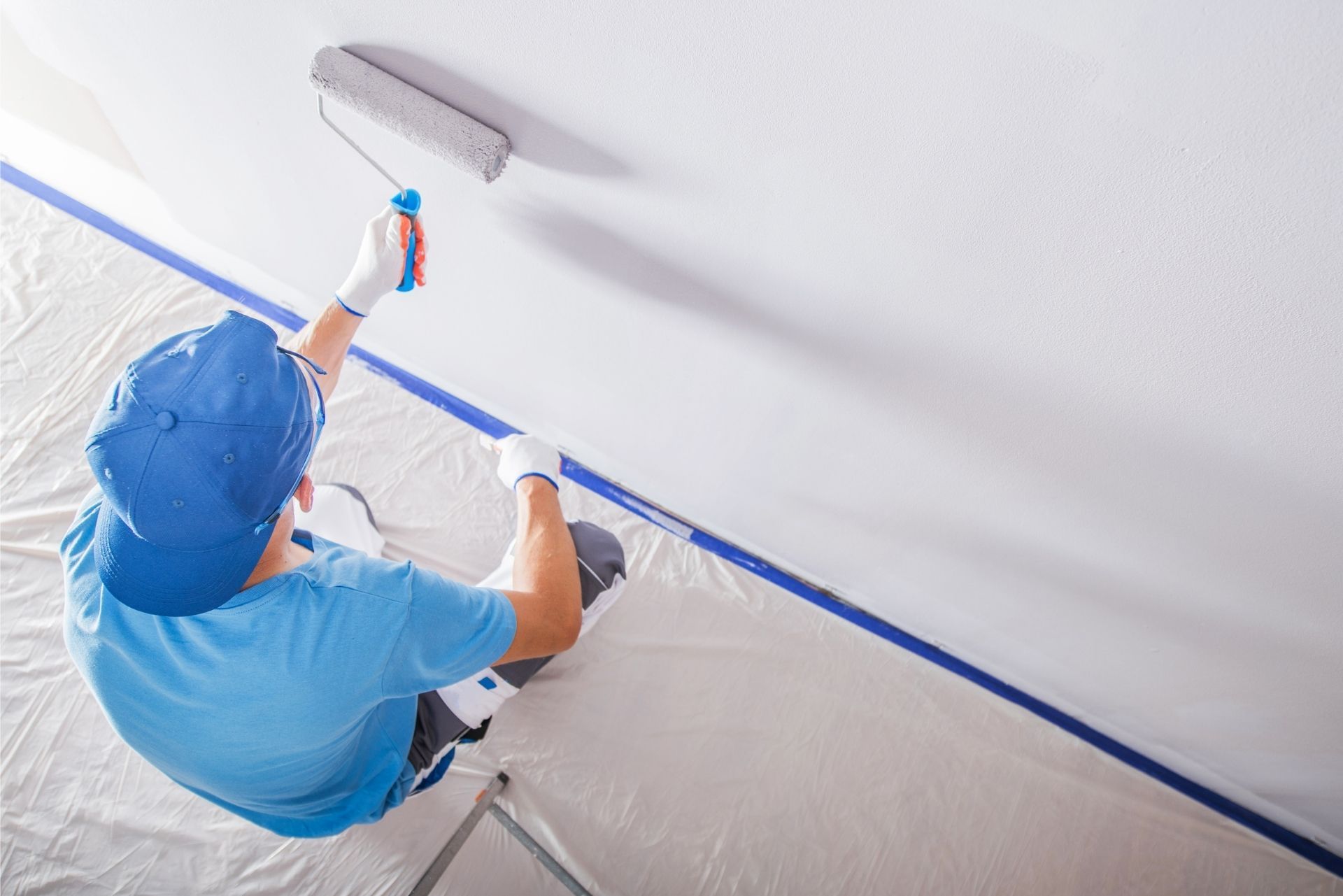
Picture a busy workday on a Florida job site where every brushstroke and ladder setup counts. For painting contractors, unexpected accidents or claims can rapidly escalate into costly legal battles or claims that could put the business at risk of shutting down. That’s why understanding the ins and outs of Florida painter insurance is essential for protecting business assets and ensuring that every project finishes smoothly. Industry sources reveal that comprehensive coverage is more than a regulatory requirement-it’s a lifeline for small businesses and large painting outfits alike.
Covering a diverse range of risks from property damage to employee injuries, painter insurance stands as an indispensable tool, especially in the unpredictable construction environment. With mandatory requirements and high cost stakes, painting contractors must navigate the challenge of providing quality services while managing costs.
Delving into the specifics of each coverage ensures that painters are not left exposed when incidents occur that could halt operations and negatively impact their bottom line.
Understanding the Scope of Painter Insurance in Florida
Many painting contractors might assume that color and creativity are all that matter. However, running a painting business involves far more than choosing the right hues. Every project carries risks such as accidental damage to client property or injuries on the job. Insurance is what provides a financial safety net, covering claims that could threaten a company’s entire operation.
Insurance packages typically include general liability, professional liability, and workers' compensation. Each type of coverage addresses different aspects of business operations, from third-party damages to employee injuries. In Florida, these policies have specific cost implications and legal requirements. For example, Florida law mandates that painting businesses in the construction industry carry workers' compensation insurance for all employees (NP&Brokers).
This section explains why a multi-layered approach to insurance is essential and how these layers work together to protect against potential financial pitfalls. Understanding coverage options not only assists contractors in making informed decisions but also contributes to a more stable operating environment.

The Importance of General Liability Insurance
General liability insurance is the cornerstone of risk management for painting contractors. It addresses third-party claims, including bodily injury, property damage, and instances of advertising injury. Such incidents may happen unexpectedly on site and can have severe financial consequences if not adequately covered. This type of policy is particularly crucial for painters since many projects occur in uncontrolled environments that might expose the contractor to unforeseen accidents.
In Florida, a typical general liability policy for painters comes with coverage limits of $1 million per occurrence and $2 million aggregate (Insuranceopedia). For many contractors, these limits offer crucial protection against a single large-scale claim and multiple smaller claims that, in aggregate, could be financially overwhelming.
Cost considerations also come into play. Some research indicates that the average annual premium for general liability insurance for painting contractors hovers around $1,085, while other sources suggest costs of approximately $1,733 per year for a typical painting business. These variations can be attributed to differences in policy scope and coverage specifics, making it essential to shop around and compare policies.
Workers' Compensation Insurance – Protecting the Team
The safety of employees on a Florida job site is non-negotiable. Florida law mandates that painting businesses in construction carry workers' compensation insurance for every employee (NP&Brokers). This critical coverage ensures that workers injured on the job receive prompt medical care and necessary financial support while protecting the business from lawsuits related to workplace injuries.
In 2024, the average workers' compensation rate for painters in the state is around $5.57 per $100 of payroll, which translates to roughly $211 per month per employee (Kickstand Insurance). Such investments in your workforce provide peace of mind while ensuring that employees are well cared for, especially when working on riskier projects.
Since construction sites can be hazardous by nature, robust workers' compensation coverage is not only a regulatory requirement but also a wise investment. It helps paint a picture of a company that values the well-being of its employees, which can boost morale and even attract top talent who prioritize safety and security in the workplace.
Examining Professional Liability Insurance for Painters
Professional liability insurance, often known as errors and omissions insurance, is another key component to consider. While painters are not typically viewed as professionals whose work invites malpractice claims, mistakes and oversights can still lead to significant financial exposure. This coverage protects against claims arising from an alleged failure to meet professional standards.
For painting contractors in Florida, the average annual premium for professional liability insurance is approximately $860, according to recent findings (Insuranceopedia). Market estimates also place the monthly cost for such policies around $64, which totals to about $765 annually (MoneyGeek). The slight variation in costs might reflect differences in policy limits, deductibles, and the contractor’s claims history.
This type of insurance becomes especially pertinent when contracts involve high-stakes projects or when the painting work is part of a larger, integrated construction service. It offers protection for the contractor’s professional reputation and financial health in scenarios where a dispute over workmanship might otherwise lead to expensive legal battles.
Coverage Comparison: A Closer Look at Painter Insurance Options
Evaluating the different types of insurance can be challenging, especially for those new to the industry or operating on thin margins. A simple side-by-side comparison helps clarify what each policy covers and their associated costs.
Below is a table summarizing the key coverage options available for Florida painters:
| Insurance Type | Typical Coverage | Average Annual Cost | Notes |
|---|---|---|---|
| General Liability | Bodily injury, property damage, advertising injuries | $1,085 to $1,733 | Coverage limits typically at $1M per occurrence and $2M aggregate (Insuranceopedia) |
| Workers' Compensation | Employee injury and illness coverage | $211/month per employee (based on payroll) | Mandatory in Florida for painting contractors (NP&Brokers) |
| Professional Liability | Errors, omissions, work mistakes | $860-$765 annually | Important for claims related to professional errors (Insuranceopedia) |
This comparison demonstrates that while general liability insurance may be the most expensive option, it is also among the most critical for shielding a business from catastrophic claims. Meanwhile, workers' compensation remains a legal mandate that supports employee welfare, and professional liability offers a safeguard against disputes over workmanship.
Contractors should assess their individual needs considering factors such as payroll size, project scope, and the potential for professional liability claims. This tailored approach assures that the policy package selected not only complies with legal requirements but also offers real protection for everyday business challenges.
Factors Influencing Insurance Premiums for Painters
Insurance premiums can vary widely depending on several factors unique to painting contractors. Business size, claims history, location, and even the type of projects completed on a regular basis all weigh into premium calculations. For instance, a contractor who frequently handles large-scale commercial projects might face higher premiums than one focusing solely on residential work.
Other critical elements include the type of coverage selected and the deductible levels a company is willing to commit to. Contractors in Florida should also consider local risks such as severe weather conditions, which might lead to additional claims. These variable factors mean that while the average premium for general liability might be around $1,085 annually according to some sources (Insuranceopedia), the final cost for a business could differ.
Comparing quotes from several insurers while considering the specifics of policy coverage ensures that the business is not overpaying. Each insurer may weigh risk factors differently, so it is essential to provide detailed information during the quoting process and negotiate policy terms that suit operational realities.
Risk Management Strategies to Reduce Premiums
Insurance is not solely about mitigating losses post-incident; it also plays a proactive role in risk management. Painting contractors can adopt strategies to reduce incidents on-site, thereby potentially lowering their insurance premiums. Regular safety training, proper equipment maintenance, and strict adherence to safety protocols are all valuable measures.
Employers can also consider investing in additional safety measures like weather monitoring systems on active sites. Proper documentation of job site activities helps in case a claim arises, providing evidence that safety protocols were meticulously followed. Such practices not only decrease the likelihood of claims but also build a strong case during rate negotiations with insurers.
Insurers often reward businesses with lower premiums if they can demonstrate a commitment to safety and risk management. A clear record of planned safety procedures and a robust claims history are advantageous when renewing policies or expanding coverage. These initiatives can have a tangible impact on reducing the overall cost of painter insurance.
Legal Requirements and the Regulatory Landscape in Florida
Florida’s regulatory environment for painting contractors is particularly stringent, designed to protect both workers and clients. State law makes it mandatory for painting businesses in the construction sector to carry workers' compensation insurance for all their employees (NP&Brokers). This legal mandate ensures that financial protection is provided when employees face injuries as a result of the hazards on job sites.
Beyond workers' compensation, many contractors often decide to invest in additional layers of protection like general liability and professional liability insurance. Complying with legal requirements goes hand-in-hand with sound risk management practices. Insurers work closely with contractors to ensure that policies adhere to Florida’s laws while also covering broader risks associated with day-to-day operations.
It is prudent to periodically review state regulations and consult with insurance professionals who understand local nuances. Legal changes or evolving industry standards might require updates in coverage, ensuring that painter insurance policies remain compliant and effective in protecting against emerging risks.
Customizing Insurance Policies for Florida Painters
Given the diverse nature of the painting industry in Florida, there is no one-size-fits-all insurance policy. Some contractors operate as small, sole proprietorships, while others are part of larger teams handling extensive commercial contracts. Therefore, customizing insurance policies involves selecting the right mix of coverages based on business size, project types, and financial risk tolerance.
When crafting a tailor-made policy, it's essential to align coverage limits with the most likely risks faced on a job site. For instance, contractors who operate in high-traffic areas might prioritize a higher general liability cap to protect against potential damage claims. On the other hand, a painting business that handles high-end commercial projects might lean heavier on professional liability coverage for specific contractual needs.
Insurance carriers typically offer customizable plans that allow contractors to adjust deductibles, coverage limits, and even policy features to best match their risk profiles. Evaluating these options with the help of a knowledgeable broker can reveal opportunities to optimize coverage while balancing premium costs.
Budgeting for Painter Insurance Expenses
Budgeting for insurance can be a balancing act, especially for smaller painting contractors whose cash flow may fluctuate between projects. It is crucial to view insurance premiums as an investment in the business’s longevity rather than an unavoidable expense.
For example, despite the potential financial burden of a sudden claim, paying an annual premium of approximately $1,085 to $1,733 for general liability coverage is a small price to pay compared to the losses that could come from an uninsured claim. Similarly, the commitment to paying roughly $211 per employee each month for workers' compensation coverage (Kickstand Insurance) ensures that the business remains compliant with state mandates while safeguarding its greatest asset-its workforce.
When assessing insurance costs, business owners should consider bundled packages and discounts offered by insurers. In some cases, combining general liability and professional liability coverage can lead to cost savings while simplifying policy management. Consulting with insurance experts to explore all possible options will ensure that the policy package fits within budget constraints without compromising on the quality of coverage.
Understanding Claims and How They Impact Premiums
Every insurance policy comes with its own set of claims procedures and factors that affect future premiums. A solid understanding of how claims are processed and how they can influence the next rate cycle is essential. Contractors should maintain comprehensive records of any incidents and preventive measures taken post-incident.
Claims history is a key metric used by insurers during premium evaluations. A business that has successfully mitigated risks and maintained a minimal claims record might enjoy lower renewal rates. Conversely, frequent claims or unresolved liability issues can cause premiums to rise.
Regular reviews of claims records not only prepare the business for potential inquiries during policy renewal but also offer valuable insights that can shape better risk management practices in the future. Proactive communication with insurers regarding changes in the business, such as safety improvements or a shift in project types, can sometimes lead to more favorable premium adjustments.
Real-World Implications: Stories from the Field
Various painting contractors across Florida have shared anecdotes that underscore the importance of having the correct insurance coverage. There are tales of a painter facing a lawsuit after an accidental spill led to extensive property damage, where general liability insurance saved the business from crippling financial setbacks. These stories illustrate that while careful planning can mitigate risks, accidents remain unpredictable, and adequate coverage becomes the last line of defense.
Workers' compensation claims also provide a glimpse into the operational realities of the industry. In one instance, a minor workplace injury almost derailed a contractor's operations until workers' comp coverage provided necessary support, minimizing downtime. Such accounts remind industry professionals that investment in insurance is not just for compliance-it’s a safeguard of the business legacy.
These real-world examples highlight that staying informed, adhering to state laws, and continuously updating your insurance portfolio are the best strategies for long-term business health. Learning from the experiences of others in similar trades can help drive better risk management and policy optimization.
Practical Tips for Choosing the Right Policy
Selecting an insurance policy may seem overwhelming amid numerous options and complex contract conditions. However, several practical tips can simplify the process:
Begin by conducting a thorough risk assessment of your business operations. Identify both the most likely and the most severe potential claims. Compare policies that offer flexible coverage options and confirm that all legally mandated coverages-like workers' compensation in Florida-are part of the bundle. Detailed quotations help clarify the differences in policy limits and deductibles.
Consulting with an insurance broker who has experience with construction and painting businesses can also provide personalized insights. They can help fine-tune coverage to the specific risks faced by a painting contractor. Such a tailored approach ensures that the policy not only meets state regulations but also aligns with day-to-day operational needs.
Future Trends in Painter Insurance in Florida
The landscape of insurance is continually evolving, driven by changes in regulation, market conditions, and technological advancements. For painters in Florida, emerging trends such as more data-driven underwriting processes and the rise of usage-based policies are beginning to influence the industry.
One possibility is the customization of policies based on real-time data collected from job sites. For instance, businesses that adopt advanced safety and monitoring technologies might benefit from lower premiums due to documented risk reduction efforts. These trends signal that the future of painter insurance will be both more adaptive and more competitive, with insurers willing to reward practices that minimize claims.
Staying ahead of these trends means keeping in contact with industry experts and regularly evaluating policies against evolving standards. As insurers continue to innovate, painters who adjust their approach to risk management and coverage customization will likely secure the most cost-effective and comprehensive protection.
Frequently Asked Questions
Q: Is general liability insurance mandatory for painters in Florida?
A: While not legally mandated by the state, general liability insurance is highly recommended as it covers third-party claims such as bodily injury and property damage (Insuranceopedia).
Q: How much does workers' compensation cost for painting contractors?
A: Workers' compensation insurance costs around $211 per month per employee, based on an average rate of $5.57 per $100 of payroll (Kickstand Insurance).
Q: What does professional liability insurance cover for painters?
A: Professional liability insurance covers errors or omissions in your work, protecting against claims related to workmanship and service standards (Insuranceopedia).
Q: Can safety training lower my insurance premiums?
A: Yes, demonstrating proactive risk management through safety training and adherence to protocols can lead to more favorable premium rates.
Q: Do I need both general liability and professional liability coverage?
A: Yes, because each policy addresses different risks. General liability covers third-party damages while professional liability protects against claims related to errors or omissions in your work.
Q: How do I choose the best insurance provider?
A: Compare quotes, check policy details, and consult with brokers who understand the specific needs of the painting industry in Florida to ensure comprehensive coverage.
Wrapping Things Up for Florida Painting Contractors
For Florida painters, the insurance landscape is not only a necessary compliance measure but a crucial business strategy to ensure sustainability and growth. Investing in policies like general liability, workers' compensation, and professional liability offers robust protection against the unpredictable risks that the painting industry faces daily. Moreover, with state-specific mandates and varying premium rates-such as annual premiums for general liability ranging from approximately $1,085 to $1,733 and professional liability nearing $860 to $765-painters must carefully tailor their coverage to match their operational realities.
Meeting legal requirements such as carrying workers' compensation insurance for every employee is non-negotiable (NP&Brokers). Meanwhile, adopting proactive risk management techniques, investing in safety training, and maintaining thorough documentation all contribute to lowering future claims and potential premium hikes.
Drawing on resources from trusted industry publications and insurers, contractors can gain clarity and confidence. Whether it’s comparing coverage options with tables that break down costs and coverage specifics or ensuring every policy facet conforms with Florida’s regulatory environment, the message is clear: the right insurance policy is essential. The choices you make today will protect not only your business but also the hardworking team behind every successful paint job.
For painters planning to secure or update their coverage, staying informed on policies, regulations, and emerging trends is key. As the industry evolves, so too should risk management strategies. In a competitive market, the right coverage plan enables contractors to focus on their craft, knowing that their business is shielded by comprehensive and well-tailored insurance solutions.
ABOUT THE AUTHOR: PAUL RAMENTOL
I am the Owner and President of Mesa Insurance Agency. I help individuals and business owners across Florida secure personal and business insurance coverage that supports their needs. My focus is on clear guidance, direct communication, and long-term support without call-center delays or confusion.
Contact Us

Personal Coverage Options
Insurance Built for Everyday Protection
Mesa Insurance Agency provides personal insurance coverage designed to support daily life. Our team reviews risks and coverage needs to help clients secure dependable protection at fair rates.
Dental & Vision Insurance
Coverage that helps manage routine dental and vision care costs.

Business Coverage Options
Insurance Built for Business Protection
Mesa Insurance Agency provides business insurance coverage that helps protect operations, employees, and property. We work with multiple carriers to offer coverage options that support daily business activities and long-term stability.
Commercial Auto Insurance
Coverage for business-owned vehicles, drivers, and accident-related liability exposure.
General Liability Insurance
Protection against third-party injury, property damage, and common business liability risks.
Professional Liability Insurance
Coverage for claims related to professional services, advice, or service errors.
Workers’ Compensation Insurance
Coverage that helps support employees with work-related injuries and medical costs.
Commercial Property Insurance
Protection for buildings, equipment, inventory, and physical business assets.
Errors & Omissions Insurance
Coverage for financial losses caused by mistakes, omissions, or service-related claims.
Industries We Serve
Serving Businesses Across Multiple Sectors
Mesa Insurance Agency works with business owners across Florida to provide insurance coverage that supports daily operations. We understand common risks faced by different industries and help clients secure reliable protection.

Construction and Trades Insurance
Coverage for job sites, vehicles, tools, and workplace risks.

Hospitality Businesses Insurance
Insurance for restaurants, bars, and service-based operations.

Retail and
Commercial Properties
Protection for storefronts, inventory, and customer-related liability.
Our Approach
Insurance Made Easy to Understand
Mesa Insurance Agency provides business insurance coverage that helps protect operations, employees, and property. We work with multiple carriers to offer coverage options that support daily business activities and long-term stability.
Insurance FAQs
Helpful Answers for Florida Clients
Support you can rely on.

What makes Mesa Insurance Agency different?
We are an independent agency with access to multiple carriers. This allows us to offer flexible coverage options.
Clients work directly with licensed agents. Service continues beyond the policy start date.
Do you offer coverage for individuals and families?
Yes. We provide personal insurance for individuals and families across Florida.
Coverage includes auto, home, health, life, and flood insurance. Our team explains each option clearly.
Do you work with small and mid-sized businesses?
Yes. We work with businesses of many sizes and industries.
Our team helps identify risks and secure appropriate coverage. Ongoing service is included.
Can I make changes to my policy later?
Yes. Policies can be updated as needs change.
We assist with coverage adjustments, additions, and removals. Clients can contact us directly for help.
Is flood insurance required in Florida?
Flood insurance is not always required, but it is strongly recommended in many areas.
Standard home insurance does not cover flood damage. Our team can review your flood risk and options.
How do I contact your office?
You can contact us by phone, email, or through our website.
Our team responds promptly during business hours. Support is always available when needed.
From the Blog
Insurance Topics That Matter
Clear answers for common questions.







Client Reviews
Trusted by Clients Across Florida
Mesa Insurance Agency is proud to serve individuals and businesses throughout Florida. Clients choose us for clear communication, responsive service, and reliable insurance support. Their feedback reflects our focus on long-term relationships and consistent service.
Contact Us