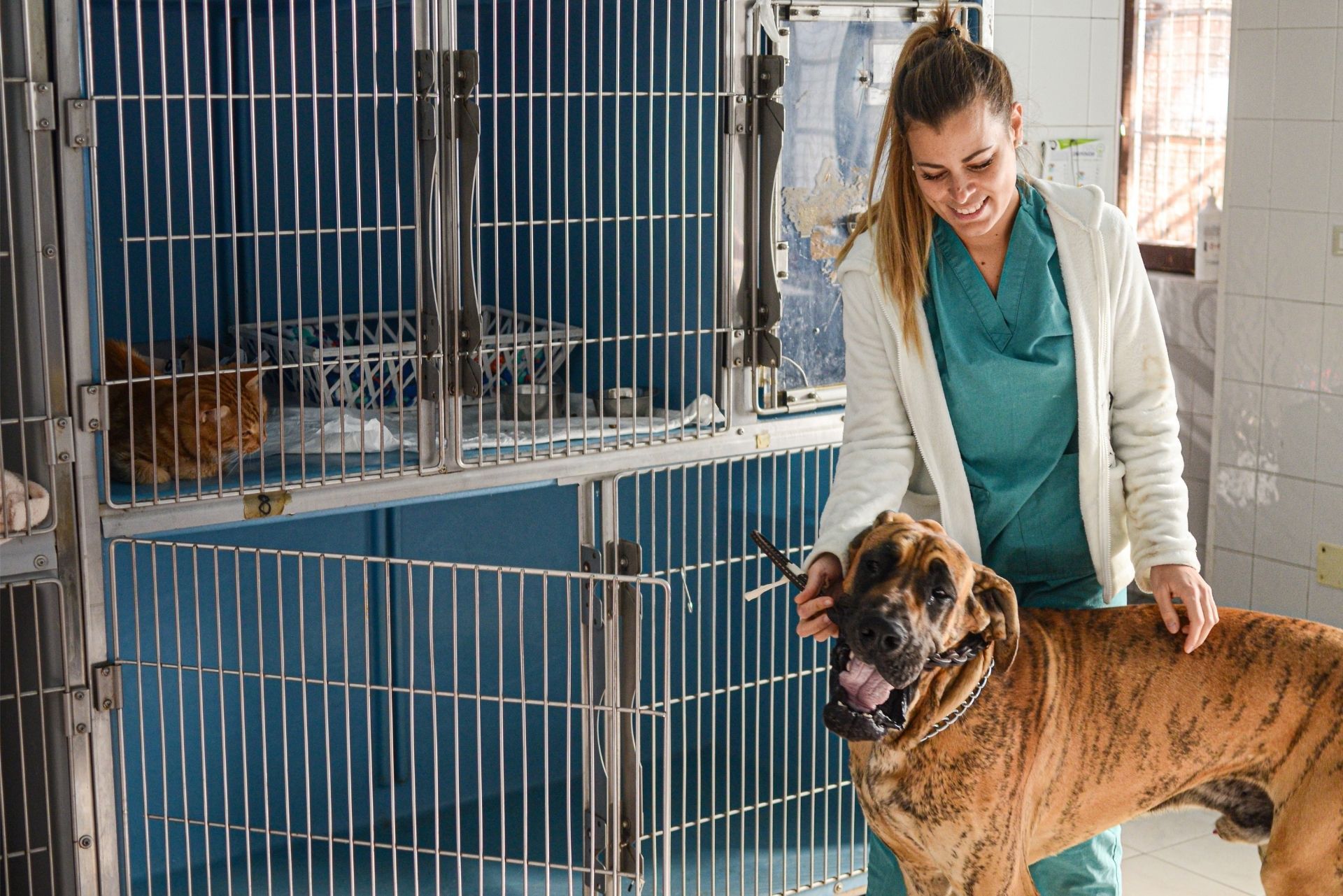
A busy kennel in central Florida recently faced a claim after a routine health inspection turned into a costly setback. The incident underscored the importance of having tailored insurance coverage for kennels and breeders operating in the state. With the evolution of industry practices and the unique risks facing commercial kennel operators, staying properly insured has become a necessity rather than an option. For a closer look at state-specific challenges, see Florida's current pet insurance trends.
This article explores how commercial kennel insurance provides a safety net for Florida's breeders and kennel operators, offering insights into the industry landscape, regulatory developments, and current market dynamics. Each section is designed to break down complex insurance issues into practical details relevant to operators who want to protect their business, animals, and reputation while managing financial risks inherent to the industry.
Understanding the Unique Risks Facing Kennels and Breeders
Running a kennel or animal breeding operation in Florida comes with its own set of risks, from animal liability and property damage to disease outbreaks and regulatory inspections. Kennel operators must navigate challenges that extend beyond the general liabilities faced by other businesses. For instance, veterinarians have observed firsthand that timely insurance coverage can be critical for saving pets' lives in emergency situations, as noted by experts like Dr. Beth Keser from Gardens Animal Hospital (WPBF 25 News).
Beyond routine operations, a sudden outbreak of disease or an unexpected accident can have devastating financial consequences. Potential legal claims, loss of business reputation, and the high costs associated with veterinary care make commercial kennel insurance essential. According to industry insights, a robust policy not only covers immediate incidents but also provides a buffer against future unpredictable events.
The market for pet insurance has grown significantly over the past few years. In recent years, insured pet numbers have surged from 3.1 million in 2020 to over 5.3 million by 2022 (WPBF 25 News). While these figures primarily highlight pet insurance trends, the underlying principles of risk management apply equally to commercial kennels and breeding operations.
The Florida Insurance Landscape and Its Impact on Kennels
Florida remains a dynamic market for insurance, with several recent regulatory and market developments directly affecting business operations, including those in the kennel and breeding sectors. In 2024, the state accounted for 6.3% of insured pets across the United States, while contributing 6.4% of the total gross written premium (Insurance Business). These figures emphasize the significance of Florida as an influential hub in the pet insurance market.
The steady increase in insurance premiums over the years is affecting even smaller, specialized operators. With a rise in premium costs driven largely by escalating veterinary expenses and overall operating costs, many operators find themselves reviewing and upgrading their policies to secure better financial protection. Florida regulators approved 12 pet insurance rate increases in 2024, leading to an average hike of 9.25% (Insurance Business), a statistic that underscores the friction between rising operating costs and policyholder expenses.
This regulatory pressure is prompting many kennel operators to reassess their coverage needs. As premiums adjust, operators must ensure that their policies align with the actual risks faced by their businesses. This is particularly true for kennels that house large numbers of animals, where a localized outbreak or a single liability claim can trigger far-reaching financial implications.
Regulatory Developments and Policy Transparency
Recent developments in Florida's regulatory environment have begun to reshape how insurance policies are structured and administered for commercial kennels. Florida lawmakers are actively discussing Senate Bill 158, which aims to boost transparency within the pet insurance market by mandating clearer policy disclosures and stricter oversight by the Florida Office of Insurance Regulation (Insurance Business). Although the bill targets the broader pet insurance sector, its provisions are likely to have a significant impact on kennel operators and breeders, who rely on transparent and consistent information when purchasing policies.
Transparency in policy details means that operators can better understand exactly what is covered and what is not. Kennels and breeders often face multifaceted risks that do not always fit neatly into generic policy categories. For instance, any ambiguities in veterinary expense coverage or liability clauses might leave a business exposed during an unforeseen crisis.
The movement toward improved regulatory oversight is a welcome change for many in the industry, as it promises more dependable and forthright policy terms. This approach aims to resolve many of the frictions that arise when policy language is too vague or when unexpected rate hikes occur, ensuring that businesses are not left scrambling during critical moments. A renewed focus on detailed disclosures and annual reporting can provide assurance to operators that their coverage truly reflects their operational risks.
Market Trends: Growth and Increased Premiums
Market trends over the past few years have shown a marked increase in the number of insured pets as well as in the total premiums collected. The North American Pet Health Insurance Association highlighted a 12.2% growth in insured pets from 2023 to 2024, with gross written premium increasing by 20.8% to $5.2 billion (Insurance Business). These trends mirror the rising awareness of animal welfare issues as well as the need for protection against unforeseen expenses.
While these statistics predominantly reflect the general pet insurance landscape, the underlying trend of increased premiums is equally relevant for kennel operators. The escalation in written premiums suggests that the cost of adequate coverage for animals has risen-and will likely continue to do so-as the industry adapts to new challenges and cost structures. In a market where veterinary costs and regulatory demands are continuously evolving, acknowledging these trends helps operators plan their budgets more effectively.
The rise in premiums also acts as an indicator of broader market risks. For businesses with tight profit margins, managing these incremental costs without compromising coverage becomes a balancing act. Therefore, careful inspection of policy terms, coverage limits, and potential future rate adjustments is essential. As historical trends suggest, the steady growth in both the admitted market and surplus lines’ commercial books-by more than 42% in 2023 (Insurance Journal)-serves as a strong signal to reassess current insurance practices periodically.
Emergence of Micro-Captives: An Industry Shift
Micro-captives have grown in popularity among Florida business operators, including those running kennels. With the number of micro-captives for clients in Florida increasing by a staggering 2,200% over the last five years (Carrier Management), there is a clear trend toward alternative risk financing. Micro-captives allow businesses to take a more active role in managing their own risks, effectively bypassing some traditional market constraints.
For many kennel operators, the traditional insurance market may not always offer the tailored coverage they need at a competitive price. Rising premiums, evolving policies, and industry-specific risks have driven some operators to explore micro-captive solutions as a way of bridging the gap. This alternative approach provides greater flexibility, especially in an environment where insurance costs have become a major concern.
The micro-captive model enables owners to retain a portion of the risk, which can potentially reduce overall premium costs and provide incentive-based controls on loss prevention strategies. By having a closer connection to their risk management, operators find that they can more efficiently monitor claims and adjust their practices to mitigate future incidents. Such a trend is likely to continue as more operators recognize the financial advantages of these non-traditional arrangements.
Key Components of a Commercial Kennel Insurance Policy
Understanding what a comprehensive commercial kennel insurance package should cover is vital. The ideal policy might incorporate property damage, liability coverage, animal mortality, and even business interruption protection. Each component plays a critical role in ensuring that kennel operations remain resilient in the face of adverse events. Given the varied risks in the industry, many policies are now underpinned by more explicit clauses regarding veterinary costs and animal health risks.
For instance, many operators have raised concerns about how policy language addresses outbreak scenarios or unexpected disease patterns. Transparent wording regarding covered veterinary services, quarantine costs, and associated liabilities is essential. Policies that offer detailed explanations of what is covered and under which circumstances can ease the decision-making process when choosing the right provider.
Detailed coverage tables and clear breakdowns of policy inclusions can differentiate a good insurance product from a mediocre one. A comprehensive policy often includes comparison charts that outline the differences between basic and extended coverages for various risk elements. Kennel operators benefit from understanding these details, particularly when evaluating multiple policy options from different insurers. With rising premiums and shifting regulatory standards, a well-crafted policy table can serve as a roadmap to ensure that no critical risk factor is overlooked.
Coverage Areas and Their Importance
Most commercial kennel insurance policies will divide coverage into several primary categories. These may include general liability, property damage, and animal mortality, each designed to cover distinct risk areas. In many instances, a failure to address even one category could spell significant financial distress in the event of an unforeseen incident.
General liability coverage typically protects against injuries sustained on the property or claims made by visitors. Property damage coverage is essential for safeguarding the physical assets-buildings, fencing, and specialized equipment-upon which the operation relies. For breeders and kennel operators, animal mortality coverage is perhaps the most crucial, ensuring that unexpected losses or health emergencies do not jeopardize the operation's financial stability.
An easy-to-read table can illustrate these coverage areas side by side. For example, one column might list the coverage types along with their typical limits, while another column shows the associated costs and any special conditions. Such a table not only simplifies what might otherwise be an overwhelming array of coverage options, but it also allows operators to compare different policies before making a final decision.
Incorporating Optional Endorsements
Optional endorsements can enhance a standard commercial kennel policy, tailoring it to cover additional risks that are specific to particular operations. For example, some policies can be extended to cover specialized breeding operations where the genetic health of animals is of concern, or output loss due to regulatory shutdowns.
These endorsements might include increased limits for large-scale operations or extra coverage for high-value breeds and specialized veterinary treatments. With clarity in these endorsements, operators have assurance that their policy will offer sufficient protection during an accident or outbreak affecting a significant portion of their operation.
When considering endorsements, it is useful to review concrete case studies where additional endorsements have mitigated losses in real-life scenarios. Kennel operators, supported by transparent policy details and similar insights from micro-captive arrangements, find that endorsements offer both a safety net and the flexibility needed for dynamic business operations.
Choosing the Right Insurance Provider for Your Kennel
Selecting the ideal insurer involves both careful evaluation of coverage details and a robust understanding of an operator's specific needs. While premium costs are an important factor, long-term reliability, claim responsiveness, and detailed policy disclosures should not be overlooked. Recent efforts by lawmakers to increase transparency in policy details have pushed many insurers to clarify their offerings (Insurance Business).
Finding an insurer with a proven track record in managing claims for diverse animal industries is useful. Operators should look for companies that have demonstrated resilience in a shifting market-one where premium adjustments and regulatory changes occur frequently. Detailed historical performance data and client testimonials can also go a long way toward establishing trust.
Consultations with insurance experts or brokers who understand the nuances of animal-related risks can also be beneficial. Many brokers now provide comprehensive analysis that not only compares policy details but also offers insights into emerging trends, such as cost increases linked to veterinary care or the benefits of micro-captive arrangements. This personalized approach ensures that kennel operators get coverage that truly fits their needs.
Comparing Policy Options: A Practical Table
Below is a sample table outlining typical policy comparisons, serving as a guide to evaluate the coverage differences among multiple providers:
| Coverage Type | Basic Policy | Enhanced Policy |
|---|---|---|
| General Liability | $1 million limit | $2 million limit with expanded third-party coverage |
| Property Damage | $500,000 limit | $1 million limit with additional equipment coverage |
| Animal Mortality | Standard replacement value | Actual cash value with replacement cost benefits |
| Business Interruption | Up to 90 days | Up to 180 days with extended coverage for regulatory shutdowns |
This table should serve as a starting point. Operators are encouraged to request detailed policy documents and ask targeted questions to ensure that the insured risks align with their specific operational needs.
Managing Insurance Costs Without Compromising Coverage
Reviewing premium costs and understanding the factors influencing them can help kennel operators manage expenses while still maintaining robust coverage. Rising veterinary costs have been a significant driver for increased premiums in the insurance market (Insurance Business), a reality that resonates strongly within the kennel industry.
In an environment where premiums are steadily rising, operators must balance affordability with comprehensive coverage. A detailed review of each policy can reveal hidden advantages, such as bundled discounts, loyalty rewards, and risk management programs designed to lower overall claims. It is common for insurers to offer incentives that reduce costs if safety enhancements or proper animal management practices are in place.
For many operators, the quest for affordability has turned into a broader discussion about risk management. Investing in safety protocols, improved facility management, and preventive veterinary care can all contribute to reducing the likelihood of claims. While lower premium costs are appealing, the value of a policy often lies in its ability to mitigate risk in high-impact situations.
Cost-Saving Strategies and Preventive Measures
Effective strategies to manage insurance costs may include adopting preventive veterinary practices, enforcing strict safety guidelines, and maintaining meticulous records of all operations. These measures not only safeguard the animals but also demonstrate to insurers that the operation is proactive in managing risks. Training staff to handle emergencies and updating facilities to meet safety standards are tangible steps that can lead to significant discounts over time.
Many operators report that regular documentation of health and safety protocols helps earn lower risk profiles in the eyes of insurers. These actions build credibility, paving the way for more favorable terms during policy renewals or when negotiating additional endorsements.
Innovative solutions such as micro-captives, which allow the business to assume part of the risk, also provide a way to divert some of the cost pressures that come with traditional insurance arrangements. With a careful blend of preventive practices and alternative financing options, kennel operators can create a more resilient financial plan in uncertain times.
Preparing for the Future: Trends and Considerations
The future of commercial kennel insurance in Florida appears set on a path of ongoing evolution. With rising premiums, improved regulatory oversight, and shifts in market dynamics, operators must adopt a forward-looking mindset. The recent upward trend in premium growth and increasing transparency requirements signal that policy conditions and costs will likely continue to shift in the coming years.
Even as current challenges persist, opportunities abound for those willing to embrace new risk management techniques. Innovations such as enhanced digital monitoring and telemedicine in veterinary care may soon become critical components of an effective risk strategy. Keeping abreast of industry trends and regulatory adjustments will allow operators to adapt their coverage accordingly and avoid unexpected pitfalls. Insights gathered from industry experts suggest that embracing technology and proactive risk management can lead to improved claim outcomes and overall cost efficiency.
As the market grows and insurance solutions become more diverse, kennel operators must also prepare for increased competition among insurers. Better-informed customers will likely demand higher transparency, competitive premiums, and enhanced coverage options. Maintaining an ongoing dialogue with insurance advisors and participating in industry forums can provide valuable early warnings of upcoming regulatory changes or market adjustments.
Technological Innovations Changing Risk Management
Technology is poised to revolutionize how risk is monitored and managed in the animal care industry. New software systems for tracking animal health records, data analytics for predicting outbreak patterns, and even wearable devices for pets can contribute to a more refined risk profile for each kennel or breeding operation. Operators who invest in these technological solutions may benefit from lower premiums and more customized policy options.
The move toward digitization helps both insurers and operators better understand risk areas and manage them proactively. Detailed data can inform underwriters about the safety measures in place, and this third party verification often translates into tangible policy benefits. Such innovations are likely to become standard practice in an industry that prizes both regulatory compliance and operational excellence.
Looking ahead, the integration of advanced technologies will likely drive further differentiation among policy offerings. Operators who combine traditional safety measures with technology-driven risk management stand the best chance of securing the most cost-effective and reliable insurance coverage possible.
Frequently Asked Questions About Florida Kennel Insurance
This section addresses common queries kennel operators and breeders may have regarding insurance coverage in Florida.
Q: What types of risks does commercial kennel insurance typically cover?
A: Coverage generally includes general liability, property damage, animal mortality, and business interruption. Specific risks may vary by policy, so reviewing the details is critical.
Q: Why are premiums for pet and kennel insurance rising in Florida?
A: Premium increases are largely driven by rising veterinary care costs and general inflation. Regulators have recently approved rate hikes, which influence overall market trends (Insurance Business).
Q: How do micro-captives work for kennel operators?
A: Micro-captives allow businesses to assume part of the risk typically covered by traditional insurers, potentially lowering overall premium costs while providing greater policy flexibility (Carrier Management). They represent an alternative risk financing method growing in popularity.
Q: What should I look for in a policy when comparing insurers?
A: Focus on coverage limits, exclusions, policy clarity, and any additional endorsements available. A clear breakdown, such as through comparison tables, can help determine which option best suits your specific operational needs.
Q: How do technological innovations affect insurance coverage?
A: Advancements like digital health monitoring and data analytics can improve an operator’s risk profile, making it easier to negotiate favorable premium terms while enhancing overall safety.
Q: Can policy transparency regulations benefit kennel operators?
A: Yes. Enhanced regulatory measures, such as those proposed in Senate Bill 158, aim to ensure that policy jargon is simplified and that all aspects of coverage are clearly disclosed (Insurance Business), helping operators make informed decisions.
Final Thoughts on Securing Reliable Kennel Insurance in Florida
Securing robust insurance coverage for commercial kennels and breeders in Florida is not merely a regulatory obligation-it is a vital component of sound business management. With a nuanced understanding of the deep industry risks, operators can better tailor their policy choices to meet unique operational demands. Paying attention to factors such as rising premium costs, regulatory changes, and innovative risk management strategies allows businesses to weave resilience into their operations.
Adopting preventive measures, exploring new models like micro-captives, and investing in technology-driven risk monitoring can help mitigate unforeseen events. The combination of these approaches, accompanied by thorough policy comparisons, strengthens overall risk management and lays a foundation for long-term business stability.
For kennel operators looking to navigate the complexities of insurance in a high-risk environment, remaining informed and proactive is crucial. As market dynamics continue to evolve, operators that invest time in understanding their coverage options while staying abreast of regulatory trends will be best positioned to weather future challenges. A solid insurance policy not only protects assets but also supports the wellbeing of animals-a core element of any successful kennel or breeding operation.
By reflecting on the current trends and integrating advice from seasoned experts across the industry, businesses in the canine and breeding sectors can ensure comprehensive coverage that adapts alongside an ever-changing landscape. Ultimately, a well-structured insurance policy is a commitment to safeguarding not only the livelihood of the business but also the lives of the animals they care so deeply about.
ABOUT THE AUTHOR: PAUL RAMENTOL
I am the Owner and President of Mesa Insurance Agency. I help individuals and business owners across Florida secure personal and business insurance coverage that supports their needs. My focus is on clear guidance, direct communication, and long-term support without call-center delays or confusion.
Contact Us

Personal Coverage Options
Insurance Built for Everyday Protection
Mesa Insurance Agency provides personal insurance coverage designed to support daily life. Our team reviews risks and coverage needs to help clients secure dependable protection at fair rates.
Dental & Vision Insurance
Coverage that helps manage routine dental and vision care costs.

Business Coverage Options
Insurance Built for Business Protection
Mesa Insurance Agency provides business insurance coverage that helps protect operations, employees, and property. We work with multiple carriers to offer coverage options that support daily business activities and long-term stability.
Commercial Auto Insurance
Coverage for business-owned vehicles, drivers, and accident-related liability exposure.
General Liability Insurance
Protection against third-party injury, property damage, and common business liability risks.
Professional Liability Insurance
Coverage for claims related to professional services, advice, or service errors.
Workers’ Compensation Insurance
Coverage that helps support employees with work-related injuries and medical costs.
Commercial Property Insurance
Protection for buildings, equipment, inventory, and physical business assets.
Errors & Omissions Insurance
Coverage for financial losses caused by mistakes, omissions, or service-related claims.
Industries We Serve
Serving Businesses Across Multiple Sectors
Mesa Insurance Agency works with business owners across Florida to provide insurance coverage that supports daily operations. We understand common risks faced by different industries and help clients secure reliable protection.

Construction and Trades Insurance
Coverage for job sites, vehicles, tools, and workplace risks.

Hospitality Businesses Insurance
Insurance for restaurants, bars, and service-based operations.

Retail and
Commercial Properties
Protection for storefronts, inventory, and customer-related liability.
Our Approach
Insurance Made Easy to Understand
Mesa Insurance Agency provides business insurance coverage that helps protect operations, employees, and property. We work with multiple carriers to offer coverage options that support daily business activities and long-term stability.
Insurance FAQs
Helpful Answers for Florida Clients
Support you can rely on.

What makes Mesa Insurance Agency different?
We are an independent agency with access to multiple carriers. This allows us to offer flexible coverage options.
Clients work directly with licensed agents. Service continues beyond the policy start date.
Do you offer coverage for individuals and families?
Yes. We provide personal insurance for individuals and families across Florida.
Coverage includes auto, home, health, life, and flood insurance. Our team explains each option clearly.
Do you work with small and mid-sized businesses?
Yes. We work with businesses of many sizes and industries.
Our team helps identify risks and secure appropriate coverage. Ongoing service is included.
Can I make changes to my policy later?
Yes. Policies can be updated as needs change.
We assist with coverage adjustments, additions, and removals. Clients can contact us directly for help.
Is flood insurance required in Florida?
Flood insurance is not always required, but it is strongly recommended in many areas.
Standard home insurance does not cover flood damage. Our team can review your flood risk and options.
How do I contact your office?
You can contact us by phone, email, or through our website.
Our team responds promptly during business hours. Support is always available when needed.
From the Blog
Insurance Topics That Matter
Clear answers for common questions.







Client Reviews
Trusted by Clients Across Florida
Mesa Insurance Agency is proud to serve individuals and businesses throughout Florida. Clients choose us for clear communication, responsive service, and reliable insurance support. Their feedback reflects our focus on long-term relationships and consistent service.
Contact Us