Warehouse and distribution center operations in Florida face unique challenges that require tailored insurance solutions. With supply chains under constant pressure and the threat of natural disasters always looming, protective measures in insurance become vital. The current market dynamic shows elements of both risk and opportunity. For instance, rising concerns about property exposures and resilient underwriting practices hint at a nuanced insurance landscape. This article delves into the specialized insurance products designed for warehouse environments while weaving in critical insights from recent research and industry developments. Check out the observations made by the Deep Sky Research on market trends that affect overall property insurance in Florida.
Understanding the Warehouse Insurance Landscape in Florida
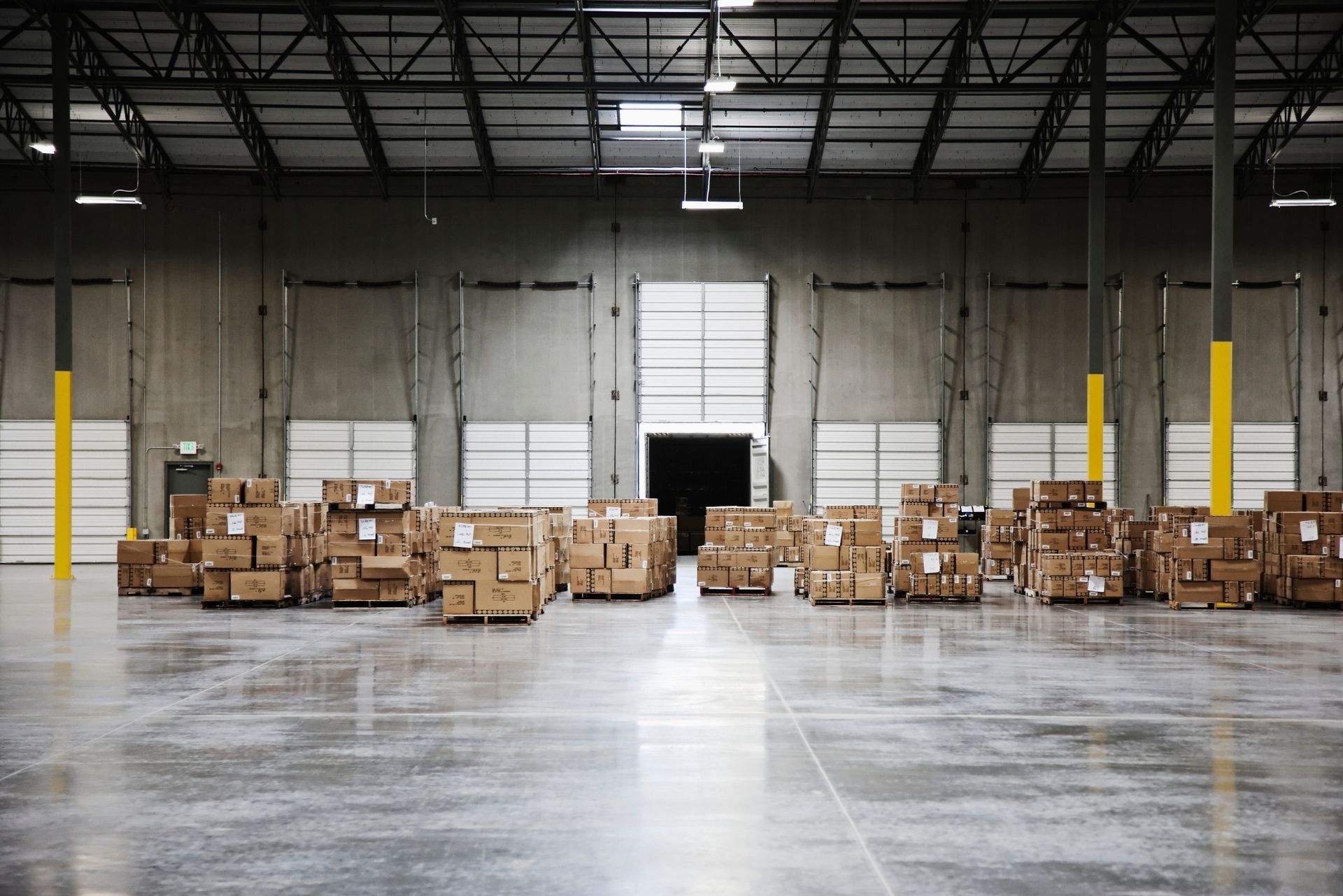
Efficient warehousing operations support vital logistics and distribution channels. With Florida serving as a major hub for imports and exports, risks from severe weather, theft, and equipment damage can impact not only cargo but also the overall supply chain. Insurance for warehouses must account for these multifaceted exposures.
Warehouses typically require a robust insurance plan that covers property damage, business interruption, and liability risks. As climate challenges intensify in the Sunshine State, insurers are recalibrating policies to reflect the increased frequency and severity of events like hurricanes. The insurance policies now demand a layered approach with a focus on risk management strategies provided by a mix of primary coverages and excess lines.
Insurance providers have taken their cues from research trends such as those reported by the
Florida Surplus Lines Service Office. Premium shifts have been modest this past year with a mere 0.6% decrease compared to previous periods, indicating a market that is regaining stability amid challenging conditions.
Key Risks for Florida Warehousing Operations
Exposure to Natural Disasters
The geographic location of Florida presents a double-edged sword. While the state’s ports enhance commercial activity and market reach, the frequent hurricane activity poses a serious risk to warehouses and distribution centers. Building structures, stored inventory, and essential equipment are all vulnerable to storm damage, flooding, and high winds.
Risk management strategies now include reinforcing building codes, implementing redundant systems for power and communication, and even retrofitting structures. Given the continuing push for cost containment in claims defenses under new tort reform initiatives cited by the Insurance Information Institute, premium pricing and policy structures have adjusted accordingly.
Not every risk can be eliminated, but the emphasis on reinsurance remains strong. According to recent industry reports, some personal property insurers in Florida experience reinsurance dependency that significantly exceeds the industry average. This signals both a need for financial buffering and careful policy design tailored to highly exposed properties.
Theft and Liability Risks
Warehouses also face operational risks such as theft, vandalism, and potential liability claims arising from employee injuries or third-party incidents. Security systems, surveillance cameras, and regular risk assessments play a crucial role in mitigating these exposures. Insurers often require documented safety measures as a prerequisite for coverage, ensuring insured parties adhere to best practices.
Legal liability claims can arise from incidents involving logistics partners or contractors. Coverage for general liability and workers' compensation becomes essential for operations involving frequent movement of goods and interactions with various service providers. This type of comprehensive coverage provides peace of mind by ensuring that even unexpected events do not lead to crippling financial loss.
The nature of warehousing demands that both physical and liability risks be managed concurrently. Tailored policies often include customized endorsements that specifically address location-based perils and operational hazards in distribution settings.
Market Trends Impacting Warehouse Insurance
Fluctuations in Underwriting Profit and Insurer Financial Health
Recent market movements have a direct bearing on the type of coverage available to warehousing operations. A notable development is that Florida-domiciled personal property insurers just reported a $207 million underwriting profit-the first profit in eight years. This positive shift, though isolated to specific policies, suggests that improvements in cost management and risk assessment play a critical role in underwriting outcomes.
The reduction in defense cost containment expenses due to tort reform has allowed insurers to write profitable business even in high-risk areas, according to the insights shared by the Insurance Information Institute. This development impacts not just residential or conventional commercial policies but extends to specialized covers like those for warehouses.
Investors and insurance professionals still maintain a cautious optimism. While underwriting performance may be improving for established carriers, the operational environment remains complex with continued pressure on loss ratios in disaster-prone areas. It underscores the need for warehouse operators to partner with carriers who combine market intelligence with robust underwriting practices.
Emerging Carriers and Product Innovation
Despite an overall contraction in some segments of Florida’s property insurance market, new carriers have entered the fray. In 2024, a record 13 new insurance carriers began underwriting in the state. This influx brings innovative products aimed at addressing the specific perils associated with warehouses and distribution centers.
The competitive entry of fresh carriers can foster improved coverage options and better risk management tools. Each new carrier often brings tailored solutions in areas like business interruption and contingency planning. These improvements ensure that distribution centers remain insured against not only standard risks but also those unique to Florida’s volatile climate.
New market entrants and product enhancements offer warehouse operators a chance to review existing policies critically while exploring innovative insurance solutions. As observed by market insights from the Active Property Care report, confidence in the state's property insurance sector contributes to a more competitive environment for tailored solutions.
Property Damage and Business Interruption Insurance
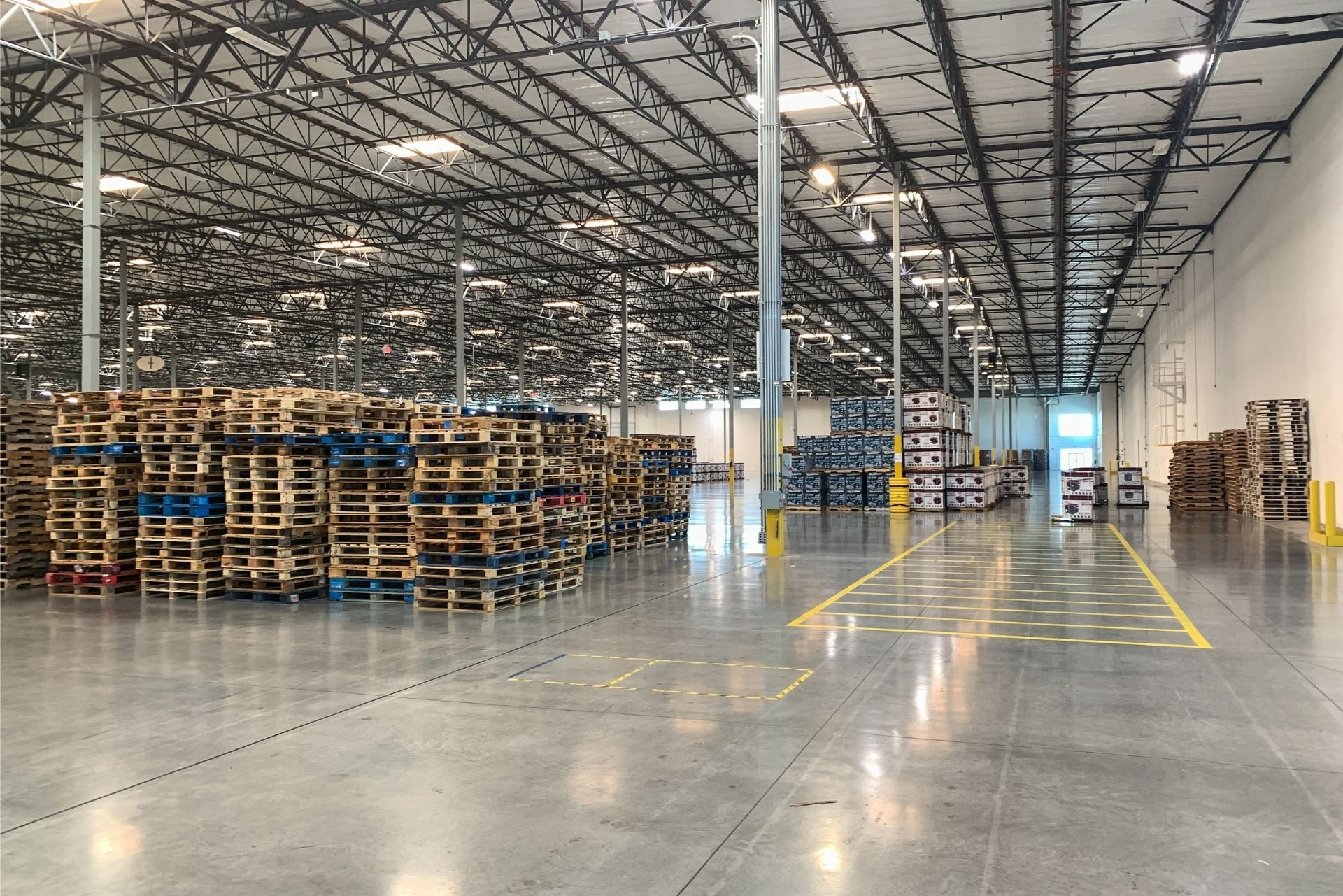
Property damage coverage is a critical component of any warehouse insurance package. Policies typically cover damage due to fire, natural disasters such as hurricanes and flooding, and other external forces. Business interruption coverage complements this protection by mitigating lost income and ongoing expenses in the event of a disaster.
Many insurers now offer comprehensive packages that include both property and business interruption policies. Warehouse operators can opt for coverages that adjust automatically based on seasonal peak activities or current inventory values, thus aligning their premiums with their operational profile.
The need for such comprehensive coverage is underscored by ongoing market challenges, including a shift in overall policy volumes seen in other sectors. For instance, a notable 78% decline in active home insurance policies between 2014 and 2024 reported by Deep Sky Research highlights the broader industry volatility, reinforcing the importance of tailored and resilient policies.
Equipment and Machinery Coverage
Warehouses house an array of expensive machinery and equipment required for daily operations. From forklifts serving heavy-duty lifting tasks to automated sorting systems, equipment breakdowns can result in significant operational disruption. Specialized coverage plans now offer protection specifically for mechanical and electrical breakdowns.
Equipment coverage typically includes repair or replacement costs after unforeseen malfunctions and may extend to cover testing and preventive maintenance costs. Such policies are designed to buffer the financial shock when critical machinery goes offline unexpectedly.
Insurers emphasize the importance of regular inspections and approved maintenance procedures. While these steps mitigate risk, they also ensure that any claims process moves smoothly in emergency scenarios.
Cargo and Goods Coverage
Warehouse operations not only store goods but often handle them across different modes of transit within distribution centers. Cargo insurance complements property coverage by protecting the value of goods in transit, whether stored onsite or in transit between facilities.
This coverage is critical for mitigating losses from theft, damage, or accidental mishandling during movement. Service providers offering such policies typically work with businesses to understand the specifics of their supply chain, ensuring that there is minimal gap between policy coverage and actual risk exposure.
Business owners in the warehousing sector should pay close attention to the intricacies of their cargo and goods policies. By understanding the terms and limits of coverage specific to their distribution activities, they can better align their risk management strategies with the demands of modern supply chain operations.
Risk Management Strategies for Warehousing Operations
Implementing Robust Security Measures
Warehouses that invest in advanced security systems tend to enjoy lower premiums and reduced claim frequencies. Installing state-of-the-art surveillance, motion sensors, and access control systems helps deter theft and vandalism. Insurers factor these investments into their risk models, leading to better premiums over time.
Regular security audits and updates to monitoring technology are essential. Additionally, fostering ties with local law enforcement and emergency response teams can further mitigate risks. When a business demonstrates a proactive approach toward safety and security, insurers often reward them with favorable terms.
Modern insurers also provide risk management consulting services to help warehouse operators identify vulnerabilities and streamline their mitigation protocols. This dual approach of investment in technology and expert consultation makes for a robust defense against operational risks.
Enhancing Structural Resilience
Investments in building improvements can reduce the damage sustained during natural events. Retrofitting structures to withstand high winds or flooding not only protects physical assets but also signals to insurers a reduced risk of significant losses. Upgrades may include storm shutters, reinforced roofing, and improved drainage systems.
Building owners in Florida increasingly recognize that a structurally resilient warehouse can remain functional during adverse weather. This resilience is factored into insurance underwriting, where compliance with local building codes and updated construction standards often leads to lower premiums.
Insurance policies that incorporate resilience-building measures provide a safeguard that goes beyond the basic replacement value of the property. By reducing the frequency and severity of damage, these measures help stabilize the operational continuity of warehousing operations under adverse conditions.
Developing Comprehensive Emergency Plans
An essential aspect of risk management in warehouse operations is the establishment of a comprehensive emergency response plan. These plans encompass evacuation procedures, backup power systems, and contingency arrangements for accessing critical services during a disaster. Preparedness not only saves time and costs but also boosts the insurer's confidence in underwriting the policy.
Moreover, aligning emergency plans with local and federal regulations ensures that businesses can navigate crises efficiently. Emergency planning is often coupled with training programs designed to equip employees with the skills needed to react swiftly and safely during emergencies.
Such preparedness can result in a smoother claims process if a disaster strikes. It reinforces the notion that the policyholder is actively investing in mitigating risk, thereby making insurance claims less ambiguous. The result is a collaborative effort between insurer and insured to maintain operational integrity during disruptions.
Comparing Coverage Options: A Closer Look at Policy Features
A side-by-side comparison of critical policy features can help warehouse operators assess the optimal protection needed for their operations. The table below outlines common coverage components for warehousing operations compared to standard property policies:
| Coverage Feature | Standard Property Policy | Warehouse & Distribution Center Policy |
|---|---|---|
| Property Damage | Basic structure and contents | Enhanced for high-value machinery and inventory |
| Business Interruption | Limited duration coverage | Extended coverage with contingency planning |
| Equipment Breakdown | Often excluded | Included with repair/replacement benefits |
| Liability Coverage | General liability only | Tailored solutions covering employee and third-party risks |
| Cargo and Goods Coverage | Limited to in-transit goods | Comprehensive with flexible limits |
This table showcases how dedicated warehouse insurance policies often provide extended protections that standard property policies may not offer. By opting for these specialized products, operators ensure that risk exposure is minimized while operational continuity is maintained during emergencies.
The enhanced coverage addresses specific operational challenges including frequent handling of high-value goods and specialized equipment requirements, ensuring that every facet of a warehouse operation is safeguarded.
Financial Stability and Insurance Provider Ratings
Monitoring Insurer Solvency
Keeping an eye on an insurer's financial health is crucial, especially in an environment with frequent claims activity. Recent studies suggest that as many as 20% of Demotech-rated insurance companies in Florida might face insolvency challenges according to a study by top academic and federal institutions (Harvard, Columbia, and the Federal Reserve Board).
Warehouse operators should therefore seek carriers with strong solvency ratings and a track record of prompt claims handling. Financial stability is not just an indicator of ability to pay claims; it also reflects a carrier's capability to innovate in the face of evolving risk scenarios.
Insurers that maintain robust capital reserves are better equipped to manage catastrophic events. It is advisable to select policies underwritten by companies with stable financial records and a history of successful claim resolutions, thereby ensuring continuous coverage without disruptions.
Assessing Reinsurance Dependencies
The role of reinsurance in protecting primary insurers cannot be overstated. Industry reports reveal a significant discrepancy between reinsurance dependency for Florida-focused personal property insurers and the industry average. Data from A.M. Best's 2024 report shows reinsurance dependency at 514.7% compared to an industry average of 59.1%. This statistic sheds light on the layers of risk that primary insurers are transferring, underscoring the necessity for warehouse operators to scrutinize the backup layers supporting their policies.
When an insurer relies heavily on reinsurance, it can indicate vulnerabilities in underwriting practices and risk exposure. Ensuring that an insurer has strong partnerships with reinsurers may instill confidence in policyholders, knowing that the financial backing exists to honor claims during major events.
This aspect is particularly relevant in Florida, where natural disasters can dramatically increase claim volumes. A careful review of an insurer's reinsurance strategy should form part of a comprehensive assessment before finalizing any coverage.
Enhancing Operational Resilience Through Insurance
Beyond policy coverage, the role of insurance extends into enhancing the overall resilience of warehousing operations. By collaborating with carriers that offer risk management services and emergency planning, warehouse operators can fortify their business continuity strategies.
Insurance products increasingly bundle premium risk assessment audits and even loss prevention training. These initiatives along with customized endorsements not only cushion against losses but also prepare operations to weather both scheduled maintenance challenges and unexpected emergencies.
Such forward-thinking approaches can transform a reactive insurance response into an integrated component of business operations. This creates opportunities not only to safeguard physical assets but also to ensure that supply chains remain active and responsive even during crises.
Frequently Asked Questions
This FAQ section provides concise answers to common questions regarding warehouse and distribution center insurance, offering quick insights for busy decision-makers.
Q: What does warehouse insurance typically cover?
A: Warehouse insurance typically covers property damage, business interruption, equipment breakdown, cargo, and general liability risks. Each policy can be tailored to address specific operational exposures.
Q: How do natural disasters affect insurance premiums for warehouses?
A: Premiums may increase as natural disasters pose a higher risk to property and assets. However, implementing robust risk mitigation measures can help secure more favorable terms.
Q: Are there specialized coverage options for cargo and inventory in warehouses?
A: Yes, specialized policies can provide enhanced coverage for cargo and inventory, ensuring protection during both storage and transit phases.
Q: How do insurers assess the financial stability of their carriers?
A: Insurers evaluate capital reserves, reinsurance dependencies, and solvency ratings. These factors influence an insurer's ability to handle claims during catastrophic events.
Q: Can warehouse operators benefit from risk management services offered by insurers?
A: Absolutely. Many insurers offer risk management services, including security assessments and emergency planning, to help reduce overall risk.
Preparing for the Future: Insurance Trends and Considerations
As the commercial landscape evolves with new technologies and shifting market demands, insurance products must adapt to emerging risks. Operators of warehouses and distribution centers benefit the most when they remain informed about policy changes, innovative risk solutions, and evolving market conditions.
One emerging trend to watch is the incorporation of predictive analytics into underwriting practices. By assessing real-time data on weather events, inventory flows, and operational metrics, insurers can offer more dynamic coverage options. This approach helps mitigate losses by matching policy terms with actual risk exposure, ensuring that businesses remain fully covered without overpaying for protection.
Another key trend involves increasing collaboration between technology providers and insurers. By integrating IoT devices and sensors throughout warehousing facilities, data-driven insights can lead to proactive maintenance and improved safety protocols. Such partnerships ultimately translate into improved claims experiences for policyholders while also driving down risks associated with operational disruptions.
Evaluating New Market Entrants
With 13 new insurance carriers entering the Florida market in 2024, there has been renewed confidence in the state's property insurance sector. These new carriers often bring fresh ideas and customized products that reflect the specific risks of warehouses and distribution centers. Their innovative approaches may include technology-driven monitoring, performance-based premium adjustments, and incentive programs for maintaining rigorous safety standards.
Warehouse operators should assess these options by comparing policy features, customer support quality, and claims handling efficiency. Reviewing these aspects thoroughly can help in selecting a carrier that not only offers comprehensive insurance coverage but also shows strong financial health and dependable underwriting practices.
Such due diligence ensures that the chosen policy aligns well with the distinctive needs of warehousing operations, especially in an area as prone to risk as Florida. Operators are encouraged to track industry reports and consultation feedback as part of their ongoing risk management and insurance strategy.
Final Thoughts on Achieving Effective Insurance Solutions
Comprehensive insurance is not a one-time purchase but a strategic investment that directly influences the operational resilience of warehouses and distribution centers. As market dynamics evolve-with improved underwriting profits and the increasing role of technology-policyholders have the opportunity to tailor coverage that best fits their unique business needs.
Effective risk management and continuous evaluation of policy performance are essential. Operators must work closely with their insurers to understand emerging trends, develop robust emergency plans, and invest in initiatives that can mitigate risk. Strong insurance partnerships contribute to business stability, operational continuity, and ultimately, long-term success in highly competitive supply chains.
Recent developments, such as the positive underwriting outcomes reported in 2024 and the steady efforts by insurers despite challenges, suggest that a balanced approach to risk and reward can be achieved. As the insurance landscape stabilizes and new carriers introduce innovative products, warehouse operations in Florida stand to benefit from more refined and comprehensive coverage options. The final analysis appreciates that while risks persist, robust insurance solutions can effectively manage them, paving the way for enhanced operational resilience in uncertain times. For further insights on these market trends, industry professionals can refer to the
Active Property Care report.
Frequently Asked Questions About Warehouse Insurance in Florida
This section aims to address some of the most common questions that arise from warehouse operators seeking effective insurance coverage.
Q: Why is specialized insurance necessary for warehouses and distribution centers?
A: Specialized insurance addresses the unique risks associated with warehousing operations such as equipment breakdowns, high-value inventories, and extended business interruption coverage. It ensures that all critical operations are covered.
Q: How can warehouse operators lower insurance premiums?
A: Investing in robust risk mitigation measures such as improved security systems, regular maintenance of equipment, and implementing comprehensive emergency plans can lower premiums by reducing potential claims.
Q: What role does reinsurance play in warehouse insurance policies?
A: Reinsurance acts as a financial safety net for insurers, which in turn provides stability in the policy coverage. High reinsurance dependency highlights the risks faced by insurers and the need to select financially robust carriers.
Q: What are typical policy exclusions in warehouse insurance?
A: While coverage includes property damage, business interruption, and equipment breakdown, exclusions may apply for gradual deterioration or intentional acts. Reviewing policy details is essential to ensure complete clarity.
Q: How can technology improve risk management for warehouse insurance?
A: Integrating IoT sensors, real-time monitoring, and predictive analytics helps in early detection of risks, thereby reducing potential losses and streamlining claims processing.
Embracing a Dynamic Insurance Future for Warehousing Operations
Warehouse operators in Florida must navigate an environment where operational disruptions can arise from various angles-be it natural calamities or unforeseen accidents within the supply chain. A dynamic insurance approach means staying informed, adapting risk management strategies, and continuously evolving coverage plans to align with operational realities.
Industry trends such as the gradual stabilization of premium volumes and the introduction of new carriers have provided hope for more balanced policies in an otherwise volatile market. The combination of advanced technology, improved underwriting practices, and enhanced emergency planning are key drivers that ensure viability in the face of uncertainties.
As the market continues to evolve amidst regulatory adjustments and shifting risk profiles, warehouse operators have the opportunity to cement resilience through tailored insurance solutions. These solutions not only protect against losses but also enhance overall operational efficiency and continuity. Prospective policyholders are encouraged to continuously engage with insurers, reassess their risk management practices, and remain updated on market developments using insights from trusted platforms like A.M. Best and other industry research outlets.
Wrapping Things Up
The journey to finding the right insurance for warehouse and distribution center operations in Florida is both challenging and critical. Every aspect-from understanding key exposures and comparing coverage options, to the nuances of market trends-plays a role in securing effective protection. Policyholders who take the time to detail operational risks and integrate comprehensive risk management will find themselves better prepared to face unforeseen events.
With a market replete with evolving products and strategies, the final recommendation is to engage with insurance professionals who understand the intricacies of local risks while providing specialized expertise for warehousing operations. This proactive approach ensures that the insurance policy remains aligned with changing needs, safeguarding long-term operational success even in a landscape defined by constant change.
In summary, attaining the best insurance cover for warehouse operations involves more than just selecting a policy-it requires a thorough audit of operational risks, evaluation of insurer financial health, and adaptation to industry innovations. For further perspectives on how market stabilization is shaping the insurance landscape, refer to insights shared by industry publications and trusted sources. As warehouse and distribution center operators look to the future, a strategic partnership with a dedicated insurance carrier remains the cornerstone of business resilience.
ABOUT THE AUTHOR: PAUL RAMENTOL
I am the Owner and President of Mesa Insurance Agency. I help individuals and business owners across Florida secure personal and business insurance coverage that supports their needs. My focus is on clear guidance, direct communication, and long-term support without call-center delays or confusion.
Contact Us

Personal Coverage Options
Insurance Built for Everyday Protection
Mesa Insurance Agency provides personal insurance coverage designed to support daily life. Our team reviews risks and coverage needs to help clients secure dependable protection at fair rates.
Dental & Vision Insurance
Coverage that helps manage routine dental and vision care costs.

Business Coverage Options
Insurance Built for Business Protection
Mesa Insurance Agency provides business insurance coverage that helps protect operations, employees, and property. We work with multiple carriers to offer coverage options that support daily business activities and long-term stability.
Commercial Auto Insurance
Coverage for business-owned vehicles, drivers, and accident-related liability exposure.
General Liability Insurance
Protection against third-party injury, property damage, and common business liability risks.
Professional Liability Insurance
Coverage for claims related to professional services, advice, or service errors.
Workers’ Compensation Insurance
Coverage that helps support employees with work-related injuries and medical costs.
Commercial Property Insurance
Protection for buildings, equipment, inventory, and physical business assets.
Errors & Omissions Insurance
Coverage for financial losses caused by mistakes, omissions, or service-related claims.
Industries We Serve
Serving Businesses Across Multiple Sectors
Mesa Insurance Agency works with business owners across Florida to provide insurance coverage that supports daily operations. We understand common risks faced by different industries and help clients secure reliable protection.

Construction and Trades Insurance
Coverage for job sites, vehicles, tools, and workplace risks.

Hospitality Businesses Insurance
Insurance for restaurants, bars, and service-based operations.
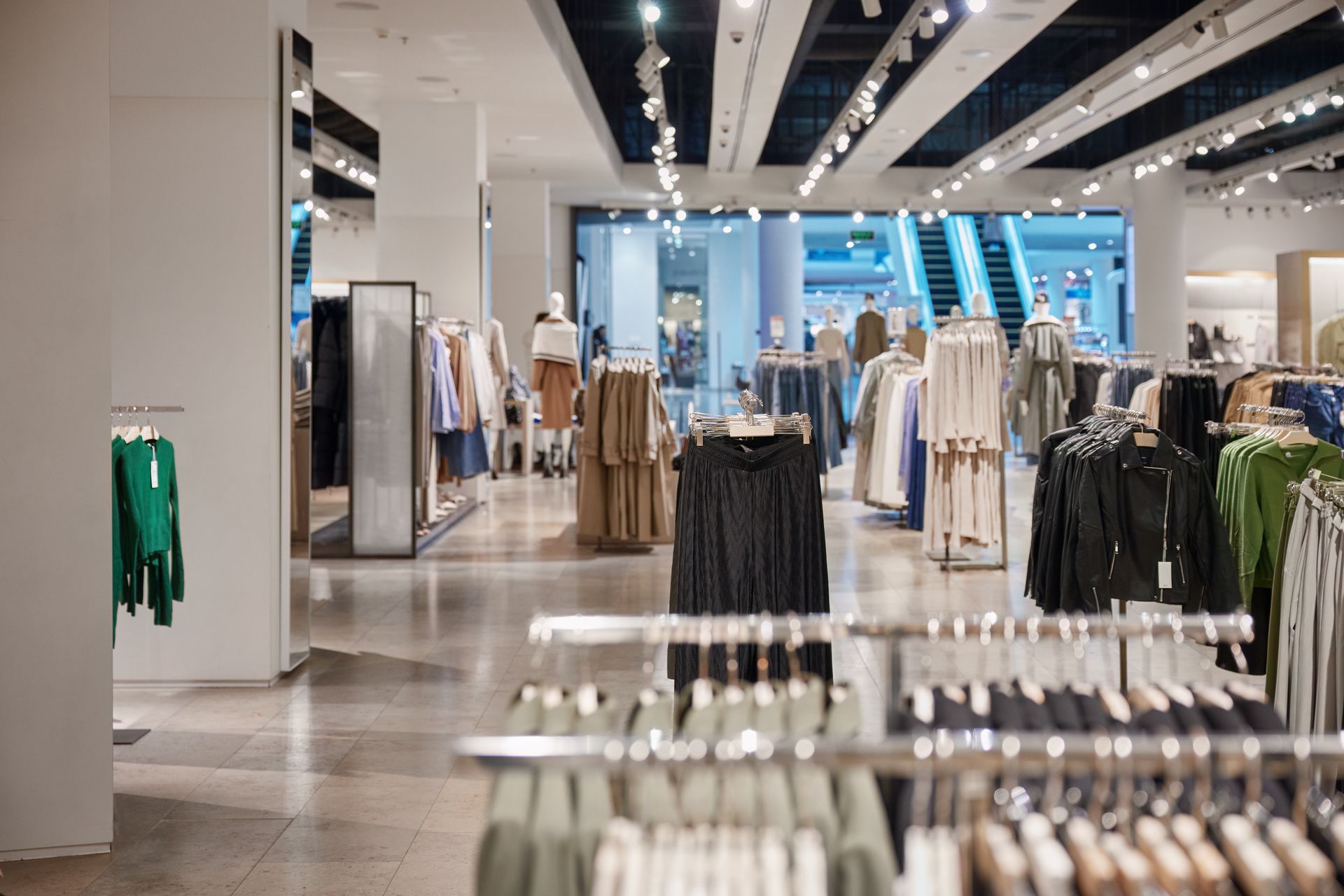
Retail and
Commercial Properties
Protection for storefronts, inventory, and customer-related liability.
Our Approach
Insurance Made Easy to Understand
Mesa Insurance Agency provides business insurance coverage that helps protect operations, employees, and property. We work with multiple carriers to offer coverage options that support daily business activities and long-term stability.
Insurance FAQs
Helpful Answers for Florida Clients
Support you can rely on.

What makes Mesa Insurance Agency different?
We are an independent agency with access to multiple carriers. This allows us to offer flexible coverage options.
Clients work directly with licensed agents. Service continues beyond the policy start date.
Do you offer coverage for individuals and families?
Yes. We provide personal insurance for individuals and families across Florida.
Coverage includes auto, home, health, life, and flood insurance. Our team explains each option clearly.
Do you work with small and mid-sized businesses?
Yes. We work with businesses of many sizes and industries.
Our team helps identify risks and secure appropriate coverage. Ongoing service is included.
Can I make changes to my policy later?
Yes. Policies can be updated as needs change.
We assist with coverage adjustments, additions, and removals. Clients can contact us directly for help.
Is flood insurance required in Florida?
Flood insurance is not always required, but it is strongly recommended in many areas.
Standard home insurance does not cover flood damage. Our team can review your flood risk and options.
How do I contact your office?
You can contact us by phone, email, or through our website.
Our team responds promptly during business hours. Support is always available when needed.
From the Blog
Insurance Topics That Matter
Clear answers for common questions.







Client Reviews
Trusted by Clients Across Florida
Mesa Insurance Agency is proud to serve individuals and businesses throughout Florida. Clients choose us for clear communication, responsive service, and reliable insurance support. Their feedback reflects our focus on long-term relationships and consistent service.
Contact Us