A major industry trend in Florida has been the rapid evolution of risk factors caused by both natural events and market reforms. This article examines the unique coverage needs for banquet and catering halls in Florida, a niche that has received a significant transformation over the last few years. With recent changes in the overall property insurance landscape, the banquet hall industry must adapt to emerging challenges while seizing new opportunities.
Recent developments have captured attention across the state. For instance, data from Deep Sky Research reveals a dramatic decline in home insurance policies, which indirectly affects all property-related risks by creating market shifts in risk perception and underwriting standards.
Understanding the Evolving Insurance Landscape in Florida
Banquet halls in Florida face a unique insurance environment characterized by extreme weather and evolving legal reforms. As extreme hurricanes become more frequent, risk assessments for large venues become more complex. A study from Deep Sky Research indicates the frequency of severe hurricanes in Florida increased significantly over the past four decades, with maximum rainfall amounts showing noticeable trends ().
This trend affects insurers' willingness to assume risks in the property market, making comprehensive and specialized coverage essential for banquet and catering halls. Business owners in the event space must consider these risks carefully when evaluating policy options.
Market Dynamics and Policy Shifts
The property insurance market in Florida has experienced a turbulent period over the past decade. A notable statistic shows that the number of active home insurance policies dropped from 3.2 million in 2014 to just 710,000 in 2024, a decline that signals deeper underlying issues (Deep Sky Research). Such a dramatic shift suggests that insurers are recalibrating risk assessments and underwriting processes across all property types, including commercial venues like banquet halls.
The market contraction has primarily been attributed to greater frequency and severity of weather events as well as changes in legal practices that previously encouraged excessive litigation. For banquet hall owners, these market dynamics translate into higher premiums for traditional policies, making specialized insurance increasingly necessary.
Legislative reforms have also played a role here. Specifically, recent legislative initiatives in Florida have began curbing abusive litigation practices. An industry report by the Insurance Information Institute noted that these changes have stabilized the property insurance market with nearly flat average premiums and a decline in claims-related litigation (Triple-I).
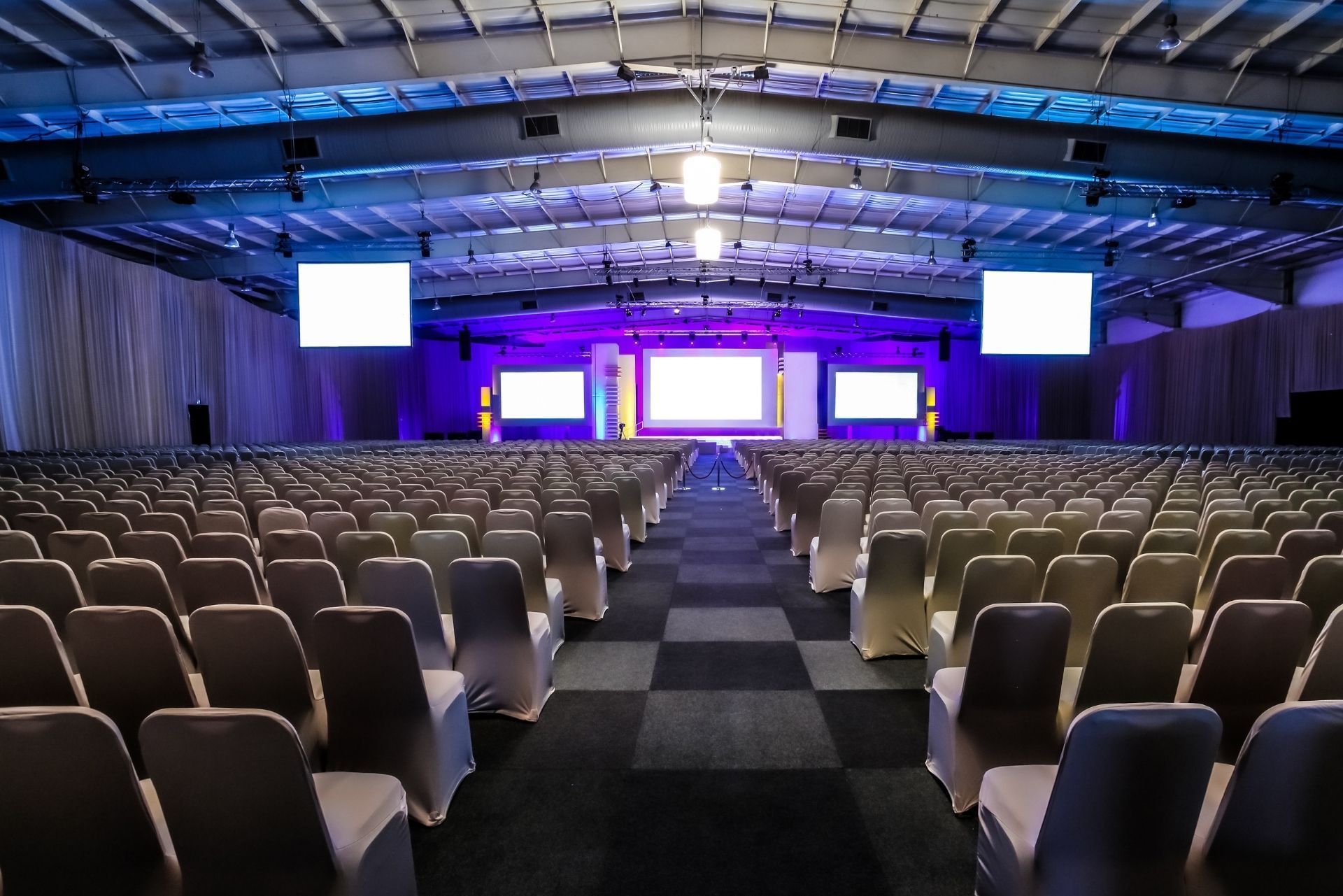
Key Risk Factors for Banquet and Catering Halls
When it comes to banquet hall insurance, risk factors extend beyond traditional property damage. These venues host large gatherings, making them potential sites for accidents, fires, or liability claims related to guest injuries. Florida’s unique climate further complicates risk assessments with the increasing probability of extreme hurricanes and heavy rainfall events.
Recent research from Deep Sky Research highlighted that extreme hurricanes in the state have increased by 300% over a forty-year period, a critical factor for banquet owners who must prepare for natural disasters and their widespread effects (Study).
Weather-Related Challenges
Extreme weather events pose a serious threat to banquet halls. Given the increasing intensity of hurricanes and the growing volume of rainfall, event venues have higher exposure to flood damage and wind-related losses. Insurers, in turn, have adjusted their policy guidelines to address these risks more accurately.
Policy changes mean that building safety enhancements and proactive maintenance programs have become valuable in securing lower premiums. Installing updated storm-resistant features and improving drainage systems can send positive signals to insurers regarding reduced future risks.
Risk managers at banquet halls should work closely with insurance brokers to ensure that every aspect of the facility-from structural integrity to emergency response plans-is covered comprehensively. These actions may not only curb costs but also enhance overall safety.
Liability and Event Risks
Liability risks extend beyond weather-related hazards in the banquet hall environment. With a typical event seeing large groups of people, the probability for slip-and-fall injuries, food-related illnesses, or other liability incidents increases. Event organizers must include extensive liability clauses in their policies.
Accidents could result in costly legal battles. A recent statistic from the National Association of Insurance Commissioners shows that around 13% of Florida homeowners whose claims were denied pursued legal action against their insurers in 2024 (data compiled by Weiss Ratings). This trend emphasizes the importance for banquet hall operators to have robust legal and liability coverage to protect against similar disputes arising from event-related mishaps.
Special Considerations in Banquet Hall Coverage
Customizing an insurance policy for a banquet hall is far more complex than relying on a generic business policy. Unlike standard commercial property policies, banquet hall insurance covers unique scenarios including event cancellations, liability for large gatherings, and even business interruption due to unforeseen disasters.
Specialized policies often incorporate business interruption clauses specifically designed to mitigate losses from event cancellations. These policies protect against unexpected revenue loss if severe weather or other emergencies force a venue to close temporarily.
Tailored Coverage Options
Banquet hall operators should work with insurance agents well-versed in the unique risks of large venues. Policies can be tailored to address issues such as excess liability for events, coverage for entertainment equipment, and more. With legislative reforms in Florida aimed at curbing fraudulent claims and reducing litigation expenses, revised policy offerings now provide more competitive rates.
The increase in private insurers re-entering the market has contributed to a competitive pricing environment. For instance, Citizens Property Insurance Corp. recently announced an average statewide rate reduction of 5.6%, reflecting policy count adjustments in the face of rising competition (Insurance Business America).
Choosing an insurance plan with flexible options allows venue owners to include customized endorsements. These endorsements may cover additional services such as event planning, catering errors, and even property damage caused by third-party vendors. A comprehensive review of the policy terms during the application process is key, ensuring that all potential perils are addressed.
Cyber and Technology Considerations
In the digital age, banquet and catering halls are increasingly reliant on technology for operations, reservations, and payment processing. Cyber liability coverage has become essential to protect sensitive customer data as well as the company's operational integrity after a breach.
An unexpected cyber incident can shut down booking systems, compromise payment data, or even disrupt event schedules. Ensuring that the insurance portfolio includes cyber risk protection can bridge the gap that traditional property policies leave open. Having coverage in place means that business owners can focus on operational continuity while technical experts handle cyber incidents.
Insurance agents specializing in commercial policies often provide bundle packages that combine property, liability, and cyber insurance, yielding cost savings and comprehensive protection for banquet halls.
Impact of Legal Reforms on the Insurance Market
In recent years, Florida has seen crucial legislative reforms that affect the insurance market, including the property sector. These reforms primarily target claims-related litigation and have led to a notable stabilization of premiums. By reducing excessive legal claims, insurers can better assess genuine risk and offer more balanced pricing.
Brewster Bevis, CEO of the Associated Industries of Florida, stated, "Billboard lawyers will no longer get away with abusing the legal system" (). This legislative shift is significant for banquet hall operators who are exposed to liability due to large public events, ensuring that unjust litigation does not drive up their insurance costs.
Claims-Related Litigation and Its Effects
The economic impact of litigation on the insurance industry is far-reaching. One study indicates that between 2017 and 2021, Florida insurers paid approximately $51 billion in claims payouts. Notably, nearly 71% of these payouts were allocated to attorneys' fees and public adjusters, leaving only a small fraction, about 8%, directly benefiting claimants (HBKS Wealth Advisors).
The high cost of litigation has led to more stringent policy conditions and greater emphasis on legal reforms that curb fraudulent claims. These changes serve as a critical mechanism for controlling costs and ensuring that the premiums remain competitive in a converging market that affects niche sectors like banquet hall insurance.
For event organizers, having policies that clearly define coverage limits, legal defense parameters, and claims processing is essential. A well-structured policy reduces the risk of expensive legal battles and ensures smoother claim settlements if litigation arises.
Strategies for Reducing Insurance Premiums in a Volatile Market
Given the shifting dynamics of the Florida insurance market, banquet hall operators seek ways to mitigate cost pressures without compromising on comprehensive coverage. Implementing strategic risk management measures can significantly impact premium rates.
Insurers look favorably on venues that invest in robust safety features, regularly update maintenance practices, and adhere to state-specific building codes that address weather-related hazards. These proactive investments help mitigate exposure to property damage and liability risks associated with large events.
Risk Management and Facility Upgrades
Investments in safety upgrades, such as installing advanced fire detection systems, modernizing electrical installations, and reinforcing structural elements, show insurers that the property owner is taking reasonable steps to minimize risk. In some cases, installing storm-resistant windows and roof enhancements also contribute to lower premiums.
Regular safety drills and employee training sessions on emergency response protocols further demonstrate a commitment to risk reduction. By mitigating the potential impact of both operational mishaps and natural calamities, banquet hall owners can negotiate for better terms on their policies.
Insurance brokers often advise a thorough audit of the facility to identify vulnerabilities. Addressing these areas can lead to significant deductions on annual premiums.
Leveraging Competitive Market Forces
With private insurers reentering Florida's insurance market, competition has led to a reduction in premium rates for many policyholders. For example, Citizens Property Insurance Corp. recently implemented a rate reduction of 5.6%, which has directly influenced market pricing and contributed to a more competitive landscape (Insurance Business America).
Banquet hall operators are encouraged to shop around and compare policy options. Combining multiple coverage lines under one provider might yield discounts, while policies tailored to venue-specific risks offer more precise cost management. An engaged relationship with a knowledgeable broker can make a significant difference in finding the right balance between comprehensive coverage and cost-efficiency.
Data Comparison: Key Coverage Options for Banquet Halls
The following table provides a side-by-side comparison of standard versus extended coverage options for banquet halls. This comparison highlights the differences in critical policy features that operators should consider when evaluating a new plan.
| Coverage Element | Standard Banquet Hall Policy | Extended Banquet Hall Policy |
|---|---|---|
| Property Damage | Basic coverage for structural damage | Includes additional protection for high-risk weather events |
| Liability Protection | General liability for public injuries | Enhanced coverage including event cancellation and third-party liabilities |
| Business Interruption | Limited compensation for revenue loss | Comprehensive coverage with stress on full revenue recovery |
| Cyber Liability | Often excluded | Bundled option to cover data breaches and cyber attacks |
| Legal Fees | Standard defense costs | Expanded legal defense coverage to manage claims litigation |
This table underscores the importance of examining policy details carefully. Extended policies may offer higher premiums, but the protection afforded can save significant time and money in the event of a catastrophe or legal dispute. The table can serve as a quick reference when discussing options with a broker.
Policy Customization and Advanced Endorsements
Policy customization has become a cornerstone for meeting the specific needs of banquet hall operators. Insurers now offer options to add endorsements that further tailor a policy to the unique circumstances of a venue.
Some advanced endorsements include coverage for specialized equipment, extended liability for third-party vendors, and flexible business interruption clauses that cover even short-term revenue dips during weather delays or emergency repairs.
Event Cancellation Coverage
Event cancellation can have severe financial ramifications. Outbreaks, natural disasters, or unexpected emergencies sometimes force venues to cancel scheduled functions, leading to lost revenue and potential wasted expenditures. By opting for event cancellation coverage, banquet hall owners can offset some of these losses.
This type of coverage is especially relevant in the unpredictable Florida climate where weather events are notably more severe than in many other states. Having a robust event cancellation add-on can offer confidence to venue operators and reduce the overall financial risk of organizing large events.
Insurance experts suggest that venues review the fine print of cancellation policies to ensure that they address the range of scenarios that may arise during operations.
Third-Party Liability Endorsements
Third-party liability endorsements are particularly important in a bustling banquet environment. These endorsements provide additional layers of protection if incidents during an event lead to lawsuits or claims against the venue. Given that legal costs related to claims have drastically increased in Florida, these endorsements are now a crucial component of a comprehensive policy.
Specialized endorsements are designed to cover unexpected legal expenses that stem from third-party injury claims, ensuring that operators are not left facing debilitating litigation costs. The approach to third-party endorsements is designed to cover every potential slip or mishap in a dynamic event setting.
Best Practices for Managing Banquet Hall Risks
Risk management in the banquet hall sector requires a blend of proactive safety measures and responsive planning. Adopting best practices can lead to lower insurance premiums while simultaneously protecting the safety of guests and staff during events.
Several best practices include investing in security systems, scheduling regular maintenance reviews, and setting up emergency response plans that consider both on-site accidents and broader disruptive events.
Implementing Safety Protocols
Many banquet halls have introduced comprehensive safety protocols in recent years. Measures such as regular fire drills, clearly marked emergency exits, and routine safety audits show commitment to guest safety. Such protocols also enhance the venue's standing in the eyes of insurers, helping to negotiate better policy terms.
Having written emergency procedures and training programs designed to handle accidents during large events might also lead to reduced claims and, consequently, lower costs over time. These measures instill confidence among parties involved, from management to guests.
Safety protocols are not just proof of compliance; they are a practical investment in the long-term financial stability of the business.
Risk Assessment and Regular Inspections
Risk assessments and regular facility inspections can uncover hidden vulnerabilities before they escalate into claims. Professional inspectors can evaluate critical areas such as roof integrity, fire safety systems, and electrical installations. Addressing these vulnerabilities promptly often results in preferable treatment from underwriters.
Regular inspection schedules paired with necessary upgrades minimize the potential for damage during severe weather events. Banquet hall operators that maintain a strong documentation record of these inspections can offer insurers tangible proof of risk reduction measures taken.
This documented approach not only supports potential claims but also strengthens negotiations during policy renewals.
Frequently Asked Questions
Below are common questions that banquet hall operators and event planners often ask about insurance coverage and risk management.
Q: How does the rising frequency of extreme hurricanes affect banquet hall insurance?
A: Increased hurricane activity raises risk levels. Policies now emphasize storm-resistant features and comprehensive business interruption coverage to mitigate potential damages (Deep Sky Research).
Q: What distinguishes a standard policy from an extended policy for banquet halls?
A: Extended policies typically offer additional coverage options such as event cancellation, enhanced cyber liability, and broader third-party liability protection, providing a more robust safety net for event-related risks.
Q: Can implementing safety measures really lower my insurance premiums?
A: Yes, investing in safety upgrades, having regular maintenance schedules, and conducting thorough risk assessments can reduce exposure and lead to lower premiums over time.
Q: Why is tailored coverage important for banquet hall operators?
A: Tailored policies address unique risks associated with large gatherings and specialized equipment. They ensure that all operational facets of a banquet hall are adequately protected, from property damage to cancellation risks.
Q: What role do legislative reforms play in determining my insurance policy costs?
A: Legislative reforms aimed at curbing fraudulent claims and reducing litigation risks help stabilize the market, often resulting in more competitive pricing and improved policy conditions for property owners.
Looking Forward: Trends and Considerations for Banquet Hall Insurers
Florida’s insurance market is in a state of recalibration as private insurers, regulatory changes, and evolving risk factors converge. For banquet hall operators, staying abreast of these trends is vital. Increasing competition among insurers has led to innovative coverage solutions and more competitive pricing structures. As the market stabilizes following recent reforms, operators have a window of opportunity to reexamine their insurance needs and negotiate better terms.
Emerging coverage options that address property damage, event cancellation, and liability are becoming more finely tuned to meet the unique needs of the banquet hall industry. With an eye on future risks such as cyber threats and evolving building codes, industry experts recommend regular reviews and updates to existing policies.
This proactive approach not only protects financial interests but also helps maintain a safe environment for large-scale events. For additional insights on market challenges and evolving coverage options, references such as Weiss Ratings data provide context on litigation trends and claim disputes that influence policy structures.
Embracing Future Challenges
Looking ahead, Florida's risk environment shows no signs of slowing down. With climate variability and an ever-present need for enhanced security measures, banquet hall operators must anticipate future hazards. Preparedness and detailed risk management strategies ensure that venues remain resilient and competitive in an uncertain market.
Further, embracing technology as a means to bolster safety protocols, such as advanced monitoring systems, can help reduce liabilities. This pursuit of continuous improvement not only enhances safety but could also contribute to more favorable insurance renewals in a highly competitive market.
Staying informed about industry reforms and market trends is key. Engaging with industry experts, insurance professionals, and trade associations provides valuable updates on regulatory changes and risk management best practices.
Key Takeaways for Florida Banquet Hall Owners
For banquet hall operators in Florida, balancing cost with comprehensive coverage remains a top priority. The marketplace has shifted significantly, driven by legislative reforms, escalating claims costs, and changing environmental risks. In this climate, specialized insurance policies become critical in protecting large venues and ensuring business continuity.
An effective insurance strategy for banquet halls includes customized policy endorsements, proactive safety measures, and periodic risk assessments. With competitive market forces at play, operators have an opportunity to secure coverage that not only guards against property damage but also protects income and shields against legal liabilities.
By assessing both immediate risks and long-term trends, banquet hall owners can tailor their insurance portfolios to better fit business needs. This approach, combined with ongoing market vigilance, helps ensure that even in a shifting landscape, the event hosting business remains resilient and financially stable. For a better understanding of market dynamics, stakeholders can review detailed reports by Triple-I, which underline the importance of strategic policy adaptations.
Final Thoughts on Strategic Insurance Management
In a rapidly changing environment, individualized attention to insurance needs stands at the forefront of sustainable business management. For banquet halls facing the dual challenges of extreme weather and increased liability risks, insurance is not just a legal formality-it is a cornerstone of the business strategy.
Owners and managers who invest in periodic reviews of their insurance policies, adapt to legislative reforms, and integrate technological and physical enhancements into their facilities can navigate through turbulent market dynamics more effectively.
Ongoing communication with insurance brokers and market-data experts ensures that any shifts in underlying risk factors are met with equally agile policy adjustments. As the market consolidates and competition increases, the focus remains on ensuring that banquet hall operators have access to affordable, comprehensive, and reliable insurance coverage.
Conclusion and Future Outlook
The future of insurance for banquet and catering halls in Florida is poised to evolve as market trends, legislative changes, and environmental risks converge. As the state works to balance the pressures of extreme weather and legal challenges, insurance policies are being refined to better match industry-specific needs.
This ongoing evolution demands that banquet hall operators remain adaptable. Early adoption of upgraded safety features, targeted endorsements, and proactive risk management will not only protect properties but also secure competitive insurance terms in an often volatile market.
While current data, such as the marked drop in policy counts and shifting litigation costs (Deep Sky Research), indicate potential pitfalls, they also highlight opportunities for more specialized and affordable coverage options. Forward-thinking operators will continue to benefit from these developments by staying engaged, informed, and proactive in their insurance planning.
ABOUT THE AUTHOR: PAUL RAMENTOL
I am the Owner and President of Mesa Insurance Agency. I help individuals and business owners across Florida secure personal and business insurance coverage that supports their needs. My focus is on clear guidance, direct communication, and long-term support without call-center delays or confusion.
Contact Us

Personal Coverage Options
Insurance Built for Everyday Protection
Mesa Insurance Agency provides personal insurance coverage designed to support daily life. Our team reviews risks and coverage needs to help clients secure dependable protection at fair rates.
Dental & Vision Insurance
Coverage that helps manage routine dental and vision care costs.

Business Coverage Options
Insurance Built for Business Protection
Mesa Insurance Agency provides business insurance coverage that helps protect operations, employees, and property. We work with multiple carriers to offer coverage options that support daily business activities and long-term stability.
Commercial Auto Insurance
Coverage for business-owned vehicles, drivers, and accident-related liability exposure.
General Liability Insurance
Protection against third-party injury, property damage, and common business liability risks.
Professional Liability Insurance
Coverage for claims related to professional services, advice, or service errors.
Workers’ Compensation Insurance
Coverage that helps support employees with work-related injuries and medical costs.
Commercial Property Insurance
Protection for buildings, equipment, inventory, and physical business assets.
Errors & Omissions Insurance
Coverage for financial losses caused by mistakes, omissions, or service-related claims.
Industries We Serve
Serving Businesses Across Multiple Sectors
Mesa Insurance Agency works with business owners across Florida to provide insurance coverage that supports daily operations. We understand common risks faced by different industries and help clients secure reliable protection.
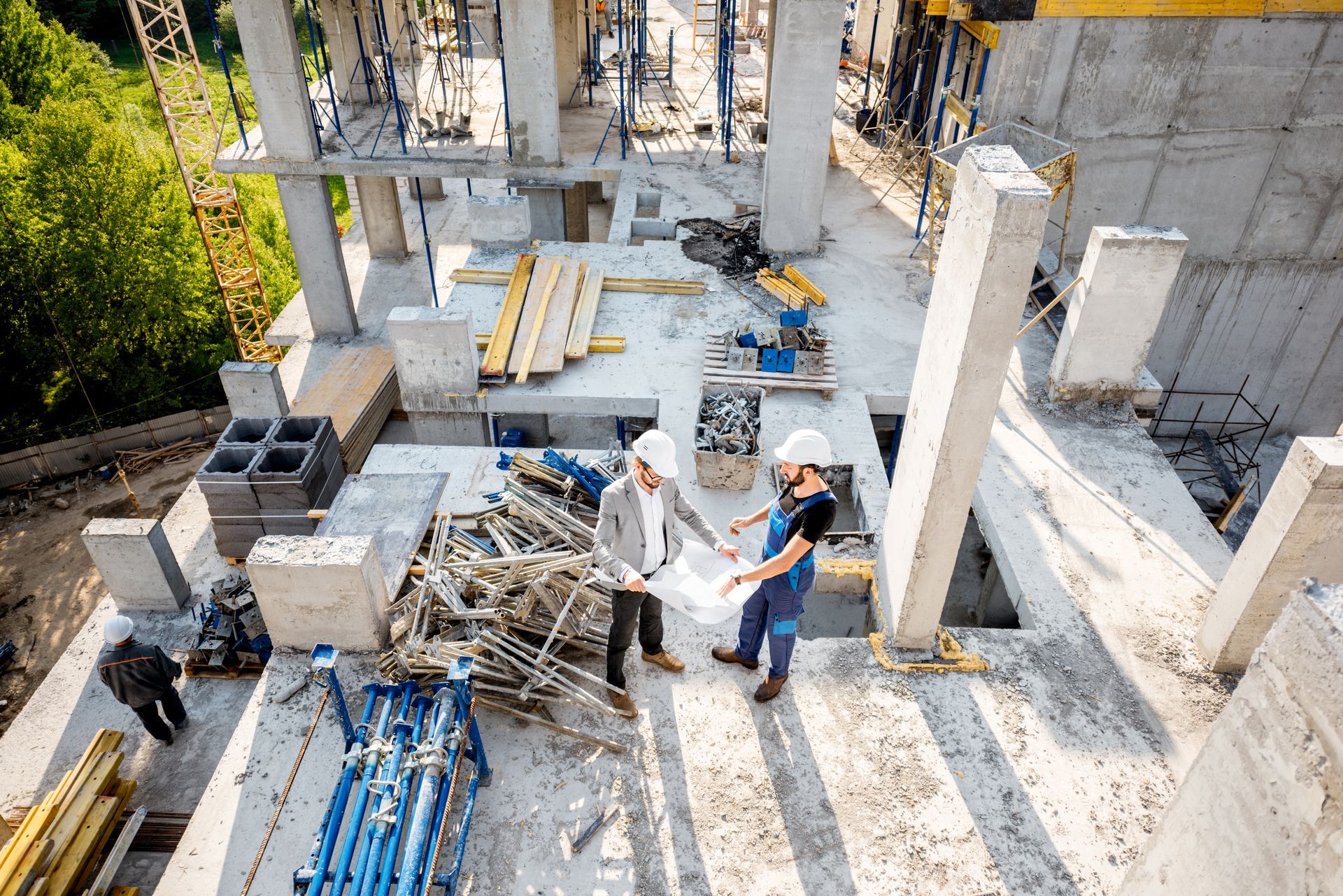
Construction and Trades Insurance
Coverage for job sites, vehicles, tools, and workplace risks.
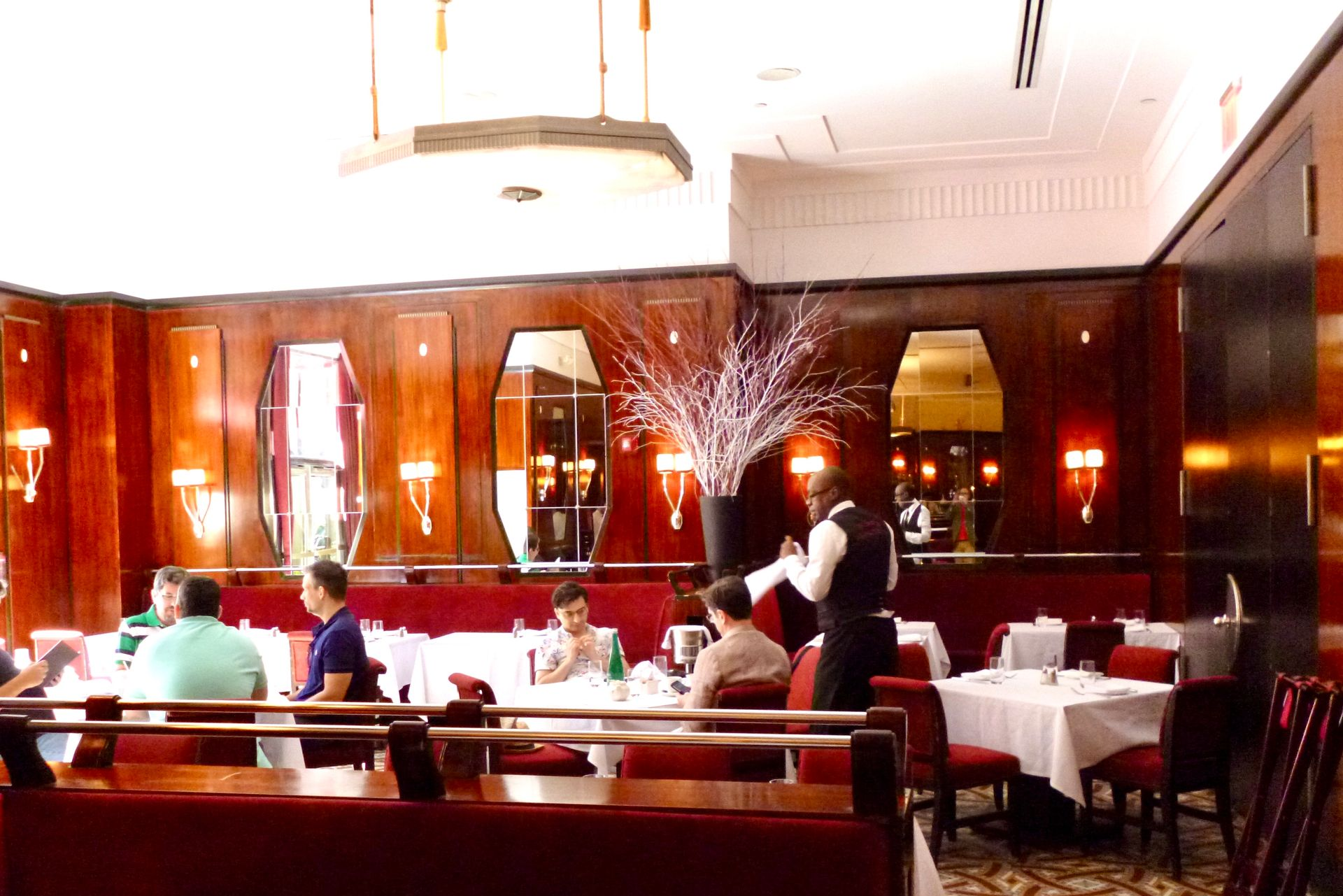
Hospitality Businesses Insurance
Insurance for restaurants, bars, and service-based operations.
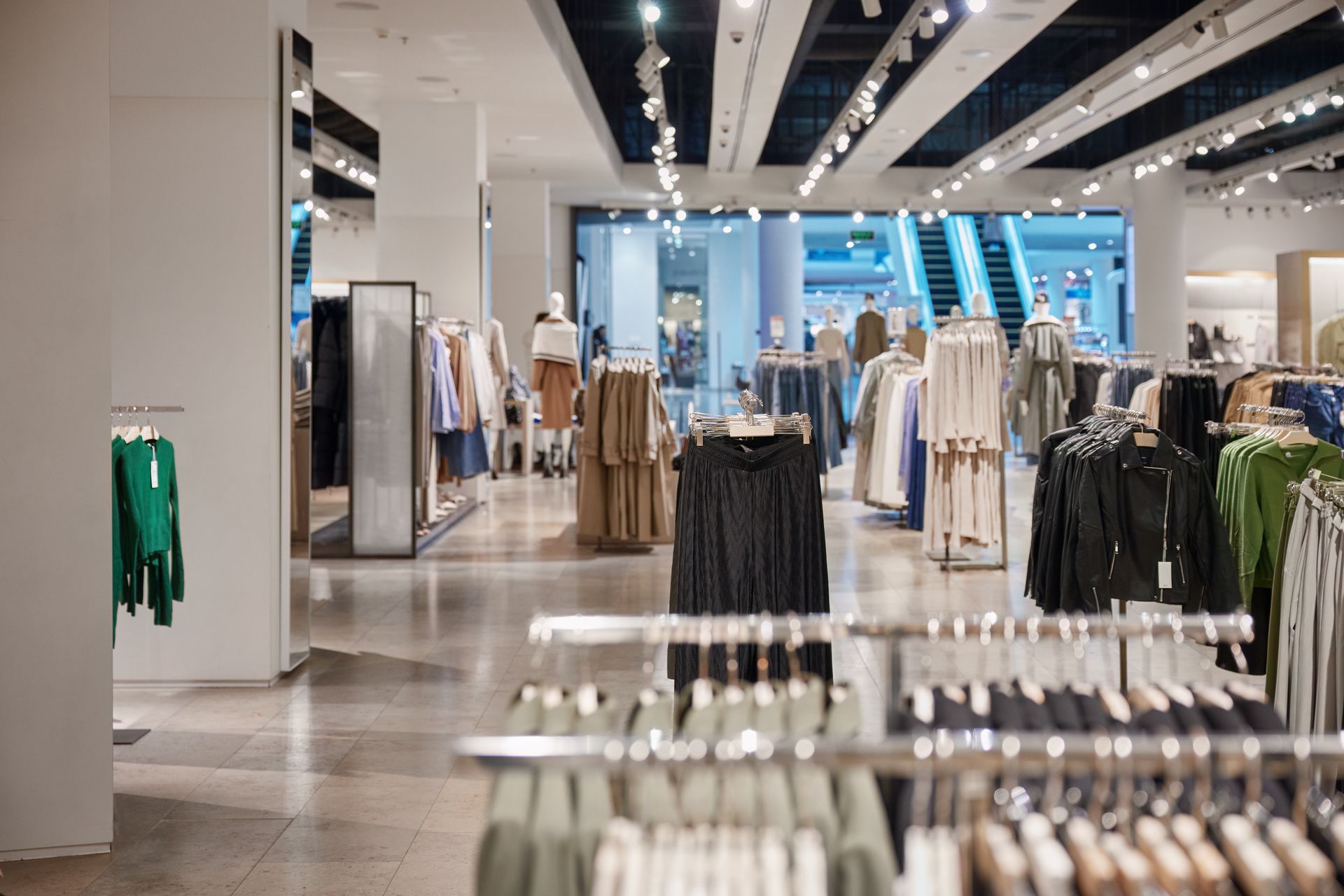
Retail and
Commercial Properties
Protection for storefronts, inventory, and customer-related liability.
Our Approach
Insurance Made Easy to Understand
Mesa Insurance Agency provides business insurance coverage that helps protect operations, employees, and property. We work with multiple carriers to offer coverage options that support daily business activities and long-term stability.
Insurance FAQs
Helpful Answers for Florida Clients
Support you can rely on.

What makes Mesa Insurance Agency different?
We are an independent agency with access to multiple carriers. This allows us to offer flexible coverage options.
Clients work directly with licensed agents. Service continues beyond the policy start date.
Do you offer coverage for individuals and families?
Yes. We provide personal insurance for individuals and families across Florida.
Coverage includes auto, home, health, life, and flood insurance. Our team explains each option clearly.
Do you work with small and mid-sized businesses?
Yes. We work with businesses of many sizes and industries.
Our team helps identify risks and secure appropriate coverage. Ongoing service is included.
Can I make changes to my policy later?
Yes. Policies can be updated as needs change.
We assist with coverage adjustments, additions, and removals. Clients can contact us directly for help.
Is flood insurance required in Florida?
Flood insurance is not always required, but it is strongly recommended in many areas.
Standard home insurance does not cover flood damage. Our team can review your flood risk and options.
How do I contact your office?
You can contact us by phone, email, or through our website.
Our team responds promptly during business hours. Support is always available when needed.
From the Blog
Insurance Topics That Matter
Clear answers for common questions.






Client Reviews
Trusted by Clients Across Florida
Mesa Insurance Agency is proud to serve individuals and businesses throughout Florida. Clients choose us for clear communication, responsive service, and reliable insurance support. Their feedback reflects our focus on long-term relationships and consistent service.
Contact Us