A well-run collectible shop can be an oasis of rare finds and nostalgic treasures, but this niche business also faces unique risks under a challenging insurance landscape. Recent developments in Florida's insurance market have affected various sectors, and collectibles retailers must navigate these turbulent waters with expert planning and specialized coverage. This article explores why collectible shop insurance is critical for retailers in Florida, how market trends influence available options, and what factors to consider when choosing a policy. Recent studies indicate significant market changes that impact how risks are evaluated.
Collectibles, from vintage toys and rare coins to limited-edition memorabilia, represent both passion and profitable inventory. Yet, as partnerships among insurers evolve, risk assessments have grown more complex. This article brings together insights, expert commentary, and practical information tailored for Florida’s collectibles retailers. Detailed explanations and real-world examples will shed light on the interplay of market dynamics, regulatory reforms, and the specificities of coverage available for this unique sector.
Understanding the Challenges of the Florida Insurance Market
Florida's insurance market has faced numerous challenges over the past decade, affecting not only homeowners but also niche businesses like collectible shops. A striking statistic shows that active home insurance policies in the state have plummeted by 78% over the past decade [insurancebusinessmag.com]. While this number directly addresses homeowners, the ripple effects have been felt by specialty retailers who depend on clear risk assessments to secure affordable, tailored coverage.
Challenges such as catastrophic weather events, litigation risks, and evolving regulatory landscapes have led insurers to reconsider their commitments. For collectible shops, which often house irreplaceable items, any lapse in coverage can be catastrophic financially and emotionally. Changing market conditions require detailed evaluations of policies that provide not only valuable asset protection but also business continuity support amidst a volatile market.
The contraction seen in Florida's insurance market reflects broader trends in risk management. As private insurers become more selective, retailers must demand policies that consider their unique liabilities. This detailed understanding of risk is especially crucial when the state is simultaneously facing legislative reforms and altered underwriting practices.
Risks Unique to Collectible Shops in Florida
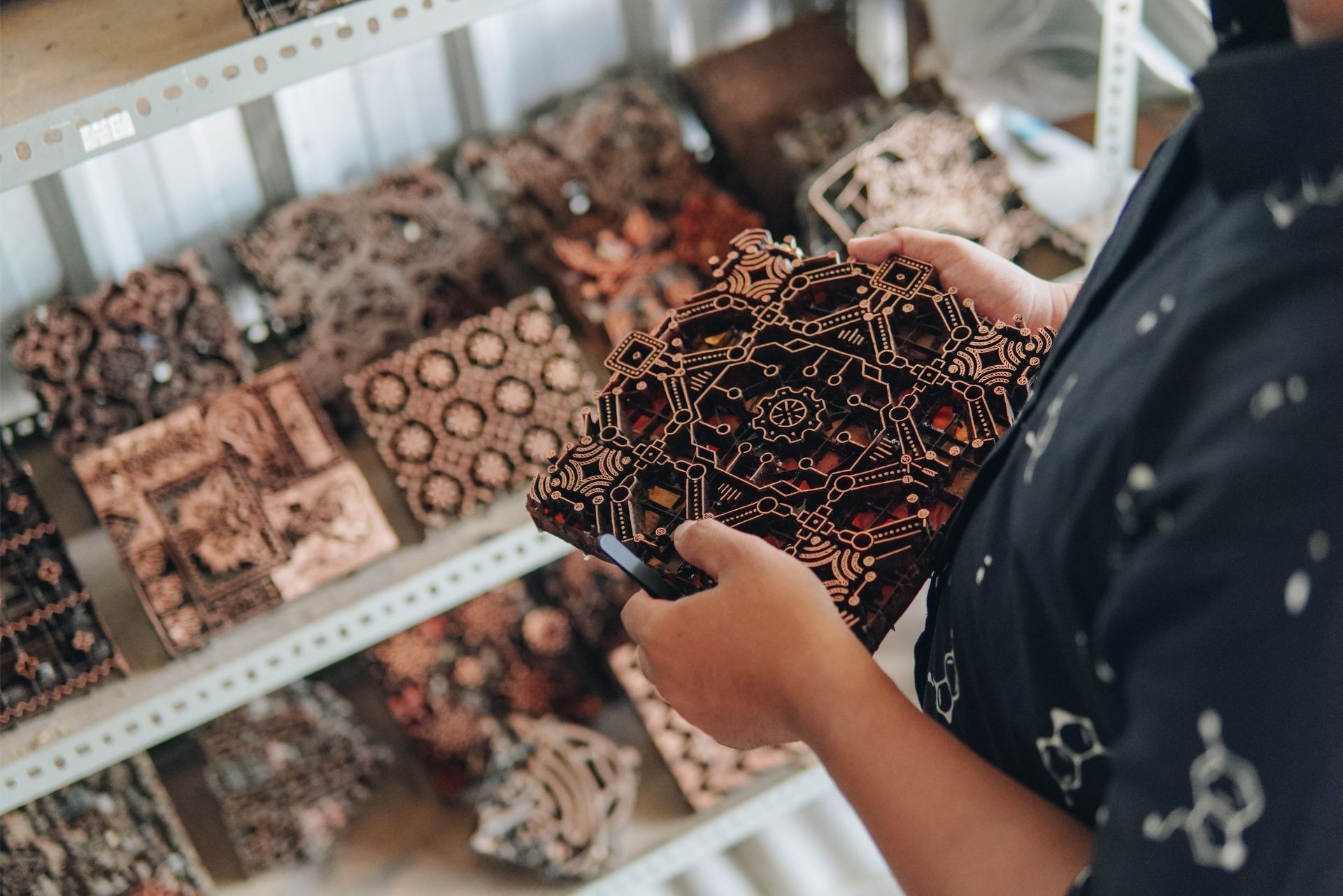
Collectible shops are not typical retail outlets; they often hold items that appreciate in value over time and may possess high sentimental worth. These unique exposures necessitate specialized coverage. Standard property policies are generally tailored to regular retail inventory rather than rare collectibles, leaving gaps that could prove costly if an event strikes. High-value collectibles can be targets for theft, accidental damage, or even loss due to environmental hazards. With Florida's unpredictable weather patterns, risks such as heavy storm damage or even flooding are real concerns.
In addition to natural risks, Florida shops face increasing challenges from consumer complaints and claims. Recent reports indicate that consumer complaints related to property-casualty insurers in Florida have doubled over the last five years [insurancejournal.com]. This trend suggests that even insured businesses may encounter hurdles or dissatisfaction if claims are not processed efficiently. For a collectible shop, ensuring that the policy covers not only the appraised value but also the replacement cost-and even any potential appraisal discrepancies-is crucial.
Retailers should also be aware that some insurers continue to rate risks based on traditional assessments that may not fully capture the unique nature of a collectible shop's inventory. This has led many businesses to seek specialized providers who understand the nuances of the collectibles market, ensuring precise risk management tailored to each asset.
Key Components of an Effective Collectible Shop Insurance Policy
The right insurance policy for a collectible shop in Florida must account for multiple factors tailored to the business’s unique needs. Beyond standard property protection, policies should encompass coverage for high-value items, specialized risk management, and business interruption support. Retailers must ensure the policy includes provisions for appraisal disputes and may also need endorsements that cover newly acquired items instantly.
Coverage levels should reflect the accurate current market value of collectibles because many items appreciate over time. Retailers need to work with insurers who are flexible with periodic reappraisals. Targeted coverage often combines property and casualty policies with added endorsements specifically designed for collectibles. Working with an experienced insurance professional can ensure that the policy is comprehensive and truly robust. Expert insights have emphasized that successful underwriting now relies heavily on a provider’s ability to adapt to market realities while ensuring profitability despite inherent risks.
Additional components also include protection against liability claims arising from customer interactions, especially valuable for shops that host events or interactive exhibits. Some policies offer tailored options for protecting collections while they are in transit, which is crucial for collectible shops that participate in trade shows or temporary exhibitions across the state.

Market Trends and Legislative Reforms Affecting Coverage
Recent legislative changes in Florida's insurance market have had a profound impact on specialty insurers and the broader retail sector. Recent reforms in the area of defense cost containment expenses have shifted the profitability curve for many insurers. Mark Friedlander of the Insurance Information Institute noted that, thanks to tort reform, Florida insurers have been able to write profitable business in regions historically marred by hurricane risks [washingtonpost.com]. However, specialized markets like collectible shops demand an even more nuanced approach.
With a better regulatory framework, insurers are returning to the market with innovative underwriting models. For retailers, this means that while some private insurers might be re-entering the market, the quality and durability of available policies can vary wildly. Some research indicates that many smaller insurers in Florida are financially weak and may not meet federal guidelines for backing mortgaged homes [floridatrend.com]. Although collectible shops are not typically financed in the same way as homes, the same caution applies when selecting a provider for high-stake coverage needs.
Legislative reforms aim to stabilize the market overall, but they do little to mitigate the unique risks inherent in niche retail operations. Retailers must demand policies that are clear about what is covered, particularly when risks like earthquakes and hurricanes are involved. In some cases, policy language that once seemed adequate for a general property policy now requires careful review to ensure that adequate safeguards are in place for high-value inventory.
Evaluating Insurer Reliability and Financial Strength
The reliability of an insurer matters more than ever amidst rapid market shifts. While some reports suggest that the personal property insurance market experienced its first underwriting profit in 2024 after years of losses [reinsurancene.ws], financial strength and clear claims processes remain vital metrics for business owners. For collectible shops, where inventory value and sentimental importance converge, the financial backing of an insurer should be beyond reproach.
Before committing to a policy, retailers should examine the insurer’s standing through independent ratings and historical performance. It is not unusual to find that private insurers have largely backed away from certain Florida regions, deeming them too risky [prnewswire.com]. A weak insurer might leave a collectible shop unprotected just when an expensive claim is made. The emphasis must be on reliability, transparency, and a track record of resolving claims efficiently.
Business owners should also look for insurers who offer customization. Retailers with a strong sense of their inventory’s value and risks deserve policies that are flexible, allowing them to update coverage as their collections grow or change over time. Long-term stability of an insurer combined with adaptive policy options provides a strong foundation for collectible shop insurance in volatile markets.
Impact of Natural Disasters and Catastrophic Events
Florida’s exposure to hurricanes, floods, and even wildfires in certain regions means that businesses, including collectible shops, must prepare for unpredictable natural events. The state’s history of severe weather events significantly informs the structure of available policies, which now include more comprehensive catastrophe clauses. Retailers sensitive to the risks of their high-value inventory require coverage that extends beyond the typical event limits.
Statistics from recent years shed light on losses exceeding more than $300 billion from hurricanes, floods, and wildfires combined across key states including Florida, Louisiana, and California [insurancenewsnet.com]. Although these figures touch multiple states, the shared impact on risk pooled by insurers has led to tighter conditions and higher premiums in affected regions. For collectible shops, such conditions often lead to specialized endorsements that address the gap between the historical loss data and the actual market value of rare inventory.
Businesses should carefully review any policy wording for natural disaster exclusions or limitations. Often, critical coverage may lie in additional endorsements that address rising costs of damage repair or replacement. Establishing a clear dialogue with insurers about potential scenarios-even those with a low probability-and ensuring that policies offer a graceful claims process is essential for retail operations that cannot afford downtime after catastrophic events.
Customizing Policies for Unique Retail Needs
Standard insurance policies can sometimes fall short for specialty retailers. Customization of coverage ensures that collectible shop owners receive the protection tailored to their distinctive needs. This customization could include periodic reappraisals for high-value items, coverage for items both on site and in transit, and business interruption provisions crafted for operations that rely on constant engagement and foot traffic.
For instance, many collectible shops now require policies that automatically revise coverage limits as market appraisals are updated. This ensures that the investment in the collection matches what is on the insurance policy. Additionally, policies that offer business interruption coverage protect against revenue loss during extended claims processes or unexpected closures-providing vital uptime assurances in a competitive retail market.
Insurance agents and brokers are increasingly aware of these needs. They advise that retailers review policy details carefully, ensuring that endorsements specifically address the nuances of collectibles. Such tailored policies help bridge the gap between general coverage and the specific demands of retail operations that depend on respected valuation methods and speedy claims resolution.
Balancing Premium Costs with Extensive Coverage
One persistent challenge for collectible shops is finding the delicate balance between competitive premium rates and robust, extensive coverage. Rising insurance costs have been inevitable in the wake of increased natural disasters and litigation pressures. Expert analysis points out that insurers are raising rates partly in response to climate-related exposures and escalating claim volumes [insurancenewsnet.com]. Retailers must therefore weigh their budgets carefully against the risk of underinsurance.
While it is important to manage expenses, cutting corners could leave a collectible shop exposed to risks that would be financially devastating if realized. Some policies, though seemingly more expensive upfront, include features that can save money long-term by streamlining claims processes or reducing the impact of exclusions. A detailed evaluation of premium costs relative to coverage options is advisable-considering factors such as deductibles, policy limits, and any additional endorsements.
Retailers must engage in detailed cost-benefit analyses, often with the help of knowledgeable brokers who understand both the collectibles industry and the local market challenges. Balancing affordability with extensive coverage also involves reading the fine print and asking about possibilities for bundling coverage or negotiating discounts tailored specifically for specialized retail sectors.
Preparing for Future Market Shifts
Changes within the insurance market are rarely static. Though current adjustments to Florida's insurance landscape may benefit some areas, emerging trends indicate that further shifts in underwriting practices and regulatory measures are likely ahead. Retailers will need to remain flexible and forward-thinking, ensuring that their policies continue to offer the protection they need, even if market conditions worsen.
Adapting to future changes means staying informed about both legislative trends and insurer financial health. Recent data points such as the re-emergence of private insurers and the reduction in policy counts with major players like Citizens Property Insurance Corp. signal a market in transition [insurancebusinessmag.com]. Retailers should incorporate flexibility clauses into their policies when possible, ensuring that any significant changes in the market can prompt a timely review of coverage needs and adjustments in premiums.
Preparing for future market shifts might also involve periodic risk assessments, ensuring that internal security measures and inventory appraisals remain updated. As risk profiles change, it is a proactive measure to reconsider coverage thresholds and align them with emerging market realities. Retailers who maintain ongoing dialogues with their insurance advisors are best positioned to negotiate renewals and adapt to a true reflection of current risk exposures.
Frequently Asked Questions About Collectible Shop Insurance
Below are some common questions raised by collectible shop owners in Florida. These answers are designed to give clarity and actionable advice for those seeking tailored insurance solutions.
What is collectible shop insurance?
This specialty policy covers unique items such as rare collectibles, vintage memorabilia, coins, or toys held by a retailer. It goes beyond standard property coverage to address valuation, appraisal, and business interruption needs.
Can I update my coverage if my inventory grows or its value changes?
Many insurers offer customizable policies that allow periodic reappraisals and coverage updates as the value of your collection changes or expands. Discussing options with your broker can ensure appropriate coverage remains in place.
How do natural disasters affect coverage for collectible shops?
Given Florida’s exposure to hurricanes and floods, most policies include clauses for catastrophic events. Retailers can often purchase additional endorsements to cover potential gaps, ensuring sufficient protection for high-value items.
What factors should I consider when choosing an insurer?
Factors include financial strength, claims handling reputation, customized coverage options, and the insurer’s willingness to provide flexible terms tailored to high-value inventory. Evaluating these factors ensures your insurer can meet your specific needs.
Are there discounts or bundling options available?
Certain insurers offer discounts for bundled policies or when risk management measures are in place. It is worthwhile to consult with an insurance advisor to explore available options and potential cost savings.
How do legislative changes impact my policy?
Legislative reforms affect underwriting practices and risk assessments, meaning policies may be restructured over time. Staying updated on new laws and discussing policy adjustments with your insurer ensures you maintain adequate coverage.
Comparing Policy Options: A Look at Key Coverage Elements
Choosing the right insurance policy for a collectible shop involves comparing specific coverage elements to identify a policy that meets fluctuating risk profiles. The table below highlights key distinctions between a basic policy and a more customized policy designed specifically for collectibles retailers.
| Coverage Aspect | Traditional Policy | Extended Comic/Game Store Policy |
|---|---|---|
| Property Damage | Standard perils | Enhanced with weather-specific riders |
| General Liability | Basic limits | Higher limits plus event coverage |
| Cyber Liability | Often excluded | Integrated or add-on coverage available |
| Business Interruption | Limited duration | Extended period in case of natural disasters |
This side-by-side comparison highlights why specialized policies can offer far greater value for collectible shop owners than more generic options. Custom policies address each unique risk while providing scalable coverage as the business grows.
Adapting to an Evolving Insurance Landscape
One of the most critical aspects for any business is the ability to adapt. The Florida insurance market has experienced dramatic shifts in recent years, and collectibles retailers must keep pace with these changes. Insurers are constantly adjusting strategies to handle risks, such as a notable contraction in available policies or rising costs due to natural disasters and litigation pressures [insurancebusinessmag.com].
For retailers, proactive risk management means regularly reviewing policies in light of market developments and updating coverage where necessary. Conversations with insurance professionals who understand both the collectibles niche and the broader market trends pave the way for resilience against future market shifts.
Adapting to changes can also result in more competitive premiums. As insurers return to the market with targeted products for niche retailers, staying informed empowers shop owners to negotiate terms that reflect their actual risk profile while ensuring future protection.
The Financial Impact on Retailers
Market fluctuations and policies that fail to fully account for current risks can lead to financial instability for collectibles retailers. Rising costs, intensified by recent weather events and increased litigation, are often cited as reasons for higher premiums. Experts note that insurance costs in regions like Florida have been on an upward trend due to factors such as significant accumulations of claims following natural disasters [insurancenewsnet.com].
For collectible shops, every dollar saved on premiums matters, yet it should never come at the cost of reduced coverage. The financial balance needs careful planning so that potential claims, whether from environmental disasters or liability issues, are managed without jeopardizing the business’s financial health. Insurers who bring transparency and flexibility to their policies can offer better long-term solutions, decreasing overall risk and encouraging business continuity.
This financial prudence is bolstered by a market that, despite challenges, now shows signs of recovery in some segments. For example, the personal property insurance market registered its first underwriting profit in years [reinsurancene.ws], indicating that market stabilization could eventually benefit specialized sectors like collectible insurance.
Planning for the Unexpected: Best Practices for Collectible Shop Owners
Collectible shop owners should employ best practices for risk management beyond the policy procurement process. This comprehensive approach includes investing in security systems, regular appraisals, and clear documentation of the collection’s provenance. Such measures not only mitigate risks but typically result in lower premiums since insurers value proactive prevention strategies.
Regular communication with your insurance provider is paramount. This ongoing dialogue ensures that policy parameters continue to reflect the most current risk assessments. Many insurers now include periodic policy reviews, especially in regions like Florida, where market volatility requires constant attention. A collaborative approach fosters better conditions during claims and streamlines payment processes should unforeseen events occur.
It is also recommended to have a backup plan in the form of a risk management strategy that incorporates cybersecurity measures, physical security enhancements, and disaster recovery plans. When policyholders are proactive in safeguarding their assets, insurers tend to respond favorably, often with added benefits in coverage or reduced deductibles.
Wrapping Things Up: A Strategic Approach to Coverage
Collectible shops in Florida face a rapidly shifting insurance market that demands both vigilance and adaptability. Retailers must weigh market trends, legislative reforms, and the unique characteristics of rare, valuable inventory when choosing the right insurance policy. Current market conditions underline the importance of partnering with insurers who understand niche risks and offer flexible, specialized coverage solutions.
The evolving legislative environment and recent underwriting shifts signify that while challenges remain, there are opportunities for collectible shop insurance tailored to today’s needs. A strategic approach to coverage-one that includes regular policy reviews, proactive risk management, and a keen eye on market shifts-ensures that rare items are protected amidst uncertainty.
With insights from various research sources and expert commentary, it is clear that navigating Florida's insurance marketplace requires both detailed preparation and a willingness to evolve. For retailers, engaging with knowledgeable advisors and opting for customized policies can mean the difference between sustainable business operations and unexpected financial upheaval.
Understanding the market shifts is the first step in securing reliable coverage for your unique business needs.
Frequently Asked Questions
This FAQ section provides additional clarity on some recurring questions that collectible shop owners may have regarding specialized insurance coverage in Florida.
What sets collectible shop insurance apart from standard retail policies?
Unlike standard retail policies, collectible shop insurance offers enhanced coverage benefits such as periodic reappraisals, tailored endorsements for natural disasters, and specific provisions for high-value inventory, ensuring more complete protection for rare and appreciated items.
How can I ensure that my policy keeps up with the changing value of my collection?
Choose policies that include flexible appraisal updates and allow for periodic reviews. Maintaining detailed records and ongoing discussions with your insurance broker is key to ensuring your coverage remains current.
Are there particular clauses that all collectible shop owners should insist on?
Yes, clauses covering appraisal discrepancies, business interruption, and enhanced endorsements for natural disasters are especially important to safeguard high-value items from unpredictable events.
Is it possible to bundle collectible shop insurance with other retail policies?
Many insurers offer bundling options which can result in cost savings and a more streamlined coverage process. However, it is crucial to ensure that each aspect of your business is adequately covered without compromising specialized protections.
What role do external market trends play in my insurance premiums?
Market trends such as increased litigation or catastrophic claim events can directly influence insurance premiums. Staying informed about these trends and engaging in proactive risk management can help mitigate their financial impact on your policy.
Final Thoughts on Securing the Right Coverage
For collectibles retailers in Florida, the decision to invest in specialized insurance is not one to be taken lightly. Risk management in this field encompasses both tangible assets and the intangible worth of items cherished over generations. With a market reflecting significant contraction and evolving regulatory norms, obtaining appropriate coverage means more than simply meeting a legal requirement-it is a strategic business decision that protects the very essence of the collection.
Experienced industry experts advise that despite challenges, well-structured policies can provide comprehensive solutions for collectibles retailers. The dual demands of protecting physical assets and preparing for new market realities necessitate a partnership with insurers who understand the nuances of rapid changes and high-value inventory management.
Florida's market may be confronting uncertainties, but with a thoughtful approach to policy selection and regular reassessment of risk profiles, collectible shop owners can secure their hard-earned treasures and protect their livelihoods. Approaching insurance with diligence and a commitment to customization will ensure that both current assets and future acquisitions are safeguarded in a market defined by change and complexity.
ABOUT THE AUTHOR: PAUL RAMENTOL
I am the Owner and President of Mesa Insurance Agency. I help individuals and business owners across Florida secure personal and business insurance coverage that supports their needs. My focus is on clear guidance, direct communication, and long-term support without call-center delays or confusion.
Contact Us

Personal Coverage Options
Insurance Built for Everyday Protection
Mesa Insurance Agency provides personal insurance coverage designed to support daily life. Our team reviews risks and coverage needs to help clients secure dependable protection at fair rates.
Dental & Vision Insurance
Coverage that helps manage routine dental and vision care costs.

Business Coverage Options
Insurance Built for Business Protection
Mesa Insurance Agency provides business insurance coverage that helps protect operations, employees, and property. We work with multiple carriers to offer coverage options that support daily business activities and long-term stability.
Commercial Auto Insurance
Coverage for business-owned vehicles, drivers, and accident-related liability exposure.
General Liability Insurance
Protection against third-party injury, property damage, and common business liability risks.
Professional Liability Insurance
Coverage for claims related to professional services, advice, or service errors.
Workers’ Compensation Insurance
Coverage that helps support employees with work-related injuries and medical costs.
Commercial Property Insurance
Protection for buildings, equipment, inventory, and physical business assets.
Errors & Omissions Insurance
Coverage for financial losses caused by mistakes, omissions, or service-related claims.
Industries We Serve
Serving Businesses Across Multiple Sectors
Mesa Insurance Agency works with business owners across Florida to provide insurance coverage that supports daily operations. We understand common risks faced by different industries and help clients secure reliable protection.

Construction and Trades Insurance
Coverage for job sites, vehicles, tools, and workplace risks.

Hospitality Businesses Insurance
Insurance for restaurants, bars, and service-based operations.
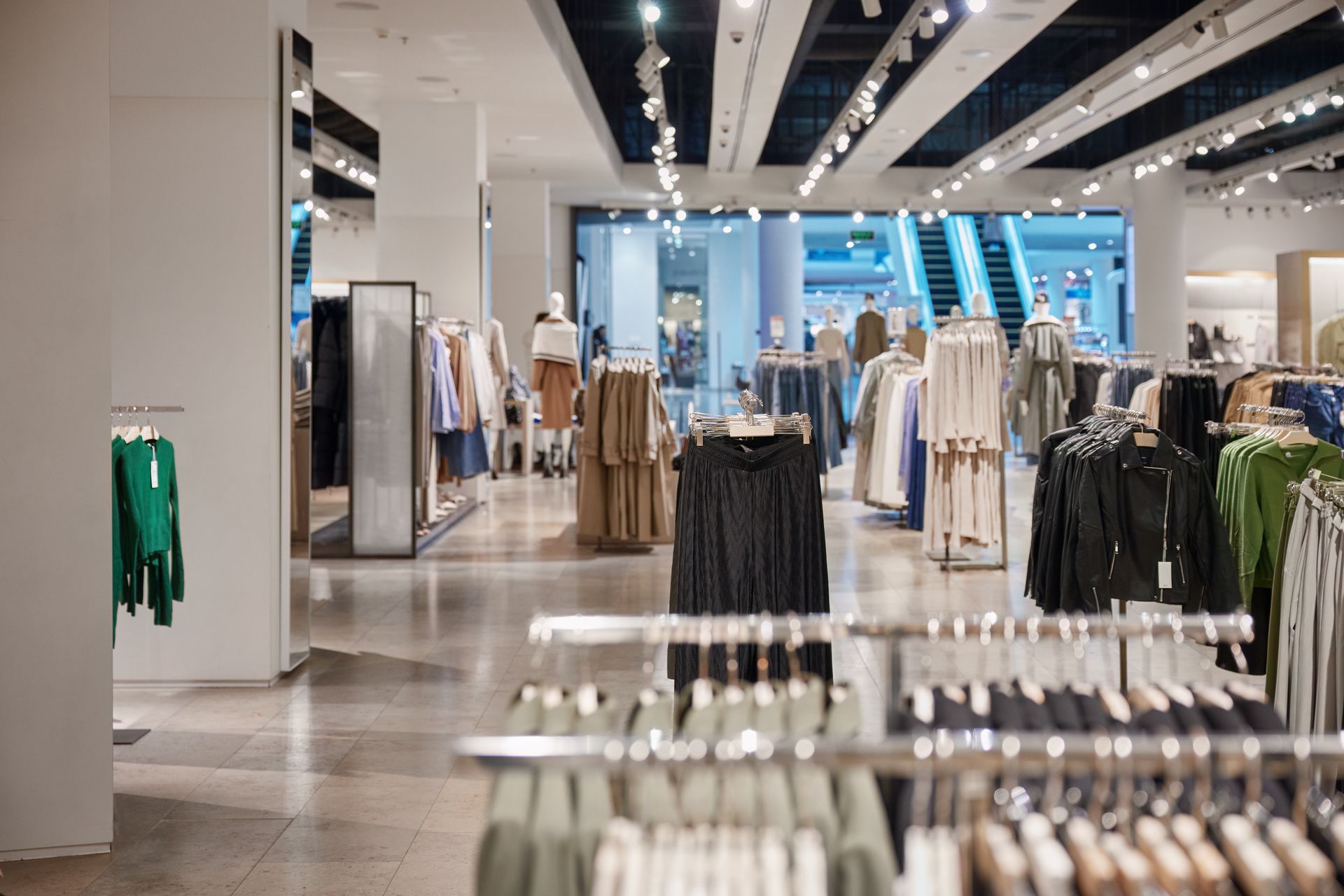
Retail and
Commercial Properties
Protection for storefronts, inventory, and customer-related liability.
Our Approach
Insurance Made Easy to Understand
Mesa Insurance Agency provides business insurance coverage that helps protect operations, employees, and property. We work with multiple carriers to offer coverage options that support daily business activities and long-term stability.
Insurance FAQs
Helpful Answers for Florida Clients
Support you can rely on.

What makes Mesa Insurance Agency different?
We are an independent agency with access to multiple carriers. This allows us to offer flexible coverage options.
Clients work directly with licensed agents. Service continues beyond the policy start date.
Do you offer coverage for individuals and families?
Yes. We provide personal insurance for individuals and families across Florida.
Coverage includes auto, home, health, life, and flood insurance. Our team explains each option clearly.
Do you work with small and mid-sized businesses?
Yes. We work with businesses of many sizes and industries.
Our team helps identify risks and secure appropriate coverage. Ongoing service is included.
Can I make changes to my policy later?
Yes. Policies can be updated as needs change.
We assist with coverage adjustments, additions, and removals. Clients can contact us directly for help.
Is flood insurance required in Florida?
Flood insurance is not always required, but it is strongly recommended in many areas.
Standard home insurance does not cover flood damage. Our team can review your flood risk and options.
How do I contact your office?
You can contact us by phone, email, or through our website.
Our team responds promptly during business hours. Support is always available when needed.
From the Blog
Insurance Topics That Matter
Clear answers for common questions.







Client Reviews
Trusted by Clients Across Florida
Mesa Insurance Agency is proud to serve individuals and businesses throughout Florida. Clients choose us for clear communication, responsive service, and reliable insurance support. Their feedback reflects our focus on long-term relationships and consistent service.
Contact Us