Solving a production error on a busy shipment day or addressing a mislabeled container can turn into a multi-hour headache. For labeling companies operating in Florida, an unforeseen event can quickly escalate into financial challenges that threaten business continuity. As labeling companies thrive in an industry marked by precision and tight deadlines, the need for robust insurance coverage is increasingly evident. This article delves into the tailored insurance solutions that every labeling business in Florida should consider, with insights drawn from current market research and industry trends. Florida’s surplus lines market data provides more context for the evolving risk landscape.
Risk management for labeling operations encompasses more than just quality control on the production floor. Given the unique challenges of the business-ranging from equipment malfunctions to potential liability claims due to mislabeling-understanding available coverage options is paramount. Detailed exploration of insurance products not only protects tangible assets but also ensures business reputation remains intact during unforeseen disruptions.
The focus now shifts to a close examination of regulatory changes, market performance, and the emerging trends that influence how insurance for labeling companies is structured in Florida today.
Understanding the Unique Risks of Labeling Businesses
Labeling companies handle critical elements of branding, product information, and safety warnings. Mistakes in labeling can lead to product recalls, consumer trust loss, and regulatory fines. For instance, if a shipment contains misprinted hazard warnings, the consequences can be severe for both manufacturers and distributors.
Businesses that print labels operate in a realm of high precision. Even a small error can affect a product’s marketability or lead to liability claims if the incorrect information results in injury or financial loss. Insurance products for labeling companies are designed to cover property damage, business interruption, and liability claims, specifically addressing issues inherent in the printing and labeling process.
Insurance underwriters are aware that labeling companies have distinct operational risks. They design policies keeping in mind the regular use of specialized equipment, dependence on strict compliance standards, and the high stakes when errors occur. Thus, companies are encouraged to evaluate policies with comprehensive coverage options by consulting seasoned specialists and legal advisors.
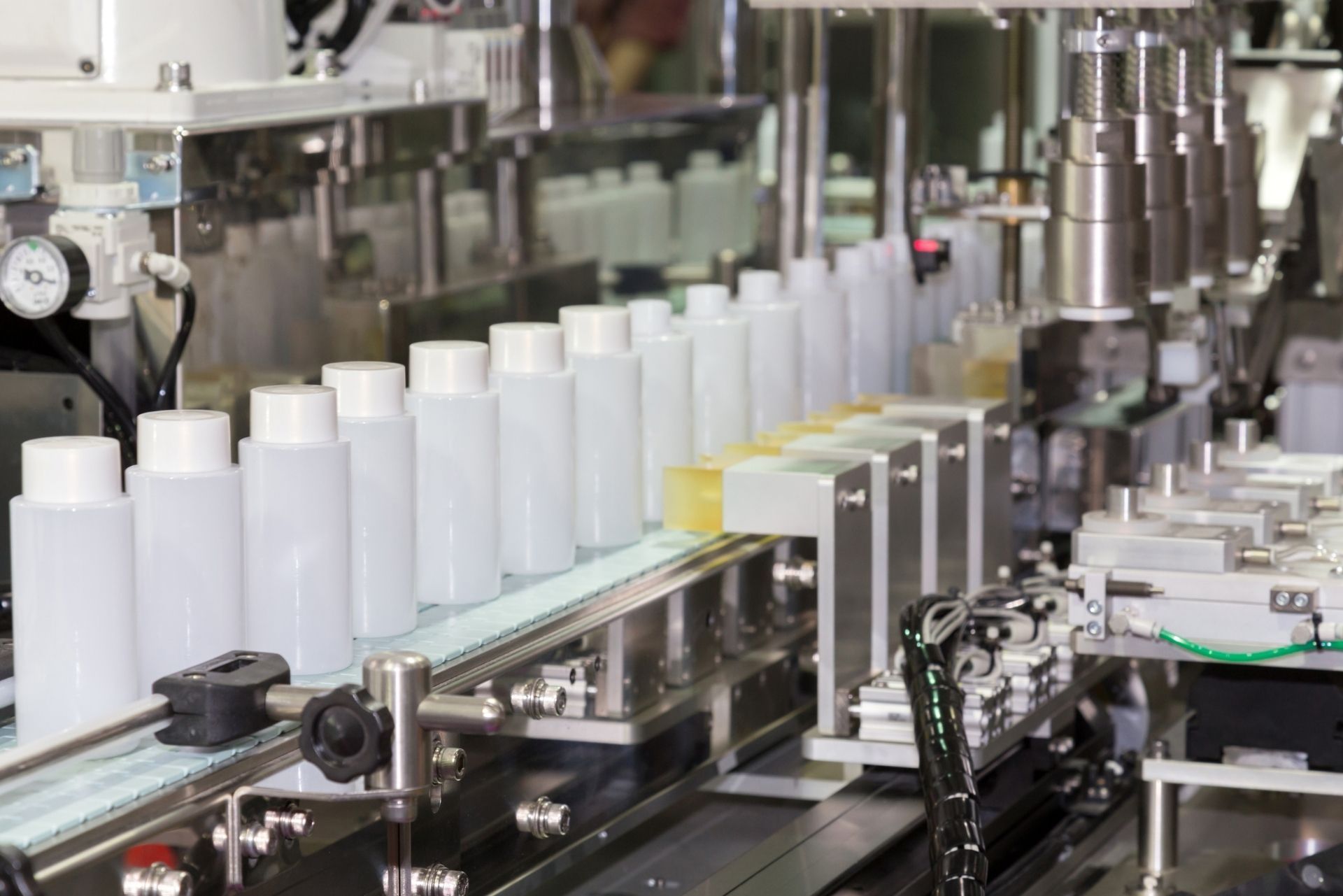
Core Elements of Insurance Coverage for Labeling Companies
A layered insurance approach is often the best strategy to protect labeling companies from a range of risks. Sections of coverage might include general liability, professional liability, property insurance, and business interruption insurance. Each coverage type is tailored to address the specific challenges faced by labeling companies in Florida.
General liability insurance covers issues arising from accidental property damage or bodily injury claims from third parties. Professional liability, on the other hand, addresses errors and omissions that might occur during the labeling process, safeguarding a company from disputes over misprints or incorrect information.
Property insurance is also crucial, as it covers the physical assets vital to the labeling process: specialized printing equipment, inventory, and even the facility where production takes place. Business interruption insurance is essential for companies that rely on just-in-time production schedules. If an unexpected event halts production, business interruption coverage ensures that revenue losses are mitigated until operations resume.
Market Trends Shaping Insurance Offerings in Florida
Recent data in Florida’s surplus lines market reveals significant growth in premium counts and policy uptake. The market reported $1.2 billion in premium and 144,583 policies in September 2025, marking a notable increase in policy count of 15% compared to the previous year [Florida surplus lines market performance]. This boost reflects a growing awareness of the need for comprehensive risk mitigation among Florida businesses, including specialized sectors like labeling companies.
In a rapidly changing risk environment, labeling businesses benefit from insurers knowledgeable about specific operational risks in the state. Market stabilization is further bolstered by a reduction in defense cost containment expenses thanks to recent tort reform. According to industry experts, such exposure reduction means insurers can now profitably write business in all regions of the state [Insurance Information Institute insight].
This shift in the market is good news for labeling companies facing high competition and operational hazards. With lower litigation costs and improved market conditions, insurers are in a better position to offer competitively priced policies that deliver value and protection tailored to the intricacies of the labeling industry.
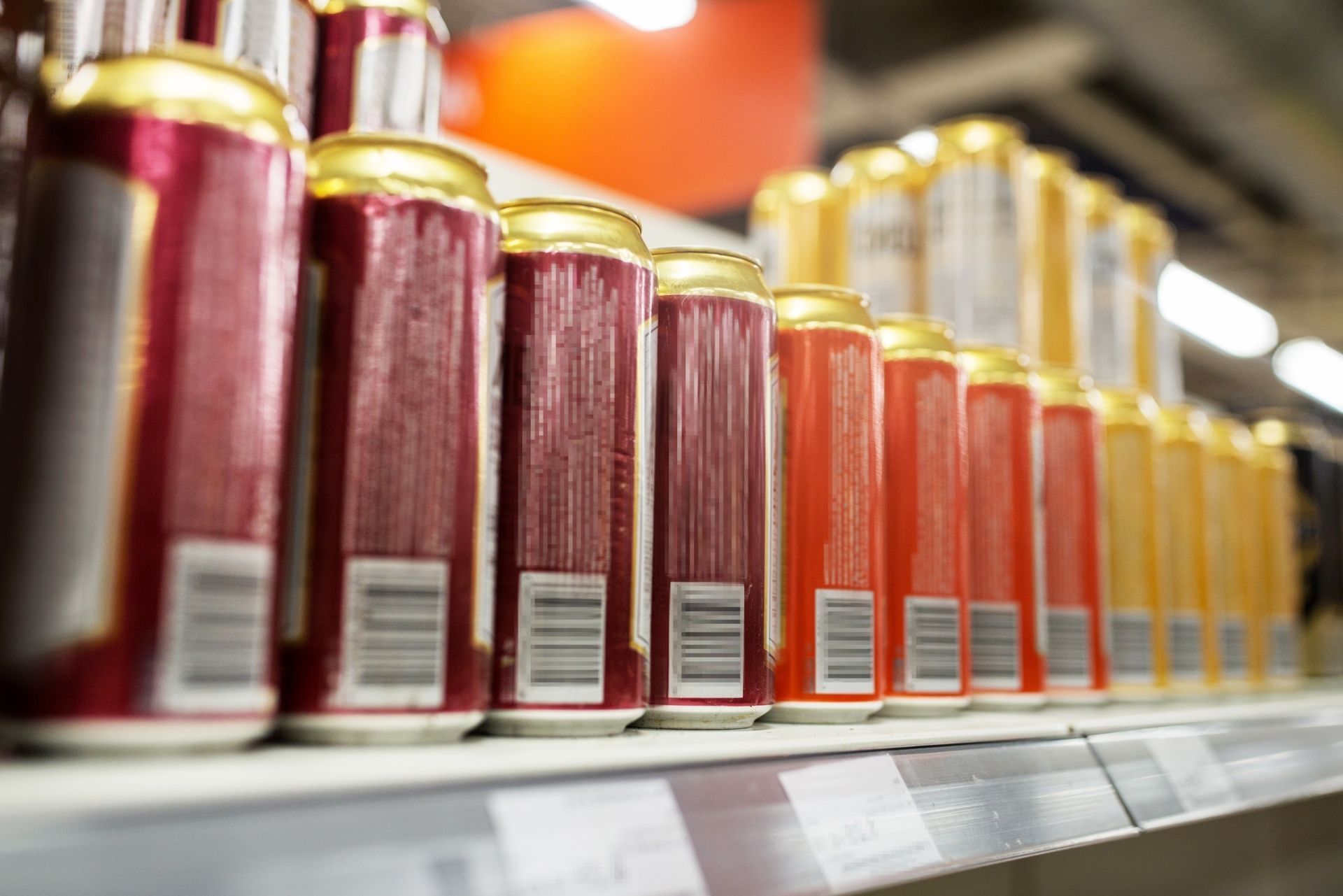
Components of a Comprehensive Labeling Company Insurance Policy
General Liability Coverage
General liability policies provide a foundation of protection. For labeling businesses, this means having coverage to address claims for bodily injury, property damage, and personal injury resulting from labeling errors or accidents on the business premises. The risks can range from a minor mishap during product handling to a significant error that leads to consumer harm.
This type of coverage is particularly important in Florida, where a high volume of business activities and competitive markets increase the potential for unexpected disputes. Insurers provide managed policies that help businesses mitigate the risks of costly litigation and claims that could jeopardize financial stability.
Companies investing in robust general liability insurance are better prepared for sudden accidental damages. The protection enhances operational resilience, ensuring that interruptions do not derail production timelines or damage corporate reputations.
Professional Liability and Errors & Omissions Coverage
The complexity of producing and printing labels accurately introduces potential for mistakes. Any error can lead to customer dissatisfaction or claims of negligence, particularly in industries where safety warnings or detailed instructions are crucial. Professional liability insurance (also known as errors and omissions coverage) protects companies against claims arising from professional mistakes, including misinformation or faulty labeling.
This type of insurance covers legal fees, settlements, and judgments in case labeling errors lead to financial losses or safety incidents. For labeling companies, where precision is part of the daily workflow, this coverage underlines the importance of accuracy in the production process.
Shifting from a reactive stance to risk prevention is critical. Establishing comprehensive checks and clear procedures combined with the right insurance coverage helps reduce the risk of errors; while even if an error occurs, financial and legal impacts are cushioned.
Property and Equipment Insurance
For many labeling companies, equipment represents a major investment that drives day-to-day operations. Specialized printing machines, high-speed labelers, and other essential tools are central to meeting client demands. Damage to or loss of such equipment can cause severe operational disruptions.
Property insurance protects against these risks, covering repair or replacement costs. This policy ensures that a labeling business can recover quickly from physical damage or theft. Given the high stakes in production and the capital intensity of the equipment used, having thorough property coverage is essential.
Integrating equipment insurance and property coverage into a broader risk management program can help maintain business continuity. This combined approach protects both tangible assets and intellectual property, ensuring that branding, design, and operational data remain secure.
Business Interruption Insurance
When an unforeseen event disrupts operations, business interruption insurance can be a lifesaver. Labeling companies often work under tight deadlines to deliver finished products to manufacturers, distributors, and retailers. A disruption in supply, whether due to a natural disaster, equipment failure, or a supply chain hiccup, impacts cash flow and contractual obligations.
This insurance type covers lost income, operating expenses, and even temporary relocation costs while the business resumes normal operations. With the growing awareness and implementation of business interruption policies, companies can secure vital revenue streams even during periods of pause.
Recent industry reports indicate that improved market conditions have allowed insurers to offer these protections at competitive rates, reinforcing the market stabilizations that have benefitted many Florida businesses [Gallagher Re industry report].
Florida’s Insurance Market Dynamics and Their Impact on Labeling Companies
Florida's insurance market has experienced significant reforms in recent years. These reforms have had ramifications for various sectors, including specialized industries such as labeling companies. Strengthening the market environment has resulted in improved underwriting standards and better risk pricing.
The current behavior of insurers in Florida is partly due to market stabilization and lower litigation costs, which have allowed them to price policies more competitively. As reported by experts in the state, this positive trend is a welcome change that benefits both insurers and policyholders [Expert insight on market health].
This evolving framework opens up more reliable coverage options for labeling businesses. With a healthier market, companies gain access to products that balance cost with broad-ranging protection-a necessity in today’s competitive business environment.
Emerging Challenges and Future Trends for the Florida Labeling Industry
Emerging challenges in Florida’s insurance market are prompting many businesses to reexamine their risk management strategies. While stable market conditions and declining defense expenses are positive developments, certain aspects remain challenging. A study by researchers from Harvard, Columbia University, and the Federal Reserve pointed out that new insurers entering Florida tend to be less diversified and possess lower capital reserves [study on market composition]. Such trends prompt labeling companies to seek insurance providers with robust financial backing and proven track records.
Additionally, as new insurers become more prominent in the market, there has been an observed increase in claims-related disputes. For example, in 2024, several companies closed more than half of homeowners' insurance claims without payment, with a notable number of these companies being new insurers post-reform. Although this phenomenon specifically affects the homeowners' segment, similar caution is equally relevant for specialized sectors, including labeling companies, which may face analogous operational challenges.
These trends indicate that companies need to scrutinize policy features carefully. Businesses should be proactive-engaging in detailed discussions with brokers and legal advisors-to ensure that chosen coverage provides both immediate risk management and long-term resilience.
Strategies for Selecting the Right Insurance Partner
Choosing an insurance partner who understands the nuances of the labeling business can make a substantial difference. An effective strategy starts with reviewing the insurer’s expertise and past performance in serving niche markets such as that of labeling companies. An experienced provider will be familiar not only with the operational risks but also with market-specific aspects unique to Florida.
Businesses are advised to compare insurance products from both traditional and surplus lines carriers. Surplus lines carriers in Florida have displayed positive trends, notably with a reported 15% increase in policy count compared to the previous year [Florida surplus lines market performance], which suggests that these carriers have adapted quickly to market demands. In doing so, labeling companies can benefit from agile, customized coverage solutions.
Evaluating an insurer’s response time, claims handling efficiency, and overall stability are critical elements in selecting the right partner. Companies must prioritize transparency and communication, ensuring that any unexpected event is met with prompt professional support. A proactive partnership is invaluable to minimize disruptions while safeguarding operational continuity.
Real-World Scenarios: How Insurance Helps When Things Go Wrong
Case Study: Handling Production Disruptions
A Florida-based labeling company faced significant setbacks when a critical piece of printing equipment malfunctioned unexpectedly. With tight delivery deadlines and a reputation for high-quality output, the delay put their contract at risk. Fortunately, the company had invested in business interruption insurance, which covered lost revenue during the downtime and even helped fund repairs and temporary equipment rental.
This quick financial recovery mitigated the potential for long-term damage and allowed the company to maintain client trust. The case emphasizes the unpredictable nature of equipment failures and highlights why having a comprehensive coverage plan is key to quick recovery and continued operational stability.
In such situations, the interplay of various coverage types-from property insurance securing the physical assets to general liability covering any unforeseen third-party claims-ensures that financial losses are minimized while the business focuses on resuming regular operations.
Case Study: Mislabeling Incident and Liability Claims
Another instance involved a mislabeling error that led to a product recall. The labeling company, which specialized in packaging for food products, found itself facing significant claims regarding the incorrect information printed on the labels. With professional liability coverage in place, the company was able to manage legal fees and settlement costs efficiently.
While the misprint impacted the client’s distribution lineup temporarily, swift insurance intervention prevented the risk from escalating into a prolonged legal battle. The cumulative effect was a robust demonstration of how tailored coverage specifically addresses errors that can otherwise jeopardize a company’s market reputation and financial stability.
This scenario also underscores the importance of advanced quality control measures integrated with comprehensive insurance. Proactive care combined with well-structured coverage builds stronger resilience and supports a healthier risk management strategy.
Comparative Analysis: Coverage Options for Labeling Companies
Understanding coverage differences is essential for making informed decisions. The table below provides a side-by-side comparison of key insurance components commonly adopted by labeling companies:
| Coverage Type | Key Benefits | Specific Risks Addressed |
|---|---|---|
| General Liability | Covers bodily injury, property damage, personal injury claims | Third-party accidents, mishandling claims |
| Professional Liability | Protects against misprints, errors, or omissions | Mislabeled information, contractual errors |
| Property Insurance | Safeguards physical assets and printing equipment | Theft, fire, or accidental damage |
| Business Interruption | Recovers lost income during operational downtime | Production stoppages, supply chain issues |
This comparative approach provides a clear picture of how various policies protect different aspects of the business. Real-world insights and statistical data available in Florida further support the advantage of these comprehensive strategies.
Labeling companies in Florida, where risks are multifaceted and operational tempo is high, benefit from evaluating each policy. In-depth discussions with insurance brokers can further tailor these coverages so that financial risks across different scenarios are methodically addressed.
Adapting to Regulatory and Market Developments in Florida
Florida's regulatory environment has undergone numerous adjustments to improve market conditions for property and casualty insurers. The latest reforms have not only stabilized the market but have also secured improved conditions for both insurers and policyholders. Recent reforms reported by Gallagher Re indicate that litigation costs are lower, which directly benefits companies looking to negotiate competitive policy rates.
These regulatory advances, coupled with market-wide performance improvements, have allowed insurers to extend policies that cater specifically to niche industries such as labeling. Stability in premium pricing and policy terms helps mitigate long-term financial risks, fostering an environment where labeling companies can invest in future growth without being unduly burdened by unforeseen risks.
The importance of partnering with insurers who are agile and responsive to regulatory changes cannot be overstated. Staying informed of market trends and compliance requirements ensures that businesses are always covered by policies that meet both current and emerging needs.
Steps to Ensure Comprehensive Coverage for Labeling Businesses
Labeling companies should start by conducting a thorough assessment of their operational risks. This includes evaluating potential losses from equipment failure, mislabeling errors, or unexpected disruptions in the supply chain. A well-rounded risk assessment forms the foundation of an effective insurance strategy that marries traditional policies with modern threats.
It is advised that companies keep an ongoing dialogue with their insurance brokers. Such engagements help in revisiting terms, understanding market evolutions, and adjusting coverage as necessary. With Florida's dynamic market, staying proactive ensures that coverage remains aligned with the company's growth trajectory and the external risk environment.
Insurance experts recommend using specialized risk management audits to identify vulnerabilities. These audits can pinpoint aspects of operations that might need additional coverage or a policy change. By working closely with experienced advisors, labeling companies can secure a blend of insurance solutions that protects both tangible and intangible assets.
Effective business continuity planning goes beyond having a robust insurance policy. The planning process encompasses steps to minimize risks during normal operations and to establish protocols during an unexpected event. For labeling companies, the integration of risk management and insurance management is essential for maintaining uninterrupted operations.
In-depth planning might include contingency arrangements for supply chain disruptions, backup equipment plans, and detailed procedures to ensure that mislabeling errors are corrected immediately. Against the backdrop of Florida’s ever-changing regulatory landscape, drafting a continuity plan that reflects both internal controls and comprehensive insurance coverage becomes a strategic imperative.
Recent industry perspectives suggest that businesses which combine proactive planning with tailored insurance solutions are better prepared to handle emergencies. These measures lend stability and ensure that operations, no matter how specialized, persist even in the event of adverse conditions.
Industry Expert Perspectives and Future Outlook
Industry experts continuously underline that Florida’s market is showing encouraging signs of recovery and stabilization. Prominent voices note that despite ongoing challenges like hurricanes and market fluctuations, the insurance environment is arguably the healthiest it has been in nearly a decade [Expert insight from Shiloh Elliot].
While the risk of natural disasters remains ever-present, recent studies and evolving market conditions signal improved resilience among insurers. Experts highlight that with the implementation of recent reforms, the balance between premium rates and policy coverage is better aligned to manage risks associated with property damage and liability claims.
For labeling companies particularly, this stable market environment means that securing comprehensive insurance is more feasible and increasingly cost-effective. The outlook suggests that insurers will continue to adapt rapidly, ensuring that niche sectors receive products customized to their needs.
Frequently Asked Questions About Insurance for Labeling Companies
This section addresses common queries regarding insurance in the specialized area of labeling businesses in Florida.
What type of insurance coverage is critical for labeling companies?
General liability, professional liability, property, and business interruption policies are critical for managing risks related to mislabeling errors, equipment failure, and operational disruptions.
How do regulatory changes in Florida affect insurance policies?
Recent regulatory reforms have stabilized the market and lowered litigation costs, which translate into more competitive coverage rates and improved policy terms for businesses.
Can tailored insurance cover production delays and misprints?
Yes. Policies that combine business interruption with professional liability insurance help cover lost income from production delays and claims resulting from misprints.
How should labeling companies choose an insurance provider?
Companies should assess providers based on their market experience, financial backing, responsiveness to regulatory changes, and proven claims handling efficiency.
What steps can a labeling company take to ensure optimal coverage?
Conduct thorough risk assessments, maintain regular dialogue with brokers, and seek comprehensive audits to review operational vulnerabilities and adjust coverage as needed.
Is business interruption insurance really necessary for a labeling business?
Absolutely. In an industry that relies on timely production and delivery, business interruption coverage is essential to safeguard revenue during unforeseen events.
Wrapping Things Up: Key Takeaways for Florida Labeling Businesses
Labeling companies operate in an arena where a small error can have significant repercussions. Robust insurance coverage tailored specifically to the nuances of the labeling sector is not an optional expense but a necessary safeguard.
Recent market data from Florida underlines a positive trend with a notable growth in premium counts, which indicates an increasing awareness among business owners about robust risk management [Florida surplus lines market performance]. These developments are a signal that the insurance environment is evolving to better meet the needs of dynamic and operationally intensive industries.
By aligning the right mix of general liability, professional liability, property, and business interruption policies, labeling companies are in a stronger position to absorb shocks, recover from slight missteps, and continue operating with minimal disruptions. With industry oversight and proactive planning, the insurance solutions available are more than just financial products-they represent essential components of a comprehensive risk management strategy.
Preparing for the Future: Evolving Insurance Needs and Market Adaptation
As labeling companies in Florida expand, their insurance needs evolve. A rapidly shifting marketplace, influenced by economic trends, technological advancements, and regulatory adjustments, requires that businesses remain agile and forward-looking in their risk management approaches.
Companies should periodically revisit their policies to ensure that coverage continues to meet operational demands, particularly as they introduce new technologies or expand production lines. Regular policy reviews with experienced advisors can help identify emerging exposure areas that require additional coverage, preventing potential gaps.
The insurance market’s dynamic nature also means that rates and conditions can change rapidly. Being proactive in updating risk assessments and engaging with insurers ensures that policies remain competitive and robust under varying market pressures.
Closing Thoughts on Mitigating Risks for Labeling Companies
Securing the right insurance coverage is a critical step towards sustainable business practice in the labeling industry. As production and distribution demands intensify, aligning risk management policies with operational realities becomes indispensable.
This article has outlined the essential components of insurance for labeling companies, explained how market trends in Florida boost coverage options, and provided actionable steps for companies to evaluate and select the right policies. The health of Florida’s insurance market, even in fluctuating times, offers confidence that robust protection is available for every facet of the labeling business.
Staying informed about market changes, regulatory reforms, and evolving risks ensures that errors in labeling or unexpected operational disruptions are met with swift, effective coverage. By embracing comprehensive coverage strategies, labeling companies can secure their financial footing and focus on growth, innovation, and excellence in service delivery. For more detailed insights and expert perspectives, industry stakeholders can explore additional market studies and policy performance analyses [Insurance market expert insight].
ABOUT THE AUTHOR: PAUL RAMENTOL
I am the Owner and President of Mesa Insurance Agency. I help individuals and business owners across Florida secure personal and business insurance coverage that supports their needs. My focus is on clear guidance, direct communication, and long-term support without call-center delays or confusion.
Contact Us

Personal Coverage Options
Insurance Built for Everyday Protection
Mesa Insurance Agency provides personal insurance coverage designed to support daily life. Our team reviews risks and coverage needs to help clients secure dependable protection at fair rates.
Dental & Vision Insurance
Coverage that helps manage routine dental and vision care costs.

Business Coverage Options
Insurance Built for Business Protection
Mesa Insurance Agency provides business insurance coverage that helps protect operations, employees, and property. We work with multiple carriers to offer coverage options that support daily business activities and long-term stability.
Commercial Auto Insurance
Coverage for business-owned vehicles, drivers, and accident-related liability exposure.
General Liability Insurance
Protection against third-party injury, property damage, and common business liability risks.
Professional Liability Insurance
Coverage for claims related to professional services, advice, or service errors.
Workers’ Compensation Insurance
Coverage that helps support employees with work-related injuries and medical costs.
Commercial Property Insurance
Protection for buildings, equipment, inventory, and physical business assets.
Errors & Omissions Insurance
Coverage for financial losses caused by mistakes, omissions, or service-related claims.
Industries We Serve
Serving Businesses Across Multiple Sectors
Mesa Insurance Agency works with business owners across Florida to provide insurance coverage that supports daily operations. We understand common risks faced by different industries and help clients secure reliable protection.

Construction and Trades Insurance
Coverage for job sites, vehicles, tools, and workplace risks.

Hospitality Businesses Insurance
Insurance for restaurants, bars, and service-based operations.

Retail and
Commercial Properties
Protection for storefronts, inventory, and customer-related liability.
Our Approach
Insurance Made Easy to Understand
Mesa Insurance Agency provides business insurance coverage that helps protect operations, employees, and property. We work with multiple carriers to offer coverage options that support daily business activities and long-term stability.
Insurance FAQs
Helpful Answers for Florida Clients
Support you can rely on.

What makes Mesa Insurance Agency different?
We are an independent agency with access to multiple carriers. This allows us to offer flexible coverage options.
Clients work directly with licensed agents. Service continues beyond the policy start date.
Do you offer coverage for individuals and families?
Yes. We provide personal insurance for individuals and families across Florida.
Coverage includes auto, home, health, life, and flood insurance. Our team explains each option clearly.
Do you work with small and mid-sized businesses?
Yes. We work with businesses of many sizes and industries.
Our team helps identify risks and secure appropriate coverage. Ongoing service is included.
Can I make changes to my policy later?
Yes. Policies can be updated as needs change.
We assist with coverage adjustments, additions, and removals. Clients can contact us directly for help.
Is flood insurance required in Florida?
Flood insurance is not always required, but it is strongly recommended in many areas.
Standard home insurance does not cover flood damage. Our team can review your flood risk and options.
How do I contact your office?
You can contact us by phone, email, or through our website.
Our team responds promptly during business hours. Support is always available when needed.
From the Blog
Insurance Topics That Matter
Clear answers for common questions.







Client Reviews
Trusted by Clients Across Florida
Mesa Insurance Agency is proud to serve individuals and businesses throughout Florida. Clients choose us for clear communication, responsive service, and reliable insurance support. Their feedback reflects our focus on long-term relationships and consistent service.
Contact Us