A Florida roofing expert once found a burst water pipe lead to a near-disastrous claim that spiraled into unexpected expenses. A similar scenario unfolds in the aerial world when a drone mishap lands commercial operators with a costly claim. Drone pilot insurance is not just a luxury in a state where technology meets vibrant business; it is a necessity that ensures operators can absorb sudden risks while continuing their ventures. In Florida, where commercial drone activity is booming, understanding the nuances of drone pilot insurance can be the difference between a thriving operation and a crippling liability.
Recent developments in both technology and regulatory frameworks demand operators and insurers adapt quickly. Florida’s recent legislative updates further complicate the balance between operational efficiency and privacy concerns. As part of this transition, integrated systems now combine flight planning with advanced insurance solutions - something industry experts have noted as transformative, as seen with partnerships involving AutoPylot and Allianz Commercial (integrated drone insurance).
For commercial drone operators, aligning the right coverage with their operational needs is vital. This article outlines the state of drone pilot insurance in Florida, explains the key risks supported by recent studies and actual events, and provides practical advice on tailoring insurance products to meet industry challenges.
Understanding Drone Pilot Insurance Fundamentals
Drone pilot insurance covers the risks associated with operating unmanned aerial systems. Unlike traditional aviation insurance, drone coverage must address specific elements such as liability for accidental damage and repairs, costs of drone replacement, and even potential legal repercussions when operating in sensitive airspaces.
The increasing number of FAA-certified drone pilots has transformed the industry into a multifaceted ecosystem. With over 95,000 licensed pilots now operating in the U.S., the risk landscape has grown exponentially. Operating drones safely and responsibly requires coverage that directly responds to the unique challenges posed by unmanned flight, including collision risks, data privacy issues, and liability arising from equipment malfunction.
Insurance products are evolving quickly to meet these challenges. Rather than a generic aviation policy, many carriers now offer specialized policies that reflect real-world data and emerging use cases, as seen with the increasing role of technology in supporting damage assessments during natural disasters.
Key Considerations for Commercial Drone Operators
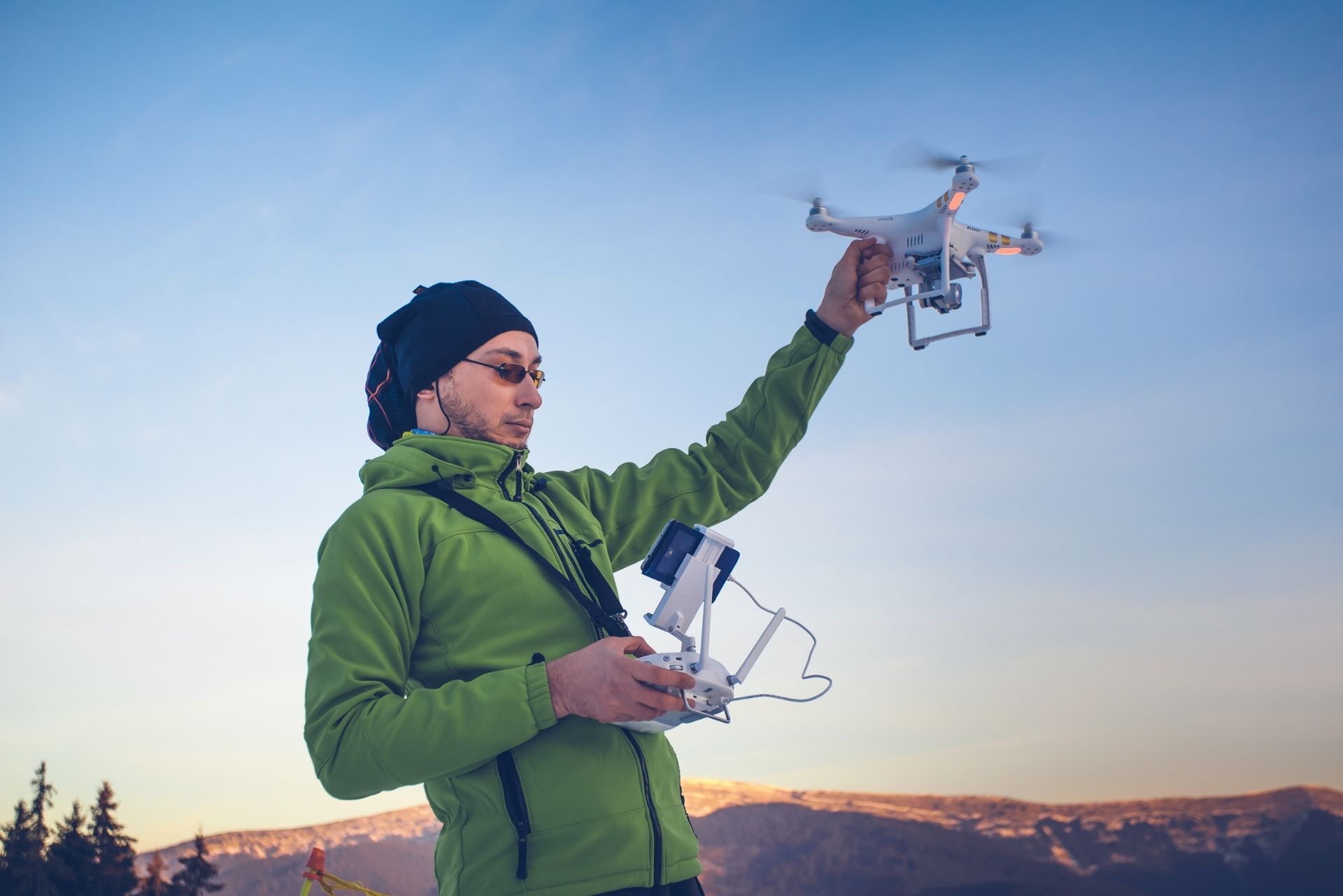
With commercial drone operations spanning industries from real estate photography to disaster response, choosing the right insurance policy is central to business continuity. Commercial operators must consider both the primary risks of flight and specific industry exposures. For instance, a roofing survey operation might face different claims than a drone involved in movie production. The differences in operational risk require dedicated underwriting strategies that capture unique vulnerabilities.
Risk assessments often examine how a drone’s payload, such as high-resolution cameras and specialized sensors, can dramatically impact the potential for substantial damage or loss. Gary Reshefsky from Unmanned Vehicle Insurance remarks on the cost disparity between the drone itself and its payload - emphasizing that a $2,000 drone could be burdened with equipment worth many times that amount (drone liability opinions).
Operators should work closely with insurance professionals to ensure that policies not only cover the aircraft but also any high-value payloads. Specialized drone policies now often bundle coverage for both physical damage and liability, meeting regulatory requirements and addressing the specific exposures of controlled flight operations.
Florida-Specific Regulatory Landscape and Its Impact
Florida’s regulatory environment offers a distinct context for drone operations. Recent legislative changes, effective October 1, 2025, have granted insurers, law enforcement, and municipalities new powers to deploy drones over private property for official duties, stirring discussions on privacy and operational boundaries (Florida drone laws). Platforms and operators now face a dual challenge: simultaneously optimizing operational efficiency while safeguarding personal privacy and complying with newly implemented oversight measures.
The expanded authority for government and private entities to conduct aerial operations brings heightened public scrutiny when a drone is involved in incidents that may appear invasive. This is particularly true in cases of insurance inspections, where the line between necessary business activity and privacy can become blurred.
For drone operators in Florida, this dynamic means additional emphasis on choosing insurance providers that understand how to navigate both operational risk and the evolving regulatory environment. Balancing effective risk management with legal compliance is not just good practice - it is a mandate in Florida’s rapidly changing legislative landscape.

Drone pilot insurance in Florida is not one-size-fits-all. Policies usually encompass a combination of general liability, hull insurance, and specialized coverage targeting industry-specific applications. This customization ensures that the unique exposures of each operation are adequately managed.
General liability covers incidents where a drone might cause harm to a person or damage property on the ground. Hull insurance, on the other hand, deals with physical damage or loss of the drone itself. Then there are add-ons and endorsements available that cater to data security, equipment theft, or extended coverage used in high-risk environments.
Some policies are specifically designed for sectors with distinct operational risks. For example, Florida roofers increasingly employ drones coupled with AI for inspection estimates and documentation (drone use in roofing). In such cases, the insurance policy may cover both manufacturing defects and errors in data processing that lead to incorrect risk assessments.
Industry-Specific Claims and Real-World Applications
One compelling example in Florida's context is how drones are utilized for disaster response. When hurricanes hit, rapid damage assessments conducted by unmanned systems can significantly reduce the turnaround time for insurance claims. However, as one study noted, challenges in deploying machine learning systems during hurricanes like Debby and Helene have exposed vulnerabilities in operational strategies (machine learning studies on drone damage assessment).
This issue emphasizes that while drones are effective when integrated with advanced technologies, they also require robust risk mitigation strategies from their pilots. Insurers must work with operators to adjust policies based on evolving use cases and environmental hazards. Coverage should reflect operational risks such as turbulent weather, obstacles, or even technical malfunctions during critical missions.
Efficient claims processing can save insurers billions annually, as illustrated by a 2024 Deloitte report highlighting that drones can improve inspection efficiency by up to 85%, potentially reducing overall costs by as much as $7 billion per year (Deloitte drone inspection study). This efficiency boost underscores the value of technologically integrated insurance policies within high-stakes industries like property and disaster management.
Digital Integration and Insurtech Advancements
Technological integration is transforming how insurance is bought and administered. Insurtech solutions now allow near-real-time updates on flight operations and risk profiles, promising quicker responses to incidents and streamlined claims processing. A significant milestone in this evolution is the integration of drone insurance into flight planning systems, as implemented by AutoPylot in partnership with Stere (integrated drone insurance solution). This development marks a shift toward a more cohesive ecosystem where technology meets risk management.
Such integrations help connect the dots between flight data and insurance parameters. Real-time system alerts can now flag unusual patterns, facilitating faster risk mitigation and enabling insurers to assess damages almost immediately. Insurers with these capabilities can provide more accurate pricing models and targeted coverage options, which ultimately enhance the reliability and overall trust in insurance products for commercial drone operations.
This interplay between operational technology and insurance management not only supports smoother business operations but also provides a competitive edge to forward-thinking insurers. The result is a more responsive system where both operators and insurers benefit from reduced downtime and more efficient claims resolution.
The Drone as a Service market is on an upward trajectory, projected to reach $27 billion by 2033. This trend reflects a burgeoning demand across commercial, industrial, and civic applications (Drone as a Service market report). In Florida, where both technological innovation and regulatory support coexist, the implications for businesses are substantial.
DaaS models allow companies to access specialized drone technology with lower upfront investments. Rather than purchasing and maintaining expensive equipment, businesses can opt for service agreements that include comprehensive insurance coverage tailored to their operational needs. This business model aligns perfectly with Florida's dynamic economic environment, where adaptability and risk management are paramount.
Service providers are continuously refining their coverage packages, integrating insights from real-world operations and the latest legislative changes. Customizing policies to match the flexible, on-demand nature of DaaS not only meets customers’ evolving needs but also contributes to a safer operational framework, which is especially vital in a state accustomed to sudden weather changes and environmental challenges.
Evaluating Risk: A Comparative Overview of Coverage Options
Operators should evaluate the breadth of coverage offered by different insurance providers. A comparison between basic policies and extended coverage plans reveals distinct differences in risk handling. A basic plan might cover general liability and damage to the drone, while extended plans offer added protection for high-value payloads, specialized data insurance, and even cyber risk coverage associated with drone operations.
The decision between these options should factor in the type of operations, the environments in which drones fly, and the potential liability exposures. For instance, a survey operator flying over densely populated areas might favor extended coverage that protects against third-party bodily injury claims, whereas an operator working in remote locations might consider comprehensive hull insurance as a priority.
The following comparison table offers a simplified overview of basic versus extended coverage options, highlighting key differences for operators to consider:
| Coverage Type | Basic Insurance | Extended Insurance |
|---|---|---|
| General Liability | Covers bodily injury and property damage claims | Includes wider liability and higher limits |
| Hull Insurance | Covers the cost to repair or replace the drone | Extended to include high-value payloads and accessories |
| Operational Downtime | Limited coverage on lost revenue | Comprehensive cover to protect against prolonged downtime |
| Cyber and Data Risk | Typically not included | Often included as added coverage due to increased digital reliance |
This illustrative table is a starting point. Operators can further discuss these components with their insurance brokers to tailor packages that fit their overall risk profile in Florida’s diverse operational scenarios.
Operational Best Practices and Risk Mitigation Strategies
Insurance is only one part of risk management. Florida drone operators actively employ risk mitigation strategies that range from routine maintenance to proactive flight path planning. Regular inspections of drones, comprehensive training for pilots, and the integration of fail-safe technologies are some of the approaches used to reduce the likelihood and impact of incidents during operations.
Combining these operational best practices with robust insurance coverage fosters an environment where risk is managed holistically. It is essential for operators to view insurance not as a fallback but as an integral part of a broader risk management strategy that includes both technological measures and procedural safeguards.
Innovative tools like real-time flight monitoring and automated alerts are transforming operational risk management. As these systems provide early warnings about potential hazards, they allow pilots to take preemptive action. By coupling these systems with comprehensive insurance coverage, operators create a safety net that is both reactive and proactive, ensuring that even unexpected events can be managed effectively.
Emerging Trends and Future Outlook for Drone Insurance
The drone industry is evolving rapidly. As more commercial activities adopt drone technology, the insurance products designed to protect these operations continue to adapt. The convergence of unmanned aerial systems with advanced data analytics, artificial intelligence, and real-time monitoring is poised to influence the way coverage is structured.
Expect increasing integration between flight operations and insurtech, enabling a level of responsiveness and transparency that was previously unattainable. This trend is exemplified by efforts to embed drone insurance directly into flight planning tools. Such seamless integration offers operators a continuous feedback loop, where adjustments in risk profiles can trigger immediate policy modifications.
Future policy developments may also account for emerging risks such as cyber threats and data breaches linked to remote operations. As carriers gain access to real-time data, pricing strategies will likely become more dynamic, reflecting actual risk in almost real time. This dynamic pricing model not only benefits operators but also inspires trust among insurers in the viability of drone operations.
Real-Life Applications: Drone Use Cases in Florida Industries
Across Florida, diverse industries are reaping the benefits of advanced drone technologies. In the construction and real estate sectors, aerial imaging offers precise, high-resolution data for project monitoring and property listing enhancement. For example, real estate companies frequently use drones for capturing dynamic footage that conveys the full scope of luxury homes, a service that not only improves sales efforts but also demands high levels of precision and reliability-components that are well-protected under a robust insurance policy.
Florida’s emergency response teams are harnessing drones to assess damage during and after natural disasters. As noted in recent studies, small unmanned systems paired with machine learning algorithms can expedite the disaster response process, despite operational challenges during severe weather events (machine learning damage assessment study). When these systems are insured comprehensively, emergency services can confidently deploy them, knowing that both technological risk and financial liability are minimized.
Likewise, the construction industry employs drones for monitoring job sites, surveying terrain, and ensuring compliance with safety standards. These operators benefit greatly from policies that cover both routine operational risks and potential liabilities arising from accidents. The need for specialized coverage in these varied environments reinforces the importance of tailored drone pilot insurance for anyone operating in the diverse landscapes of Florida.
Cost Benefits and Economic Impacts of Drone Integration
Embracing drone technology often results in significant economic benefits. For instance, improved inspection efficiencies can reduce claim processing times and overhead costs. A Deloitte report highlighted that with drones, inspection efficiency could increase by up to 85%, potentially saving the insurance industry nearly $7 billion each year (Deloitte report on drones). These benefits extend beyond direct cost savings; they also contribute to enhanced operational reliability and customer satisfaction.
For commercial drone operators, economically managing risk through proper insurance coverage is a strategic investment. Instead of absorbing unpredictable losses, operators can channel savings into further technological improvements and training programs-benefits that help sustain competitive advantage in today’s rapidly evolving market.
On a broader level, the rise of the Drone as a Service market reflects these economic impacts. As businesses increasingly adopt drone technology, they expect not only operational agility but also risk management solutions that are cost-effective and dynamic. In Florida, such market developments drive improvements in coverage innovation, incentivizing insurers and operators alike to adopt forward-thinking practices.
Frequently Asked Questions
What is included in typical drone pilot insurance?
Typical drone pilot insurance covers general liability related to bodily injury or property damage, hull coverage for the drone itself, and often options for additional endorsements like cyber risk protection.
Do commercial operators need specialized policies?
Yes, industries with specific operational risks, such as real estate or disaster response, often require tailored insurance policies that account for unique exposures, including high-value payloads and data-sensitive operations.
How do Florida regulations affect drone insurance?
Recent Florida laws have expanded agencies’ abilities to deploy drones over private property, which increases the complexity of liability and privacy concerns. Insurance providers are adjusting policies to reflect these changes.
Can drone insurance reduce overall business costs?
Proper drone insurance coverage can reduce unexpected out-of-pocket costs. By streamlining claims and lowering downtime through efficient coverage, operators may see savings in operational expenses.
How does real-time monitoring impact policy pricing?
Integrated flight monitoring systems provide insurers with immediate data on any operational risks, which can be used to adjust pricing models dynamically. This leads to more accurate and responsive pricing for operators.
Are there cost benefits associated with Drone as a Service?
Absolutely. The Drone as a Service model reduces capital expenditure as companies do not need to purchase expensive equipment. This model, along with integrated insurance, offers flexibility and economic advantages in managing operational risks.
Before You Go: Practical Steps for Operators
Operators planning to venture into Florida’s complex aerial landscape should start by assessing their specific needs. Each drone mission, whether for commercial photography, emergency response, or industrial inspections, has unique risks. This assessment is the cornerstone of obtaining the right insurance coverage tailored to specific operational risks.
Working closely with experienced insurance brokers who understand both technology and regional nuances is paramount. They can guide operators through coverage options and help customize packages that address everything from routine operational hazards to emergency responses in cases of natural disasters.
As demonstrated by recent technological integrations and legislative changes, the future of drone insurance in Florida is robust and evolving. Operators should stay updated via trusted industry sources and maintain a proactive approach to risk assessment and coverage management. Engaging with new tools and digital platforms that integrate real-time data will further enhance coverage effectiveness and cost-efficiency. Actively seeking out integrated platforms like those highlighted in recent industry partnerships can also provide a competitive edge.
Wrapping Things Up
Commercial drone operations in Florida offer incredible opportunities alongside unique challenges. Reliable insurance coverage is essential to navigate the complexities of liability, payload protection, and evolving regulatory frameworks. With a robust market of more than 95,000 certified pilots and the rapid adoption of Drone as a Service, choosing the right policy can safeguard both financial assets and operational integrity.
Whether it is through integrated digital tools or tailored coverage packages that adapt to real-world use cases in roofing, real estate, or disaster response, the key is to remain informed and proactive. As technology and regulatory landscapes continue to shift, so too must the strategies in risk management. Having an insurance plan that grows with your business ensures the opportunity to leverage the benefits of advanced drone technology without compromising on safety and reliability.
To stay one step ahead in this rapidly evolving industry, regular consultations with industry experts, transparent dialogue with underwriters, and an active approach to integrating new operational technologies are indispensable. For further insight into this dynamic field, trusted sources like
Florida Trend provide real-world perspectives on both the technology and its associated risks.
ABOUT THE AUTHOR: PAUL RAMENTOL
I am the Owner and President of Mesa Insurance Agency. I help individuals and business owners across Florida secure personal and business insurance coverage that supports their needs. My focus is on clear guidance, direct communication, and long-term support without call-center delays or confusion.
Contact Us

Personal Coverage Options
Insurance Built for Everyday Protection
Mesa Insurance Agency provides personal insurance coverage designed to support daily life. Our team reviews risks and coverage needs to help clients secure dependable protection at fair rates.
Dental & Vision Insurance
Coverage that helps manage routine dental and vision care costs.

Business Coverage Options
Insurance Built for Business Protection
Mesa Insurance Agency provides business insurance coverage that helps protect operations, employees, and property. We work with multiple carriers to offer coverage options that support daily business activities and long-term stability.
Commercial Auto Insurance
Coverage for business-owned vehicles, drivers, and accident-related liability exposure.
General Liability Insurance
Protection against third-party injury, property damage, and common business liability risks.
Professional Liability Insurance
Coverage for claims related to professional services, advice, or service errors.
Workers’ Compensation Insurance
Coverage that helps support employees with work-related injuries and medical costs.
Commercial Property Insurance
Protection for buildings, equipment, inventory, and physical business assets.
Errors & Omissions Insurance
Coverage for financial losses caused by mistakes, omissions, or service-related claims.
Industries We Serve
Serving Businesses Across Multiple Sectors
Mesa Insurance Agency works with business owners across Florida to provide insurance coverage that supports daily operations. We understand common risks faced by different industries and help clients secure reliable protection.

Construction and Trades Insurance
Coverage for job sites, vehicles, tools, and workplace risks.

Hospitality Businesses Insurance
Insurance for restaurants, bars, and service-based operations.

Retail and
Commercial Properties
Protection for storefronts, inventory, and customer-related liability.
Our Approach
Insurance Made Easy to Understand
Mesa Insurance Agency provides business insurance coverage that helps protect operations, employees, and property. We work with multiple carriers to offer coverage options that support daily business activities and long-term stability.
Insurance FAQs
Helpful Answers for Florida Clients
Support you can rely on.

What makes Mesa Insurance Agency different?
We are an independent agency with access to multiple carriers. This allows us to offer flexible coverage options.
Clients work directly with licensed agents. Service continues beyond the policy start date.
Do you offer coverage for individuals and families?
Yes. We provide personal insurance for individuals and families across Florida.
Coverage includes auto, home, health, life, and flood insurance. Our team explains each option clearly.
Do you work with small and mid-sized businesses?
Yes. We work with businesses of many sizes and industries.
Our team helps identify risks and secure appropriate coverage. Ongoing service is included.
Can I make changes to my policy later?
Yes. Policies can be updated as needs change.
We assist with coverage adjustments, additions, and removals. Clients can contact us directly for help.
Is flood insurance required in Florida?
Flood insurance is not always required, but it is strongly recommended in many areas.
Standard home insurance does not cover flood damage. Our team can review your flood risk and options.
How do I contact your office?
You can contact us by phone, email, or through our website.
Our team responds promptly during business hours. Support is always available when needed.
From the Blog
Insurance Topics That Matter
Clear answers for common questions.







Client Reviews
Trusted by Clients Across Florida
Mesa Insurance Agency is proud to serve individuals and businesses throughout Florida. Clients choose us for clear communication, responsive service, and reliable insurance support. Their feedback reflects our focus on long-term relationships and consistent service.
Contact Us