Florida’s oil and gas industry operates under unique pressures, where heightened risks and evolving market challenges call for tailored insurance solutions. A recent report notes the sector contributes $23.2 billion to the state’s economy while supporting nearly 287,000 jobs, each earning an average annual salary of $64,463. These figures underscore the importance of robust coverage for businesses operating in this field.
The focus here is on providing clarity on insurance products designed specifically for oil and gas contractors, the challenges arising from operational risks, and the economic impact insurance decisions have on the broader energy infrastructure in Florida.
The Importance of Industry-Specific Insurance Coverage
Oil and gas contractors deserve insurance policies that understand and accommodate the inherent risks of their industry. With heavy equipment, high-risk extraction processes, and complex operations in remote locations, standard policies can fall short. Insurance coverage tailored to this sector not only covers physical hazards but also factors in costly defense expenses and litigation risks. For example, in 2021, Florida insurers spent $3.1 billion defending against lawsuits, a burden that trickles down as higher premiums for policyholders (UF Warrington College of Business).
Custom policies constructed for oil and gas field services ensure that businesses are not overexposed. When risk events occur, companies face the dual challenge of restoring operational capabilities while managing financial fallout. By aligning coverage with industry specifications, insurers help contractors mitigate losses, control claims costs, and ultimately support economic stability in a competitive market.
Insurers must factor in both physical property risks and potential legal liabilities, particularly when carriers are frequently under scrutiny. Ryan Edgmon, managing director of Higginbotham Insurance and Financial Services, explains the challenges facing oil and gas carriers as they contend with rising insurance costs and evolving litigation exposures
(Midland Reporter-Telegram).
Risk Factors in Oil and Gas Field Operations
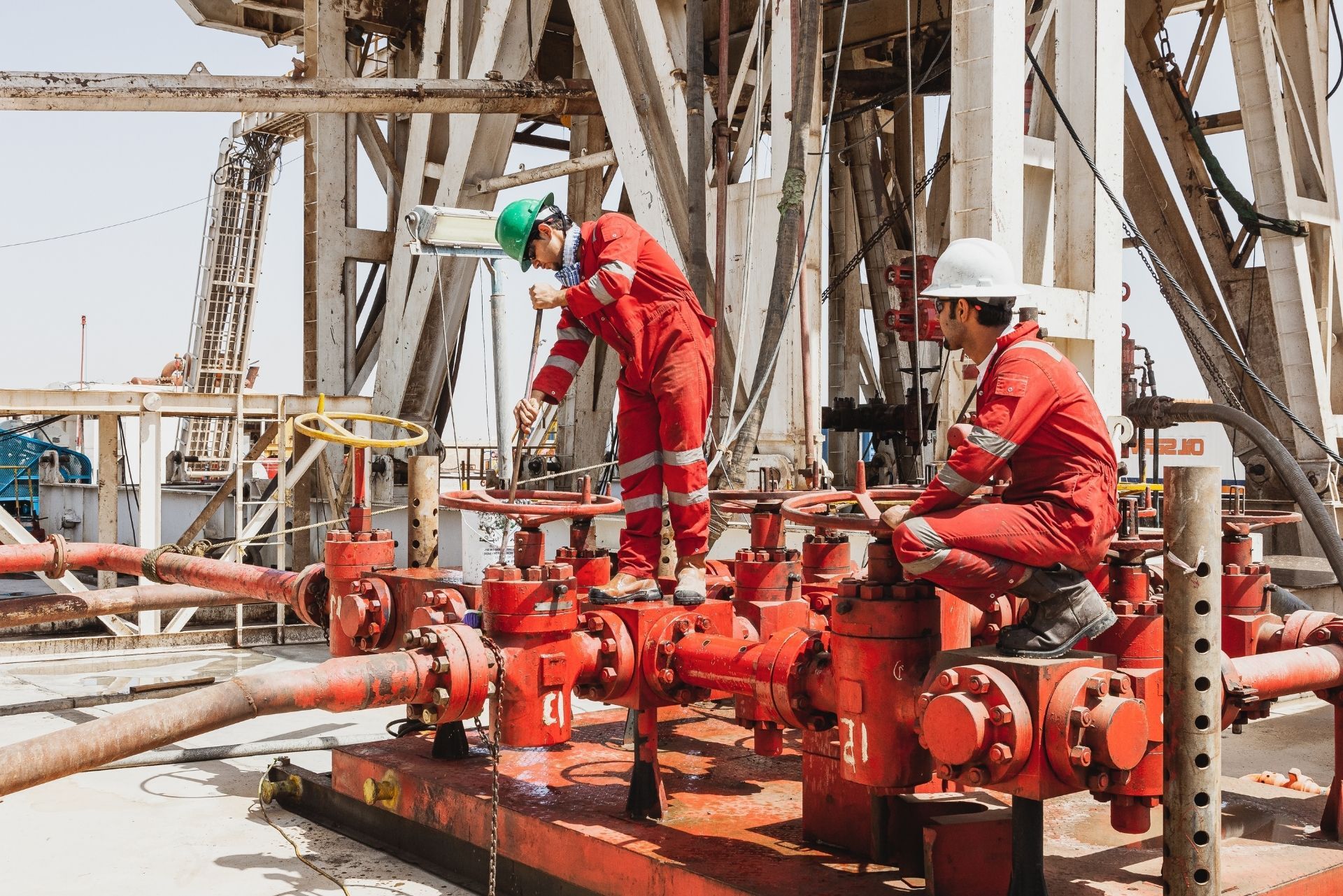
Every oil and gas contractor is subject to numerous hazards, both in day-to-day operations and extraordinary events. The risk factors extend from workplace accidents to environmental exposures, with equipment-related injuries being particularly prevalent. A detailed study on workers' compensation in the oil and gas extraction industry found that contact with objects and equipment was the leading cause of lost-time claims (Journal of Occupational and Environmental Medicine).
Accidents can result in expensive claims, not to mention operational downtime and potential liability litigation. The immediacy of risks demands policies that not only respond to claims swiftly but also preemptively lower the likelihood of severe loss events. Contractors must engage with providers capable of customizing risk solutions based on their unique operational footprint.
Risk management extends beyond injury claims to include property and environmental damage. Each potential exposure-be it a spill, blowout, or equipment failure-requires dedicated policy lines that ensure rapid financial response and recovery without destabilizing the contractor's budget.
Understanding the Role of Defense and Cost-Containment
Litigation defense costs are a significant factor behind fluctuating premiums. For instance, Florida’s defense and cost-containment expense ratio dropped noticeably from 8.4 in 2022 to 3.1 in 2023 (Triple-I Blog). This reduction indicates insurers are finding more efficient ways to manage legal expenses, potentially offering more affordable policies for clients.
This shift plays a vital role in competitive premium settings. Lower defense costs can help mitigate the inevitable premium hikes that occur in litigious environments. As policies adapt to these trends, oil and gas contractors benefit from improved policy structures that balance coverage with economic viability.
The integration of cost-containment measures into policy design underlines the need for continuous collaboration between contractors and insurers. Providers who adopt industry insights and apply them to risk management strategies can support contractors in navigating an environment where legal and operational costs are closely monitored.
Tailored Insurance Solutions for Florida Contractors
Every contractor in the oil and gas field needs an individualized policy structure that aligns with their operational realities. Tailored insurance solutions cover physical assets, general liability, environmental risks, and even specialty areas like offshore operations. The National Ocean Industries Association predicts that by 2035, offshore Atlantic oil and natural gas operations will contribute approximately $460 million annually to Florida's economy, supporting over 9,000 jobs (NOIA).
This potential growth in offshore activity brings fresh challenges. Contractors working on offshore rigs or platforms face fierce weather conditions and technological hazards, often requiring enhanced coverage limits. Specialized policies seamlessly integrate marine and land-based coverages, ensuring comprehensive protection that spans all facets of operations.
Insurers providing such services must operate at a high level of expertise. They need to understand the nuances of local Florida regulations, as well as the broader industry standards that affect contractors operating in both onshore and offshore facilities.
Comprehensive Coverage Components
The right insurance package for oil and gas contractors typically includes several standalone elements, such as general liability, property insurance, and workers' compensation coverage. One critical component is business interruption insurance, which offers extensive benefits in the wake of an operational halting event caused by accidents, extreme weather, or regulatory shutdowns.
Without business interruption coverage, contractors could face crippling losses during periods when work is suspended. Industry-specific policies also emphasize pollution liability and environmental cleanup costs, which are increasingly relevant in light of the strict regulatory environment around oil and gas operations.
Insurance providers must ensure that coverage limits are calibrated to the scale of operations. Smaller contractors might operate under different risk profiles than larger enterprises, and policies need the flexibility to adjust to these variations. This calibration is critical for supporting a stable, resilient oil and gas market in Florida.

Economic Implications of Insurance Decisions
Insurance in the oil and gas sector extends its influence well beyond individual contractors. When well-structured, policies can ripple through the economy, fostering stability and growth. Supporting jobs, encouraging safe business practices, and lowering the overall cost of litigation are all direct outcomes of effective coverage structures.
The positive effects are evident where timely and strategic insurance decisions reduce overall risk. One study highlighted that cost-effective insurance solutions can lower operating costs, which in turn spur longer-term investments in technology and training. This cycle of risk mitigation and reinvestment drives the overall health of Florida’s oil and gas market.
Industry stakeholders closely monitor litigation expenses, as these significantly impact premium costs. By streamlining defense expenses and controlling litigation, insurers provide contractors with an economic edge. Lower premiums mean more capital remains for technological upgrades, operational improvements, and expansion initiatives.
Impact on Local Economies
Local communities in Florida benefit from a thriving oil and gas industry that supports extensive job networks and economic diversity. Insurers acting on this industry’s specific needs contribute to overall regional resilience. When companies can rely on sound, tailored insurance, they are better equipped to weather economic downturns and unexpected operational setbacks.
In regions where oil and gas activities prevail, the multiplier effect of a stable business environment boosts ancillary industries, from logistics to equipment maintenance. This interconnected network ensures that when risks are managed effectively, the benefits echo across the state’s economic landscape.
Ultimately, the rigorous assessment of risks, precise policy calibration, and effective cost management provide stability, fostering an environment where contractors and local economies both flourish.
Challenges in the Insurance Landscape for Oil and Gas Contractors
The current insurance landscape is not without its challenges. As economic pressures mount and the regulatory environment tightens, exposure to litigation and claim volatility remains a pressing concern for insurance providers and contractors alike. Several factors contribute to this heightened risk profile.
For one, rapidly evolving operational techniques and technology integration require insurers to continuously update policy terms. This dynamic market environment means constant vigilance is required in policy underwriting. Not only must providers assess historical data, but they must also consider future risks that are not always apparent.
Insurance carriers face an ever-growing requirement to adapt quickly. A stubborn aspect is that some insurers are perceived as slow to update premium structures or risk assessment models, particularly when dealing with specialty risks like oil and gas extraction. This sluggishness can result in a higher incidence of disputes, coverage gaps, and ultimately, denied claims.
Adapting to Increased Scrutiny and Litigation
Oil and gas carriers in particular are under considerable scrutiny. Marked increases in litigation have forced carriers to employ stronger defensive positions and invest in cost-containment strategies. A notable insight from the industry, highlighted by insurance experts, is that oil and gas carriers have a target on their back (Midland Reporter-Telegram).
Fluctuating regulatory demands and evolving legal precedents mean that every claim can potentially turn into a legal battle. This elevated litigation risk pushes insurers to seek innovative approaches in managing defense expenses. Efficient legal expense strategies not only lower the carrier’s exposure but also translate to potential premium savings for contractors.
Many insurers are taking proactive steps by incorporating advanced risk analytics and strengthening their legal networks. The result is a more responsive system, where policyholders benefit from faster claims handling and more effective defense strategies, ultimately resulting in lower litigation costs as evidenced by recent improvements in the Florida market.
Comparative Analysis: Standard vs. Specialized Coverage
Understanding the differences between standard commercial insurance and specialized oil and gas policies is critical for contractors. While standard policies might offer broad protection, they often fail to address the particular exposures in the oil and gas industry. Specialized coverage fills these gaps, offering more robust protections for high-risk operations.
The table below outlines key differences between typical commercial policies and specialized oil and gas insurance:
| Coverage Aspect | Standard Commercial Policy | Specialized Oil and Gas Policy |
|---|---|---|
| Property Damage | General protection with limitations | Enhanced limits for heavy equipment and installations |
| Worker Injuries | Workers' compensation | Tailored claims management considering equipment-related incidents |
| Environmental Liability | Basic coverage | Expanded coverages including pollution and cleanup costs |
| Litigation and Defense Costs | Standard coverage with cost-sharing | Integrated cost-containment measures and dedicated legal support |
This side-by-side comparison reveals that specialized coverage not only offers greater protection tailored to specific risks but also provides a strategic advantage in managing legal and operational costs. Contractors should carefully evaluate policy details and opt for solutions that directly address their unique risk profile.
A well-structured policy is a critical factor in ensuring that businesses can cope with any unanticipated events without catastrophic financial repercussions.
Innovative Policy Structures and Future Trends
In an industry as dynamic as oil and gas, insurance policies need to be equally adaptive. A trend in the market is the emerging integration of risk mitigation technology and data analytics into underwriting and claims management processes. This approach allows insurers to assess risks more accurately and make real-time adjustments in policy terms.
Technology-driven underwriting models help reduce the uncertainty surrounding risk exposure. As historical data is supplemented with predictive analytics, insurers can design products that reflect actual operational environments rather than relying on broad averages. With Florida’s oil and gas sector showing signs of stabilization in premium trends-evidenced by a drop in average premiums in late 2024 (Insurance Journal)-contractors are encouraged to explore policies that leverage these innovative strategies.
Innovation is not limited to underwriting; responsive claims management and an increased focus on real-time risk monitoring are transforming the industry. These trends indicate that future policies will likely offer increasingly granular coverage that evolves in tandem with operational realities.
Enhanced Data Utilization
Data plays a critical role in reframing traditional risk assessments, especially in complex industries like oil and gas. Enhanced data utilization allows for more nuanced coverage criteria and improved claims forecasting. When data is systematically analyzed, insurers can identify patterns that point to both recurring issues and emerging hazards.
This shift in methodology translates into more layered and customized insurance solutions. Contractors can expect smoother claims processes and fewer discrepancies in the aftermath of an incident, as real-time information helps confirm and validate claims quickly.
Additionally, collaboration among insurers, contractors, and technology providers enhances the overall transparency of the claims process. Such transparency builds stronger working relationships and fosters trust, both of which are critical in managing long-term partnership commitments.
Regulatory Considerations and Industry Challenges
Regulatory changes have long influenced the way insurance policies are structured for high-risk industries. Florida’s regulatory environment is particularly stringent, requiring insurers to adhere to specific guidelines which often result in increased oversight. These regulatory mandates force companies to carefully document and justify risk assessments, undeniably influencing policy pricing and terms.
Compliance is not optional. Insurers work hand in hand with state agencies to ensure that policies respect both federal and state requirements. Recent developments in the market have shown a proactive approach by insurers towards regulatory changes. By lowering defense and cost-containment expenses, for example, industry players are adapting policies to better suit current legal frameworks (Triple-I Blog).
These shifts underscore the importance of up-to-date knowledge and a proactive stance on legislative developments. Contractors are advised to consult with insurance advisors who are well-versed in the latest regulatory updates. Keeping abreast of these changes not only protects their operations but also ensures that claims are handled efficiently when regulators come knocking.
Local Legislation Impact
Florida’s unique environmental policies often influence policy requirements for contractors. For instances involving sensitive coastal ecosystems, insurers might impose additional clauses aimed at safeguarding against environmental damage. Such nuances in local legislation further distinguish the need for specialized coverage.
Insurers must navigate these legal complexities carefully. By integrating local legislative details into policy frameworks, they offer contractors both compliance assurance and effective risk management. In doing so, policies become not just a financial tool but a comprehensive safety net aligned with state-specific challenges.
As local authorities continue to refine their regulatory stance, particularly regarding environmental protection and worker safety, insurance products are evolving rapidly. Contractors who invest time in understanding these regulatory impacts are better positioned to secure policies that adequately protect their interests.
Frequently Asked Questions
This section addresses common questions from oil and gas contractors seeking detailed insights into Florida-specific insurance coverage.
Do oil and gas contractors require different insurance compared to other industries?
Yes, their operations involve high-risk equipment and environmental hazards, requiring policies that specifically cover these exposures.
How can specialized insurance policies help reduce premium costs?
Tailored policies often integrate cost-containment and risk mitigation measures that can prevent excessive litigation expenses and claims costs.
What specific policy components should contractors look for?
Key elements include tailored property coverage, comprehensive business interruption, environmental liability, and strong defense expense management.
How is future technology influencing oil and gas insurance policies?
Insurers are increasingly leveraging data analytics and predictive technologies to customize coverages and provide real-time risk management.
What role do local regulations play in shaping these insurance policies?
Florida’s strict regulatory environment requires insurance products to integrate specific clauses for environmental and operational risks, ensuring compliance and protection.
Can technological innovations lead to lower defense costs?
Yes, improved data analysis and efficient claims processing contribute to reducing litigation and defense expenses, which can translate into more competitive premiums.
Before You Go
Understanding the complexities of insurance for oil and gas contractors is crucial in a market where every risk factor carries significant financial implications. Florida’s dynamic oil and gas industry demands specialized coverage that not only protects assets but also manages litigation risks, cost containment, and compliance challenges.
Contractors should seek out insurance providers who offer customizable packages that address the specific needs of both onshore and offshore operations. With ongoing trends in technology and regulatory changes, the ability to adapt insurance solutions is more important than ever. Strong, responsive policies ensure that when risks materialize, businesses can focus on recovery without the stress of unanticipated costs.
Taking steps to collaborate closely with experienced insurers can pave the way toward enhanced operational security and financial stability in an industry that is central to Florida’s economic growth. For further insights into industry-specific trends and market dynamics, consulting detailed reports from reputable sources such as the
American Petroleum Institute can be very beneficial.
Wrapping Things Up
Insurance for oil and gas field services in Florida is as dynamic as it is essential. With tailored policies designed to address significant risks-ranging from operational hazards to litigation costs-contractors are better positioned to manage the uncertainties inherent in the energy sector.
Adopting comprehensive insurance solutions that integrate cutting-edge risk assessment tools and real-time data analytics can lead to both improved coverage quality and potentially lower premiums. As market conditions shift, the importance of selecting the right insurer grows, ensuring that adequate protection is in place when it matters most.
The evolving landscape calls for both caution and innovation among insurance providers, ultimately benefiting the contractor community and contributing to economic resilience. Staying informed on regulatory updates, market trends, and technological advancements will empower contractors to make decisions that align with both immediate needs and long-term strategic goals. For additional context on market stabilization trends, recent coverage changes noted by industry experts provide a clear indication of where the balance lies (Insurance Journal).
This article has explored several facets of oil and gas field service insurance. With continued shifts in litigation expenses, technological integration, and regulatory mandates, both contractors and insurers must stay agile. The ultimate goal remains clear: robust, industry-specific coverage that supports business continuity in a challenging yet vital sector of Florida's economy.
ABOUT THE AUTHOR: PAUL RAMENTOL
I am the Owner and President of Mesa Insurance Agency. I help individuals and business owners across Florida secure personal and business insurance coverage that supports their needs. My focus is on clear guidance, direct communication, and long-term support without call-center delays or confusion.
Contact Us

Personal Coverage Options
Insurance Built for Everyday Protection
Mesa Insurance Agency provides personal insurance coverage designed to support daily life. Our team reviews risks and coverage needs to help clients secure dependable protection at fair rates.
Dental & Vision Insurance
Coverage that helps manage routine dental and vision care costs.

Business Coverage Options
Insurance Built for Business Protection
Mesa Insurance Agency provides business insurance coverage that helps protect operations, employees, and property. We work with multiple carriers to offer coverage options that support daily business activities and long-term stability.
Commercial Auto Insurance
Coverage for business-owned vehicles, drivers, and accident-related liability exposure.
General Liability Insurance
Protection against third-party injury, property damage, and common business liability risks.
Professional Liability Insurance
Coverage for claims related to professional services, advice, or service errors.
Workers’ Compensation Insurance
Coverage that helps support employees with work-related injuries and medical costs.
Commercial Property Insurance
Protection for buildings, equipment, inventory, and physical business assets.
Errors & Omissions Insurance
Coverage for financial losses caused by mistakes, omissions, or service-related claims.
Industries We Serve
Serving Businesses Across Multiple Sectors
Mesa Insurance Agency works with business owners across Florida to provide insurance coverage that supports daily operations. We understand common risks faced by different industries and help clients secure reliable protection.

Construction and Trades Insurance
Coverage for job sites, vehicles, tools, and workplace risks.

Hospitality Businesses Insurance
Insurance for restaurants, bars, and service-based operations.

Retail and
Commercial Properties
Protection for storefronts, inventory, and customer-related liability.
Our Approach
Insurance Made Easy to Understand
Mesa Insurance Agency provides business insurance coverage that helps protect operations, employees, and property. We work with multiple carriers to offer coverage options that support daily business activities and long-term stability.
Insurance FAQs
Helpful Answers for Florida Clients
Support you can rely on.

What makes Mesa Insurance Agency different?
We are an independent agency with access to multiple carriers. This allows us to offer flexible coverage options.
Clients work directly with licensed agents. Service continues beyond the policy start date.
Do you offer coverage for individuals and families?
Yes. We provide personal insurance for individuals and families across Florida.
Coverage includes auto, home, health, life, and flood insurance. Our team explains each option clearly.
Do you work with small and mid-sized businesses?
Yes. We work with businesses of many sizes and industries.
Our team helps identify risks and secure appropriate coverage. Ongoing service is included.
Can I make changes to my policy later?
Yes. Policies can be updated as needs change.
We assist with coverage adjustments, additions, and removals. Clients can contact us directly for help.
Is flood insurance required in Florida?
Flood insurance is not always required, but it is strongly recommended in many areas.
Standard home insurance does not cover flood damage. Our team can review your flood risk and options.
How do I contact your office?
You can contact us by phone, email, or through our website.
Our team responds promptly during business hours. Support is always available when needed.
From the Blog
Insurance Topics That Matter
Clear answers for common questions.







Client Reviews
Trusted by Clients Across Florida
Mesa Insurance Agency is proud to serve individuals and businesses throughout Florida. Clients choose us for clear communication, responsive service, and reliable insurance support. Their feedback reflects our focus on long-term relationships and consistent service.
Contact Us