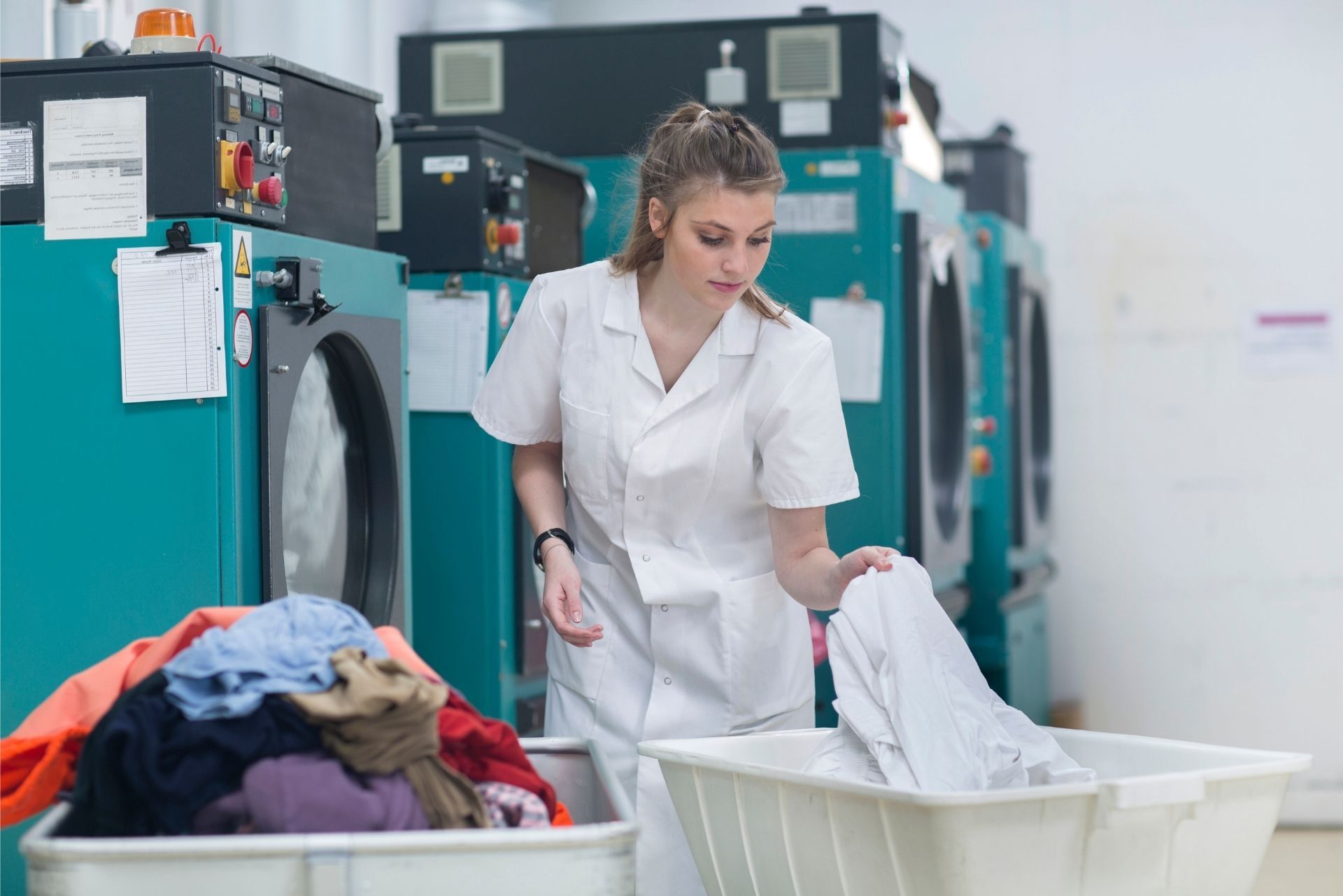
A local laundromat in a busy Floridian neighborhood can transform into an unexpected liability hotspot in severe weather or due to equipment failures. With hurricanes frequently affecting the state and the market shifting in recent years, securing the right insurance coverage is critical for business owners who want to protect their investments. In Florida, where both natural disasters and a diverse insurance marketplace collide, finding the proper balance between protection and cost efficiency can be challenging. For more detailed insights, check out this recent report on insurance premiums and market reforms.
This article walks through the intricacies of insurance policies designed for laundry operations across the Sunshine State. It explores market trends, legislative impacts, and business risks while offering guidance on what insurance features warrant close attention. By shedding light on current market statistics and recent industry changes, the following sections help demystify the insurance landscape.
Whether you are planning to launch a new business or reassess your existing coverage, understanding the interplay between local risks and insurance market dynamics can help streamline coverage decisions.
The Unique Landscape of Florida's Insurance Market
This breakdown assists operators in aligning policy components with their specific risk profiles. A detailed analysis helps avoid the pitfalls of underinsurance, especially in a state with high variability in weather conditions and market activity.
Florida's insurance environment is far from typical. The state has earned its reputation as one of the most challenging markets for insurers. Among homeowners, premiums reach notable highs. For example, Florida homeowners pay roughly $5,838 annually for insurance premiums, which is about $3,000 above the national average. This statistic positions Florida as one of the priciest states for homeowners insurance, and similar challenges extend into the commercial realm, including laundromats (WFLX).
For laundromat owners, this means navigating a market where standard expectations sometimes fall short. Rapid changes in premium rates and market participation have implications for businesses of all sizes. While average consumers see soaring prices, commercial policyholders must also contend with high risk exposure from both weather-related events and evolving legislative pressures.
The changing maker in the insurance space is not just about cost. A shift in insurer quality has been noted, where traditional carriers are gradually being replaced by companies with risk-laden portfolios. In high-risk areas like Florida, this trend demands vigilance among business owners, who now have to carefully scrutinize insurance carrier stability and track record.

Market Shifts and Their Impact on Laundromat Owners
Recent developments in Florida's property insurance market indicate a curious resurgence within the industry. Domestic insurers have reported significant net income improvements, with figures showing a turnaround from previous losses. For instance, the market posted a net income of $944 million in 2024 following a net loss of $741 million in 2022 (Jax Daily Record). Such developments hint at renewed competition and a cautious optimism that even high-risk sectors, like those serving laundromats, might soon benefit from more stable insurance rates.
Yet, while profitability is rebounding, key challenges remain. Some traditional policymakers have exited the market entirely from high-risk zones, leaving businesses to secure coverage from insurers with less diversified portfolios and higher risk liabilities. Laundromat owners face the double challenge of protecting their equipment and ensuring that their business operations remain viable in an environment where insurer quality is shifting.
Recent research reveals that the exit of traditional insurers has been accompanied by an influx of companies that may offer lower upfront premiums but present higher risk exposure over time (WPTV). A nuanced review of policy options now means balancing immediate savings against long-term coverage stability, a matter that laundromat owners should approach with both caution and thorough due diligence.
Understanding Insurance Coverage for Laundromats
Laundromats have unique operational risks that extend beyond general business operations. Equipment breakdown, property damage, liability from slip-and-fall accidents, and even business interruption due to unforeseen events are factors that demand tailored coverage options. While many policies may appear superficially similar, differences in coverage extents and risk protection matter significantly.
Standard policies in Florida also need to account for high-risk environmental factors. Given the potential for hurricanes and flooding, many insurers now include optional riders for natural disasters. However, each policy's fine print can differ, highlighting the importance of detailed analysis and discussions with insurance professionals. Every laundromat owner should assess whether their policy covers essential elements like equipment replacement, business interruption, and liability protection adequately.
This scrutiny grows even more essential given Florida's market statistics, where some insurers have started offering policies with limited liability diversification. These insurers might be more vulnerable in the event of widespread claims than those with a broader spread of risk exposure. By ensuring that the coverage adequately addresses both immediate and long-term risks, business owners reduce potential vulnerabilities that could otherwise be exploited in times of crisis.
Key Policy Features to Consider
For laundromats, specific policy features can make a dramatic difference in terms of coverage and cost effectiveness. One key area is machinery breakage coverage. Given the reliance on high-speed washing and drying equipment, a comprehensive policy should include detailed provisions for repairing or replacing expensive machinery affected by surges, malfunctions, or natural disasters.
Another critical component is business interruption coverage. Florida's climate, marked by its hurricane seasons, makes extended downtime a realistic risk that can lead to significant losses. Ensuring that the policy includes business interruption coverage, which compensates the owner for lost revenue during a disaster recovery, is crucial. This ensures that the business can cover operational costs even when its primary revenue source is stalled.
Liability protection is equally important. In Florida, where liability claims for slip-and-fall injuries are notably high, laundromats must secure policies that extend to both bodily injury and property damage. By including broad liability coverages, businesses safeguard themselves against lawsuits that might otherwise lead to financial strain.
Comparing Policy Options: A Side-by-Side Look
When exploring insurance options for laundromats, comparing policy features side by side is a helpful strategy. While each package may present its unique blend of coverage, premiums, and exclusions, understanding the key differences can empower owners to make better-informed decisions.
Consider the following simplified comparison table:
| Coverage Aspect | Comprehensive Policy | Basic Policy |
|---|---|---|
| Equipment Breakdown | Full replacement and repair coverage, including surge damage | Limited, may require additional riders |
| Business Interruption | Extended downtime support with revenue compensation | Often capped or excluded |
| Liability Protection | Broad coverage including bodily injury and property damage | Standard, not always comprehensive |
| Natural Disaster Rider | Optional with varying deductibles | May not be included |
This table demonstrates the difference between a comprehensive policy and a more basic approach. For laundromat operators in Florida, where external pressures drive premium costs higher than in other states, understanding such differences can lead to smarter, more cost-effective decisions.
It is important to note that policy options may also vary depending on insurer reputation and market performance. Recent data suggests that in Florida, the number of active home insurance policies has dramatically declined over the past decade. While this change primarily affects residential coverage, it reinforces the importance of selecting a stable insurer with a diversified portfolio (Insurance Business America).
Legislative Changes and Market Dynamics
Legislative reforms have had an appreciable impact on the insurance landscape in Florida. Adjustments in regulatory policies allow insurers to better control defense cost containment expenses. Mark Friedlander, spokesperson for the Insurance Information Institute, commented that these regulatory changes have enabled insurers to write profitable business even in areas with robust hurricane risks (The Washington Post). For businesses such as laundromats, which operate in high-risk environments, this could mean a more stable insurance market overall.
However, policy changes must be viewed from multiple angles. On one hand, improved insurer profitability signals a commitment to competitive practices; on the other hand, the exit of traditional insurers from high-risk areas has paved the way for companies with lower quality offerings and riskier liabilities. Laundromat owners should thus remain cautious, ensuring they choose policy providers not only for their cost advantages but also for their long-term stability and commitment to comprehensive coverage.
Recent trends indicate that competition in the Floridian insurance market is intensifying. Since 2023, as many as 14 new companies have entered the state, which can create more options for business owners. This increased competition may translate into better coverage options and more competitive pricing, offering hope amidst current financial pressures for small business operators.
Managing Premium Costs and Reducing Risk Exposure
The high premium costs reported by Florida homeowners serve as a cautionary example for other sectors. Florida's property insurance market stands out with premium increases that outpace those of many other states. Business owners, including laundromat operators, need to carefully manage their exposure to premium hikes while safeguarding against business disruption. For instance, the ongoing trend shows that while average premiums for homeowners are significantly higher than the national mean, commercial premiums are also under pressure in a highly volatile market.
Strategies to manage premium costs include bundling policies or negotiating specific risk coverages that might lower overall expenses. Some policyholders have reported success in mitigating costs by increasing deductibles in exchange for lower premium rates, especially for risks that appear unlikely to occur. However, adopting this strategy requires an accurate risk assessment; if a major claim does occur, the business must be prepared to cover higher out-of-pocket costs.
Risk mitigation techniques play a central role here. Regular equipment maintenance, adherence to safety protocols, and proactive measures in facility management can reduce the probability of claims and, as a result, help secure lower premium rates over time. Every laundromat owner must balance the benefits of cost-cutting with the need to maintain operational resilience.
Risk Reduction Measures for Floridian Laundromats
Focus on building a robust risk reduction plan that includes scheduled equipment servicing, staff training on machine operation, and regular safety inspections. Additionally, having clear evacuation and emergency response protocols can minimize the damage from extreme weather events like hurricanes. This layered approach can not only protect the physical machinery but also help streamline the claims process should an incident occur.
Beyond physical measures, investing in employee training about safety protocols and customer interaction can make a substantial difference. Even minor improvements in operational practices can create a safer environment, reducing the likelihood of liability claims related to slips, falls, or accidental damage.
Implementing these measures consistently can position a laundromat as a lower risk to insurers, potentially unlocking more favorable premium terms during policy renewals. Business owners should work closely with risk management consultants and their insurance agents to incorporate all feasible strategies into their operational practices.
Case Studies in Floridian Business Insurance
Looking at how different businesses in Florida manage risk sheds light on best practices. Several local laundromats have experienced firsthand the ups and downs of the insurance cycle. While some operations have benefited from comprehensive policies that address a wide spectrum of potential claims, others that opted for leaner, more cost-effective policy structures have seen gaps when multiple incidents occur simultaneously.
A recent study revealed that between 2014 and 2024, the number of active home insurance policies in Florida decreased dramatically by 78%, while Citizens Property Insurance Corporation's market share expanded from 6% to 63% (Insurance Business America). Although residential statistics differ from commercial metrics, these trends signal a broader challenge: the need for insurers to innovate and adapt to manage both risk and cost.
New market entrants, as noted by Mark Friedlander, create a wave of options that can reinvigorate the market dynamics for businesses like laundromats. Owners who have successfully transitioned to coverage from these new insurers often report that the new policies offer a balance, despite occasional trade-offs in coverage specifics. These case studies affirm that while cheaper coverage might lower short-term costs, long-term resilience is best achieved through policies that stand up to tropical storms, floods, and everyday mishaps.
Regulatory Environment and Future Trends
Risk management practices are increasingly blending with insurance strategies, enabling breeding facilities to lower their overall risk exposure. Implementing proactive measures such as regular veterinary evaluations, safety training for staff, and periodic facility audits can lessen the likelihood of large claims. Such practices, when combined with tailored insurance policies, create a layered defense strategy that maximizes both safety and financial protection.
Risk management is not solely about reducing the chance of an incident-it also helps mitigate the severity of claims when they do occur. Facility managers who invest in regular maintenance and upgraded safety protocols are often rewarded with lower premiums from insurers. By evidencing a commitment to reducing operational risks, breeding facilities can negotiate more favorable coverage terms.
This symbiotic relationship between risk management and insurance also plays a significant role in the transition toward better overall business strategies. For example, insurance carriers may offer incentives for facilities that further adopt rigorous safety standards, thereby promoting a culture of continuous improvement in the animal breeding sector.
Practical Steps for Securing Optimal Laundromat Insurance
Choosing the ideal policy can seem overwhelming when presented with multiple options. However, a systematic approach can demystify the process. Business owners should begin with a comprehensive risk assessment tailored to the specifics of their laundromat operations. Identify areas where equipment, liability, or natural disasters pose the largest threats. With these insights, compare coverage options from both established insurers and newer market entrants.
Evaluating past claims data can be another effective strategy. For example, insurers with a track record of lower average rate filings and moderated premium increases tend to offer greater long-term stability for business operations. In Florida, industry reports have identified that the property insurance market remains one of the most stable nationwide, an encouraging sign for potential policyholders.
Once a shortlist of policies is compiled, consult industry professionals who can break down policy intricacies and clarify coverage limits, deductibles, and specific rider benefits. Even if the initial premium amounts appear high compared to other states, the long-term protection offered can outweigh potentially steep upfront costs.
Actionable Tips for Policy Negotiation
First, gather detailed documentation about past incidents, maintenance schedules, and any upgrades made to the facility. This information can serve as leverage during negotiations. Second, ask for a breakdown of what is included in the policy versus what is considered an optional add-on. Understanding these details helps pinpoint where extra coverage might be needed or where premiums can be reduced without sacrificing essential protection.
Another actionable tip is to inquire about bundling discounts if multiple policies are purchased simultaneously. Some insurers offer integrated coverage for property, liability, and equipment breakdown, which can translate into significant savings. Finally, always ask your insurer about claims handling procedures and past claims ratios. Knowing how an insurer treats claims provides valuable insight into future customer service experiences.
These practical steps ensure that bedding down for a policy is not just a reactive measure but a strategic investment in the continuity and security of the business.
Frequently Asked Questions
Q: What specific risks do laundromats face in Florida?
A: Florida laundromats face risks such as equipment malfunctions, natural disasters like hurricanes and floods, and liability claims stemming from customer injuries. Ensuring that a policy covers both property damage and business interruption is crucial.
Q: How can policyholders reduce their premiums?
A: Strategies such as bundling policies, increasing deductibles, and implementing robust risk reduction measures can help reduce overall premium costs. It is important to perform a detailed risk assessment and negotiate premiums based on the laundromat's unique profile.
Q: Are newer insurers in Florida reliable?
A: While increased competition from newer insurers may result in cost advantages, business owners should carefully review their risk profiles and compare insurer stability. Look for companies with diversified portfolios to ensure long-term reliability.
Q: What does business interruption coverage typically include?
A: Business interruption coverage compensates for lost revenue during a period when operations are halted due to covered events. This is particularly important in areas like Florida where natural disasters can force prolonged downtime.
Q: How do legislative changes affect insurance policies for laundromats?
A: Legislative changes, including tort reform and adjustments in defense cost containment, have led to improved profitability for insurers. This can result in more stable policies, though business owners should confirm that they receive comprehensive coverage in both liability and property protection.
Looking Ahead: Opportunities for Laundromats and Insurers
The dynamic shifts in Florida's insurance market are reshaping the operational landscape for small business owners. With key players reporting a notable turnaround in net income and a significant shift in market share for certain insurers, the environment is becoming more competitive and potentially more favorable. This evolution leads to opportunities for both insurers and laundromat operators, as better risk management and coverage options are on offer (Jax Daily Record).
Business owners must continue to be proactive. Engage with insurance professionals, frequently review coverage details, and assess emerging changes in market dynamics. This constant vigilance can safeguard the business against unforeseen events while ensuring that the investments made today yield long-term benefits.
In a state like Florida, where both the natural environment and regulatory parameters present distinctive challenges, staying informed is key. Regular policy reviews and an openness to adapt coverage strategies to evolving market conditions can help secure better future outcomes.
Final Thoughts on Securing the Right Policy
Florida laundromat insurance represents more than just a legal requirement-it is an essential element of a well-conceived business strategy that protects against the unpredictable nature of the environment and market volatility. With premium costs that run high in the state and a history of rapid changes in insurer stability, business owners need both comprehensive coverage and competitive rates.
By carefully comparing policy features, staying attuned to market trends, and executing proactive risk management strategies, laundromat owners can navigate Florida's challenging insurance market more effectively. As insurers continue to innovate in response to regulatory changes and competitive pressures, the hope is that business owners will find the balance between risk reduction and cost efficiency.
An informed, proactive approach to insurance, backed by a clear understanding of market trends and careful negotiation, can ultimately safeguard a business's operational integrity and financial security. For further details, interested parties can review the improvement metrics and changing market dynamics as reported by leading agencies such as
The Washington Post.
Wrapping Things Up
With the fluctuating costs and evolving policies in Florida's insurance realm, laundromat owners are increasingly required to navigate both obvious and nuanced risks. By understanding the types of coverage available, comparing policy options in a side-by-side manner, and staying informed about market trends and legal reforms, business owners not only protect their property but also build resilience against future disruptions.
The journey through insurance policy selection is inherently multi-faceted, demanding attention to detail and a proactive mindset. Strategic steps such as detailed risk assessments, embracing competitive policy structures, and engaging with seasoned insurance professionals can provide long-term benefits and peace of mind. This approach helps ensure that a business is neither underinsured nor overexposed to pitfalls from sudden market shifts.
This evolving environment indicates that while the challenges are real, the opportunities for savvy business owners remain significant. Staying informed, evaluating each insurer's record of portfolio diversification, and negotiating based on specific risk exposure are vital steps to secure optimal coverage. For more insights into the current market trends, insights from financial news outlets like
Jax Daily Record provide timely updates that can inform policy decisions.
ABOUT THE AUTHOR: PAUL RAMENTOL
I am the Owner and President of Mesa Insurance Agency. I help individuals and business owners across Florida secure personal and business insurance coverage that supports their needs. My focus is on clear guidance, direct communication, and long-term support without call-center delays or confusion.
Contact Us

Personal Coverage Options
Insurance Built for Everyday Protection
Mesa Insurance Agency provides personal insurance coverage designed to support daily life. Our team reviews risks and coverage needs to help clients secure dependable protection at fair rates.
Dental & Vision Insurance
Coverage that helps manage routine dental and vision care costs.

Business Coverage Options
Insurance Built for Business Protection
Mesa Insurance Agency provides business insurance coverage that helps protect operations, employees, and property. We work with multiple carriers to offer coverage options that support daily business activities and long-term stability.
Commercial Auto Insurance
Coverage for business-owned vehicles, drivers, and accident-related liability exposure.
General Liability Insurance
Protection against third-party injury, property damage, and common business liability risks.
Professional Liability Insurance
Coverage for claims related to professional services, advice, or service errors.
Workers’ Compensation Insurance
Coverage that helps support employees with work-related injuries and medical costs.
Commercial Property Insurance
Protection for buildings, equipment, inventory, and physical business assets.
Errors & Omissions Insurance
Coverage for financial losses caused by mistakes, omissions, or service-related claims.
Industries We Serve
Serving Businesses Across Multiple Sectors
Mesa Insurance Agency works with business owners across Florida to provide insurance coverage that supports daily operations. We understand common risks faced by different industries and help clients secure reliable protection.

Construction and Trades Insurance
Coverage for job sites, vehicles, tools, and workplace risks.

Hospitality Businesses Insurance
Insurance for restaurants, bars, and service-based operations.

Retail and
Commercial Properties
Protection for storefronts, inventory, and customer-related liability.
Our Approach
Insurance Made Easy to Understand
Mesa Insurance Agency provides business insurance coverage that helps protect operations, employees, and property. We work with multiple carriers to offer coverage options that support daily business activities and long-term stability.
Insurance FAQs
Helpful Answers for Florida Clients
Support you can rely on.

What makes Mesa Insurance Agency different?
We are an independent agency with access to multiple carriers. This allows us to offer flexible coverage options.
Clients work directly with licensed agents. Service continues beyond the policy start date.
Do you offer coverage for individuals and families?
Yes. We provide personal insurance for individuals and families across Florida.
Coverage includes auto, home, health, life, and flood insurance. Our team explains each option clearly.
Do you work with small and mid-sized businesses?
Yes. We work with businesses of many sizes and industries.
Our team helps identify risks and secure appropriate coverage. Ongoing service is included.
Can I make changes to my policy later?
Yes. Policies can be updated as needs change.
We assist with coverage adjustments, additions, and removals. Clients can contact us directly for help.
Is flood insurance required in Florida?
Flood insurance is not always required, but it is strongly recommended in many areas.
Standard home insurance does not cover flood damage. Our team can review your flood risk and options.
How do I contact your office?
You can contact us by phone, email, or through our website.
Our team responds promptly during business hours. Support is always available when needed.
From the Blog
Insurance Topics That Matter
Clear answers for common questions.






Client Reviews
Trusted by Clients Across Florida
Mesa Insurance Agency is proud to serve individuals and businesses throughout Florida. Clients choose us for clear communication, responsive service, and reliable insurance support. Their feedback reflects our focus on long-term relationships and consistent service.
Contact Us