Running a small business in Brandon, Florida, means juggling payroll, customer demands, and a long list of regulatory requirements. Among the most consequential is workers' compensation insurance, a coverage that protects both your employees and your bottom line if someone gets hurt on the job. Whether you're operating a landscaping crew near Valrico or managing a retail shop off Causeway Boulevard, understanding employer requirements, exemptions, costs, claims, and coverage specifics for 2026 can save you from fines, lawsuits, and financial ruin. Florida's workers' comp rules have their own quirks, and
Brandon employers need to know exactly where they stand.
Understanding Florida Workers' Compensation Laws for Brandon Businesses
Florida's workers' compensation system is governed by Chapter 440 of the Florida Statutes. The law requires most employers to carry coverage, but the threshold that triggers the mandate depends on your industry. Brandon businesses that fall under these rules must secure a policy before their first covered employee clocks in, not after an injury occurs.
The state has been reducing workers' compensation rates for nine consecutive years, with a 6.9% average decrease taking effect on January 1, 2026. That's welcome news for Brandon employers watching their overhead. Still, lower rates don't change the legal obligation to carry coverage once you hit the employee count that triggers the mandate.
Employee Thresholds: When Coverage Becomes Mandatory
For most non-construction businesses in Florida, the requirement kicks in once you have four or more employees, including business owners, corporate officers, and part-time workers. If your Brandon accounting firm has three full-time staff and one part-time receptionist, you've hit the threshold.
Agricultural employers follow a different rule: coverage becomes mandatory with six or more regular employees, or twelve or more seasonal workers who work more than 30 days in a season. These distinctions matter because misclassifying your workforce or miscounting employees is one of the fastest ways to trigger a compliance investigation.
Specific Rules for the Construction Industry
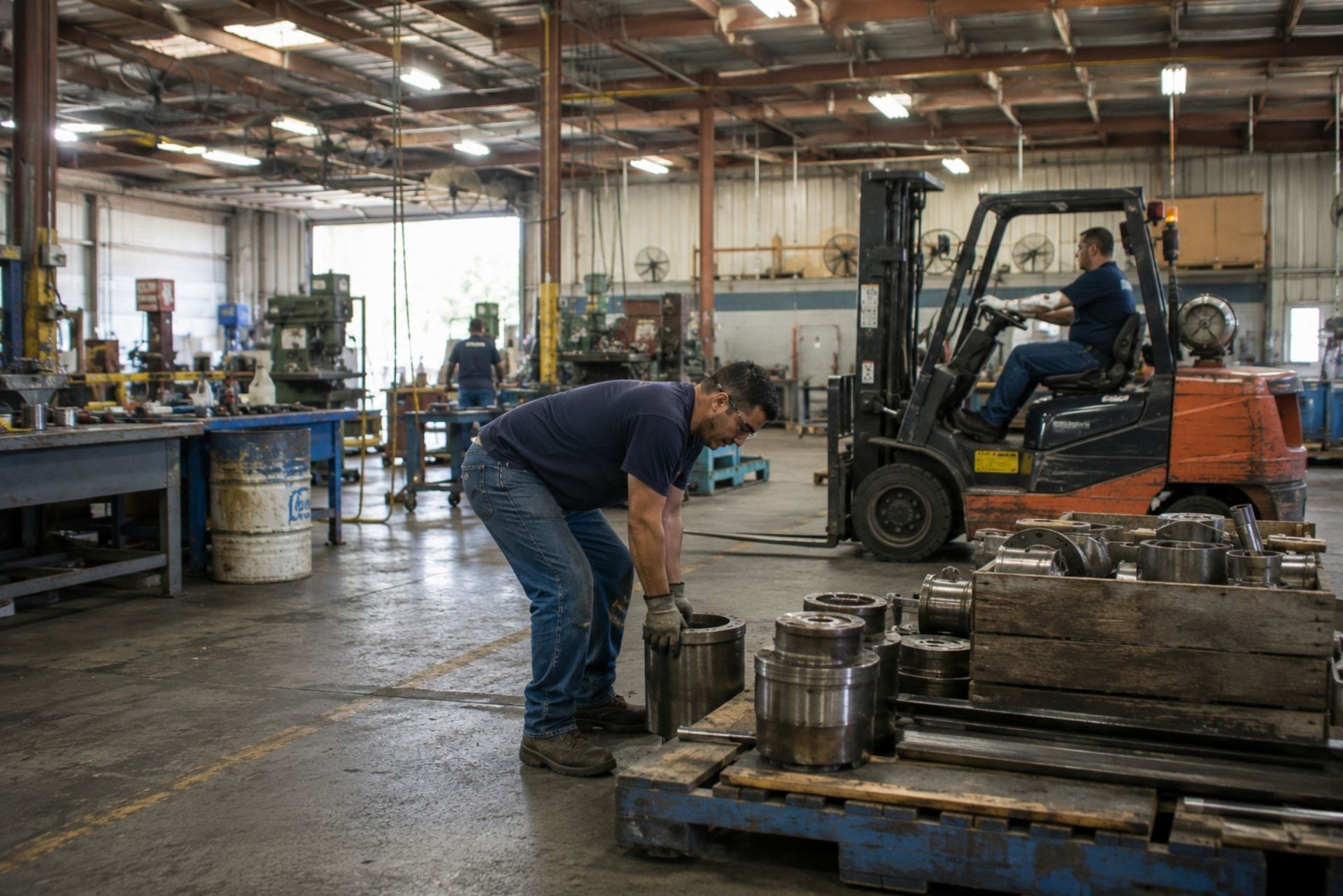
Construction is treated differently under Florida law, and for good reason. The injury risk is higher, and the state applies a stricter standard. If you're a construction employer in Brandon, you must carry workers' comp insurance with just one employee, including yourself. There's no threshold to reach.
Subcontractors working without their own coverage are considered employees of the general contractor who hired them. That means if you hire a
framing crew that doesn't carry a policy, their injuries could fall on your shoulders. This rule catches many Brandon contractors off guard, especially those who rely heavily on subcontracted labor for residential projects in the growing subdivisions east of town.
Who is Exempt from Coverage in Florida?
Not every business owner or officer needs to be counted under a workers' comp policy. Florida provides a formal exemption process, but it requires paperwork and approval from the state.
Corporate Officer and LLC Member Exemptions
Corporate officers in non-construction businesses may exempt up to two officers from coverage. Construction industry officers can exempt up to three. LLC members can also apply for exemptions, though the process differs slightly. The key point is that an exemption only applies to the individual who holds the certificate, not to the rest of the workforce.
A common mistake among Brandon business owners is assuming that filing for an exemption removes the obligation to insure other employees. It doesn't. If you're a two-person LLC where both members hold exemption certificates but you also employ a warehouse worker, you still need a policy for that employee once you hit the applicable threshold.
The Application Process for Exemption Certificates
You apply for exemption certificates through the Florida Division of Workers' Compensation, accessible via the Division's notices and rules portal. The application requires proof of your corporate or LLC status and a filing fee. Certificates are valid for two years and must be renewed before they expire.
Carry your exemption certificate on the job site or keep a copy accessible at your place of business. Inspectors from the Division can request proof of exemption during a compliance check, and not having it available can result in a Stop-Work Order until you produce the documentation.
Comparison of Coverage Types and Costs
Brandon employers have several options for securing workers' comp coverage. Your choice affects both cost and administrative burden.
Table: Standard Policy vs. Ghost Policy vs. PEO Coverage
| Feature | Standard Policy | Ghost Policy | PEO Coverage |
|---|---|---|---|
| Best for | Businesses with W-2 employees | Sole proprietors/contractors needing proof of coverage | Small businesses wanting to outsource HR |
| Typical annual cost | $500 - $5,000+ depending on payroll and class code | $750 - $2,500 per year | Bundled into per-employee fee |
| Who manages claims | Your insurance carrier | Carrier (minimal claims expected) | The PEO's carrier |
| Flexibility | High: you choose carrier and coverage limits | Low: limited to proof-of-coverage situations | Moderate: tied to PEO contract terms |
| Audit requirement | Annual payroll audit | Minimal or none | Handled by PEO |
Ghost policies are commonly used by independent contractors in Brandon's construction trades who need a certificate of insurance to get hired on projects but have no employees of their own. They're not a substitute for a standard policy if you have a payroll.
Factors That Influence Your Premium Rates
Your premium is calculated using a formula: payroll divided by 100, multiplied by the class code rate, then adjusted by your experience modification rate (mod rate). A Brandon roofing company will pay far more per $100 of payroll than a Brandon law office because the class code for roofing reflects higher injury risk.
The
2026 rate changes may affect how much employers pay for coverage this year. Your mod rate, which starts at 1.0 for new businesses, rises or falls based on your claims history. A single severe claim can push your mod above 1.0 and increase premiums for three years. That's why workplace safety programs aren't just good practice; they directly affect your insurance costs.
Managing the Claims Process and Benefits
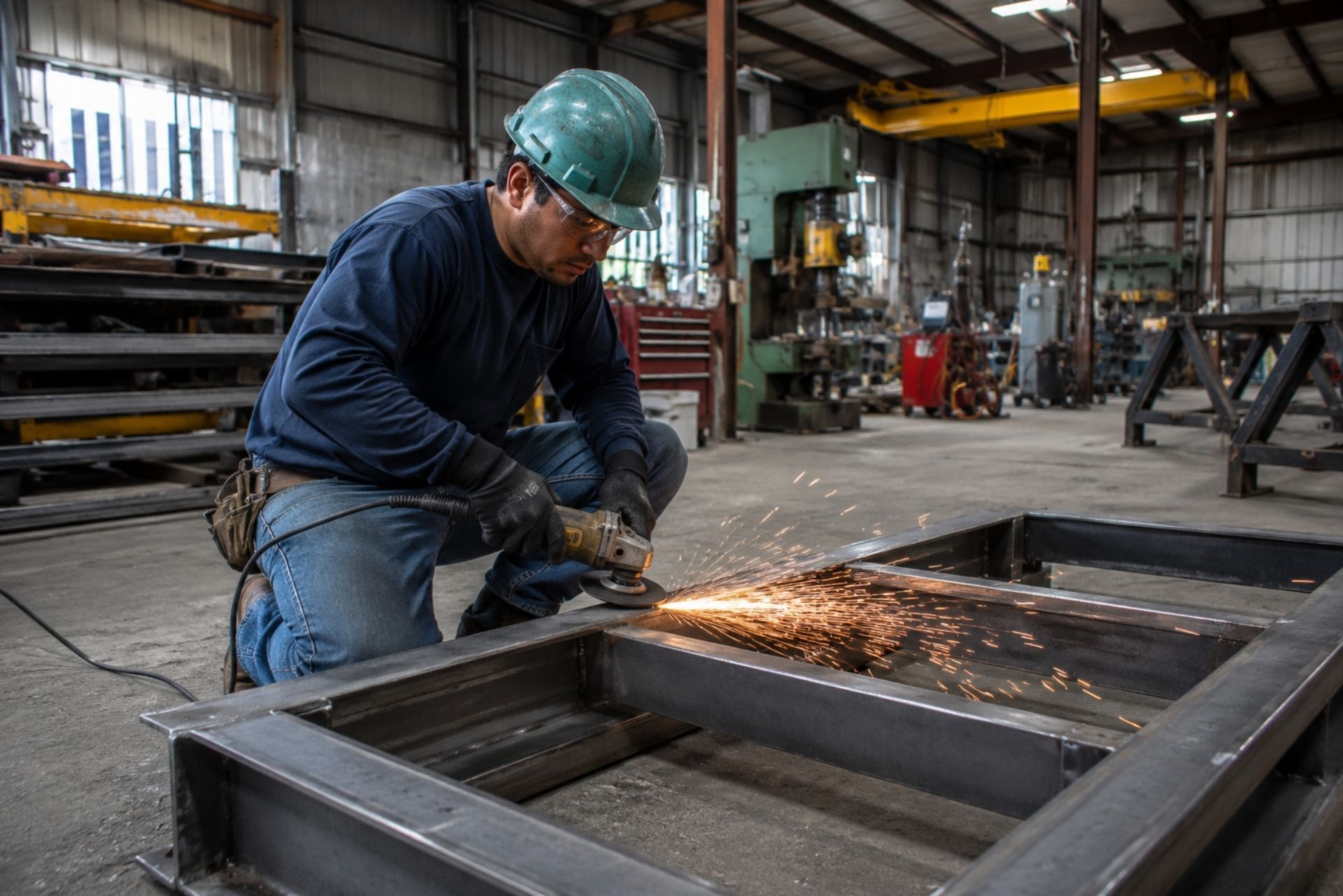
When an employee gets injured on the job, the clock starts immediately. Florida has strict timelines for reporting, and missing them can expose your business to penalties and increased liability.
Employer Reporting Timelines and Legal Obligations
You must report any workplace injury to your insurance carrier within seven days of learning about it. If the injury results in death or involves three or more employees in a single incident, you must also notify the Division of Workers' Compensation within 24 hours. These aren't suggestions; they're legal obligations with consequences for non-compliance.
A recent court decision has reshaped how deadline rules are applied in Florida workers' comp cases, overturning 26 years of precedent. Brandon employers should be aware that procedural timelines are being scrutinized more closely than ever. Document everything: the date you learned of the injury, the date you reported it, and any communication with the injured worker.
What Benefits Are Provided to Injured Workers?
Florida workers' comp provides several categories of benefits to injured employees:
- Medical benefits covering all reasonable and necessary treatment related to the workplace injury, with no out-of-pocket cost to the employee
- Temporary total disability benefits, typically 66.67% of the employee's average weekly wage, subject to a statewide maximum
- Temporary partial disability benefits if the employee can work in a reduced capacity
- Impairment benefits for permanent injuries, calculated using the Florida Impairment Guide
- Death benefits for surviving dependents, including funeral expenses up to $7,500
The 2026 benefit rate schedule sets specific caps on weekly payments. For a Brandon warehouse worker earning $900 per week, temporary total disability benefits would equal roughly $600 per week, subject to the statewide maximum. These payments continue until the employee reaches maximum medical improvement or returns to work.
Common Questions About Brandon Workers' Comp
Do I need insurance if I only hire independent contractors?
No, but you must ensure they are legally classified as contractors and not employees. If they don't have their own coverage, you could be liable for their injuries. Florida uses specific tests to determine worker classification, and simply calling someone a contractor in a written agreement doesn't make it so.
What happens if I don't buy insurance when I'm supposed to?
The state can issue a Stop-Work Order and charge you a fine equal to twice what you should have paid in premiums. You may also be personally responsible for injury costs. A Brandon restaurant owner who skips coverage and has a kitchen employee suffer a burn injury could face tens of thousands in medical bills plus the penalty.
Does it cover my employees if they get hurt while traveling for work?
Yes, as long as the injury happened while they were performing duties related to their job. Commuting to and from a fixed office usually isn't covered. A delivery driver injured while making a drop-off in Riverview would be covered; the same driver getting into an accident on the way to the warehouse at the start of the day likely wouldn't be.
Can I choose which doctor my employee sees after an accident?
In Florida, the insurance company generally has the right to choose the authorized medical provider. The employee may request a one-time change of physician. This is a common source of friction in claims, so it helps to know the process before an injury occurs.
Protecting Your Business Assets Long-Term
Workers' compensation insurance in Brandon isn't just a regulatory checkbox. It's a financial shield that keeps a single workplace accident from draining your business accounts or triggering a lawsuit. Florida's 2026 rate decreases make coverage more affordable than it's been in years, but the legal requirements remain strict, and the penalties for non-compliance remain steep.
Here are your practical next steps:
- Verify your employee count and confirm whether you meet the coverage threshold for your industry
- Check your exemption certificates for expiration dates and renew them before they lapse
- Review your class codes with your insurance agent to make sure employees are properly categorized
- Implement a written workplace safety program to keep your experience mod rate low
- Report injuries promptly, within seven days to your carrier and within 24 hours for serious incidents
The
2026 commercial insurance outlook for Florida suggests continued rate relief, but only businesses with clean claims histories and proper classifications will see the full benefit. Take the time now to audit your coverage, train your staff, and build a relationship with an agent who understands Brandon's local business environment. A few hours of preparation today can prevent months of legal and financial headaches tomorrow.
ABOUT THE AUTHOR: PAUL RAMENTOL
I am the Owner and President of Mesa Insurance Agency. I help individuals and business owners across Florida secure personal and business insurance coverage that supports their needs. My focus is on clear guidance, direct communication, and long-term support without call-center delays or confusion.
Contact Us

Personal Coverage Options
Insurance Built for Everyday Protection
Mesa Insurance Agency provides personal insurance coverage designed to support daily life. Our team reviews risks and coverage needs to help clients secure dependable protection at fair rates.
Dental & Vision Insurance
Coverage that helps manage routine dental and vision care costs.

Business Coverage Options
Insurance Built for Business Protection
Mesa Insurance Agency provides business insurance coverage that helps protect operations, employees, and property. We work with multiple carriers to offer coverage options that support daily business activities and long-term stability.
Commercial Auto Insurance
Coverage for business-owned vehicles, drivers, and accident-related liability exposure.
General Liability Insurance
Protection against third-party injury, property damage, and common business liability risks.
Professional Liability Insurance
Coverage for claims related to professional services, advice, or service errors.
Workers’ Compensation Insurance
Coverage that helps support employees with work-related injuries and medical costs.
Commercial Property Insurance
Protection for buildings, equipment, inventory, and physical business assets.
Errors & Omissions Insurance
Coverage for financial losses caused by mistakes, omissions, or service-related claims.
Industries We Serve
Serving Businesses Across Multiple Sectors
Mesa Insurance Agency works with business owners across Florida to provide insurance coverage that supports daily operations. We understand common risks faced by different industries and help clients secure reliable protection.

Construction and Trades Insurance
Coverage for job sites, vehicles, tools, and workplace risks.

Hospitality Businesses Insurance
Insurance for restaurants, bars, and service-based operations.

Retail and
Commercial Properties
Protection for storefronts, inventory, and customer-related liability.
Our Approach
Insurance Made Easy to Understand
Mesa Insurance Agency provides business insurance coverage that helps protect operations, employees, and property. We work with multiple carriers to offer coverage options that support daily business activities and long-term stability.
Insurance FAQs
Helpful Answers for Florida Clients
Support you can rely on.

What makes Mesa Insurance Agency different?
We are an independent agency with access to multiple carriers. This allows us to offer flexible coverage options.
Clients work directly with licensed agents. Service continues beyond the policy start date.
Do you offer coverage for individuals and families?
Yes. We provide personal insurance for individuals and families across Florida.
Coverage includes auto, home, health, life, and flood insurance. Our team explains each option clearly.
Do you work with small and mid-sized businesses?
Yes. We work with businesses of many sizes and industries.
Our team helps identify risks and secure appropriate coverage. Ongoing service is included.
Can I make changes to my policy later?
Yes. Policies can be updated as needs change.
We assist with coverage adjustments, additions, and removals. Clients can contact us directly for help.
Is flood insurance required in Florida?
Flood insurance is not always required, but it is strongly recommended in many areas.
Standard home insurance does not cover flood damage. Our team can review your flood risk and options.
How do I contact your office?
You can contact us by phone, email, or through our website.
Our team responds promptly during business hours. Support is always available when needed.
From the Blog
Insurance Topics That Matter
Clear answers for common questions.







Client Reviews
Trusted by Clients Across Florida
Mesa Insurance Agency is proud to serve individuals and businesses throughout Florida. Clients choose us for clear communication, responsive service, and reliable insurance support. Their feedback reflects our focus on long-term relationships and consistent service.
Contact Us