With Florida emerging as a leader in solar capacity while its market continues to expand, concerns about insurance for solar installation companies have taken center stage. Recent statistics show that in 2023, Florida installed 3,219.7 MW in photovoltaic systems and reached a total solar capacity of 13,817.6 MW according to the U.S. Solar Industry Economic Impact Report. These impressive figures highlight the need for companies operating in this sector to protect themselves against risks and liabilities that may arise during installations and maintenance.
Solar panel installers face a unique blend of challenges including regulatory oversight, evolving industry standards, and potential claims associated with installation errors or unforeseen damages. Insurance policies designed for this market must strike a balance between comprehensive coverage and competitive premiums, particularly since claims related to property damage or equipment failure can lead to significant financial burdens.
Insurance for solar installation companies in Florida is not just a safeguard; it is an essential component of operating safely, confidently, and within the boundaries of state regulations. As Florida increases in solar rank-3rd nationally with capacity to power over 2.3 million homes-the necessity of this specialized coverage becomes even clearer.
Understanding the Risks Facing Solar Installation Companies
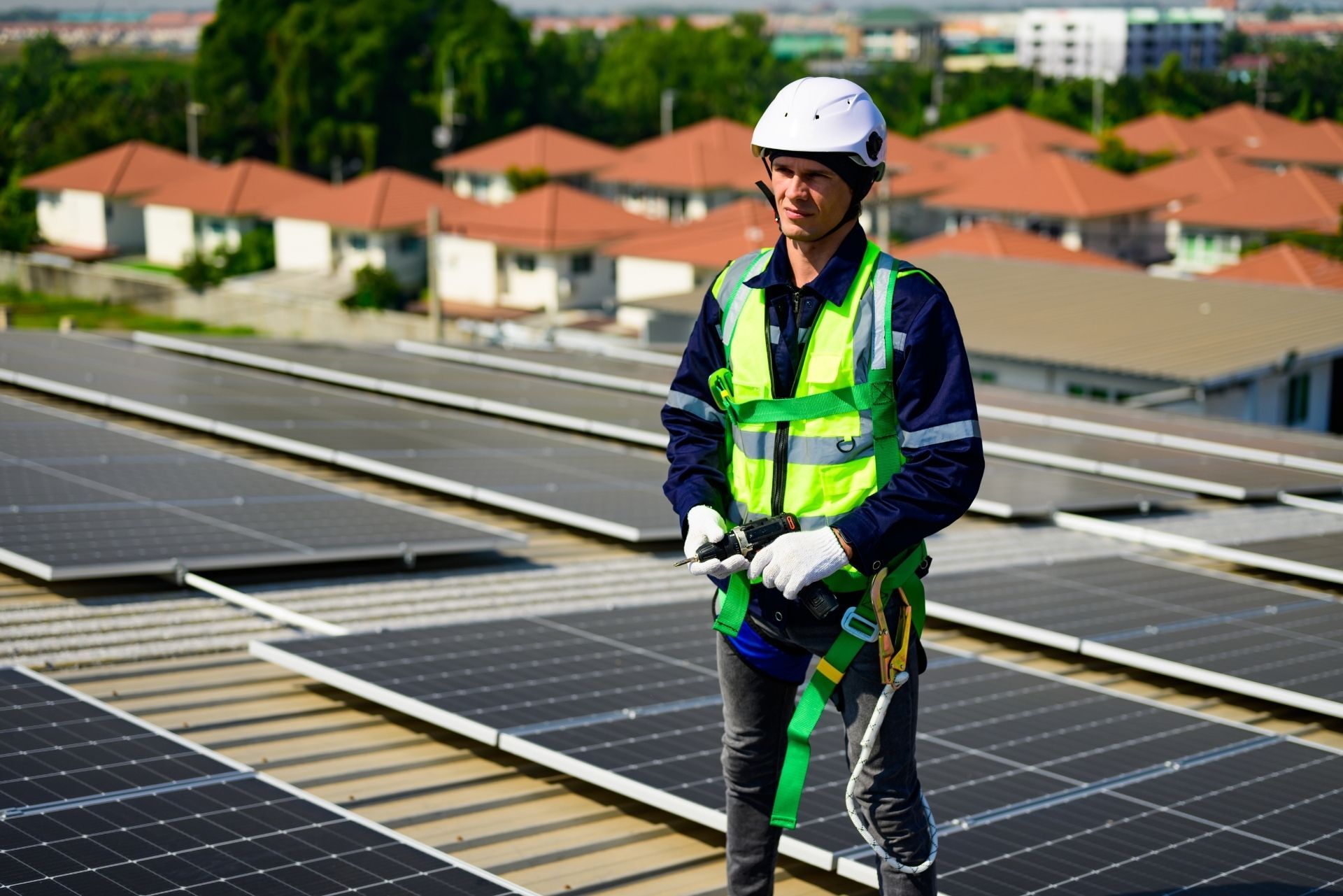
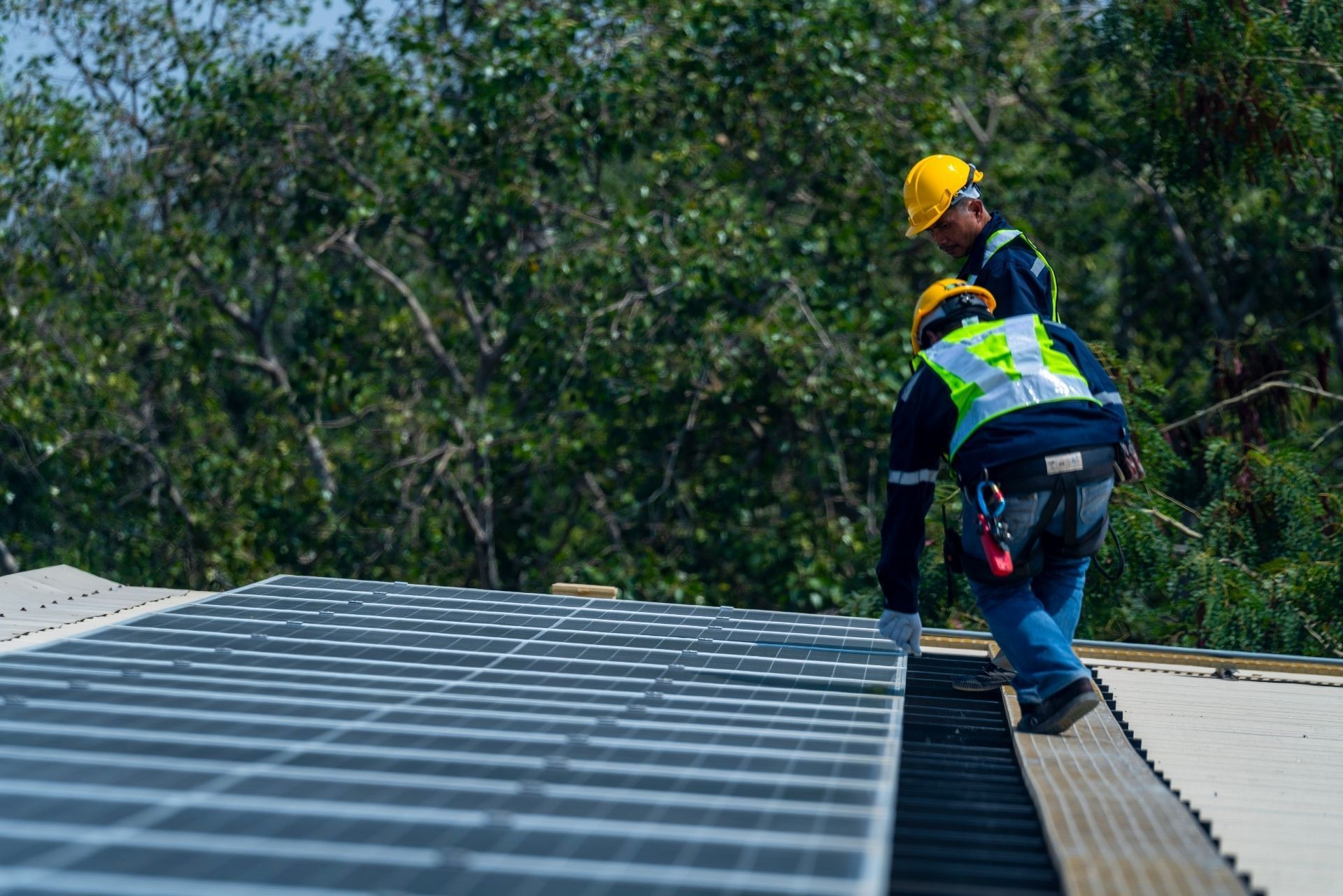
Solar installation is an industry full of potential rewards as well as risks. Installation projects, by their nature, involve complex electrical systems and often require work at heights. In addition to the technical challenges, solar panel installers can face property damage claims and potential liability issues if a system malfunctions.
The risks can range from minor installation mishaps that lead to water damage or roof leaks to serious issues like fires or structural damage from misinstalled equipment. With these potential hazards, the safety standards and installation protocols need to be precise and up to date. Insurance that understands these unique challenges helps safeguard the financial stability of these companies when things go wrong.
Beyond installation mishaps, the solar panel industry faces other nuanced risks. For example, recent reports suggest that high-pressure sales tactics have become a growing concern. As noted by the Florida Department of Agriculture, "High-pressure tactics are red flags. Take your time to review contracts"
according to industry experts. This warning is important, as it not only impacts consumer trust but also influences the regulatory and legal environment within which solar companies operate.
The Financial Impact of Solar Energy in Florida
Florida’s solar market has demonstrated significant economic contributions in recent years. The solar industry added $2.6 billion to the state’s GDP and supported 25,900 workers with an average labor income of $65,000 in 2023 as detailed in the SEIA report. This financial impact has made it imperative for installation companies to protect their earnings and maintain seamless operations through appropriate insurance coverage.
Given the sector's financial significance, any disruption can have wide-ranging effects not only for individual companies but also for the broader economy. The cost of a 7.2 kW solar panel system in Florida averages around $19,512 or roughly $2.71 per watt installed according to SolarReviews. As capital investments in solar infrastructure increase, so does the exposure to potential financial setbacks caused by appliance failures, on-site accidents, or litigations.
The integration of advanced photovoltaic systems not only drives up the energy output but also creates scenarios where insurance claims become more frequent due to inherent installation complexities and emerging market practices. Thus, ensuring that proper insurance is in place is more than just compliance; it is part of a strategic investment needed to manage risk and secure long-term profitability.
How Specialized Insurance Policies Work for Solar Installers
Specialized insurance policies for solar panel installers are tailored to address the distinct risks associated with installation, repair, and maintenance work. These policies typically include general liability coverage, workers’ compensation, and product liability-all crucial components when considering safety and operational integrity.
General liability protects companies from a range of claims that can include property damage, environmental harm, and bodily injury. The workers’ compensation coverage ensures that employees are protected against the risks inherent to working at heights, electrical systems management, and other dangerous aspects of solar installation.
Product liability is another critical aspect. If a solar panel or its accessory fails and causes damage, the company may face costly legal battles. A well-structured policy will provide the necessary coverage for such eventualities, thereby safeguarding the company’s financial future.
Regulatory Insights for Installation Companies in Florida
Florida’s regulatory environment for solar energy is evolving with increasing stringency and clarity on consumer protection, installation standards, and business practices in this sector. A recent warning from Florida's Chief Financial Officer, Jimmy Patronis, alerts consumers about the potential for increased property insurance premiums linked to solar installations as reported by the Florida Department of Financial Services. This rapidly shifting regulatory dynamic demands that solar installation companies adopt more robust insurance coverage to ensure that regulatory changes do not jeopardize their operations.
Installation companies must maintain open channels with both state regulators and their insurance providers. Staying informed about regulatory changes can provide companies with early insights into potential market shifts and help them adjust their coverage accordingly. This interconnected ecosystem of compliance and risk management ultimately points to the critical need to ensure that policies are updated and reflective of current risks.
In addition, regulatory bodies are increasingly scrutinizing sales practices. Several complaints highlighting high-pressure sales tactics have emerged, leading to a series of consumer alerts to help protect homeowners from misleading financing options
as noted by Health News Florida. Such practices not only tarnish the industry’s reputation but also bring additional legal and insurance complexities that companies must navigate.
Key Elements of an Effective Insurance Policy for Solar Installers
A robust insurance policy for solar installation companies in Florida covers a series of crucial aspects. First is liability protection which defends businesses against claims involving bodily injuries and property damage. As installation work inherently involves navigating rooftops and electrical systems, these coverage points are indispensable.
Second, workers’ compensation remains a cornerstone. Installers operate under conditions that are quite different from most office jobs. A proper policy not only protects the employees but also shields companies from financial liabilities when accidents occur on the job.
Third, product liability adds a layer of security against claims arising from product failures. With solar installations depending heavily on precise, quality components, any malfunction can result in substantial claims against the company. Companies must ensure that their insurance policy covers any product-related issues that may surface during the lifespan of a solar panel system.
Profitability and Risk Mitigation: A Balancing Act
Profitability in the solar installation sector depends greatly on balancing risk against return on investment. For instance, a study focusing on existing Orlando homes demonstrated that a 9.5 kW photovoltaic system paired with a 42.2 kWh battery would yield positive returns by 2029 as detailed in a recent study. While the technology promises substantial savings and a reduction in energy costs, the initial installation investments carry inherent risks. Insurance mitigates these risks, ensuring that companies continue to invest in technology without the overhanging threat of unexpected financial claims.
By balancing the technical risks with measured insurance coverage, companies can enjoy industry growth while safeguarding their capital. The insurance market is evolving in tandem with renewable energy advancements, ensuring that policies are better aligned with both the risk and reward dynamics of solar installations.
Careful underwriting, risk assessment, and regular policy reviews are essential for maintaining an equilibrium between profitability and security. Policies need to be frequently updated to encapsulate technological advancements and evolving regulatory mandates, thereby ensuring a resilient risk management framework.
The Role of Premium Costs and Insurance Market Trends
Insurance premiums for solar panel installers are influenced by several factors including the complexity of installation jobs, historical claim data, and the overall reliability of equipment used. In Florida, the average cost of a 7.2 kW system is around $19,512, equating to roughly $2.71 per watt installed as provided by SolarReviews. These figures underscore the weight of capital investments in solar technology and the need for financial cushioning against unexpected risks.
While lower premiums are attractive, they must be weighed against the potential for underinsurance. Solar panel installers must analyze their premium costs in conjunction with the coverage limits to ensure that they aren’t exposed to catastrophic claims. As customer complaints and regulatory oversight increase, the need for thorough scrutiny of sales practices and policy terms has become more pronounced.
Market trends suggest that insurers are increasingly incorporating specific risks into premium calculations. Recent customer complaints regarding high-pressure sales and misleading financing practices have led to an environment where insurers are more cautious in underwriting policies
as advised by industry experts. This heightened caution is ultimately beneficial for both consumers and businesses, ensuring that coverage remains both relevant and adequately priced.
Case Study: Risk and Return in Orlando Homes
An in-depth study of Orlando homes demonstrated the financial viability of solar installations. The analysis suggested that a typical home installed with a 9.5 kW photovoltaic system and a 42.2 kWh battery could see favorable economic returns by 2029 based on recent research findings. This presents an intriguing scenario where the adoption of renewable energy could mean substantial savings over time.
However, while the financial incentives are robust, installers must remember that these economic benefits may be offset by high-profile installation mishaps or unforeseen technical failures. Proper insurance coverage manages these risks by ensuring that companies are protected should any installation or operational issues arise. Ultimately, insurance becomes an integral part of the business plan for companies looking to capitalize on these emerging market trends.
This study underscores the importance of comprehensive risk management. With clear evidence that solar installations can yield impressive returns, companies must balance these benefits with the need for robust insurance policies that cover unforeseen setbacks. Such insurance provides a competitive edge in a market operating under tight regulatory and consumer scrutiny.
Integrating Technology and Insurance for a Resilient Future
Technology and insurance are converging to create safer, more reliable systems for solar panel installations. Advanced installation techniques and improvements in photovoltaic technology have helped reduce the frequency and severity of claims, but challenges remain. A resilient insurance policy adapts to these changes, designing coverage that evolves with emerging practices and technological improvements.
Insurance providers are now better equipped to assess risks using advanced analytics and regular audits of installation procedures. This proactive approach not only prevents losses but builds trust with both consumers and regulatory bodies. As the solar market grows in Florida, a strong insurance framework ensures that companies can safely invest in and deploy new technology without adverse costs.
Insurance becomes the safeguard that fosters innovation while protecting against the inherent risks of new technology. Companies that leverage both cutting-edge technology and robust risk management through specialized insurance coverage will be well-positioned for long-term success in the competitive solar energy sector.
Charts and Data Analysis: A Closer Look at Financial and Operational Metrics
The following chart illustrates the relationship between installation capacity, average system costs, and the resulting return on investment. It serves as a visual guide for solar panel installers and financial analysts alike, comparing operational metrics with financial performance projections.
Below is a simplified table that highlights key metrics essential for operational risk management in the solar installation industry:
| Metric | Value | Source/Notes |
|---|---|---|
| Installed Photovoltaic Capacity (2023) | 3,219.7 MW | SEIA Report |
| Total Solar Capacity in FL | 13,817.6 MW | SEIA Report |
| Average Cost of 7.2 kW System | $19,512 | SolarReviews |
| Solar Industry Contribution to FL GDP | $2.6 Billion | SEIA Report |
| Workforce Supported | 25,900 | SEIA Report |
This table outlines the financial and operational stakes for companies in the solar installation arena. With such high investments, it becomes evident that insurance is not simply a regulatory formality-it acts as a transformative business tool that manages risk while fostering industry growth.
Best Practices for Solar Installation Companies When Choosing Insurance
To maximize operational resilience, solar installation companies should prioritize thorough due diligence when selecting insurance policies. Evaluating the different components of an insurance package is vital, from assessing the extent of liability coverage to reviewing workers’ compensation policies. Business owners must collaborate closely with their insurers to ensure that every potential risk-from installation hazards to mismanagement claims-is addressed in their policy.
Companies should also be proactive in consulting industry experts who can provide current insights into risk factors and policy nuances. For example, insights from the Florida Department of Agriculture urge companies to scrutinize any high-pressure sales tactics or misleading warranty terms that might later become sources of disputes. Such awareness not only protects consumers but also prevents reputational damage that may impact business operations.
Regular policy reviews, audits, and updates ensure that insurance policies remain comprehensive and reflective of operational realities. Solar installers who work in newer technological landscapes and challenging weather conditions must ensure that all aspects of risk are covered while designating specific clauses in case of unforeseen claims.
Challenges and Opportunities in the Florida Solar Market
For solar installation companies in Florida, the marketplace is undergoing some significant shifts. Increased capacity and ambitious renewable energy targets create a dynamic marketplace full of opportunities but also present considerable risks. With Florida ranked 3rd nationally in solar installations, there is enough capacity to power more than 2.3 million homes, which showcases the scale and promise of the industry according to SEIA.
On the operational front, customer claims and regulatory interventions present challenges that demand diligent risk management. Reports of high-pressure sales tactics and misleading financing by some residential rooftop providers have surfaced, emphasizing the importance of incorporating robust risk analysis into company policies. It is crucial for companies to cultivate ethical sales practices, transparency, and continuous employee training to mitigate the reputational and financial risks associated with the industry.
Simultaneously, the industry's economic benefits cannot be ignored. With billions contributed to Florida’s GDP, the state’s solar market is poised for further growth-a fact that encourages more companies to enter the space. For these businesses, robust insurance is both a shield and a springboard, protecting early investments while enabling sustainable scaling and long-term success.
Risk Management Strategies for Long-Term Sustainability
Long-term success in solar panel installation hinges on effective risk management strategies that incorporate both traditional risk mitigation and innovative approaches. Regular risk assessments, continuous employee training, and a well-developed emergency response plan go hand in hand with comprehensive insurance policies.
Establishing a communication loop between installation teams, management, and insurance providers is imperative. This collaborative approach allows for rapid updates on any emerging hazards, thus ensuring that policies can be adjusted to keep pace with industry changes. Investors and insurers alike value such proactive measures as they significantly boost confidence in the business.
The dynamic nature of the solar installation industry means that no two projects are entirely alike. Customized insurance packages that are flexible enough to handle the unique requirements of each installation project remain key to the long-term sustainability of these companies. Integrating modern risk analysis technologies and predictive maintenance strategies further enhances the resilience of solar installation companies.
Frequently Asked Questions
What types of insurance should a solar installation company have?
It is essential for solar installation companies to have general liability, workers’ compensation, and product liability insurance to cover the unique risks associated with the installation and operation of solar panels.
How does a solar installation influence property insurance premiums?
Installation of solar panels can lead to adjustments in property insurance premiums due to potential increased risks, as highlighted by state warnings from Florida’s CFO.
Why is product liability insurance important for solar installers?
Product liability insurance is crucial because it covers claims that arise when a failure or malfunction in a solar panel component causes damage, protecting the installation company from large financial liabilities.
Can regulatory changes affect my solar installation insurance?
Yes, evolving regulations and consumer protection measures can impact insurance policies, requiring companies to regularly review and update their coverage to remain compliant and secure.
How often should insurance policies be reviewed?
Regular reviews, at least annually or after any significant project change, help ensure that policies remain adequate and reflective of the current risks associated with solar installation work.
Do insurance requirements differ if a solar installation company uses subcontractors?
Yes, using subcontractors introduces additional liabilities, making it important for companies to have clear contracts and ensure that subcontractors carry proper insurance coverage.
What role does technology play in managing insurance risk?
Modern risk analysis tools and predictive maintenance technologies help foresee potential problems, enabling companies to adjust their insurance coverage proactively and reduce claim risks.
Before You Go: Securing a Sustainable Future with Robust Insurance
As Florida’s solar market continues to expand, solar panel installation companies must prioritize strong, comprehensive insurance solutions that cover both operational and financial risks. The state’s high capacity, impressive economic contributions, and evolving regulatory landscape create a competitive environment where innovation meets intensive risk management.
By understanding the unique challenges-from installation complexities and high-pressure sales tactics to rapidly changing regulations-and aligning with specialized insurance products, companies can protect their operations, reduce litigation risks, and foster sustained growth. Sound insurance is a pivotal decision that nurtures trust among consumers, ensures continuity in operations, and supports dynamic investments in renewable energy.
Companies that invest in proper insurance coverage not only shield themselves from potential setbacks but also signal to investors and regulatory bodies that they are committed to maintaining high standards. This commitment ultimately contributes to a more stable, reliable, and prosperous solar energy industry in Florida.
Solar panel installer insurance is more than a regulatory necessity; it is a key strategic asset that ensures innovation and risk management go hand in hand. As the market continues to grow and evolve, companies that embrace a proactive approach to insurance will find themselves better positioned for long-term success.
ABOUT THE AUTHOR: PAUL RAMENTOL
I am the Owner and President of Mesa Insurance Agency. I help individuals and business owners across Florida secure personal and business insurance coverage that supports their needs. My focus is on clear guidance, direct communication, and long-term support without call-center delays or confusion.
Contact Us

Personal Coverage Options
Insurance Built for Everyday Protection
Mesa Insurance Agency provides personal insurance coverage designed to support daily life. Our team reviews risks and coverage needs to help clients secure dependable protection at fair rates.
Dental & Vision Insurance
Coverage that helps manage routine dental and vision care costs.

Business Coverage Options
Insurance Built for Business Protection
Mesa Insurance Agency provides business insurance coverage that helps protect operations, employees, and property. We work with multiple carriers to offer coverage options that support daily business activities and long-term stability.
Commercial Auto Insurance
Coverage for business-owned vehicles, drivers, and accident-related liability exposure.
General Liability Insurance
Protection against third-party injury, property damage, and common business liability risks.
Professional Liability Insurance
Coverage for claims related to professional services, advice, or service errors.
Workers’ Compensation Insurance
Coverage that helps support employees with work-related injuries and medical costs.
Commercial Property Insurance
Protection for buildings, equipment, inventory, and physical business assets.
Errors & Omissions Insurance
Coverage for financial losses caused by mistakes, omissions, or service-related claims.
Industries We Serve
Serving Businesses Across Multiple Sectors
Mesa Insurance Agency works with business owners across Florida to provide insurance coverage that supports daily operations. We understand common risks faced by different industries and help clients secure reliable protection.

Construction and Trades Insurance
Coverage for job sites, vehicles, tools, and workplace risks.

Hospitality Businesses Insurance
Insurance for restaurants, bars, and service-based operations.

Retail and
Commercial Properties
Protection for storefronts, inventory, and customer-related liability.
Our Approach
Insurance Made Easy to Understand
Mesa Insurance Agency provides business insurance coverage that helps protect operations, employees, and property. We work with multiple carriers to offer coverage options that support daily business activities and long-term stability.
Insurance FAQs
Helpful Answers for Florida Clients
Support you can rely on.

What makes Mesa Insurance Agency different?
We are an independent agency with access to multiple carriers. This allows us to offer flexible coverage options.
Clients work directly with licensed agents. Service continues beyond the policy start date.
Do you offer coverage for individuals and families?
Yes. We provide personal insurance for individuals and families across Florida.
Coverage includes auto, home, health, life, and flood insurance. Our team explains each option clearly.
Do you work with small and mid-sized businesses?
Yes. We work with businesses of many sizes and industries.
Our team helps identify risks and secure appropriate coverage. Ongoing service is included.
Can I make changes to my policy later?
Yes. Policies can be updated as needs change.
We assist with coverage adjustments, additions, and removals. Clients can contact us directly for help.
Is flood insurance required in Florida?
Flood insurance is not always required, but it is strongly recommended in many areas.
Standard home insurance does not cover flood damage. Our team can review your flood risk and options.
How do I contact your office?
You can contact us by phone, email, or through our website.
Our team responds promptly during business hours. Support is always available when needed.
From the Blog
Insurance Topics That Matter
Clear answers for common questions.








Client Reviews
Trusted by Clients Across Florida
Mesa Insurance Agency is proud to serve individuals and businesses throughout Florida. Clients choose us for clear communication, responsive service, and reliable insurance support. Their feedback reflects our focus on long-term relationships and consistent service.
Contact Us