A sudden, severe storm causing extensive property damage can destabilize local economies and send cleanup crews into overdrive. In Florida, where severe weather and biohazard incidents intersect, companies providing biohazard cleanup services must navigate a complex insurance landscape. With recent events underscoring the risks, understanding the coverage available has never been more critical. This article examines the key challenges and opportunities that define insurance for biohazard cleanup companies in the Sunshine State, providing insights for industry professionals and stakeholders alike.
Learn more about the insurance industry dynamics.
Overview of Florida's Insurance Landscape Post-Hurricane Idalia
In recent years, Florida has experienced a series of severe storms and hurricanes that have left lasting impacts on its insurance market. The state has seen between 16 severe storms or hurricanes since 2020, leading to damages estimated between $100 billion and $200 billion according to recent industry reports. These events have not only shaped the way insurers view risk but have also led to significant changes in policy offerings and claims management strategies.
Insurance providers have shifted their approach as the frequency of severe weather events has increased. As risk factors become more complex, adjustments are made to premiums and coverage specifics. In many cases, companies are careful to include clauses that address flood-related damages and related biohazards-a crucial factor for cleanup companies handling sensitive materials and hazardous substances.
The Role of Biohazard Cleanup in a Post-Disaster Scenario
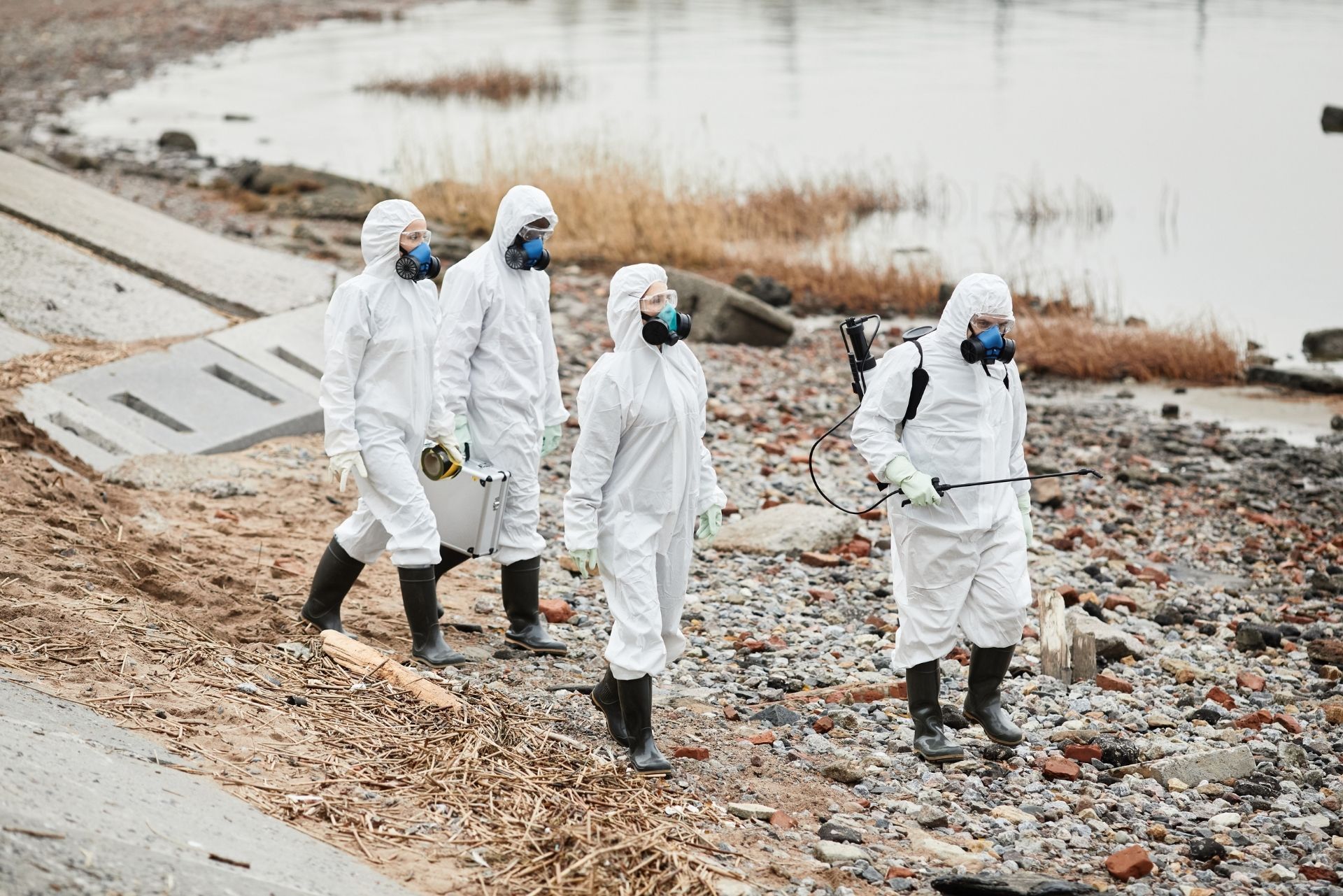
Following natural disasters, the need for specialized cleaning often grows exponentially. Biohazard cleanup services become essential in mitigating long-term damage and reducing secondary risks such as mold growth and chemical exposure. Cleanup companies operating in Florida deal with a range of hazards that require both technical expertise and robust insurance coverage to manage financial fallout if accidents occur during operations.
Accidents and unexpected exposures during cleanup can lead to significant liability. Hence, companies focus on obtaining insurance that not only covers property damage but also liability claims resulting from handling hazardous materials. This transition toward comprehensive policies is part of a broader movement within the insurance industry to better cover emerging risks.
Recent fluctuations in market conditions have also prompted companies to reexamine the terms of their policies to ensure that coverage limits and exclusions align with the inherent risks of biohazard remediation work.
Technological Advancements in Biohazard Remediation
Innovations in cleanup technology have transformed how companies approach biohazard remediation. From advanced decontamination techniques to sophisticated state-of-the-art equipment, technological improvements have allowed companies to work more efficiently and safely. This evolution is a game changer for the industry, particularly considering that over 50% of U.S. homes have detectable mold due to untreated moisture problems according to recent restoration statistics.
Modern equipment reduces the risk of secondary hazards, ensuring that workers can perform their tasks with a lower risk of exposure. Such technological breakthroughs also enhance the ability of cleanup companies to win insurance claims when coverage is tested. Insurers, in turn, acknowledge the reduced risk profile by revising premium structures and offering more flexible policy options.
Implementing advanced tools is not only a matter of efficiency. It also contributes to a better safety record, which is a significant factor that insurance underwriters consider when evaluating risk.
Understanding Coverage Needs for Biohazard Cleanup Companies
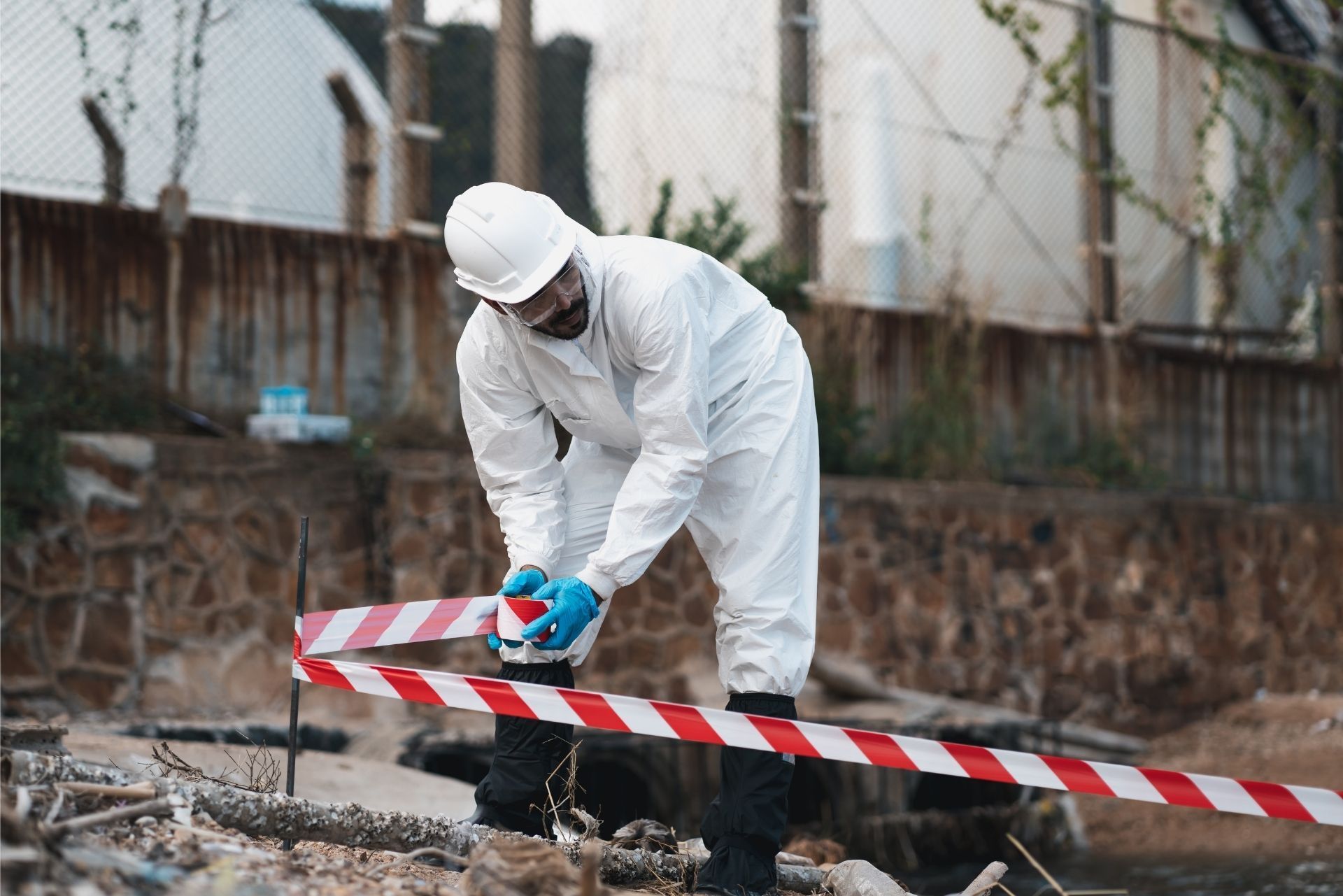
When it comes to insurance coverage, biohazard cleanup companies face unique challenges. Coverage must address not only property damage and worker injuries but also environmental liability and regulatory compliance. Companies that undertake hazardous materials remediation require a policy that covers the entire process-from immediate response to long-term restoration efforts.
Insurance policies in this sector often include specialized endorsements to cover the unexpected costs arising from cleanups that extend beyond initial estimates. This comprehensive coverage is critical given the potential for problems such as mold proliferation. According to some industry experts, restoration costs following a hurricane or tornado can range from $10,000 to more than $50,000 for full structural and content cleanup as per industry data.
Ensuring that biohazard cleanup companies are adequately insured means factoring in both the physical hazards of the job and the potential for high-cost claims. Policies are tailored so that incidents, whether they stem from flooding, chemical spills, or accidental exposures, do not cripple the financial health of a company.
Labor Shortages and Their Impact on Insurance and Risk Management
One of the more significant challenges facing the restoration and cleanup industry in Florida is the labor shortage. Nearly 45% of restoration firms report difficulties in recruiting skilled labor as noted by industry statistics. This shortage increases pressure on existing employees, potentially leading to mistakes that can cause costly insurance claims.
Workforce issues can influence insurance premiums as underwriters incorporate the findings into their risk assessments. When skilled labor is scarce, the probability of improper cleanup or accidental exposure increases, which can result in higher incidence of liability claims. For this reason, companies that invest in staff training and retain a stable workforce may benefit from more favorable insurance terms, as they demonstrate lower operational risk.
Effective management of human resources is critical. It not only improves safety on the job but also contributes to a better loss history, which is a factor that insurers consider when setting premiums and coverage limits.
Financial Implications of Natural Disasters on Insurance Coverage
Florida’s history of natural disasters influences the financial aspect of insurance drastically. Severe storms and hurricanes have left a lasting imprint on the state’s insurance industry, forcing insurers to reassess risk calculations and premium structures. Between 16 severe storms or hurricanes since 2020, damages have accumulated to staggering sums, with estimates ranging from $100 billion to $200 billion according to CNBC.
These events have redefined what it means to secure adequate coverage for both property owners and restoration companies. High damage costs make it imperative for biohazard cleanup companies to secure policies that offer a clear path to recovery without burdening taxpayers. With government-backed insurers like Citizens Property Insurance Corp. increasing their market share, the insurance landscape calls for a more robust and responsive approach to policy design.
The shift includes a more active government role in the industry, which, as one expert put it, often translates into taxpayers shouldering some of the burden. Striking the right balance between public sector involvement and private market efficiency becomes crucial for keeping insurance affordable for small and medium-sized cleanup businesses.
The Challenge of Unmapped Flood Hazards
One of the lesser-known risks faced by properties-and subsequently by cleanup companies-is the hidden danger of unmapped flood hazards. In Florida, more than 785,000 properties are at risk from flood conditions even though they do not appear as high-risk areas on FEMA's flood maps according to recent studies. This discrepancy between actual risk and mapped risk has significant implications for insurers.
Unmapped flood zones can lead to unexpected liabilities. In the event of a flood, biohazard cleanup may become necessary in locations unprepared for such conditions, thereby triggering claims that were unanticipated at the time of issuing policies. Insurance providers may have to adjust their rates and coverage terms to account for these hidden hazards, further complicating the financial calculus for companies operating in this sector.
This risk factor is a reminder that the insurance industry is constantly in flux. For cleanup companies, understanding the nuances of flood risk assessment is not merely theoretical-it is critical for maintaining operational viability in a densely populated and disaster-prone region.
Regulatory and Compliance Considerations
Regulatory compliance forms a substantial part of the operations for biohazard cleanup companies in Florida. Adherence to environmental protocols, waste disposal regulations, and safety standards is a necessity governed by both state and federal law. Failure to meet these standards often results in fines or, in severe cases, the suspension of business licenses.
Insurance policies in this field typically include clauses that pertain to regulatory compliance. Failure to adhere to proper cleanup protocols may lead insurers to deny claims or limit payouts. With these complexities in mind, it becomes imperative for companies to work closely with legal advisors and regulatory consultants to ensure that their policies cover the entire spectrum of compliance-related risks.
Ensuring regulatory compliance not only reduces the likelihood of incurring fines but also helps in securing more favorable insurance premiums. By demonstrating a commitment to safety and environmental sustainability, companies position themselves as lower risks for insurers and as reliable partners for clients.
How Insurance Products are Tailored for Biohazard Cleanup Services
Given the unique exposures faced by biohazard cleanup companies, insurers have begun offering more specialized products. These policies go beyond conventional coverage to incorporate aspects such as environmental liability, toxic substance remediation, and even business interruption due to prolonged shutdowns after a disaster. Companies that specialize in hazardous material cleanup require coverage that accounts for both the physical and reputational risks they encounter.
Custom-tailored insurance products often highlight the importance of risk mitigation measures. For instance, some policies cover cleanups following a flood or severe weather event, where the combined threats of water damage and contamination make the scenario doubly challenging. Supporting this need, recent market developments have shown a growing trend of policies that clearly outline coverage for both primary damage and subsequent biohazard incidents.
This step towards specialized coverage is essential for helping businesses maintain financial stability while continuing to provide critical services under extreme conditions. Detailed policy provisions help ensure that companies receive support for both immediate cleanup operations and the long-term recovery process, a reassurance that has proven particularly valuable in Florida's volatile environment.
Risk Management Strategies for the Biohazard Cleanup Industry
Effective risk management in the biohazard cleanup sector involves a multi-pronged strategy. Preventive maintenance, employee training, and adherence to best practices play a primary role in reducing exposure to potential hazards. When risks are minimized, insurers are more inclined to offer better terms and more competitive rates.
Industry leaders emphasize the importance of investing in both technology and human resources to curb operational risks. Robust training programs focusing on safe handling of hazardous materials and regular equipment upgrades contribute significantly to a safer work environment. Such measures not only reduce the likelihood of incidents but also foster a culture of accountability and care throughout a company’s operations.
Restoration projects, following severe weather events such as hurricanes or tornadoes, reveal the critical importance of having sound risk management practices in place. With cleanup costs during these events sometimes ranging significantly
between $10,000 and over $50,000 for extensive remediation, a proactive stance on risk management helps mitigate financial surprises and assures insurers of a reduced loss frequency.
For biohazard cleanup companies, excellent operational planning requires that insurance coverage be integrated with overall business continuity strategies. Disruptions following a disaster can have cascading effects, compromising not just the cleanup process but the overall ability of a company to service its commitments. With well-structured insurance policies in place, companies can mitigate the financial impact of unexpected shutdowns, workforce injuries, or sudden environmental hazards.
Business continuity plans that incorporate robust insurance coverage allow companies to recover faster from disruptive events. This integration ensures that, even in the face of overwhelming challenges, operations can resume efficiently while minimizing financial losses. The ability to handle cost-intensive cleanups, while continuing to provide services without interruption, is a cornerstone of a resilient business model in this specialized field.
Insurance products specifically tailored to the needs of biohazard cleanup companies not only provide monetary compensation but also facilitate expedited recovery processes. This synergy between insurance and operational planning is highly valued in an industry where every minute of downtime can result in multiplied losses.
Economic Considerations and the Future Outlook
The economic implications of maintaining comprehensive insurance coverage for biohazard cleanup companies in Florida extend beyond individual balance sheets. The overall health of Florida’s insurance market is closely tied to the region’s exposure to natural disasters and the resultant spillover effects on public funding. With government-backed insurers like Citizens Property Insurance Corp. now covering more than 1.4 million policies-a significant increase from 500,000 in 2019 according to industry data-the balance between private risk and public intervention is under constant review.
A shift towards increased government involvement typically means that the financial burden of extraordinary events eventually falls on taxpayers. For biohazard cleanup companies, this evolving dynamic underscores the importance of securing policies that address both immediate operational risks and the broader economic context of risk management. The future outlook suggests that, as climate change exacerbates severe weather events, private insurers will need to innovate continually, crafting solutions that closely match the evolving realities of risk exposure in Florida.
Industry experts agree that the cooperation between insurers, cleanup companies, and governmental agencies will be pivotal in shaping the market. Such partnerships may pave the way for products that better accommodate the rapidly changing risk environment, balancing the needs of the insured with sustainable market practices.
Case Examples: Real-World Implications in Florida
A practical look at a recent incident in Florida illustrates the profound value of tailored insurance policies. When a major hurricane swept through parts of the state, numerous properties faced unexpected biohazard challenges from water-damaged areas that suddenly turned into hotspots for mold and contamination. Companies equipped with specialized insurance were able to deploy cutting-edge remediation techniques quickly, reducing the risk of long-term health hazards and mitigating the overall financial impact.
This incident highlighted how a comprehensive insurance policy not only covers the immediate cleanup cost but also supports businesses with resources for extended remediation efforts. It also demonstrated the importance of incorporating flood risk factors and the potential for unmapped flood hazards in policy design. Such real-world examples are a stark reminder that the effectiveness of biohazard cleanup insurance is best measured in times of crisis.
These incident-based learnings have spurred many companies to review and upgrade their insurance policies. By incorporating lessons from previous disasters, companies are better prepared to handle the financial and operational challenges that follow severe weather events, ensuring that cleanup efforts can proceed without undue delay or financial strain.
Frequently Asked Questions
What does biohazard cleanup insurance typically cover?
Biohazard cleanup insurance usually covers property damage, liability claims, environmental cleanup, and business interruption costs related to hazardous waste remediation.
Why is tailored insurance important for cleanup companies?
Coverage tailored for biohazard cleanup addresses the unique risks of hazardous material handling, ensuring that companies are protected against unforeseen liabilities and can effectively manage high-cost remediation efforts.
How do natural disasters affect policy terms?
Frequent natural disasters force insurers to adjust policy terms and premiums to reflect increased risk. This environment requires policies that explicitly cover flood damage, water-related biohazard incidents, and other disaster-specific challenges.
Can advanced technology reduce insurance costs?
Yes, investing in modern decontamination equipment and rigorous training programs can lower operational risks, leading to more favorable insurance terms and possibly reduced premiums.
How does the labor shortage impact insurance claims?
A shortage of skilled labor can lead to increased operational risks and mistakes, potentially raising the frequency of claims. Insurers take these factors into account when setting premiums for biohazard cleanup companies.
What steps can companies take to mitigate risk?
Effective risk management strategies include regular staff training, investing in advanced equipment, and strictly following safety guidelines. These measures help in lowering both the probability and impact of claims.
Comparative Analysis: Biohazard Cleanup Insurance vs. Standard Property Insurance
The following table presents a side-by-side comparison of biohazard cleanup insurance and standard property insurance. This comparison illustrates how specialized policies address niche risks more comprehensively.
| Coverage Area | Biohazard Cleanup Insurance | Standard Property Insurance |
|---|---|---|
| Hazardous Material Exposure | Specifically covers cleanup and remediation expenses | Often excluded or limited |
| Environmental Liability | Includes environmental and regulatory risk components | Limited environmental coverage |
| Business Interruption | May include extended provisions due to contamination cleanup | Generally covers only physical property damage |
| Flood and Water Damage | Tailored to unexpected water damage and mold after storms | Standard coverage for water damage but excludes biohazard factors |
| Compliance and Regulatory | Includes aspects related to hazardous waste management and cleanup procedures | Not specifically designed for biohazard scenarios |
This comparison highlights the unique benefits of biohazard cleanup insurance. Specialized policies cater directly to the challenges unique to hazardous material situations, thus providing a safety net not found in standard property insurance.
Building a Resilient Future for Florida Biohazard Cleanup Companies
With the frequency of severe weather events showing no sign of slowing, biohazard cleanup companies in Florida find themselves at a crossroads. The evolving landscape demands not only a reevaluation of insurance policies but also a proactive approach toward future challenges. Companies invested in understanding their coverage options now position themselves for long-term resilience.
Better insurance coverage means fewer financial surprises during disasters, a smoother recovery process, and ultimately, a more stable industry ecosystem. As stakeholders collaborate to refine risk assessment models and coverage terms, the industry is likely to benefit from policies that mirror real-world risks better than ever before.
Before navigating the complexities of insurance renewal, companies should work closely with industry experts and legal advisors to define precise coverage needs. By aligning operational protocols with robust insurance products, cleanup enterprises can continue to deliver critical services without interruption, even in the face of nature's fiercest challenges.
Read more about expert biohazard cleanup services in Florida.
Steps to Secure Optimal Insurance Coverage
Securing well-rounded insurance coverage is a multifaceted process that starts with evaluating the unique risks associated with biohazard cleanup work. Companies should first conduct a thorough risk assessment, documenting potential hazards, and historical claims data. This evaluation is pivotal in ensuring that no critical area is overlooked when negotiating policy terms.
Next, engaging with insurance providers who specialize in hazardous material cleanup is essential. These insurers understand the intricacies of the industry and can structure coverage that bridges the gap between standard policies and the specialized needs of biohazard remediation. A clear understanding of policy definitions, limits, deductibles, and exclusions can be the difference between a smoothly managed claim and unexpected financial hardship.
Finally, staying updated with regulatory changes and industry best practices ensures that policies remain relevant over time. Many companies benefit greatly from ongoing consultations with risk management experts who help identify emerging threats, be it from technological advancements or shifts in climate patterns.
Industry Expert Insights on Biohazard Cleanup Insurance
Industry experts emphasize the value of insurance policies that truly understand the risk factors unique to hazardous material cleanup. As noted by key stakeholders, the integration of environmental liability, regulatory compliance, and extended business interruption coverage sets apart specialized policies from standard ones. These insights arise from a landscape shaped by frequent natural disasters and evolving risk assessments.
One leading expert in the field remarked that biohazard remediation demands an all-encompassing approach to insurance, one that protects not only the physical assets but also the operational integrity of cleanup teams. Such forward-thinking policies are designed not to merely indemnify losses after a catastrophic event but to ensure the continuity of services during recovery periods.
Expert analysis also points to the importance of periodic reviews of insurance policies. With evolving challenges, companies that consistently reexamine their risk profiles tend to secure coverage that aligns with their current operational climate. These reviews often reveal gaps in coverage that, when promptly addressed, prevent long-term liabilities from arising unexpectedly.
Wrapping Things Up: Strategic Approaches for the Future
As Florida experiences the dual pressures of natural disasters and an evolving regulatory environment, biohazard cleanup companies must adopt strategic approaches to secure the most appropriate insurance coverage. A proactive risk management plan that aligns with the realities of the industry is essential. Insurance policies should serve as a reliable backbone during times of crisis, ensuring that both immediate cleanup efforts and longer-term recovery processes are adequately funded.
The journey to optimal coverage involves understanding the current insurance landscape, adapting risk management strategies, and continuously reviewing policy details. Companies that successfully integrate these elements are better prepared to handle the financial fallout of catastrophic events and can maintain service continuity even under challenging conditions.
Insurance is not just a legal requirement; it is a strategic asset that underpins sustainable business operations. By investing the necessary time and resources to secure and maintain comprehensive biohazard cleanup insurance, companies in Florida can safeguard both their financial stability and the communities they serve.
Read about recent shifts in Florida’s insurance industry.
Future Trends and Considerations
Looking ahead, several trends are poised to redefine the nature of insurance coverage for biohazard cleanup companies. One clear trend is the merging of advanced technologies with comprehensive risk management frameworks. As cleanup companies adopt more digital tools and real-time monitoring systems, the data collected can inform more accurate risk assessments, leading to policies that better reflect operational realities.
Insurers are expected to leverage this improved data insight to refine their predictive models. With better insights into how natural disasters and biohazard incidents evolve, policy terms will likely become more dynamic, providing flexible coverage options tailored to the changing risk landscape. This trend not only benefits the companies in immediate financial safeguards but also contributes toward building a more resilient market that can weather future challenges.
Another trend involves the closer cooperation between public entities and private insurers. As governmental roles expand in light of large-scale disasters, a collaborative model can emerge where both sectors share risk more equitably. This paradigm shift may lead to innovative insurance products designed to bridge public and private interests, ensuring that policyholders receive assistance without overburdening taxpayers.
Final Thoughts on Navigating Insurance in a High-Risk Environment
Biohazard cleanup companies operate in an environment defined by unpredictability. Whether facing the aftermath of hurricanes, encountering unmapped flood risks, or managing the day-to-day hazards of handling dangerous materials, every decision matters. Insurance coverage that is thoughtfully structured to meet these unique challenges not only protects business interests but also plays a crucial role in maintaining public safety and trust.
For companies operating in Florida, the stakes are high. The interplay of severe weather events, regulatory pressures, and evolving risk factors demands an insurance product that is as dynamic and robust as the challenges it is meant to address. As the market continues to adapt to these changes, ongoing dialogue between insurers, cleanup companies, and regulatory bodies will be essential in crafting policies that stand the test of time.
In wrapping up, it is clear that a proactive approach to insurance-one that prioritizes comprehension of risk, embraces technological advancements, and remains attuned to market shifts-is critical for any biohazard cleanup company in Florida aspiring to thrive in a high-risk environment.
Learn more about the landscape from industry leaders.
ABOUT THE AUTHOR: PAUL RAMENTOL
I am the Owner and President of Mesa Insurance Agency. I help individuals and business owners across Florida secure personal and business insurance coverage that supports their needs. My focus is on clear guidance, direct communication, and long-term support without call-center delays or confusion.
Contact Us

Personal Coverage Options
Insurance Built for Everyday Protection
Mesa Insurance Agency provides personal insurance coverage designed to support daily life. Our team reviews risks and coverage needs to help clients secure dependable protection at fair rates.
Dental & Vision Insurance
Coverage that helps manage routine dental and vision care costs.

Business Coverage Options
Insurance Built for Business Protection
Mesa Insurance Agency provides business insurance coverage that helps protect operations, employees, and property. We work with multiple carriers to offer coverage options that support daily business activities and long-term stability.
Commercial Auto Insurance
Coverage for business-owned vehicles, drivers, and accident-related liability exposure.
General Liability Insurance
Protection against third-party injury, property damage, and common business liability risks.
Professional Liability Insurance
Coverage for claims related to professional services, advice, or service errors.
Workers’ Compensation Insurance
Coverage that helps support employees with work-related injuries and medical costs.
Commercial Property Insurance
Protection for buildings, equipment, inventory, and physical business assets.
Errors & Omissions Insurance
Coverage for financial losses caused by mistakes, omissions, or service-related claims.
Industries We Serve
Serving Businesses Across Multiple Sectors
Mesa Insurance Agency works with business owners across Florida to provide insurance coverage that supports daily operations. We understand common risks faced by different industries and help clients secure reliable protection.

Construction and Trades Insurance
Coverage for job sites, vehicles, tools, and workplace risks.

Hospitality Businesses Insurance
Insurance for restaurants, bars, and service-based operations.

Retail and
Commercial Properties
Protection for storefronts, inventory, and customer-related liability.
Our Approach
Insurance Made Easy to Understand
Mesa Insurance Agency provides business insurance coverage that helps protect operations, employees, and property. We work with multiple carriers to offer coverage options that support daily business activities and long-term stability.
Insurance FAQs
Helpful Answers for Florida Clients
Support you can rely on.

What makes Mesa Insurance Agency different?
We are an independent agency with access to multiple carriers. This allows us to offer flexible coverage options.
Clients work directly with licensed agents. Service continues beyond the policy start date.
Do you offer coverage for individuals and families?
Yes. We provide personal insurance for individuals and families across Florida.
Coverage includes auto, home, health, life, and flood insurance. Our team explains each option clearly.
Do you work with small and mid-sized businesses?
Yes. We work with businesses of many sizes and industries.
Our team helps identify risks and secure appropriate coverage. Ongoing service is included.
Can I make changes to my policy later?
Yes. Policies can be updated as needs change.
We assist with coverage adjustments, additions, and removals. Clients can contact us directly for help.
Is flood insurance required in Florida?
Flood insurance is not always required, but it is strongly recommended in many areas.
Standard home insurance does not cover flood damage. Our team can review your flood risk and options.
How do I contact your office?
You can contact us by phone, email, or through our website.
Our team responds promptly during business hours. Support is always available when needed.
From the Blog
Insurance Topics That Matter
Clear answers for common questions.





Client Reviews
Trusted by Clients Across Florida
Mesa Insurance Agency is proud to serve individuals and businesses throughout Florida. Clients choose us for clear communication, responsive service, and reliable insurance support. Their feedback reflects our focus on long-term relationships and consistent service.
Contact Us