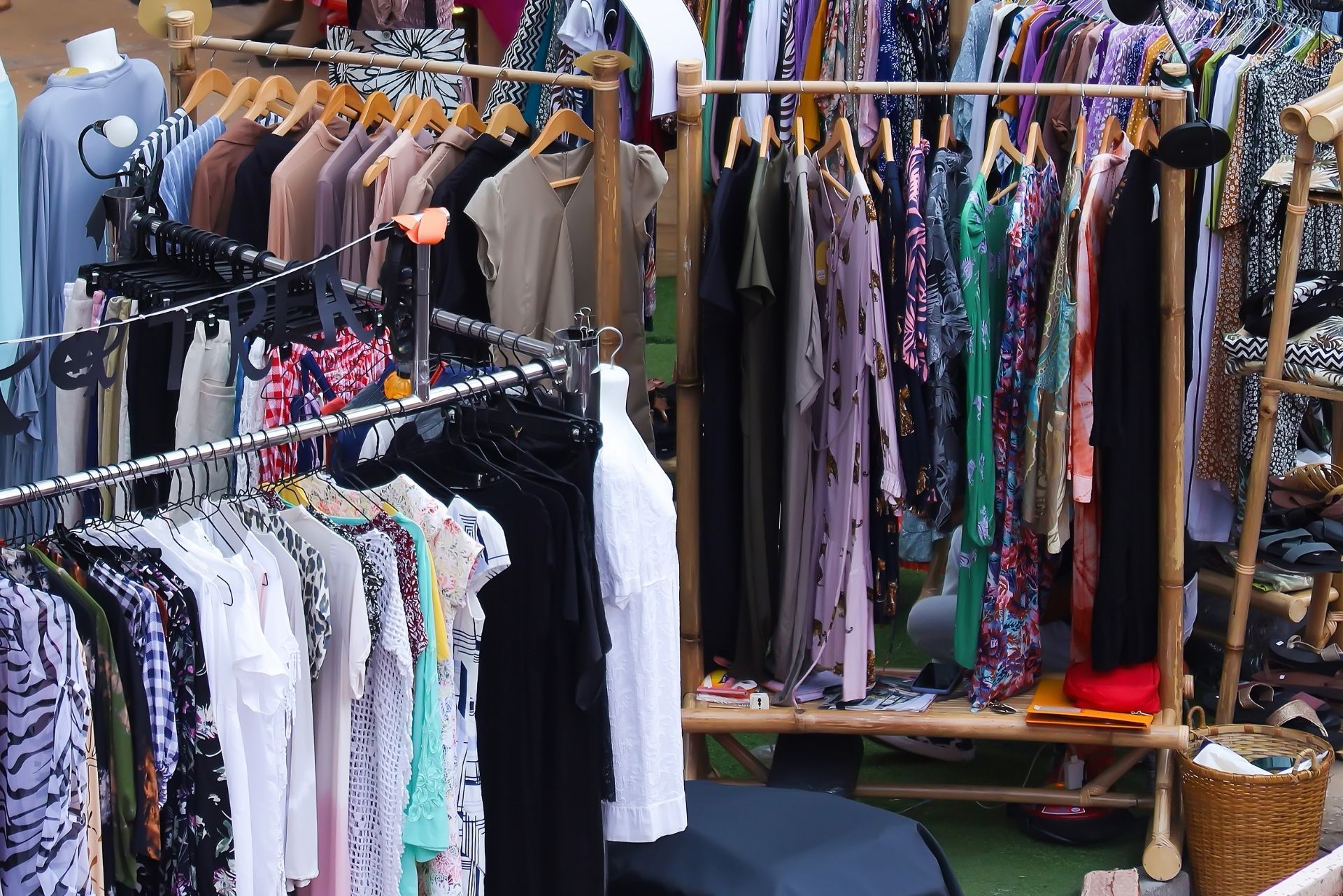
A well-run thrift store in Florida is more than just a donation drop-off point; it is a community hub that supports charity work and provides affordable goods. When unique risks collide with the challenges of Florida’s turbulent weather and ever-shifting regulatory climate, the need for tailored insurance solutions becomes clear. Navigating the insurance market for thrift and charity shops requires an understanding of both the quantitative data and the qualitative insights that drive industry trends. For example, Florida homeowners are paying an average of $5,695 annually for their property insurance on a $300,000 home. While this statistic primarily comes from the residential insurance market, it sheds light on the financial climate that influences risk management across sectors.
Thrift store operators face unique challenges, from managing inventory that includes donated goods to addressing liabilities unique to charitable activities. Understanding the key aspects of insurance coverage for these businesses is essential. This article demystifies the intricacies of insurance for thrift stores and charity shops in Florida, highlighting the latest legislative trends, market conditions, and expert insights.
By going beyond conventional insurance policies, thrift store owners can align their risk management strategies with the unique demands of operating in Florida.
Understanding the Unique Risks for Florida Thrift Stores
Florida’s diverse environment brings hazards that impact both residential and business insurance. For thrift stores, common risks include property damage from hurricanes and floods, theft, and liability claims stemming from customer interactions. Unlike conventional retail outlets, thrift stores often have limited budgets and inventory challenges that require more adaptive insurance solutions.
Legislative reforms in recent years have aimed to stabilize the insurance market. According to industry experts like Mark Friedlander from the Insurance Information Institute, legislative changes have curbed legal system abuse, creating a more stable backdrop for insurers and policyholders alike. These reforms play a crucial role for small business owners, including those operating thrift stores, who now find themselves benefiting from a more predictable legal environment. Read more about these shifts
here.
Why Thrift Stores Need Specialized Insurance
Thrift store insurance is not a one-size-fits-all solution. These shops often operate on tight margins and rely on donations from the community, making it critical to safeguard both the physical premises and the unique inventory items. Unlike traditional retailers, thrift store stock may include a mix of high-value antiques and everyday household items, requiring careful appraisal and underwriting expertise.
Liability issues in thrift stores can be challenging due to the nature of donated goods. Items may have undisclosed defects or potential hazards, and any resulting injury or property damage can trigger expensive lawsuits. Specialized insurance policies designed for thrift stores address these risks more comprehensively than standard commercial policies.
Furthermore, while many small business owners, including large segments of thrift store operators, are increasingly turning to online business insurance options-over 60% according to WFTV-the physical risks in Florida still require in-person property and liability components. Designing a robust insurance package that includes both virtual and on-site risks is key to protecting the overall business.
Legislative Reforms and Market Dynamics in Florida
Recent data shows that the landscape of property insurance has been shifting dramatically in Florida. Studies report that premiums have increased by 72% over the last five years with a 400% rise in the number of homeowners unable to obtain coverage through private insurers (ValuePenguin). Although this data pertains to residential insurance, similar market forces affect commercial policies for thrift stores. High premium rates create pressure on small businesses, forcing many to look for alternative coverage options.
At the same time, legislative changes intended to combat fraud and abuse in the legal system have begun stabilizing the property/casualty market in the state. Recent reforms have led to improvements, not only for homeowners but for small business owners as well. Knowing these regulatory shifts is critical since it may affect both the availability of coverage and the terms on which policies are offered.
The legal environment is particularly important for thrift stores given the higher risk of claims denial. For instance, nearly 13 percent of Florida homeowners whose claims were denied sued their insurance companies in 2024, a slight increase from 12.4 percent in 2022 (The Washington Post). This trend underscores the importance of having clear, comprehensive policies for business owners to avoid litigation pitfalls.

Risk Management Strategies for Thrift and Charity Shops
Operational risk management for thrift stores can be divided into two main areas: mitigating physical loss and managing liability exposure. The first step is adopting robust safety measures that protect the physical premises, including installing adequate security systems, fire prevention devices, and storm-resistant infrastructure where possible.
For many thrift store owners, reviewing and updating their insurance policies annually is essential. Items donated may vary in condition and value, so continuous reappraisal can help in managing potential claims effectively. This approach often involves working closely with insurance brokers who understand the nuances of community-based retail.
Managing liability exposure takes on extra urgency in environments where consumer interaction is high. Developing clear policies for staff, maintaining a safe shopping environment, and ensuring proper display techniques can help mitigate risks. By proactively addressing these challenges, thrift store operators can reduce the frequency and severity of claims, making them attractive to insurers.
Inventory and Donation Screening
One of the specific challenges of thrift store management is the handling and screening of donated goods. Although donations are often a boon to the bottom line, they can also introduce liability issues if items are defective or potentially dangerous. Insurance policies designed for thrift stores may include provisions for covering undisclosed defects or liability claims arising from donations.
Screening donated goods carefully and documenting the process creates a tangible record that can be useful in mitigating risk. Adequate precautions here can help reduce the likelihood of expensive claims. This proactive approach to inventory risk management is essential in sustaining financial health.
Detailed record-keeping coupled with professional appraisal services can further bolster the reliability of inventory valuations, ensuring that any potential claim is processed fairly and quickly.
Employee Training and Customer Safety Programs
Training programs are a key component of risk mitigation in thrift stores. Employees who are well-versed in identifying hazards, safely handling merchandise, and managing customer interactions can dramatically reduce the risk of in-store incidents. Regular staff training should include emergency procedures for natural disasters, common safety protocols for handling fragile or potentially hazardous donations, and proper documentation techniques.
Customer safety measures, such as monitoring store layouts to avoid slip-and-fall hazards and clearly marking areas with fragile merchandise, can also contribute to lower liability risks. These practices not only protect the business but directly influence the terms and costs of insurance coverage for the store.
A comprehensive risk management plan that includes employee training and customer safety will positively impact the likelihood of claim disputes. Such measures invite confidence from insurers who are then more inclined to offer stable and possibly lower rates.
How Florida’s Insurance Trends Affect Thrift Stores
Although much of the discussion about rising premiums focuses on homeowners, the ripple effects extend to commercial entities, including thrift stores. With property insurance premiums increasing significantly, thrift store operators must brace for similar dynamics when negotiating their policies. The rising premiums observed for homeowner insurance-averaging around $5,695 annually on a $300,000 home (Bankrate)-highlight a broader trend in the market.
Thrift store owners might see these increased rates reflected in their overhead costs as insurance carriers account for an elevated risk profile. The data suggests that as premium costs climb, it becomes ever more essential for thrift stores to have policies that are both comprehensive and cost-effective.
In addition to premium increases, statistical insights reveal that over 40% of property claims in Florida are closed with no payment (Weiss Ratings). For thrift stores, this could translate to a more scrutinizing claims process and even stricter underwriting conditions. Addressing these factors head-on through proactive risk management can help balance the scales.
Comparing Insurance Options for Thrift Stores
When selecting insurance, thrift store owners should consider coverage options that address both common and unique risks. Traditional property insurance may provide a baseline of protection, but specialized policies are often better suited for the nuances of charitable retail operations. The following table offers a side-by-side comparison of standard commercial property insurance versus tailored thrift store insurance.
| Coverage Aspect | Standard Commercial Policy | Tailored Thrift Store Policy |
|---|---|---|
| Property Damage | Typically covers standard physical damages | Includes damage to donated goods, specialized inventory valuation |
| Liability Claims | Provides basic liability protection | Enhanced coverage for product liability from donated items |
| Weather Events | May require endorsements for natural disasters | Often includes broader coverage for hurricane and flood risks |
| Inventory Management | General coverage for items in stock | Custom options for varied inventory types including antiques and bulk donations |
| Legal and Claims Assistance | Standard support available | Advanced claims support with understanding of legal reforms unique to Florida (ValuePenguin) |
This comparison chart illustrates that tailored insurance policies can provide a far better fit for the operational realities of thrift stores in Florida. The enhanced aspects, particularly regarding inventory management and liability, are crucial when mitigating risks that come with handling diverse, donated goods.
Given these factors, it is advisable for thrift store managers to work with insurance brokers who specialize in niche markets. They can help navigate the complexities and ensure that coverage adapts over time as risks evolve.
Implications of Self-Insurance and Claim Denials
The idea of self-insurance might seem appealing to thrift store operators looking to cut costs. However, recent expert insights caution against this approach. Mark Friedlander of the Insurance Information Institute noted that some homeowners who self-insured regretted their decision, often unable to rebuild or adequately recover after loss events (FLTort Reform). While this example comes from the homeowners’ domain, the risk extends to any business attempting to shoulder risk without external coverage.
For thrift stores, a claim denial can be devastating, particularly when the business operates on slim margins. The trend in Florida toward more claim denials-with 40.3% of property claims closed without payment as reported by Weiss Ratings-should not be taken lightly. The potential for unresolved claims pushes the argument in favor of comprehensive, externally managed insurance policies.
While some operators might attempt to self-insure to reduce upfront premiums, the long-term financial risk and potential for catastrophic loss events usually far outweigh the immediate savings. Engaging with certified insurance professionals to navigate these complexities remains the safest approach.
Choosing the Right Insurance Provider for Your Thrift Store
When selecting an insurance provider, thrift store owners should look beyond the advertised premiums. The depth of coverage, claims support, and an understanding of niche needs are paramount. Providers with a history of handling complex claims and adapting policies in response to Florida’s evolving legal landscape should be top priorities.
The experience of providers who understand the challenges unique to charitable and donated inventory is invaluable. A responsive provider will offer customization options that fit the shop’s specific risk profile. For instance, businesses in Florida have begun to benefit from legislative changes that have curbed legal system abuse, thereby providing a more stable market for insurers (The Washington Post).
Reputation, customer service, and the ability to offer flexible terms should be key factors in the decision-making process. A provider’s willingness to work on update schedules and incorporate evolving inventory assessments adds significant value to the overall insurance package.
Best Practices for Long-Term Financial Stability
Long-term stability in the thrift store business depends on proper risk mitigation and strategic insurance planning. It is crucial for business owners to periodically review their policies, seek professional risk assessments, and stay updated with industry best practices. As the insurance market in Florida continues to fluctuate, staying informed is a powerful tool.
Some best practices include dedicating resources to inventory documentation, regularly reviewing past claims, and establishing relationships with local insurance experts who can provide timely advice. This proactive engagement allows for continuous improvement of risk strategies.
Additionally, coupling community outreach with internal risk management training for employees can build a strong, safety-conscious environment. A steady track record of risk management measures not only lowers the threat of potential claims but may also result in more favorable premium adjustments during policy renewals.
Documentation and Record Keeping
For thrift stores, maintaining precise records of inventory, donation sources, and transaction details is vital. Such detailed documentation not only helps in day-to-day operations but also supports any claims filed in the event of a loss. Keeping a routine log of maintenance and safety checks further strengthens the case for comprehensive coverage during policy renewals.
This level of diligence not only impresses insurers but also provides a safety net should a claim be disputed. Comprehensive record keeping and systematic documentation often serve as the difference between a smooth claims process and lengthy legal disputes.
Ensuring that internal protocols match the policy’s coverage specifics is key to creating long-term financial stability and operational confidence.
Leveraging Industry Trends and Innovation
The insurance industry is continually evolving, particularly in response to legislative reforms and market dynamics. For example, small business owners increasingly lean toward online options to customize business insurance needs. Innovations in technology have allowed these platforms to offer more flexible solutions specific to niche areas like thrift stores.
Adopting these innovative approaches can aid in reducing administrative burdens while maintaining robust protection. Additionally, trends in customer service and claims management often reflect rapidly shifting market expectations, making it easier for well-prepared business owners to negotiate favorable terms during policy renewals.
As the industry marches forward, thrift store operators who stay abreast of these changes may find new opportunities for insurance optimization that align with both cost management and enhanced protection.
Final Thoughts and Actionable Steps for Thrift Store Operators
Ultimately, insurance for thrift and charity shops in Florida is a multifaceted challenge that extends well beyond simple premium calculations. Thrift store operators must balance the need for strong physical and liability coverage with emerging market realities such as rising premiums and stricter underwriting criteria.
Business owners should continuously reevaluate their risk management strategies, actively engage with specialized insurance brokers, and remain vigilant in their inventory and safety practices. Florida’s market has seen historical trends that demand adaptation, and even areas like homeowners’ policy trends provide valuable insights into what to expect when navigating insurance renewals and claim processes.
By taking a proactive stance, thrift store owners can ensure that their policies offer not only protection but also the flexibility to evolve with changing risks. Before selecting a policy, it is advisable to speak with multiple providers, request detailed policy comparisons, and delve into expert insights such as those offered by Mark Friedlander. These actionable steps can pave the way for sustainable operations in a challenging environment.
Step-by-Step Action Plan
1. Schedule an annual review of current insurance policies with a trusted broker who specializes in niche markets like thrift stores.
2. Create a detailed inventory and risk log, noting all donated items and any potential hazards associated with them.
3. Assess physical security measures by performing regular safety audits and updating systems as necessary.
4. Attend workshops or training sessions that focus on risk management for retail businesses to keep up with industry best practices.
5. Research legislative changes in Florida that impact risk and insurance requirements to stay ahead of market fluctuations.
Next Steps for Securing Optimal Coverage
Once the current risk profile is evaluated, reach out to industry professionals who can offer guidance on customizing policies. This may involve integrating both standard commercial clauses and niche-specific endorsements that better reflect the realities faced by thrift stores.
Comparing options side by side can help highlight the true value of tailored coverages versus generic policies. As market dynamics shift, operators should remain flexible and informed about any changes that may impact both premium costs and claim procedures.
The take-home message for Florida thrift store owners is clear: prioritize comprehensive risk management and stay connected with knowledgeable insurers for long-term peace of mind.
Frequently Asked Questions
Q: What are the main risks that Florida thrift stores face?
A: Thrift stores in Florida contend with risks such as property damage from natural disasters, liability issues related to donated goods, and inventory management challenges.
Q: How does the rising trend in premium increases affect thrift store insurance?
A: The rising premiums seen in the residential market reflect broader market trends, making it essential for thrift stores to secure tailored and comprehensive policies to guard against similar cost increases.
Q: Why is specialized insurance important for charity shops?
A: Specialized insurance addresses the unique mix of donated and retail inventory, providing enhanced liability protection and ensuring that the specific risks associated with charitable activities are covered.
Q: Can online business insurance options fully cover the needs of a brick-and-mortar thrift shop?
A: Online policies can offer flexible solutions, but a brick-and-mortar operation often requires additional coverage for property and physical liabilities that online options may not fully address.
Q: What steps can thrift store owners take to lower their risk profile?
A: Maintaining detailed inventory records, implementing robust security measures, and engaging in regular staff training are effective methods to decrease risk and potentially mitigate premium costs.
Q: How do legislative reforms influence insurance rates for thrift stores?
A: Legislative reforms that curb legal abuse and fraud tend to stabilize the market, which can help moderate premium increases and lead to more predictable claims processes.
Wrapping Things Up
The insurance landscape for thrift and charity shops in Florida is intricate, driven by a combination of rising premiums, changing legal reforms, and the distinct challenges associated with donated inventories. For business owners, the ultimate goal is to strike a balance between cost-effectiveness and comprehensive coverage. When policy adjustments go hand in hand with diligent risk management practices, the overall financial stability of the operation improves significantly.
Insurance coverage that is specifically tailored for thrift stores offers significant advantages over generic policies. These policies address unique risks common in Florida, including elevated claims denial rates and the volatility brought on by unpredictable market conditions. By keeping abreast of legislative reforms and working with specialized brokers, thrift store operators can secure policies that evolve with their business needs.
The evolving dynamics of Florida’s insurance market suggest that there is a growing emphasis on comprehensive, customizable coverage options. With significant external pressures such as a reported average annual cost of nearly $5,695 for a $300,000 home and notable trends in claim denials (Bankrate), understanding these pressures is key for any business. Staying proactive in risk management and policy updates will empower thrift store owners to navigate challenges and protect their communities effectively.
Final Reflections
Thrift stores and charity shops are vital parts of Florida's community. Their unique operational models require equally unique insurance products that reflect both the inherent risks and the public service they provide. By leveraging specialized insurance policies, employing clear risk management strategies, and staying informed about market trends, business owners can create a safeguard that not only protects their financial interests but also supports the broader community mission.
Insurance for thrift stores is more than a financial tool; it is a critical component of sustainable community service. The journey toward the right coverage starts with understanding the market forces, reviewing internal practices, and choosing the right partners in risk management. With this foundation, Florida thrift store operators can confidently face the future, ensuring that their doors remain open to serve those in need.
For those considering a policy switch or needing guidance on coverage adjustments, connecting with industry professionals who specialize in the retail and charitable segments can reveal new cost-saving opportunities and innovative risk solutions. Armed with expert insights and tailored information, successful thrift stores are poised to thrive in Florida's dynamic insurance market.
ABOUT THE AUTHOR: PAUL RAMENTOL
I am the Owner and President of Mesa Insurance Agency. I help individuals and business owners across Florida secure personal and business insurance coverage that supports their needs. My focus is on clear guidance, direct communication, and long-term support without call-center delays or confusion.
Contact Us

Personal Coverage Options
Insurance Built for Everyday Protection
Mesa Insurance Agency provides personal insurance coverage designed to support daily life. Our team reviews risks and coverage needs to help clients secure dependable protection at fair rates.
Dental & Vision Insurance
Coverage that helps manage routine dental and vision care costs.

Business Coverage Options
Insurance Built for Business Protection
Mesa Insurance Agency provides business insurance coverage that helps protect operations, employees, and property. We work with multiple carriers to offer coverage options that support daily business activities and long-term stability.
Commercial Auto Insurance
Coverage for business-owned vehicles, drivers, and accident-related liability exposure.
General Liability Insurance
Protection against third-party injury, property damage, and common business liability risks.
Professional Liability Insurance
Coverage for claims related to professional services, advice, or service errors.
Workers’ Compensation Insurance
Coverage that helps support employees with work-related injuries and medical costs.
Commercial Property Insurance
Protection for buildings, equipment, inventory, and physical business assets.
Errors & Omissions Insurance
Coverage for financial losses caused by mistakes, omissions, or service-related claims.
Industries We Serve
Serving Businesses Across Multiple Sectors
Mesa Insurance Agency works with business owners across Florida to provide insurance coverage that supports daily operations. We understand common risks faced by different industries and help clients secure reliable protection.

Construction and Trades Insurance
Coverage for job sites, vehicles, tools, and workplace risks.
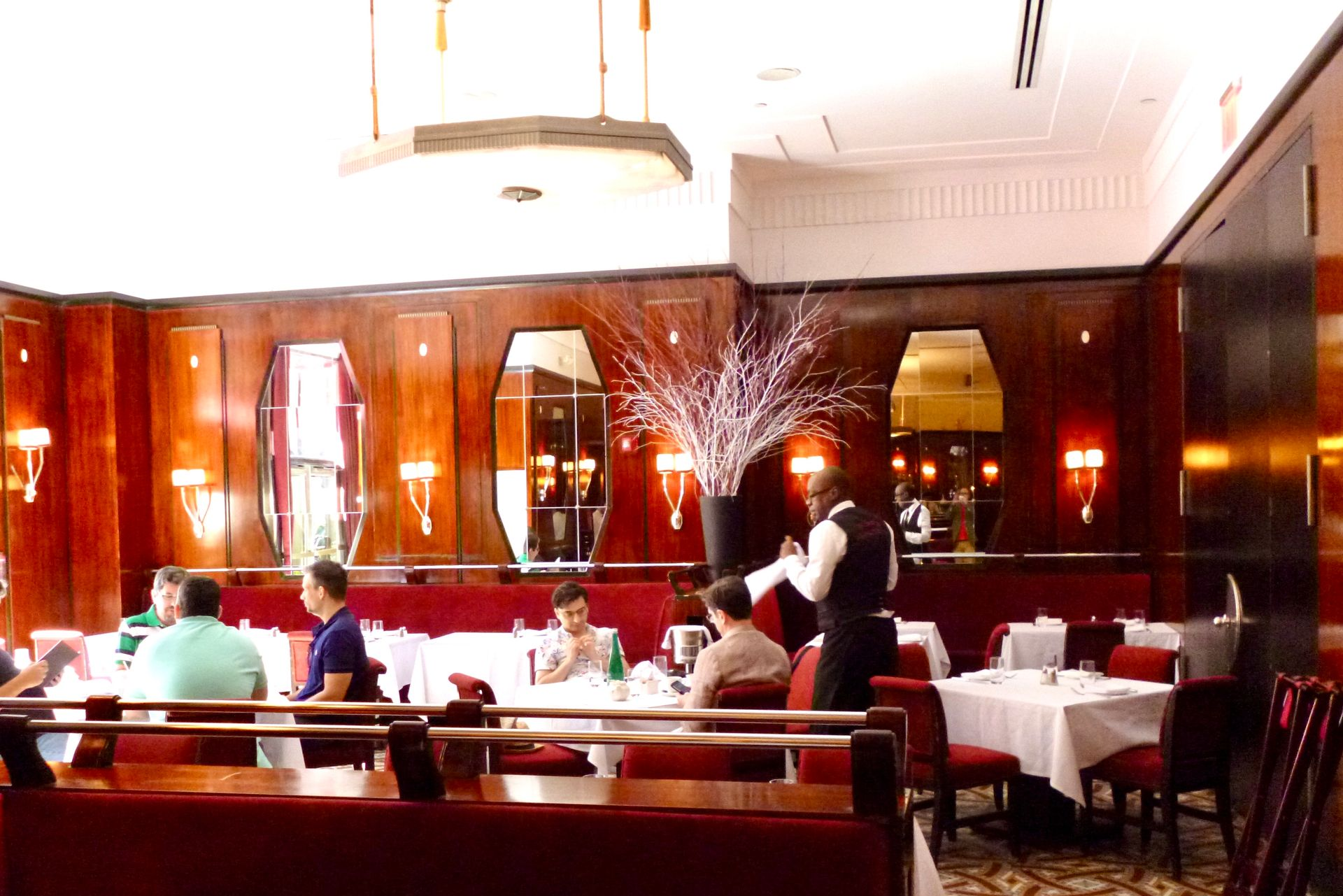
Hospitality Businesses Insurance
Insurance for restaurants, bars, and service-based operations.
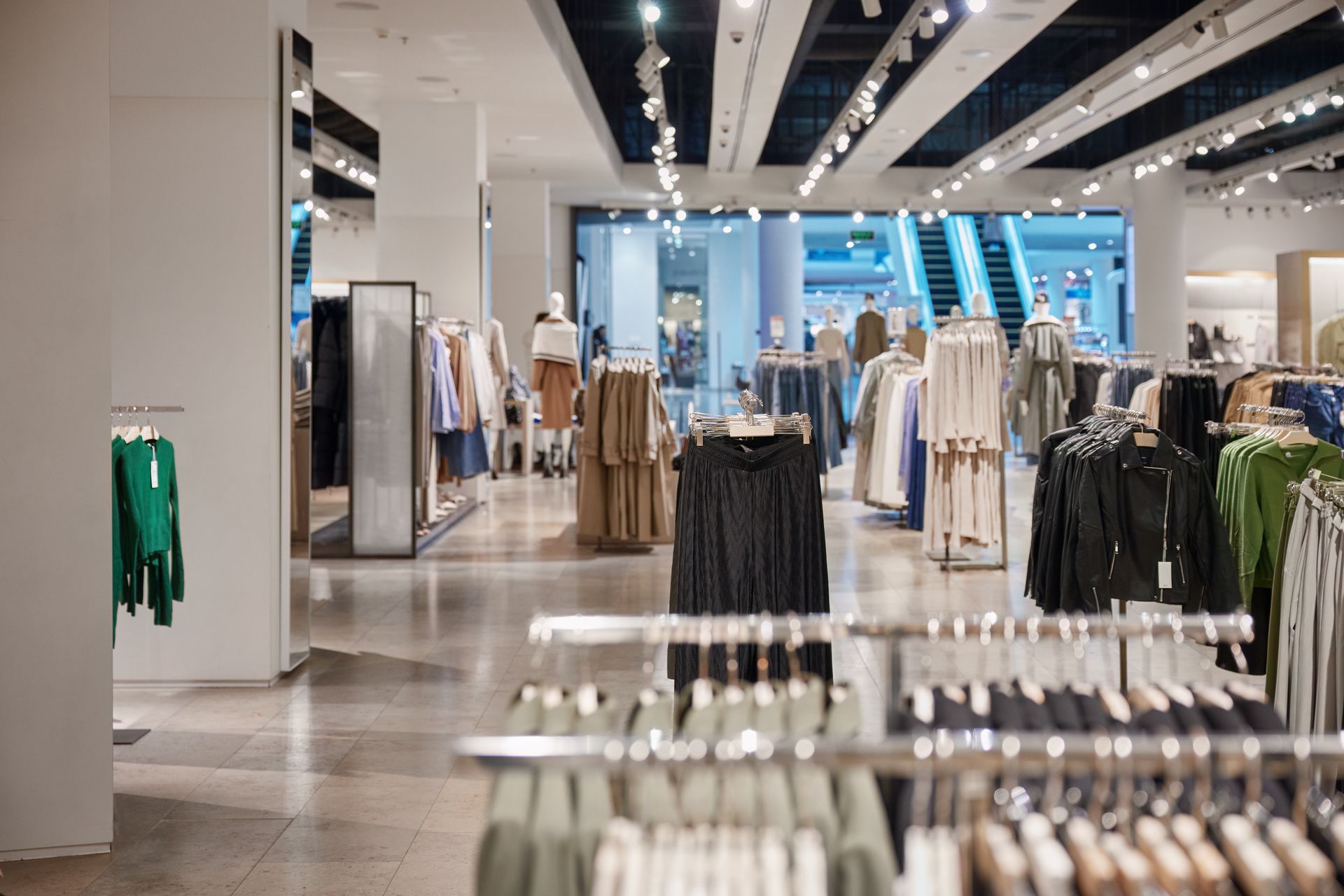
Retail and
Commercial Properties
Protection for storefronts, inventory, and customer-related liability.
Our Approach
Insurance Made Easy to Understand
Mesa Insurance Agency provides business insurance coverage that helps protect operations, employees, and property. We work with multiple carriers to offer coverage options that support daily business activities and long-term stability.
Insurance FAQs
Helpful Answers for Florida Clients
Support you can rely on.

What makes Mesa Insurance Agency different?
We are an independent agency with access to multiple carriers. This allows us to offer flexible coverage options.
Clients work directly with licensed agents. Service continues beyond the policy start date.
Do you offer coverage for individuals and families?
Yes. We provide personal insurance for individuals and families across Florida.
Coverage includes auto, home, health, life, and flood insurance. Our team explains each option clearly.
Do you work with small and mid-sized businesses?
Yes. We work with businesses of many sizes and industries.
Our team helps identify risks and secure appropriate coverage. Ongoing service is included.
Can I make changes to my policy later?
Yes. Policies can be updated as needs change.
We assist with coverage adjustments, additions, and removals. Clients can contact us directly for help.
Is flood insurance required in Florida?
Flood insurance is not always required, but it is strongly recommended in many areas.
Standard home insurance does not cover flood damage. Our team can review your flood risk and options.
How do I contact your office?
You can contact us by phone, email, or through our website.
Our team responds promptly during business hours. Support is always available when needed.
From the Blog
Insurance Topics That Matter
Clear answers for common questions.






Client Reviews
Trusted by Clients Across Florida
Mesa Insurance Agency is proud to serve individuals and businesses throughout Florida. Clients choose us for clear communication, responsive service, and reliable insurance support. Their feedback reflects our focus on long-term relationships and consistent service.
Contact Us