A bustling restaurant in Florida isn’t just a culinary haven-it’s a business that faces unique insurance risks. With evolving regulations, rising reinsurance costs, and shifting market dynamics, restaurant owners in the Sunshine State must navigate a complex insurance landscape. Recent industry shifts, such as the 207 million-dollar underwriting profit reported by Florida-domiciled personal property insurers in 2024 (Active Property Care), underscore the volatility and opportunities within the insurance market.
This guide lays out essential considerations for Florida restaurant owners as they evaluate their insurance coverage. From understanding the impact of reinsurance costs to addressing liability risks and extreme weather scenarios, every aspect is crucial for safeguarding a restaurant business. Restaurant insurance is not just a regulatory tick-box; it is an investment in long-term stability.
Understanding the Florida Insurance Environment
Managing a restaurant in Florida means contending with a state where insurance challenges are as diverse as the population. Recent legislation, including a bill signed by Governor Ron DeSantis in March 2023 aimed at curbing frivolous lawsuits (The Washington Post), reflects ongoing efforts to stabilize insurance rates despite turbulent market conditions.
The interplay between increased reinsurance costs and legislative measures creates a dynamic environment for insurers. Experts like Locke Burt, CEO of Security First Insurance, have noted that escalating reinsurance expenses are a major contributor to rising premiums (Insurance News Net). This environment means that restaurant owners must approach insurance planning with both caution and insight.
When reviewing policies, restaurant owners in Florida need to pay close attention to the impact of these cost pressures. Understanding the insurance market’s current trajectory can help in making informed decisions while negotiating terms with providers.
Key Coverage Needs for Florida Restaurants
Restaurants face a range of risks, from property damage and business interruption to liability claims. Given Florida's unique weather patterns and legal landscape, insurance policies should be tailored to meet these specific challenges. One glaring concern is the increasing threat of extreme weather-not only affecting residential properties but also the restaurant industry. In 2024, a study revealed that 38% of U.S. restaurant owners did not carry insurance coverage for extreme weather conditions (WFTV), leaving many vulnerable to loss.
In designing a comprehensive insurance package, restaurant owners should consider coverage for:
- Property damage from fires, storms, and accidental breakages.
- Business interruption, which covers loss of income during periods of repair or recovery.
- General liability, addressing potential claims from customers or vendors.
- Workers’ compensation for employees who might be injured on the job.
- Equipment breakdown, ensuring that costly kitchen equipment is protected.
Each component of coverage plays a critical role in cushioning the financial blow during unexpected events. Given that restaurant operations are expensive to resume after a disruption, ensuring robust coverage can be the difference between a temporary setback and permanent closure.
The stark reality for many insurers in Florida has been the dramatic rise in reinsurance costs. As noted by Brian Murphy, owner of The Murphy Agency, reinsurance claims can take between 30% and 50% of every premium dollar (Insurance News Net). This factor is now an integral consideration in how insurers price risk, and by extension, the premiums that restaurant owners face.
Understanding how reinsurance works is important for restaurant owners. In simple terms, reinsurance is insurance for insurance companies. Insurers purchase it to mitigate their own risk, protecting them from catastrophic losses that might arise from extreme events like hurricanes or widespread claims. The high cost of reinsurance in Florida can signal tighter margins for insurance providers, which may translate to increased costs for policyholders.
This is not just an abstract challenge for insurers-it has a real impact on the insured. When reinsurance eats a larger slice out of every premium dollar, the overall cost of maintaining robust coverage rises. Given the volatility of the reinsurance market in Florida, restaurant owners might see fluctuating premiums and should regularly review and renegotiate their policies to ensure they are getting value for their money.
Risk Management Strategies for Restaurant Owners
Implementing effective risk management practices can reduce a restaurant's reliance on insurance claims while potentially lowering premium costs. Establishing protocols to address common hazards is a proactive step. Regular safety training for employees, routine equipment maintenance, and emergency preparedness drills can help mitigate risks.
Small operational adjustments, such as improving fire safety standards or enhancing security measures, can lead to fewer claims and a better risk profile overall. Insurance providers appreciate proactive businesses that invest in safety and often reward them with lower premiums. When restaurants invest in risk management, it benefits both the business and the insurer.
Additionally, documenting these risk management practices is crucial. Should disputes arise regarding claims or policy terms, having clear records can provide evidence of due diligence and support in legal or regulatory discussions.
Special Considerations for Coverage in Extreme Weather
Florida's climate is known for sudden, dramatic changes and severe weather events. For restaurant owners, extreme weather insurance is not optional-it is a necessity. With the growing impact of climate change, extreme weather events have become more common, intensifying the risk to business operations.
A recent study highlighted that in 2024, a significant portion of restaurant owners were without insurance for extreme weather (WFTV). This gap in coverage can expose businesses to catastrophic financial losses during events like hurricanes, hail storms, or flash floods. Policies specifically addressing these risks help cover property damage, loss of income, and even recovery and rebuilding costs.
Restaurant owners should scrutinize the fine print of their policies to confirm that coverage for extreme weather events is included. Often, the default policies may have exclusions that need to be addressed through endorsements. When in doubt, consulting with a broker who understands local risks can clarify coverage terms and suggest the most protective options for a restaurant business in Florida.
Legal Landscape and Its Impact on Insurance Claims
The legal environment in Florida has a direct impact on the restaurant insurance market. Efforts to reduce frivolous lawsuits, as seen in the recent legislation signed by Florida’s governor (The Washington Post), are part of broader strategies to control rising premiums. Lawsuits, particularly those arising from denied claims, have a significant influence on insurer behavior and pricing policies.
A study found that nearly 13% of Florida homeowners whose claims were denied ended up suing their insurance company in 2024 (The Washington Post). Although this statistic focuses on homeowners, it provides insight into the litigious environment that can spill over to commercial sectors, including restaurants. The potential for litigation makes it critical for restaurant owners to understand policy details, exclusions, and dispute resolution mechanisms.
Restaurant owners should work with legal and insurance professionals who can help interpret policy language and ensure that their coverage not only matches the operational risks but also provides clear pathways for resolving disputes. Legal counsel familiar with Florida’s insurance landscape can be an invaluable resource in this regard.
Insurance Costs Versus Industry Growth
Despite the challenges with soaring insurance costs, the restaurant industry in Florida continues to show strong growth prospects. According to the National Restaurant Association's 2025 State of the Market report, the industry is projected to see sales of $1.5 trillion and an employment boost that adds more than 200,000 new jobs (Insurance Journal). A thriving industry naturally attracts more competitors and, in some cases, drives the need for even more comprehensive coverage.
The rapid growth in restaurant sales coupled with rising wages and operational costs forces insurance providers to revisit their risk assessments. Higher revenues can cushion the impact of higher premiums, but building owners must remain vigilant. Operating in an expanding market does not eliminate risk-it merely shifts the focus to ensuring that growth is supported by solid risk management and adequate insurance coverage.
This balance between cost and coverage can often be a juggling act. Business owners must evaluate if the premium cost aligns with the expected benefit of the coverage provided. Engaging in cost-benefit analyses through consultations with insurance experts can lead to more tailored approaches that match evolving business needs.
Comparing Coverage Options for Florida Restaurants
A side-by-side comparison of a basic policy and an extended insurance package reveals noticeable differences in scope and cost. Restaurant owners must consider factors ranging from liability limits and deductibles to specialty coverage items such as equipment breakdown and weather-related damage.
Below is a simplified table comparing basic and extended coverage options:
| Coverage Type | Basic Policy | Extended Policy | |
|---|---|---|---|
| Property Damage | Limited to fire and theft | Includes fire, theft, and extreme weather | |
| Business Interruption | Limited coverage duration | Extended payout during recovery | |
| General Liability | Standard limits | Higher limits with legal defense coverage | |
| Equipment Breakdown | May not be included | Often included as standard | |
| Workers’ Compensation | Mandatory state minimum | Enhanced coverage options |
Using a table like this can help restaurant owners quickly assess whether a policy meets their specific needs. A clear understanding of what each level of coverage provides assists in balancing risk management with budget constraints.
The decision between basic and extended coverage options depends on several factors, including the size of the restaurant, local risks, and the strategic goals of the business. Consulting with an insurance broker who understands the nuances of Florida’s market can further refine this decision.
Impact of Industry-Specific Claims on Policy Premiums
Insurance companies monitor claims in the food service sector closely. For instance, the Food Liability Insurance Program noted that in 2023, the most common claim type among food industry operators was related to auto or trailer incidents, making up 28% of all claims (Gourmet News). While this may seem unrelated to the day-to-day operations inside a restaurant, it affects overall risk calculations and policy pricing.
This statistic underscores that risks extend beyond customers and employees to include logistics and transportation elements. Restaurants that rely on deliveries or event catering might face unique challenges that require specialty riders or endorsements on their standard insurance policies. An enhanced understanding of these industry-specific trends aids business owners in requesting the right modifications to their coverage.
Not every policy is one-size-fits-all. Customizing a policy to account for the most common types of claims can result in more efficient risk mitigation while potentially lowering long-term premium increases. Detailed knowledge of claim trends can empower restaurant owners to negotiate better terms with their insurance providers.
Tips for Finding the Right Insurance Broker
Choosing the right insurance broker can make a significant difference in securing the appropriate coverage for a restaurant. Given the complexity of the market, a knowledgeable broker helps navigate the intricacies of policy language, risk exposures, and legislative impacts. A trusted broker will work with restaurant owners to identify coverage gaps and negotiate competitive rates.
In an environment where reinsurance costs can consume almost half of premium dollars (Insurance News Net), leveraging an expert’s insights becomes vital. The right advice can lead to more comprehensive and cost-effective coverage, ensuring that every aspect of the restaurant is protected from unforeseen events.
When evaluating brokers, it is key to review credentials, seek references from fellow restaurant owners, and compare service quality. The best brokers provide clear, actionable advice without overselling unnecessary coverage. Their expertise often extends beyond policy terms to include risk management best practices tailored for the demanding food service industry.
Strategies to Lower Premium Costs
Restaurant owners can adopt several strategies to manage and even lower insurance premium costs. First, investing in robust safety and risk management practices can lead to discounts and fewer claims over time. Detailed records of safety audits and staff training sessions enhance a restaurant’s risk profile, potentially influencing the cost of premiums in a positive way.
Another strategy is to periodically review and compare policies. As industry conditions change-such as when Florida insurers recorded an underwriting profit on a $207 million scale-policy terms might also shift (Active Property Care). Renegotiation or bundling policies can lead to savings without sacrificing necessary coverage.
Additionally, involvement in industry associations or cooperative groups can sometimes offer group insurance discounts. Restaurant owners should not hesitate to ask providers about all available options, from deductibles and premium splits to packaging discounts that combine multiple coverage types. Each adjustment, though seemingly small, may contribute significantly to reducing overall costs in the long run.
Understanding Policy Exclusions and Limitations
No policy is comprehensive without understanding its exclusions and limitations. For Florida restaurants, where weather extremes and legal battles are common, reading between the lines is crucial. Policy documents can carry hidden conditions where certain risks, like specific weather events or equipment malfunctions, might be either excluded or require additional endorsements.
Business owners should ask clear questions regarding scenarios that are most relevant to their operations. For instance, if a restaurant is situated in a coastal area prone to hurricanes, verifying the extent of weather-related exclusions is especially important. Overlooking these details can lead to significant out-of-pocket expenses during a crisis.
Consulting with professionals who understand both the legal and operational nuances of the insurance market can lend clarity. Legal and insurance experts can break down complex policy language into manageable takeaways that inform better decision-making. This diligence ensures that no critical detail is overlooked, and the coverage provided precisely matches the business’s risk profile.
Preparing for a Claim: Tips for a Smooth Process
A well-prepared claim process can mitigate the hassle and financial strain during unforseen events. Documenting evidence of damage, safeguarding receipts, and maintaining detailed records of risk management measures create a supportive environment when filing a claim. Efficient coordination with insurers often starts with clear, organized records.
For restaurant owners, having a plan for filing claims in the wake of disruptions-whether from extreme weather or equipment failure-is vital. Developing an internal guide that outlines each step of the process, from initial damage documentation to follow-up communication, can reduce delays and lead to more favorable outcomes.
Many insurance policies contain clauses that require prompt notice of claims. Therefore, understanding these deadlines and complying with all documentation requirements is beneficial. Efficient claims handling not only speeds recovery but can also qualify the business for reduced future premiums if claims are managed well over time.
Frequently Asked Questions
Q: Does a standard restaurant insurance policy cover extreme weather events?
A: Standard policies may have limited coverage for extreme weather. It is important to verify if your policy includes such coverage or if additional endorsements are required, as gaps can expose your business to significant risks.
Q: How do reinsurance costs affect my restaurant insurance premium?
A: The cost of reinsurance, which can take up 30% to 50% of each premium dollar, indirectly increases overall premium costs. This means staying proactive with risk management is key to lowering long-term expenses.
Q: What should I do if my claim is denied?
A: If a claim is denied, review the policy language carefully and document any discrepancies. Given that nearly 13% of denied claims in Florida led to lawsuits, consulting with legal and insurance professionals can help address the issue promptly.
Q: Can I bundle my restaurant insurance with other policies for a discount?
A: Yes, many providers offer bundling discounts for multiple policies, such as general liability, property, and equipment coverage. Always compare options and work with a knowledgeable broker to maximize savings.
Q: How can I ensure that my policy keeps up with my growing business?
A: Regularly review your policy with your broker to adjust coverage as your business expands. Monitoring changes in both the industry and your operational risk can help you identify when updates are necessary.
Q: Are there any industry-specific risks that could impact my coverage?
A: Yes, restaurant-specific risks such as auto or trailer claims have been noted as prevalent in the food industry. It is important to discuss these specifics with your provider to ensure tailored coverage that suits your operation’s unique profile.
Final Thoughts for Florida Restaurant Owners
Securing comprehensive and cost-effective insurance is a critical component of operating a successful restaurant in Florida. A dynamic combination of legislative impacts, market trends, and unique environmental risks defines the local insurance landscape. With changes such as increased reinsurance costs and evolving legal frameworks, vigilant management of both policy details and risk management practices is essential.
Restaurant owners who take a proactive stance on understanding their coverage, refining their risk management strategies, and engaging with knowledgeable brokers are best positioned to succeed even when faced with unpredictability. In an industry that is growing-projected to reach $1.5 trillion in sales and add over 200,000 jobs (Insurance Journal)-the right insurance strategy can safeguard both daily operations and long-term growth.
As Florida’s insurance market continues to adapt to new challenges, restaurant owners are advised to stay informed, remain flexible in their insurance planning, and regularly update policies to reflect the current operating environment. Ultimately, prudence today paves the way for a more resilient and thriving business tomorrow. For those seeking further guidance, consulting industry experts and legal professionals can provide tailored insight to secure a robust insurance solution.
ABOUT THE AUTHOR: PAUL RAMENTOL
I am the Owner and President of Mesa Insurance Agency. I help individuals and business owners across Florida secure personal and business insurance coverage that supports their needs. My focus is on clear guidance, direct communication, and long-term support without call-center delays or confusion.
Contact Us

Personal Coverage Options
Insurance Built for Everyday Protection
Mesa Insurance Agency provides personal insurance coverage designed to support daily life. Our team reviews risks and coverage needs to help clients secure dependable protection at fair rates.
Dental & Vision Insurance
Coverage that helps manage routine dental and vision care costs.

Business Coverage Options
Insurance Built for Business Protection
Mesa Insurance Agency provides business insurance coverage that helps protect operations, employees, and property. We work with multiple carriers to offer coverage options that support daily business activities and long-term stability.
Commercial Auto Insurance
Coverage for business-owned vehicles, drivers, and accident-related liability exposure.
General Liability Insurance
Protection against third-party injury, property damage, and common business liability risks.
Professional Liability Insurance
Coverage for claims related to professional services, advice, or service errors.
Workers’ Compensation Insurance
Coverage that helps support employees with work-related injuries and medical costs.
Commercial Property Insurance
Protection for buildings, equipment, inventory, and physical business assets.
Errors & Omissions Insurance
Coverage for financial losses caused by mistakes, omissions, or service-related claims.
Industries We Serve
Serving Businesses Across Multiple Sectors
Mesa Insurance Agency works with business owners across Florida to provide insurance coverage that supports daily operations. We understand common risks faced by different industries and help clients secure reliable protection.

Construction and Trades Insurance
Coverage for job sites, vehicles, tools, and workplace risks.
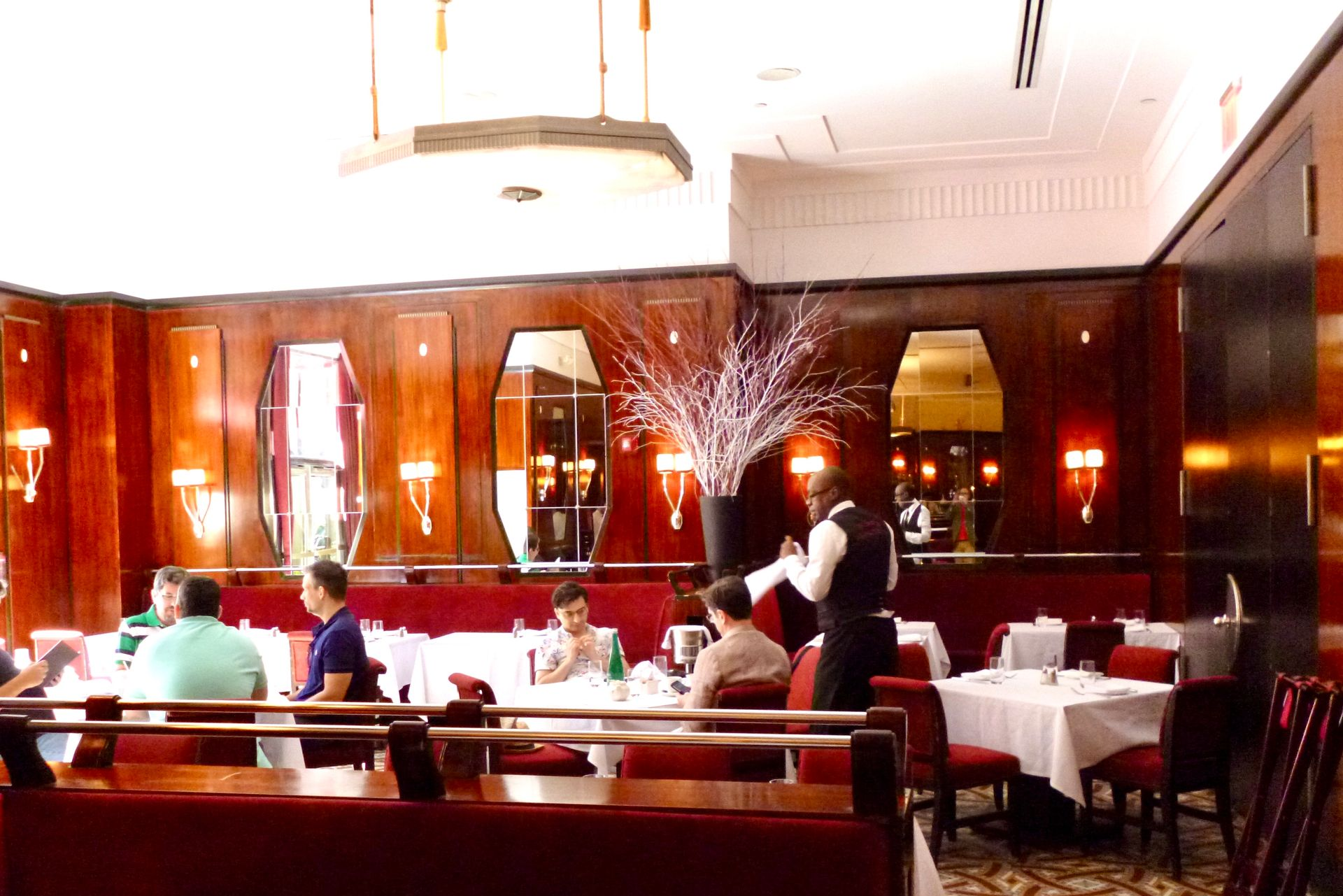
Hospitality Businesses Insurance
Insurance for restaurants, bars, and service-based operations.
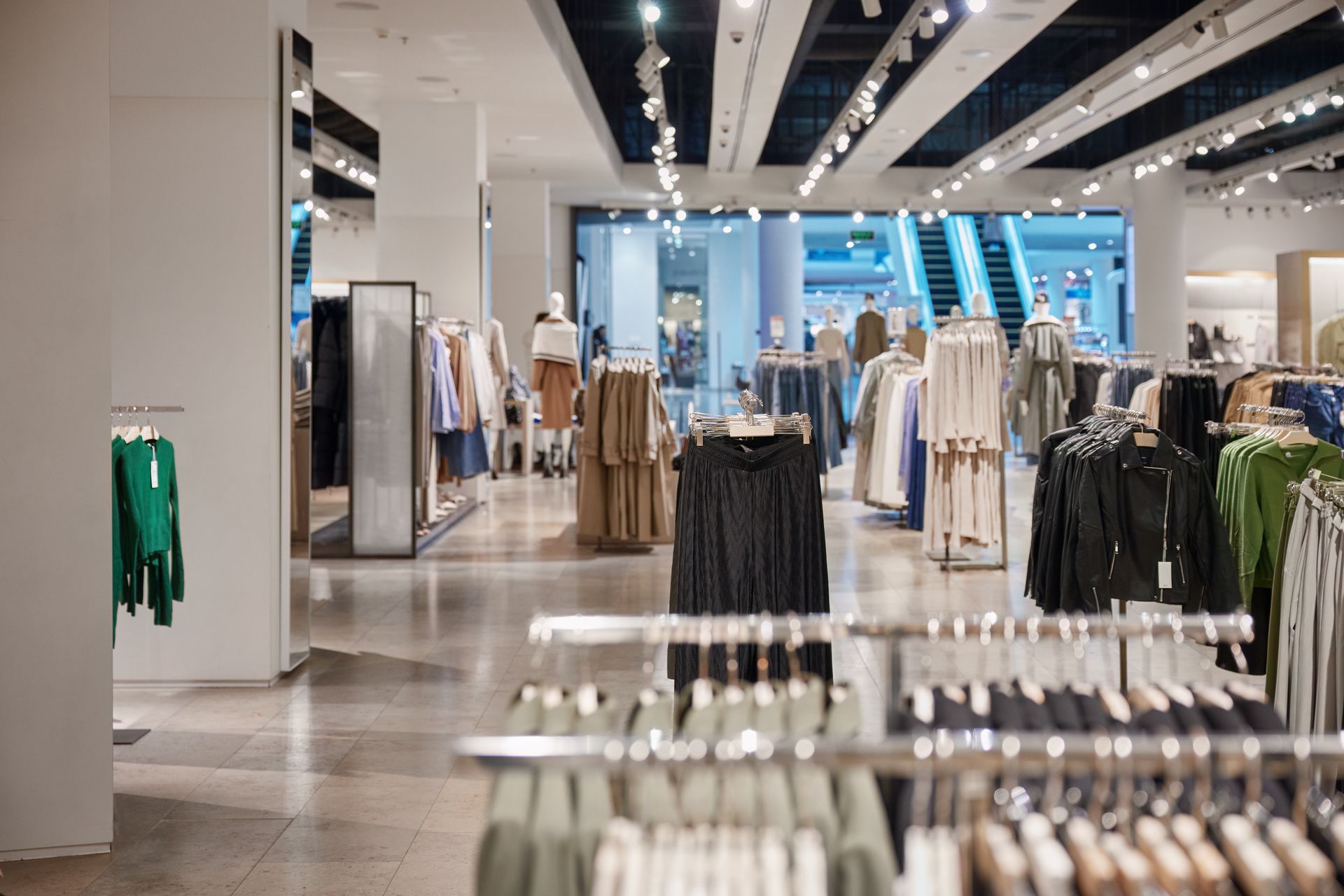
Retail and
Commercial Properties
Protection for storefronts, inventory, and customer-related liability.
Our Approach
Insurance Made Easy to Understand
Mesa Insurance Agency provides business insurance coverage that helps protect operations, employees, and property. We work with multiple carriers to offer coverage options that support daily business activities and long-term stability.
Insurance FAQs
Helpful Answers for Florida Clients
Support you can rely on.

What makes Mesa Insurance Agency different?
We are an independent agency with access to multiple carriers. This allows us to offer flexible coverage options.
Clients work directly with licensed agents. Service continues beyond the policy start date.
Do you offer coverage for individuals and families?
Yes. We provide personal insurance for individuals and families across Florida.
Coverage includes auto, home, health, life, and flood insurance. Our team explains each option clearly.
Do you work with small and mid-sized businesses?
Yes. We work with businesses of many sizes and industries.
Our team helps identify risks and secure appropriate coverage. Ongoing service is included.
Can I make changes to my policy later?
Yes. Policies can be updated as needs change.
We assist with coverage adjustments, additions, and removals. Clients can contact us directly for help.
Is flood insurance required in Florida?
Flood insurance is not always required, but it is strongly recommended in many areas.
Standard home insurance does not cover flood damage. Our team can review your flood risk and options.
How do I contact your office?
You can contact us by phone, email, or through our website.
Our team responds promptly during business hours. Support is always available when needed.
From the Blog
Insurance Topics That Matter
Clear answers for common questions.






Client Reviews
Trusted by Clients Across Florida
Mesa Insurance Agency is proud to serve individuals and businesses throughout Florida. Clients choose us for clear communication, responsive service, and reliable insurance support. Their feedback reflects our focus on long-term relationships and consistent service.
Contact Us