Florida’s meat processing facilities face distinct challenges, including shifting market trends, regulatory changes, and evolving risks that affect both production and infrastructure. A recent update from IBISWorld indicates that the Meat, Beef & Poultry Processing industry in the state is projected to decline over the next few years, making it even more important to manage risk carefully. Understanding insurance coverage options is essential in protecting these facilities from operational, environmental, and regulatory risks.
As meat processors strive to remain competitive in a challenging market, the need for robust insurance coverage and specialized policies becomes definitive. This article explores the current market conditions, regulatory influences, construction trends, and specific insurance needs for meat processing operations in Florida.
Market Challenges and Trends in Florida's Meat Processing Industry
The Florida meat processing sector is undergoing transformation amid market fluctuations and operational challenges. While consumers seek quality and transparency, processors must adapt to changes such as declining production and evolving consumer preferences. The industry is projected to shrink at an annual rate, with revenues expected to reach $1.1 billion over the next several years (IBISWorld), which has prompted many facilities to explore cost-efficient methods and risk management strategies.
Another significant shift in the landscape occurred in May 2024 when Florida became the first state to ban the manufacture and distribution of lab-grown meat. This policy change was designed to protect traditional cattle ranching and preserve the integrity of American agriculture (USA Today). While the ban emphasizes safeguarding a long-standing industry, it has also brought about new challenges in marketing and insurance for facilities relying on conventional meat processing methods.
Given the pressures to modernize and remain competitive, many facilities need updated infrastructure that can handle modern processing requirements. New construction projects are emerging, driven by processors who are focused on increasing production capacity and diversifying their product offerings. In this evolving market, insurance coverage must adapt to a landscape where traditional practices mix with modern technology investments.
Understanding Key Risks and Insurance Needs
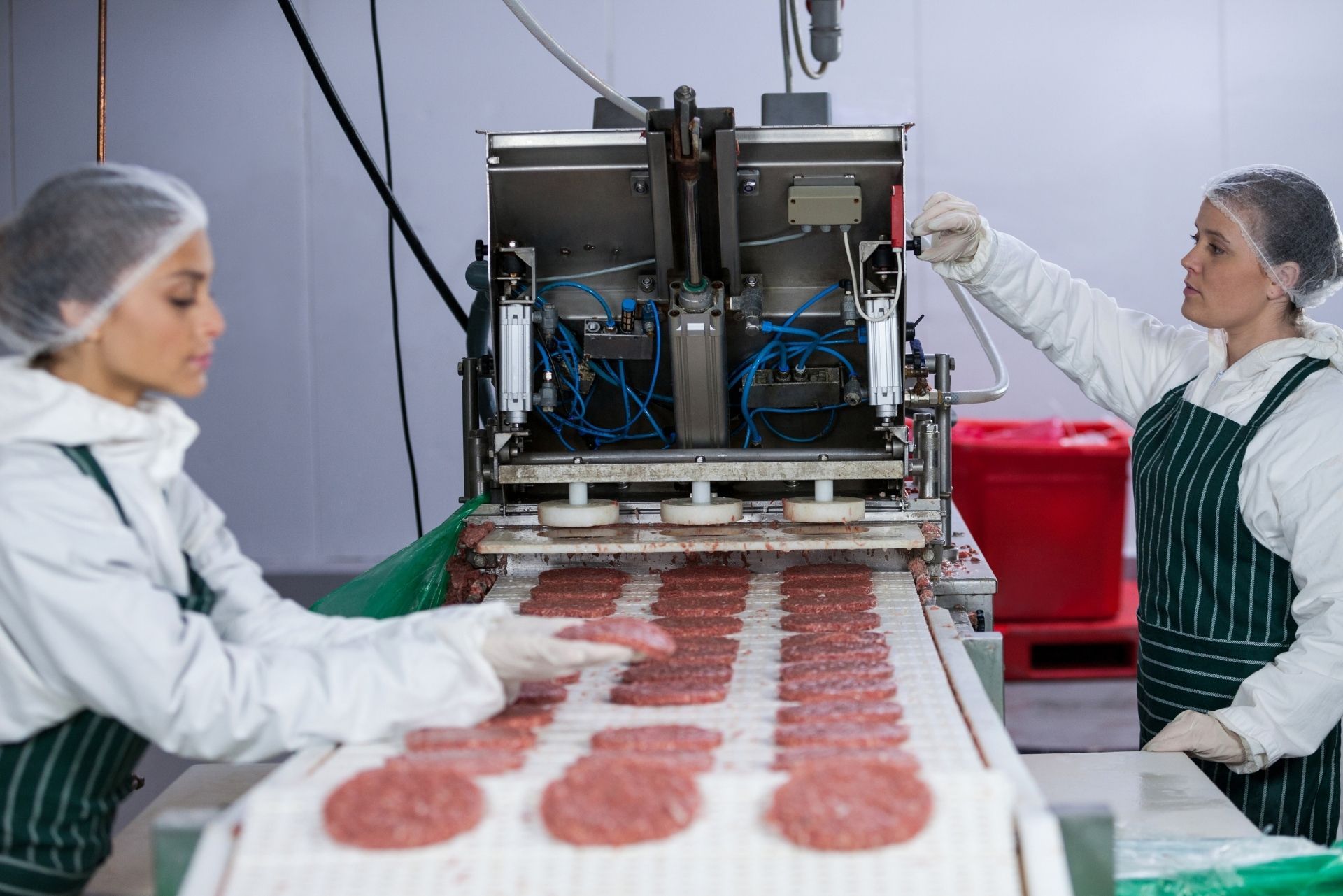
Meat processing plants face a variety of risks that range from operational interruptions to natural disasters and regulatory liabilities. Modern facilities must consider everything from product contamination to worker safety and environmental hazards. The convergence of these risks means that standard insurance policies may not provide sufficient coverage, necessitating specialized solutions tailored to the meat processing industry.
A key consideration for plant owners is property risk, which includes the possibility of damage from weather events or facility mishaps. As climate change intensifies, catastrophic weather events have become a recurring threat. This is particularly significant in Florida, where insurance carriers are increasingly raising premiums due to rising reinsurance costs and the potential for large-scale weather incidents (The Title Report). Coverage policies now increasingly factor in these elements, incorporating provisions to manage losses stemming from extreme weather and operational mishaps.
Another important risk area involves supply chain disruptions. A study monitored changes in U.S. pork packing plants and found that large-scale disasters can drastically reduce the number of hogs processed each day (ScienceDirect). Such disruptions not only affect processing volumes but also the financial stability of these plants. Policies that cover business interruption, additional expenses, and contingency plans become paramount in such scenarios.
Regulatory Environment and Its Impact on Coverage
Florida’s regulatory landscape adjusts to both domestic priorities and broader national trends, creating a complex environment for meat processing facilities. The recent ban on lab-grown meat underscores the state's commitment to protecting traditional agriculture while highlighting the regulatory pressures meat processors face (USA Today). This policy not only affects product lines but also can influence the types of liability and product recall insurance policies needed to manage safety standards and quality control issues.
In addition, the evolving legal frameworks related to environmental protection, food safety, and worker safety require facilities to maintain comprehensive risk management strategies and robust insurance programs. For instance, the integration of enhanced safety protocols and modern equipment can be pivotal in reducing both the frequency and severity of claims. Insurance companies often assess these factors when determining a facility's risk profile and subsequent premium rates.
The sophisticated nature of these regulations means that plant managers and insurance professionals must work closely to ensure that policies stay current with the latest legal requirements. Failure to align with these standards could result in coverage gaps during claims, amplifying the overall risk exposure.
Modernization and Construction Trends in Meat Processing Facilities
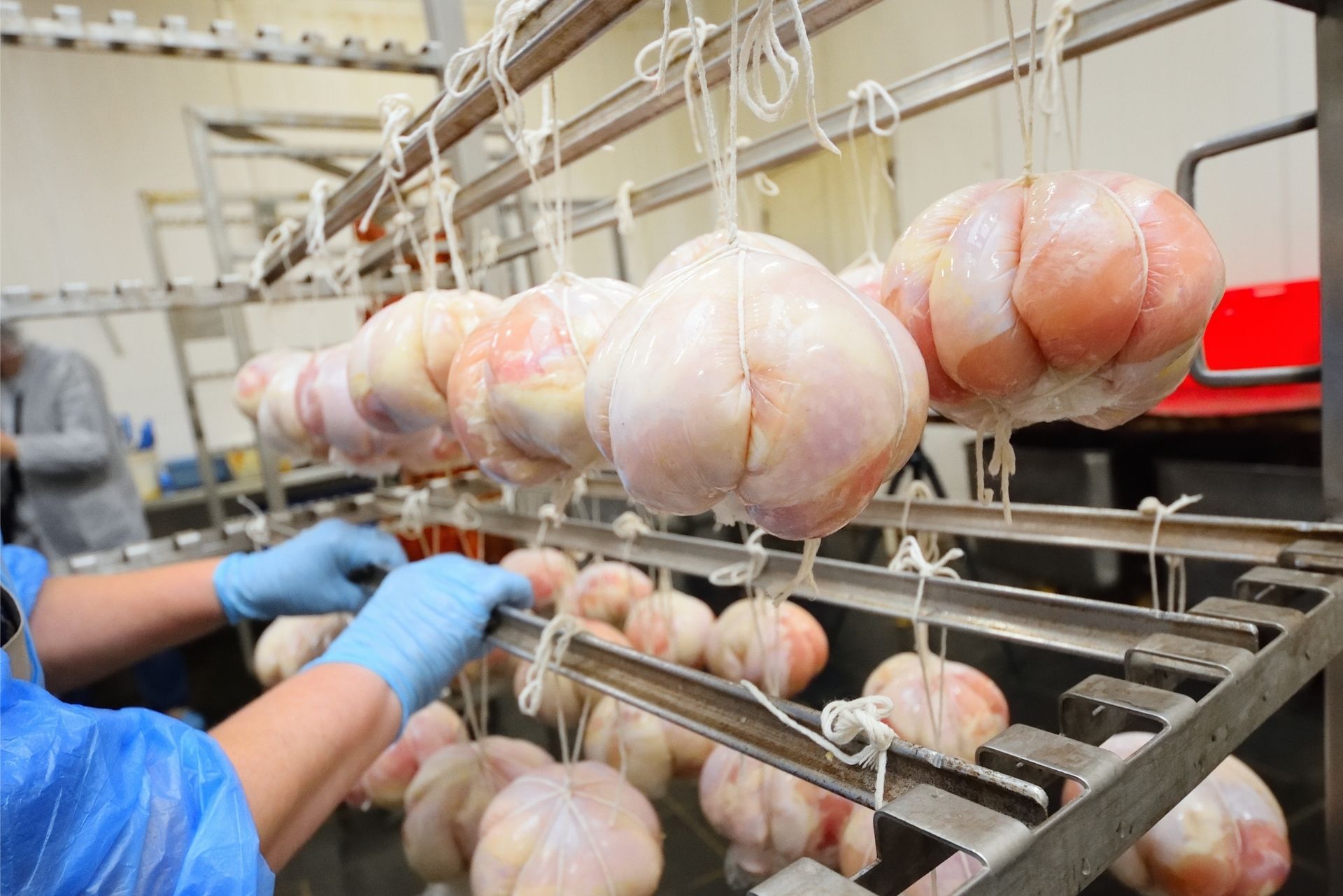
Industry innovators in Florida are increasingly investing in new construction and facility modernization projects. Derek Bickerton, Vice President of Business Development at Stellar, explains that new developments in the meat and poultry sectors are driven by the need to ramp up production capacity and offer new products (MEAT+POULTRY). Facilities building new plants or upgrading existing ones must factor in both technological improvements and updated safety measures when planning for long-term operational stability.
Modernization projects not only bring efficiency but can also reduce long-term operational costs, including those related to insurance premiums. Newer buildings with advanced fire suppression systems, upgraded electrical installations, and state-of-the-art processing equipment often enjoy lower risk profiles. This investment in infrastructure can be reflected in improved insurance conditions, with many providers offering competitive rates to facilities that proactively reduce risk.
The evolution of construction standards in the meat processing industry is also evident in the improved design and layout of plants. Facilities are now designed to improve workflow efficiency, enhance safety for workers, and streamline production processes. Upgraded facilities can also mitigate potential hazards associated with older, outdated infrastructures, which have historically contributed to higher claims and increased insurance costs.
Insurance Coverage Considerations for Meat Processing Facilities
Securing the right insurance coverage involves addressing a wide range of potential risks. For meat processing facilities, a comprehensive insurance program typically includes property coverage, business interruption protection, liability coverage, and specialized endorsements for product safety and equipment breakdown. These policies work together to provide a financial safety net when unforeseen events disrupt operations.
When selecting an insurance policy, plant managers should closely examine policy limits and exclusions. In an era when even intermittent operational hiccups can provoke significant financial losses, ensuring that coverage limits adequately reflect the facility’s operational scale is essential. Facilities may need to tailor coverage to account for risks like product recalls and contamination incidents, which can be particularly steep in meat processing operations.
Given the volatile nature of the market-evident from projections like the annualized decline in revenue highlighted by IBISWorld-many insurers might review their underwriting criteria more stringently. Detailed assessments regarding production capacity, facility modernization efforts, and disaster resilience come into play, making it crucial for facility operators to document their risk mitigation efforts carefully.
Insurance and Economic Impact: Broader Implications
The meat and poultry processing industry plays a significant role in the U.S. economy, contributing over $57 billion and providing hundreds of thousands of jobs (The National Provisioner). In Florida, these facilities are critical to both the state’s agricultural identity and economic stability. When insurers assess the risk for this sector, they must balance the potential for losses against the industry's contributions to broader economic indicators.
This balancing act becomes even more critical when considering trends like the decreased size of the U.S. cattle herd, recorded as being the smallest since 1951 (University of Florida). A shrinking cattle herd can influence supply dynamics, processing volumes, and ultimately risk factors that insurers include in their pricing models. Thus, a facility’s insurance portfolio often reflects not only its physical attributes but also market conditions impacting supply chains and operating margins.
In addition to market dynamics, a facility’s exposure to legal defense expenses, regulatory fines, and claims related to worker safety are also factors. Recent trends in Florida have shown improvements in cost-containment expense ratios, yet challenges persist. Insurance coverage must be finely calibrated to remain flexible while robust enough to address the spectrum of financial risks that affect these facilities.
Risk Management and the Role of Advanced Safety Protocols
Implementing advanced safety protocols stands as one of the most effective ways to reduce insurance costs and risk exposure. With tighter regulatory oversight and the threat of increased claims, many meat processing facilities are adopting higher safety standards. When safety protocols are updated and thoroughly documented, insurance companies are more confident in the reduced likelihood of incidents, which can result in lower premiums and favorable underwriting terms.
Investments in modern technology, such as real-time monitoring systems, automated shut-off mechanisms, and improved emergency response protocols, are shaping the operational landscape. These technological upgrades not only address direct safety concerns but also signal to insurers that a facility is committed to sustainable risk management practices.
Some plants are also exploring advanced training programs for staff to ensure that safety practices are consistently followed. Such initiatives are particularly relevant when considering the high reputational and financial costs associated with product recalls or contamination incidents. As these risk management efforts materialize, they become an integral part of the overall insurance strategy, providing mutual benefits to both the facility operators and their insurers.
Comparing Coverage Options: A Data-Driven Overview
Aiding in the evaluation of insurance options involves understanding differences between basic and comprehensive policies. The table below provides a simplified overview of coverage distinctions that meat processing facilities might consider when revising or selecting their policies:
| Coverage Type | Basic Coverage | Comprehensive Coverage |
|---|---|---|
| Property Damage | Standard building and equipment protection | Expanded coverage including modernized equipment and facility upgrades |
| Business Interruption | Covers loss of income for short term disruptions | Includes extended coverage for prolonged disruptions due to disasters |
| Liability Protection | Third-party injury and property claims | Enhanced product liability and regulatory compliance coverage |
| Equipment Breakdown | Basic repairs and replacements | Comprehensive repair costs and technological updates |
| Additional Endorsements | Limited support for contamination and recall incidents | Broad coverage with specialized endorsements for recalls, contamination, and crisis management |
This side-by-side comparison serves as a guide in understanding how expanded policies can better protect operations in volatile conditions. Facilities investing in newer facilities or upgrading systems may find comprehensive policies particularly beneficial due to the higher asset value and modern risk factors present.
Each policy adjustment reflects underlying risk assessments that take into account both the unique operational profile of meat processing plants and the broader market dynamics impacting the industry. Detailed analysis of facility safety measures, construction upgrades, and procedural standards can support tailored policy decisions that optimize both safety and cost efficiency.
Innovative Approaches to Insurance Underwriting in the Meat Processing Sector
Insurance providers are starting to recognize the need for innovative underwriting practices tailored specifically to the meat processing industry. The integration of real-time data, historical performance metrics, and advanced safety protocols is shaping underwriting criteria in this niche market. Insurers are now more inclined to assess the risk of claims based on tangible improvements, such as facility modernization projects and enhanced safety records.
Underwriters also consider evolving market circumstances such as the recent decrease in legal defense expenses in Florida, which has significantly dropped the expense ratio from 8.4 to 3.1 (Triple-I Blog). This reduction signals that some operational risks may be stabilizing, allowing for adjustments in policy pricing and coverage conditions.
Advanced underwriting methodologies enable both insurers and facilities to engage in a proactive dialogue about investment in risk management improvements. With more detailed insights, customization of policies becomes feasible, allowing facilities to incorporate endorsements that address specific operational concerns such as equipment malfunctions, production delays, and even rare but impactful events like product contamination crises.
Insurance is not merely a safety net but a fundamental component of a broader business strategy. For meat processing facilities, integrating insurance coverage with operational and strategic planning can help mitigate large losses during times of market stress. As processors aim to expand production or plan new construction projects, the alignment of premium costs and risk management measures becomes a strategic imperative.
This integration is also evident in how facilities document risk mitigation efforts. Investments in infrastructure upgrades, staff training programs, and modern safety technology can lead to reduced premiums, demonstrating a clear return on investment through lower operating costs over time. As a dynamic industry, the meat processing sector benefits from strategies that not only secure immediate operational coverage but also foster long-term financial resilience.
Insurance professionals and facility operators need to work in tandem to ensure that coverage strategies evolve alongside business goals. Whether expanding plant capacity or upgrading outdated equipment, aligning with a customized insurance solution is crucial for maintaining competitiveness in a challenging market.
Frequently Asked Questions
What types of insurance must a meat processing facility consider?
Facilities typically require property damage, business interruption, liability, and equipment breakdown coverage to address a range of operational risks. Each policy should be tailored to fit the facility’s risk profile.
How does facility modernization affect insurance rates?
Modernized facilities often benefit from lower premiums as updated safety measures, and advanced equipment reduce potential risks. Documentation of these improvements is key when negotiating coverage terms.
Are there specific endorsements relevant to meat processing?
Yes. Endorsements covering product contamination, recall risks, and crisis management are common and can enhance the overall coverage package for meat processing operations.
How important is regulatory compliance in obtaining coverage?
Regulatory compliance is vital. Facilities that adhere to state and federal regulations tend to receive more favorable underwriting terms due to reduced risk of labor or safety violations, ensuring smoother claims processing.
What role does weather play in insurance premium determinations?
Extreme weather events and climate risks significantly affect premiums, particularly in Florida. Insurers factor in historical data and improved safety protocols when calculating rates.
How can facilities benefit from advanced safety technology?
Installing real-time monitoring and automated safety systems not only improves operational safety but can also result in lower insurance premiums as the risk of incidents diminishes.
Before You Go: What to Remember About Meat Processing Insurance in Florida
Florida’s meat processing facilities navigate numerous challenges, including market slowdowns, regulatory changes, and evolving safety demands. Whether facing a projected decline in industry revenue or adapting to state regulations like the lab-grown meat ban, plant managers must align their operational strategies with comprehensive risk management practices. Insurance coverage tailored to the meat processing sector can offer a safety net that addresses property damage, business interruptions, and specialized risks through endorsements designed for the industry.
Advanced underwriting practices focusing on modern safety standards and documented risk management efforts yield tangible benefits, often reflected in competitive premium rates. As market forces drive investment in new construction and facility modernization, facilities that integrate proactive safety measures may stand to enjoy both operational efficiencies and reduced coverage costs.
In a sector that contributes billions to the economy and supports hundreds of thousands of jobs (The National Provisioner), understanding the delicate balance between maintaining efficient production and protecting assets against unforeseen disruptions is key. By choosing comprehensive, well-tailored insurance solutions, meat processing facilities can secure their long-term viability and growth in a competitive industry landscape.
Final Thoughts on Navigating Insurance for Meat Processing Plants
Effective risk management within the meat processing industry in Florida depends on a detailed understanding of the unique hazards that come with modernizing operations and regulatory shifts. Insurance serves as a bridge between day-to-day operational safety and long-term financial resilience. Plant managers who keep abreast of market trends, ensure compliance with safety standards, and invest in infrastructure improvements position themselves to take advantage of favorable underwriting conditions.
This tailored approach to insurance not only offers protection against immediate operational risks but also supports broader business objectives, allowing organizations to focus on growth and innovation. Given the fluctuations in production capacity and market values-as well as external pressures like extreme weather events-the adoption of specialized insurance policies becomes a strategic imperative.
In light of evolving market dynamics and regulatory environments, facilities in Florida must remain agile. With accurate risk assessments and proactive safety implementations, insurance programs can provide robust coverage that underpins both operational stability and competitive advantage. Understanding these dynamics and partnering with knowledgeable insurance professionals will ensure that meat processing facilities continue to thrive despite industry headwinds.
ABOUT THE AUTHOR: PAUL RAMENTOL
I am the Owner and President of Mesa Insurance Agency. I help individuals and business owners across Florida secure personal and business insurance coverage that supports their needs. My focus is on clear guidance, direct communication, and long-term support without call-center delays or confusion.
Contact Us

Personal Coverage Options
Insurance Built for Everyday Protection
Mesa Insurance Agency provides personal insurance coverage designed to support daily life. Our team reviews risks and coverage needs to help clients secure dependable protection at fair rates.
Dental & Vision Insurance
Coverage that helps manage routine dental and vision care costs.

Business Coverage Options
Insurance Built for Business Protection
Mesa Insurance Agency provides business insurance coverage that helps protect operations, employees, and property. We work with multiple carriers to offer coverage options that support daily business activities and long-term stability.
Commercial Auto Insurance
Coverage for business-owned vehicles, drivers, and accident-related liability exposure.
General Liability Insurance
Protection against third-party injury, property damage, and common business liability risks.
Professional Liability Insurance
Coverage for claims related to professional services, advice, or service errors.
Workers’ Compensation Insurance
Coverage that helps support employees with work-related injuries and medical costs.
Commercial Property Insurance
Protection for buildings, equipment, inventory, and physical business assets.
Errors & Omissions Insurance
Coverage for financial losses caused by mistakes, omissions, or service-related claims.
Industries We Serve
Serving Businesses Across Multiple Sectors
Mesa Insurance Agency works with business owners across Florida to provide insurance coverage that supports daily operations. We understand common risks faced by different industries and help clients secure reliable protection.

Construction and Trades Insurance
Coverage for job sites, vehicles, tools, and workplace risks.

Hospitality Businesses Insurance
Insurance for restaurants, bars, and service-based operations.

Retail and
Commercial Properties
Protection for storefronts, inventory, and customer-related liability.
Our Approach
Insurance Made Easy to Understand
Mesa Insurance Agency provides business insurance coverage that helps protect operations, employees, and property. We work with multiple carriers to offer coverage options that support daily business activities and long-term stability.
Insurance FAQs
Helpful Answers for Florida Clients
Support you can rely on.

What makes Mesa Insurance Agency different?
We are an independent agency with access to multiple carriers. This allows us to offer flexible coverage options.
Clients work directly with licensed agents. Service continues beyond the policy start date.
Do you offer coverage for individuals and families?
Yes. We provide personal insurance for individuals and families across Florida.
Coverage includes auto, home, health, life, and flood insurance. Our team explains each option clearly.
Do you work with small and mid-sized businesses?
Yes. We work with businesses of many sizes and industries.
Our team helps identify risks and secure appropriate coverage. Ongoing service is included.
Can I make changes to my policy later?
Yes. Policies can be updated as needs change.
We assist with coverage adjustments, additions, and removals. Clients can contact us directly for help.
Is flood insurance required in Florida?
Flood insurance is not always required, but it is strongly recommended in many areas.
Standard home insurance does not cover flood damage. Our team can review your flood risk and options.
How do I contact your office?
You can contact us by phone, email, or through our website.
Our team responds promptly during business hours. Support is always available when needed.
From the Blog
Insurance Topics That Matter
Clear answers for common questions.







Client Reviews
Trusted by Clients Across Florida
Mesa Insurance Agency is proud to serve individuals and businesses throughout Florida. Clients choose us for clear communication, responsive service, and reliable insurance support. Their feedback reflects our focus on long-term relationships and consistent service.
Contact Us