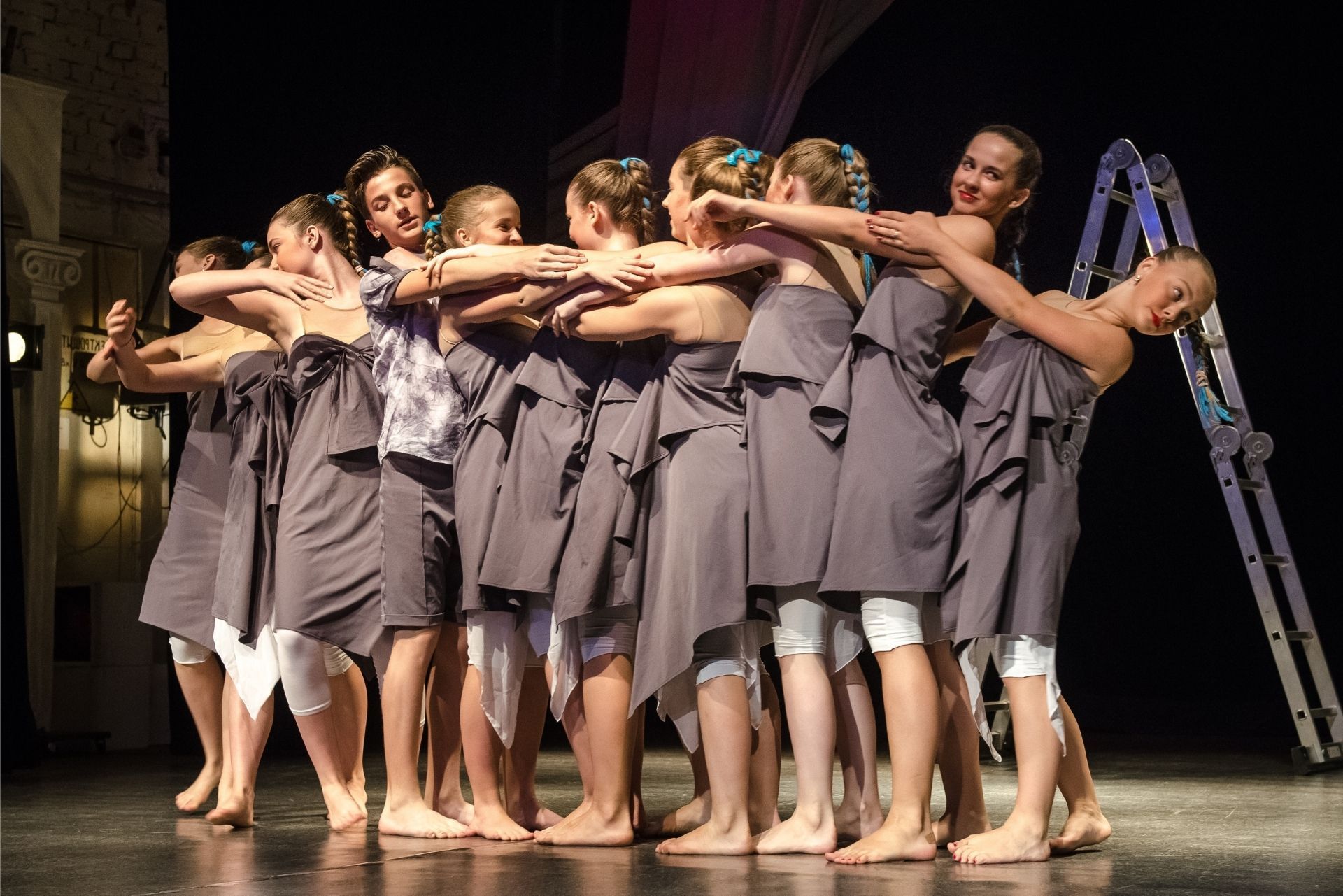
The dynamic world of performing arts in Florida confronts unique financial risks and opportunities. When a show is abruptly halted by unexpected events or critical equipment fails moments before a performance, a distraction from a charged audience can quickly become a financial hardship. This is where tailored insurance coverage becomes indispensable. With critical economic indicators of arts and culture in the state and a fluctuating market in property-related insurance, it is essential to understand both offerings and risks. For example, nonprofit arts and culture organizations contributed nearly $2.9 billion to Florida’s economy, highlighting the importance of securing this financial corner for performing arts groups.
Ensuring that performances continue without risk of major financial loss is not simply an afterthought-it is a core component of managing any arts organization. An effective insurance policy should reflect the diversity of challenges that performing arts companies face, from property damage to equipment failure and venue liability to unforeseen cancellations. The discussion below explores essential coverage types and market trends that specifically impact performing arts groups in Florida.
The interplay between a vibrant cultural scene and evolving insurance practices creates an environment where informed decision-making is key. Insurance can serve as a lifeline when natural challenges, regulatory changes, or even unexpected fiscal downturns threaten the stability of creative endeavors.
Understanding Insurance Needs for Florida’s Performing Arts Groups
Legislative Reforms and Their Impact on the Insurance Landscape
Recent changes in Florida's insurance laws have had a significant impact on market conditions, which in turn affects all commercial insurance sectors, including coverage for specialized businesses like dance studios. One turning point was the elimination of one-way attorney fees in December 2022. Michael Carlson, president of the Personal Insurance Federation of Florida, highlighted this reform as a critical change that has paved the way for improved insurance market conditions (The Insurer).
This legislative shift has contributed not only to a decrease in claims-related litigation but has also encouraged carriers to reenter the market. Insurers are now writing more profitable business despite the ongoing challenges such as hurricanes and flood risks. These reforms make a significant difference for high-risk operations like dance studios that might have struggled to find stable coverage in the past.
Understanding this regulatory backdrop is crucial for dance studio owners. Knowing that reforms are steadily improving the market environment should provide some reassurance. At the same time, dance studios need to work with experienced insurance professionals who understand the evolving landscape and can help navigate its complexities.
The insurance needs of performing arts companies in Florida are as dynamic and unique as the shows they produce. Unlike other industries that rely on straightforward property or casualty coverage, arts organizations require policies that can handle specialized risks such as performance cancellations, equipment failures, and venue liabilities. Comprehensive coverage not only protects against property damage but also ensures that artistic endeavors continue uninterrupted even if a setback hits unexpectedly.
Performing arts groups often operate with limited margins and rely on ticket sales, sponsorships, and public funding. A significant disruption can jeopardize the financial stability of a company. With policies that cater specifically to the arts, organizations can shift some of the financial burdens caused by cancellations or other operational disruptions. A reliable insurance policy covers both tangible assets and operational costs that may be incurred in an emergency, safeguarding the ongoing creative output.
Specialized insurance for the arts considers elements such as technical equipment, costumes, sets, and even the intangible risk of reputational damage. This focus differs notably from broader business insurance policies, which may not address the specific intricacies of live events. The need for specialized coverage becomes even more apparent when considering the specific financial outcomes that an unexpected cancellation or equipment malfunction could impose on a performance company.

Comprehensive Insurance Options for Arts Organizations
A broad spectrum of insurance products is available specifically for performing arts groups. First, there is general liability insurance, which addresses third-party bodily injury and property damage. Essential to any public performance venue, this type of insurance has become a standard requirement for arts organizations to ensure that accidents do not lead to crippling financial liabilities.
In addition to general liability, event cancellation or postponement insurance is another critical option. This coverage provides reimbursement for lost opportunities and unforeseen expenses when events must be canceled due to reasons beyond the control of the organizers, such as extreme weather or significant technical failures. These insurance products are valuable, especially in a state where the risk of severe weather exists alongside the busy arts calendar.
Another significant policy that companies should consider is coverage for specialized property, including expensive stage equipment and intricate sets. Given that many performing arts organizations invest heavily in technical and performance assets, the loss or damage of such items can be extremely detrimental. Insurance policies tailored for these risks often provide coverage that standard property insurance skips. This holistic approach helps maintain operational continuity and financial soundness even under adverse conditions.
Financial and Economic Considerations in the Florida Arts Scene
Florida’s vibrant economy benefits greatly from the arts. The contribution from arts and culture centers around nearly $5.8 billion. This figure includes robust participation from nonprofit arts and culture organizations. The arts industry in Florida not only uplifts cultural standards but also supports a vast economic web, including job creation and household income boosts.
The nonprofit sector in the arts generates significant economic ripple effects. For instance, studies show that the nonprofit arts and culture industry supports over 91,000 full-time jobs and contributes about $3.8 billion in resident household income. Such statistics reinforce the need for comprehensive insurance. When a performing arts company capitalizes on creative production, it simultaneously fortifies local economies and nurtures innovative expression, both of which are cornerstones of Florida’s community and financial health.
The state’s commitment to protecting and promoting the arts is evident in its economic strategies. Officials recognize that a thriving arts community depends not only on creative talent but also on sound financial management. Hence, integrated insurance policies provide the needed buffer to weather uncertainties. With the combined force of creative passion and fiscal prudence, performing arts groups can navigate risks more effectively.
Assessing Risks in the Performing Arts Industry
Risk management is crucial for performing arts companies, particularly in Florida where natural and man-made risks can disrupt operations. The sensitivity of live performances to an array of unpredictable elements necessitates a proactive approach to insurance. Weather events such as hurricanes are a constant threat in Florida, and even smaller scale incidents can have disproportionate financial consequences. The insurance challenges that performing arts groups face reflect broader market trends seen in various financial sectors, including personal property insurance.
For example, Florida’s personal property insurance market reported its first underwriting profit in eight years in 2024, a sign of gradual recovery despite inherent risks (AM Best). This improvement in underwriting profitability indicates that insurers are beginning to better assess and price risks once considered too unpredictable. Performing arts companies benefit from such market advancements as insurers grow more comfortable offering tailored policies for unique risks.
Security risks continue to be a focal point with changing climate patterns and evolving urban environments impacting Florida. The dramatic reduction in the number of active home insurance policies-from over 3.2 million to around 710,000 in the past decade-highlights a notable shift in risk perceptions (Deep Sky Research). While these figures pertain directly to homeowner coverage, the underlying trends offer valuable insights for sectors like the performing arts where asset protection and risk management remain paramount.
Insurance Market Trends and Regulatory Influences
Insurance in Florida has been in a state of flux over recent years, driven by factors such as climate risk and evolving regulatory measures. The market experienced a significant shift as recent reforms allowed for more profitable underwriting practices. This resulted in positive market adjustments, even in areas with ongoing challenges, such as hurricane threats. Mark Friedlander from the Insurance Information Institute explains that reduced expenses related to defense cost containment due to tort reform have made profitable underwriting possible across the state (The Washington Post).
This trend bodes well for specialized sectors like performing arts insurance. Having a healthier market means that insurers are more capable of designing coverage that adequately reflects the unique risk profiles of arts companies. Insurance products crafted under these improved conditions typically offer more competitive premiums and enhanced policy coverage conditions, benefiting both small and large performing arts groups.
Citizens Property Insurance Corporation’s recent decision to depopulate around 477,000 policies in 2024 is another testament to a more stable public insurance environment
(Insurance Insider USA). This stability assists in mitigating systemic risks and underpins a more dependable insurance framework that performing arts groups can leverage during times of market uncertainty.
Strategies for Tailoring Insurance Coverage to Your Organization
Performing arts groups should adopt a tailored approach when acquiring insurance. The complexity of a live performance is mirrored in the diversity of risks involved. Therefore, companies benefit from working with insurance experts that understand not just general liability, but the nuances brought about by artistic and production variables. As an example, some companies opt for bundled policies, a package that incorporates property, liability, and event cancellation coverage under one comprehensive plan.
Tailored insurance solutions often involve in-depth risk assessments that are unique to each organization. Insurers may conduct a comprehensive review of past incidents, evaluate technical equipment value, and assess event venue risks. This level of scrutiny helps produce accurate risk profiles that inform premium pricing and coverage limits. In this way, performing arts groups achieve a more nuanced level of protection that accounts for the intricacies of their operation.
Collaboration with an insurer experienced in arts-related risks can also lead to proactive risk management recommendations. These suggestions might include investing in improved safety measures, upgrading equipment, or diversifying event locations. Such actions not only reduce the likelihood of claims but may also result in premium discounts, ultimately easing the financial burden on the organization.
Comparing Insurance Options: Tailored Coverage vs. Standard Policies
Choosing between a tailored policy designed for arts organizations and a standard business insurance product can be challenging. The best approach is to evaluate both options with an eye toward what each policy offers in terms of risk coverage and flexibility. While generic insurance may seem cost-effective at first glance, performing arts groups often find that specialized policies deliver added value by covering areas unique to their operations.
The following comparison highlights key differences between tailored performing arts coverage and standard commercial insurance:
| Coverage Component | Tailored Coverage | Standard Insurance |
|---|---|---|
| Event Cancellation | Included with specific triggers for performance-related risks | Often excluded or limited |
| Equipment and Set Protection | Extensive coverage for high-value, specialized assets | Limited, may require extensions or riders |
| Liability for Performance Venues | Coverage includes backstage, performer, and audience areas | General liability may not encompass specific production risks |
| Premium Flexibility | Adjustable based on seasonality and event frequency | Standard models with less flexibility |
| Risk Management Assistance | Often includes proactive risk assessments and safety consultations | Less personalized support |
As highlighted, the intricate needs of performing arts companies are better met with tailored policies. This approach not only addresses specific risks but often includes value-added services that standard policies may not offer.
Risk Management Best Practices for Performing Arts Companies
A proactive risk management strategy plays a vital role in reducing potential claims and minimizing disruptions. For performing arts groups, this means not only relying on insurance but also implementing best practices throughout their operations. Establishing strict safety protocols, conducting periodic equipment inspections, and preparing comprehensive emergency plans are all part of an effective risk management strategy.
Adopting such practices creates a dual layer of protection. While insurance coverage provides financial protection, robust internal controls serve to prevent incidents from occurring in the first place. For instance, routine maintenance of technical equipment and pre-event safety briefs help mitigate potential risks related to equipment breakdowns and onsite accidents.
Insurance experts frequently emphasize the importance of these preparatory measures. Collaboration with knowledgeable risk managers and insurance brokers who specialize in arts-related enterprises can lead to custom recommendations that directly mitigate the most pressing challenges. By integrating risk management with sound insurance practices, performing arts companies can not only secure their financial stability but also boost confidence among stakeholders, including investors, partners, and the audience.
Market Recovery and Future Trends
Market recovery in the insurance sector offers promise to many industries, including performing arts. Recent trends show an upswing in profitability for segments such as personal property insurance, signaling a broader trend of recovery and stabilization in the Florida market (AM Best). This positive shift benefits arts organizations by increasing the availability of comprehensive coverage at competitive premiums.
Additionally, regulatory reforms have played an influential role in market stabilization. Reduced costs from defense and claim containment have led to more sustainable underwriting practices. For instance, insurers have acknowledged that revised regulations allowed the continued placement of reinsurance in Florida, paving the way for better risk pricing and product offerings (AON). With increased confidence in the market, providers are more willing to create customized solutions that address the unique challenges posed by events in the arts.
Looking ahead, emerging technologies coupled with improved data analytics promise even further refinement of risk assessment for performing arts groups. Innovations such as real-time monitoring of venue conditions and predictive analytics for technical equipment maintenance could soon become integral parts of comprehensive insurance policies. This forward momentum is expected to significantly enhance both coverage quality and operational efficiency across the arts sector.
Wrapping Things Up: What Performing Arts Companies Should Remember
Securing appropriate insurance coverage is a foundational element for any performing arts company in Florida. The risks inherent in live events-from unpredictable weather to technical malfunctions-necessitate policies that are as multifaceted as the performances themselves. Understanding insurance needs, comparing tailored versus standard policies, and following rigorous risk management practices can collectively fortify an organization’s financial stability.
With Florida’s arts and culture industry generating substantial economic activity and supporting widespread employment, the influence of this sector extends far beyond the stage. For performing arts organizations, insurance serves both as a safety net and as a strategic partner in long-term growth. Market trends and regulatory reforms are steadily improving the state’s insurance landscape, allowing more nuanced and comprehensive products to reach niche markets like the creative arts.
By embracing tailored coverage, performing arts groups in Florida will be better equipped to navigate uncertainties while continuing to engage audiences through innovative and memorable performances. Staying informed about market trends and embracing proactive risk management can ultimately translate into stronger, more resilient organizations that thrive despite adversity. A stable insurance framework is more than a policy-it is an essential investment in the future of the arts.
Frequently Asked Questions
What types of insurance should a performing arts company in Florida consider?
Organizations typically consider general liability, event cancellation, property insurance for technical equipment and sets, and specific endorsements addressing unique risks associated with live performances.
Why is event cancellation insurance critical for arts organizations?
Event cancellation insurance helps offset the financial losses in the event that shows are postponed or canceled due to unforeseen circumstances such as severe weather, technical problems, or other factors.
How do tailored insurance policies differ from standard business policies?
Tailored policies are specifically designed to cover risks unique to performing arts, including specialized equipment, venue liabilities, and performance-specific risks; standard policies may not fully address these nuances.
Can improved market conditions in Florida influence insurance premiums for arts companies?
Yes, as the market recovers and regulatory reforms stabilize underwriting practices, competitive premiums and enhanced coverage options are becoming more accessible to specialized sectors like the performing arts.
Are there additional services provided by specialized insurers?
Often, these insurers offer risk management consultations, regular safety audits, and in-depth assessments that help performing arts companies implement preventive measures and optimize coverage.
How can performing arts organizations stay updated on market trends?
Monitoring industry reports, consulting with insurance experts, and actively engaging with industry associations can ensure that organizations remain informed about evolving insurance products and market conditions.
Additional Considerations When Choosing an Insurance Provider
While selecting an insurance provider, it is essential to review the insurer’s expertise in the arts sector. This includes analyzing not only the breadth of their offerings but also their experience with claims handling in complex situations that are specific to performing events. Many providers now acknowledge that creative industries present unique challenges and are adapting their models accordingly. As claims become more complex in a shifting market, choosing a provider with demonstrable expertise can prevent costly missteps.
Insurers that have historically worked with arts organizations or show a strong commitment to developing specialized products provide a significant advantage. For instance, companies that have demonstrated profitability improvements in Florida’s market are more likely to align their products with the demands of performing arts groups. Staying ahead of potential pitfalls requires that performing arts companies undertake thorough due diligence and seek out providers that are flexible and proactive.
When considering coverage, it is also worth reviewing client testimonials and case studies that reveal how similar organizations have benefited from specialized policies. This research can provide reassurance that the chosen coverage will deliver effective protection when events do not go as planned.
Comprehensive Coverage Strategies for Future Stability
Building a robust insurance program for a performing arts company is part of an overall strategy for long-term stability and growth. The interplay between evolving insurance markets in Florida and shifting economic indicators means that organizations must remain agile. A combination of preventive measures, customized insurance products, and ongoing risk assessments is crucial. By integrating these components, companies can mitigate losses and allocate resources more efficiently.
In addition, as the state improves its underwriting environments and sees profit rebounds in related sectors, there will be increased opportunities for expanded coverage options. This evolving market environment encourages performing arts companies to continuously review their risk profiles and adjust their coverage accordingly, ensuring that both present and future events are well-protected.
Combining these strategies with sound financial planning helps safeguard the invaluable cultural assets that performing arts groups bring to their communities. The intricate balance of creative expression and financial prudence is one that requires constant vigilance and incremental adjustments over time.
Final Thoughts on Securing the Future of Florida’s Performing Arts
The performing arts are a vital and enriching component of Florida’s culture and economy. Given that arts and cultural organizations have generated impressive economic figures-supporting jobs, household income, and government revenue-insurance cannot be relegated to an afterthought (Florida Department of State). Adapting to specialized insurance needs is not just about covering physical assets. It’s about providing a stable foundation that allows creative endeavors to flourish in the face of natural and financial uncertainties.
Tailored policies that address the unique demands of live performances and artistic productions serve as an essential safety net. They offer both preventative solutions and financial recuperation when the unexpected occurs. By marrying proactive risk management practices with industry-specific insurance solutions, performing arts organizations can secure their future and continue to enrich Florida’s cultural landscape.
Looking forward, organizations are encouraged to revisit their insurance programs regularly and seek advice from experts who understand both the creative process and the financial intricacies involved. As market conditions and regulatory frameworks evolve, so too must the insurance strategies employed-ensuring that the magic of live performance remains protected no matter what challenges arise. For a sector that thrives on creativity and innovation, securing the right insurance coverage is a critical step in safeguarding its future.
ABOUT THE AUTHOR: PAUL RAMENTOL
I am the Owner and President of Mesa Insurance Agency. I help individuals and business owners across Florida secure personal and business insurance coverage that supports their needs. My focus is on clear guidance, direct communication, and long-term support without call-center delays or confusion.
Contact Us

Personal Coverage Options
Insurance Built for Everyday Protection
Mesa Insurance Agency provides personal insurance coverage designed to support daily life. Our team reviews risks and coverage needs to help clients secure dependable protection at fair rates.
Dental & Vision Insurance
Coverage that helps manage routine dental and vision care costs.

Business Coverage Options
Insurance Built for Business Protection
Mesa Insurance Agency provides business insurance coverage that helps protect operations, employees, and property. We work with multiple carriers to offer coverage options that support daily business activities and long-term stability.
Commercial Auto Insurance
Coverage for business-owned vehicles, drivers, and accident-related liability exposure.
General Liability Insurance
Protection against third-party injury, property damage, and common business liability risks.
Professional Liability Insurance
Coverage for claims related to professional services, advice, or service errors.
Workers’ Compensation Insurance
Coverage that helps support employees with work-related injuries and medical costs.
Commercial Property Insurance
Protection for buildings, equipment, inventory, and physical business assets.
Errors & Omissions Insurance
Coverage for financial losses caused by mistakes, omissions, or service-related claims.
Industries We Serve
Serving Businesses Across Multiple Sectors
Mesa Insurance Agency works with business owners across Florida to provide insurance coverage that supports daily operations. We understand common risks faced by different industries and help clients secure reliable protection.

Construction and Trades Insurance
Coverage for job sites, vehicles, tools, and workplace risks.

Hospitality Businesses Insurance
Insurance for restaurants, bars, and service-based operations.
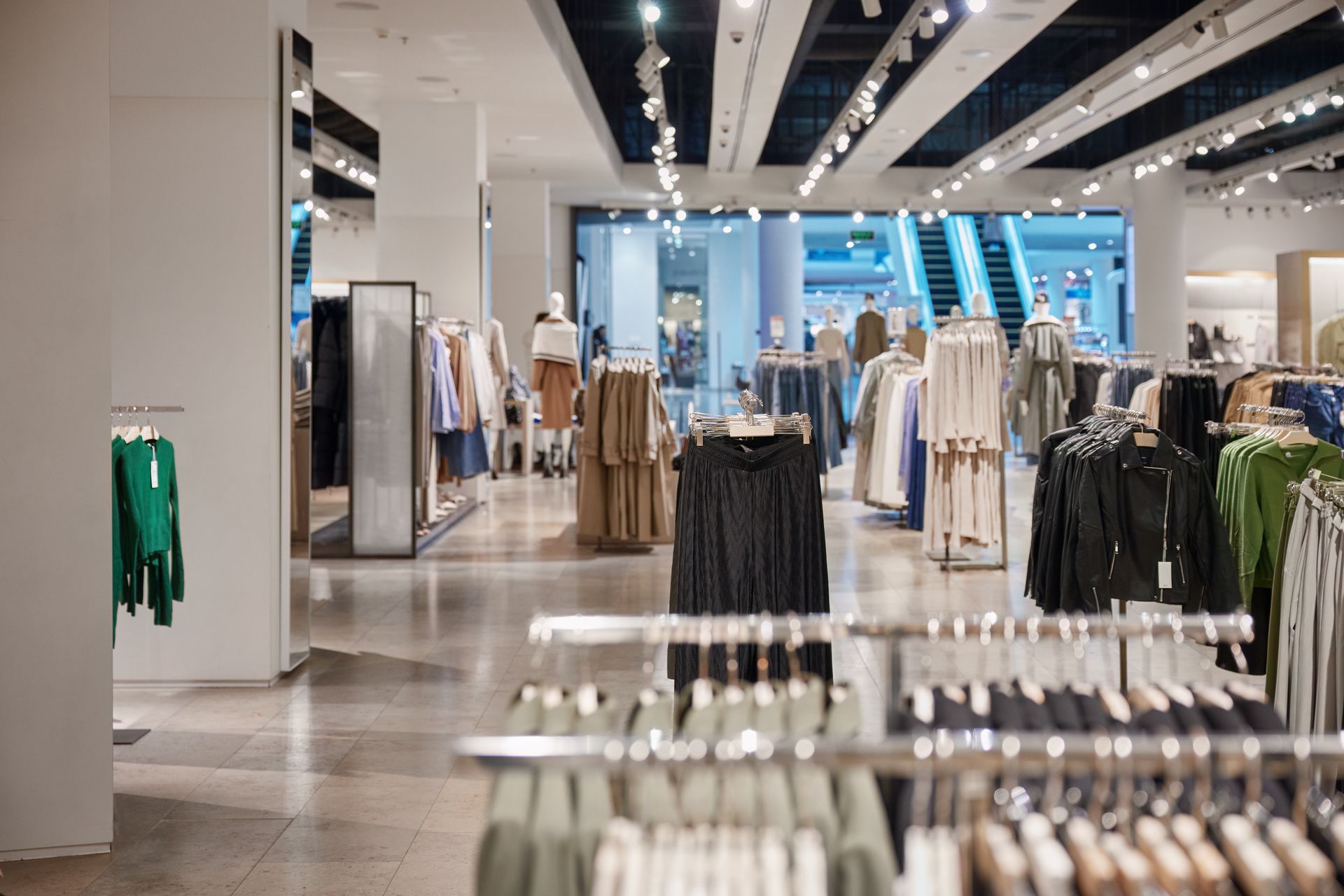
Retail and
Commercial Properties
Protection for storefronts, inventory, and customer-related liability.
Our Approach
Insurance Made Easy to Understand
Mesa Insurance Agency provides business insurance coverage that helps protect operations, employees, and property. We work with multiple carriers to offer coverage options that support daily business activities and long-term stability.
Insurance FAQs
Helpful Answers for Florida Clients
Support you can rely on.

What makes Mesa Insurance Agency different?
We are an independent agency with access to multiple carriers. This allows us to offer flexible coverage options.
Clients work directly with licensed agents. Service continues beyond the policy start date.
Do you offer coverage for individuals and families?
Yes. We provide personal insurance for individuals and families across Florida.
Coverage includes auto, home, health, life, and flood insurance. Our team explains each option clearly.
Do you work with small and mid-sized businesses?
Yes. We work with businesses of many sizes and industries.
Our team helps identify risks and secure appropriate coverage. Ongoing service is included.
Can I make changes to my policy later?
Yes. Policies can be updated as needs change.
We assist with coverage adjustments, additions, and removals. Clients can contact us directly for help.
Is flood insurance required in Florida?
Flood insurance is not always required, but it is strongly recommended in many areas.
Standard home insurance does not cover flood damage. Our team can review your flood risk and options.
How do I contact your office?
You can contact us by phone, email, or through our website.
Our team responds promptly during business hours. Support is always available when needed.
From the Blog
Insurance Topics That Matter
Clear answers for common questions.







Client Reviews
Trusted by Clients Across Florida
Mesa Insurance Agency is proud to serve individuals and businesses throughout Florida. Clients choose us for clear communication, responsive service, and reliable insurance support. Their feedback reflects our focus on long-term relationships and consistent service.
Contact Us