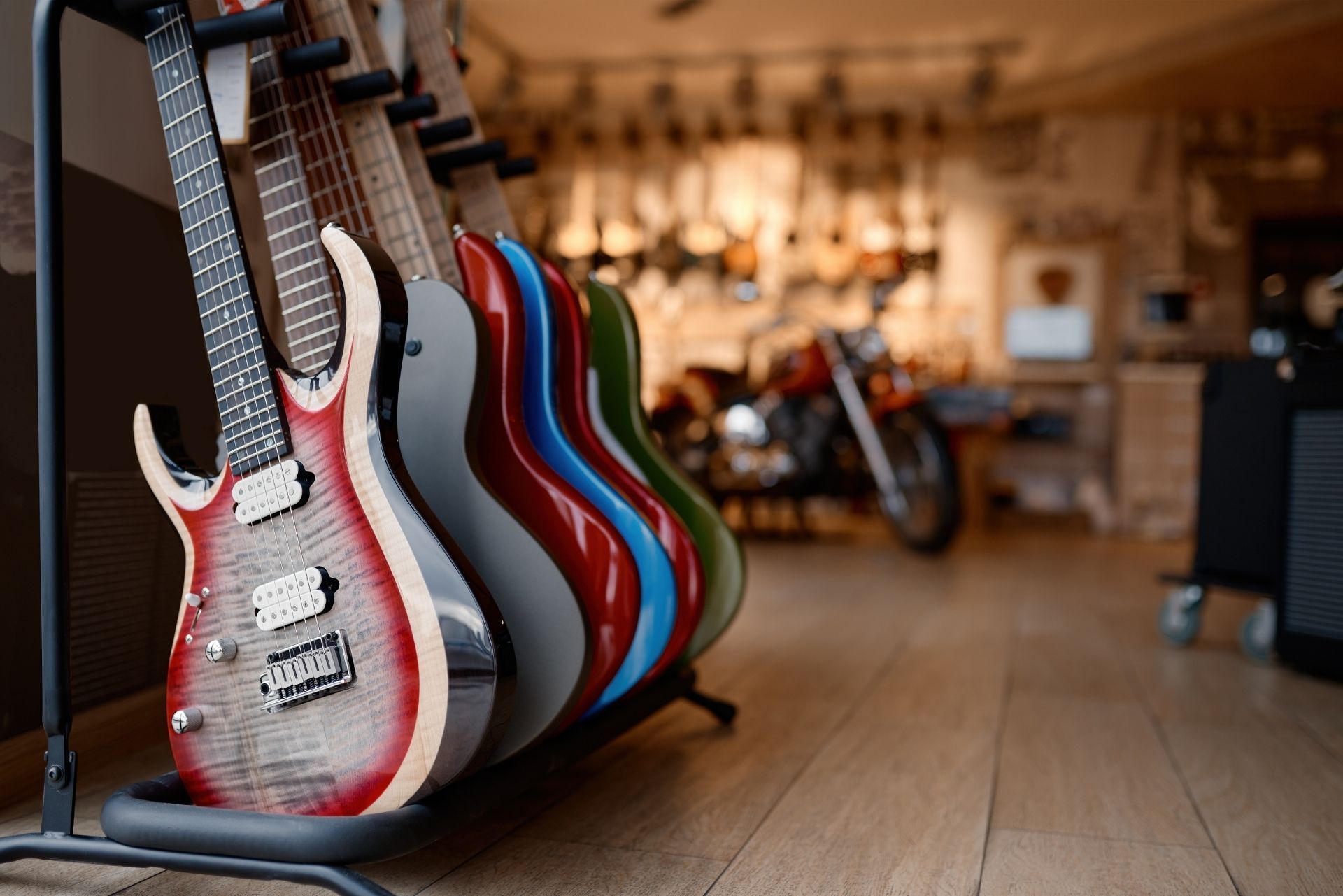
A busy music store in downtown Miami can be as vibrant as the city itself-filled with high-end instruments, rare finds, and loyal customers. While the charm of a music store can be magnetic, the risks it faces are real. From natural disasters to theft and accidents in the store, Florida music retailers need comprehensive coverage that fits their specific needs. Understanding the nuances of Florida's insurance market and the unique risks facing musical instrument businesses is crucial to protect both assets and the livelihood of owners. IBISWorld projects a thriving environment with an industry estimate of $325 million by 2025.
The vibrant Florida market also comes with unique legislative shifts and market conditions. Recent reforms curbing legal system abuse have helped stabilize property and casualty insurance, providing a much-needed cushion for businesses facing unexpected claims. Here, the role of tailored coverage becomes even more pronounced for music retailers looking to thrive rather than simply survive.
This article delves into the specifics of musical instrument store insurance in Florida, exploring not only the challenges but also the tailored solutions that can help music retailers confidently navigate an increasingly complex market.
Understanding the Unique Risks of Music Retail
Music stores have distinct risks compared to other retail environments. Valuable instruments, specialized equipment, and an ever-changing inventory turnaround set the stage for potential losses. A broken string on a rare instrument or damage from an unexpected storm can result in steep financial setbacks. Retailers need a policy that covers property damage, theft, liability, and business interruption. This kind of coverage can help offset the unique risks involved in running a store where each instrument is both an asset and a potential liability.
For example, a storm damaging a store's inventory is not just about the loss of a product. It can also lead to business interruption losses as the store might be closed while repairs are underway, causing a ripple effect on revenue. Policies should ideally cover both the physical loss of property as well as the income that gets interrupted during such repairs. By understanding these risks, retailers can work with insurance professionals to create packages that ensure financial stability when disaster strikes. Reinsurance News recently highlighted positive trends amid challenging market conditions, a signal that insurers are adapting to these evolving needs.
Retailers should also take note that specialized equipment, such as sound systems and amplifiers used for demonstrations, requires coverage that extends beyond standard property policies. Coverage must sometimes be extended to include accidental damage during transportation from suppliers to the store, or wear and tear from constant display usage. This heightened risk scenario underscores the need for a dedicated and uniquely crafted insurance plan in Florida’s competitive market.

Recent Developments in Florida’s Insurance Market
Florida's insurance landscape has seen dramatic shifts in recent years. One notable development is the stabilization of the personal property insurance market, which reported its first underwriting profit in eight years with a gain of $206.7 million in 2024. This turnaround not only signifies improved market conditions but also reflects the success of legislative reforms aimed at curbing legal system abuse. As noted by industry experts, such reforms have led to a more predictable claims environment for insurers.
Legislative reforms have played a significant role in reducing frivolous litigation, which previously burdened the insurance system with excessive claims. By streamlining claims processing and removing unwarranted lawsuits, insurers have managed to achieve more sustainable underwriting results. Mark Friedlander of the Insurance Information Institute explained that these reforms have empowered Florida residents and business owners to operate with greater confidence. This context should benefit music retailers who rely on stable and predictable insurance markets for their business continuity. The Washington Post provides further insights on these legislative changes.
With this policy stabilization, insurers are in a better position to manage risks and offer more comprehensive coverage options. Retailers can now explore specialized policies without being overly penalized by sky-high premiums that were once common in a volatile market. However, it is important to keep an eye on evolving market dynamics as the number of active home insurance policies in Florida has dropped drastically over the past decade, while market share for state-backed insurers, like Citizens Property Insurance Corporation, has surged.
Tailored Insurance Offerings for Musical Instrument Stores
Every music store is different. Some may boast a vast collection of rare instruments, while others might focus on modern, high-turnover items that require frequent upgrades. Therefore, a one-size-fits-all insurance policy is rarely the right answer. A customized approach that considers the type, value, and turnover rate of inventory is the cornerstone of effective insurance coverage for music retailers.
Specialized coverage for musical instruments can include policies that specifically focus on loss or damage from theft, fire, and other natural disasters. These policies are often designed with an understanding of the fragility and high value of musical instruments. Additionally, protection against business interruption is equally important. For instance, if a significant portion of the inventory is damaged by a sudden flood, not only is there the issue of replacement costs, but the loss of revenue during the downtime can be devastating. Newstrail estimates the market for musical instrument insurance to expand in the coming years, reinforcing the need for targeted coverage.
Another key element for music store insurance is coverage for specialty equipment. Items like amplifiers, recording devices, and even specialized software for music production need to be protected under separate clauses. This ensures that all aspects of a retailer's assets are secured. Retailers should engage in detailed discussions with insurance representatives to map out precisely which items should receive added coverage and how each risk can be mitigated. By doing so, businesses can ensure that they are not left vulnerable in the wake of an event that disrupts their operations.
Impact of Reinsurance Costs and Claim Trends
Insurers in Florida have been navigating a challenging environment marked by rising reinsurance costs and increasing claim expenses. These trends appear particularly pronounced in segments where risks magnify quickly, such as natural disasters. The pressure of reinsurance costs often means that primary insurers must reevaluate their risk portfolios and pricing models. Jason Levy of Professional Insurance Services has noted that these increased expenses sometimes lead to rate hikes or even business closures. This trend is something music retailers need to monitor closely, as it directly affects their premium costs.
For music store owners, opting for a policy that includes a stable, clearly defined premium schedule is essential. An effective plan should balance coverage with cost, ensuring that increases in reinsurance expenses do not translate into unaffordable premiums. Many insurers now provide flexible payment options and tailored coverage clauses that consider the cyclical nature of the music retail business. Such measures help cushion the impact of any market volatility. This approach ensures that music retailers can maintain solid insurance coverage without compromising their bottom line.
In a market where reinsurance costs trigger adjustment in premiums, clear communication between insurers and store owners becomes crucial. Transparency in how costs are calculated can help retailers plan their budgets and avoid unexpected expenses. These dynamics emphasize the importance of understanding exactly what your policy covers and how it adjusts to changes in the broader economic environment.
Addressing the Challenge of Declining Home Insurance Policies in Florida
One startling trend in Florida's insurance scene is the dramatic decrease in the number of active home insurance policies, which plunged significantly over the past decade. While commercial policies operate under a different framework, the overall contraction of the personal insurance market is concerning. A sharp decline in active home insurance policies, alongside a rise in the market share of state-backed insurers, highlights the volatile conditions that can also impact commercial properties such as music stores.
This trend underscores the importance of stable and adaptable insurance policies for retail businesses. As home insurance experiences unprecedented market shifts, commercial policies must be robust enough to withstand similar pressures. Retailers must scrutinize the details of their coverage, ensuring provisions account for the broader market dynamics. The insurance landscape has transformed, and understanding this shift has become vital for any business owner who depends on a reliable safety net to mitigate unforeseen losses. Insurance Business America offers a deep dive into these changes.
For retail businesses, particularly those that hold significant physical assets, comprehensive insurance is more than just a protective measure-it is an integral part of business strategy. The specter of reduced home policy availability signals that insurers are taking a hard look at risk profiles, a situation that can lead to conservative underwriting across the board. Businesses must then bolster their risk management procedures and negotiate policies that allow flexibility in premium adjustments while ensuring that their overall coverage needs are met.
Strategies for Managing Risk and Cutting Costs
Managing risk in a fluctuating environment requires strategic planning and proactive measures. For music stores, risk management often begins with thorough documentation of assets and continuous evaluation of inventory value. The process could include regular appraisals, consistent updates of asset registers, and storage safety improvements. These measures help justify the asset values stated in insurance policies, ensuring claims are fulfilled fairly during an incident.
Another effective strategy is bundling policies. Retailers who combine commercial property insurance with liability coverage or business interruption protection may receive more favorable terms and lower premiums overall. Bundled coverage can help smooth out the cost increases associated with volatile markets. Such approaches cater specifically to music retailers whose business operations encompass multiple risk areas. Engaging a trusted insurance broker can further help navigate policy options, often revealing opportunities for discounts or tailored enhancements that suit the business’s specific needs.
Additionally, self-insurance for a portion of smaller, predictable risks can be considered where applicable. Instead of transferring every minor risk to a carrier, some expenses might be better managed in-house-provided that sufficient financial reserves are maintained. This mixed approach can keep overall insurance expenditures more predictable, balancing out unexpected claims with strategic risk retention.
Coverage Considerations Throughout the Life Cycle of a Music Store
From startup to expansion, every phase of a music retail business requires unique insurance considerations. Many new store owners begin with initial coverage that focuses on property damage, inventory loss, and basic liability. However, as the business grows, so do the risks associated with a larger inventory, increased customer traffic, and possibly physical renovations of the store premises.
When a store expands or dedicates more space to live music events and demonstrations, the risks shift, necessitating additional coverage for event liability. Temporary event insurance might become necessary if in-store performances attract large crowds, raising safety and public liability concerns. This is especially true in urban areas where the density of potential claimants may lead to higher litigation risks. Working closely with insurance experts ensures that as the business model evolves, the coverage adapts accordingly.
Long-standing music stores should also consider the nuances of their long-term policies. Asset reevaluations, periodic updates in declared value, and supplementary riders for rare or collectibles can help ensure that the policy remains adequate over time. Each phase of development requires a detailed review of policy terms to avoid coverage gaps and ensure that the evolving risk profile of the business is well-matched by the insurance package.
How to Choose the Right Coverage for Your Store
Choosing the right insurance policy involves a detailed evaluation of the business’s needs. Music retailers must conduct a thorough audit of their inventory, including both conventional instruments and niche, high-value collectibles. With this information in hand, they can better align with policies crafted specifically for retail operations in the musical instrument industry. Insurance options vary widely, and insights drawn from market trends help retailers make educated decisions.
Key focus areas should include property damage, liability protection, theft coverage, and business interruption clauses. A detailed review with insurance providers, discussing specific risks unique to the music business, is essential. In many cases, specialized endorsements, or add-ons to standard policies, can be extremely beneficial. These endorsements often address vulnerabilities that generic policies miss. Retailers should ask detailed questions about claim handling processes, premium adjustment clauses, and exclusions to ensure nothing important slips through the cracks.
Another important aspect is comparing policies side by side. A quick reference chart outlining the differences between standard property coverage and extended coverage plans for music stores can be useful. This chart should highlight areas such as deductibles, policy limits, and any specialized riders that might apply to unique inventory items. The goal is to ensure that while premiums remain competitive, coverage levels adequately reflect the true risk profile of a music store.
Professional insights from industry experts emphasize that an informed decision is critical in an evolving market.
Integrating Risk Management into Daily Operations
Beyond the selection of insurance policies, embedding risk management practices into daily operations is essential. For a music store, this means regular safety audits, employee training on emergency protocols, and maintaining stringent security measures. These efforts not only reduce the incidence of claims but can also lead to favorable reviews of the store’s risk profile by insurers. Such actions contribute to negotiating better terms over the life of the policy.
Investing in robust security systems-like surveillance cameras and alarm systems-can reduce instances of theft and vandalism. Routine inspections of the store, both internally and externally, can help identify risks before they escalate into costly claims. Encouraging staff to undergo training on safe handling of valuable instruments can also mitigate accidental damage. These strategies, when combined, create a safer environment and demonstrate to insurers that a proactive approach is being taken toward risk management.
The constant review of emergency procedures, particularly in a state prone to hurricanes and tropical storms, cannot be understated. While insurance coverage serves as a safety net, reducing the risk in the first place is always preferable. Ongoing risk management is a dual approach-it minimizes the frequency of claims and often strengthens the store’s position when negotiating renewal terms or adjusting the coverage as the market evolves.
The Future of Musical Instrument Store Insurance in Florida
Looking ahead, the future of insurance in Florida for music retailers appears cautiously optimistic. As insurance carriers adjust to recent market reforms and evolving claim patterns, a wave of innovation in policy formulations is expected. New riders that address emerging risks, such as cyber threats to point-of-sale systems or even coverage specific to in-store events, are coming to the forefront. Tailored policies for niche industries like musical instrument retailing are not only feasible but are gaining traction as insurers recognize the importance of niche markets.
Market projections for niche segments, including musical instrument insurance-which a study estimated at $1.65 million in 2021 and expects to see growth to $2.475 million by 2031-underline the rising importance of specialized policies as reported by Newstrail. These statistics indicate that music stores will increasingly benefit from dynamic policies that are flexible enough to evolve alongside emerging risks and changing business models.
Moreover, as insurers leverage technology to refine underwriting processes, music retailers can expect more personalized coverage options. Innovations such as real-time risk reporting and telematics-based safety monitoring could soon become standard features in policies. These advancements promise more precise pricing and proactive risk management, ensuring that policies remain both comprehensive and cost-effective. The ongoing dialogue between industry experts and insurers heralds a new era where risk is managed through collaboration and cutting-edge tools.
Frequently Asked Questions
What specific risks do music stores in Florida face?
Music stores face risks such as property damage from natural disasters, theft, and equipment damage. Additionally, business interruption due to store closure can significantly impact revenue.
How can specialized insurance help protect a music store?
Specialized insurance covers unique risks, including high-value instruments and specialized equipment, while offering endorsements that address niche scenarios like event liability and business interruption.
Do legislative changes in Florida affect insurance premiums?
Yes, reforms aimed at curbing legal system abuse have helped stabilize the market, resulting in more predictable premium adjustments and underwriting profits, as seen in recent gains in the personal property insurance market.
Can retailers bundle policies for better coverage?
Retailers often benefit from bundling policies, such as combining property damage with liability coverage, which can lead to discounted premiums and a comprehensive safety net.
What steps can a music store take to manage risk daily?
Implementing risk management practices like regular asset audits, employee training, installation of security systems, and safety procedure reviews can help reduce the frequency and impact of claims.
How is the musical instrument insurance market expected to change?
Market forecasts suggest growth in specialized insurance products. With projections showing growth from $1.65 million in 2021 to around $2.475 million by 2031, tailored policies are likely to become more prevalent.
Wrapping Things Up
Florida's music retail scene is as diverse as the instruments it sells. The blend of creative energy and commercial risk demands carefully crafted insurance solutions that speak to the nuances of the industry. With legislative reforms and a more stable insurance market, music retailers have access to policies designed with their unique needs in mind. Whether it's protecting high-value inventory or ensuring business continuity during natural disasters, a well-structured insurance plan is a cornerstone of a resilient business.
As stakeholders in the highly specialized world of musical instrument retail continue to navigate a rapidly changing environment, staying informed about market trends, coverage options, and proactive risk management strategies becomes essential. Each step-from evaluating specific risks associated with rare collectibles to negotiating bundled policies-plays a role in safeguarding a business's future.
Owners should collaborate with reputable insurance advisors who understand both the technical aspects of coverage and the artistic nature of musical retail. The strength of a robust insurance plan lies in its ability to adapt to emerging risks while delivering peace of mind-all of which is critical in an industry where every chord struck builds on the foundation of trust and creativity. Recent studies highlight the importance of aligning coverage with the evolving market landscape.
Ultimately, the future of insurance for Florida music retailers looks promising, particularly as the industry continues to innovate and tailor products to meet distinct needs. Retailers who invest in thoughtful, comprehensive coverage today will undoubtedly enjoy the stability and confidence to focus on what they do best-bringing the magic of music to life for their customers.
ABOUT THE AUTHOR: PAUL RAMENTOL
I am the Owner and President of Mesa Insurance Agency. I help individuals and business owners across Florida secure personal and business insurance coverage that supports their needs. My focus is on clear guidance, direct communication, and long-term support without call-center delays or confusion.
Contact Us

Personal Coverage Options
Insurance Built for Everyday Protection
Mesa Insurance Agency provides personal insurance coverage designed to support daily life. Our team reviews risks and coverage needs to help clients secure dependable protection at fair rates.
Dental & Vision Insurance
Coverage that helps manage routine dental and vision care costs.

Business Coverage Options
Insurance Built for Business Protection
Mesa Insurance Agency provides business insurance coverage that helps protect operations, employees, and property. We work with multiple carriers to offer coverage options that support daily business activities and long-term stability.
Commercial Auto Insurance
Coverage for business-owned vehicles, drivers, and accident-related liability exposure.
General Liability Insurance
Protection against third-party injury, property damage, and common business liability risks.
Professional Liability Insurance
Coverage for claims related to professional services, advice, or service errors.
Workers’ Compensation Insurance
Coverage that helps support employees with work-related injuries and medical costs.
Commercial Property Insurance
Protection for buildings, equipment, inventory, and physical business assets.
Errors & Omissions Insurance
Coverage for financial losses caused by mistakes, omissions, or service-related claims.
Industries We Serve
Serving Businesses Across Multiple Sectors
Mesa Insurance Agency works with business owners across Florida to provide insurance coverage that supports daily operations. We understand common risks faced by different industries and help clients secure reliable protection.

Construction and Trades Insurance
Coverage for job sites, vehicles, tools, and workplace risks.

Hospitality Businesses Insurance
Insurance for restaurants, bars, and service-based operations.
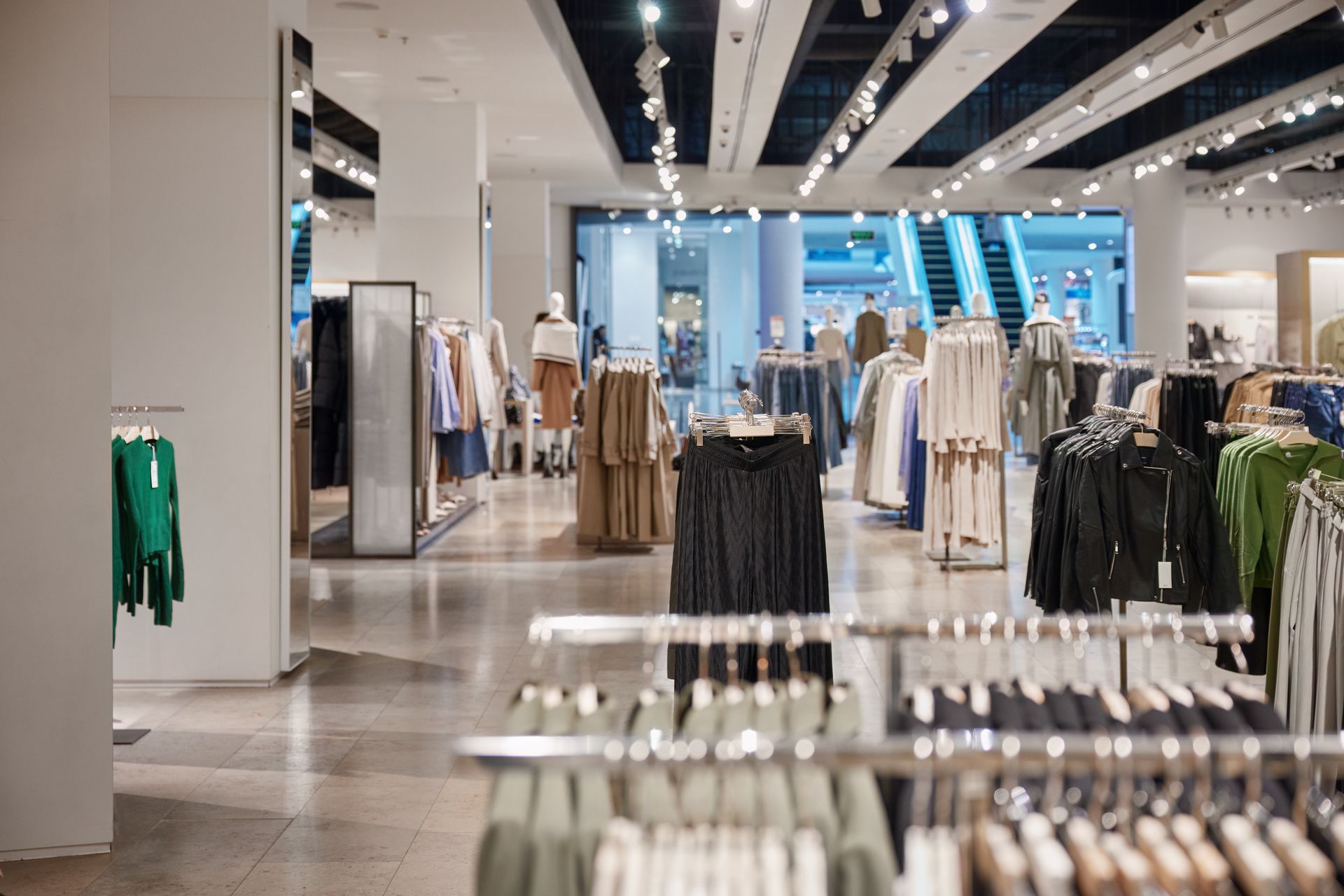
Retail and
Commercial Properties
Protection for storefronts, inventory, and customer-related liability.
Our Approach
Insurance Made Easy to Understand
Mesa Insurance Agency provides business insurance coverage that helps protect operations, employees, and property. We work with multiple carriers to offer coverage options that support daily business activities and long-term stability.
Insurance FAQs
Helpful Answers for Florida Clients
Support you can rely on.

What makes Mesa Insurance Agency different?
We are an independent agency with access to multiple carriers. This allows us to offer flexible coverage options.
Clients work directly with licensed agents. Service continues beyond the policy start date.
Do you offer coverage for individuals and families?
Yes. We provide personal insurance for individuals and families across Florida.
Coverage includes auto, home, health, life, and flood insurance. Our team explains each option clearly.
Do you work with small and mid-sized businesses?
Yes. We work with businesses of many sizes and industries.
Our team helps identify risks and secure appropriate coverage. Ongoing service is included.
Can I make changes to my policy later?
Yes. Policies can be updated as needs change.
We assist with coverage adjustments, additions, and removals. Clients can contact us directly for help.
Is flood insurance required in Florida?
Flood insurance is not always required, but it is strongly recommended in many areas.
Standard home insurance does not cover flood damage. Our team can review your flood risk and options.
How do I contact your office?
You can contact us by phone, email, or through our website.
Our team responds promptly during business hours. Support is always available when needed.
From the Blog
Insurance Topics That Matter
Clear answers for common questions.







Client Reviews
Trusted by Clients Across Florida
Mesa Insurance Agency is proud to serve individuals and businesses throughout Florida. Clients choose us for clear communication, responsive service, and reliable insurance support. Their feedback reflects our focus on long-term relationships and consistent service.
Contact Us