For welding shops operating in Florida, the challenges go far beyond daily operations. Every spark, every weld, every cut brings potential exposure to risks that can underpin severe injuries or costly property damage. Welding businesses must consider a variety of factors, from hazardous materials to unique jobsite conditions, when choosing an insurance plan that covers both everyday operations and unexpected events. Construction price increases and evolving industry standards only add to the complexity of risk management in Florida.
This article explores the particular risks welders and their businesses face in the state, along with a detailed look at what insurance options are available. It also examines how changing market conditions, including recent reforms in the insurance industry, are influencing policy costs and coverage terms. By understanding these dynamics, welding business owners can make more informed decisions that protect their operations and ensure their growth in a competitive market.
Understanding the Unique Risks in the Welding Industry
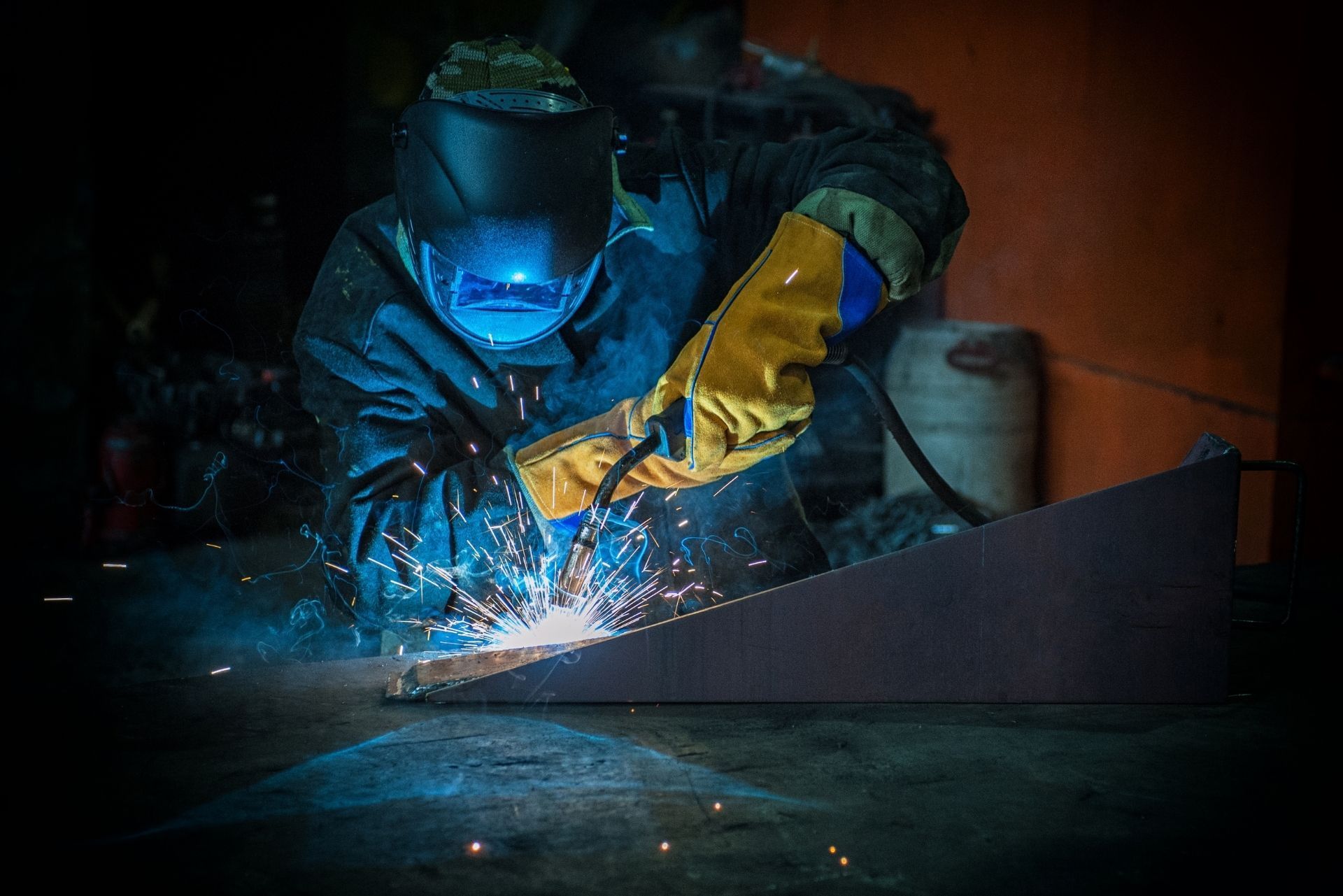
Welding is an inherently hazardous occupation. Sparks, intense heat, and the use of heavy machinery increase the potential for both minor and serious incidents. Each project can present a different mix of risks depending on materials handled, equipment used, and worksite conditions. In Florida, environmental factors such as high temperatures and humid conditions add yet another layer of challenge in managing operational hazards.
Even tasks that appear routine can expose workers to risks that might not be immediately obvious. For instance, welding near flammable materials or in sites where ventilation is compromised can elevate the danger significantly. Employers need to maintain strict safety protocols while also ensuring that their insurance policy covers both onsite injuries and potential property damage. This dual focus becomes especially vital in an environment where claim costs can escalate due to higher average preinjury wages and longer temporary disability periods (workers' compensation insights).
Welding businesses are also facing a changing landscape in Florida, where infrastructural developments and mixed-use projects are on the rise. This uptick in construction activity leads to both increased competition for resources and an expansion of the types of projects where welding expertise is needed. As the industry evolves, so too does the range of risks, making it essential for insurance policies to be both flexible and comprehensive.
Key Components of a Comprehensive Welder Insurance Policy
For welding businesses, the spectrum of insurance requirements is broad. Standard policies should encompass not just workers' compensation but also general liability, property insurance, and equipment coverage. This broadened coverage ensures minimal disruption if an incident occurs, whether it involves bodily injury or damage to valuable production equipment.
Workers' compensation remains a crucial component. Recent trends have shown that claims are heavily influenced by wage growth and the increased duration of temporary disability in the aftermath of injuries. In fact, in Florida, there has been a noticeable uptick in the total cost per workers’ compensation claim, which averages over $30,000 per claim (workers' compensation claim costs). With these figures in mind, ensuring that all employees are well-protected can prevent financial strain on the business.
General liability insurance is another vital element. For welders, general liability covers incidents of accidental damage to third-party property or bodily injuries that might occur if sparks fly unexpectedly. Given the increased construction material costs, such as the documented rise in wood prices, any unexpected incident could translate into significant repair or replacement expenses (material cost increases).
Equipment insurance covers both the welding tools and the larger industrial machines that many businesses rely on. The breakdown or damage of such equipment can lead to costly delays or a complete shutdown of operations, making this type of coverage indispensable. In addition, tailored policies often include provisions for seasonal or project-specific risks, which can be customized to the unique needs of the business.
The Impact of Market Trends on Insurance Costs
Florida's economic recovery, marked by a tight labor market and an uptick in wage growth, has had a noteworthy impact on the cost and structure of workers' compensation claims. With the average preinjury weekly wage increasing, claims have seen larger indemnity costs, forcing insurers to adjust pricing models accordingly (wage impacts on claims). This trend reflects a broader economic narrative where an increasing cost of living and demand for skilled labor drive much of the financial burden of workplace injuries.
In addition, the construction industry in Florida is experiencing a robust phase of growth. With an expected growth rate of 7% in 2025, the demand for welding expertise in mixed-use and infrastructure projects is climbing steadily (construction industry growth in Florida). As more projects spring up, insurance providers are compelled to offer more tailored and comprehensive packages to address the emerging risks associated with large-scale construction. While increased material costs represent a challenge, there is also a concurrent trend toward insurance reforms that aim to stabilize the market.
Recent insurance reforms have shown promise in mitigating some of the market uncertainties. According to a report from Gallagher Re, changes in the insurance landscape have begun to lower litigation costs and create a more balanced environment between insurers and policyholders (Florida insurance reforms). These reforms are particularly beneficial for industries that experience frequent claims, like welding, where the combination of increased wages and a high-risk environment could otherwise lead to escalating premiums.
Exploring Specialized Coverage Options for Welding Operations
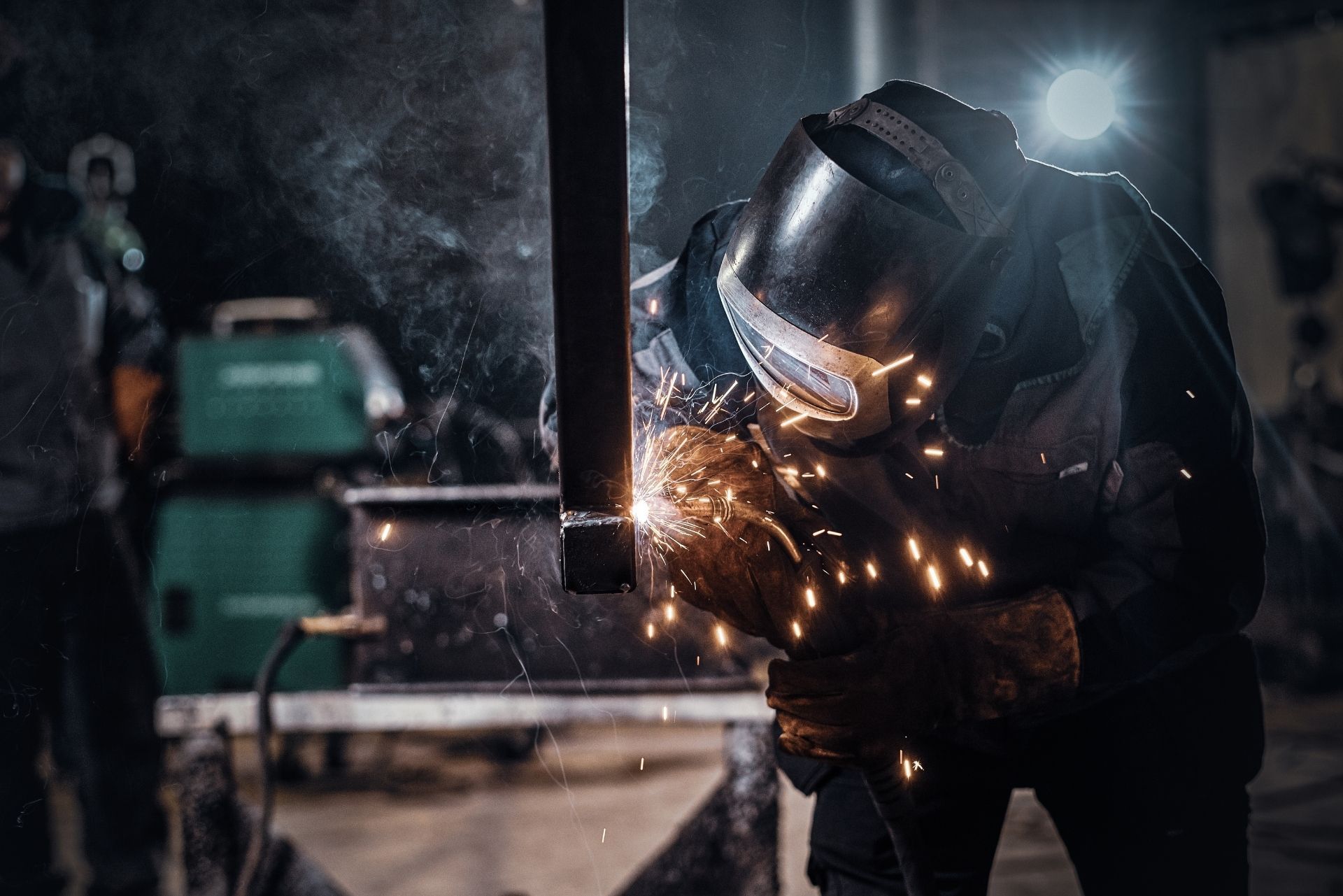
Many welding businesses opt for specialized endorsements tailored to the unique hazards of their operations. These endorsements can extend beyond the standard mask of coverage to protect against risks specific to welding, such as fire hazards from molten metal splashes or exposure to toxic fumes. Choosing the right mix of coverage is a decision that depends on the scale and nature of the organization, as well as the specifics of the jobsite.
Some policies integrate additional coverage for equipment breakdown and business interruption. Equipment breakdown coverage offers a financial cushion when essential machines unexpectedly fail due to operational stress or environmental conditions. Since downtime in the welding industry can be particularly costly, business interruption coverage ensures that revenues remain stable during repairs or equipment replacement phases.
Another emerging area is cyber liability insurance, which is gaining relevance even for industrial operations. With the increased reliance on digital technologies for operational management and record-keeping, welding businesses are not immune to the threat of cyberattacks. While still less common in the manufacturing sectors, the consequences of such breaches can be severe enough to additionally burden an already complex insurance landscape.
Challenges and Considerations for Welding Business Owners
One of the primary challenges facing welding business owners in Florida is balancing cost with extensive coverage. Insurance premiums in the state are influenced by several factors, including the unique hazards related to welding, rising wage costs, and the unpredictable nature of onsite operations. Recent reports indicate that the total cost per workers’ compensation claim has increased by about 7% over recent years, emphasizing the need for careful financial planning (workers' compensation claim costs).
Beyond the monetary considerations, the legal and regulatory environment poses its own set of challenges. Florida has seen an increase in litigation costs which, coupled with complex safety regulations, makes it imperative for businesses to secure a well-rounded policy that covers potential legal fees, settlements, or judgments. Recent insurance model adjustments due to new reforms are slowly stabilizing the market, but businesses must continuously review their policies to ensure they remain adequately covered.
Business owners must also consider how fluctuations in the broader economic landscape might affect their insurance coverage. For example, as construction sectors experience price increases due to rising costs of raw materials like wood and metals, insurers may adjust their premiums to reflect these market shifts (construction price increases). This adjustment makes it essential for welding business managers to engage in periodic policy reviews and open dialogues with their insurance providers.
Real-World Insights: Balancing Safety and Financial Prudence
The welding industry is as much about precision as it is about risk management. Industry experts point to the recent large indemnity growth, primarily due to rising wages and extended periods of temporary disability after workplace injuries (wage-related increase). These developments underscore the need for robust risk assessment protocols and comprehensive insurance programs that cover not just immediate hazards but also long-term financial liabilities.
Surveys among Florida-based welding business owners reveal that the emphasis on safety protocols has heightened after witnessing several high-profile claims. These claims, although unfortunate, have driven companies to re-evaluate both their operational practices and insurance strategies. Keeping up with the latest industry safety standards and regulatory requirements can often help drive down the likelihood of claims, leading to more favorable premium rates over time.
On the financial side, proper risk management contributes significantly to a business’s resilience. For small to medium-sized welding operations in Florida, negotiating with insurers to craft a policy customized for the nuances of their work environment is an essential practice. In many instances, insurers are willing to offer more flexible payment terms or discounts for businesses that demonstrate strong safety records and proactive risk management strategies.
Insurance for welding businesses is not solely about transferring risk; it also involves proactive management and prevention. Implementing rigorous safety measures and adhering to OSHA standards can significantly reduce the frequency of claims and enhance the bargaining power with insurers. Regular safety training sessions, periodic equipment inspections, and strict adherence to operational protocols are among the many strategies that have been shown to decrease workplace incidents.
Insurance providers in Florida are increasingly rewarding companies that invest in such proactive safety programs with more competitive rates and tailored coverage options. Reduced incident rates not only benefit the workers but also lower the overall risk profile of the business. This synergy between safety and insurance is particularly important in industries like welding where the probability of an incident is inherently higher.
Industry audits and third-party risk assessments offer additional assurance that a company is on top of its safety game. For insurance companies, a robust safety record can translate into fewer and less costly claims, which may be reflected in more favorable premium rates for the insured. A well-articulated risk management plan that outlines all safety protocols plays a vital role in both obtaining and maintaining comprehensive coverage.
Choosing an insurance provider that understands the unique needs of the welding industry is a critical step for any business owner. Not all insurers specialize in industrial hazards, and many may lack the nuanced understanding required to craft policies that fully address the complexities of welding operations. Companies should look for providers that offer flexibility in their coverage and who are willing to engage in open discussions about the specific risks the business faces.
When reviewing policy terms, it is important to consider the breadth of coverage versus cost efficiency. Some providers offer bundled packages that include general liability, workers' compensation, and equipment coverage under one policy. These packages can often be more economical and easier to manage than handling multiple, separate policies. However, the key is ensuring that the bundled package does not compromise on the depth of coverage in any one area.
In some cases, specialized endorsements or add-ons may be necessary. For instance, welders working on large-scale industrial projects might require additional coverage for on-site equipment breakdown or even cyber liability coverage if digital monitoring systems are an integral part of their operations. Business owners need to carefully review these options and compare them with the specific risks their operations face. An informed choice may result in a custom-tailored policy offering enhanced protection without unnecessary extra costs.
Emerging Trends in Florida’s Insurance Landscape
Recent reforms in Florida’s insurance market are changing the way businesses are covered. New policies are being developed with an emphasis on reducing litigation costs and ultimately stabilizing the industry (Florida insurance reforms). This positive shift is particularly critical for high-risk industries like welding, where regulatory compliance and financial liability go hand in hand. The stability brought about by these reforms offers welding businesses more predictable insurance costs and clearer terms.
Alongside regulatory changes, improvements in technology and data analytics are enabling insurers to offer more precise risk assessments. With improved data, premiums can more accurately reflect the actual risk profile of a business, meaning that companies with strong safety records benefit from lower costs. The rising trend of integrating operational data into policy underwriting is already making waves in how insurance products are structured, signaling a transition toward a more responsive and adaptive market.
Another notable trend is the increased focus on sustainability and green building practices. As Florida continues its expansion into mixed-use developments, welding companies that adopt environmentally friendly practices may find opportunities to negotiate better terms with insurers. The growing importance of sustainable construction not only affects the way projects are designed but also influences the risk profiles that insurers consider when pricing policies.
Comparison of Policy Options: A Closer Look
A side-by-side comparison of different policy features can help welding businesses clarify which options best meet their needs. The table below outlines a simplified comparison between a basic policy and an extended coverage policy tailored for higher-risk welding operations.
| Policy Feature | Basic Policy | Extended Coverage |
|---|---|---|
| Workers' Compensation | Standard coverage for workplace injuriesnsurance | Enhanced indemnity, higher wage replacement |
| General Liability | Coverage for third-party injuries and property damage | Expanded coverage including product liability |
| Equipment Insurance | Covers basic machinery and tools | Covers specialized welding equipment and on-site machinery breakdown |
| Business Interruption | Standard revenue protection | Extended periods of coverage with ancillary expenses |
| Cyber Liability | Optional add-on | Included for comprehensive risk management |
This table offers a snapshot of what welding businesses need to think about when comparing policy options. Though the extended coverage policy might come at a higher premium, it better reflects the enhanced risks in today’s operational environment. Companies engaged in large industrial projects or those operating in high-risk areas may find that the investment in extended coverage pays dividends in reduced downtime and legal costs when an incident occurs.
Business owners often rely on this kind of detailed, comparative information when negotiating with insurers. It provides clear markers of what they’re paying for and highlights the value proposition of enhanced safety and protection during unforeseen emergencies.
Integrating Expert Advice and Best Practices
Industry experts recommend that welding businesses in Florida adopt a proactive stance when it comes to risk management. Given the trends in workers' compensation costs-where increases have been linked to rising wages and extended periods of temporary disability-businesses should aim to reduce the frequency and severity of claims by investing in robust safety measures (wage influence on claims).
Regular safety training and updated equipment maintenance protocols are two of the primary recommendations coming from risk management specialists. These measures not only help to reduce the likelihood of accidents but can also lead to more favorable insurance premium adjustments. Claims history is a key factor in determining policy rates, so a lower incidence of claims contributes directly to long-term savings and enhanced business stability.
Consulting with insurance professionals who have deep expertise in the welding industry can offer invaluable insights. Many seasoned brokers are well-versed in the nuances of policies required for high-risk operations. Their recommendations often include tailored safety audits, custom risk management workshops, and personalized policy reviews, ensuring that the insurance coverage evolves in parallel with operational changes. Such proactive engagement frequently results in better coverage terms and a reduction in unforeseen claim expenses.
Regulatory Considerations Impacting Welding Insurance
Operating a welding business in Florida means navigating a host of state-specific regulations. These rules are designed to protect both the workforce and the public but can also influence the types of insurance policies needed. Compliance with OSHA and other regulatory bodies remains a top priority, not only to avoid fines but also to ensure that insurance providers see the business as a lower risk. When documented safety protocols are in place and regularly audited, insurers are often more inclined to offer tailored policies with competitive rates.
Recent regulatory shifts aimed at stabilizing the insurance market have introduced measures to lower litigation costs and streamline the claims process (Florida insurance reforms). Welding businesses benefit when reforms lead to a less adversarial relationship between insurers and policyholders. Such changes mean fewer disputes over coverage claims and a more predictable premium structure, which is vital for day-to-day budgeting and long-term financial planning.
Business owners should not only stay updated on legislative changes but also actively engage with industry associations. These groups frequently offer resources, legal updates, and best practices webinars that can aid in ensuring that policies remain compliant with new standards. Keeping pace with regulatory changes minimizes the risk of encountering gaps in coverage that could arise from non-compliance.
Future Outlook for Welding Insurance in Florida
The future of welding insurance in Florida appears to be characterized by both opportunity and transformation. As the state sees a continual rise in infrastructural projects and construction activities, the demand for specialized welding services is expected to grow. This increased activity, in turn, will drive more comprehensive and adaptive insurance policies designed to meet the rising challenges of elevated risk levels and higher operational costs.
One trend likely to gather momentum is the development of insurance products that are increasingly data-driven. Insurers are investing in advanced analytics to better ascertain risk levels, taking into account everything from historical claim data to modern safety practices. Such a data-centric approach can provide more accurate pricing models, ensuring that businesses with robust safety programs are rewarded with lower premiums.
Additionally, the integration of technology in operational safety is expected to play a larger role in mitigating risks. From wearable safety devices to automated monitoring systems, technology is enabling welding businesses to prevent incidents before they occur. Insurers are likely to adapt their policies to include incentives for adopting such technologies, further emphasizing the link between proactive safety measures and financial prudence.
Frequently Asked Questions
What does a typical welding insurance policy cover?
Welding insurance policies typically cover workers' compensation, general liability, property damage, and equipment breakdown. Some policies may include additional endorsements for cyber liability or business interruption.
How do rising construction costs affect my premiums?
Increased costs of raw materials and higher operational expenses can affect premiums by increasing the overall risk profile of projects. Insurers adjust rates to offset the financial implications of these increased costs (construction material price increases).
Is it necessary to update my policy regularly?
Yes, regular updates ensure that your policy continues to match the current operational risks and covers any new liabilities. Changes in business size, regulatory reforms, or new technologies can all require adjustments to your coverage.
Can I get discounts for implementing safety measures in my business?
Many insurers offer reduced premiums if you maintain a strong safety record and incorporate proactive risk management measures. Regular safety training and audits can contribute to these discounts.
How important is specialized coverage for welding equipment?
Specialized equipment coverage is crucial as it protects against the high costs associated with repairing or replacing specialized welding tools and machinery, minimizing operational downtime.
What impact do workers' compensation claims have on my insurance?
Higher workers' compensation claims, driven by increased wages and longer disability durations, can lead to higher premiums. Reducing workplace incidents through improved safety protocols can help manage these costs (workers' compensation cost trends).
Wrapping Things Up
Welding businesses in Florida must navigate a complex interplay of operational risks, evolving market conditions, and ever-changing regulatory landscapes. The unique challenges in the welding industry, from hazardous operational environments to technological integrations, demand a sophisticated insurance approach that is as dynamic as the industry itself. Tailored policies that blend comprehensive coverage with risk management practices represent the best defense against both typical and extraordinary incidents.
Understanding the impact of rising construction costs, wage growth, and regulatory reforms is key to grasping the full picture of how welding insurance policies are designed and priced. With improvements in technology and data analytics, future policies may become even more responsive to individual business profiles. Staying informed and engaging with knowledgeable insurance professionals will be essential steps for any welding business owner in Florida looking to safeguard their investments.
Ultimately, the goal is to secure a policy that not only mitigates risks but also supports a thriving business environment. With thoughtful planning and informed decision-making, welding businesses can continue to produce high-quality work and drive growth, even in the face of ever-evolving challenges. As the insurance landscape stabilizes with recent reforms, the future looks promising for those who are proactive in managing their operational risks and securing the right coverage for their ventures (insurance market reforms in Florida).
ABOUT THE AUTHOR: PAUL RAMENTOL
I am the Owner and President of Mesa Insurance Agency. I help individuals and business owners across Florida secure personal and business insurance coverage that supports their needs. My focus is on clear guidance, direct communication, and long-term support without call-center delays or confusion.
Contact Us

Personal Coverage Options
Insurance Built for Everyday Protection
Mesa Insurance Agency provides personal insurance coverage designed to support daily life. Our team reviews risks and coverage needs to help clients secure dependable protection at fair rates.
Dental & Vision Insurance
Coverage that helps manage routine dental and vision care costs.

Business Coverage Options
Insurance Built for Business Protection
Mesa Insurance Agency provides business insurance coverage that helps protect operations, employees, and property. We work with multiple carriers to offer coverage options that support daily business activities and long-term stability.
Commercial Auto Insurance
Coverage for business-owned vehicles, drivers, and accident-related liability exposure.
General Liability Insurance
Protection against third-party injury, property damage, and common business liability risks.
Professional Liability Insurance
Coverage for claims related to professional services, advice, or service errors.
Workers’ Compensation Insurance
Coverage that helps support employees with work-related injuries and medical costs.
Commercial Property Insurance
Protection for buildings, equipment, inventory, and physical business assets.
Errors & Omissions Insurance
Coverage for financial losses caused by mistakes, omissions, or service-related claims.
Industries We Serve
Serving Businesses Across Multiple Sectors
Mesa Insurance Agency works with business owners across Florida to provide insurance coverage that supports daily operations. We understand common risks faced by different industries and help clients secure reliable protection.

Construction and Trades Insurance
Coverage for job sites, vehicles, tools, and workplace risks.

Hospitality Businesses Insurance
Insurance for restaurants, bars, and service-based operations.

Retail and
Commercial Properties
Protection for storefronts, inventory, and customer-related liability.
Our Approach
Insurance Made Easy to Understand
Mesa Insurance Agency provides business insurance coverage that helps protect operations, employees, and property. We work with multiple carriers to offer coverage options that support daily business activities and long-term stability.
Insurance FAQs
Helpful Answers for Florida Clients
Support you can rely on.

What makes Mesa Insurance Agency different?
We are an independent agency with access to multiple carriers. This allows us to offer flexible coverage options.
Clients work directly with licensed agents. Service continues beyond the policy start date.
Do you offer coverage for individuals and families?
Yes. We provide personal insurance for individuals and families across Florida.
Coverage includes auto, home, health, life, and flood insurance. Our team explains each option clearly.
Do you work with small and mid-sized businesses?
Yes. We work with businesses of many sizes and industries.
Our team helps identify risks and secure appropriate coverage. Ongoing service is included.
Can I make changes to my policy later?
Yes. Policies can be updated as needs change.
We assist with coverage adjustments, additions, and removals. Clients can contact us directly for help.
Is flood insurance required in Florida?
Flood insurance is not always required, but it is strongly recommended in many areas.
Standard home insurance does not cover flood damage. Our team can review your flood risk and options.
How do I contact your office?
You can contact us by phone, email, or through our website.
Our team responds promptly during business hours. Support is always available when needed.
From the Blog
Insurance Topics That Matter
Clear answers for common questions.







Client Reviews
Trusted by Clients Across Florida
Mesa Insurance Agency is proud to serve individuals and businesses throughout Florida. Clients choose us for clear communication, responsive service, and reliable insurance support. Their feedback reflects our focus on long-term relationships and consistent service.
Contact Us