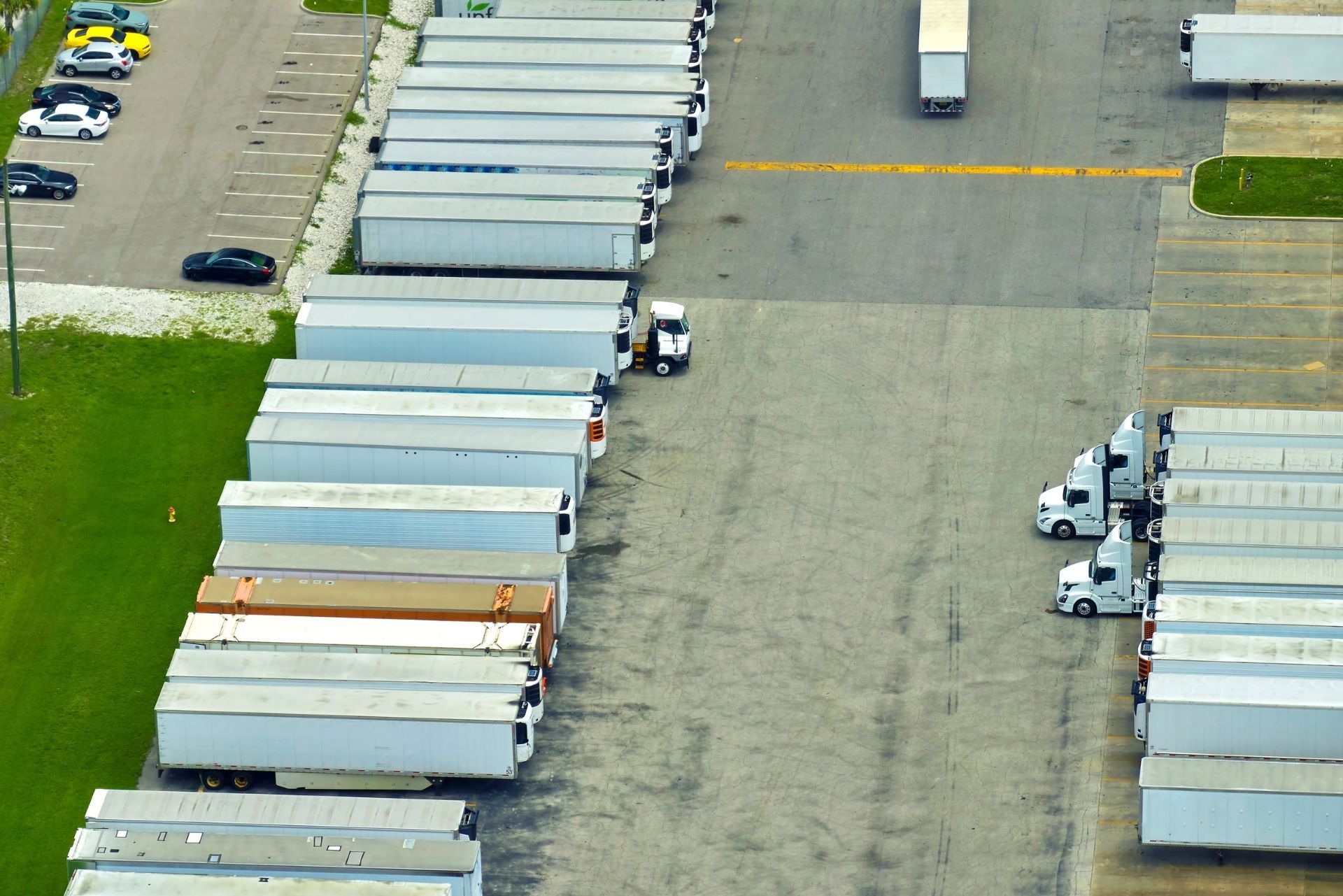
A trailer storage yard in Florida can be a lucrative venture, but it also faces a diverse range of risks. Unexpected weather events, property damage, and fluctuating market conditions all demand a robust insurance program. This article explains how proper insurance coverage for trailer storage operations can protect investments while navigating the complexities of Florida’s unique risk landscape. Explore the details and real-world insights from industry experts and research to ensure that every trailer storage yard operates under comprehensive and effective coverage. For more background on insurance challenges in Florida, review insights from Florida's declining home insurance market.
Understanding the Risk Landscape for Trailer Storage Yards in Florida
Florida’s weather can be unpredictable. Intense storms, heavy rainfall, and even the occasional hurricane all contribute to a risk profile that is significantly higher than in many parts of the country. These weather events not only damage stored trailers but can also affect the facility’s infrastructure. An insurance policy must therefore cover property damage, business interruption, equipment loss, and liability issues that may arise from accidents occurring on the premises.
Beyond natural hazards, operational risks also include theft, vandalism, and accidental collisions within a busy storage yard. The cumulative exposure to such risks underscores the need for tailored coverage that addresses both property and liability aspects. With incidents becoming more frequent, facilities must closely review their exposure and adjust coverage accordingly.
Recent research has indicated a broader crisis in the insurance market in Florida. For example, active home insurance policies in the state have experienced a dramatic decline over the past decade, reflecting deeper systemic challenges (Deep Sky Research).
Property Insurance
Property insurance is one of the primary forms of coverage needed by trailer storage yard operators. This insurance protects the physical premises from damage or loss due to weather misfortunes, vandalism, and accidents. A well-structured property insurance policy covers the buildings, surrounding structures, and any installed equipment such as security systems. It ensures that all physical assets are safeguarded against unexpected events.
For operations located in Florida, this coverage is even more vital, given the state’s exposure to severe weather conditions. Robust property insurance can mitigate financial losses in the wake of events like flash floods or high winds. This is important because many operators might see an uptick in previous trends where insurance availability has fluctuated (Florida Surplus Lines Service Office).
While property insurance forms the backbone for risk management in trailer storage yards, operators also need policies covering other aspects of their business to maintain resilience in face of a challenging market.
General Liability Coverage
General liability insurance is critical for protecting trailer storage yards by covering third-party claims for bodily injury or property damage occurring on site. When a client or visitor is injured, liability claims can be financially crippling if not appropriately covered. This type of insurance not only helps in managing legal bills but also covers potential settlements or judgments.
Given the operational hazards in trailer storage yards, ranging from moving equipment to handling large volumes of vehicles, general liability is a must-have protection for yard operators. Very often, incidents that occur during daily yard activities can lead to significant legal and financial claims made by insured parties. The complexity of such claims necessitates a policy that thoroughly evaluates potential exposures and compensates for damages effectively.
A comprehensive liability program reassures both operators and clients that all foreseeable risks are managed according to industry best practices.
Business Interruption and Additional Coverages
Business interruption coverage is essential for trailer storage yards that rely on regular income to meet their financial commitments. This type of coverage replaces lost income during periods when the business is forced to shut down because of covered perils. It factors in operational costs, payroll, and ongoing expenses to keep a business afloat during downtimes.
Additional endorsements or coverages can be integrated into a base policy to cover equipment breakdowns, cyber risks, and environmental liability. This flexibility allows insurance solutions to be customized based on the specific exposure of a trailer storage yard operator. Tailored endorsements can extend protection where it is most needed, ensuring that gaps remain minimal.
For operators managing complex operations, such additional coverage options provide peace of mind and safeguard against losses often associated with interruptions that can derail long-term business plans.
Market Trends and Challenges in Florida’s Insurance Sector
Decline in Active Policies and Market Instability
Recent studies have highlighted a significant shift in Florida’s insurance market. Between 2014 and 2024, the number of active home insurance policies plummeted by 78%, dropping from 3.2 million to just 710,000. Such a severe downturn mirrors broader challenges within the industry and serves as a warning about potential vulnerabilities (Deep Sky Research).
This decline in active coverage indicates that similar trends might affect commercial lines, including insurance for trailer storage yards. As insurers withdraw or adjust their offerings in response to risk exposure, market instability can result, leading to higher premiums or reduced coverage limits. Operators may find that the pool of available policies shrinks over time, thereby necessitating smarter, customized risk management solutions.
Addressing these market shifts involves both understanding the causes of reduced policy participation and identifying strategies that leverage emerging trends in risk mitigation.
Emerging Solutions and Positive Developments
Not all news in the Florida insurance market is bleak. There have been optimistic signals such as the re-entry of private insurers into certain coverage lines and a stabilization in surplus lines premiums. This stabilization has been characterized by minor rate adjustments and a cautious bounce back in insurer participation (Florida Office of Insurance Regulation).
Experts argue that the current challenges are symptomatic of deeper systemic issues related to climate risks. With some specialists even referring to the insurance crisis as an early warning for climate catastrophe, the need to adapt becomes clear (Max Dugan-Knight, Deep Sky Research).
For trailer storage yard operators, keeping pace with these developments involves working closely with insurers who understand Florida’s climate reality and who offer products designed with flexibility in mind.
Understanding the Impact of Climate and Weather on Coverage Needs
Weather-Related Perils and the Need for Tailored Policies
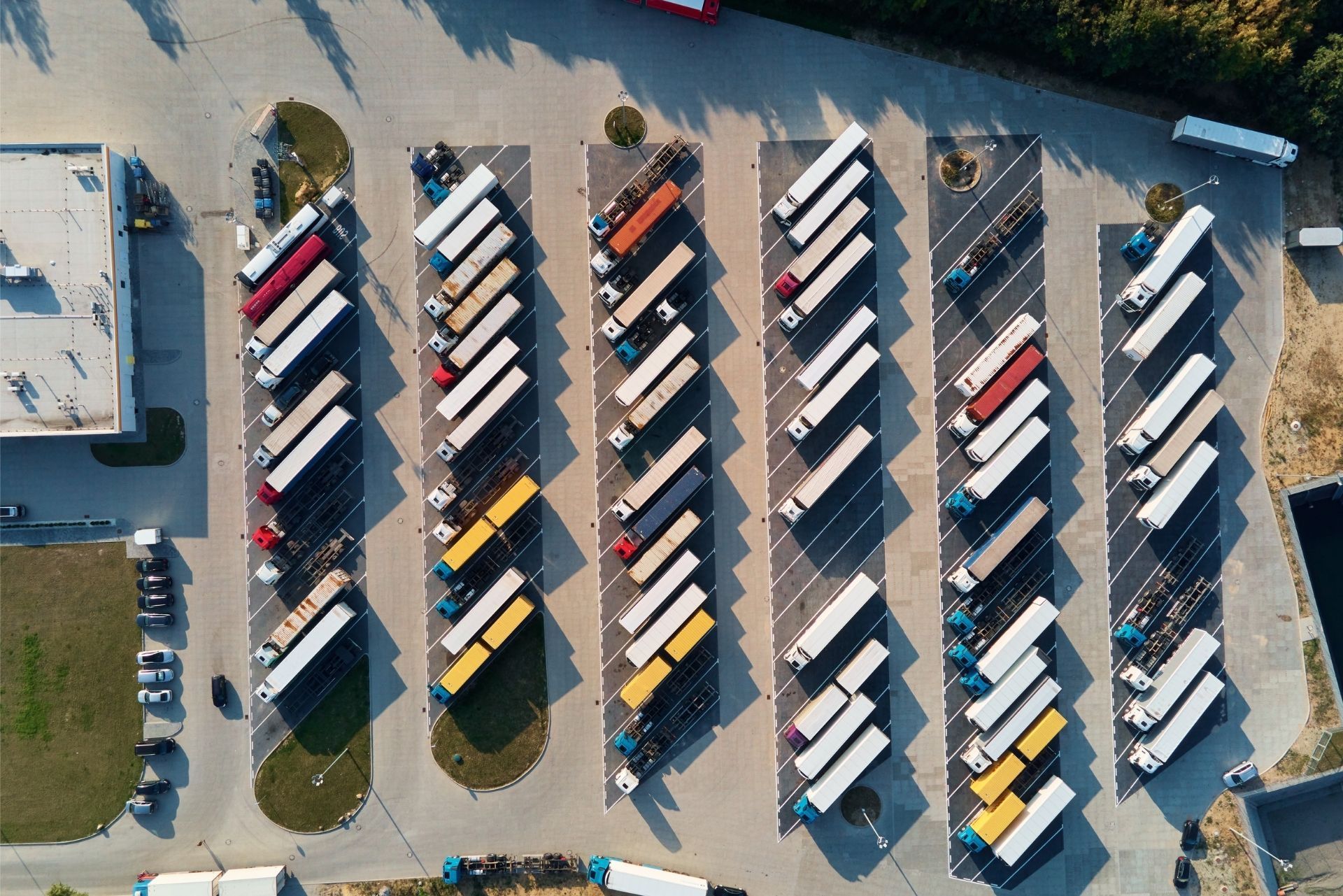
Florida’s geographic location means that the state is exposed to a variety of weather-related risks. Heavy rains, tropical storms, and hurricanes are all part of the local reality. This environment intensifies the requirements for coverage that goes beyond standard policies. Operators need a policy that is sensitive to events such as water damage, high winds, and lightning strikes. In many cases, insurance carriers need to innovate their underwriting guidelines to better capture the true risk profile of trailer storage yards.
Wind and water damage are common causes of financial loss. For example, damage caused by hurricanes can disrupt operations for extended periods. This interruption can result in lost income and expensive repair costs. Hence, policies that cover both physical damage and business interruption are essential for restoring operations quickly following a major storm.
Insurance experts emphasize how fundamental climate change is to the risk equation. As reinsurance pricing trends show a marked decline in pricing across the market, Florida finds itself at the intersection of evolving risk and competitive premium adjustments (Randy Fuller, Guy Carpenter).
Assessing Risk Through Emerging Data
Advanced risk modeling and predictive analytics have become integral to understanding how climate-related risks influence insurance pricing and policy availability. Data-driven insights allow insurers to pinpoint vulnerabilities in trailer storage yards and recommend specific mitigation measures. For instance, installing advanced security measures or enhancing drainage systems can reduce the likelihood of severe damage during a storm.
Innovative studies have even highlighted trends in various commercial sectors. A study on Florida RV parks revealed a loss ratio that remained significantly lower than the industry average, suggesting that tailored risk management approaches can make a tangible difference. This type of research underlines the importance of customizing coverages to minimize loss ratios and stabilize premiums.
By leveraging data and integrating modern risk assessment techniques, operators can not only reduce risks but also negotiate better terms with insurers amid a challenging market environment.
Strategies to Enhance Insurance Solutions for Trailer Storage Operations
Customized Coverage and Endorsements
Trailer storage yard operators who wish to secure better insurance solutions should consider working with insurers that offer customized endorsements. These specialized coverages typically address risks associated with climate, operational hazards, and liability exposures. For instance, a tailored policy may include additional endorsements for flood damage or better coverage for business interruption, ensuring that the unique aspects of a trailer yard are thoroughly covered.
This kind of customization minimizes the risk of gaps in coverage. It helps ensure that if a localized incident disrupts operations, the financial impact is cushioned by specialized protections tailored to such circumstances. The adaptability of policies is crucial in Florida, where market shifts may require rapid adjustments to traditional coverage plans.
Customized endorsements also empower operators to negotiate premiums that reflect their actual exposure rather than statewide averages. This dynamic approach allows for more economical and efficient insurance solutions, aligning closely with day-to-day operational risks.
Risk Mitigation and Preventative Measures
While insurance plays a critical role in mitigating risk, preemptive strategies can reduce potential losses significantly. Effective risk mitigation measures include enhancing security around the yard, integrating modern surveillance systems, and ensuring that trailers are stored in a manner that minimizes damage potential. Regular maintenance of infrastructure, such as drainage systems and security barriers, also helps prevent minor issues from escalating into major claims.
Engaging in periodic reviews of safety protocols and emergency response plans prepares a yard to promptly address adverse events. Implementing these best practices benefits operators by reducing the frequency and severity of insurance claims, which over time, can lead to more favorable policy terms and premium rates.
This proactive approach to risk management is especially relevant given recent trends. As the rate of policy cancellations in other sectors suggests, being prepared and showing a commitment to risk reduction is key in securing affordable, reliable insurance coverage.
The Financial Implications for Trailer Storage Yard Operators
Premium Adjustments and Long-Term Sustainability
Market fluctuations, heightened risk profiles, and increasing claim frequencies have led to premium adjustments across many sectors in Florida. For trailer storage yard operators, staying ahead means understanding how external factors like climate patterns influence overall insurance costs. Recent improvements in the surplus lines market indicate that while premiums remain sensitive to environmental risks, there are signs of stabilization with only minimal adjustments year-to-year (Florida Surplus Lines Service Office).
A well-structured policy that integrates both property and liability coverage can ensure that operators do not face catastrophic financial consequences following an incident. The stability seen in private insurance filings, combined with competitive market entries, provides some reassurance that long-term sustainability is achievable. However, it also puts the emphasis on maintaining operational best practices and continuous monitoring of inherent risks.
For a reliable insurance program, long-term planning is as crucial as day-to-day risk mitigation. Operators should consider regular policy reviews and consultations with insurance experts to keep pace with market changes.
Legal and Regulatory Considerations
Insurance in Florida often intersects with legal and regulatory complexities that can significantly affect trailer storage yards. When claims are denied or coverage limits fall short in meeting unexpected losses, operators might face legal battles. Recent data indicates a slight rise in litigation among Florida homeowners whose claims were denied, reflecting broader tensions in the insurance market (National Association of Insurance Commissioners via Weiss Ratings).
This trend underscores the importance of having robust legal safeguards and ensuring that insurance policies are clear in their terms and conditions. Operators should closely review policy language, seek advice when necessary, and ensure that any legal obligations are managed proactively. A clear, detailed policy can prevent disputes and provide better protection in case litigation arises after a claim is filed.
Understanding local regulations and industry standards not only aids in compliance but also in building trust with insurers who are increasingly paying attention to risk mitigation in a legally complex environment.
Practical Guidance for Navigating the Florida Insurance Market
Key Questions and Considerations When Choosing Coverage
Choosing the ideal insurance coverage for a trailer storage yard in Florida involves evaluating several essential factors. Start by assessing the specific risks associated with a particular site. Consider questions like: What historical weather patterns influence this area? Are there any local regulations or environmental considerations that might affect coverage?
Operators should then compare insurance solutions from different providers. Look for policies with clear definitions of property, liability, and business interruption coverage. Ensure that the policy addresses any potential operational nuances, such as daily traffic within the yard or seasonal fluctuations in demand. Additionally, it is useful to enquire about any tailored endorsements or risk mitigation incentives available from insurers.
This approach will yield insurance programs that are finely tuned to an operator’s needs, rather than generic policies that fail to account for the specific challenges of operating in Florida.
Cost versus Coverage: Balancing Budget with Protection
The balancing act between keeping premiums affordable and ensuring robust protection is a constant challenge. While the financial pressures of a challenging insurance market may nudge operators to focus primarily on cost, the benefits of adequate coverage far outweigh any potential savings from stripped-down policies.
Robust insurance does more than merely protect assets- it offers the security to pursue growth and manage day-to-day operations without overwhelming financial risk. Operators should carefully weigh the trade-offs between lower premiums and the potential for costly gaps in coverage. A policy that at first appears expensive may offer the necessary protections that prevent devastating financial losses in the event of a significant claim.
Examining how insurers structure their premiums can reveal subtle differences in risk management approaches. Engaging with reputable advisors can aid operators in scrutinizing the fine print and deciding where compromises are acceptable versus where the risks are too high to ignore.
Data-Driven Insights and Comparative Analysis
Comparative Table: Coverage Elements for Trailer Storage Yards
The table below presents a side-by-side look at key coverage elements for trailer storage yard operations. This comparative analysis is designed to help operators understand the differences between basic coverage and more comprehensive insurance solutions.
| Coverage Element | Basic Policy | Comprehensive Policy |
|---|---|---|
| Property Damage | Standard weather-related incidents | Covers wind, water, and additional perils including vandalism |
| General Liability | Basic third-party injury and property claims | Extended coverage with high limits for serious incidents |
| Business Interruption | Limited income replacement | Comprehensive coverage including operating expenses and payroll |
| Additional Endorsements | Optional add-ons at extra cost | Integrated risk mitigation measures, often customized by operator |
This side-by-side comparison highlights how a comprehensive policy can make a significant difference in protecting an operator’s investment. Making an informed decision based on these distinctions is key to long-term success.
Data-Driven Trends and Their Implications
Understanding market trends requires integrating data-driven insights from the industry. Recent studies have tracked changes in insurance policy availability and premium adjustments over the past decade in Florida. One notable example is the significant decline in active home insurance policies, which dropped by 78% from 2014 to 2024 (Deep Sky Research). While trailer storage yards operate in a different niche, they nonetheless share similar exposure to market instability.
In parallel, surplus lines insurance has shown signs of stabilization with minimal year-to-year premium changes. Such trends, while not directly affecting every operator, underscore the importance of adaptive risk management and the pursuit of comprehensive coverage policies during times of market volatility.
Trends like these illustrate that the insurance market in Florida is adapting to evolving risks; a fact that underscores the need for operators to regularly review their coverage and select policies that offer both stability and flexibility.
Frequently Asked Questions
The following questions address common concerns for trailer storage yard operators and shed light on important aspects of insurance coverage in Florida.
Q: Why is customized insurance important for trailer storage yards?
A: Customized insurance ensures that specific risks associated with trailer storage yard operations, such as weather-related damage and operational hazards, are adequately covered. Tailored policies prevent gaps in protection that generic policies may miss.
Q: How does Florida’s weather impact insurance premiums?
A: Florida’s weather, including hurricanes and tropical storms, increases the risk profile. Insurers often adjust premiums based on historical weather patterns and the exposure of specific locations, resulting in potentially higher costs for comprehensive coverage.
Q: What are the benefits of business interruption coverage for trailer yards?
A: Business interruption coverage replaces lost income during operational shutdowns triggered by covered events. This protection is critical for managing payroll, ongoing expenses, and maintaining business continuity after a significant event.
Q: Can risk mitigation measures affect insurance costs?
A: Yes, proactive risk mitigation measures such as installing surveillance systems, improving infrastructure, and regular maintenance can reduce claim frequency and severity. This, in turn, can lead to lower premiums and better coverage terms.
Q: What legal considerations should operators keep in mind when selecting a policy?
A: Operators should carefully review policy language, especially around claim denial clauses and liability limits, to ensure they are protected in case of disputes. Legal advice may be necessary to navigate complex regulations and secure comprehensive coverage.
Final Thoughts on Navigating Insurance for Trailer Storage Yards
Trailer storage yard insurance in Florida demands hands-on attention and a strategic approach that considers weather risks, market trends, and localized exposures. As the Florida insurance market evolves-marked by significant shifts like a 78% drop in active home insurance policies (Deep Sky Research)-operators must remain agile and informed.
Achieving a balance between cost and comprehensive protection often means opting for policies that are as unique as the risks they cover. For many operators, this translates into working closely with insurers receptive to the challenges of operating in Florida; providers that understand both the operational nuances of a trailer yard and the broader climate-driven market shifts.
Staying current with data trends and seeking expert advice can provide truckyard operators with the confidence to navigate an evolving market. With ongoing improvements in market stability, such as reinsurance pricing adjustments noted by industry experts (Guy Carpenter), the road ahead may be more navigable than it once was. Solid risk management and well-structured coverage can help ensure that unforeseen disruptions do not derail a carefully built business plan.
Wrapping Things Up
Understanding insurance coverage for trailer storage yards in Florida is about more than just buying a policy-it’s about constructing a fortress for your operations in a state where risk is a constant companion. With property damage, liability challenges, business interruption, and climate-driven market changes impacting the industry, a comprehensive, adaptable insurance plan is indispensable.
The insights provided here offer a pathway for operators to explore customized endorsements, proactive risk mitigation measures, and data-driven adjustments in response to evolving hazards. Staying informed with current market developments-from significant declines in active policies to the emergence of stabilizing surplus lines-lays the foundation for making smart decisions.
Whether faced with sudden weather events or the ripple effects of broader market instability, the right insurance coverage can keep a trailer storage yard operating smoothly. Embracing a strategic approach that combines expert consultation, tailored policies, and scrutiny of current trends will provide the sturdy support necessary for long-term success. For more details on market conditions and industry insights in Florida, operators are encouraged to routinely check trusted resources like the
Florida Office of Insurance Regulation.
ABOUT THE AUTHOR: PAUL RAMENTOL
I am the Owner and President of Mesa Insurance Agency. I help individuals and business owners across Florida secure personal and business insurance coverage that supports their needs. My focus is on clear guidance, direct communication, and long-term support without call-center delays or confusion.
Contact Us

Personal Coverage Options
Insurance Built for Everyday Protection
Mesa Insurance Agency provides personal insurance coverage designed to support daily life. Our team reviews risks and coverage needs to help clients secure dependable protection at fair rates.
Dental & Vision Insurance
Coverage that helps manage routine dental and vision care costs.

Business Coverage Options
Insurance Built for Business Protection
Mesa Insurance Agency provides business insurance coverage that helps protect operations, employees, and property. We work with multiple carriers to offer coverage options that support daily business activities and long-term stability.
Commercial Auto Insurance
Coverage for business-owned vehicles, drivers, and accident-related liability exposure.
General Liability Insurance
Protection against third-party injury, property damage, and common business liability risks.
Professional Liability Insurance
Coverage for claims related to professional services, advice, or service errors.
Workers’ Compensation Insurance
Coverage that helps support employees with work-related injuries and medical costs.
Commercial Property Insurance
Protection for buildings, equipment, inventory, and physical business assets.
Errors & Omissions Insurance
Coverage for financial losses caused by mistakes, omissions, or service-related claims.
Industries We Serve
Serving Businesses Across Multiple Sectors
Mesa Insurance Agency works with business owners across Florida to provide insurance coverage that supports daily operations. We understand common risks faced by different industries and help clients secure reliable protection.

Construction and Trades Insurance
Coverage for job sites, vehicles, tools, and workplace risks.

Hospitality Businesses Insurance
Insurance for restaurants, bars, and service-based operations.
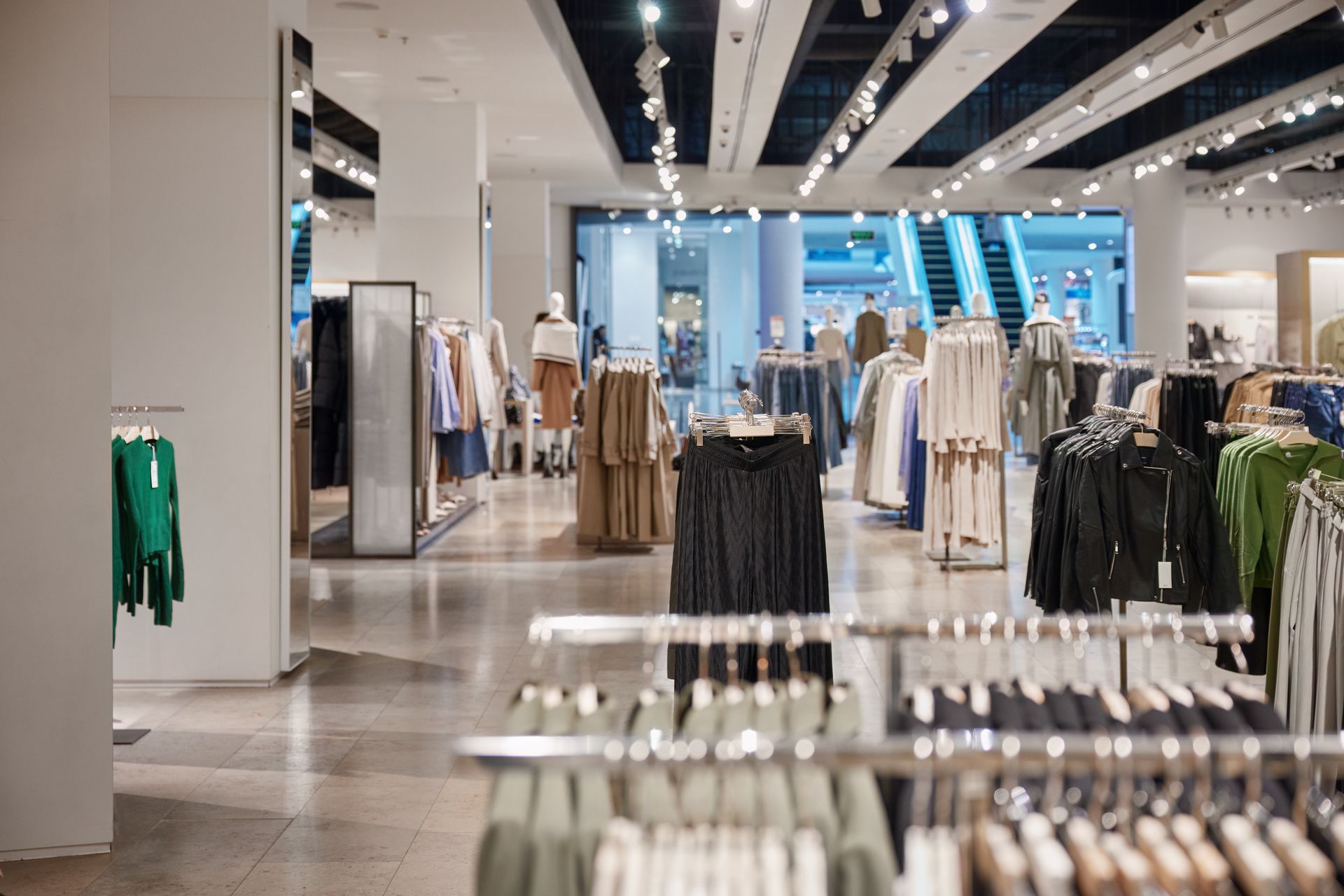
Retail and
Commercial Properties
Protection for storefronts, inventory, and customer-related liability.
Our Approach
Insurance Made Easy to Understand
Mesa Insurance Agency provides business insurance coverage that helps protect operations, employees, and property. We work with multiple carriers to offer coverage options that support daily business activities and long-term stability.
Insurance FAQs
Helpful Answers for Florida Clients
Support you can rely on.

What makes Mesa Insurance Agency different?
We are an independent agency with access to multiple carriers. This allows us to offer flexible coverage options.
Clients work directly with licensed agents. Service continues beyond the policy start date.
Do you offer coverage for individuals and families?
Yes. We provide personal insurance for individuals and families across Florida.
Coverage includes auto, home, health, life, and flood insurance. Our team explains each option clearly.
Do you work with small and mid-sized businesses?
Yes. We work with businesses of many sizes and industries.
Our team helps identify risks and secure appropriate coverage. Ongoing service is included.
Can I make changes to my policy later?
Yes. Policies can be updated as needs change.
We assist with coverage adjustments, additions, and removals. Clients can contact us directly for help.
Is flood insurance required in Florida?
Flood insurance is not always required, but it is strongly recommended in many areas.
Standard home insurance does not cover flood damage. Our team can review your flood risk and options.
How do I contact your office?
You can contact us by phone, email, or through our website.
Our team responds promptly during business hours. Support is always available when needed.
From the Blog
Insurance Topics That Matter
Clear answers for common questions.






Client Reviews
Trusted by Clients Across Florida
Mesa Insurance Agency is proud to serve individuals and businesses throughout Florida. Clients choose us for clear communication, responsive service, and reliable insurance support. Their feedback reflects our focus on long-term relationships and consistent service.
Contact Us