A single malfunctioning machine, an unexpected power outage, or a safety incident can disrupt production schedules and lead to sizable financial losses. For operators in Florida's poultry processing sector, understanding the intricacies of insurance options is critical for stable business operations. With stringent safety regulations, evolving industry standards, and a unique state-specific environment, poultry processors must adapt quickly without compromising on risk management. For those seeking detailed insights on employment trends and industry structure, employment statistics by county offer a snapshot of the local economic landscape.
Insurance provides a safety net against unexpected events that could otherwise cripple operations. Florida’s poultry processing plants vary in size, capacity, and technology. As such, insurance considerations must be tailored to each plant’s specific risks. The interplay between safety initiatives, worker statistics, and production data forms the nucleus of strategic risk management, particularly in a state known for its dynamic agriculture and processing industries.
This article explores various facets of insurance coverage for poultry processing operations and underscores why a comprehensive approach tailored to the unique conditions in Florida is indispensable. Detailed data from reliable sources informs risk assessments and guides proactive adjustments in safety protocols and operational continuity planning.
Understanding the Florida Poultry Processing Industry
Local Production and Market Dynamics
The poultry processing industry in Florida has long been a vital contributor to local economies. In recent reports, key indicators such as the number of employees and private business establishments are closely monitored. For instance, in September 2024, Florida’s poultry and egg production industry employed 649 individuals, with Miami-Dade County contributing significantly to that figure by employing 60 staff members according to Beautify Data LLC.
Additionally, small business establishments represent a substantial part of the market. Florida recorded nine private business establishments in the NAICS 112390 Other Poultry Production Industry during the third quarter of 2024 as reported by Beautify Data LLC. These establishments range from small-scale family-run operations to larger industrial processors that utilize advanced technology to maintain quality and production speed.
Given the diversity in operational scale and the variability in production techniques, insurance products must be adaptable. Insurers need to assess each operation’s specific risk profile, tailoring coverage to include operational losses, equipment failures, and employee injuries. Standardizing policies across significantly varied establishments would be insufficient. Instead, policy customization remains key to effective risk management in this market.
Safety and Operational Efficiency
Safety measures in poultry processing plants are not just regulatory requirements; they represent critical components in maintaining operational efficiency. The industry has made substantial strides in safety performance over the years. In 2019, a record 230 chicken and turkey facilities were recognized for their outstanding safety programs by the National Chicken Council. These recognitions help reinforce that robust safety protocols can reduce downtime, lower injury risks, and mitigate potential insurance claims.
Despite the strides made in safety, the sector still faces substantial challenges. The animal production industry in the U.S. reported 189 fatalities and an estimated 4,670 nonfatal injuries in 2019 according to the University of Florida’s Institute of Food and Agricultural Sciences. This statistic underscores the inherent risks in meat processing operations and the critical need for policies that protect both employees and businesses.
To maintain competitive advantage, operators are investing in better training, more robust safety equipment, and improved workflow protocols. However, even the most optimized systems cannot eliminate all risks. The possibility of equipment failure, worker injuries, and operational disruptions means that having the right insurance in place becomes a cornerstone for continued success. Risk management strategies must evolve in tandem with technological advancements and regulatory updates.
Insurance Considerations for Poultry Processing Plants
General Liability Coverage
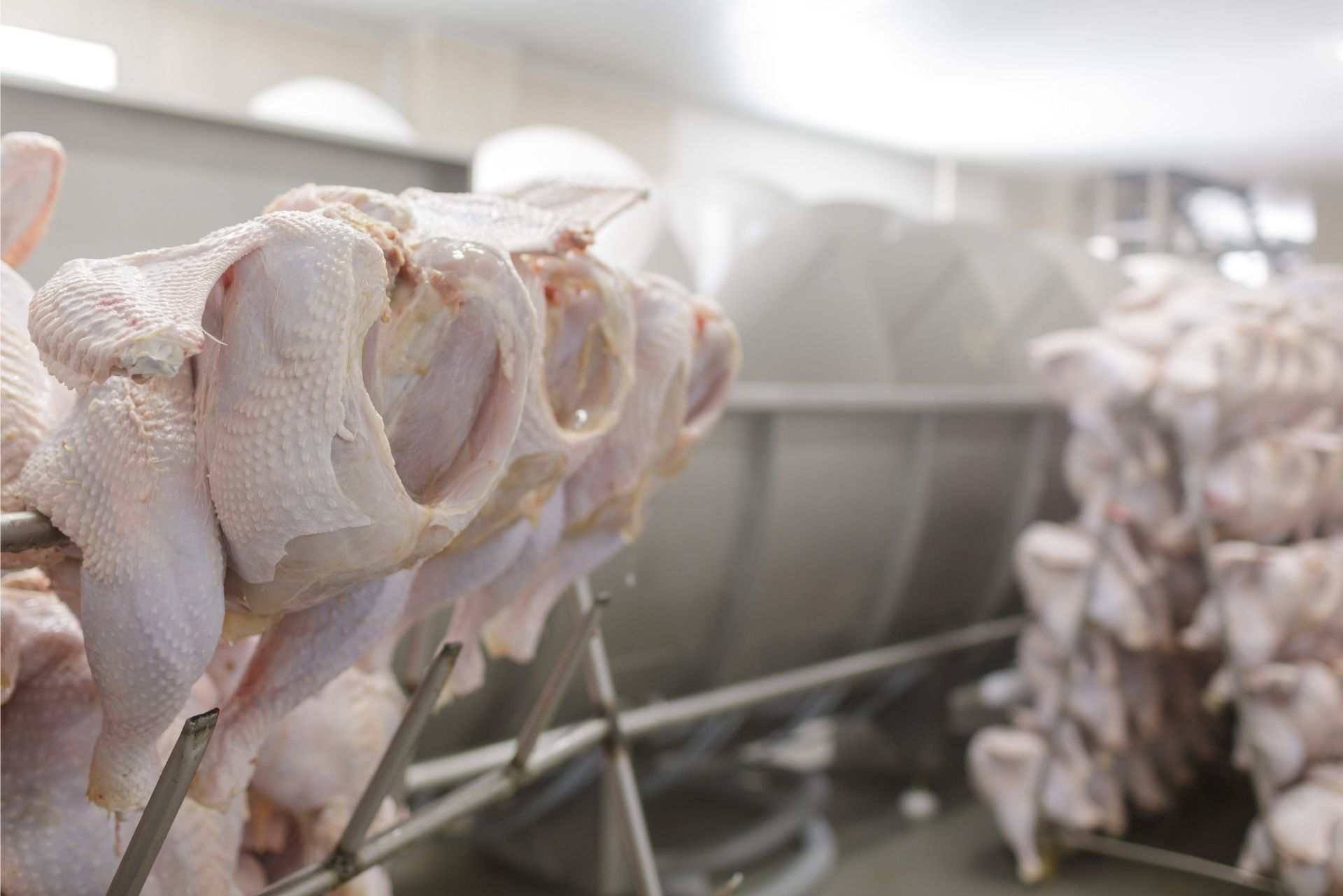
General liability is a foundational component of any insurance plan for a poultry processing plant. This coverage guards against claims of bodily injury or property damage that could occur on site. In an industry where moving machinery, hot equipment, and hazardous substances are common, any slip or malfunction could lead to significant liability issues.
Operational interruptions from machinery malfunction or accidental spills might not only result in employee injury but also damage expensive equipment that is essential for daily operations. Aptly designed policies ensure that any accidental injuries or mishaps do not become crippling cost centers for the business. This targeted coverage aligns with proactive risk management efforts in multiphase processing operations.
Businesses can work with their insurers to dissect the nuanced risks associated with poultry processing. Separate policy endorsements or riders might be required as a facility grows, especially in high-production or high-risk locations like Sumter County, which recently recorded at least one private poultry processing establishment according to Beautify Data LLC.
Property and Equipment Coverage
Property insurance for poultry processing plants covers physical assets including machinery, building infrastructure, and even finished product inventories. Many plants invest millions in state-of-the-art processing lines that are susceptible to wear and tear over time. A comprehensive insurance plan must cover both sudden, accidental damage and gradual equipment failure where maintenance costs escalate beyond expectations.
Given the specialized nature of poultry operations, insurers often analyze detailed production records, historical maintenance logs, and safety practices before processing an application. With technological advancements and heightened automation in processing, the financial stakes have risen, making detailed property assessments an essential part of policy underwriting.
Even minor production hiccups, such as brief electrical failures or equipment malfunctions, can cause production delays. An ideal policy would address both the physical and financial ramifications of these incidents. Bridging the gap between operational continuity and immediate loss recovery is essential for keeping a plant functional year-round.
Workers’ Compensation and Employee Safety
Workers’ compensation is particularly crucial in a sector with inherent risks. The nature of poultry processing involves handling sharp instruments, heavy machinery, and sometimes extreme temperatures-all of which can lead to severe or minor injuries. With manifest reports of fatalities and injuries in the broader animal production industry as recorded by the University of Florida, comprehensive workers’ compensation coverage is indispensable.
Insurance companies closely evaluate safety performance metrics and historical claims data before issuing policies. Insurers look favorably on operations that have received safety awards for employee protections and risk mitigation practices. The accolades received by many facilities, as evidenced by the significant number of safe operations recognized in 2019 from the National Chicken Council, can often lead to more favorable premium rates.
Regular safety audits and employee training sessions can reduce the frequency and severity of claims, further benefiting a plant’s bottom line. Strategic use of workers’ compensation insurance, combined with thorough risk reduction training, creates a safer work environment and helps ensure uninterrupted production cycles.
Key Risks and Their Mitigation Strategies
Operational Disruptions
Unexpected interruptions in production, whether due to mechanical breakdowns or unforeseen power outages, can lead to significant revenue losses. Every minute of stopped production not only affects output but can also compromise order fulfilment and customer trust. Florida's dynamic processing environment often faces such operational challenges, which necessitate robust mitigation strategies.
Proactive maintenance, regular equipment upgrades, and comprehensive routine inspections are key to preventing such disruptions. Insurers evaluate these risk management practices as a way to gauge the reliability of the operation. Facilities that invest heavily in proactive maintenance and state-of-the-art machinery are more likely to secure favorable insurance terms, minimizing downtime and losses.
Moreover, incorporating business interruption insurance into a broader policy portfolio can be a game changer. This type of coverage is designed to protect against losses incurred during lengthy stoppages, helping to cover ongoing expenses and payroll while production is halted. Such policies are tailored to reflect the seasonality and volume fluctuations inherent in poultry processing operations.
Environmental and Regulatory Risks
The environmental footprint of poultry processing facilities is another critical factor. With increasing scrutiny on greenhouse gas emissions and waste management practices, plants must stay abreast of evolving regulatory standards. For example, comparisons between broiler production and beef cattle production highlight notable differences in greenhouse gas output, underscoring the importance of environmental considerations from recent studies.
Environmental liabilities, associated cleanup costs, and regulatory fines can add a significant financial burden. Insurance policies that include environmental liability coverage are becoming more common as businesses strive to adhere to local and national environmental regulations. Detailed risk management practices, environmental audits, and investments in cleaner technology can mitigate some of these liabilities.
State-specific regulations in Florida can also impose additional layers of compliance for poultry processing plants. Insurers may require evidence of adherence to these evolving standards before offering coverage at competitive rates. Clear documentation of environmental practices and compliance initiatives can therefore not only reinforce a plant's operational resilience but also lead to better insurance outcomes.
Supply Chain Vulnerabilities
Poultry processing plants operate in a complex network that depends heavily on both local suppliers and nationwide logistics networks. Supply chain disruptions-ranging from delays in feed delivery to logistical challenges in distributing finished products-can jeopardize production schedules and erode profit margins. Reliable insurance policies consider these multifaceted aspects by including coverage for supply chain risks.
Risk assessment in this segment frequently analyzes past disruptions, seasonal vulnerabilities, and the robustness of supplier contracts. Plant operators may benefit from business interruption policies that extend to cover delays in incoming materials as well as distribution challenges. A well-rounded policy provides a cushion against financial losses resulting from factors beyond the immediate control of the processing plant.
Building strong relationships with suppliers and diversifying the supply chain can alleviate some risk exposures. These proactive strategies, when paired with sound insurance coverage, grant producers the flexibility to maintain output levels even in times of unexpected supplier delays or market volatility.
Financial Implications and Insurance Pricing Trends
Market Training and Declining Trends
Market trends suggest a nuanced financial environment in the meat, beef, and poultry processing industry in Florida. Recent projections indicate a decline in industry revenue to an annualized rate of around $1.1 billion by 2025 reported by IBISWorld. Such analyses underline the importance of keeping costs in line while ensuring comprehensive risk management through insurance.
Declining revenue trends may affect premium negotiations. Insurers recognize that lower revenue streams can make a plant less attractive from a profit perspective. However, a well-documented risk management program can mitigate these concerns. By showcasing diligent safety and operational protocols, plant operators may negotiate more favorable premium rates despite broader industry trends.
The interplay between fluctuating market conditions, safety performance, and the scale of operations means that pricing structures can vary significantly. Operators need to work closely with their insurers and risk managers to ensure their policies remain aligned with both their operational realities and market expectations.
Analyzing the Cost-Benefit of Comprehensive Coverage
Cost is always a major consideration when evaluating insurance for poultry processing plants. Balancing comprehensive coverage with affordable premiums requires a detailed analysis of potential risk exposures and recovery scenarios. While premium costs might seem steep, the potential losses from operational downtime, equipment damage, or worker-related injuries could far outweigh the insurance expense.
When considering additional coverages such as property, general liability, and workers’ compensation, it becomes clear that a robust insurance portfolio is not merely an expense but a vital investment. Facilities that have incurred significant payouts from prior incidents often find that proactive insurance management translates into improved business resilience and steady cash flow during turbulent periods.
Operators should run regular cost-benefit analyses by comparing premium costs with historical claims data. Investments in improved safety measures and modernized equipment can also lead to reduced premiums over time, making insurance costs more manageable and sustainable over the long term.
Technology and Risk Management in Modern Poultry Processing
Innovations Driving Efficiency and Safety
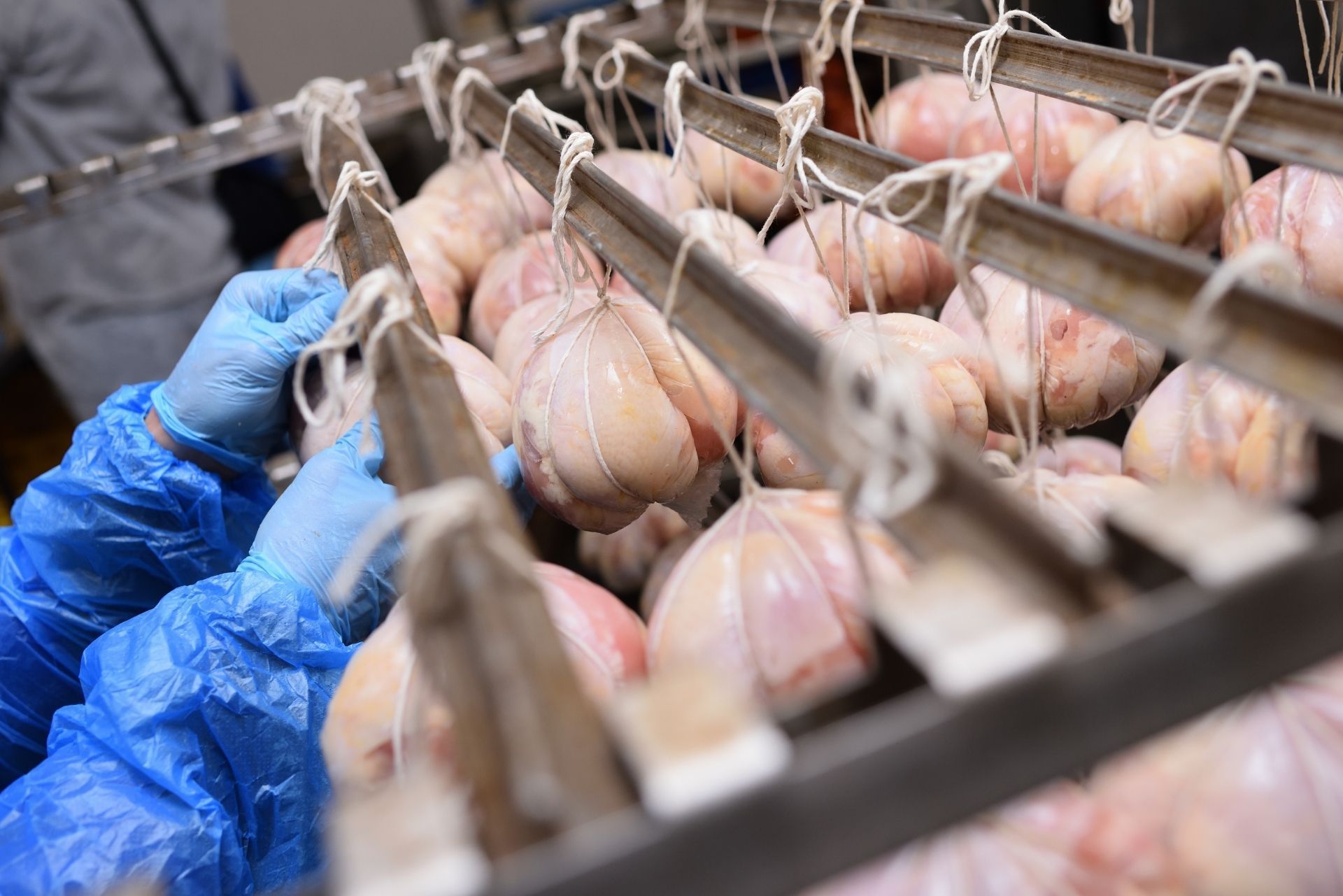
Technological innovations in poultry processing are rapidly changing the operational landscape. From advanced sorting and packaging machinery to real-time monitoring systems for temperature and humidity, these advancements have significantly reduced both production time and human error. Recent data shows that it took 29 days to produce a 2 kg chicken in 2018-a dramatic improvement from the 70 days required in the 1980s according to updated industry studies. Increased processing speed and improved quality control contribute to smoother operations and fewer disruptions.
For many facilities, integrating technology not only boosts overall productivity but also enhances safety measures. Automated systems can detect potential hazards before they evolve into major incidents. Integration of advanced sensors and tracking software ensure that quality control measures are adhered to, minimizing the risk of contamination or system failures.
This technological momentum forces insurers to continually update risk models. Plants investing in state-of-the-art technology and predictive maintenance protocols often negotiate better insurance terms. Detailed documentation of these upgrades can serve as compelling evidence for reduced risk exposure, ultimately leading to lower premiums and improved coverage quality.
Data-Driven Safety Programs and Insurance Benefits
Integrating data analytics into daily operations is proving highly beneficial in identifying trends and potential hazards. Many poultry processing plants now maintain detailed records of production cycles, equipment performance, and safety audits. Such data forms a vital asset when negotiating insurance policies, as insurers rely on concrete historical data to assess risks accurately.
Data-driven safety programs allow management to pinpoint recurring issues and address them promptly. These programs help maintain a documented track record of continuous safety improvements-something that insurers value greatly when setting premium rates. Several facilities across Florida have demonstrated this approach, effectively reducing both claim frequency and claim severity over time.
In turn, insurance providers view robust data practices as a positive indicator of a facility’s dedication to minimizing risk. Detailed analytics can lead to tailored policies that acknowledge these mitigative efforts, potentially lowering the cost of coverage while maintaining comprehensive protection.
Side-by-Side Coverage Comparison
A comparative review of coverage options can help clarify selections for poultry processing operations. Below is a simplified comparison table that highlights the key differences between basic and extended coverage options typically available in the industry.
| Coverage Type | Basic Coverage | Extended Coverage |
|---|---|---|
| General Liability | Covers bodily injury and property damage incidents | Includes additional endorsements for environmental liability |
| Property & Equipment | Insures physical assets including machinery and building structures | Extends to production loss and business interruption |
| Workers’ Compensation | Covers workplace injuries and medical expenses | Offers additional legal defense coverage and risk management consultation |
| Business Interruption | Provides compensation for outage-related losses | Encompasses extended loss periods with additional payroll protection |
This side-by-side view highlights that while basic coverage provides essential protections, extended coverage delivers a broader safety net. Plant operators can select a policy that aligns not only with their current risks but also with future growth and technology upgrades, ensuring long-term operational stability.
For many facilities, integrated policies succeed in balancing affordability with comprehensive protection. The costs associated with extended policies can be mitigated by the reduction in downtime and fewer out-of-pocket expenses in crisis situations.
Policy Customization and Future-Proofing Insurance Decisions
Customizing an insurance portfolio is essential, given that no two operations are exactly alike. Infection control measures, equipment age, employee training programs, and even environmental compliance all play a role in determining risk profiles. A tailored approach to insurance also means that premiums can be better managed while still offering robust protection for unforeseen events.
Insurers are increasingly offering modular policies that allow plant operators to add or remove endorsements based on current needs. This flexibility is particularly valuable in a fluctuating market where production volumes and technological standards change rapidly. Periodic policy reviews ensure that coverage evolves alongside operational improvements and industry benchmarks.
Future-proofing an insurance policy involves anticipating new risks: from cyber vulnerabilities affecting production data to increasingly volatile weather patterns impacting supply-chain logistics. A dynamic approach toward insurance ensures that poultry processing plants remain agile and safeguarded against both emerging and established risks.
Frequently Asked Questions
The following FAQs address common concerns among poultry processing plant operators regarding insurance coverage and risk management.
Q: What types of insurance coverage are essential for a poultry processing plant?
A: Essential coverages typically include general liability, property and equipment insurance, workers’ compensation, and business interruption insurance. These ensure protection against operational mishaps, equipment failure, and employee injuries.
Q: How does technology impact insurance premiums in poultry processing?
A: Technological advancements can improve operational efficiency and safety, which may lead to better risk assessments by insurers and, in turn, lower premiums. Documented investments in technology often support these improvements.
Q: Do environmental regulations affect insurance policies for poultry processing?
A: Yes. With increasing environmental scrutiny on greenhouse gas emissions and waste management, policies often include environmental liability endorsements in addition to traditional coverages.
Q: How can poultry processing plants manage operational disruptions through insurance?
A: Business interruption coverage is designed to cover losses incurred during unforeseen operational downtimes. A proactive maintenance plan, along with this insurance, can help reduce the financial impact of disruptions.
Q: Why is data-driven risk management important for insurance?
A: Insurers look favorably on facilities that maintain detailed safety records and operational data. Such documentation supports lower risk profiles and often results in more favorable premium rates.
Q: Can insurance coverage be adjusted as production scales up?
A: Yes. Many insurers offer flexible policies with modular endorsements that can be adjusted to reflect growth, additional risk exposures, and technological upgrades.
Wrapping Things Up
Florida’s poultry processing sector faces unique challenges that call for bespoke insurance solutions. From ensuring operational continuity in the face of machinery breakdowns to addressing employee injury risks and adapting to evolving environmental standards, each aspect plays a critical role in shaping the insurance landscape for these operations. The combination of detailed risk assessment, data-driven safety programs, and strategic investment in technology forms a robust protection strategy that can make a significant difference over the long term.
Insurance for poultry processing plants is more than just a safety net; it is an integral part of sustaining profitability and fostering trust among stakeholders. Business leaders must remain informed, consistent, and proactive in implementing risk management practices that reinforce their operational resilience. Customized policies designed to meet the specific challenges of Florida’s dynamic industry environment can make a substantial difference during unexpected disruptions or regulatory shifts.
With ongoing market adjustments and new industry data emerging-such as employment trends outlined by local economic analysts and safety improvements recognized by prominent industry councils-the environment for poultry processing continues to evolve. Staying updated with these trends and ensuring comprehensive insurance coverage will help plants not only survive but thrive amidst future challenges. For additional insights on how market dynamics influence policy pricing, consider reviewing detailed industry analyses available through reputable sources like IBISWorld reports.
Ultimately, Florida poultry processing plants that adopt a forward-thinking approach-balancing innovation, safety, and comprehensive insurance coverage-will be best positioned to handle both the expected and the unforeseen fluctuations in today’s competitive market.
Conclusion
While challenges in the current market remain undeniable, Florida’s poultry processing operations are continuously evolving. The integration of robust risk management practices, backed by tailored insurance solutions, underscores the resiliency of these facilities. With careful policy selection, proactive safety measures, and data-driven management strategies, processors can not only safeguard their operations but also ensure ongoing growth despite market uncertainties. Strategic investments in technology and maintaining compliance with evolving regulatory standards further reinforce the importance of having a comprehensive insurance portfolio in place.
Moving forward, plant operators are encouraged to review their current policies, align them with operational improvements, and consult with industry experts to ensure continuous protection. A proactive approach to insurance can transform unforeseen challenges into manageable risks, paving the way for long-term stability in Florida's vibrant poultry processing industry.
Those seeking more detailed statistics on employment trends or establishment data can refer to local economic reports; staying informed is key to adapting insurance policies to meet the nuanced demands of the market. With comprehensive coverage and an eye on innovation, Florida’s poultry processors can confidently navigate the complexities of modern production while safeguarding their financial and operational futures
as evidenced by recent industry trends.
ABOUT THE AUTHOR: PAUL RAMENTOL
I am the Owner and President of Mesa Insurance Agency. I help individuals and business owners across Florida secure personal and business insurance coverage that supports their needs. My focus is on clear guidance, direct communication, and long-term support without call-center delays or confusion.
Contact Us

Personal Coverage Options
Insurance Built for Everyday Protection
Mesa Insurance Agency provides personal insurance coverage designed to support daily life. Our team reviews risks and coverage needs to help clients secure dependable protection at fair rates.
Dental & Vision Insurance
Coverage that helps manage routine dental and vision care costs.

Business Coverage Options
Insurance Built for Business Protection
Mesa Insurance Agency provides business insurance coverage that helps protect operations, employees, and property. We work with multiple carriers to offer coverage options that support daily business activities and long-term stability.
Commercial Auto Insurance
Coverage for business-owned vehicles, drivers, and accident-related liability exposure.
General Liability Insurance
Protection against third-party injury, property damage, and common business liability risks.
Professional Liability Insurance
Coverage for claims related to professional services, advice, or service errors.
Workers’ Compensation Insurance
Coverage that helps support employees with work-related injuries and medical costs.
Commercial Property Insurance
Protection for buildings, equipment, inventory, and physical business assets.
Errors & Omissions Insurance
Coverage for financial losses caused by mistakes, omissions, or service-related claims.
Industries We Serve
Serving Businesses Across Multiple Sectors
Mesa Insurance Agency works with business owners across Florida to provide insurance coverage that supports daily operations. We understand common risks faced by different industries and help clients secure reliable protection.

Construction and Trades Insurance
Coverage for job sites, vehicles, tools, and workplace risks.

Hospitality Businesses Insurance
Insurance for restaurants, bars, and service-based operations.

Retail and
Commercial Properties
Protection for storefronts, inventory, and customer-related liability.
Our Approach
Insurance Made Easy to Understand
Mesa Insurance Agency provides business insurance coverage that helps protect operations, employees, and property. We work with multiple carriers to offer coverage options that support daily business activities and long-term stability.
Insurance FAQs
Helpful Answers for Florida Clients
Support you can rely on.

What makes Mesa Insurance Agency different?
We are an independent agency with access to multiple carriers. This allows us to offer flexible coverage options.
Clients work directly with licensed agents. Service continues beyond the policy start date.
Do you offer coverage for individuals and families?
Yes. We provide personal insurance for individuals and families across Florida.
Coverage includes auto, home, health, life, and flood insurance. Our team explains each option clearly.
Do you work with small and mid-sized businesses?
Yes. We work with businesses of many sizes and industries.
Our team helps identify risks and secure appropriate coverage. Ongoing service is included.
Can I make changes to my policy later?
Yes. Policies can be updated as needs change.
We assist with coverage adjustments, additions, and removals. Clients can contact us directly for help.
Is flood insurance required in Florida?
Flood insurance is not always required, but it is strongly recommended in many areas.
Standard home insurance does not cover flood damage. Our team can review your flood risk and options.
How do I contact your office?
You can contact us by phone, email, or through our website.
Our team responds promptly during business hours. Support is always available when needed.
From the Blog
Insurance Topics That Matter
Clear answers for common questions.








Client Reviews
Trusted by Clients Across Florida
Mesa Insurance Agency is proud to serve individuals and businesses throughout Florida. Clients choose us for clear communication, responsive service, and reliable insurance support. Their feedback reflects our focus on long-term relationships and consistent service.
Contact Us