A single hurricane can shutter a beachfront resort for months. A slip-and-fall lawsuit can drain years of profits from a family-owned restaurant. For hospitality business owners in Florida, these aren't hypothetical scenarios: they're the realities that shape every insurance decision you'll make.
Florida's hospitality industry operates under conditions found nowhere else in the country. The state welcomes over 140 million visitors annually, each one representing both revenue opportunity and liability exposure. Your hotel, restaurant, or resort faces a unique combination of weather threats, legal challenges, and operational risks that demand specialized coverage strategies.
Understanding hospitality business insurance in Florida requires more than comparing premium quotes. You need to grasp how hurricane exposure affects your property coverage, why Florida's legal climate creates higher liability costs, and which specialized protections your specific operation requires. Recent data shows property insurance rates for hospitality businesses are increasing by 17% to 26%, with high-risk properties potentially facing hikes of 50% or more.
The good news? Florida's insurance market is stabilizing. According to the
Florida Office of Insurance Regulation, Florida-domiciled personal property insurers reported a $207 million underwriting profit in 2024, and the average risk-adjusted cost for insurance decreased by 0.7%. This guide breaks down everything you need to protect your hospitality investment in the Sunshine State.
The Landscape of Florida Hospitality Risk Management
Unique Environmental Risks: Hurricanes and Flood Exposure
Florida's geography creates insurance challenges that mainland hospitality businesses never face. Properties within coastal wind zones pay substantially higher premiums, and standard commercial policies exclude flood damage entirely. You'll need separate flood insurance through the National Flood Insurance Program or private carriers.
Hurricane damage extends beyond wind and water. Extended power outages spoil food inventory. Mandatory evacuations empty your rooms during peak season. Supply chain disruptions delay repairs for months. Your insurance strategy must account for these cascading effects, not just the initial storm damage.
Properties built before 1994 face particular scrutiny from underwriters. That year marked significant building code improvements following Hurricane Andrew. Older structures without retrofitted hurricane protections often struggle to find coverage at reasonable rates.
Legal Climate and Florida's Comparative Negligence Laws
Florida operates under a modified comparative negligence system, meaning injured parties can recover damages even when partially at fault for their injuries. A guest who ignores a wet floor sign and slips can still sue your hotel if they're less than 51% responsible for their injury.
This legal environment drives up liability insurance costs across the hospitality sector. Plaintiff attorneys actively target hotels and restaurants, knowing that even questionable claims often settle to avoid expensive litigation. Your general liability limits should reflect this reality: minimum coverage that works in other states may leave you dangerously exposed in Florida.

Essential Coverage Types for Florida Hotels and Restaurants
General Liability and Liquor Liability Essentials
General liability insurance forms the foundation of any hospitality insurance program. This coverage protects against third-party bodily injury claims, property damage you cause to others, and personal injury allegations like defamation or false imprisonment.
For establishments serving alcohol, liquor liability coverage is non-negotiable. Florida holds bars, restaurants, and hotels responsible for injuries caused by intoxicated patrons under certain circumstances. A drunk driver who injures someone after leaving your establishment can trigger a lawsuit naming your business.
| Coverage Type | What It Covers | Key Considerations |
|---|---|---|
| General Liability | Bodily injury, property damage during operations | Claims from third parties, slip and fall incidents in the shop |
| Professional Liability | Error and omission in repair services | Legal fees, damages from alleged service errors |
| Equipment Breakdown | Damage to key operational equipment | Covers costs from electrical surges, mechanical failures |
| Business Interruption | Loss of revenue during downtime | Helps cover fixed costs when operations are paused |
Commercial Property and Business Interruption Insurance
Your property policy covers the physical assets of your hospitality business: buildings, furniture, equipment, and inventory. In Florida, pay close attention to your policy's wind and hurricane deductibles. These often run 2% to 5% of your property's insured value, meaning a $10 million hotel could face a $500,000 deductible after a named storm.
Business interruption insurance replaces lost income when covered events force you to close. For seasonal Florida properties, this coverage proves especially valuable. A hurricane in October can wipe out your entire winter season revenue. Ensure your policy's coverage period extends long enough to account for Florida's lengthy post-hurricane rebuilding timelines.
Workers' Compensation Requirements for Florida Employers
Florida law requires workers' compensation coverage for hospitality businesses with four or more employees. Construction industry rules differ, but most hotels and restaurants fall under the standard threshold. This coverage pays for medical treatment and lost wages when employees suffer work-related injuries or illnesses.
Kitchen burns, repetitive motion injuries, and slip-and-falls represent common hospitality claims. Your experience modification rate: a multiplier based on your claims history: directly affects your premium. Implementing strong safety programs and return-to-work policies can lower this modifier over time.
Specialized Protections for the Modern Hospitality Industry
Cyber Liability and Guest Data Protection
Every credit card swipe at your front desk or restaurant creates potential liability. Hotels store sensitive guest information including payment data, identification documents, and travel itineraries. A data breach triggers notification requirements, credit monitoring costs, and potential lawsuits.
Cyber liability insurance covers breach response expenses, regulatory fines, and third-party claims arising from data incidents. Many policies also provide access to breach response teams who manage notification logistics and public relations. For properties using third-party booking platforms, verify whether your coverage extends to data compromises originating from those systems.
Employment Practices Liability Insurance (EPLI)
Hospitality businesses face elevated employment practice risks due to their diverse workforces and customer-facing operations. Sexual harassment claims, wrongful termination suits, and discrimination allegations can arise from employee-to-employee interactions or guest-employee encounters.
EPLI coverage pays for defense costs and settlements in employment-related lawsuits. Given that defending even frivolous claims can cost $75,000 or more, this coverage provides essential protection. The hospitality industry's high turnover rates create additional exposure: disgruntled former employees frequently file claims after termination.

Geographic Proximity to Coastlines and Flood Zones
Your property's location largely determines your insurance costs. Beachfront hotels pay dramatically more than inland properties. Insurers evaluate distance from the coast, elevation above sea level, and FEMA flood zone designations when calculating premiums.
Properties in Special Flood Hazard Areas face mandatory flood insurance requirements if they carry federally backed mortgages. Even without mortgage requirements, flood coverage makes financial sense for most Florida hospitality businesses. Standard property policies exclude flood damage, leaving uninsured properties to absorb total losses.
Building Age, Construction Type, and Mitigation Upgrades
Newer buildings constructed to post-2002 Florida Building Code standards generally qualify for better rates. Concrete block construction outperforms wood frame. Impact-resistant windows, reinforced roof connections, and backup generators can all reduce premiums.
Document any mitigation improvements thoroughly. A wind mitigation inspection can identify premium credits you're entitled to but not receiving. Some property owners save 20% to 40% on wind premiums through verified mitigation features.
Working with Admitted vs. Excess and Surplus Lines Carriers
Admitted carriers operate under Florida's regulatory oversight and contribute to the state guaranty fund. If an admitted carrier becomes insolvent, this fund helps pay claims. Excess and surplus lines carriers operate with less regulatory oversight and don't participate in the guaranty fund, but they often insure risks that admitted carriers decline.
Many Florida hospitality properties, particularly older coastal buildings, can only find coverage through surplus lines carriers. This isn't necessarily problematic: surplus lines carriers include financially strong companies with extensive hospitality experience. Verify any carrier's AM Best rating before binding coverage.
Best Practices for Filing a Claim After a Catastrophic Event
Florida's average homeowner's claim denial rate surged to 46.7% in 2024, highlighting the importance of proper claim documentation. While commercial claims differ from residential, the lesson applies: thorough documentation dramatically improves outcomes.
Photograph damage immediately and comprehensively. Preserve damaged materials when safely possible. Maintain detailed records of all communications with adjusters. Consider engaging a public adjuster for complex claims: they work on contingency and often recover significantly more than initial insurer offers.
Frequently Asked Questions
How much does hotel insurance typically cost in Florida? According to CBRE, hotel insurance costs in 2023 averaged about 1.7% of total operating revenue. Coastal and older properties often pay substantially more.
Do I need flood insurance if I'm not in a flood zone? Approximately 25% of flood claims come from properties outside high-risk zones. Flood coverage is strongly recommended regardless of your FEMA designation.
What's the difference between replacement cost and actual cash value coverage? Replacement cost pays to rebuild or replace damaged property at current prices. Actual cash value deducts depreciation, often leaving significant gaps after a loss.
Can I bundle all my hospitality coverages into one policy? Business Owner's Policies combine property and liability coverage but may lack adequate limits for larger operations. Most hotels need customized commercial packages.
How quickly should I report a claim? Report claims immediately. Florida policies contain prompt notice requirements, and delays can jeopardize coverage.
Protecting your Florida hospitality business requires insurance strategies tailored to the state's unique risk environment. Standard coverage approaches that work elsewhere often leave Florida properties dangerously exposed to hurricanes, litigation, and specialized operational risks.
Work with brokers who specialize in hospitality and understand Florida's market dynamics. Review your coverage annually, especially after property improvements or operational changes. Build relationships with your carriers before you need to file claims.
The investment in proper coverage protects everything you've built. Start by requesting a comprehensive coverage review from a qualified hospitality insurance specialist who can identify gaps in your current program.
ABOUT THE AUTHOR: PAUL RAMENTOL
I am the Owner and President of Mesa Insurance Agency. I help individuals and business owners across Florida secure personal and business insurance coverage that supports their needs. My focus is on clear guidance, direct communication, and long-term support without call-center delays or confusion.
Contact Us

Personal Coverage Options
Insurance Built for Everyday Protection
Mesa Insurance Agency provides personal insurance coverage designed to support daily life. Our team reviews risks and coverage needs to help clients secure dependable protection at fair rates.
Dental & Vision Insurance
Coverage that helps manage routine dental and vision care costs.

Business Coverage Options
Insurance Built for Business Protection
Mesa Insurance Agency provides business insurance coverage that helps protect operations, employees, and property. We work with multiple carriers to offer coverage options that support daily business activities and long-term stability.
Commercial Auto Insurance
Coverage for business-owned vehicles, drivers, and accident-related liability exposure.
General Liability Insurance
Protection against third-party injury, property damage, and common business liability risks.
Professional Liability Insurance
Coverage for claims related to professional services, advice, or service errors.
Workers’ Compensation Insurance
Coverage that helps support employees with work-related injuries and medical costs.
Commercial Property Insurance
Protection for buildings, equipment, inventory, and physical business assets.
Errors & Omissions Insurance
Coverage for financial losses caused by mistakes, omissions, or service-related claims.
Industries We Serve
Serving Businesses Across Multiple Sectors
Mesa Insurance Agency works with business owners across Florida to provide insurance coverage that supports daily operations. We understand common risks faced by different industries and help clients secure reliable protection.

Construction and Trades Insurance
Coverage for job sites, vehicles, tools, and workplace risks.
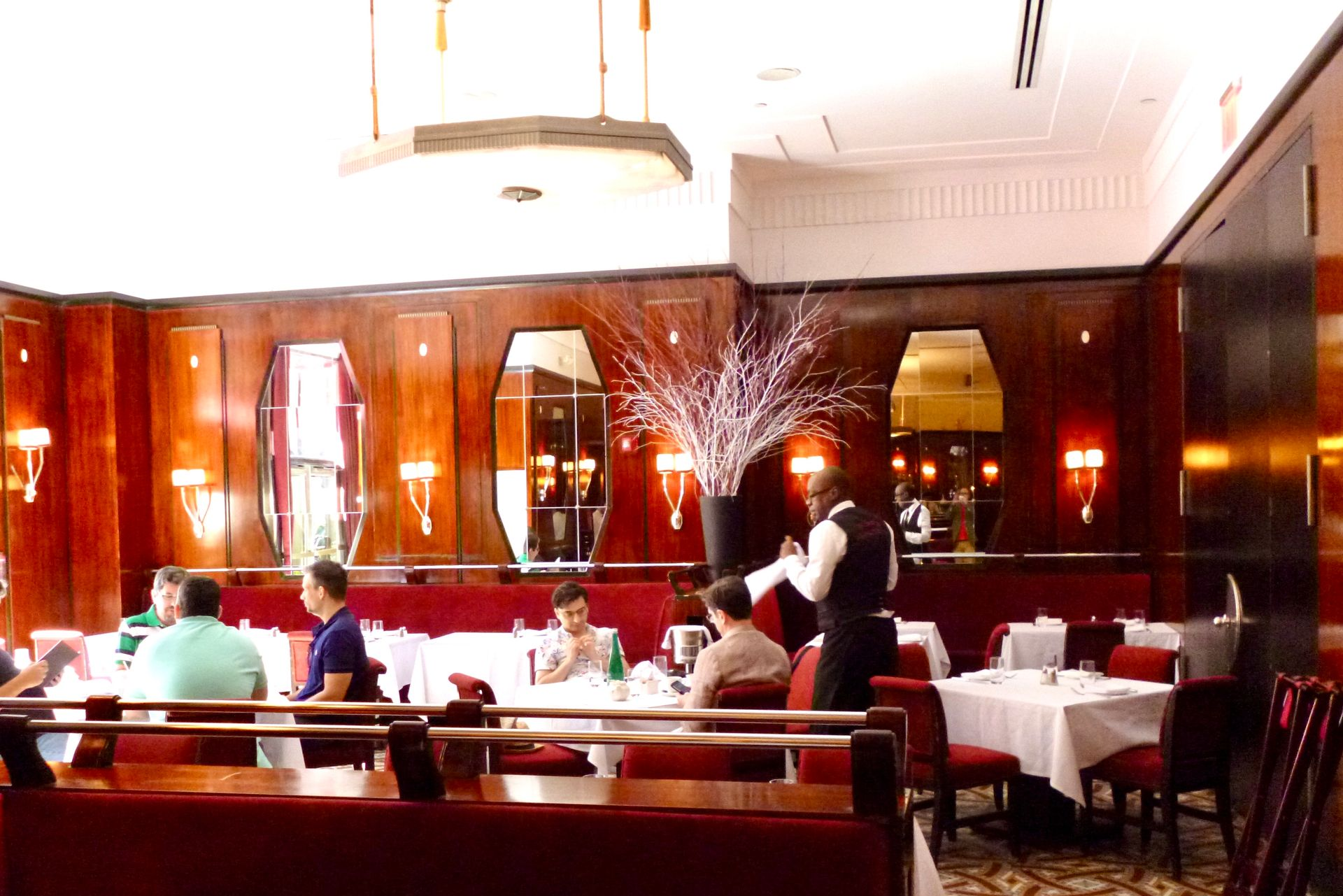
Hospitality Businesses Insurance
Insurance for restaurants, bars, and service-based operations.

Retail and
Commercial Properties
Protection for storefronts, inventory, and customer-related liability.
Our Approach
Insurance Made Easy to Understand
Mesa Insurance Agency provides business insurance coverage that helps protect operations, employees, and property. We work with multiple carriers to offer coverage options that support daily business activities and long-term stability.
Insurance FAQs
Helpful Answers for Florida Clients
Support you can rely on.

What makes Mesa Insurance Agency different?
We are an independent agency with access to multiple carriers. This allows us to offer flexible coverage options.
Clients work directly with licensed agents. Service continues beyond the policy start date.
Do you offer coverage for individuals and families?
Yes. We provide personal insurance for individuals and families across Florida.
Coverage includes auto, home, health, life, and flood insurance. Our team explains each option clearly.
Do you work with small and mid-sized businesses?
Yes. We work with businesses of many sizes and industries.
Our team helps identify risks and secure appropriate coverage. Ongoing service is included.
Can I make changes to my policy later?
Yes. Policies can be updated as needs change.
We assist with coverage adjustments, additions, and removals. Clients can contact us directly for help.
Is flood insurance required in Florida?
Flood insurance is not always required, but it is strongly recommended in many areas.
Standard home insurance does not cover flood damage. Our team can review your flood risk and options.
How do I contact your office?
You can contact us by phone, email, or through our website.
Our team responds promptly during business hours. Support is always available when needed.
From the Blog
Insurance Topics That Matter
Clear answers for common questions.






Client Reviews
Trusted by Clients Across Florida
Mesa Insurance Agency is proud to serve individuals and businesses throughout Florida. Clients choose us for clear communication, responsive service, and reliable insurance support. Their feedback reflects our focus on long-term relationships and consistent service.
Contact Us