Imagine a charming boutique hotel tucked into a historic district of a Floridian city. Cozy lobbies, beautifully restored architectural details, and guests searching for a unique experience define these hotels. At the same time, boutique and independent hotels face a host of risks and challenges. Insurance tailored to their specific needs is critical for protecting their distinct character and financial well-being. Understanding the nuances of boutique hotel insurance in Florida requires a close look at current market trends and the specific conditions that affect these properties. For instance, rising average daily rates reported by Colliers in Q1 2025 underscore the financial stakes involved in the hospitality sector.
This article explores the key elements that make boutique hotel insurance distinct. It examines market trends, premium dynamics, and unique coverage considerations vital for independent hotels. Insightful statistics from reputable sources, along with expert guidance, provide a comprehensive perspective catered to hotel owners and managers in Florida.
As rates and revenue shape the hospitality industry, knowing how to protect your business through the right insurance products can make all the difference.
Understanding Boutique Hotel Risks in Florida
Boutique hotels exude individuality. They are not merely places to sleep but are styled as works of art that evoke emotion and nostalgia. Such properties naturally attract guests looking for a personalized experience. However, with uniqueness comes a distinct set of risks. Florida’s vibrant tourism market makes boutique hotels prime candidates for both local and weather-related issues, including flooding, storm damage, and even spikes in claim disputes.
Insurance providers have to account for not only standard property coverage but also specialized risks such as business interruption, guest liability, and even cybersecurity for boutique systems. With tailored plans, hotel owners can navigate these complexities without compromising on the unique guest experience.
Recent industry reports highlight the need for dedicated coverage where policies must consider the premium insurance challenges that remain specific to independent hotels in Florida. This focus on customized risk management is essential for establishments operating on narrower margins than larger chains.

Market Trends Impacting Boutique Hospitality Insurance
Current market trends play an integral role in defining both the hospitality landscape and its insurance environment. Colliers reported that Florida's average daily rates increased significantly, with a 31% rise observed in Q1 2025, reaching $238.59 according to their research. This trend suggests that as property revenues climb, so too do the stakes and expectations for comprehensive coverage.
Though higher revenue can signal robust business activity, it also tends to attract more claims. Insurance providers have noted an uptick in claims, with Florida insurers seeing an increased percentage of denied claims and a growing number of lawsuits over denied claims. In 2024, nearly 13% of homeowners with denied claims took legal action, a slight increase from previous years as reported by The Washington Post. For boutique hotels, careful evaluation of policy details is essential because certain exclusions or limited coverage areas might leave a hotel vulnerable in emergencies.
Insurance for boutique hotels must therefore navigate these evolving market conditions. Premiums, rate filings, and claims handling are all adjusted in response to the delicate balance between rising revenues and increasingly scrutinized underwriting practices. Keeping an eye on industry reports helps hotel owners align their risk management strategies with the latest market shifts.
Specialized Coverage for Boutique and Independent Hotels
For boutique hotels, a one-size-fits-all insurance approach rarely works well. Instead, specialized coverage policies are needed to address each property’s unique features. Common areas of focus include physical property damage, business interruption, and liability related to guest safety. Independent hotels face unique challenges related to their often historic or custom-built structures, making replacement or repair costs unpredictable.
Business interruption coverage is particularly crucial. A temporary disruption-caused by a natural disaster or a guest-related incident-can impact revenue significantly. Given that boutique hotels can be more susceptible to localized risks due to their size and design, extended coverage options may be necessary. This coverage often includes compensation for lost revenue, which is vital for properties that cannot rely on large chain support during a downtime event.
As independent hotels in Florida work through these challenges, a detailed review of the insurance policy terms is necessary. Coverage details determine whether the policy provides enough flexibility and support when it matters most. For example, if a hotel suffers storm damage during the rainy season, property restoration coupled with loss of income coverage should be a top priority in the policy selection process.

Unique Risk Factors for Boutique Hotels
Independent hotels often grapple with additional factors such as historic building structures, boutique design elements, and an overall lack of standardized systems found in larger chains. These unique characteristics can render traditional insurance policies inadequate. Insurance plans crafted for boutique hotels must account for these design elements so that damage to original features or bespoke fixtures can be fully covered.
Another distinct risk for many Florida boutique hotels is the increasing trend of weather-related damage. With the changing climate, weather events have become more unpredictable and severe. Boutique hotels, because of their often older infrastructure, might face greater damage than newer buildings during storms. Appropriate insurance not only covers physical damage but also extends to potential occupant injuries and business interruptions.
Understanding these risk factors is critical. Hotel owners and managers need to work closely with insurance providers to design policies that incorporate real, tangible risks and offer the flexibility to evolve as circumstances change. This proactive approach can mean the difference between a business that falters after a disaster and one that recovers smoothly.
Unlike standard commercial establishments, boutique hotels outrank typical properties in terms of premium complexity. The Florida Office of Insurance Regulation recently reported that average premium rate filings in the private market were running below a 2.0% increase in 2024 according to data from the Triple-I Blog. This statistic points to a relatively stable premium environment amid market unpredictabilities.
Insurance rate filings are sensitive to various factors-from the increased claims to changes in property maintenance costs. For instance, hospitality insurance costs between 2015 and 2022 increased at an annual rate of 6.2% as noted by OysterLink. This steady increase highlights the need for boutique hotels to be prepared for evolving rates. It is imperative that hotel operators stay informed of changes in premium rates and understand the rationale behind these fluctuations.
The trend in rate filings and premium adjustments signals industry efforts to stabilize costs while accommodating rising claims. For boutique hotel owners, negotiating the right coverage at an optimal premium can be challenging but is essential given the narrow margins often found in independent establishments. Engaging with experienced brokers who understand the idiosyncrasies of the hospitality market can help align insurance solutions more closely with financial realities.
The Role of Claims Handling in Boutique Hotel Insurance
Claims handling is a critical area where boutique hotel insurers must demonstrate exceptional service. In 2024, Florida's insurance companies denied more claims than in previous years and closed 47% of damage claims without any payment as reported by The Washington Post. This statistic is a stark reminder that claims management processes need to be carefully scrutinized by hotel owners during policy selection.
Many boutique hotels have intricate interior designs and valuable art collections that require sensitive claim assessments. Proper claims handling and timely payments allow hotels to restore operations rapidly. Insurance policies should clearly outline coverage scenarios, claim procedures, and timelines for payouts. In many cases, delays or inadequate settlement of claims could lead to significant financial strain.
When evaluating policies, hotel owners should inquire about the insurer’s service record in claims management. Solid claims service can be as valuable as the premium rate itself. Policyholders often benefit from insurers with established protocols that recognize the unique challenges posed by boutique properties and their historic elements.
Business interruption is one of the most critical aspects of insurance for boutique hotels. Independent properties can face significant operational and revenue losses after a disaster or major incident. When a natural event disrupts seasonality, the loss of future bookings can impact the hotel's financial stability severely.
Coverage for business interruption should include compensation for lost income during the downtime and the extra costs incurred in the recovery process. For a boutique hotel, even a few days of operation without revenue may result in severe financial setbacks. This type of coverage is designed to mitigate not just property damage but also the financial ripple effect on the business as a whole.
Liability coverage also deserves special consideration. Independent hotels encounter unique guest expectations that often include niche services and personalized touches. In the event of guest injuries or property damage disputes, robust liability coverage provides essential protection. An insurance package that integrates both business interruption and liability coverage can make the difference between a fast recovery and prolonged financial distress.
Managing Premium Increases and Navigating the Approval Process
For boutique hotel owners, even minor fluctuations in premium rates can have a large financial impact. While the Florida Office of Insurance Regulation noted that eight domestic carriers filed for rate decreases and ten carriers filed for no increase in 2024, these developments demonstrate that the market is making efforts to stabilize rate growth according to industry reports. This is encouraging news for many boutique establishments that operate on a tighter budget than larger competitors.
However, the approval processes for rate filings and market entries are rigorous. In 2024, eight property insurers received approval to operate in Florida, with additional carriers expected to join this year. This evolution introduces increased competition and a broader range of coverage options designed specifically for the hospitality sector. For boutique hotels particularly, more insurers mean more opportunities to tailor policies according to unique risks and requirements.
Hotel owners need to be proactive in understanding the regulatory landscape and the trends that drive premium adjustments. Regular consultations with insurance experts and a review of coverage options help ensure that policy changes are both beneficial and transparent. This proactive approach helps manage any unexpected premium increases while safeguarding financial stability.
How Boutique Hotels Can Optimize Their Insurance Portfolio
Optimizing an insurance portfolio for a boutique hotel involves more than shopping for the lowest possible premium. It requires an integrated approach that considers a property’s architectural uniqueness, seasonal revenue fluctuations, and location-specific risks. With the hospitality sector constantly evolving, hotel owners must adopt a dynamic risk management strategy.
The first step is an in-depth risk assessment. Independent hotels need to identify potential vulnerabilities ranging from physical property risks to patent issues related to management practices. Once a comprehensive risk profile is established, hotel owners can target specific coverages that align with their risk profile. Collaborating with advisors who specialize in hospitality insurance can streamline this process.
Regular policy reviews are essential to keep up with new market developments. For instance, insurers may adjust coverage or premium structures in response to emerging claims trends. Such updates must be integrated carefully into the hotel's risk management strategy, ensuring that both short-term disruptions and long-term investments are well-protected.
The Benefits of Working with an Experienced Insurance Broker
Experienced insurance brokers bring valuable expertise to boutique hotels looking to optimize their policies. Brokers who deeply understand the hospitality market can help navigate the complexities of coverage options, premium rates, and claims processes. Their role is to match boutique hotels with insurance solutions that cater specifically to independent establishments, accounting for both operational risks and design-specific vulnerabilities.
Brokers work closely with insurers to secure favorable terms that might not be available through direct channels. They can also assist in negotiating terms that account for the fluctuating revenue climate described in recent hospitality reports. For example, the careful monitoring of rising daily rates and premium filing trends implies that a knowledgeable broker is an asset during both policy renewals and new policy setups.
The personalized approach provided by experienced brokers reinforces the importance of a close relationship. Firewalls between hotel management and insurers are minimized when a trusted broker is involved, ensuring that claims are processed efficiently and coverage terms remain optimal over time.
Adapting to Weather-Related and Environmental Risks
Florida remains one of the most popular tourist destinations in the United States. However, with its allure comes inherent vulnerabilities. Boutique hotels, often steeped in history and charm, are located in areas that are increasingly prone to severe weather events. Understanding local weather patterns and environmental risks is essential for crafting policies that offer not just property protection but also business recovery assistance.
Weather-related risks can dramatically impact operations, sometimes leading to extended shutdowns and significant financial loss. Insurance solutions for boutique hotels must therefore include business interruption payouts that cover operational delays and additional recovery expenses. A failing to account for such risks can hinder a hotel’s ability to recuperate effectively.
Hotels that adopt weather-adaptive policies also tend to benefit from more streamlined claims processes when disaster strikes. By ensuring that response measures and claim settlements are pre-negotiated in the policy documents, hotels can focus on restoring normal operations rather than getting mired in administrative delays.
Insights on Claim Disputes and Legal Challenges
In recent years, claim disputes have surfaced as a common challenge in Florida’s insurance landscape. For boutique hotels, claim disputes and lengthy denial processes can significantly disrupt operations. The Washington Post noted that in 2024, Florida insurers not only denied more claims than in previous years but also closed nearly half of damage claims without any payment which raises caution for property owners.
Legal disputes related to denied claims further complicate the financial metrics. Nearly 13% of Florida homeowners whose claims were denied pursued legal avenues, a slightly higher proportion than two years prior. For boutique hotels, even a modest increase in legal challenges can affect the overall insurance premium and the likelihood of future claim disputes.
Hotel operators should ensure that they thoroughly scrutinize the fine print of their policies. Key elements such as exclusions, the process for dispute resolution, and the timelines for claim decisions need special emphasis. Legal advice from industry experts may be required during policy selection, particularly if a hotel has a history of claim disputes.
Strategies for Long-Term Financial Planning with Insurance
Financial planning for boutique hotels involves balancing operational costs with adequate insurance protection. Insurance itself is both a safeguard and a financial liability if premiums rise unexpectedly or if claim disputes escalate. Financial managers in the hospitality industry continually weigh the cost of premiums against potential losses, ensuring that coverage is both comprehensive and cost-effective.
Long-term planning strategies include regular reviews of market trends, such as the premium dynamics and approval processes mentioned earlier. In 2024, the stability in rate filings provided an opportunity for many boutique hotels to lock in favorable terms early on highlighted in industry updates. Establishing a proactive insurance review schedule mitigates surprises and helps maintain margin integrity throughout periods of financial fluctuation.
Hotel financial planning should also extend to post-disaster recovery expenses. By integrating business interruption insurance with appropriate liability coverage and specialized endorsements, boutique hotel owners can shore up their financial resilience. These measures provide a cushion against unexpected losses and free up capital for reinvestment in property upgrades or even expansion.
Technological Advances in Managing Insurance Claims
Digital transformation in the insurance industry has made significant inroads into claims processing and policy management. Boutique hotels benefit from streamlined claims filing, faster settlement processes, and enhanced transparency in policy management. Modern claims processing platforms allow hotel owners to track claim status and communicate directly with insurers through automated updates.
This enhanced digital interaction not only reduces administrative friction but also improves the speed at which recovery funds are disbursed. With many independent hotels operating on tight schedules and budgets, minimizing downtime due to claims processing has tangible operational advantages. Digital platforms also reduce paperwork, thereby allowing hotel staff to focus on guest experiences rather than administrative tasks.
Insurance carriers are increasingly investing in technology to bolster accuracy in claims management. This shift provides boutique hotels the benefit of prompt and efficient claim resolutions, a factor that has become even more essential given the increasing number of disputes and denied claims seen in recent years.
Comparing Coverage Options: A Data-Driven Approach
Choosing the right insurance policy for a boutique hotel becomes easier when armed with clear comparisons. A data-driven review of key coverage options allows hotel owners to weigh the benefits and drawbacks associated with each policy element. For example, policies that cover historic building restoration, bespoke art coverage, and advanced liability protections can be weighed against those with more generic property coverages.
The table below provides a simplified comparison of two types of boutique hotel coverage options: Basic Coverage versus Extended Boutique Hotel Coverage. This table highlights areas such as property protection, business interruption, liability limits, and special endorsements tailored for unique architectural elements.
| Coverage Element | Basic Coverage | Extended Boutique Hotel Coverage |
|---|---|---|
| Property Damage | Standard replacement cost coverage | Coverage of historic features and customized repairs |
| Business Interruption | Limited income replacement for short-term closures | Extended coverage including loss of revenue during renovation |
| Liability Coverage | General liability protection | Enhanced liability limits with guest safety endorsements |
| Special Endorsements | None | Coverage for unique artwork and heritage restorations |
This side-by-side overview helps illustrate how extended coverage can offer more robust protection for the distinctive needs of boutique hotels. Though pricing may differ, the additional protection can be invaluable when it comes to long-term financial planning and recovery support.
Using such data comparisons, boutique hotel owners can make more informed decisions, ensuring that the chosen policy best aligns with their operational realities and long-term goals.
Customizing Policies to Reflect Hotel Identity and Risk Profile
Boutique hotels thrive on identity-each property has its own story and style that sets it apart. Insurance policies, too, can be customized to honor that uniqueness. An individualized policy not only covers standard risks but is fine-tuned to reflect a hotel’s brand and history. This tailored approach results in policies that address niche risks such as preservation of vintage architecture, specialized furnishings, and even exhibit collections that may have sentimental or financial value.
Customization involves working closely with both brokers and insurers to pinpoint exactly which risks need higher coverage limits or additional endorsements. For example, a hotel that features an art gallery or live performance space requires considerations that general hospitality policies might not fully address. A well-crafted customization can protect not only the physical structure but also the intangible assets that contribute to the hotel's charm.
In doing so, hotel owners can strike the right balance between paying for extra coverage and ensuring that every unique asset is sufficiently protected against both everyday risks and rare, severe events.
Future Outlook for Boutique Hotel Insurance in Florida
As Florida’s hospitality market continues to evolve, so too will the insurance products that serve it. Experts predict that increasing collision between rising average daily rates and claims management challenges will push insurers toward more specialized products in the near future. With data showing that average daily rates climbed by 31% in early 2025 according to Colliers, the financial scale of boutique operations is simultaneously growing and requiring finely tuned risk management tools.
Innovative insurance products that integrate smart technology, adaptive coverage for seasonal trends, and targeted endorsements for historic properties are on the horizon. Boutique hotels that adopt these forward-looking policies are likely to be better positioned for rapid recovery should unexpected events occur.
This evolving landscape calls for continuous engagement between hotel owners, brokers, and insurers. Regular policy reviews, risk assessments, and updates in line with market research are fundamental to remaining resilient in the face of emerging risks.
Frequently Asked Questions
What makes insurance for boutique hotels different from standard hotel coverage?
Boutique hotel insurance is customized to protect unique features, historic building components, and tailored guest experiences. Policies often include specialized endorsements for art, vintage fixtures, and business interruption coverage designed for independent operations.
Are rising daily rates a concern for insurance premiums?
Yes, rising daily rates can affect the overall revenue and, in turn, impact insurance premiums. Reports indicate that higher revenue levels lead to more complex coverage needs as observed in Q1 2025.
How do boutique hotels handle claims compared to larger chains?
Boutique hotels often face more personalized challenges with claims management. Given their unique features and historic elements, claim evaluations can be more intricate than those for standardized hotel chains.
Can technology help expedite the claims process?
Absolutely. Technological advancements in claims management have streamlined filing processes and improved transparency, leading to faster resolutions and minimized administrative delays.
What should hotel owners do to ensure their policy remains up-to-date?
Regular risk assessments and policy reviews are essential, particularly with the changing marketplace. Engaging brokers with hospitality expertise can help maintain optimal coverage that reflects evolving risks and revenue trends.
Wrapping Things Up
Independent and boutique hotels in Florida stand as testaments to local heritage and personalized guest experiences. However, their distinct characteristics also demand a refined approach to insurance. A blend of specialized property protection, comprehensive business interruption coverage, and tailored liability policies is essential.
Current market dynamics, including rising daily rates and evolving premium structures, reinforce the need for insurance solutions that are as unique as the hotels they cover. With a stable yet cautious premium environment moderated by recent rate filings and increased competition among insurers, boutique hotels now have more avenues than ever to craft the perfect policy.
Staying informed with reliable sources and working closely with insurance brokers ensures that boutique hotels are not merely reacting to risks but actively managing them. With a focus on the long-term and a commitment to protecting the bespoke nature of these properties, boutique hotel owners can secure both their legacy and their financial future. A proactive approach to insurance can transform potential setbacks into manageable challenges, preserving the distinctive allure that guests have come to cherish.
ABOUT THE AUTHOR: PAUL RAMENTOL
I am the Owner and President of Mesa Insurance Agency. I help individuals and business owners across Florida secure personal and business insurance coverage that supports their needs. My focus is on clear guidance, direct communication, and long-term support without call-center delays or confusion.
Contact Us

Personal Coverage Options
Insurance Built for Everyday Protection
Mesa Insurance Agency provides personal insurance coverage designed to support daily life. Our team reviews risks and coverage needs to help clients secure dependable protection at fair rates.
Dental & Vision Insurance
Coverage that helps manage routine dental and vision care costs.

Business Coverage Options
Insurance Built for Business Protection
Mesa Insurance Agency provides business insurance coverage that helps protect operations, employees, and property. We work with multiple carriers to offer coverage options that support daily business activities and long-term stability.
Commercial Auto Insurance
Coverage for business-owned vehicles, drivers, and accident-related liability exposure.
General Liability Insurance
Protection against third-party injury, property damage, and common business liability risks.
Professional Liability Insurance
Coverage for claims related to professional services, advice, or service errors.
Workers’ Compensation Insurance
Coverage that helps support employees with work-related injuries and medical costs.
Commercial Property Insurance
Protection for buildings, equipment, inventory, and physical business assets.
Errors & Omissions Insurance
Coverage for financial losses caused by mistakes, omissions, or service-related claims.
Industries We Serve
Serving Businesses Across Multiple Sectors
Mesa Insurance Agency works with business owners across Florida to provide insurance coverage that supports daily operations. We understand common risks faced by different industries and help clients secure reliable protection.

Construction and Trades Insurance
Coverage for job sites, vehicles, tools, and workplace risks.
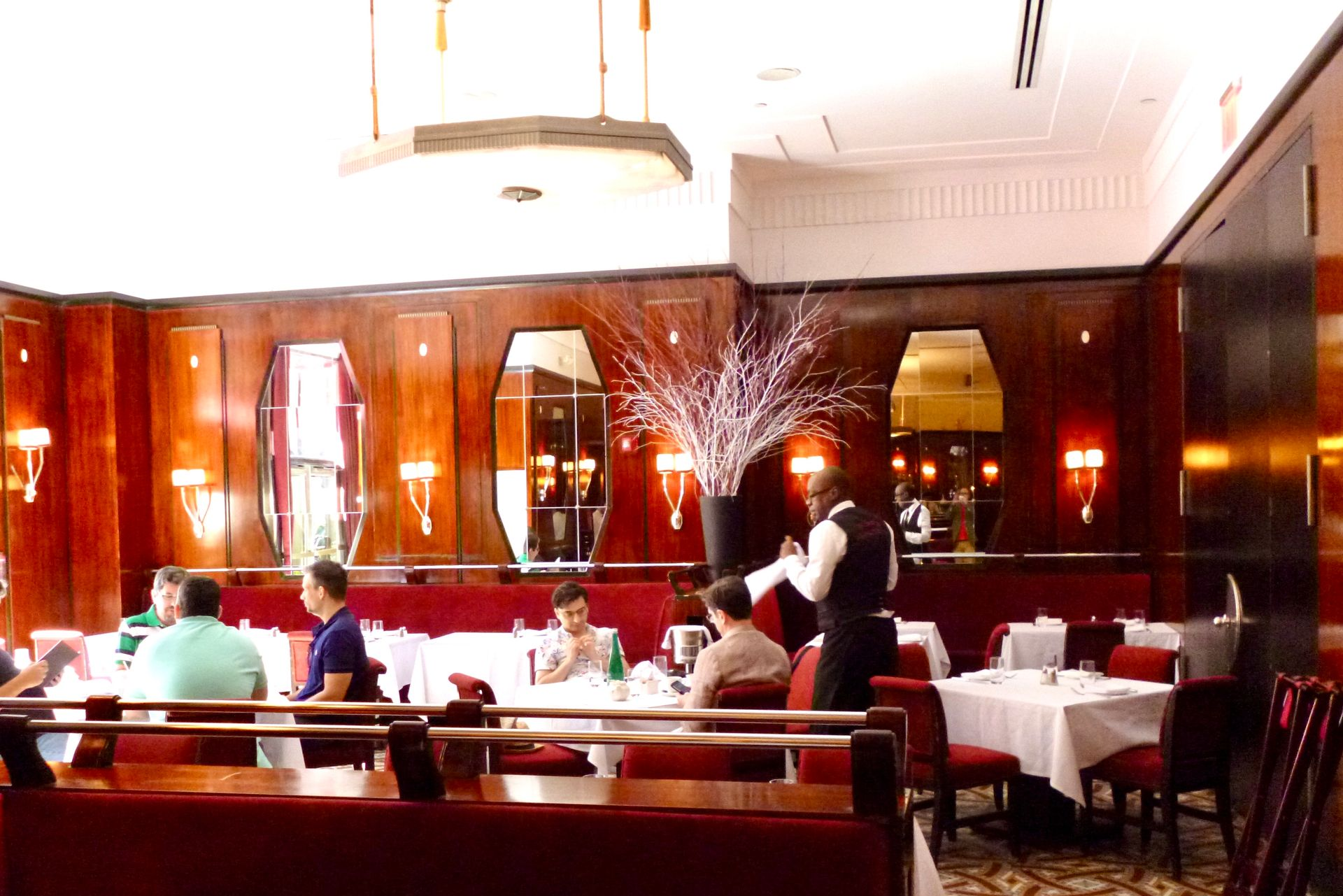
Hospitality Businesses Insurance
Insurance for restaurants, bars, and service-based operations.

Retail and
Commercial Properties
Protection for storefronts, inventory, and customer-related liability.
Our Approach
Insurance Made Easy to Understand
Mesa Insurance Agency provides business insurance coverage that helps protect operations, employees, and property. We work with multiple carriers to offer coverage options that support daily business activities and long-term stability.
Insurance FAQs
Helpful Answers for Florida Clients
Support you can rely on.

What makes Mesa Insurance Agency different?
We are an independent agency with access to multiple carriers. This allows us to offer flexible coverage options.
Clients work directly with licensed agents. Service continues beyond the policy start date.
Do you offer coverage for individuals and families?
Yes. We provide personal insurance for individuals and families across Florida.
Coverage includes auto, home, health, life, and flood insurance. Our team explains each option clearly.
Do you work with small and mid-sized businesses?
Yes. We work with businesses of many sizes and industries.
Our team helps identify risks and secure appropriate coverage. Ongoing service is included.
Can I make changes to my policy later?
Yes. Policies can be updated as needs change.
We assist with coverage adjustments, additions, and removals. Clients can contact us directly for help.
Is flood insurance required in Florida?
Flood insurance is not always required, but it is strongly recommended in many areas.
Standard home insurance does not cover flood damage. Our team can review your flood risk and options.
How do I contact your office?
You can contact us by phone, email, or through our website.
Our team responds promptly during business hours. Support is always available when needed.
From the Blog
Insurance Topics That Matter
Clear answers for common questions.






Client Reviews
Trusted by Clients Across Florida
Mesa Insurance Agency is proud to serve individuals and businesses throughout Florida. Clients choose us for clear communication, responsive service, and reliable insurance support. Their feedback reflects our focus on long-term relationships and consistent service.
Contact Us