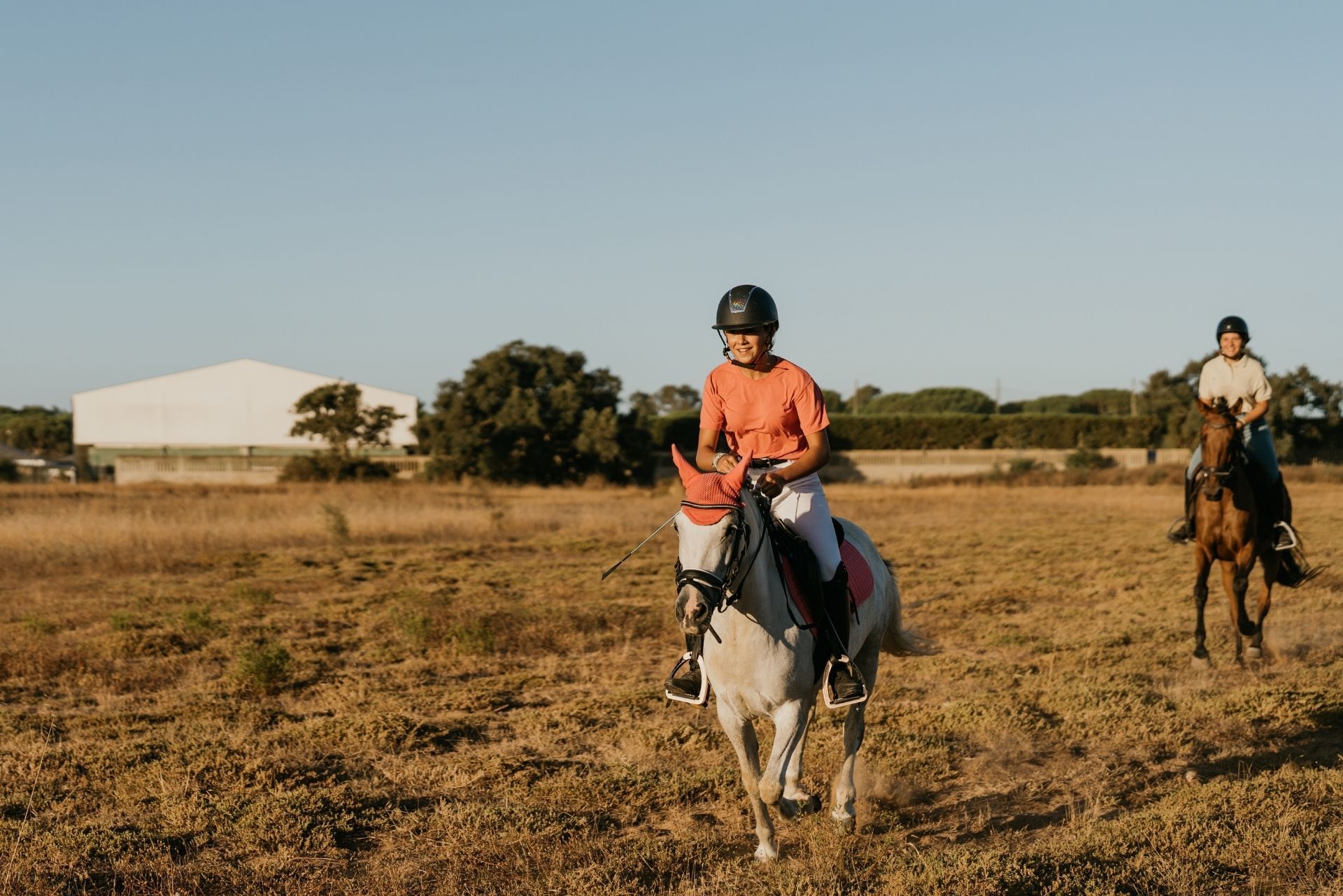
A riding school nestled in the heart of Florida offers more than just riding lessons-it is a unique business blending equine care with facilities management, classroom instruction, and guest activities. Every business owner in the industry knows that protecting their facility, horses, and staff requires a specialized insurance plan. A combination of property, liability, and specialized equine coverage helps safeguard against the unpredictable challenges of running a riding lesson facility. To learn more about similar industries managing risk, check the insights provided by Florida news outlets.
For riding schools in Florida, no two days are the same. From handling a spirited horse during a lesson to managing the multiple layers of property risk associated with a large training facility, insurance policies must be tailored for these unique exposures. This article delves into the essential coverage considerations, industry trends, and emerging issues that Florida riding lesson facilities and equine businesses are facing today.
Balancing the passion for teaching horsemanship with the realities of risk management requires both a practical approach and deep expertise. Understanding the nuances of Florida insurance trends and legislative reforms can help riding schools choose the right coverage to support their operations.
Understanding the Unique Risks for Riding Lesson Facilities
Operating a riding lesson facility in Florida brings a variety of risks that go beyond typical property or liability exposures. The physical activity of handling both horses and riders creates a potential for injury and property damage. For example, an unexpected misstep during a riding lesson can result in serious injuries or lawsuits if proper insurance coverage is not in place.
Property damage to barns, stables, and arenas is another significant risk. Unpredictable weather patterns can cause structural damage, and accidents involving equipment or livestock may lead to expensive repairs. Coverage must be comprehensive enough to address not only the immediate impacts of a single incident but also any domino effect that could result from a series of related events.
Insurance for these facilities needs to combine multiple coverage components, including general liability, property insurance, and specialized equine liability components. Each policy element works collectively to secure assets and provide peace of mind to owners, instructors, and students alike.
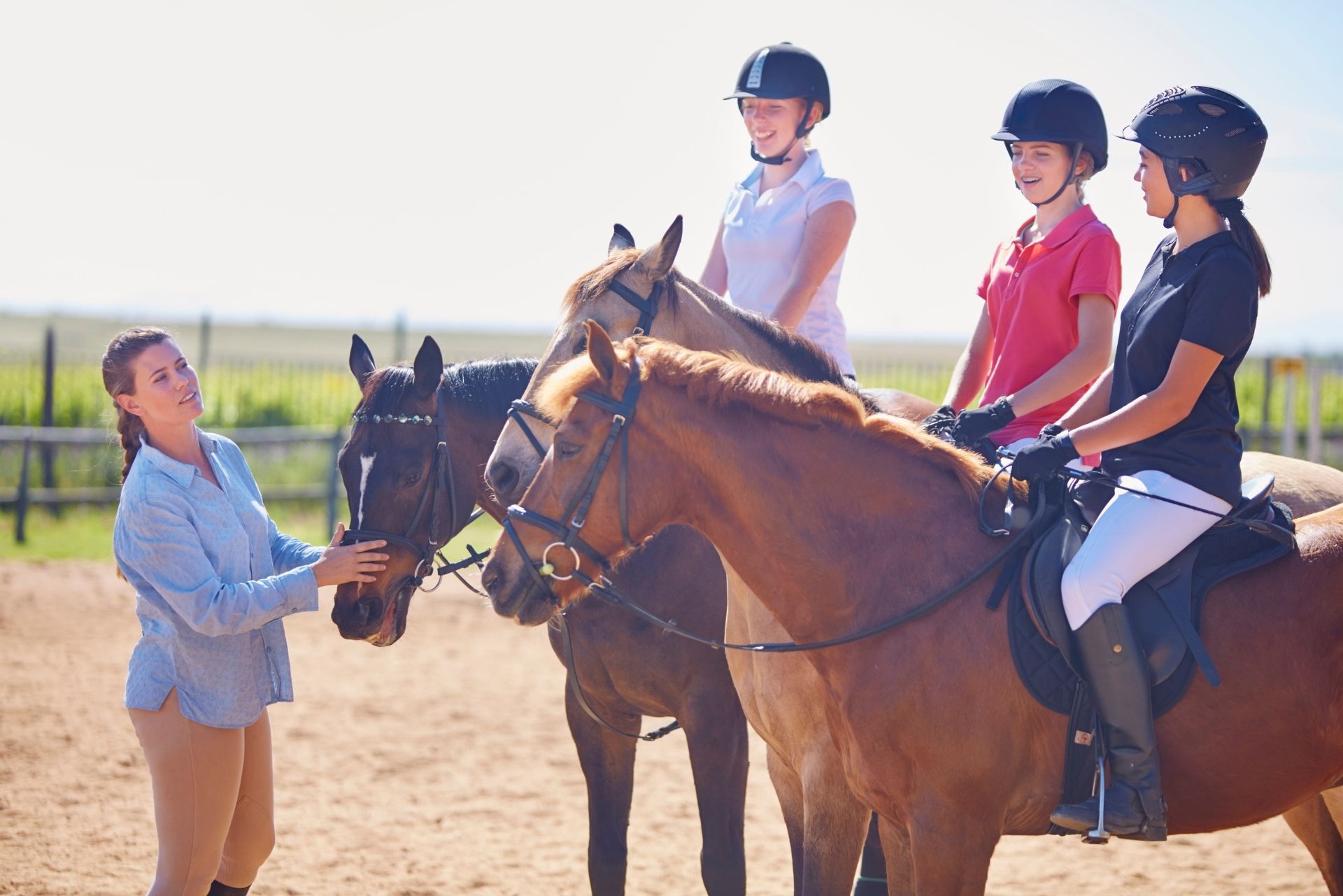
Essential Coverage Components for Riding School Operations
General Liability and Property Protection
General liability coverage is crucial for any riding lesson facility as it addresses common risks such as bodily injury and property damage. This type of policy helps cover legal expenses if a visitor or student is injured during a lesson. Florida riding schools need to be particularly diligent due to the state’s dynamic legal environment concerning insurance claims and litigation trends.
Adding robust property insurance is equally important. Facilities often house valuable equipment, riding gear, and even vehicles used by staff members. Property insurance can provide coverage for physical structures, equipment losses due to fire or other disasters, and other unforeseen damages. This coverage is designed to help businesses recover quickly and resume normal operations.
With the continuing evolution of the insurance industry in Florida, legislative changes have contributed to an environment where insurers are better equipped to write profitable business across various risk exposures. For instance, recent reforms have played a role in reducing litigation abuse and improving the overall market stability.
Equine Insurance and Liability Coverage
Equine insurance addresses the unique element of risk that comes with managing horses. The cost of caring for horses is high due to specialized veterinary care, feed, and facilities dedicated entirely to animal welfare. A dedicated equine policy is designed to mitigate financial loss from situations such as horse injuries during lessons or transportation incidents. This type of coverage can extend to include both the horse as an asset and the operations that revolve around it.
Liability coverage tailored for equine operations often includes specific endorsements to cover accidents that might occur during riding lessons. This coverage is essential, particularly if the riding school allows novice riders who might be more prone to accidents. The insurance plan must address the potential for injury resulting from both rider mishaps and unpredictable animal behavior.
When considering equine insurance, it is vital to work with insurers experienced in the unique challenges of the riding school industry. A comprehensive policy eliminates potential gaps in coverage that could lead to significant out-of-pocket expenses if a claim were to occur.
The Impact of Legislative Changes on Insurance Markets
Recent legislative reforms in Florida have reshaped the insurance industry in significant ways. The move to reduce legal system abuse has enabled insurers to write policies across diverse regions, even those in areas prone to natural hazards like hurricanes. These changes have been acknowledged by industry experts as having a favorable impact on pricing and availability, ultimately benefiting businesses of all sizes.
The positive reaction from market experts such as insurance market veterans is evident. They emphasize how sharp legislative reforms have improved the overall environment for obtaining quality coverage. Business owners at riding facilities are encouraged to review developments on local insurance laws to ensure their coverage remains comprehensive and competitive.
Insurance companies now have greater flexibility in structuring policies that embrace both hurricane-related risks and other operational hazards typical in Florida. This stability is particularly crucial for riding schools that operate in regions where weather can quickly change the risk landscape.
Insurance Costs and Economic Impacts for Riding Facilities
Comparing Insurance Premiums in Florida
Florida homeowners are known to face some of the highest insurance premiums in the nation, with studies showing average annual costs significantly above the national average. Although these statistics largely pertain to homeowner insurance, the trends strongly influence commercial property and liability insurance rates in the state. For instance, Florida homeowners paid an average of $5,838 annually in 2024, which is around $3,000 more than national averages.
For riding lesson facilities, the impact of these higher costs is twofold. First, the high baseline for insurance premiums in Florida means businesses must budget carefully to accommodate this expense. Second, when these higher premiums are introduced into the pricing structure, they can affect overall operating costs and even the competitive positioning of a riding facility against other leisure or educational enterprises.
Owners might notice that cost trends in one segment of the insurance market often have a cascading impact across various liability and property coverage requirements. Balancing premium costs with adequate coverage is an essential discussion during policy negotiations with insurers.
Economic Influences on Property Values and Business Viability
An interesting study by Florida State University's Risk Management and Insurance Center highlights that an increase in homeowners insurance prices can have a noticeable influence on housing prices. In the context of a riding lesson facility, this relationship manifests when changes in insurance costs affect the perceived value of a property. The same research shows that a 10% increase in homeowners insurance prices leads to at least a 1.4% decrease in housing prices, which has more impact on mortgage-financed buyers than on outright investors (Florida State University News).
For riding facilities, these dynamics are important because higher insurance costs can indirectly affect not only property values but also the facility’s profitability and long-term viability. Facilities with higher operational expenses may need to adjust their pricing strategies for riding lessons or invest more in risk management initiatives to maintain a steady cash flow.
The economic influences underscore the need for riding facility owners to regularly reassess their insurance policies and stay informed about legislative and market changes that may affect costs.
Risk Management Strategies for Riding Lesson Facilities
Implementing Safety Protocols and Staff Training
Risk management in any equine business goes beyond securing the right insurance policy. Proactive safety protocols and comprehensive staff training serve as the first line of defense against potential claims. Riding facilities benefit significantly when hills, obstacles, and equipment are regularly inspected and maintained. Establishing safety protocols can help ensure that all activities-from riding lessons to horse handling-are conducted in a controlled and safe environment.
Staff training is an ongoing process that should include instruction on emergency response, first aid, and safe animal handling techniques. A proactive approach to safety can reduce accidents and create a safer atmosphere that minimizes the likelihood of incidents escalating into costly claims. Both instructors and administrative personnel should be aware of the facility’s risk management policies and engage in safety drills periodically.
Facilities that effectively train their staff and enforce safety measures are more likely to see lower incident rates, which can, in turn, help lower insurance premiums. Insurers often view these measures as evidence that the business is taking responsible steps to minimize risk, which is a significant consideration during policy renewals.
Risk Assessment and Regular Policy Reviews
Regular risk assessments allow facility managers to identify potential areas of vulnerability. With insurance rates fluctuating in response to market and legislative changes, adjusting coverage levels to match the most current risk profiles is wise. By conducting regular audits of policies, businesses can ensure that they are not over-insured for certain risks or under-insured in critical areas.
Insurance experts advise that riding school owners closely monitor any changes in local or state regulations. This vigilance is especially important given the dynamic legislative environment in Florida, which can influence both the structure and cost of insurance coverage. With findings such as reforms praised by market leaders in the recent past, staying updated is a critical component of mitigating risk.
Scheduling an annual review with insurance agents can help identify emerging risks and adjust coverage accordingly. This practice not only provides enhanced protection but also supports long-term cost savings by ensuring that policies remain aligned with the facility's current operations.
Integrating Technology and Innovation in Risk Management
Modern technology has reshaped risk management within the realm of insurance, and riding facilities are no exception. Innovations such as real-time monitoring systems for equipment, mobile apps for staff coordination, and even advanced veterinary monitoring systems are increasingly common in the industry.
Some riding schools have started integrating innovative tracking systems that provide real-time updates regarding the condition of pathways, riding arenas, and barns. This technology not only helps in early identification of maintenance issues but also provides a data-backed approach when discussing safety improvements with insurance agents.
Additionally, the advent of digital platforms for training and emergency management has bolstered the ability of riding schools to react swiftly in case of incidents. This proactive use of technology is especially important in the competitive Florida market, where quickly resolving issues before they escalate is essential for business continuity and maintaining lower risk profiles.
Managing Litigation Risks and the Legal Landscape
Litigation Trends in Florida’s Insurance Environment
Litigation can have a profound impact on the overall cost and availability of insurance coverage. Recent data shows an increase in litigation actions, with nearly 13% of Florida homeowners whose claims were denied pursuing legal recourse. Although this statistic is specific to homeowner insurance, the trend mirrors challenges faced by all types of insurance policies in the state (The Washington Post).
For riding lesson facilities, litigation risks are particularly relevant if an accident during a lesson leads to a lawsuit. The potential for litigation underscores the necessity of having clear, comprehensive liability coverage and a strong legal support system in place. Detailed records, proper waivers, and adherence to best practices in safety are pivotal in reducing legal exposure.
By making sure that all operations are aligned with best practices and current legal standards, riding school operators can often avoid or mitigate the risk of expensive legal battles. This, in turn, helps maintain more predictable insurance premiums over the long term.
Legal Reforms and Their Positive Impacts on Coverage
Legislative reforms in Florida have played a significant role in shaping the insurance market. For instance, new laws have reduced the potential for frivolous lawsuits that can drive up the cost of policies. Experts note that this improvement in the legal framework has allowed insurers to better manage risk across various sectors, including commercial and equine-related policies.
Market voices have described these improvements as both "amazing" and "phenomenal." It is an encouraging sign for riding schools that rely on insurers who can craft profitable policies even in a state known for its complex risk landscape. This environment means that well-managed businesses may enjoy more stable insurance costs and better policy terms over time.
Staying informed about these legal changes is as crucial as the day-to-day management of equine and facility risks. By aligning policy structures with the latest legal reforms, riding lesson facilities can safeguard themselves against unexpected cost spikes.
Case Studies and Real-World Applications in the Riding Industry
Several riding facilities in Florida showcase how effective risk management and insurance planning can lead to long-term success. Some have seamlessly integrated technology and high-grade safety protocols with specialized insurance coverage to maintain low risk profiles. These success stories offer practical lessons for other facility owners aiming to balance operational costs with the need for expansive coverage.
A notable aspect in some of these case studies includes the tailoring of insurance packages to each facility's specific needs. For example, one facility revamped its protocols after a near-miss incident, which ultimately led to an adjusted policy that offered improved coverage with minimal premium increases. Such practical real-world applications emphasize the importance of continuous improvement and collaboration between facility owners and their insurance providers.
These examples also highlight how legislative improvements have contributed indirectly to better coverage terms. Facilities that consistently review their safety measures and keep up with industry trends are often rewarded, as insurers have a clearer picture of the risk profile they are underwriting.
Comparing Coverage Options: A Closer Look
When selecting an insurance policy, riding schools should consider a side-by-side comparison of available coverage options. A detailed look at policy components such as liability limits, deductibles, and special endorsements (like equine care coverage) can reveal subtle differences that may greatly impact overall risk exposure.
For instance, general liability policies vary widely. Some policies may offer extended coverage that includes off-site riding activities, while others may limit protection to on-facility incidents. Evaluating these differences, especially against factors such as the facility's size and the number of students served, is essential for making an informed decision.
Below is a simplified comparison chart illustrating two types of coverage options available to riding schools:
| Coverage Component | Standard Policy | Enhanced Equine Policy |
|---|---|---|
| General Liability Limit | $1 million | $2 million |
| Property Coverage | Basic coverage for structures | Extended coverage including specialized equipment |
| Equine-Specific Endorsements | Not included | Coverage for horse injuries and transport incidents |
| Legal Defense Costs | Standard limits | Enhanced, with incident-specific adjustments |
This table is only a starting point. Owners should engage directly with insurance professionals who have experience with equine businesses to build a policy that fully encompasses all the risks involved.
Each component of the insurance policy should be scrutinized to ensure that there are no coverage gaps that could lead to severe financial consequences after an unforeseen incident.
Emerging Trends Affecting Insurance for Riding Schools
In addition to traditional risks, riding schools are now navigating a changing landscape with technological innovations and evolving consumer expectations. Insurers are increasingly incorporating data analytics into risk assessments, providing more precise premium adjustments and coverage tailoring.
These trends are particularly apparent in Florida, where legislative changes and market data show improved conditions for insurers writing policies even in high-risk regions. For example, improved market conditions allow companies to offer more competitive rates while still maintaining robust coverage requirements (State Farm Newsroom).
Business owners can take advantage of these technological improvements by adopting new risk management tools. From digital safety checklists to wearable devices that track the physical exertion of riders, technology is playing an increasing role in preventing accidents and streamlining claims reporting processes
Steps to Securing the Right Insurance Coverage
Selecting the perfect insurance coverage for a riding lesson facility is not a one-size-fits-all process. It starts with a comprehensive review of the facility’s operations, current risk profile, and future business goals. Engaging with professional insurance brokers experienced in both commercial and equine risks is an essential early step.
Using a consultative approach to discuss the specific details of riding lessons, the number of horses maintained, and facility size can help to pinpoint the most necessary endorsements and policy limits. Owners should prepare a list of potential risks and measure them against available policy options during each review.
It is also necessary to pay close attention to the evolving legislative environment. As market conditions have improved following recent legal reforms, riders have found increased flexibility and security in the policies available. Maintaining regular contact with industry professionals ensures that coverage remains aligned with both current needs and future challenges.
Evaluating Premium Reductions and Savings Opportunities
Even as Florida experiences some of the highest insurance premiums in the country, there are opportunities to save-particularly by leveraging strategic policy adjustments and risk management practices. For instance, auto insurance rate reductions have provided over $1 billion in annual premium savings in recent years (State Farm's auto rate news). While this data specifically pertains to auto insurance, similar savings trends may be applicable when proactive risk management is implemented in commercial policies.
Riding schools should consider bundling policies when possible. Combining property, liability, and equine-specific coverages often leads to discounts and simplifies the claims process. Insurers are keen to reward businesses that take a comprehensive approach to managing risk by offering more competitive rates.
Over time, effective risk management coupled with regular policy reviews can yield significant financial savings. These savings, in turn, support improved cash flow, which is essential for reinvestment and growth in competitive markets.
Focusing on Safety and Community Engagement
One of the most rewarding aspects of managing a riding lesson facility in Florida is the ability to shape a community that values safety and responsibility. In addition to the financial protection offered by comprehensive insurance, establishing a reputation for diligent safety practices can enhance a facility's public image and attract new clients.
Community engagement plays a significant role in fostering trust. Organizing open days where prospective clients can tour the facility and see safety measures in action is one way to showcase professionalism. These events not only reassure clients but also provide an opportunity to discuss risk management practices and the importance of specialized insurance coverage with local stakeholders.
As the insurance market continues to evolve, riding facilities that maintain robust safety programs and transparency about their risk management efforts are more likely to receive favorable policy terms. This not only enhances operational security but also strengthens community ties, ultimately leading to a more sustainable business model.
Frequently Asked Questions
What type of insurance is most important for a riding lesson facility?
General liability, property insurance, and equine-specific coverage are all crucial. General liability covers injuries or accidents, while property insurance protects physical structures and equipment. Equine insurance addresses risks directly associated with horse care and riding activities.
How have recent legislative reforms affected insurance premiums in Florida?
Legislative changes have led to a more balanced market by reducing litigation abuse. This has allowed insurers to write more profitable policies across the state, potentially resulting in improved coverage terms and more competitive rates.
Can technology help reduce the risk of accidents in riding schools?
Yes, modern technology such as real-time monitoring systems and digital safety protocols enhances risk management. These tools help detect potential hazards early and streamline safety practices, contributing to fewer accidents and more favorable insurance premiums.
What should a riding school owner do to ensure their policy remains current?
Regularly review policies with an experienced insurance broker and conduct periodic risk assessments. Staying informed about legislative and market changes is essential for ensuring that coverage keeps pace with the evolving operational risk profile.
How can the cost of insurance be managed effectively at a riding facility?
Effective cost management starts with bundling policies, implementing comprehensive safety protocols, and ensuring regular reviews to adjust coverage based on current risks. Proactive risk management can lead to lower incident rates, thereby reducing premium costs in the long run.
Are there any savings when comparing bundling options for different coverages?
Yes, bundling coverages such as property, liability, and equine insurance often results in discounts. Insurance providers typically offer competitive rates to businesses that adopt a comprehensive risk management strategy.
What to Remember When Choosing Insurance for Your Riding Facility
Selection of the right policy involves collaboration between the business owner and an experienced insurance broker. Every riding lesson facility has its own unique risk profile, and a tailored policy can make all the difference in protecting a business against unforeseen events.
Staying informed about industry trends, legislative changes, and technological advancements can empower facility owners to take proactive measures. With careful planning and continuous reassessment of your insurance coverage, your riding school can enjoy the peace of mind needed to focus on what matters most-teaching and feline horsemanship in a safe environment.
Ongoing dialogues with insurance professionals, safety experts, and fellow facility owners are invaluable. Embracing a culture of safety and proactive engagement with risk management strategies not only protects your business but also paves the way for long-term success in a competitive market.
Final Thoughts on Insurance Coverage for Riding Lesson Facilities
Florida's riding lesson facilities occupy a distinctive niche that commands specialized attention in risk management. As this article outlines, from property and liability coverages to equine-specific insurance, having a well-rounded policy is critical. Facing complex legal, economic, and operational challenges requires a tailor-made insurance strategy that addresses practical needs while also adapting to market shifts. In an environment where insurance plays a pivotal role in ensuring operational stability, keeping abreast of trends-including recent premium reductions noted in auto insurance that offer indirect insights-is vital. Every decision, from the choice of coverage limits to investing in safety technology, affects how effectively a riding facility is protected.
Legislative changes in Florida have ushered in improvements that have benefited various sectors. Riding schools that integrate these changes into their risk management plan often reap significant benefits. For instance, comprehensive risk reviews and safety strategies not only mitigate potential hazards but may also lead to more economical premiums over time. The insights shared by market experts and statistics normalized through continuous reforms demonstrate that even in high-risk environments, progressive insurance practices lead to better outcomes.
Staying connected with local news sources and industry developments, such as updates from The Washington Post, can provide essential guidance on how best to navigate the changing insurance landscape. Such real-time information enables riding school owners to fine-tune their strategies and achieve financial and operational resilience.
As the insurance landscape continues to evolve, especially in a state as dynamic as Florida, the best practices outlined here provide a road map for maintaining robust and reliable coverage. From understanding the intricacies of liability and property policies to implementing modern safety protocols and risk management tools, every proactive step taken by a riding school establishes a foundation for a secure and thriving business operation.
With a balanced approach to insurance, riding facilities are well-positioned to not only protect their assets but also inspire confidence among students, staff, and the wider community. This confidence, in turn, fosters a culture of safety and excellence that benefits everyone involved.
Bringing It All Together for a Secure Future
The careful coordination of risk management strategies combined with a tailored insurance strategy can be the defining factor in a riding lesson facility’s success. Integrating detailed reviews of potential liabilities, investing in safety initiatives and staff training, and staying informed about legislative and market trends are all critical components of a robust insurance plan.
Business owners benefit from a proactive mindset and continual reassessment of their insurance policies. This approach not only helps in preventing issues before they arise but also positions the facility to take advantage of any new reforms or premium reductions. Notably, the overall sentiment in the market continues to improve as insurers become better equipped to manage risks in high-exposure states like Florida.
For riding school operators, crafting an insurance plan that evolves with the business ensures that investments in safety, quality instruction, and facility improvements are protected. By coupling detailed insurance evaluations with proactive risk management, facilities can look forward to a secure future and a thriving school environment.
Wrapping Things Up
Florida riding lesson facilities face complex challenges that require insurance policies to be as dynamic and multifaceted as the businesses themselves. By understanding the unique risks involved, rigorously implementing safety measures, and staying on top of legislative developments, riding schools can secure comprehensive insurance coverage tailored to their specific operational needs.
From a careful review of property and liability needs to investing in equine-specific coverage and modern risk management tools, every decision taken by riding school owners has long-term effects. Engaging with experienced insurance brokers who understand the subtleties of Florida’s market is paramount in developing and maintaining effective insurance policies.
Staying informed and involved in community efforts further enhances the ability of riding lesson facilities to connect with local trends and secure the most beneficial coverage. With a proactive approach, riding schools can build resilience against emerging risks while confidently continuing their mission of teaching and inspiring future riders.
This comprehensive approach not only protects against immediate hazards but also ensures that the passion for horsemanship and the commitment to quality instruction remain uncompromised. In the bustling and unpredictable insurance landscape of Florida, a well-thought-out insurance policy is not just a regulatory necessity but also a strategic investment in the future of the business.
ABOUT THE AUTHOR: PAUL RAMENTOL
I am the Owner and President of Mesa Insurance Agency. I help individuals and business owners across Florida secure personal and business insurance coverage that supports their needs. My focus is on clear guidance, direct communication, and long-term support without call-center delays or confusion.
Contact Us

Personal Coverage Options
Insurance Built for Everyday Protection
Mesa Insurance Agency provides personal insurance coverage designed to support daily life. Our team reviews risks and coverage needs to help clients secure dependable protection at fair rates.
Dental & Vision Insurance
Coverage that helps manage routine dental and vision care costs.

Business Coverage Options
Insurance Built for Business Protection
Mesa Insurance Agency provides business insurance coverage that helps protect operations, employees, and property. We work with multiple carriers to offer coverage options that support daily business activities and long-term stability.
Commercial Auto Insurance
Coverage for business-owned vehicles, drivers, and accident-related liability exposure.
General Liability Insurance
Protection against third-party injury, property damage, and common business liability risks.
Professional Liability Insurance
Coverage for claims related to professional services, advice, or service errors.
Workers’ Compensation Insurance
Coverage that helps support employees with work-related injuries and medical costs.
Commercial Property Insurance
Protection for buildings, equipment, inventory, and physical business assets.
Errors & Omissions Insurance
Coverage for financial losses caused by mistakes, omissions, or service-related claims.
Industries We Serve
Serving Businesses Across Multiple Sectors
Mesa Insurance Agency works with business owners across Florida to provide insurance coverage that supports daily operations. We understand common risks faced by different industries and help clients secure reliable protection.

Construction and Trades Insurance
Coverage for job sites, vehicles, tools, and workplace risks.

Hospitality Businesses Insurance
Insurance for restaurants, bars, and service-based operations.

Retail and
Commercial Properties
Protection for storefronts, inventory, and customer-related liability.
Our Approach
Insurance Made Easy to Understand
Mesa Insurance Agency provides business insurance coverage that helps protect operations, employees, and property. We work with multiple carriers to offer coverage options that support daily business activities and long-term stability.
Insurance FAQs
Helpful Answers for Florida Clients
Support you can rely on.

What makes Mesa Insurance Agency different?
We are an independent agency with access to multiple carriers. This allows us to offer flexible coverage options.
Clients work directly with licensed agents. Service continues beyond the policy start date.
Do you offer coverage for individuals and families?
Yes. We provide personal insurance for individuals and families across Florida.
Coverage includes auto, home, health, life, and flood insurance. Our team explains each option clearly.
Do you work with small and mid-sized businesses?
Yes. We work with businesses of many sizes and industries.
Our team helps identify risks and secure appropriate coverage. Ongoing service is included.
Can I make changes to my policy later?
Yes. Policies can be updated as needs change.
We assist with coverage adjustments, additions, and removals. Clients can contact us directly for help.
Is flood insurance required in Florida?
Flood insurance is not always required, but it is strongly recommended in many areas.
Standard home insurance does not cover flood damage. Our team can review your flood risk and options.
How do I contact your office?
You can contact us by phone, email, or through our website.
Our team responds promptly during business hours. Support is always available when needed.
From the Blog
Insurance Topics That Matter
Clear answers for common questions.






Client Reviews
Trusted by Clients Across Florida
Mesa Insurance Agency is proud to serve individuals and businesses throughout Florida. Clients choose us for clear communication, responsive service, and reliable insurance support. Their feedback reflects our focus on long-term relationships and consistent service.
Contact Us