Florida ATV owners face a unique set of challenges every day. When theft and accidents shape the conversation about risks, understanding insurance coverage becomes as vital as owning the machine itself. In recent years, Florida ranked third in the country for ATV thefts, according to the National Insurance Crime Bureau, highlighting the importance of preventive measures and proper insurance coverage (NICB). This guide delves into the risks, coverage options, and essential practices that every Florida ATV owner should consider.
From safeguarding your vehicle from theft to mitigating the risks of accidents and understanding the ever-growing auto insurance challenges, every aspect of ATV insurance in Florida is laid out to help owners navigate the complexities of coverage decisions. Whether you are a seasoned rider or a new enthusiast, this comprehensive guide offers detailed insights to empower protection choices and promote safe riding practices.
Understanding the Unique Challenges of ATV Ownership in Florida
Rising Theft Rates and the Importance of Security
Florida continues to see an alarming trend in ATV thefts. The National Insurance Crime Bureau reports that the state ranks third in the nation when it comes to these incidents (NICB). This statistic speaks volumes about the need for every owner to prioritize security measures. Simple steps such as installing robust locking mechanisms and keeping your ATV in secure, monitored locations can significantly reduce your risk.
Implementing these precautions not only deters potential thieves but also plays a role during insurance claims if theft does occur. Increasing the burden of proving preventive efforts during claims processing can sometimes impact the resolution process favorably for the insured party.
Experts, including NICB Vice President of Communications, advise ATV owners to remain vigilant, making decisions that keep both the vehicle and the rider safe. In addition to physical security measures, some insurance providers offer discounts or coverage enhancements when additional anti-theft devices are installed.
Navigating Accident and Safety Statistics
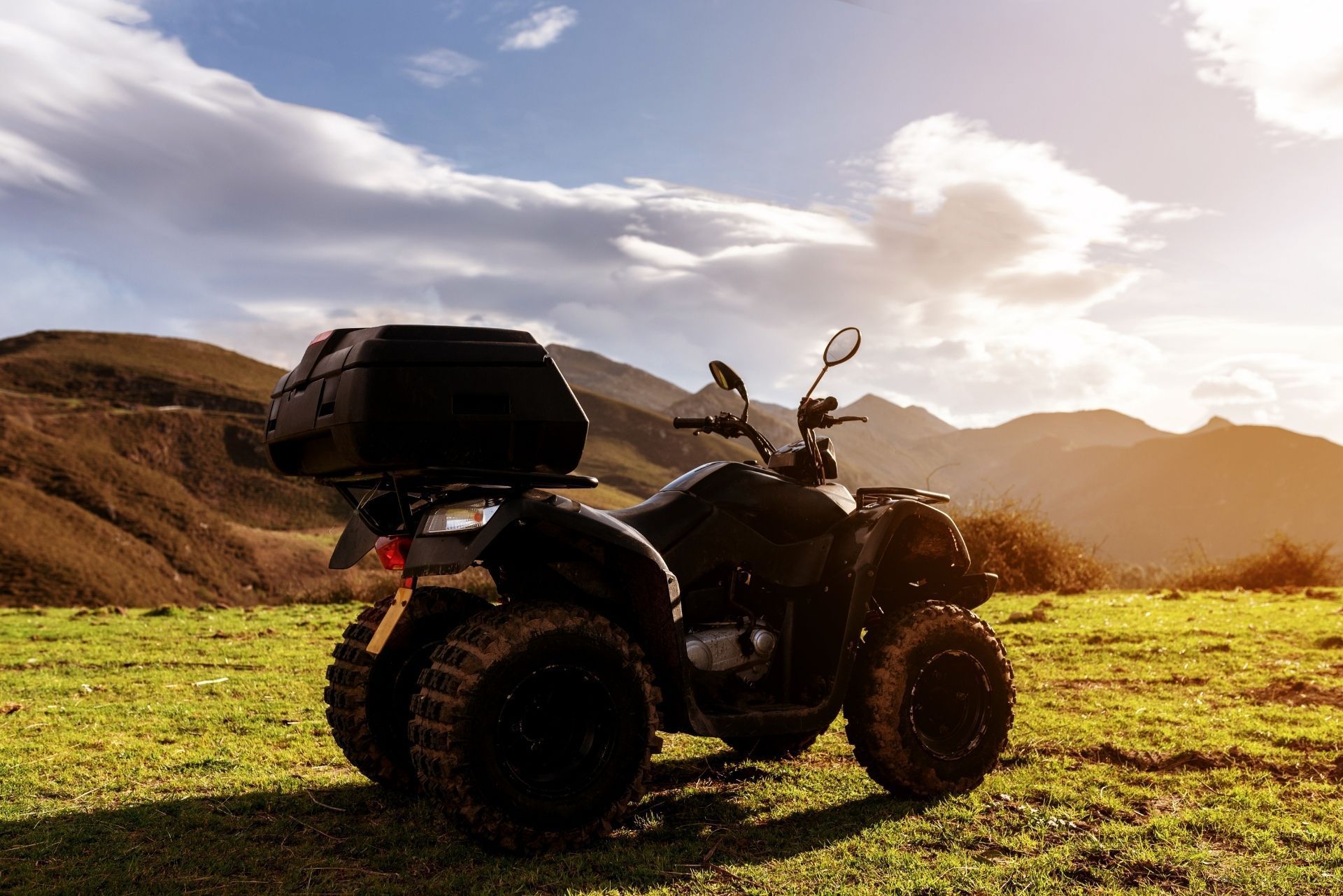
Safety is paramount among Florida ATV riders. The Florida Highway Safety and Motor Vehicles data reveals that in 2023, 23 driver fatalities and four passenger fatalities resulted from ATV accidents (FLHSMV). Historical data also shows that between 1982 and 2011, ATV-related deaths totaled 485, with children comprising 25% of these tragic losses (CPSC).
This history of accidents underlines the critical importance of proper coverage. ATV insurance policies are custom tailored to protect against the unique risks associated with off-road riding, including accidents that might not be fully covered under a regular auto policy. Riders should consider policies that cover both liability and comprehensive damage, ensuring broad protection if accidents occur.
Beyond the human impact, the financial implications can be severe. Medical bills, equipment repairs, and legal fees can soar without the cushion provided by thorough insurance. Consequently, owners who choose insurance tailored for ATV activities might find significant relief when these unfortunate events occur.
Examining Insurance Costs and the Florida Market
The State of Auto Insurance Rates in Florida
Florida's insurance market puts additional strain on vehicle owners. In 2023, the state experienced a 15% increase in auto insurance rates, the largest hike in the nation (Insurance Research Council). This upward trend touches a broad swath of policies, including those for ATVs. As premiums climb, every owner must weigh the costs and benefits of the insurance they choose.
The cost of insurance is intimately linked to the overall affordability for Florida households. Data shows that auto insurance expenditures, in 2023, accounted for 2.39% of the median household income in the state (Insurance Research Council). Such figures highlight the financial pressures faced by families and the way rising premium costs can directly impact household budgets.
For ATV owners, these trends suggest that exploring every possibility for discounts or bundling policies may provide some financial respite. The inherent risks of ATV riding make comprehensive coverage a crucial consideration, but with tactical planning, owners may mitigate some of the unexpected costs.
Insurance Premiums for ATV-Specific Policies
Unlike standard auto policies, ATV insurance is designed to cover off-road use, equipment damage, theft, and liability associated with recreational riding. Many insurers offer stand-alone policies that cater specifically to these risks, often incorporating additional benefits such as roadside assistance for out-of-bound adventures. Owners typically see a premium that reflects the higher risks involved with off-road activity, yet mid-priced policies provide valuable peace of mind in situations where accidents or theft occur.
Comparing basic coverage to extended plans can be instructive. Extended policies may include additional risks, extended liability sections, and even cover performance modifications that are common among ATV enthusiasts. Weighing these differences carefully ensures that your policy matches the way you use your vehicle both for fun and in everyday life.
When shop around for an ATV policy, it is essential to obtain clear comparisons between what is covered under typical auto insurance versus what specialized ATV insurance offers. Detailed review of policy terms can reveal small differences that matter greatly in the event of a claim.
Enhancing Protection and Reducing Claims
Practical Steps to Secure Your ATV
You can improve security and reduce risks with a few simple, practical steps. Installing high-quality locks, setting up secure storage areas, and even investing in tracking devices can deter theft. These methods are not only effective in reducing the likelihood of theft but may also favorably influence your insurance rate based on your proactive investment in security.
A study by NICB provides guidance on how these measures lower the probability of theft. For instance, products that integrate GPS tracking for rapid recovery are particularly recommended for areas with higher reported thefts. The combination of physical and digital security solutions proves both modern and effective in safeguarding your vehicle.
In addition to securing your ATV, consider riding courses and safety seminars. Increasing your riding skills and awareness of the environment can reduce the chances of accidents. Insurance companies sometimes offer reduced premiums when owners invest in certified training programs that promote better riding safety.
Maintenance and Regular Inspections
Regular maintenance is as critical for recovery as security. Daily inspections ensure that each component of your ATV is functioning correctly. This preventative approach can help detect potential mechanical issues before they lead to accidents or expensive repairs. Furthermore, keeping a detailed service log can speak to insurers during claims, potentially streamlining the process by proving the upkeep of the vehicle.
Maintenance isn't solely about the engine or mechanical parts; accessories, safety gear, and even communication devices can play a part in safeguarding your experience. Annual or bi-annual reviews by a certified technician help ensure that all components meet safety standards, which directly reduces the risks associated with ATV use.
Such vigilance protects the physical asset and underscores responsible ownership to insurers, sometimes reflecting in policy adjustments and benefits offered for well-maintained vehicles.
Liability, Collision, and Comprehensive Coverage for ATVs
Understanding insurance coverage for ATVs starts with knowing the distinction between liability, collision, and comprehensive policies. Liability coverage typically is mandatory, protecting against injuries or damages to others stemming from an incident. Collision coverage addresses damage to your ATV if you hit another object, while comprehensive coverage protects against theft, vandalism, or weather-related issues.
Coverage specific to ATVs often caters to scenarios that might be outside the boundaries of standard auto insurance. These tailored policies provide benefits such as off-road accident coverage, repair funding for customized modifications, and even coverage for recreational equipment damage. If an ATV accident occurs in a remote location, these extended protections become very valuable.
In selecting a policy, it’s important to closely compare the details across providers. Some plans might include additional roadside services, while others offer better liability limits. Owners should review each plan’s inclusions carefully and consider how their riding habits align with the policy offerings.
Evaluating Additional Coverage Benefits
The specific needs of ATV owners often call for extra coverage beyond the standard. Riders frequently invest in modifications or customized parts that normal insurance might classify as high-risk. Coverage that accounts for these modifications or anticipates damage from off-road environments can provide peace of mind.
When reviewing policy benefits, ask about add-on options such as enhanced theft protection, emergency medical coverage, and roadside assistance tailored for off-road scenarios. Providers sometimes offer packages that consolidate these extras at a competitive rate. These add-ons can be especially useful in a state like Florida, where environmental factors and theft rates contribute to unique risks.
Ensuring the right mix of benefits means assessing your personal usage. For example, if riding is primarily for recreation, the coverage emphasis may focus on theft and collision protections. On the other hand, frequent long-distance rides through varied terrains might necessitate robust comprehensive coverage. This dynamic choice is vital when matching a policy to a lifestyle.
Strategies for Lowering Premiums and Managing Costs
Bundling Insurance Policies
Bundling your ATV insurance with other policies can offer a practical way to manage rising costs. With Florida noticing one of the largest percentage increases in auto insurance premiums in 2023 (Insurance Research Council), combining coverage for multiple vehicles or assets under a single provider may lead to cost savings. Many insurers offer discounts for bundled policies, easing the financial strain on your overall insurance budget.
It is worth exploring various combinations, such as home and auto coverage along with your ATV policy, to identify the best rates. Not only does bundling simplify the management of your policies, but it also promotes a more integrated approach to risk management. Insurance companies appreciate customers who consolidate their coverage, often rewarding them with lower premium rates.
This strategy also works well as a budgeting tool in a state where auto insurance expenditures already represent a significant portion of household income (Insurance Research Council). Careful research and open discussions with your insurance provider can uncover additional discounts and incentives.
Improving Your Credit and Claims History
Your financial history plays a role in determining your premium rates. For many insurers, a solid credit record and a clean claims history translate into lower costs. Taking steps to improve these factors-such as paying bills on time, reducing outstanding debt, and maintaining a flawless claims record-can positively influence the rates you receive for ATV insurance. When shopping for a policy, ask providers about how they assess these factors and whether adjustments in credit standing can lead to any discounts.
This approach not only applies to new insurance policies but can also be used to negotiate better rates during policy renewals. A strong financial profile may help secure a lower risk rating, thus reducing premiums over time. Keeping records of safe ATV practices and preventive measures can also serve as evidence of your commitment to safety, further lowering risk in the eyes of insurers.
Moreover, some regional insurers provide incentives for maintaining a safe riding record for a designated period. It pays to inquire about safe rider programs and other initiatives that reward responsible ownership.
Embracing Preventive Measures and Safety Practices
Comprehensive Rider Education and Training
Insurance providers and safety advocates stress the importance of proper training. Taking certified riding courses can equip ATV owners with necessary skills to handle diverse riding conditions. Some insurers even consider participation in these courses as qualifications to lower the risk profile, which may translate to lower premiums. Certification programs often include both theoretical and practical components, ensuring that riders understand and manage the intrinsic risks of off-road adventures.
Structured education can also guide riders on how to handle unexpected technical issues and take preventive steps when riding in unfamiliar terrain. These courses underscore the significance of personal judgment, risk assessment, and proper equipment usage. As safety protocols become second nature, the likelihood of accidents decreases, which benefits both the rider's well-being and the insurance claims process.
Insurance providers citing improved safety practices in claims reports further support the need for these programs. The relationship between formal training and fewer accidents is a key point that every ATV owner should explore early on in their journey.
Adopting Safety Gear and Protective Accessories
Beyond training, wearing proper safety gear can reduce the risk of severe injuries from accidents. Helmets, gloves, protective clothing, and other accessories may lessen the impact during a fall or collision. Some specialized ATV insurance policies even consider the presence and proper use of safety gear as factors in claims assessments. Riders who consistently use protective equipment are seen as lower risk, which might influence premium rates favorably.
In addition to personal safety, many riders invest in accessories like roll cages, skid plates, and upgraded lighting systems. These modifications not only enhance the performance of the ATV but also provide a layer of security. Enhanced visibility and protection ensure that riders are better prepared for a range of scenarios. Such enhancements are often recognized during policy reviews, possibly leading to further incentives.
Investing in quality gear and accessories is also a proactive step that encourages responsible riding habits. As the ATV market continues to evolve, manufacturers and insurance companies alike underline the connection between safety equipment and lower claim frequencies.
Frequently Asked Questions (FAQ)
Do I need a separate policy for my ATV?
Yes. Standard auto insurance policies often do not cover off-road vehicles like ATVs, making a specialized policy essential.
What types of coverage are available specifically for ATVs?
ATV-specific policies typically offer liability, collision, and comprehensive coverage tailored to off-road activities, including protection against theft and vandalism.
How can I lower my ATV insurance premiums?
Certain measures like bundling multiple insurance policies, improving your credit, participating in safe rider programs, and installing anti-theft devices can help reduce premiums.
Are modifications on my ATV covered under standard policies?
Depending on your policy, modifications may require additional coverage. ATV-specific policies often include options to cover custom parts or performance modifications.
What safety measures can help reduce the risk of accidents and theft?
Investing in training courses, wearing proper safety gear, and installing high-quality locks and tracking devices are key measures that can help protect your ATV.
How do Florida’s insurance rate hikes affect ATV owners?
Florida saw significant increases in auto insurance costs in 2023, which in turn affect ATV insurance premiums, making it crucial for owners to shop around for competitive rates (Insurance Research Council).
Wrapping Things Up for Florida ATV Owners
Making Informed Decisions for Peace of Mind
Florida ATV insurance is not just about protecting an expensive piece of equipment-it’s about safeguarding your lifestyle. With a high incidence of theft and a significant history of accidents, ensuring the right coverage is a protective step that gives riders peace of mind. Detailed research and proactive measures have shown that understanding your risks and investing in proper training, safety gear, and security devices will go far toward reducing potential claims.
The cost of auto insurance, especially in a market like Florida where premiums form a significant part of household expenditure, emphasizes the importance of smart choices. Whether it is bundling policies, choosing add-ons, or carefully evaluating coverage differences, every decision contributes to both your financial stability and overall safety.
With informed decisions and a clear understanding of both the costs and benefits, Florida ATV owners can ride with confidence, knowing that they are well protected. Regularly reviewing your coverage needs and staying updated with policy changes should be part of a good risk management strategy.
Staying Proactive and Informed
Taking a proactive stance is essential when dealing with insurance in a state known for its unique challenges. Being aware of theft trends and accident statistics can encourage continuous improvement in safety and security protocols. This knowledge is crucial in an environment where technology and risks evolve constantly, ensuring that your policy remains effective and up-to-date.
Regular engagement with local news, such as reports from trusted sources like the National Insurance Crime Bureau and the Florida Highway Safety and Motor Vehicles, provides timely insights that can influence how you view risk management. Keeping abreast of these developments helps build confidence when making insurance decisions.
Whether updating your coverage or seeking advice from seasoned professionals, every effort you make to stay informed pays off. As new trends emerge, such as innovative anti-theft devices or safety programs, enhancing your ATV’s protection is an ongoing process that should align with the evolving insurance landscape.
Final Thoughts for the Florida ATV Community
For ATV enthusiasts in Florida, the decision to invest in specialized insurance reflects not only financial pragmatism but also a commitment to safety on every ride. Combining proactive maintenance, ongoing education, and thorough policy reviews creates a robust defense against risks, be they theft, accidents, or unexpected mechanical issues.
Insurance is the safety net that allows enthusiasts to explore Florida’s varied terrains while mitigating the financial and personal costs of potential mishaps. With consistent guidance from industry experts and available statistical data, making the right choice in insurance can transform rides from a potential liability into a well-managed asset.
In a state characterized by both thrilling rides and challenging risks, well-informed decision-making is the cornerstone of responsible ATV ownership. With the right tools, knowledge, and insurance coverage in hand, the adventure of owning an ATV in Florida can be enjoyed with a greater sense of security and freedom.
ABOUT THE AUTHOR: PAUL RAMENTOL
I am the Owner and President of Mesa Insurance Agency. I help individuals and business owners across Florida secure personal and business insurance coverage that supports their needs. My focus is on clear guidance, direct communication, and long-term support without call-center delays or confusion.
Contact Us

Personal Coverage Options
Insurance Built for Everyday Protection
Mesa Insurance Agency provides personal insurance coverage designed to support daily life. Our team reviews risks and coverage needs to help clients secure dependable protection at fair rates.
Dental & Vision Insurance
Coverage that helps manage routine dental and vision care costs.

Business Coverage Options
Insurance Built for Business Protection
Mesa Insurance Agency provides business insurance coverage that helps protect operations, employees, and property. We work with multiple carriers to offer coverage options that support daily business activities and long-term stability.
Commercial Auto Insurance
Coverage for business-owned vehicles, drivers, and accident-related liability exposure.
General Liability Insurance
Protection against third-party injury, property damage, and common business liability risks.
Professional Liability Insurance
Coverage for claims related to professional services, advice, or service errors.
Workers’ Compensation Insurance
Coverage that helps support employees with work-related injuries and medical costs.
Commercial Property Insurance
Protection for buildings, equipment, inventory, and physical business assets.
Errors & Omissions Insurance
Coverage for financial losses caused by mistakes, omissions, or service-related claims.
Industries We Serve
Serving Businesses Across Multiple Sectors
Mesa Insurance Agency works with business owners across Florida to provide insurance coverage that supports daily operations. We understand common risks faced by different industries and help clients secure reliable protection.

Construction and Trades Insurance
Coverage for job sites, vehicles, tools, and workplace risks.

Hospitality Businesses Insurance
Insurance for restaurants, bars, and service-based operations.

Retail and
Commercial Properties
Protection for storefronts, inventory, and customer-related liability.
Our Approach
Insurance Made Easy to Understand
Mesa Insurance Agency provides business insurance coverage that helps protect operations, employees, and property. We work with multiple carriers to offer coverage options that support daily business activities and long-term stability.
Insurance FAQs
Helpful Answers for Florida Clients
Support you can rely on.

What makes Mesa Insurance Agency different?
We are an independent agency with access to multiple carriers. This allows us to offer flexible coverage options.
Clients work directly with licensed agents. Service continues beyond the policy start date.
Do you offer coverage for individuals and families?
Yes. We provide personal insurance for individuals and families across Florida.
Coverage includes auto, home, health, life, and flood insurance. Our team explains each option clearly.
Do you work with small and mid-sized businesses?
Yes. We work with businesses of many sizes and industries.
Our team helps identify risks and secure appropriate coverage. Ongoing service is included.
Can I make changes to my policy later?
Yes. Policies can be updated as needs change.
We assist with coverage adjustments, additions, and removals. Clients can contact us directly for help.
Is flood insurance required in Florida?
Flood insurance is not always required, but it is strongly recommended in many areas.
Standard home insurance does not cover flood damage. Our team can review your flood risk and options.
How do I contact your office?
You can contact us by phone, email, or through our website.
Our team responds promptly during business hours. Support is always available when needed.
From the Blog
Insurance Topics That Matter
Clear answers for common questions.







Client Reviews
Trusted by Clients Across Florida
Mesa Insurance Agency is proud to serve individuals and businesses throughout Florida. Clients choose us for clear communication, responsive service, and reliable insurance support. Their feedback reflects our focus on long-term relationships and consistent service.
Contact Us