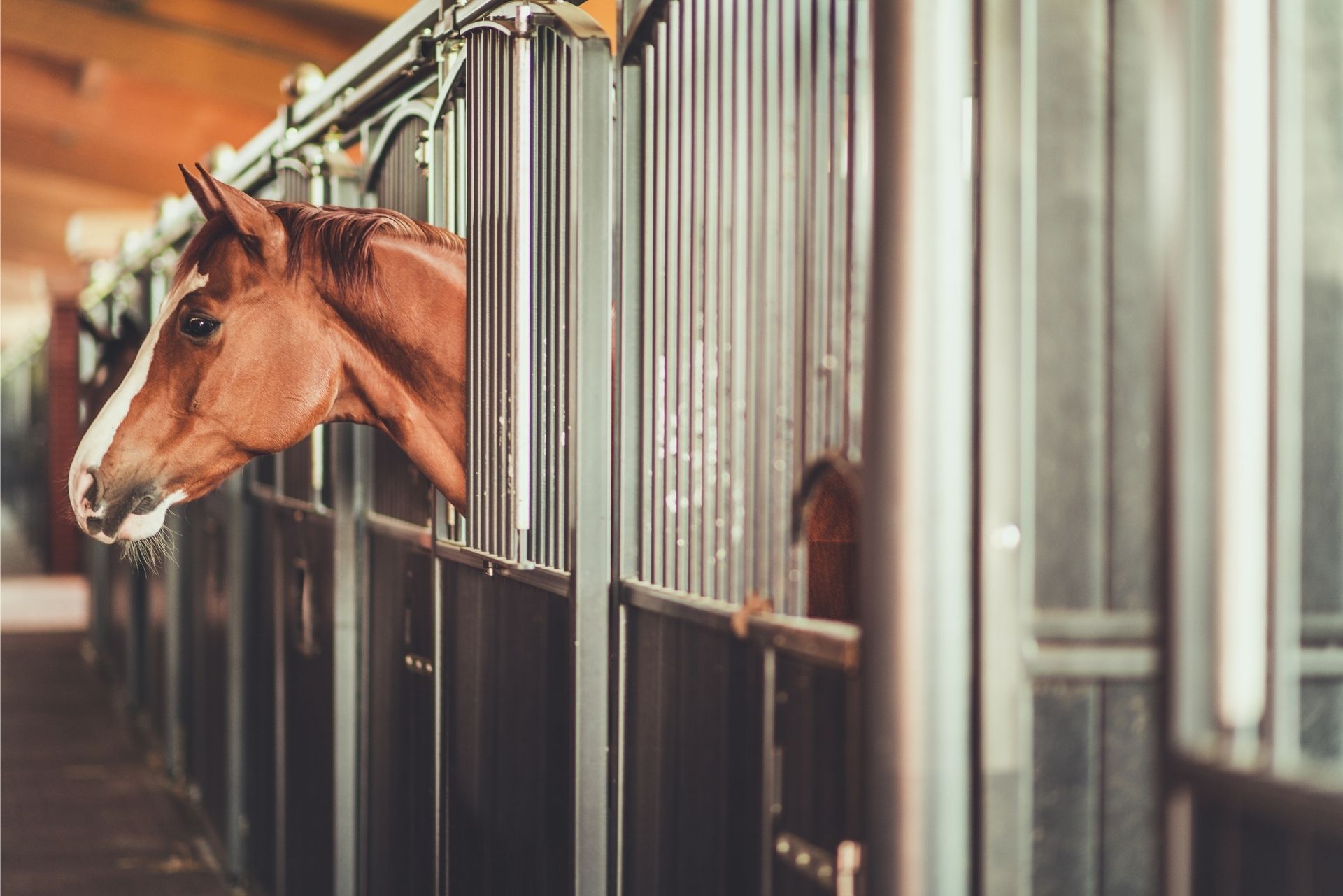
Running a boarding or riding facility in Florida demands unique insurance solutions that understand the intricacies of the equine world. Owners and operators strive to create a safe environment for horses and riders while navigating the challenges of weather extremes, operational risks, and a competitive market. A robust insurance policy not only minimizes risk but also provides reassurance amid unpredictable circumstances. For detailed insights into Florida’s booming equine market, check out this industry study by the Florida Thoroughbred Breeders' and Owners' Association.
The insurance needs of boarding and riding establishments are particularly complex. These facilities require coverage that spans property damage, liability risks, and even specialized coverage for the horses in their care. Tailoring insurance products to meet these specific demands is critical for ensuring long-term success in the competitive equine industry.
Understanding the Florida Equine Landscape
Florida’s equine industry is not only large but also a significant contributor to the state’s overall economy. The Florida equine sector boosts over $12.8 billion to the state’s economy, with Thoroughbreds adding more than $3.24 billion to that total [FTBOA study]. Facilities offering boarding and riding services operate at the intersection of agricultural tradition and modern business, making insurance coverage a fundamental pillar of operational security.
With approximately 335,000 horses in the state and one in every four of these horses being a Thoroughbred (around 87,600 horses), the equine environment is as diverse as it is robust [FTBOA insights]. This diversity introduces both opportunity and risk. On one hand, a large equine population creates demand for boarding and riding services; on the other, it means that each facility must plan meticulously for potential liabilities and claims.
Insurance professionals must grasp these market dynamics to offer policies that adequately cover risks from property damage due to storms and liability claims linked to horse-related injuries and incidents. As the industry continues to evolve and expand, so does the necessity to protect investments with comprehensive and adaptable policies.
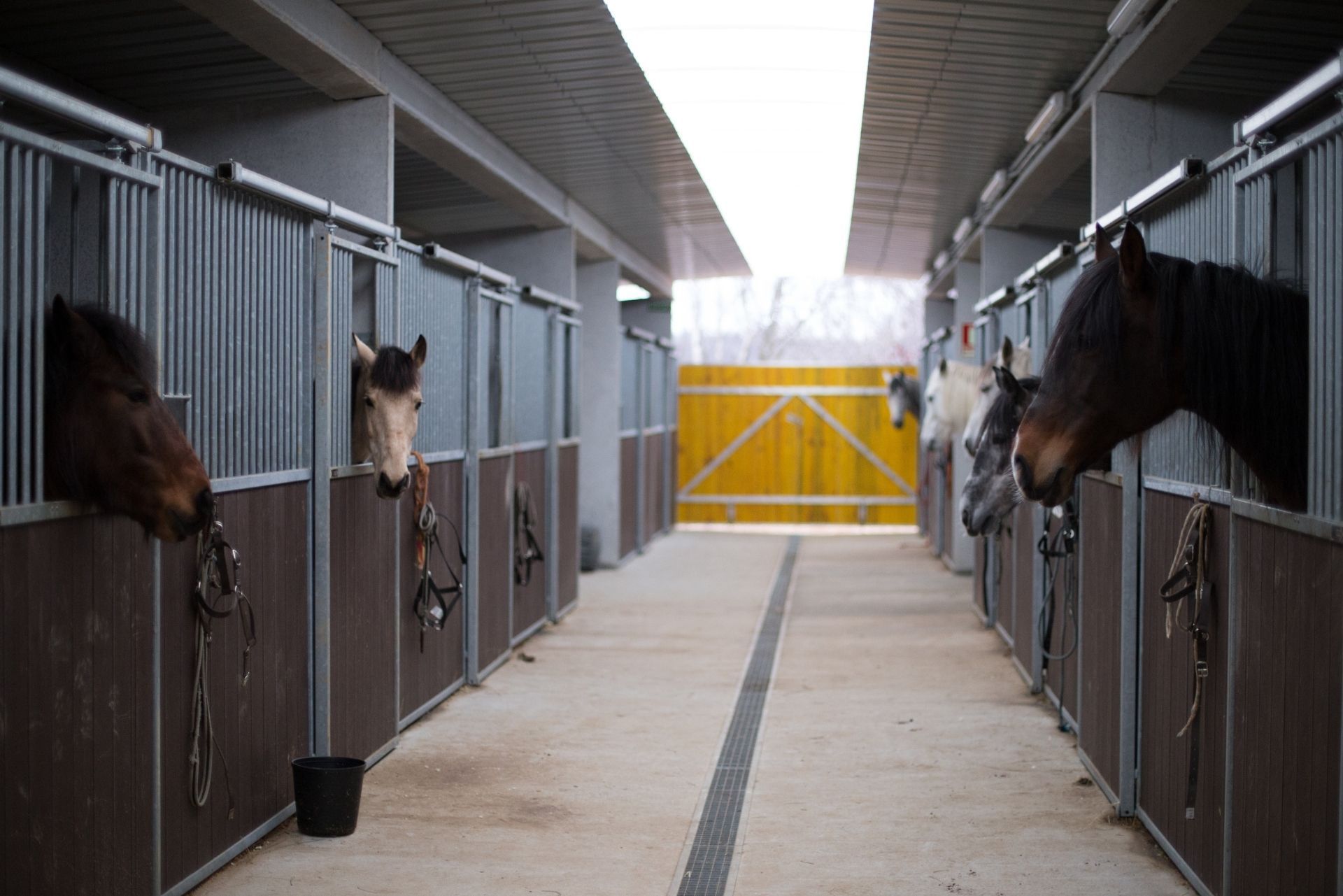
Identifying Key Risks for Boarding and Riding Facilities
Boarding and riding facilities face distinct risks that differ markedly from other types of property or business operations. For instance, liability claims may arise from rider injuries during lessons or from falls during casual riding sessions. Additionally, property damage from severe weather, particularly hurricanes or tropical storms common in Florida, can result in extensive loss, requiring speedy repairs and business interruption coverage.
The potential for accidents around stables is high. Slippery barn floors, unpredictable animal behavior, and the use of heavy equipment expose facilities to incidents that can escalate into significant financial losses. Recognizing these vulnerabilities is pivotal when designing an insurance program tailored to such high-risk environments.
Insurance policies for these facilities generally integrate several layers of coverage, including general liability, property, and specialized equine coverage. Each component is designed to mitigate different kinds of risks that may impact the facility's daily operations and long-term financial stability.
Key Features of Comprehensive Equine Insurance Policies for Boarding Facilities
A well-rounded policy for boarding and riding facilities covers several risk areas. First, general liability protection is essential to cover bodily injury and property damage claims. This aspect of the insurance protects the facility against lawsuits that might arise due to accidents on the property. Property coverage, on the other hand, addresses damage to barn structures, indoor arenas, and outdoor facilities.
Specialized equine coverage is equally crucial. This includes protection for the horses themselves, covering veterinary expenses, theft, or accidental death. With one in five Florida households participating in equine activities and over 30% identifying as horse enthusiasts [FTBOA participation stats], safeguarding the livestock is a top priority. Additionally, several policies now offer coverage for riding lessons and competitions, ensuring that both the business owner and the riding instructors are protected.
Another critical feature in these policies is business interruption coverage. Should a natural disaster, such as a hurricane or severe storm, force temporary closure of the facility, this coverage helps recoup lost income and manage ongoing expenses during the recovery period. The tailored nature of these policies means that the insurance can often be structured to protect against risks unique to the Florida environment.
Finding the right insurance partner is as vital as selecting the right policy. The Florida insurance market is known for its volatility, especially in property insurance due to the state's frequent exposure to natural disasters. Active policies have seen dramatic changes; for example, the number of home insurance policies in Florida dropped from 3.2 million to 710,000 over the past decade [Deep Sky Research].
This decline in active home insurance policies is largely attributed to the challenges stemming from natural catastrophes. However, within the equine-specific arena, policies that specifically address the nuances of boarding facilities have become more competitive. Operators need to find insurers who understand the intricacies of equine operations and have a robust grasp of the risks involved.
Additionally, some insurers have started reacting to the tightening market by offering the first underwriting profit in years, evidenced by a reported $944 million net income in 2024
[Insurance Information Institute]. Although this profit was realized in other sectors of the property market, the implications for equine facilities are clear: insurers are being encouraged to rethink traditional coverage models and offer products that are both comprehensive and cost-effective.
Balancing Coverage and Costs for Boarding Stables
Balancing comprehensive coverage with premium costs is a challenge faced by all small business owners, and boarding facilities are no exception. Because each facility comes with its unique set of challenges-ranging from unpredictable weather conditions to the inherent risks of equine management-it's important that the insurance product is both comprehensive and flexible.
Cost concerns often lead to decisions about which coverage areas to prioritize. A common approach involves evaluating the likelihood of specific risks and assessing the potential financial impact of those risks. General liability might be the cornerstone, but neglecting property damage coverage can leave significant gaps. The evolving nature of the market has led to specialized policies that allow customization, ensuring that equine facilities are not overburdened with unnecessary costs while adequately protecting against high-risk scenarios.
Insurers are particularly aware of the complexities facing the Florida market. With active policy numbers plummeting as reported by Deep Sky Research [Deep Sky Research], it is clear that streamlined, nuanced policies are essential for boarding and riding facilities. Operators should engage with insurance experts who can offer targeted advice and negotiate terms that balance robust coverage with manageable premiums.
How Weather Impacts Equine Insurance Coverage
Florida's weather is a double-edged sword for those in the equine industry. While the state's climate is ideal for year-round riding, it also subjects property to the risks of hurricanes, heavy rains, and flooding. Such weather events not only cause physical damage but can also lead to interruptions in business operations. Insurance designed for horse boarding stables typically factors in these environmental risks.
For example, many policies include clauses that cover storm damage or provide extra safeguards following severe weather events. Business interruption coverage is particularly valuable during recovery periods after a major storm, helping facilities regain operational momentum. Given the severity of Florida's meteorological challenges, tailoring a policy to include such provisions is essential for any facility owner.
Insurance experts recommend regular reviews of existing policies in light of current weather trends. Updating coverage based on the latest risk assessments ensures that the facility is neither underinsured nor paying for unnecessary extras. Consulting with professionals who keep abreast of local weather patterns can provide insights that help adjust premium structures effectively, ensuring optimum protection at competitive rates.
Insurance is just one part of the risk management equation for boarding and riding facilities. The best policies work in tandem with rigorous safety protocols to minimize accidents and mitigate losses. Ensuring that stables are well-maintained, that trainers adhere to strict operational guidelines, and that riders receive proper instruction all contribute to reducing the likelihood of incidents that might trigger claims.
Many facilities are now adopting modern safety measures such as installing non-slip flooring, maintaining regular equipment checks, and ensuring that routine veterinary checks are conducted. Such practices not only promote a safer environment for horses and riders but also often lead to more favorable insurance rates. Insurers appreciate when facilities demonstrate active risk management, typically reflected in lower premiums or more flexible policy terms.
Integrating safety with insurance also involves staff training on emergency protocols and first aid procedures. Having a plan in place for rapid response during emergencies is a key factor in mitigating the severity of incidents. These steps create a proactive insurance culture where risk is systematically identified, addressed, and reduced over time.
Special Considerations for Boarding Facilities Offering Riding Lessons and Competitions
Facilities that offer additional services such as riding lessons or host competitions introduce further complexities in their risk profiles. Apart from the usual property and liability exposures, the added dimension of instructor and rider safety comes into sharper focus. Specific insurance endorsements may be required to address these additional activities, ensuring that both instructors and participants are covered in the event of an accident.
Liability coverage in this scenario is multifaceted. Not only does it cover injuries sustained during routine training sessions, but it also extends to incidents during competitions. Claims stemming from falls, collisions, or equipment failures can be significant. Insurance providers often tailor their policies to encompass these risks by including rider waiver requirements and safety certifications for instructors. The evolving nature of these policies means that facilities should discuss the full scope of their activities with potential insurers to ensure that all bases are covered.
Advanced programs that combine riding lessons with therapeutic riding or adaptive programs for individuals with disabilities require even more nuanced coverage. Ensuring that these specialized services have appropriate insurance backing is critical to mitigating liability exposures. Operators can benefit from discussing these unique needs with insurance professionals who specialize in equine operations and related activities.
Examining the Broader Economic Impact and Insurance Industry Trends
The broader economic landscape plays a crucial role in shaping insurance trends for equine operations in Florida. The equine industry has seen a marked 33% increase in its economic impact over the past decade, reaching nearly $6.8 billion annually [FTBOA economic impact study].
At the same time, the property insurance market in Florida has undergone dramatic changes. With a 78% decline in active home insurance policies over the last decade and a surge in market share by Citizens Property Insurance Corporation-from 6% to 63%-the environment for insurers is increasingly cautious [Deep Sky Research]. This shifting landscape requires equine facility operators to be even more strategic in securing policies that are both responsive to current risks and flexible enough to adapt to future challenges.
The ability of insurers to turn a profit, as observed by the first underwriting profit in nearly ten years in 2024, signals that the market is gradually stabilizing [Insurance Information Institute]. Nonetheless, the pressure remains on providers to offer more targeted solutions for sectors like equine boarding facilities, where the confluence of weather, liability, and market volatility makes traditional policies less effective.
For facility owners, keeping abreast of both the latest insurance trends and the economic indicators of the broader industry is essential. A proactive approach often involves seeking advice from specialists who can interpret these trends in the context of equine operations, ensuring that every aspect of risk is managed effectively.
Customizing Policies to Fit Unique Operational Needs
One of the key advantages of working with an experienced insurance broker is the ability to customize policies. Standardized policies may fall short in addressing the specific risks that boarding and riding facilities face. A tailored insurance program takes into consideration the size of the property, the number of horses housed, the services offered, and the history of claims.
Animal behavior can be unpredictable, and facilities often have varying degrees of risk depending on the type of horses in their care. For instance, a stable that specializes in training Thoroughbreds faces different challenges than one that primarily offers leisure riding for families. Customization ensures that every nuance of the operation is covered, from accidents during riding lessons to potential structural damage from natural events.
Insurance brokers well-versed in the equine industry are adept at assembling coverage packages that combine property, liability, and specialized equine coverage. Such comprehensive packages are increasingly sought-after as the market becomes more competitive. Personalizing the coverage means that operators efficiently allocate their insurance budgets while ensuring robust protection against an array of risks.
Leveraging Technology and Data in Policy Management
Advances in technology are beginning to play a significant role in how insurance policies are managed and underwritten. Digital tools allow for more precise risk assessments and faster claim processing, offering a tangible benefit for boarding and riding facilities. Detailed inspections using drones or data analytics to evaluate property risks during storm seasons are becoming commonplace.
Technology not only streamlines administrative processes but also contributes to better overall risk management. By using data-driven insights, insurance companies can tailor policies that more accurately reflect the operational realities of equine facilities. These advancements are particularly important in a state like Florida, where fluctuations in weather and economic indicators directly impact the insurance landscape.
A growing number of facilities now integrate software systems that track maintenance schedules, monitor weather events, and even log accident reports. This comprehensive approach provides both the facility operator and the insurer with detailed information, making it easier to update policies in real time. The result is a more dynamic form of insurance coverage that adapts to changing conditions and reduces the likelihood of gaps or overlaps in protection.
Financial and Operational Benefits of Robust Insurance
Minimizing unexpected financial losses is a fundamental goal for every boarding facility. A well-structured insurance policy offers peace of mind by covering significant expenses in the event of property damage, liability claims, or business interruption. Securing robust insurance not only helps in managing immediate financial challenges but also protects the long-term viability of the business.
One of the immediate benefits is the ability to secure financing and investments. Lenders and investors tend to look favorably on facilities with comprehensive risk management strategies. This in turn translates into more favorable loan terms or investment terms. Even in a markedly unpredictable market, confidence in the facility's preparedness can be a key determining factor for financial support.
From an operational standpoint, effective insurance coverage allows for smoother day-to-day management. Staff can focus on the quality of care provided to the animals and the experiences offered to riders, rather than worrying about the financial repercussions of an unforeseen incident. This operational stability can serve as a competitive advantage in an industry where customer trust plays a vital role in sustaining business growth.
Real-World Scenarios and Case Studies
Practical examples from established boarding facilities reveal the tangible benefits of comprehensive insurance coverage. A boarding facility in central Florida, for instance, faced severe storm damage that disrupted operations for several weeks. With appropriate business interruption coverage, the facility was able to cover lost income, repair damages promptly, and maintain trust among customers.
In another scenario, a riding school encountered several liability claims following minor accidents during lessons. By partnering with an insurer who specialized in equine operations, the facility secured a tailored policy that offered both general liability and instructor-specific endorsements. This comprehensive approach dramatically reduced the financial impact of the claims and allowed the business to continue investing in quality training programs.
These examples underscore the principle that a robust insurance portfolio is not just a safety net-it’s a strategic asset. Owners of boarding and riding facilities in Florida are encouraged to invest time in understanding and selecting insurance products that align with their operational risk profile. The integration of tailored policies has proven to be an essential factor in both resilience during crises and ongoing business success.
FAQ: Frequently Asked Questions about Florida Equine Insurance
Q: What specific risks do boarding and riding facilities face?
A: Facilities face risks ranging from property damage due to severe weather to liability claims from rider injuries. Insurance policies often cover general liability, property, business interruption, and specialized equine risks.
Q: Why is specialized equine coverage important?
A: Specialized equine coverage addresses unique risks like veterinary costs, theft, and accidents involving horses. Facilities benefit from dedicated coverage that standard policies may not offer.
Q: How does Florida’s weather influence insurance policies?
A: Florida’s climate increases the frequency of claims related to storm and flood damage. Many policies thus include enhanced protection for weather-related risks, ensuring businesses can recover efficiently.
Q: Can insurance policies be customized for boarding facilities?
A: Yes, insurers experienced in equine operations typically offer customizable policies that reflect the unique needs of each facility, covering everything from property structure to riding lesson liability.
Q: What role does technology play in modern equine insurance?
A: Technology aids in risk assessment, enhances data collection, and streamlines claim processing. Tools such as drones for inspections and data analytics help tailor better policies and ensure quicker responses during incidents.
Q: How do economic trends affect insurance offerings in the equine industry?
A: Economic trends, such as increased market impact and tighter property insurance numbers in Florida, push insurers to refine policies. This results in more specialized coverage for equine facilities, ensuring comprehensive protection aligned with current risks.
Final Thoughts on Securing the Right Coverage
Owners of Florida boarding and riding facilities understand the critical balance between operational excellence and risk management. The right insurance policy protects not only the physical assets but also the livelihoods that depend on the steady operation of these establishments. In a competitive and occasionally volatile market, comprehensive risk coverage provides a foundation for long-term stability.
Whether dealing with storm-related property damage, liability claims from riding activities, or the challenges posed by an evolving insurance market, having a tailored policy is invaluable. Facility operators are advised to stay in close contact with insurance professionals who specialize in the equine industry. This personalized attention ensures that policies continue to meet changing needs effectively and efficiently.
Ultimately, robust insurance coverage empowers boarding and riding facilities to focus on what they do best-delivering quality care, training, and experiences. With thoughtful planning and a partnership with knowledgeable insurers, these facilities can navigate risks confidently while supporting a thriving equine community in Florida. For additional insights on market trends and risk management, explore this detailed report by the
Florida Chamber of Commerce.
ABOUT THE AUTHOR: PAUL RAMENTOL
I am the Owner and President of Mesa Insurance Agency. I help individuals and business owners across Florida secure personal and business insurance coverage that supports their needs. My focus is on clear guidance, direct communication, and long-term support without call-center delays or confusion.
Contact Us

Personal Coverage Options
Insurance Built for Everyday Protection
Mesa Insurance Agency provides personal insurance coverage designed to support daily life. Our team reviews risks and coverage needs to help clients secure dependable protection at fair rates.
Dental & Vision Insurance
Coverage that helps manage routine dental and vision care costs.

Business Coverage Options
Insurance Built for Business Protection
Mesa Insurance Agency provides business insurance coverage that helps protect operations, employees, and property. We work with multiple carriers to offer coverage options that support daily business activities and long-term stability.
Commercial Auto Insurance
Coverage for business-owned vehicles, drivers, and accident-related liability exposure.
General Liability Insurance
Protection against third-party injury, property damage, and common business liability risks.
Professional Liability Insurance
Coverage for claims related to professional services, advice, or service errors.
Workers’ Compensation Insurance
Coverage that helps support employees with work-related injuries and medical costs.
Commercial Property Insurance
Protection for buildings, equipment, inventory, and physical business assets.
Errors & Omissions Insurance
Coverage for financial losses caused by mistakes, omissions, or service-related claims.
Industries We Serve
Serving Businesses Across Multiple Sectors
Mesa Insurance Agency works with business owners across Florida to provide insurance coverage that supports daily operations. We understand common risks faced by different industries and help clients secure reliable protection.
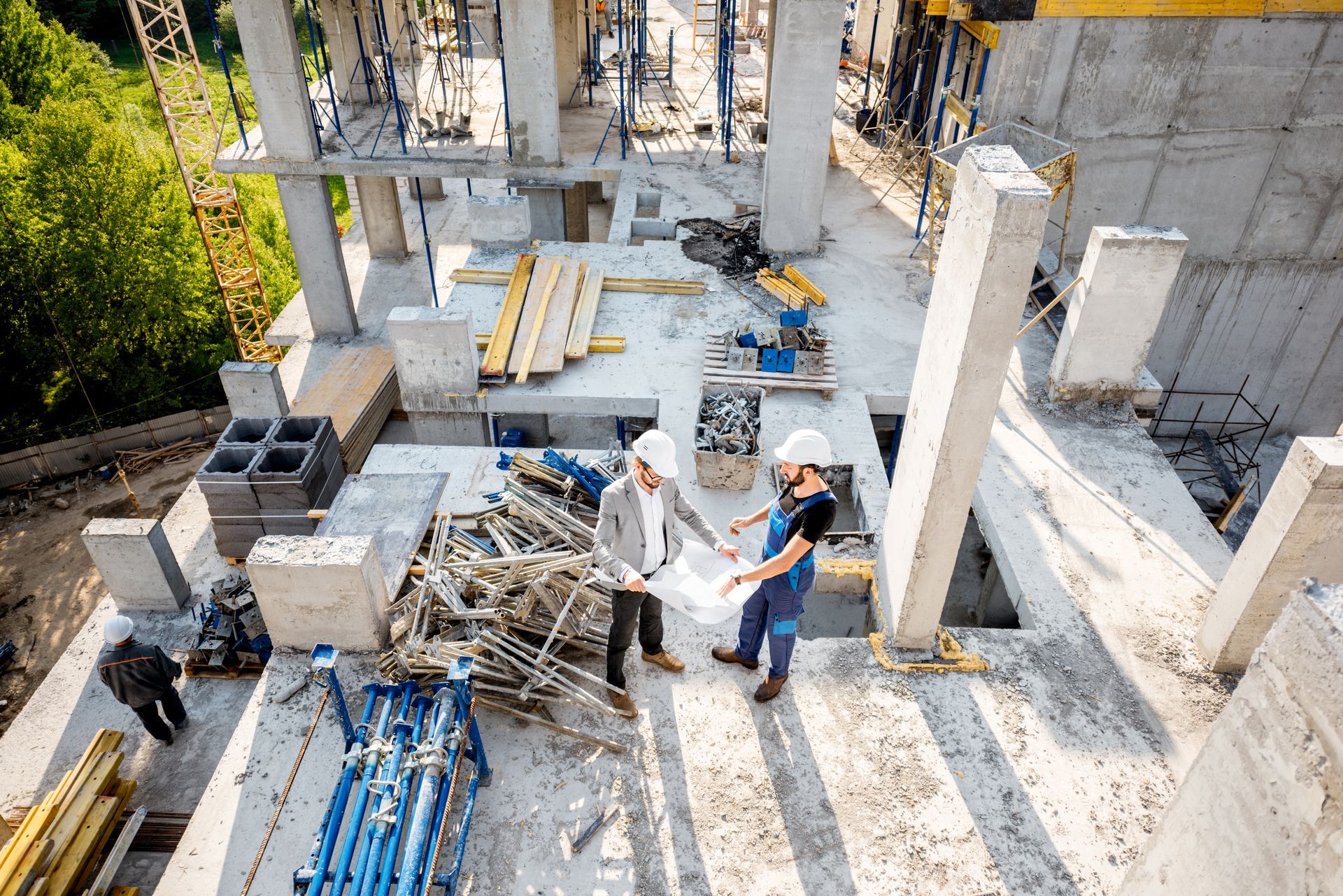
Construction and Trades Insurance
Coverage for job sites, vehicles, tools, and workplace risks.

Hospitality Businesses Insurance
Insurance for restaurants, bars, and service-based operations.
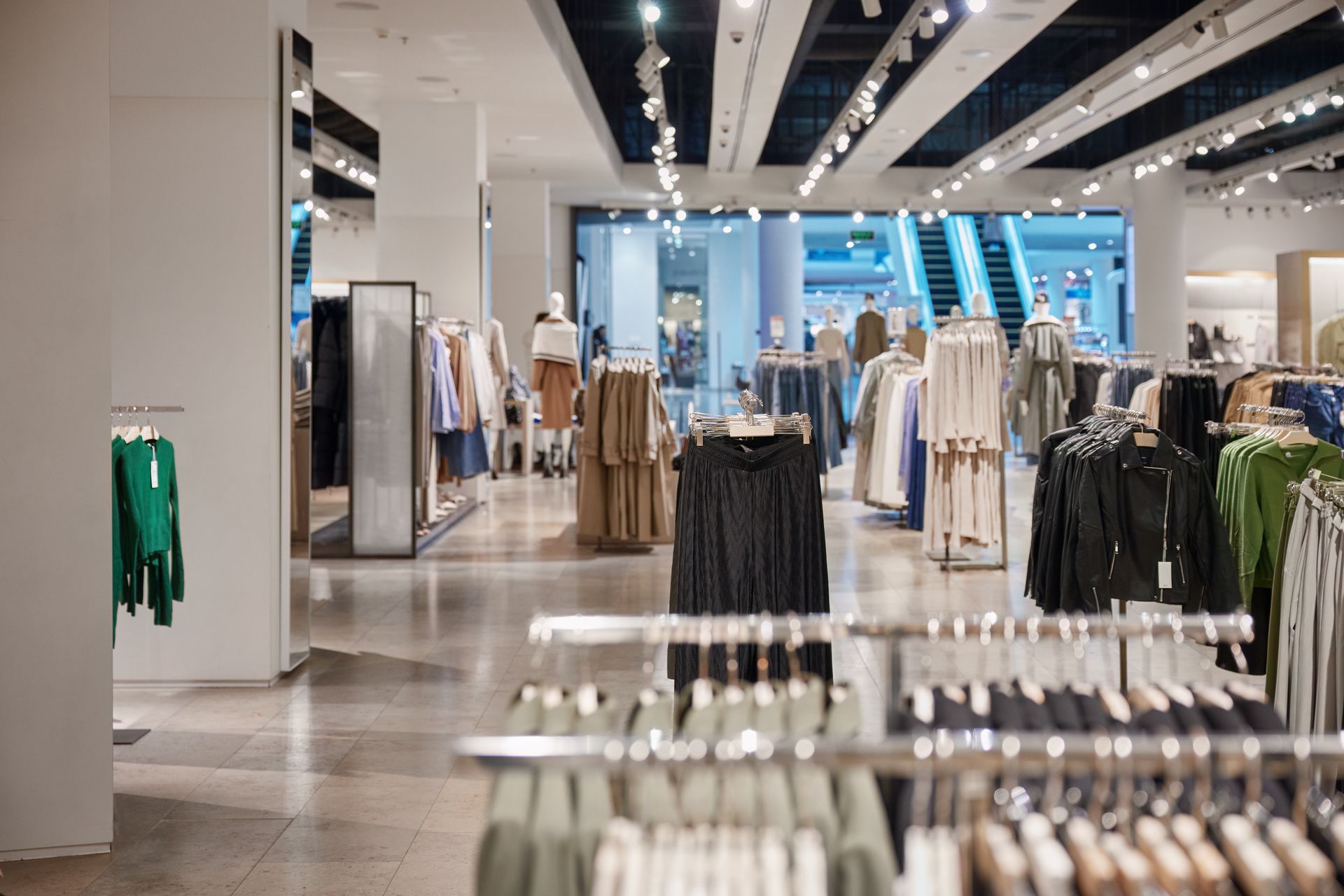
Retail and
Commercial Properties
Protection for storefronts, inventory, and customer-related liability.
Our Approach
Insurance Made Easy to Understand
Mesa Insurance Agency provides business insurance coverage that helps protect operations, employees, and property. We work with multiple carriers to offer coverage options that support daily business activities and long-term stability.
Insurance FAQs
Helpful Answers for Florida Clients
Support you can rely on.

What makes Mesa Insurance Agency different?
We are an independent agency with access to multiple carriers. This allows us to offer flexible coverage options.
Clients work directly with licensed agents. Service continues beyond the policy start date.
Do you offer coverage for individuals and families?
Yes. We provide personal insurance for individuals and families across Florida.
Coverage includes auto, home, health, life, and flood insurance. Our team explains each option clearly.
Do you work with small and mid-sized businesses?
Yes. We work with businesses of many sizes and industries.
Our team helps identify risks and secure appropriate coverage. Ongoing service is included.
Can I make changes to my policy later?
Yes. Policies can be updated as needs change.
We assist with coverage adjustments, additions, and removals. Clients can contact us directly for help.
Is flood insurance required in Florida?
Flood insurance is not always required, but it is strongly recommended in many areas.
Standard home insurance does not cover flood damage. Our team can review your flood risk and options.
How do I contact your office?
You can contact us by phone, email, or through our website.
Our team responds promptly during business hours. Support is always available when needed.
From the Blog
Insurance Topics That Matter
Clear answers for common questions.






Client Reviews
Trusted by Clients Across Florida
Mesa Insurance Agency is proud to serve individuals and businesses throughout Florida. Clients choose us for clear communication, responsive service, and reliable insurance support. Their feedback reflects our focus on long-term relationships and consistent service.
Contact Us