For consignment shop owners in Florida, navigating the insurance landscape can feel like walking a tightrope suspended over a sea of uncertainty. The stakes are high when protecting a diverse inventory, property, and reputation in a market prone to environmental disruptions and evolving regulatory challenges. A closer look at recent market shifts, including how broader insurance trends in the Sunshine State affect retail and specialty stores, reveals both challenges and opportunities for consignment businesses. Learn how these dynamics have a direct impact on coverage decisions by consulting experts and studies such as those reported by Deep Sky Research.
Understanding the intricacies of Florida’s insurance market-from natural risk exposures to evolving underwriting criteria-is essential for ensuring that every dollar invested in policies translates into reliable protection. As consignment shops operate under unique risk profiles, aligning their coverage with current market realities is now more crucial than ever.
Understanding the Risks for Consignment Shops in Florida
Consignment shops in Florida face distinctive challenges that set them apart from standard retail operations. Inventory brought in from various sources, often given on consignment, alongside narrow profit margins, heightens the need for tailored insurance coverages that manage both traditional property risks and potential liability claims. Unpredictable weather patterns and the threat of hurricanes force shop owners to reexamine their coverage needs.
Damage to in-store merchandise or building properties can result from both severe weather events and localized incidents. Consignment shop owners must evaluate the potential fallout from coverage gaps, ensuring that claims processes are robust enough to cover sudden disruptions. Business interruption, theft, or even damages arising from customer mishaps amplify the need for insurance policies that workout complex risk profiles.
Experts note that risk management strategies have become increasingly nuanced. They now combine proactive safety measures with comprehensive policy structures designed to mitigate losses and maintain long-term business sustainability.
The insurance market in Florida has undergone significant changes over the past decade. A staggering statistic reveals that between 2014 and 2024, the number of active home insurance policies in the state dropped from 3.2 million to 710,000, marking a dramatic 78% decline Deep Sky Research. Although this figure directly relates to home insurance, it underscores an atmosphere of volatility in the insurance realm that trickles into all exposure types-including commercial retail and consignment store coverages.
In parallel, trends affecting retail space dynamics are profound. Florida’s retail market boasts nearly 1.3 billion square feet of space, representing 11% of the total retail area in the United States Colliers. This massive footprint signifies that commercial policies and liability coverage could easily expand into specialty areas like consignment shops.
Changes in underwriting practices and the gradual return of private insurers to the market have also shaped the emerging profile of risk assessment. For instance, regular rate adjustments in policies-such as the 5.6% average statewide rate reduction announced by Citizens Property Insurance Corp.-highlight that administrators are slowly recalibrating premium structures in response to broader market conditions.
Essential Coverage Components for Consignment Stores
What do consignment shop owners need in their insurance policies? The answer lies in a robust mix of coverage elements tailored to protect both the physical and intangible assets of the business. From building and content protection to liability policies that safeguard against a myriad of risks, each component plays a crucial role.
Property insurance can cover damage from fire, water, and natural disasters. Liability coverage, on the other hand, addresses risks stemming from customer injuries or incident claims. In the unpredictable insurance market of Florida, keeping pace with updated policies and ensuring the coverage limits match the store’s risk profile is essential for minimizing potential losses.
Given the disparity in claim practices witnessed within the state-where, for instance, insurers have denied payment on 46.7% of closed homeowners’ claims in recent analyses Weiss Ratings-consignment shop owners must proactively engage with their insurers to secure policies that clearly define claims handling procedures.
Property Coverage and Inventory Protection
The nature of consignment operations means that inventory often belongs to third parties, raising questions about ownership and coverage in the event of damage or loss. Retailers need endorsements or clauses within their policies that spell out responsibility boundaries and claim procedures. This detailed approach minimizes risk where both the store and the consignor are potentially liable.
Moreover, high-value items, whether vintage clothing, collectibles, or antiques, require specialized appraisals and periodic updates to reflect market value. This dynamic portfolio calls for dynamic policy review cycles that ensure coverage adequacy at all times.
Even with comprehensive coverage, consignment shop owners should examine what exclusions may apply. Specific limitations on natural disaster coverage or repair costs could lead to unexpected expenses, making it imperative to negotiate or shop around for policies that align with the unique consignment business model.
Liability and Business Interruption Policies
Liability coverage provides a cushion against lawsuits that may arise from on-premises injuries or issues related to defective merchandise. Consignment shops, typically characterized by high customer traffic and a diverse range of products, must opt for liability policies that not only protect their physical premises but also cover legal costs associated with claims or disputes.
Business interruption policies safeguard against the revenue losses that may occur when operations are halted after an unforeseen event. Ensuring that these policies offer adequate compensation is essential in a state where interruptions from weather-related or enforcement issues can last for extended periods.
The balance between cost and comprehensive coverage remains a critical decision point. Decisions by insurers on what constitutes writeable risks are constantly evolving, as seen with the changing regulatory attitudes driving premium recalibrations, such as those reported recently by Citizens Property Insurance Corp.
Market Trends Impacting Consignment Shops in Florida
While consignment shop insurance needs differ from broader property policies, several market trends in Florida resonate with every business owner. The nearly 78% drop in active home insurance policies over the past decade serves as a cautionary tale of market instability Deep Sky Research. Such profound shifts signal that economic and environmental factors tightly intertwine in shaping policy terms and premiums.
In addition to market declines, expert opinions add weight to these trends. Max Dugan-Knight, a climate data scientist, warns that "the insurance crisis in Florida is the financial system’s early warning of climate catastrophe" Deep Sky Research. His remarks underscore the importance of considering not just current risks, but also the longer-term climate-related trajectories that influence underwriting decisions.
Meanwhile, improvements in other sectors provide a glimmer of hope. Florida’s personal property insurance market recently reported its first underwriting profit in eight years, with a combined ratio of 93.1AM Best.floridas-personal-property-insurance-market-sees-first-underwriting-profit-in-eight-years-am-best/ Profitability in one segment creates ripple effects that may eventually prompt refinements in policy terms for consignment stores and other retail businesses.
Coverage Comparison: Traditional vs. Consignment Store Policies
A comparative evaluation between traditional retail policies and specialized consignment shop coverage reveals several key differences. Below is a detailed table outlining these distinctions to aid consignment shop owners in making an informed decision about their insurance needs.
| Coverage Element | Traditional Retail Policies | Consignment Shop Insurance |
|---|---|---|
| Inventory Ownership | Covers store-owned merchandise | Includes third-party consigned items with defined appraisal guidelines |
| Liability Coverage | Standard general liability applicable to customers | Expanded liability that considers potential claims involving both the store and consignors |
| Business Interruption | Standard interruption coverage | Enhanced clauses to address interruptions caused by disputes over consigned goods |
| Replacement Value | Appraised market value | Tailored to reflect the periodic revaluation of vintage or collectible items |
| Endorsements & Exclusions | Standard endorsements common to retail properties | Custom endorsements that clearly delineate consignment arrangements and associated risks |
This side-by-side comparison helps highlight that while traditional liability models offer a good start, ensuring the nuances of consigned inventory are covered requires more specific attention. The unique needs of consignment stores underscore the importance of working with insurers who recognize these differences.
Practical Steps for Securing the Right Coverage
Securing optimal insurance coverage starts with an in-depth assessment of the risks specific to consignment operations. An essential first step is consulting with an insurance specialist who understands both retail and consignment nuances. With tailored advice, shop owners can compare several policy options and identify which providers offer comprehensive coverage for mixed inventory and customer liability concerns.
Auditing current policies for potential coverage gaps is equally important. Many insurance buyers tend to focus solely on cost savings, overlooking essential details in coverage terms. The complexity of consignment operations often requires multiple endorsements or policy riders, so a detailed discussion with an expert can help uncover hidden risks. Aligning coverage limits with the actual exposure not only protects investment but ensures smoother claims processing in case of an incident.
Reevaluating a policy every few years is advisable. Given the dynamic nature of both the market and consignment inventories, periodic reassessments allow business owners to update coverage in line with new risks, especially as Florida continues to experience unusual weather variability. This proactive review also leverages any beneficial market improvements, such as rate reductions or improved underwriting practices.
Enhancing Protection Through Strategic Partnerships
Beyond standard insurance policies, strategic partnerships can bolster the resilience of consignment shops. Working with risk management consultants and local authorities provides additional layers of insight into emerging hazards and tailored mitigation strategies. When a consignment business aligns itself with local industry groups or local chambers of commerce, it gains access to collective data that can improve negotiating power with insurers.
Some industry experts have noted that improvements in Florida's insurance market seem linked to better cost containment measures. Mark Friedlander, from the Insurance Information Institute, observed that "with the large reduction in defense cost containment expenses due to tort reform, Florida insurers can now write profitable business in all regions of the state despite the ongoing risk of landfalling hurricanes" Washington Post. This development reassures consignment shop owners that insurers are gradually adapting their risk models, which could lead to even more tailored and cost-effective policies in the future.
Building a long-term relationship with an insurer who understands these evolving dynamics offers a strategic advantage. Vendors who combine strong customer service with proactive communication can help ensure that any revisions in the risk landscape are seamlessly integrated into an ongoing policy review, minimizing potential disruptions when challenges arise.
The Role of Market Volatility in Shaping Policy Terms
Florida’s insurance market has never been static. Volatility stemming from environmental and economic conditions has a profound effect on policy structures and pricing. For example, the significant drop in active home insurance policies over the last decade is a signal that even established segments are not immune to rapid market changes Deep Sky Research. Such factors can indirectly affect consignment shops that share similar underlying risks in property, liability, or business interruption claims.
Insurers have responded by tightening underwriting guidelines and shifting coverage parameters across the board. Consignment shop owners therefore need to be aware that traditional retail policies might evolve differently as market pressures force companies to narrow their risk profiles. The general trend points to more specialized coverage options and rate adjustments that reflect an increasingly precise real-world risk evaluation.
New data indicates that Florida’s surplus lines insurance market has shown signs of stabilization recently, with year-to-date premiums witnessing only minimal declines
Florida Surplus Lines Service Office.For consignment shops, this stabilization may signal a window of opportunity to negotiate improved policy terms under more balanced market conditions.
Case Scenarios and Real-World Examples
Consider a consignment shop located in a historic district of Florida that relies heavily on rare collectibles and vintage merchandise. When faced with a severe weather event, the store experienced sudden inventory losses and property disruption. In scenarios like this, having comprehensive coverage that addresses both property damage and business interruption can mean the difference between recovering smoothly and facing prolonged financial strain.
A similar case involved a store that later found itself entangled in a liability claim after a customer sustained a minor injury inside the premises. In that instance, the policy’s detailed liability coverage allowed the store to mitigate legal costs without jeopardizing the business’s future. In both scenarios, proactive insurance planning combined with tailored endorsements played a crucial role in maintaining operational continuity.
This real-world evidence reinforces the message for consignment shop owners: robust, well-defined insurance policies are not just regulatory necessities but strategic investments that cushion the impact of unexpected disruptions.
Frequently Asked Questions
Addressing common concerns and queries, the following FAQ section aims to assist Florida consignment shop owners in better understanding their insurance needs.
Q: What distinguishes consignment shop insurance from typical retail policies?
A: Consignment shop policies are specifically tailored to cover third-party consigned inventory, adjust liability coverage to include potential claims from both the store and the consignor, and often offer enhanced endorsements to address unique risks. This specialized focus ensures that gaps in standard policies, especially regarding item ownership and appraisal, are properly covered.
Q: How do market trends in Florida influence my consignment shop’s insurance coverage?
A: Market volatility in Florida-evident in shifts like the dramatic decline in home insurance policies-can lead to changing premium structures and underwriting practices. These shifts encourage specialized risk assessments and may cause insurers to modify policy features. Keeping informed about these trends helps in negotiating the best terms for your consignment shop.
Q: Should my consignment shop consider business interruption coverage?
A: Yes, business interruption coverage is essential to help offset losses resulting from operational disruptions. Given the susceptibility of Florida’s market to unexpected events, a comprehensive interruption policy ensures that your store can remain solvent during periods of reduced business activity.
Q: How often should I review and update my insurance policy?
A: It is wise to review your policy at least annually or after significant changes in your inventory or business operations. Regular reviews help identify any coverage gaps and allow you to adjust limits and endorsements in line with the evolving market.
Q: Can strategic partnerships or consulting experts improve my insurance coverage?
A: Absolutely. Collaborating with risk management consultants or joining local industry associations not only strengthens your understanding of emerging risks but can also lend increased negotiating power when securing tailored insurance solutions.
Wrapping Things Up: Navigating Uncertain Waters
Managing a consignment shop in Florida comes with a unique blend of challenges and opportunities. The state’s shifting insurance landscape-a trend underscored by dramatic market changes and pointed expert warnings about climate-related risks-demands a more personalized approach to coverage. With consignment shops handling valuable and diverse inventory alongside the potential for increased liability exposure, ensuring that every risk is accounted for has never been more critical.
From understanding the implications of the 78% decline in home insurance policies Deep Sky Research to monitoring stabilization trends in surplus lines, shop owners should adopt proactive risk management strategies. Detailed policy reviews, regular consultations with insurance experts, and an open dialogue with providers are all necessary steps toward protecting a business’s future in these unpredictable times.
Market trends and regulatory shifts continue to reshape how risks are assessed and coverage is structured. Consignment shop owners, by staying informed and engaging with tailored, comprehensive insurance programs, can turn these challenges into strategic advantages. As the industry evolves, so too must the measures that protect each unique business, ensuring that both property and profit are safeguarded against an uncertain future.
Additional Considerations for Risk Management
Even with comprehensive policies, effective risk management extends beyond simply having the right coverage. Practical steps such as enhancing in-store security, implementing modern inventory tracking systems, and developing emergency response protocols can all contribute to reducing overall risk exposure. While insurance is a critical backup plan, the goal remains to minimize the probability of claims arising in the first place.
Florida consignment shops benefit greatly from collaboration with local risk management professionals who understand the nuances of business operations in high-risk environments. Engaging in periodic hazard assessments, reviewing internal control measures, and conducting staff training on safety protocols can make significant differences when an eventuality occurs.
Ultimately, the fusion of proactive operational strategies and robust insurance coverage creates a safety net that empowers consignment shops to thrive amidst adversity. Establishing a culture of preparedness can reduce both the frequency and severity of claims while fostering resilience in the face of unpredictable market changes.
Future Outlook: Adapting to a Shifting Landscape
Looking ahead, the insurance market in Florida is poised for further transformation as both environmental conditions and economic factors continue evolving. Indicators such as the surplus lines market data showing minor adjustments in premiums signal that insurers are gradually refining their approaches to risk management Florida Surplus Lines Service Office. For consignment shops, this means that staying agile and maintaining open channels with multiple insurers can lead to better synergy between risk exposures and coverage terms as the market develops.
Policy revisions driven by climate catastrophes and economic pressures have led many insurers to reexamine their underwriting practices. As a result, today's consignment shop owners might find improved policy terms on the horizon, especially if they leverage robust risk management strategies and updated market data to negotiate with providers.
The evolving landscape also encourages a more collaborative approach among insurers, risk managers, and business owners. By sharing insights and best practices, the industry can move toward a more resilient model of coverage that not only reacts swiftly to disruptions but anticipates them. This proactive trend should reassure consignment shop owners that even amid turbulent market conditions, there are pathways to secure and financially sound policies.
Key Takeaways for Consignment Shop Owners
Consignment shop owners in Florida must reconcile the challenges presented by unique inventory profiles and the dynamic nature of the insurance market. Key points include the need for specialized policies that account for third-party ownership of stock, improved liability coverage, and enhanced business interruption measures.
By comparing the differences between traditional retail coverage and tailored consignment policies, business owners can more clearly identify their needs. Maintaining regular communication with insurers, as well as partnering with local risk management experts, will ensure that policy terms remain aligned with actual business risks.
The current market environment, marked by significant policy declines as evidenced by the ongoing insurance crisis discussed by experts, emphasizes the importance of acting decisively before challenges escalate. The steps taken today to secure robust insurance and implement proactive safety measures can make a significant difference in sustaining business operations over the long term.
Wrapping Up: A Practical Roadmap for Protection
Florida consignment shop owners are navigating an insurance market that is both dynamic and challenging. The rapid evolution of market trends-supported by dramatic statistical changes and pointed expert commentary-underscores the necessity for policies that truly understand the unique risks at hand. Each element of a consignment store’s operational profile, from inventory provenance to customer interactions, requires insulation against unforeseen hazards.
The insights shared here highlight that a careful blend of comprehensive coverage and everyday risk management strategies is indispensable. Policyholders who keep abreast of market shifts, evaluate their coverage regularly, and build relationships with knowledgeable insurance professionals will be best positioned to weather the uncertainties ahead.
Staying informed, proactive, and engaged in securing the right coverage is the best safeguard against the unpredictability of Florida’s market environment. Consignment shop owners are encouraged to review their policies, seek expert advice, and align their risk management strategies with current market realities to build a resilient business foundation.
ABOUT THE AUTHOR: PAUL RAMENTOL
I am the Owner and President of Mesa Insurance Agency. I help individuals and business owners across Florida secure personal and business insurance coverage that supports their needs. My focus is on clear guidance, direct communication, and long-term support without call-center delays or confusion.
Contact Us

Personal Coverage Options
Insurance Built for Everyday Protection
Mesa Insurance Agency provides personal insurance coverage designed to support daily life. Our team reviews risks and coverage needs to help clients secure dependable protection at fair rates.
Dental & Vision Insurance
Coverage that helps manage routine dental and vision care costs.

Business Coverage Options
Insurance Built for Business Protection
Mesa Insurance Agency provides business insurance coverage that helps protect operations, employees, and property. We work with multiple carriers to offer coverage options that support daily business activities and long-term stability.
Commercial Auto Insurance
Coverage for business-owned vehicles, drivers, and accident-related liability exposure.
General Liability Insurance
Protection against third-party injury, property damage, and common business liability risks.
Professional Liability Insurance
Coverage for claims related to professional services, advice, or service errors.
Workers’ Compensation Insurance
Coverage that helps support employees with work-related injuries and medical costs.
Commercial Property Insurance
Protection for buildings, equipment, inventory, and physical business assets.
Errors & Omissions Insurance
Coverage for financial losses caused by mistakes, omissions, or service-related claims.
Industries We Serve
Serving Businesses Across Multiple Sectors
Mesa Insurance Agency works with business owners across Florida to provide insurance coverage that supports daily operations. We understand common risks faced by different industries and help clients secure reliable protection.

Construction and Trades Insurance
Coverage for job sites, vehicles, tools, and workplace risks.

Hospitality Businesses Insurance
Insurance for restaurants, bars, and service-based operations.
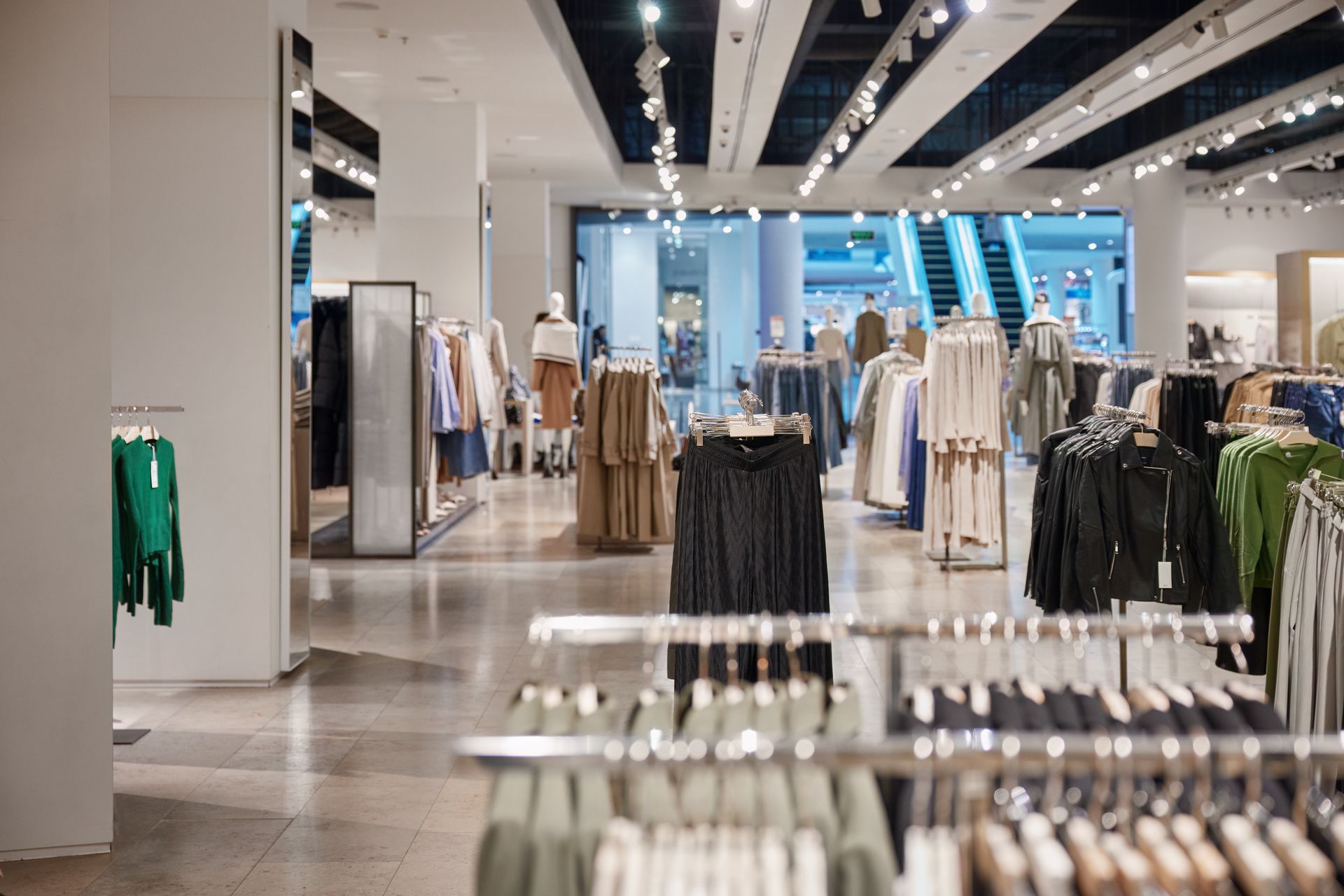
Retail and
Commercial Properties
Protection for storefronts, inventory, and customer-related liability.
Our Approach
Insurance Made Easy to Understand
Mesa Insurance Agency provides business insurance coverage that helps protect operations, employees, and property. We work with multiple carriers to offer coverage options that support daily business activities and long-term stability.
Insurance FAQs
Helpful Answers for Florida Clients
Support you can rely on.

What makes Mesa Insurance Agency different?
We are an independent agency with access to multiple carriers. This allows us to offer flexible coverage options.
Clients work directly with licensed agents. Service continues beyond the policy start date.
Do you offer coverage for individuals and families?
Yes. We provide personal insurance for individuals and families across Florida.
Coverage includes auto, home, health, life, and flood insurance. Our team explains each option clearly.
Do you work with small and mid-sized businesses?
Yes. We work with businesses of many sizes and industries.
Our team helps identify risks and secure appropriate coverage. Ongoing service is included.
Can I make changes to my policy later?
Yes. Policies can be updated as needs change.
We assist with coverage adjustments, additions, and removals. Clients can contact us directly for help.
Is flood insurance required in Florida?
Flood insurance is not always required, but it is strongly recommended in many areas.
Standard home insurance does not cover flood damage. Our team can review your flood risk and options.
How do I contact your office?
You can contact us by phone, email, or through our website.
Our team responds promptly during business hours. Support is always available when needed.
From the Blog
Insurance Topics That Matter
Clear answers for common questions.







Client Reviews
Trusted by Clients Across Florida
Mesa Insurance Agency is proud to serve individuals and businesses throughout Florida. Clients choose us for clear communication, responsive service, and reliable insurance support. Their feedback reflects our focus on long-term relationships and consistent service.
Contact Us