A contractor working in Florida quickly discovers that the weather and terrain contribute to a unique set of risks. One broken installation or an underinsured claim can lead to substantial losses. Stucco and Exterior Insulation and Finishing Systems (EIFS) present specific challenges that demand a tailored insurance approach. In fact, contractors in Florida face premium variations so broad that a business with $150,000 in revenue might pay anywhere between $6,860 and $24,370, a striking difference largely driven by regional weather conditions as reported by Contractor Nerd.
The interplay between construction methods, regional climate, regulatory codes, and market conditions warrants a deep dive into what contractors need to know when selecting insurance coverage for stucco installations and EIFS. This article examines the nuances that differentiate these exterior finishes and outlines the insurance considerations vital for maintenance, performance, and protection.
Insurance professionals and contractors alike should arm themselves with a comprehensive understanding of the market dynamics. Below is an in-depth exploration of the factors that influence insurance coverage and risk management in Florida’s construction environment.
Understanding the Insurance Landscape for Stucco and EIFS Contractors in Florida
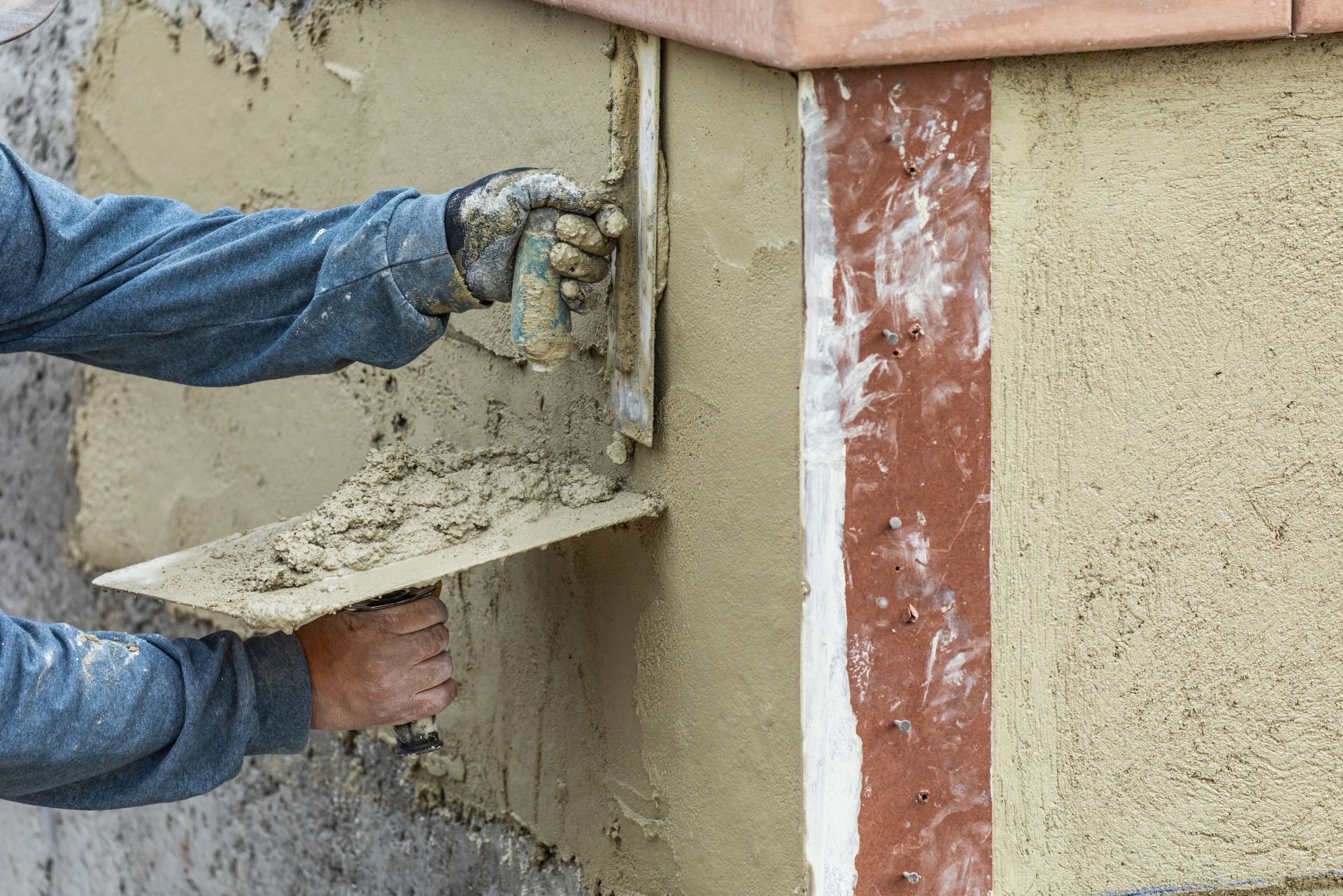
Stucco and EIFS have become synonymous with Florida's architectural style and performance expectations. With the state's susceptibility to hurricanes and extreme weather, installation methods must meet rigorous standards. As noted by experts, properly installed stucco systems that include proper curing and expansion joints provide reliable durability even under extreme conditions according to a study by the University of Florida.
On the flip side, EIFS has encountered its own set of issues over time. Despite developing construction defect trends that sometimes prompt insurers to add exclusions for EIFS-related claims as reported by IRMI, industry experts maintain that when properly installed, EIFS can perform exceptionally well under hurricane codes. Stephen Sears, CEO of the Exterior Insulation and Finishing Systems Industry Members Association, has even emphasized that EIFS meets the requirements necessary for hurricane-prone areas says Insurance Journal.
The contrasting histories of stucco and EIFS highlight the need for nuanced insurance products that address the distinct risks each system presents. Contractors must evaluate the specifics of their installations and the history of claims associated with similar projects. This ensures that they maintain policies that are not only cost-effective but also robust enough to handle local challenges.
The deep variability in premium costs across Florida is a stark reminder of the regional intricacies at play. For example, insurance premiums can vary dramatically even among contractors operating with similar revenue levels. A good illustration of these cost disparities is evident when examining a contractor with $150,000 in revenue who may see premiums range from $6,860 to $24,370 according to Contractor Nerd.
This wide range stems from factors including local weather patterns, historical claim data, and the specific risks inherent in different regions of Florida. Coastal areas prone to hurricane damage or regions with higher incidences of construction defects often face steeper premiums. Insurance companies use detailed risk assessments to adjust rates based on regional data. When deciding on coverage, contractors must consider geographical risk and potential weather impacts alongside basic policy features.
Contractors are encouraged to engage in regular risk assessments. These evaluations not only help in obtaining more accurate insurance quotes but also highlight potential areas for mitigating risk. Analyzing local trends in damage or claims can be a proactive step towards implementing construction best practices that lead to lower premiums over time.
Stucco Systems: Reliability Through Proper Installation and Maintenance
Stucco remains a popular exterior finish due to its durability, cost-effectiveness, and aesthetic appeal. However, its performance depends greatly on the quality of installation. A thorough study by the University of Florida emphasizes that stucco systems integrated with movement joints and proper curing processes experience minimal issues. These systems withstand Florida’s humid climate and variable temperatures effectively.
The installation nuances of stucco demand that contractors adhere strictly to best practices. When a stucco system is correctly installed and maintained, it minimizes the risk of significant claims. Insurance companies are often more inclined to reward such due diligence with competitive premiums, seeing the lower likelihood of severe, unexpected damage.
Regular inspections and adherence to industry standards can serve as practical risk management tools. By ensuring that every component of the stucco installation meets stringent performance criteria, contractors not only secure a long-lasting finish but also safeguard their investment in a reliable insurance program.
Common Insurance Coverage Considerations for Stucco Contractors
Commercial general liability policies for stucco work often include property damage and bodily injury coverage among other essential elements. When evaluating coverage, contractors should routinely examine exclusions and limitations, particularly those related to construction defects. In cases where defects are a historical issue, insurers may impose specific exclusions, so understanding policy terms is crucial.
Claims related to stucco installation often center around issues of water penetration, cracking, or even failures due to insufficient curing. Policies that cover repair costs or replacement expenses following such incidents are valuable. Contractors should also consider policies that offer claims management support, which some insurers have improved recently, as indicated by the significant drop in Florida’s Defense and Cost Containment Expenses (DCCE) ratio from 8.4 in 2022 to 3.1 in 2024 reported by BellKen Insurance.
The mix of coverage limits, deductibles, and policy-specific endorsements shapes the final insurance package. Working closely with insurance agents who have experience in commercial construction ensures that contractors secure the precise coverage they require.
EIFS Challenges and Insurance Nuances
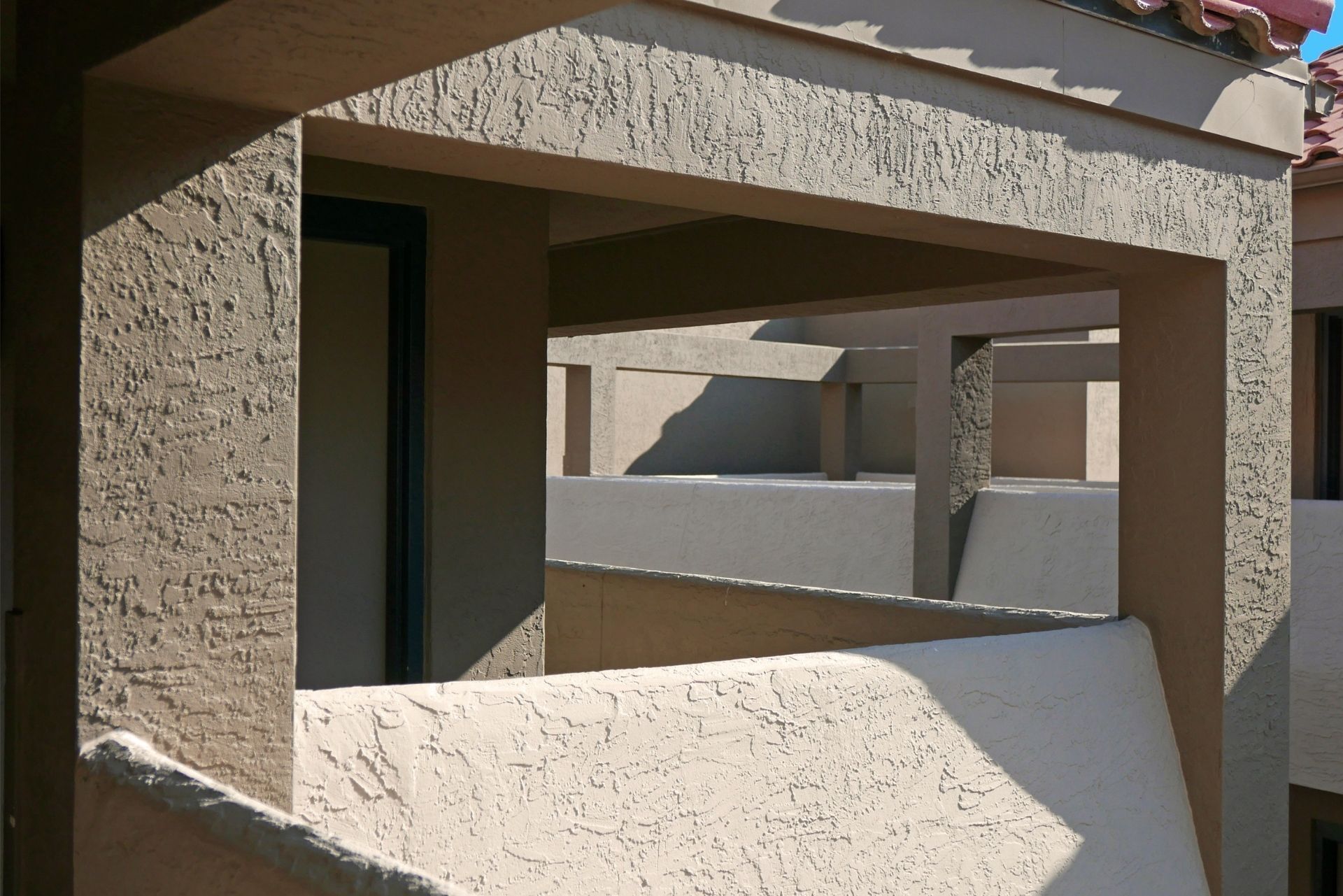
EIFS is a preferred cladding option in Florida owing to its flexible design and energy efficiency. The system’s ability to meet hurricane code requirements helps it secure its place in the market, even in regions subject to severe weather events. However, the history of construction defect claims involving EIFS poses additional challenges in terms of insurance. For instance, standard business insurance policies often do not cover EIFS installations, and specialized policies might be required as noted in documented case studies.
When policies need to exclude typical defects associated with EIFS, contractors should ask for endorsements or specialized coverage options that address these gaps. This is a crucial discussion point during policy negotiations; having a clear record of high-quality installation practices may even help in obtaining better rates. An insurer’s willingness to adjust policies based on demonstrated performance, rather than claims history alone, can make a sizable difference in overall coverage quality.
Contractors should also be aware of the industry’s recent trend toward adding exclusions for EIFS. Many insurers have taken steps to limit their exposure to construction defects by reducing or excluding claims related to EIFS as observed by the International Risk Management Institute. This makes the quality assurance process during installation even more critical. Employers who validate adherence to the latest best practices often help insurers justify more favorable terms.
Policy Customization to Address Specific Risks
Because both stucco and EIFS offer unique risk profiles, policy customization becomes paramount. Policies designed for stucco contractors often have broader coverage inclusions compared to those for EIFS. For instance, while a stucco installation might cover issues like cracking or moisture penetration under comprehensive liability, an EIFS policy might require separate endorsements to cover similar risks.
Recent market shifts have seen insurers emphasizing tailored endorsements that acknowledge quality installation metrics and proper maintenance records. These adjustments can sometimes result in lower premiums. This is particularly true when contractors supply evidence of routine inspections, third-party quality checks, or adherence to installation guidelines set forth by industry associations.
One approach is to request a risk assessment from the insurer that looks specifically at the methods and materials used during installation. A detailed, expert-driven evaluation can often lead to more personalized coverage recommendations. This proactive measure evidences a contractor’s commitment to minimizing risk and may even influence the insurer’s underwriting standards.
Impact of Labor Shortages on Construction Insurance
The labor market in Florida poses its own set of challenges for contractors. With an estimated shortage of 109,000 workers in the construction sector as reported by LinkedIn industry insights, staffing issues can complicate project timelines and quality control measures. Labor shortages often lead to overburdened crews, which in turn can increase the likelihood of installation errors.
This shortage forces many contractors to rely on less experienced or even unverified labor, potentially increasing the risk of construction defects. Insurers may view these conditions as symptomatic of higher claim risk, thereby justifying tighter policy restrictions or higher premiums. The labor situation is thus a critical component of the overall risk profile for insurance providers in the construction sector.
Developing internal training programs and establishing partnerships with reputable subcontractors can mitigate these risks. Investing in workforce development not only enhances project quality but also serves as a risk management tool that insurers may consider when underpricing policies.
Insurance professionals advise that contractors explore a full range of policy options to best manage the variability in premium costs noted across Florida. One of the strategies involves working closely with agents who understand the state’s construction and weather risks. Through a detailed risk analysis, insurers may provide coverage options that align with both project-specific risks and broader market trends.
It is not uncommon for contractors to have to adjust their coverages based on location-specific factors. For example, premium rates in areas with higher hurricane impact potential are typically greater than those in more inland regions. A collaboration with insurers, supported by documented performance and quality practices, can potentially lead to adjustments in the exposure terms of a policy.
Contractors are also advised to thoroughly review the coverage details offered in different policies. Comparing aspects like deductibles, coverage limits, and specific endorsements is central to recognizing where cost-efficient coverage can be obtained without sacrificing necessary protection. Reviews of industry-specific changes and the DCCE ratio improvements made by insurers suggest that some companies have refined their claims management processes, thus reflecting in lowered premiums according to BellKen Insurance.
Comparing Coverage Options: A Side-by-Side Look
The following table outlines a basic comparison between standard policies for stucco installations and specialized EIFS coverage. This side-by-side comparison helps highlight the critical differences that affect your overall insurance strategy:
| Coverage Aspect | Standard Stucco Policy | Specialized EIFS Policy |
|---|---|---|
| Property Damage | Covers issues like cracking, water penetration if installed properly | May require additional endorsements to cover common EIFS defects |
| Policy Exclusions | Fewer exclusions provided quality control is ensured | Often includes exclusions for historical EIFS-related defects as observed by industry reports |
| Installation Verification | Standard verification processes | Higher emphasis on compliance with manufacturer specifications and third-party inspections |
| Premium Range | Variable range depending on regional risks, e.g., $6,860 to $24,370 for similar revenue | Sometimes higher due to specialized endorsements and perceived risk factors |
| Claims Management | Generally straightforward if installation guidelines are followed | Can be complex if defects are not documented, requiring specialized claims handling |
This comparison is not exhaustive but should serve as a foundational guide to appreciate the differences in coverage choices. Matching your project details with the right policy features can lead to significant benefits in claims management and overall cost savings.
Proactive Risk Management for Contractors
Mitigating risks in stucco and EIFS installations begins before the policy is even issued. Tailored risk management practices play a crucial role in lowering claim frequencies and enhancing overall project quality. Routine site inspections, quality control checks, and adherence to manufacturer guidelines contribute positive data that insurers recognize when underwriting policies.
Investments in technology such as moisture detection tools or thermal imaging can further reduce risks by identifying potential issues before they escalate. Insurers often favor contractors who not only implement but also document these proactive measures. The resulting lower risk profile often translates into more competitive premium rates.
Contractors should consider developing a comprehensive risk management plan that addresses each phase of the installation process. Such a plan not only protects the business but also acts as a persuasive argument when negotiating insurance terms with providers. Covering every step - from material selection to post-installation maintenance - can make a substantial difference in coverage negotiations.
Integrating Best Practices into Your Insurance Strategy
Pursuing best practices in construction and maintenance can demonstrate to insurers a commitment to quality and safety. For example, regular third-party audits and certifications are seen as positive adjustments in risk profiles. Submitting these certifications when renewing or negotiating policies can lead to more favorable terms.
Collaboration with recognized industry bodies and adherence to up-to-date building codes further supports a contractor’s standing. In areas where weather-related risks are high, having clearly documented emergency response and quality repair strategies can set apart the most reliable contractors. This rigorous approach not only maintains property integrity but also helps in acquiring targeted coverage options that are cost-effective over the long term.
Incorporating continuous education for personnel, both on-site and administrative, establishes an environment where risk is managed purposefully. Insurers look favorably on contractors who have at their disposal a trained and well-informed team. This model of best practices becomes an integral part of the overall insurance strategy, pushing the narrative from reactive claim management to proactive risk mitigation.
Financial Implications and Cost Management
Financial stability is a primary concern for contractors, and managing insurance premiums is a key factor in sustaining a healthy bottom line. Premium variations in Florida, driven by factors such as regional weather patterns and building practices, underline the need for a strategic financial approach. Addressing potential variables proactively can result in measurable savings over the term of the coverage.
Contractors should work closely with insurance brokers and financial advisors to examine how policy endorsements, deductibles, and the DCCE ratio improvements impact premium costs. The recent drop in the DCCE ratio-from a ratio of 8.4 in 2022 to 3.1 in 2024 reported by BellKen Insurance-serves as a quantitative example of how refined claims management strategies can lead to cost savings. It also emphasizes the influence of operational improvements on insurance costs.
This financial analysis extends beyond premium costs to include long-term profit protection. A carefully chosen or negotiated insurance policy can help protect the business from unplanned expenses. This is particularly relevant when post-disaster repairs or legal disputes threaten to disrupt the business model.
Strategies for Cost-Effective Insurance Management
Contractors may consider bundling policies or opting for multi-year coverage options if available. Some insurers reward stable, long-term relationships with premium discounts or more favorable policy terms. A proactive strategy that includes regular audits and safety training can also help maintain or improve the contractor’s claims history, which in turn influences future premiums.
Leveraging modern risk management technologies and engaging in periodic reviews of both financial and performance data are strategies that can be applied when negotiating policy renewals. Documenting every improvement-from installation upgrades to enhanced safety programs-provides insurers with tangible evidence of risk mitigation, justifying better coverage terms.
Ultimately, integrating finances with risk management practices will enable contractors to better control their overall operating costs. An effective insurance plan is one where the benefits systematically offset the premium expenditures, leading to a balanced financial outlook even in times of adversity.
Regulatory Landscape and Building Code Compliance
Florida’s regulatory environment places a heavy emphasis on meeting strict building codes, especially in regions vulnerable to hurricanes and severe weather. Stucco or EIFS installations must be up to code, and deviations or lapses in quality control may lead to insurance claim disputes. Contractors must be diligent not only in installation methods but also in maintaining compliance with local regulations.
Updated building codes and stringent enforcement practices ensure that only installations that adhere fully to prescribed standards qualify for optimal insurance terms. This regulatory scrutiny underscores the importance of working with experienced contractors and insurers who understand the complexities of Florida's building codes. Such adherence not only minimizes risk but also enhances the chances of securing better, more comprehensive insurance coverage.
Insurance companies consider code compliance as a significant risk-reduction factor. When maintenance records and inspections verify that all installation requirements are met, insurers tend to offer more competitive premiums. Maintaining these records rigorously provides a safety net in case of disputes and offers additional leverage during policy negotiations.
Adapting to Evolving Building Codes
Florida’s building codes evolve in response to emerging risks and technological advancements in construction materials. Contractors who update their practices regularly can stay ahead of regulatory changes. Periodic training and certification are integral parts of adapting to these evolving codes, ensuring that the latest industry standards are integrated into daily practice.
Documentation of these improvements also plays a role in insurance negotiations, as insurers are more willing to offer favorable terms to businesses that consistently upgrade their operations. This proactive approach reduces the likelihood of claims arising from non-compliance and fosters a safer construction environment overall.
Policyholders who invest in keeping abreast of current building practices and regulations cultivate a long-term advantage. The associated reduction in claims risk not only translates into immediate cost savings but also enhances the contractor's reputation among insurers and clients alike.
Market Trends in Roofing and Exterior Restoration
Recent market updates indicate that Florida's roofing and exterior restoration niche is experiencing a surge in demand for impact-resistant and energy-efficient roofing systems. This trend is influencing both new constructions and retrofit projects, with many contractors exploring stucco and EIFS as viable components of modern exteriors according to a LinkedIn market update.
The growth in this segment creates additional insurance considerations. Modern systems that incorporate advanced materials and energy-efficient technologies may qualify for different underwriting criteria or specialized endorsements. Contractors who invest in these up-to-date methods have an edge in securing policies that recognize improved performance metrics.
This emerging trend underscores the need for insurance providers to continually adapt their products. The infusion of cutting-edge technologies in construction necessitates that policies remain flexible and that claims management teams are well-versed in the nuances of modern building practices.
Emerging Technologies and Their Impact on Risk Management
Advanced materials and technological innovations are reshaping the exterior restoration marketplace. The integration of energy-efficient components in stucco and EIFS installations not only enhances building performance but also reduces risks associated with weather-related damage. These advancements can influence the underwriting process, leading to more favorable risk assessments.
Contractors who adopt these innovations may see benefits in terms of both performance and cost. Insurance providers are increasingly recognizing the reduced risk profile that comes with technologically advanced installations. In turn, this recognition often translates into competitive premium offerings and coverage terms tailored for modern building practices.
Thus, staying informed of emerging materials and technologies is essential. Contractors who remain proactive in leveraging new solutions often secure insurance solutions that better align with their risk profiles and market expectations.
Frequently Asked Questions
Below is a selection of commonly asked questions related to Florida stucco and EIFS contractor insurance. These questions directly address topics that matter most to professionals engaged in exterior construction.
Q: Is separate insurance required for EIFS installations?
A: Yes. Standard business insurance typically excludes EIFS installations, requiring specialized policies that cover its unique risks as documented in case studies.
Q: How do regional weather patterns influence insurance premiums in Florida?
A: Premiums vary significantly due to the high-impact nature of Florida’s weather. For example, one contractor may experience a premium range from $6,860 to $24,370, reflecting localized risk factors according to Contractor Nerd.
Q: What steps can contractors take to reduce insurance costs?
A: Implementing comprehensive risk management practices, including regular inspections, adherence to building codes, and using advanced construction technologies, can help secure better premium terms.
Q: Why are exclusions often added for EIFS-related claims?
A: Insurers have a history of construction defect issues with EIFS, which has led them to add exclusions. Contractors can mitigate risks by ensuring high-quality installation and maintenance practices as observed by IRMI.
Q: How does improved claims management affect premium pricing?
A: Enhanced claims management can lead to considerable cost savings, as seen in the significant reduction in Florida’s DCCE ratio from 8.4 to 3.1 over recent years reported by BellKen Insurance.
Q: What are the benefits of using advanced technologies in stucco installations?
A: Advanced tools help in early detection of issues and improve installation precision, reducing overall claim likelihood and potentially lowering insurance premiums.
Final Thoughts on Managing Insurance for Florida Stucco Contractors
Contractors in Florida must carefully navigate the complexities of insurance coverage tailored to both stucco and EIFS installations. Balancing quality installations with robust risk management strategies can lead to favorable insurance terms. It is imperative to understand that every project is unique, and a one-size-fits-all insurance policy rarely meets the specialized requirements of exterior construction in a high-risk environment like Florida.
The evolving interface of weather challenges, labor shortages, technological advancements, and shifting regulatory codes creates an environment where proactive measures are rewarded by insurers. Whether you manage a small business or a large crew, aligning your operational practices with best industry standards not only protects your projects but also ensures that your insurance coverage is both comprehensive and cost-effective.
Keeping abreast of market trends and understanding specific policy nuances is key to staying ahead. With dedicated attention to quality and risk management, contractors can secure policies that cover the full range of potential liabilities associated with stucco and EIFS projects. The information provided here serves as a guide to help you refine your approach and engage in more informed discussions with your insurance provider according to industry experts.
Before You Go: Strategic Insurance Preparation
As the demand for resilient and energy-efficient exterior systems continues to rise in Florida, adopting a strategic approach to insurance is more critical than ever. Regular updates to training, adherence to building codes, and periodic reviews of your risk management protocols will enhance your ability to secure optimal coverage. A well-crafted insurance strategy not only safeguards against unexpected losses but also contributes to a more predictable financial forecast for your business.
Long-term planning that integrates proactive risk management with a keen awareness of regional challenges can translate to significant savings. This dual focus ultimately supports both operational excellence and a stable insurance program. The insights provided here are designed to encourage thoughtful planning during the negotiation and renewal of policies.
Continued vigilance and adaptive practices are the bedrock of effective insurance management in Florida’s complex construction landscape. Whether you are installing traditional stucco or opting for the modern flexibility of EIFS, ensuring that your insurance coverage accurately reflects your operational risk will pay dividends in protecting your business. By taking steps today, contractors can look forward to a more secure tomorrow
as highlighted in the latest market update.
For IT service providers in Florida, understanding the distinctions between different coverage options can significantly enhance decision-making. The table below provides an overview of common policy features relevant to IT service operations:
ABOUT THE AUTHOR: PAUL RAMENTOL
I am the Owner and President of Mesa Insurance Agency. I help individuals and business owners across Florida secure personal and business insurance coverage that supports their needs. My focus is on clear guidance, direct communication, and long-term support without call-center delays or confusion.
Contact Us

Personal Coverage Options
Insurance Built for Everyday Protection
Mesa Insurance Agency provides personal insurance coverage designed to support daily life. Our team reviews risks and coverage needs to help clients secure dependable protection at fair rates.
Dental & Vision Insurance
Coverage that helps manage routine dental and vision care costs.

Business Coverage Options
Insurance Built for Business Protection
Mesa Insurance Agency provides business insurance coverage that helps protect operations, employees, and property. We work with multiple carriers to offer coverage options that support daily business activities and long-term stability.
Commercial Auto Insurance
Coverage for business-owned vehicles, drivers, and accident-related liability exposure.
General Liability Insurance
Protection against third-party injury, property damage, and common business liability risks.
Professional Liability Insurance
Coverage for claims related to professional services, advice, or service errors.
Workers’ Compensation Insurance
Coverage that helps support employees with work-related injuries and medical costs.
Commercial Property Insurance
Protection for buildings, equipment, inventory, and physical business assets.
Errors & Omissions Insurance
Coverage for financial losses caused by mistakes, omissions, or service-related claims.
Industries We Serve
Serving Businesses Across Multiple Sectors
Mesa Insurance Agency works with business owners across Florida to provide insurance coverage that supports daily operations. We understand common risks faced by different industries and help clients secure reliable protection.

Construction and Trades Insurance
Coverage for job sites, vehicles, tools, and workplace risks.

Hospitality Businesses Insurance
Insurance for restaurants, bars, and service-based operations.

Retail and
Commercial Properties
Protection for storefronts, inventory, and customer-related liability.
Our Approach
Insurance Made Easy to Understand
Mesa Insurance Agency provides business insurance coverage that helps protect operations, employees, and property. We work with multiple carriers to offer coverage options that support daily business activities and long-term stability.
Insurance FAQs
Helpful Answers for Florida Clients
Support you can rely on.

What makes Mesa Insurance Agency different?
We are an independent agency with access to multiple carriers. This allows us to offer flexible coverage options.
Clients work directly with licensed agents. Service continues beyond the policy start date.
Do you offer coverage for individuals and families?
Yes. We provide personal insurance for individuals and families across Florida.
Coverage includes auto, home, health, life, and flood insurance. Our team explains each option clearly.
Do you work with small and mid-sized businesses?
Yes. We work with businesses of many sizes and industries.
Our team helps identify risks and secure appropriate coverage. Ongoing service is included.
Can I make changes to my policy later?
Yes. Policies can be updated as needs change.
We assist with coverage adjustments, additions, and removals. Clients can contact us directly for help.
Is flood insurance required in Florida?
Flood insurance is not always required, but it is strongly recommended in many areas.
Standard home insurance does not cover flood damage. Our team can review your flood risk and options.
How do I contact your office?
You can contact us by phone, email, or through our website.
Our team responds promptly during business hours. Support is always available when needed.
From the Blog
Insurance Topics That Matter
Clear answers for common questions.







Client Reviews
Trusted by Clients Across Florida
Mesa Insurance Agency is proud to serve individuals and businesses throughout Florida. Clients choose us for clear communication, responsive service, and reliable insurance support. Their feedback reflects our focus on long-term relationships and consistent service.
Contact Us