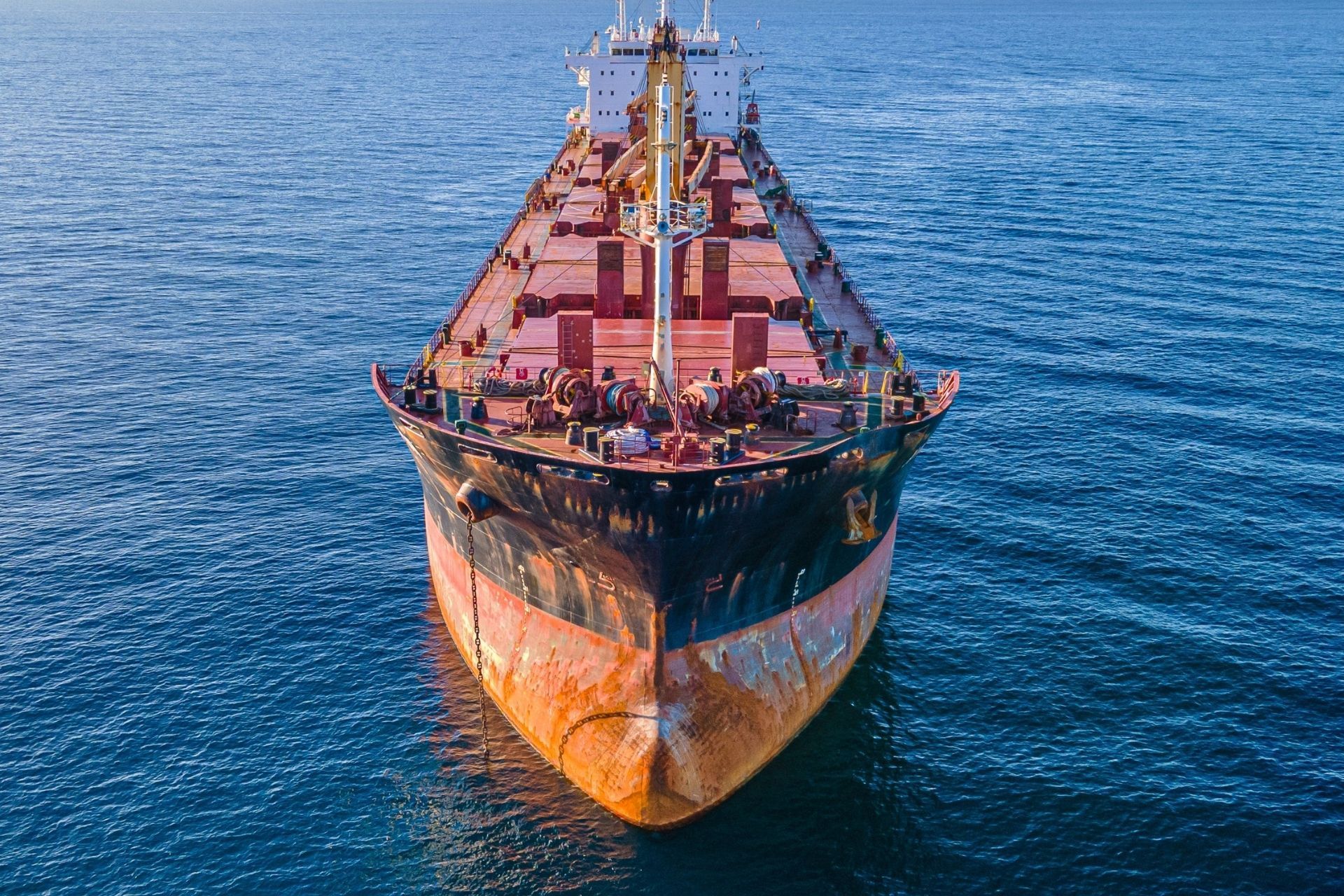
A cargo vessel arriving at a bustling Florida port sets off a series of complex risk assessments and coverage evaluations. The interplay between challenging weather patterns and robust maritime operations drives the demand for solid ocean marine insurance policies. This guide provides industry insight and practical details for businesses navigating the Florida insurance landscape. Readers can explore recent market shifts through insights from relevant studies such as those reported by Deep Sky Research.
Florida’s extensive coastline and busy ports create a unique environment where marine insurance plays a vital role. Whether it is a commercial shipping enterprise or a smaller vessel operator, understanding risk management practices and coverage specifics is key to protecting assets and sustaining operations. The following sections outline essential details regarding policy coverage, market trends, environmental impacts, and evolving insurance reforms.
The Critical Role of Ocean Marine Insurance
Ocean marine insurance is more than a safety net for maritime professionals; it is a comprehensive tool to mitigate the unpredictable nature of high-risk operations. This coverage typically includes protection for hull damage, cargo losses, environmental liability, and even crew safety. Business owners learn that having robust insurance is essential when transferring risk from unpredictable weather events to their insurance carriers.
Florida, with its dynamic ocean currents, well-trafficked shipping lanes, and exposure to extreme weather events, requires that its marine operations hold policies that align with both local and global standards. As highlighted in recent reports, traders and vessel operators must carefully evaluate policy conditions and endorsements that extend beyond conventional liability coverage.
For instance, study findings mention that mangroves in Collier County contribute over millions in annual storm surge loss reductions for local properties. These natural defenses are a part of the environmental context that marine insurers consider when setting premiums and determining policy limits. For further detailed context, see insights from
arXiv.
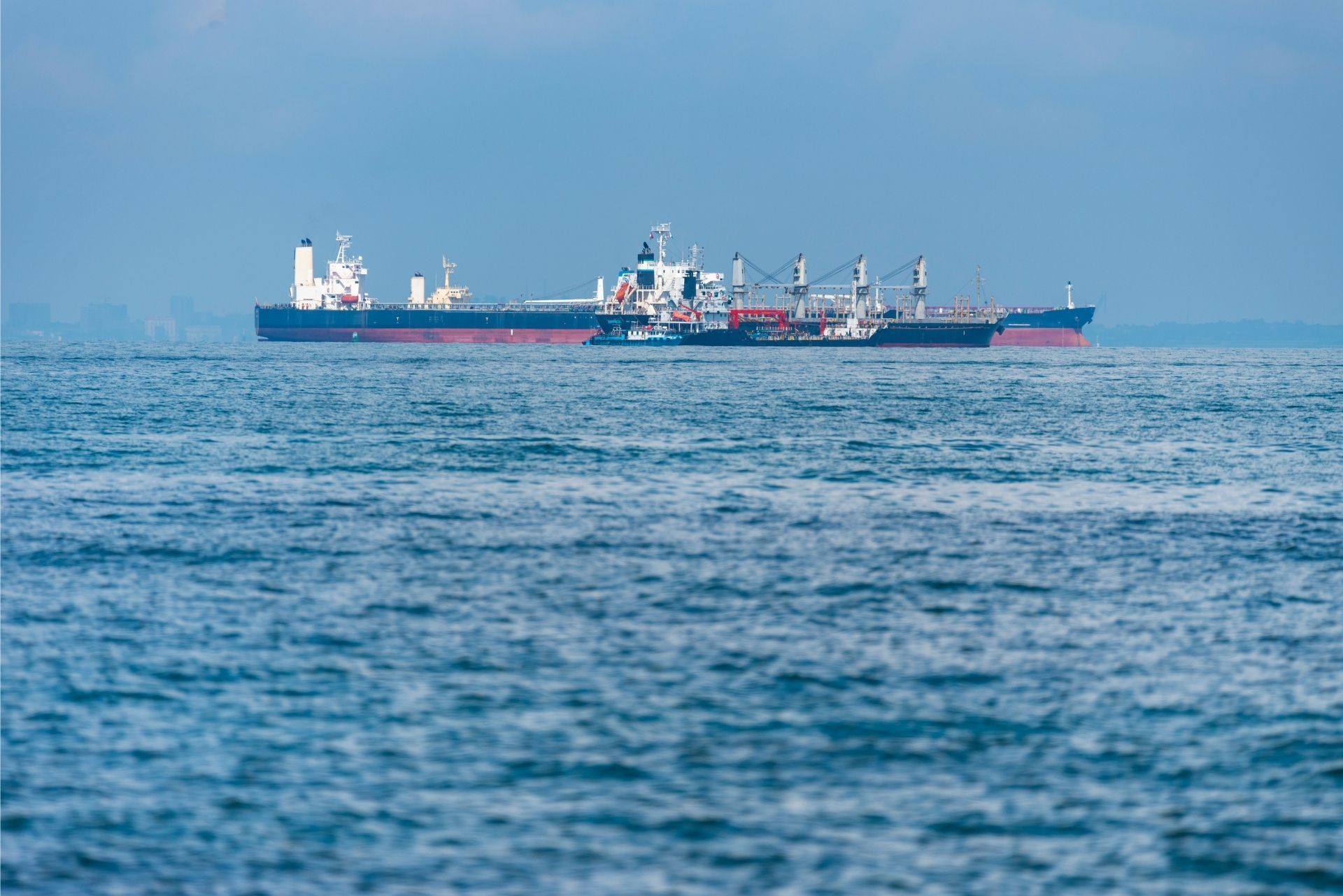
Understanding Coverage: What Does Ocean Marine Insurance Include?
Marine insurance for ocean ventures in Florida has evolved to cover a wide range of risks. Standard policies often protect against physical damage, cargo losses, and even third-party liability claims. The intricacies of these policies might include coverage for: vessel collision, piracy, natural disasters, and environmental liabilities. Operators need to carefully examine policy language to know which perils are included or may require additional endorsements.
Particular attention should be given to hull and machinery insurance – a core element of marine coverage. When operating in Florida’s high-risk environment, it is not just about insuring the vessel but also the valuable cargo, navigational instruments, and associated equipment that sustain commercial operations. The right combination of coverages ensures that a single event does not result in catastrophic financial implications.
The coverage details vary by insurer, with some policies tailored to cover specific services such as offshore drilling or harbor operations. Local nuances, including Florida’s unique exposure to tropical storms and hurricanes, must be reflected in these policies to ensure comprehensive protection.
Market Trends in Florida’s Insurance Landscape
Florida’s insurance market has undergone dramatic changes over recent years, with shifts in policy availability and market share among insurers. The past decade has seen a notable decline in active homeowners' policies, with a dramatic increase in reliance on state-backed insurers. These trends affect not just personal property insurance but extend into specialized segments such as marine insurance.
The transformation is not without its merits. Mark Friedlander of the Insurance Information Institute noted that defense cost containment improvements through tort reform have enabled insurers to maintain profitability even in high-risk areas, including regions frequently hit by hurricanes (Washington Post). For ocean marine operators, this creates a more stable market environment despite ongoing climatic challenges.
Despite these improvements, the industry still faces challenges from escalating extreme weather events. According to studies, there has been a reported 300% rise in severe hurricanes over the past 40 years, with rainfall amounts showing a similar upward trend (Deep Sky Research). These developments underscore the critical need for comprehensive risk management within marine insurance policies.
Environmental and Operational Challenges
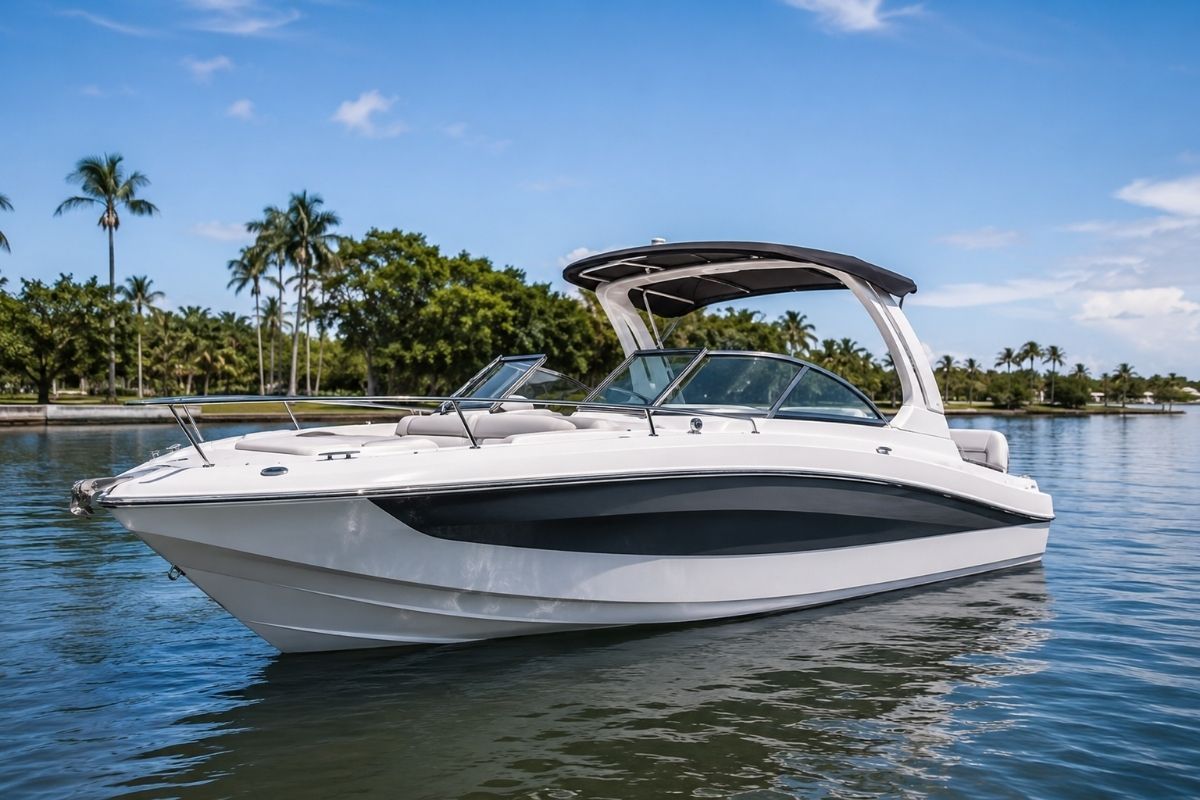
Florida’s coastal regions face unique environmental risks that influence the marine insurance sector. Extreme weather, rising sea levels, and coastal erosion are no longer abstract threats; they actively shape how insurers evaluate risk. For instance, detailed analyses have pointed out that future tropical cyclone intensities and sea-level changes will expose more vulnerable populations to coastal storm surges (arXiv). These risks extend to the realm of ocean marine insurance, where even a slight miscalculation can result in significant coverage gaps.
This environmental uncertainty also impacts the valuation of vessel damage and cargo losses. Operators must consider that the historical claims data may not adequately reflect future risks, necessitating insurance products that dynamically adjust to modern environmental realities. The effective integration of natural risk mitigation factors like mangrove forests shows how the insurance market is beginning to incorporate environmental resilience into premium calculations.
Operations in nearshore regions also need specialized coverage to protect assets against surges, saltwater corrosion, and wave-related impacts. Policies that incorporate such specifics provide deeper value compared to generic marine products. When managed correctly, this tailored approach enables businesses to continue operations without facing crippling losses due to unforeseen damages.
Risk Management Strategies for Marine Operators
The foundation of sound insurance coverage lies in robust risk management strategies. Marine operators can benefit from a multi-pronged approach that emphasizes prevention, preparedness, and prompt response. This involves regular vessel inspections, strict adherence to safety and operational protocols, and continuous monitoring of weather patterns and forecast systems.
Effective planning also means securing the right insurance products that align with the specific risks associated with Florida’s maritime operations. For example, policies that cover hull damage combined with cargo and liability protection address many layers of risk – especially when operating in a market characterized by rapidly evolving environmental conditions.
Leveraging risk management tools and technologies, including deep learning models that project future coastal impacts, proves essential in developing long-term risk mitigation strategies. Such predictive analytics, highlighted in recent studies, help refine premium calculations and ensure that policyholders receive fair valuations for their risk exposure.
Special Considerations for Florida Marine Operators
In a state where weather extremes are part of the everyday landscape, marine operators require coverage that accounts for both current and emerging risks. Florida’s market dynamics and high exposure to hurricanes contribute to an environment where insurers often need to build flexible policies that can quickly adapt to risk trends. These policies must not only cover immediate damages but also account for long-term operational losses.
The state’s insurance market has begun a gradual turnaround, as seen by a reported $207 million underwriting profit for Florida-domiciled personal property insurers in 2024 (Active Property Care). Such recovery reflects a broader trend in confidence among insurers, which bodes well for marine coverage. Consumers and businesses alike benefit when the market stabilizes, as pricing becomes more competitive and policy conditions improve.
Marketing marine insurance in Florida also involves addressing common challenges such as claims processing delays and evolving regulatory requirements. In recent industry discussions, experts have commented that reforms have shifted the market towards a more insurance-centric focus, rather than one encumbered by fraud and misrepresentation (Bryon Ehrhart, AON). This shift is a win-win for operators and insurers, leading to clearer claims processes and more transparent policy language.
How Tort Reforms and Structural Changes Impact Coverage
One of the most talked-about revolutions in Florida’s insurance market is the impact of tort reform efforts. By significantly reducing defense cost containment expenses, these changes have boosted profitability even in traditionally high-risk regions. According to expert analysis, such reforms have enabled insurers to confidently underwrite business throughout Florida, even in areas facing high hurricane threats (Mark Friedlander, Insurance Information Institute).
These structural changes encourage a more balanced risk distribution across different insurance segments, including ocean marine insurance. By integrating cost-saving measures into underwriting processes, marine insurers can now offer more competitive terms without severe profitability penalties. However, policyholders must still verify that their policies strictly address specific marine risks, as general reforms may not universally apply to highly specialized coverages.
The recent return to underwriting profits in personal property insurance – with a breakthrough profit reported just last year – illustrates the potential benefits when reforms foster a healthier market environment. Even though these figures largely reflect trends in personal property insurance, similar improvements can be expected to trickle down to specialized segments like ocean marine coverage.
Assessing Policy Options and Customization
Finding the right ocean marine insurance policy in Florida requires a thorough assessment of available options and a detailed customization of coverage terms. Given the wide range of marine operations, policies can vary significantly in terms of limits, exclusions, and endorsements. Operators must closely consider the unique risk profile of their vessel operations, the nature of cargo being transported, and specific routes that could expose them to heightened environmental threats.
Customizing a policy often means combining multiple coverages into a single comprehensive package. For example, a standard hull and machinery policy might be paired with cargo insurance and protection against environmental liabilities. This integrated approach offers layers of security that reduce the financial impact of unforeseen claims.
When deciding between policy options, engaging with a knowledgeable broker or risk consultant can clarify obligations and provide actionable insights into how different policies compare. A side-by-side comparison chart can be especially helpful in discerning the nuances in coverages. The breakdown below offers a glimpse into key coverage distinctions.
| Coverage Feature | Basic Ocean Marine Policy | Enhanced Marine Coverage |
|---|---|---|
| Hull and Machinery | Covers physical damage to vessel | Includes equipment upgrades and retrofits |
| Cargo Coverage | Protects against loss during transit | Includes perishable or high-value items |
| Environmental Liability | Limited to spill response costs | Extends to long-term remediation and fines |
| Third-Party Liability | Standard bodily injury, property damage | Enhanced limits and legal defense provision |
This chart illustrates common differences between a standard policy and a more comprehensive option. Detailed comparisons like these assist operators in choosing coverage that best fits their unique operational and risk management needs.
Adapting to Changing Environmental Conditions
Florida’s environmental conditions continue to evolve, and marine insurance policies must adapt accordingly. Recent deep learning models predict that by the end of the century, heightened tropical cyclone intensities combined with rising sea levels could significantly increase the population at risk from coastal storm surges (arXiv). Insurance providers are starting to factor these projections into their risk assessments and pricing structures.
Investing in environmentally sustainable practices, such as barrier restoration and habitat conservation, may also help reduce overall risk exposure. Initiatives that protect natural buffers, like mangroves, have proven to be cost-effective investments for reducing damage during major storms. Such proactive measures not only support ecosystem resilience but also offer tangible benefits when integrated into insurance policy calculations.
Operators facing heightened weather-related risks should consider these environmental factors when negotiating policy terms. By aligning their risk management strategies with ecological dynamics, Florida marine businesses can enhance operational sustainability and secure more proactive insurance terms.
Leveraging Technology for Better Risk Evaluation
Technological advancements play a crucial role in transforming the marine insurance space. Using predictive analytics, insurers can develop more accurate risk models that reflect evolving weather patterns, maritime traffic densities, and historical claim data. These technologies help pinpoint potential vulnerabilities and forecast the financial impact of extreme events.
Smart sensors on vessels, real-time weather tracking, and advanced data modeling combine to offer a detailed picture of risks across various operational routes. This technological integration aids insurers in designing policies that are tailored to current conditions rather than relying solely on historical data. By adopting these tools, both insurers and marine operators stand to benefit from more precise underwriting and clearer coverage terms.
For those looking to adopt these innovations, working with insurers who invest in data-driven tools is essential. Leveraging technology not only improves policy accuracy but also enhances overall claims processing efficiency, reducing downtime and fostering a smoother operational experience.
Preparing for Future Market Shifts
While current market reforms have generated positive shifts, operators must remain vigilant. Recent market studies have shown that Florida’s insurance market saw substantial changes in active policies over the past decade. With a 78% drop in active homeowners' policies and a surge in state-backed market shares for Citizens Property Insurance Corporation reaching 63% (Deep Sky Research), the evolving landscape reinforces the importance of remaining flexible and informed.
Market predictions indicate that future risk models will increasingly incorporate climate change variables. Operators must be prepared to adapt policies to cover new risks that were not previously factored into traditional models. Staying informed through industry reports and engaging with seasoned risk advisors ensures that businesses always have the latest insights at their disposal.
Insurers themselves are investing in research to better understand long-term trends, an effort which bodes well for obtaining fair pricing and improved policy conditions moving forward. This preparation can make a significant difference in the competitiveness of marine operations amid rapidly shifting environmental conditions.
Frequently Asked Questions
Readers often have questions about marine insurance and its implications for their operations. The following FAQs address common concerns and offer practical insights for marine operators in Florida.
Q: What is ocean marine insurance?
A: Ocean marine insurance is a specialized form of coverage that protects vessels, cargo, and related liabilities from losses incurred due to accidents, natural disasters, and other marine-specific perils.
Q: How do environmental factors impact marine insurance policies in Florida?
A: Environmental conditions such as hurricanes, rising sea levels, and coastal erosion significantly affect risk calculations. Insurers consider these factors when setting premiums and policy limits.
Q: Are there customizable policy options available for marine operators?
A: Yes. Marine insurance policies can be customized to include a combination of hull damage, cargo coverage, and environmental liability protections based on specific operational needs.
Q: How can technology improve marine insurance risk assessments?
A: Advanced technologies such as predictive analytics, real-time weather tracking, and data modeling allow insurers to refine risk evaluations. These tools contribute to fairer pricing and more accurate coverage terms.
Q: What recent market changes should marine operators be aware of in Florida?
A: Marine operators should note the broader trends in Florida’s insurance market, including reduced active policies and structural reforms that have improved overall underwriting profitability. Demand for comprehensive and flexible coverage has grown as operators face increasing environmental risks.
Q: How does tort reform affect marine insurance?
A: Tort reform has reduced defense cost containment expenses for insurers, allowing them to offer competitive rates even in high-risk areas. This development has positively impacted market stability across various insurance segments.
Final Thoughts on Preparing for Unpredictable Waters
As Florida’s maritime industries continue to thrive amidst uncertain weather patterns, ocean marine insurance remains a critical element of risk management. A comprehensive understanding of policy options, environmental impacts, and technological advancements is crucial in securing the right coverage. Operators benefit from policies that provide integrated solutions across different risk categories, safeguarding vessels, cargo, and overall business continuity.
The industry's evolution over the past decade, marked by a reduction in policies and notable market shifts, has reshaped how marine risks are assessed and managed. As environmental conditions progressively challenge established risk models, staying informed and proactive becomes even more essential for sustaining long-term operations.
Preparedness is not solely about having insurance; it is about consistently adapting and investing in both technological advancements and sustainable practices. These combined efforts will ensure that marine operators in Florida can navigate the unpredictable waters while maintaining financial stability and operational efficiency. For ongoing developments in the insurance market, industry analysts and publications continue to offer valuable updates and insights.
Looking Ahead: Navigating Future Risks and Opportunities
Looking into the future, marine operators should expect that emerging climate trends will require ongoing adjustments in insurance practices. Innovative insurers are already leveraging data from deep learning models to predict and prepare for potential risks in coastal areas. These improvements pave the way for smarter underwriting strategies, ensuring that policies remain relevant in the face of progressive environmental challenges.
Integrating environmental management with risk coverage will play a key role in the long-term sustainability of marine operations. As natural defenses like mangroves continue to demonstrate their value in reducing storm surge losses – contributing to billions of dollars in estimated benefits during major hurricanes – marine insurance policies in Florida will likely reflect a greater emphasis on sustainability and risk prevention. These forward-thinking approaches can create competitive advantages for businesses prepared to align their operations with evolving ecological insights.
The landscape of ocean marine insurance is poised for further transformation, driven by both market dynamics and technological innovation. Businesses that invest time into analyzing policy specifics, leveraging modern risk management strategies, and actively monitoring environmental trends will find themselves better equipped to handle any challenge that comes their way. This level of preparedness ensures that the marine insurance policies of tomorrow are as adaptive and resilient as the vessels and cargo they protect. For more details on evolving market trends, refer back to research insights from Deep Sky Research.
ABOUT THE AUTHOR: PAUL RAMENTOL
I am the Owner and President of Mesa Insurance Agency. I help individuals and business owners across Florida secure personal and business insurance coverage that supports their needs. My focus is on clear guidance, direct communication, and long-term support without call-center delays or confusion.
Contact Us

Personal Coverage Options
Insurance Built for Everyday Protection
Mesa Insurance Agency provides personal insurance coverage designed to support daily life. Our team reviews risks and coverage needs to help clients secure dependable protection at fair rates.
Dental & Vision Insurance
Coverage that helps manage routine dental and vision care costs.

Business Coverage Options
Insurance Built for Business Protection
Mesa Insurance Agency provides business insurance coverage that helps protect operations, employees, and property. We work with multiple carriers to offer coverage options that support daily business activities and long-term stability.
Commercial Auto Insurance
Coverage for business-owned vehicles, drivers, and accident-related liability exposure.
General Liability Insurance
Protection against third-party injury, property damage, and common business liability risks.
Professional Liability Insurance
Coverage for claims related to professional services, advice, or service errors.
Workers’ Compensation Insurance
Coverage that helps support employees with work-related injuries and medical costs.
Commercial Property Insurance
Protection for buildings, equipment, inventory, and physical business assets.
Errors & Omissions Insurance
Coverage for financial losses caused by mistakes, omissions, or service-related claims.
Industries We Serve
Serving Businesses Across Multiple Sectors
Mesa Insurance Agency works with business owners across Florida to provide insurance coverage that supports daily operations. We understand common risks faced by different industries and help clients secure reliable protection.

Construction and Trades Insurance
Coverage for job sites, vehicles, tools, and workplace risks.

Hospitality Businesses Insurance
Insurance for restaurants, bars, and service-based operations.

Retail and
Commercial Properties
Protection for storefronts, inventory, and customer-related liability.
Our Approach
Insurance Made Easy to Understand
Mesa Insurance Agency provides business insurance coverage that helps protect operations, employees, and property. We work with multiple carriers to offer coverage options that support daily business activities and long-term stability.
Insurance FAQs
Helpful Answers for Florida Clients
Support you can rely on.

What makes Mesa Insurance Agency different?
We are an independent agency with access to multiple carriers. This allows us to offer flexible coverage options.
Clients work directly with licensed agents. Service continues beyond the policy start date.
Do you offer coverage for individuals and families?
Yes. We provide personal insurance for individuals and families across Florida.
Coverage includes auto, home, health, life, and flood insurance. Our team explains each option clearly.
Do you work with small and mid-sized businesses?
Yes. We work with businesses of many sizes and industries.
Our team helps identify risks and secure appropriate coverage. Ongoing service is included.
Can I make changes to my policy later?
Yes. Policies can be updated as needs change.
We assist with coverage adjustments, additions, and removals. Clients can contact us directly for help.
Is flood insurance required in Florida?
Flood insurance is not always required, but it is strongly recommended in many areas.
Standard home insurance does not cover flood damage. Our team can review your flood risk and options.
How do I contact your office?
You can contact us by phone, email, or through our website.
Our team responds promptly during business hours. Support is always available when needed.
From the Blog
Insurance Topics That Matter
Clear answers for common questions.






Client Reviews
Trusted by Clients Across Florida
Mesa Insurance Agency is proud to serve individuals and businesses throughout Florida. Clients choose us for clear communication, responsive service, and reliable insurance support. Their feedback reflects our focus on long-term relationships and consistent service.
Contact Us