A robust fire sprinkler system can mean the difference between a contained incident and a catastrophic loss. Fire protection contractors providing installation and maintenance services must have thorough and specialized insurance coverage. For those working in Florida, where environmental factors and building codes drive unique challenges, understanding risk management becomes vital. This discussion takes a deep dive into the intricacies of fire sprinkler systems, evolving regulatory landscapes, and the importance of comprehensive insurance coverage tailored for fire protection contractors. To get a firm understanding of the reliability behind these systems, consider the 95 percent fail-safe rating that many experts cite.
The intricate nature of fire sprinkler systems means that every unit installed plays a critical role in risk reduction. As one sprinkler head may be enough to contain a fire incident, every project needs quality work to ensure that systems perform as designed. Insurance professionals who serve these specialized contractors must stay knowledgeable about both the technical and economic aspects that drive the industry.
With rising construction expenditures and evolving safety standards, these considerations influence not only the method of installation but also the type of policies needed. This comprehensive article seeks to enlighten Florida fire sprinkler contractors on how best to navigate insurance requirements in a competitive market.
Understanding Fire Sprinkler Systems and Their Role in Protection
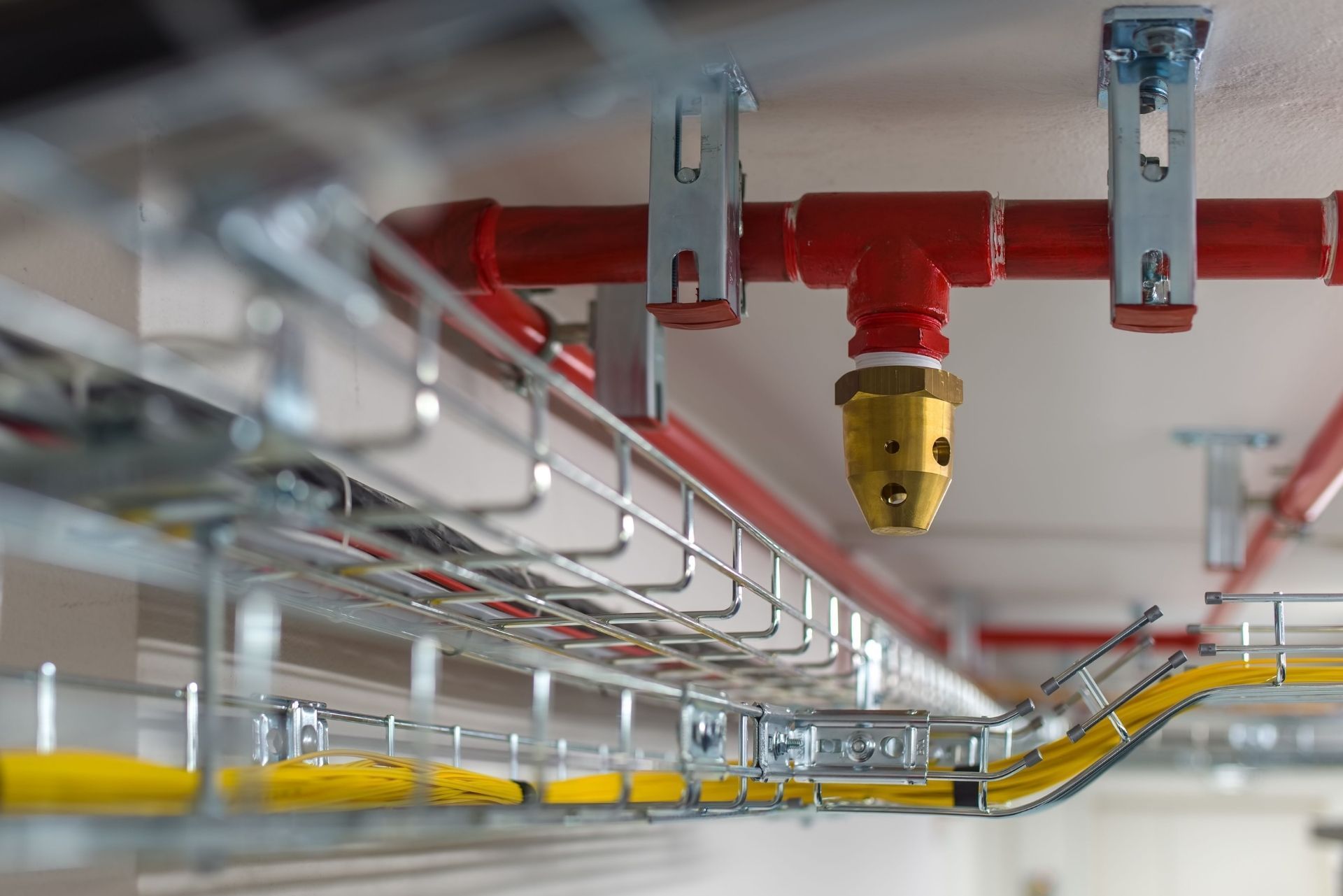
Fire sprinkler systems serve as an essential line of defense for any structure threatened by fire. They work independently yet cohesively to minimize damage through quick activation, containment, and control of a fire's spread. With nearly 90 percent of fires being contained by just one sprinkler, the technology behind sprinkler systems is both fascinating and life-saving. Linking to in-depth details about system behavior, a report by fire advocates provides further insight into the system’s remarkable performance.
These systems are much more than a network of pipes and sprinklers; they represent an integration of engineering innovation and safety management. They are delicately calibrated systems that must undergo annual inspections to ensure optimal reliability, as maintenance stands central to long-term performance. For many contractors, understanding every nuance-from activation thresholds to system design-leads to better installations and fewer liability exposures.
For Florida contractors, understanding local codes and the specific demands of the state is equally important. In Florida, rigorous standards are balanced by practical insights into how sprinkler systems perform in varied climates and construction environments. This knowledge directly impacts the risk assessments made by insurance underwriters and shapes the policies offered for fire protection contracting services.

Reliability and Economic Impact of Fire Sprinkler Systems
Exceptional System Reliability
The reliability of fire sprinkler systems is often highlighted as a cornerstone of modern fire safety. With a 95% fail-safe status being frequently referenced, these systems instill confidence in both property managers and insurers. According to statistics, the sprinkler head failure rate is remarkably low, estimated at one in 16 million, ensuring that when systems are installed and maintained, the chance of malfunction is virtually negligible. More in-depth verification of these reliability metrics can be found on Buckinghampa’s official document.
This extreme reliability means that once a sprinkler is activated in case of fire, the likelihood that it performs its function is almost certain. For contractors, these figures become a compelling selling point, especially when discussing system benefits with potential clients. The technology behind these sprinklers might seem straightforward but is underpinned by advanced engineering that minimizes risk and maximizes safety.
Given these statistics, it is reassuring that a single sprinkler head can effectively contain a fire in up to 90 percent of cases, demonstrating that even isolated activation can play a pivotal role in hazard mitigation. This assurance not only protects life and property but also helps reduce overall liability exposure-a key consideration when forming insurance policies for contractors.
Cost Efficiency and Financial Impact
Fire sprinkler systems present a compelling economic case. When installed during new construction, the additional cost typically accounts for roughly 1% to 1.5% of the total building cost. This additional expense is a worthwhile investment when the potential reduction in fire loss is considered. The study on economic impact shows that sprinkler-controlled fires see loss ratios barely exceeding 1% of the value of the building and its contents. For a more detailed perspective on these cost benefits, refer to insights shared on Fire Rescue 1.
Given the long-term savings, many property owners and building managers have come to view these systems as critical investments. The fact that even isolated activation often proves enough to contain a fire translates into lower overall repair and replacement costs, if damage is incurred at all. Insurance companies, aware of these statistics, often extend favorable underwriting terms to properties protected by highly efficient sprinkler systems.
The financial benefits extend to contractors as well. The relatively low cost of installation compared to the high cost of fire losses makes sprinkler systems a value proposition that continuously pays dividends over the lifespan of the property. When assessing risk, insurers often look at these figures to gauge potential claims and adjust premiums accordingly.
Adapting to Florida’s Evolving Regulatory Environment
Florida’s regulatory framework for fire safety is continuously evolving, which directly impacts fire sprinkler contractors operating in the state. Recent changes in the Florida Fire Code, such as the three-year delay in the implementation of Engineered Life Safety Systems (ELSS), highlight the dynamic nature of this regulatory environment. This delay, now effective until January 1, 2027, allows contractors and insurers alike to recalibrate their risk assessments and adapt their processes. Detailed background on this development is available on FACTSS.
While regulatory shifts may present temporary uncertainties, they also offer contractors an opportunity to optimize service offerings in anticipation of new standards. By remaining informed and flexible, fire protection contractors can effectively navigate transitions in inspection criteria and installation practices. These changes necessitate continuous education, training, and documentation to ensure that all work adheres to the latest safety requirements.
Insurance policies must likewise evolve to reflect current standards and potential regulatory risks. Contractors should work closely with insurance brokers to update coverage policies in line with the latest fire codes and technological demands. In a rapidly changing environment, maintaining up-to-date certifications and training credentials enhances overall risk management for both the contractor and the insured property.
Insurance Considerations for Fire Protection Contractors
Tailored Coverage for a Specialized Field
Insurance for fire protection contractors is far from one-size-fits-all. It requires a deliberate and thorough evaluation of inherent job risks and potential liability exposures. Contractors face unique challenges due to the high levels of responsibility attached to installing and servicing systems that safeguard properties and lives. Policies often need to encompass general liability, property damage, and errors and omissions coverage.
With the specialized nature of fire sprinkler systems, contractors may encounter claims related to both installation errors and system performance failures. Despite the high reliability of the equipment-the one in 16 million failure rate underscores this-risks remain if systems are improperly installed or maintained. A well-structured insurance policy provides a financial safety net that protects contractors against potential litigation or remediation expenses resulting from system malfunctions.
Contractors should work with brokers who are well-versed in the nuances of fire sprinkler systems and Florida’s local codes. This collaboration ensures that coverage is both comprehensive and carefully tailored to meet the unique needs of fire protection contractors in the state.
Industry-Specific Underwriting Considerations
Underwriters typically assess not just the physical risks associated with installation but also the contractor’s operational procedures, training protocols, and past claims history. Given that sprinkler systems boast an impressive performance record-a fact that bolsters the case for lower risk-insurers are increasingly offering competitive pricing on policies for compliant contractors. The Florida Office of Insurance Regulation releases annual reports that offer valuable insights into underwriting outcomes and surplus performance among significant residential property writers, which are useful benchmarks for industry professionals. More detailed insights can be found on FLOIR’s industry reports.
Insurance professionals must keep in close contact with local regulatory bodies and industry associations to remain updated on trends, modifications in underwriting criteria, and emerging risks. Such continuous dialogue between insurance providers and contractors helps shape policies that acknowledge the real-world complexities of fire sprinkler systems while remaining competitively priced and comprehensive in coverage.
Training and certification also play a key role. Contractors who invest in ongoing education regarding new technologies and safety protocols signal to underwriters a strong commitment to excellence. This dedication often results in more favorable terms, further justifying the seemingly minor increase in installation costs relative to the long-term savings achieved through minimized risks.
Understanding the Economic Value of Fire Sprinkler Systems
Fire Loss Reduction and Financial Savings
The economic impact of fire sprinkler systems extends well beyond the initial installation. Studies have shown that, in sprinkler-controlled fires, the ratio of losses in relation to the building and contents is just over 1 percent. This dramatic reduction in fire loss translates to significant financial savings for property owners, which in turn reinforces the sound investment that sprinkler systems represent. This statistic underscores the importance of including these systems in comprehensive risk management strategies.
When a fire is contained quickly, property damage remains limited, repairs are less extensive, and business interruptions are minimized. Facing a potential loss that is just a fraction of the building’s value reduces the overall claims that insurance companies need to cover, leading to more favorable policy terms. This interaction between building safety and insurance economics creates benefits for contractors and property owners alike.
An environment where fire sprinkler systems dramatically reduce potential losses helps stabilize the construction and real estate markets. The financial rationale for installing sprinklers is solid, especially when one considers that the cost premium for installation is as marginal as 1 percent to 1.5 percent of the total construction cost. For those seeking comprehensive information on cost benefits, a detailed analysis by NFSA’s economic impact study provides further evidence supporting these claims.
Long-Term Benefits Beyond Installation Costs
While the installation of a fire sprinkler system creates an upfront cost, it is important to consider the long-term benefits. With reduced fire loss and greater overall building survivability, investing in these systems often pays for itself over time. Reduced claims and lower risk also result in improved underwriting results for insurance providers, which can lead to more competitive premium pricing and additional endorsements that cover specialized services.
For contractors, these benefits translate into enhanced reputational standing. When clients recognize that a building has been safeguarded by advanced technology that boasts such a high fail-safe record, it boosts confidence in both the system and the contractor responsible for its installation. This reputational advantage can be crucial in winning future contracts and maintaining steady business growth.
Moreover, consistent performance data and economic studies highlighting fire loss reduction empower contractors to advocate for the expanded role of fire sprinkler systems in high-risk or high-value properties. Communicating these advantages effectively is essential when negotiating insurance policies or working directly with property owners, ensuring that everyone understands the long-term value of investing in reliable fire protection systems.
Best Practices for Maintaining a Reliable Fire Protection System
Regular Inspections and Preventive Maintenance
Even the most reliable fire sprinkler system requires maintenance to retain peak performance. Annual inspections are not merely a regulatory requirement-they are a critical step in preserving the integrity of the system over time. With routine checks, potential issues can be identified and addressed before they escalate into much larger problems. The importance of meticulous maintenance is stressed in many industry discussions, including documentation available from Buckinghampa’s maintenance guidelines.
Maintenance activities typically include checking for any physical wear, testing individual sprinkler heads to ensure they activate when needed, and ensuring that all piping and valves are free from obstructions or corrosion. Contractors who schedule regular assessments and document their findings demonstrate a proactive approach that not only reduces liability but also improves system longevity. It also sends a clear message to insurers that the system’s reliability is being carefully maintained.
Adopting a preventive maintenance mindset means that fire protection contractors must plan scheduled visits, remain updated on any new technical advancements, and sometimes even retrofit older systems with newer, safer components. This systematic approach not only safeguards property but also protects the contractor’s reputation in a highly competitive market.
Enhanced Training and Safety Protocols
Fire protection contractors must ensure that all personnel engaged in installation and maintenance are adequately trained. Keeping the team updated on the latest safety protocols, technological advancements, and regulatory changes is not only crucial for meeting industry standards but also imperative for reducing potential errors during installation or repair. Enhanced training programs demonstrate a commitment to excellence that insurance underwriters respect. This commitment is reflected in improved risk profiles and lower chances of claim occurrences.
Regular professional development sessions and certifications help maintain high technical standards and consistency across projects. With updated knowledge, contractors can more effectively diagnose potential issues before they escalate into major hazards, ensuring a smooth and reliable operation. A culture of continuous improvement in safety protocols ultimately reduces the likelihood of human error, leading to fewer system failures-even in situations where instantaneous response is required.
When speaking with insurance representatives, contractors who can clearly outline their rigorous training and safety protocols are more likely to secure policies that fully recognize the low risk associated with their operations. Effective communication coupled with demonstrable commitment to safety reassures insurers that the overall risk remains managed to the highest standard.
Identifying Appropriate Coverage Options
With the specialized nature of fire sprinkler systems, insurance policies must be calibrated to address unique job hazards. Fire protection contractors require coverage that not only addresses property and general liability but also errors and omissions. Each policy should be based on a comprehensive evaluation of the contractor’s operational risks, training records, and adherence to local regulatory standards.
Careful review of existing policies and frequent consultations with insurance professionals help identify any gaps, ensuring all potential liabilities are covered. For instance, the minor increase in installation cost-hovering around 1 percent to 1.5 percent of the total build-should be factored into risk assessments, which in turn influence the underwriting terms. Tailoring policies to reflect these nuances is essential for both risk management and competitive pricing.
Contractors should prepare thorough documentation of all installation practices, maintenance routines, and training certifications. This evidence can play a decisive role in demonstrating a lower risk profile and potentially lowering premium costs. Reputable brokers familiar with the fire protection industry will appreciate detailed records that underscore a contractor’s commitment to safety, thereby shaping more favorable policy terms.
Balancing Competitive Costs with Comprehensive Protection
Price remains a critical factor when selecting an insurance policy. However, a cheaper policy that lacks comprehensive coverage may result in higher costs over time should an incident occur. Given that the reliability of these systems is underscored by a notably low failure rate, insurers may often extend competitive premiums to contractors who demonstrate best practices in installation and maintenance.
When evaluating policies, it is essential to balance cost and coverage. Policies that appear attractive purely because of lower premiums must be scrutinized for possible exclusions or insufficient limits that might not cover the full scope of potential damages. Insurance for fire protection contractors requires a careful evaluation of both the direct risks and potential indirect liabilities, such as breach of contract issues arising after installation errors.
It is recommended that contractors engage in detailed discussions with multiple brokers to fully understand the differences in coverage options. Comparing coverage details side-by-side, including deductibles, premiums, and special endorsements, helps ensure that the chosen policy reflects the true nature of the contractor’s risk exposure. Such detailed evaluations foster transparency and secure a balanced portfolio that protects both the business and its clientele effectively.
Exploring New Trends in Fire Safety and Insurance
The fire protection industry is continually influenced by emerging technologies, updated building materials, and new regulatory requirements. With delays in implementing standards like the Engineered Life Safety Systems (ELSS) until January 1, 2027, contractors have a unique window to revamp their training programs and risk management strategies. Staying ahead of changes not only benefits operational efficiency but also enhances relationships with insurance providers by demonstrating proactive risk management.
The infusion of new technologies in fire detection and suppression systems means that contractors must remain informed of advancements that could influence installation protocols. Innovations such as remote monitoring, enhanced sensor technology, and data analytics for predictive maintenance provide opportunities to reduce risks even further. Staying updated on these innovations strengthens a contractor’s market position while creating a compelling case for insurers that robust systems are in place.
Additionally, evolving compliance demands necessitate a modern approach to safety. Contractors who integrate the latest building codes with best practices in installation and equipment upkeep stand out in a competitive market. These improvements lead to improved claims histories which, in turn, influence underwriting outcomes and foster more secure, comprehensive insurance policies.
Frequently Asked Questions
What makes fire sprinkler systems economically advantageous?
Fire sprinkler systems minimize damage by containing fires early, which leads to lower overall loss ratios. Studies show that sprinkler-controlled fires result in potential losses just over 1 percent of building values (NFSA economic impact study).
How much do fire sprinkler systems typically add to construction costs?
Installing these systems during new construction can add approximately 1 percent to 1.5 percent to the total building cost (Fire Rescue 1).
Are fire sprinkler systems reliable?
They are highly reliable with a reported 95 percent fail-safe status, and individual sprinkler head failure rates are extremely low, indicating robust performance (Buckinghampa reliability guide).
How do changes in Florida’s regulations affect contractors?
Regulatory changes, such as the delay in ELSS implementation until 2027, require contractors to adapt their practices and update insurance policies accordingly (FACTSS update).
Why is regular maintenance important for fire sprinkler systems?
Regular annual inspections ensure that the systems remain in optimal condition, preventing unforeseen failures and reducing liability risks.
What should contractors look for in an insurance policy?
Contractors need tailored coverage that addresses general liability, property damage, and potential errors in installation or maintenance. Thorough documentation of best practices is critical in securing comprehensive coverage.
Wrapping Things Up
Fire protection contractors in Florida face an industry where the stakes are high and the margins for error are minimal. The technology behind fire sprinkler systems is proven, with impressive safety statistics such as a 95 percent fail-safe rating and extremely low failure rates in individual components. These safety metrics, combined with the cost efficiency demonstrated through reduced fire losses, create a financial and operational environment that rewards meticulous planning and continuous improvement.
Navigating the ever-shifting regulatory landscape, such as the delay in ELSS requirements, calls for proactive adaptation by both contractors and insurance providers. Comprehensive insurance coverage, specifically tailored for the complexities of fire protection, forms a fundamental component of a contractor’s risk management strategy. With the support of detailed underwriting insights and an industry that values ongoing training and regular maintenance, contractors can confidently secure policies that protect their businesses and reinforce their reputations.
Whether it is the economic advantages, unswerving reliability, or the technical sophistication of these systems, the value proposition of fire sprinkler systems remains indisputable. For contractors who invest in robust installations and proper risk management, comprehensive insurance coverage acts as both a shield and a strategic tool. Staying informed, prepared, and proactive in addressing both technological and regulatory changes will ensure that the fire protection industry continues to thrive under challenging circumstances. Finally, an informed approach coupled with appropriate underwriter collaboration empowers any contractor to meet future challenges head-on while safeguarding properties and lives.
ABOUT THE AUTHOR: PAUL RAMENTOL
I am the Owner and President of Mesa Insurance Agency. I help individuals and business owners across Florida secure personal and business insurance coverage that supports their needs. My focus is on clear guidance, direct communication, and long-term support without call-center delays or confusion.
Contact Us

Personal Coverage Options
Insurance Built for Everyday Protection
Mesa Insurance Agency provides personal insurance coverage designed to support daily life. Our team reviews risks and coverage needs to help clients secure dependable protection at fair rates.
Dental & Vision Insurance
Coverage that helps manage routine dental and vision care costs.

Business Coverage Options
Insurance Built for Business Protection
Mesa Insurance Agency provides business insurance coverage that helps protect operations, employees, and property. We work with multiple carriers to offer coverage options that support daily business activities and long-term stability.
Commercial Auto Insurance
Coverage for business-owned vehicles, drivers, and accident-related liability exposure.
General Liability Insurance
Protection against third-party injury, property damage, and common business liability risks.
Professional Liability Insurance
Coverage for claims related to professional services, advice, or service errors.
Workers’ Compensation Insurance
Coverage that helps support employees with work-related injuries and medical costs.
Commercial Property Insurance
Protection for buildings, equipment, inventory, and physical business assets.
Errors & Omissions Insurance
Coverage for financial losses caused by mistakes, omissions, or service-related claims.
Industries We Serve
Serving Businesses Across Multiple Sectors
Mesa Insurance Agency works with business owners across Florida to provide insurance coverage that supports daily operations. We understand common risks faced by different industries and help clients secure reliable protection.

Construction and Trades Insurance
Coverage for job sites, vehicles, tools, and workplace risks.

Hospitality Businesses Insurance
Insurance for restaurants, bars, and service-based operations.

Retail and
Commercial Properties
Protection for storefronts, inventory, and customer-related liability.
Our Approach
Insurance Made Easy to Understand
Mesa Insurance Agency provides business insurance coverage that helps protect operations, employees, and property. We work with multiple carriers to offer coverage options that support daily business activities and long-term stability.
Insurance FAQs
Helpful Answers for Florida Clients
Support you can rely on.

What makes Mesa Insurance Agency different?
We are an independent agency with access to multiple carriers. This allows us to offer flexible coverage options.
Clients work directly with licensed agents. Service continues beyond the policy start date.
Do you offer coverage for individuals and families?
Yes. We provide personal insurance for individuals and families across Florida.
Coverage includes auto, home, health, life, and flood insurance. Our team explains each option clearly.
Do you work with small and mid-sized businesses?
Yes. We work with businesses of many sizes and industries.
Our team helps identify risks and secure appropriate coverage. Ongoing service is included.
Can I make changes to my policy later?
Yes. Policies can be updated as needs change.
We assist with coverage adjustments, additions, and removals. Clients can contact us directly for help.
Is flood insurance required in Florida?
Flood insurance is not always required, but it is strongly recommended in many areas.
Standard home insurance does not cover flood damage. Our team can review your flood risk and options.
How do I contact your office?
You can contact us by phone, email, or through our website.
Our team responds promptly during business hours. Support is always available when needed.
From the Blog
Insurance Topics That Matter
Clear answers for common questions.







Client Reviews
Trusted by Clients Across Florida
Mesa Insurance Agency is proud to serve individuals and businesses throughout Florida. Clients choose us for clear communication, responsive service, and reliable insurance support. Their feedback reflects our focus on long-term relationships and consistent service.
Contact Us